Milan can work for travelers with mobility limitations, but it should be planned with precision. The city has strong transport links, central hotels, taxis, parks, major sights in compact areas, and some routes that can be efficient. It also has old surfaces, station complexity, crowded platforms, uneven sidewalks, historic buildings, queues, weather exposure, and places where a small step or poor exit choice can change the day. A mobility-aware Milan trip should begin with the route, not the attraction list. The traveler should know how they will arrive, where they can sleep without daily access friction, which sights are realistic, where rest and bathrooms fit, when taxis are worth using, and what to cut before fatigue or pain decides for them.
Start with the access envelope
A traveler with mobility limitations should define the access envelope before booking. The question is not only whether a sight is technically reachable. It is how many transitions, surfaces, steps, waits, crowds, and weather exposures the traveler can handle in one day. Milan may look compact on a map, but the practical load can rise quickly around stations, the Duomo area, shopping streets, and older buildings.
The traveler should identify maximum walking distance, step tolerance, need for elevators, seated breaks, vehicle transfers, mobility equipment, companion support, bathroom frequency, and recovery time. Those limits should shape the whole itinerary rather than being treated as exceptions.
- Define walking distance, step tolerance, elevator needs, rest windows, and companion support before booking.
- Measure routes by transitions and surfaces, not only map distance.
- Build the trip around sustainable daily movement instead of attraction volume.
Choose a hotel that removes daily friction
Hotel choice is the central mobility decision. The traveler should verify entrance steps, elevator size and reliability, room layout, bathroom configuration, distance from taxi drop-off, breakfast access, nearby meals, quiet, and whether staff can help with practical needs. A central hotel can still be difficult if the entrance, room, or surrounding pavement is wrong.
The best base may be near the Duomo, Brera, Porta Nuova, Garibaldi, or a direct metro line, but only if the specific property works. A hotel that allows midday rest and simple taxi pickup may do more for the trip than one that is slightly closer to a famous sight.
- Verify entrance steps, elevator size, bathroom layout, taxi access, and room practicality.
- Choose a base that supports rest and simple pickups, not only central sightseeing.
- Confirm nearby meals and breakfast access before relying on the hotel location.
Make arrival and station movement conservative
Arrival is where mobility assumptions often fail. Linate, Malpensa, Bergamo, and Milano Centrale each create different walking loads, elevator questions, platform distances, baggage issues, and taxi or rail decisions. A traveler with mobility limitations should choose the arrival route that is most reliable, not the one that appears cheapest or fastest on paper.
If using rail or airport train services, the traveler should check station movement, assistance needs, luggage handling, and the last segment to the hotel. A taxi, private car, or hotel-arranged transfer may be the correct mobility tool when it reduces the number of uncertain transitions.
- Compare airports and rail arrival by walking load, luggage, platforms, elevators, and final transfer.
- Use private car or taxi when it removes risky transitions.
- Plan station assistance and backup routes before arrival day.
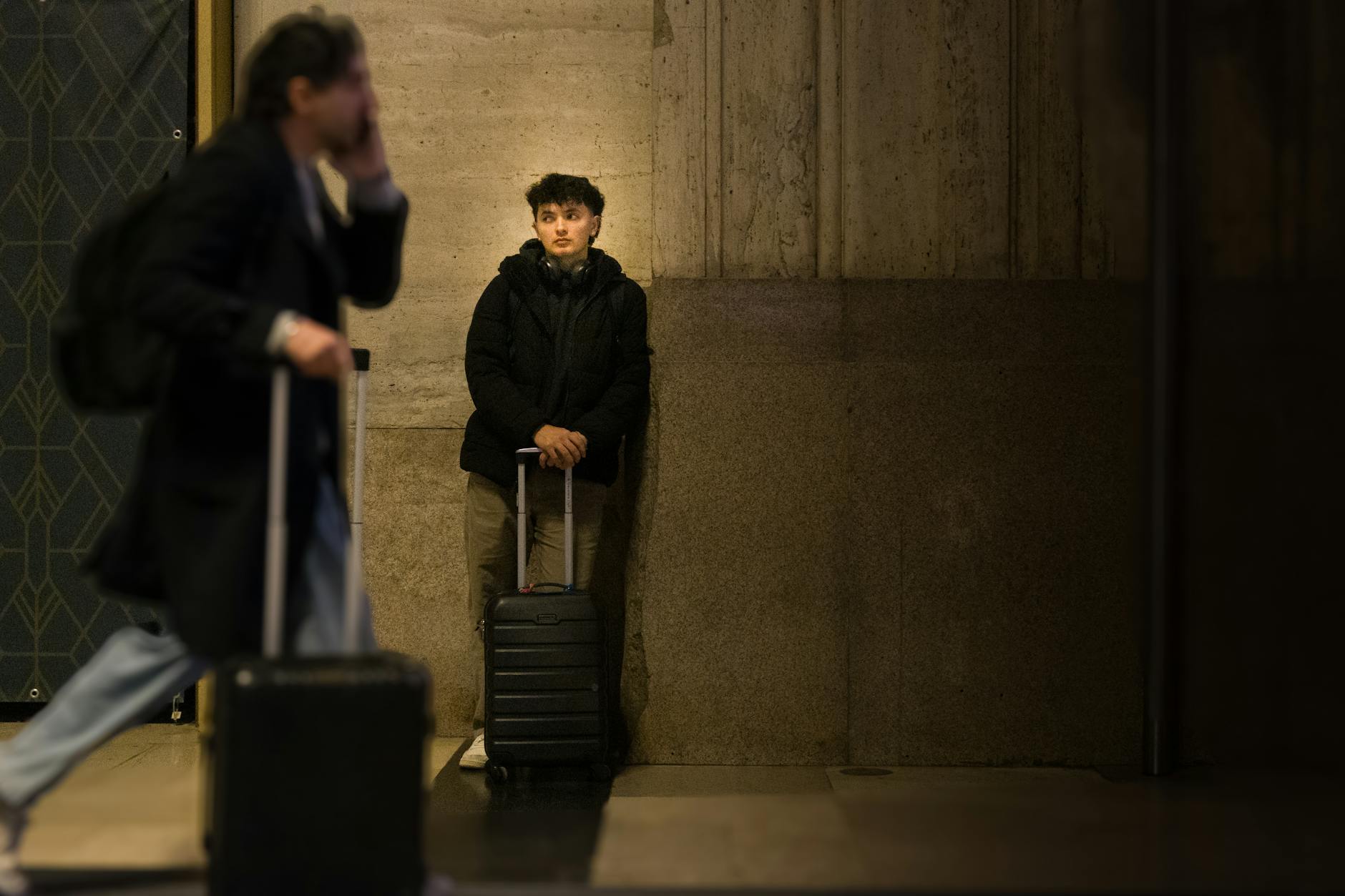
Treat metro and tram use as conditional
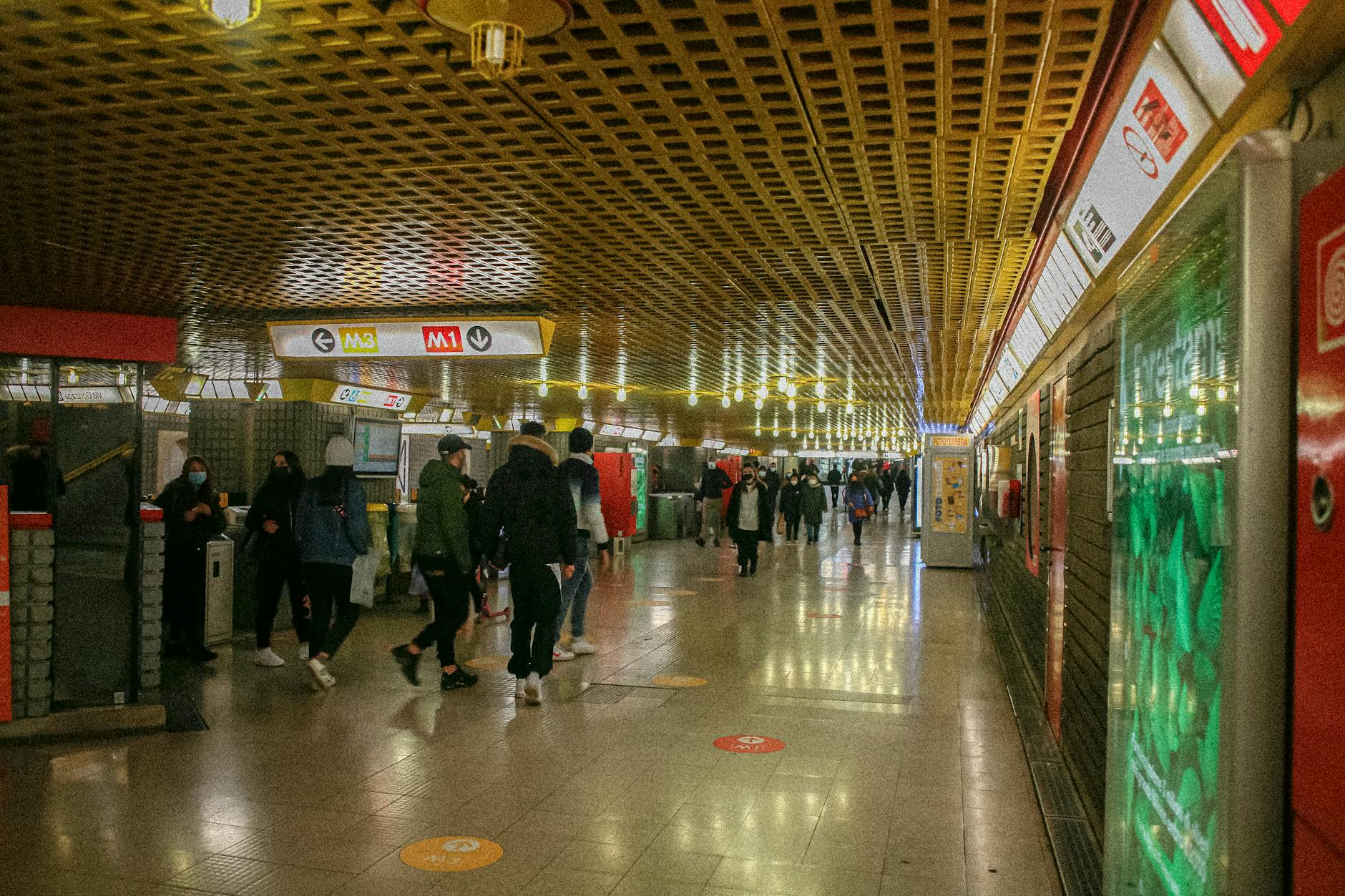
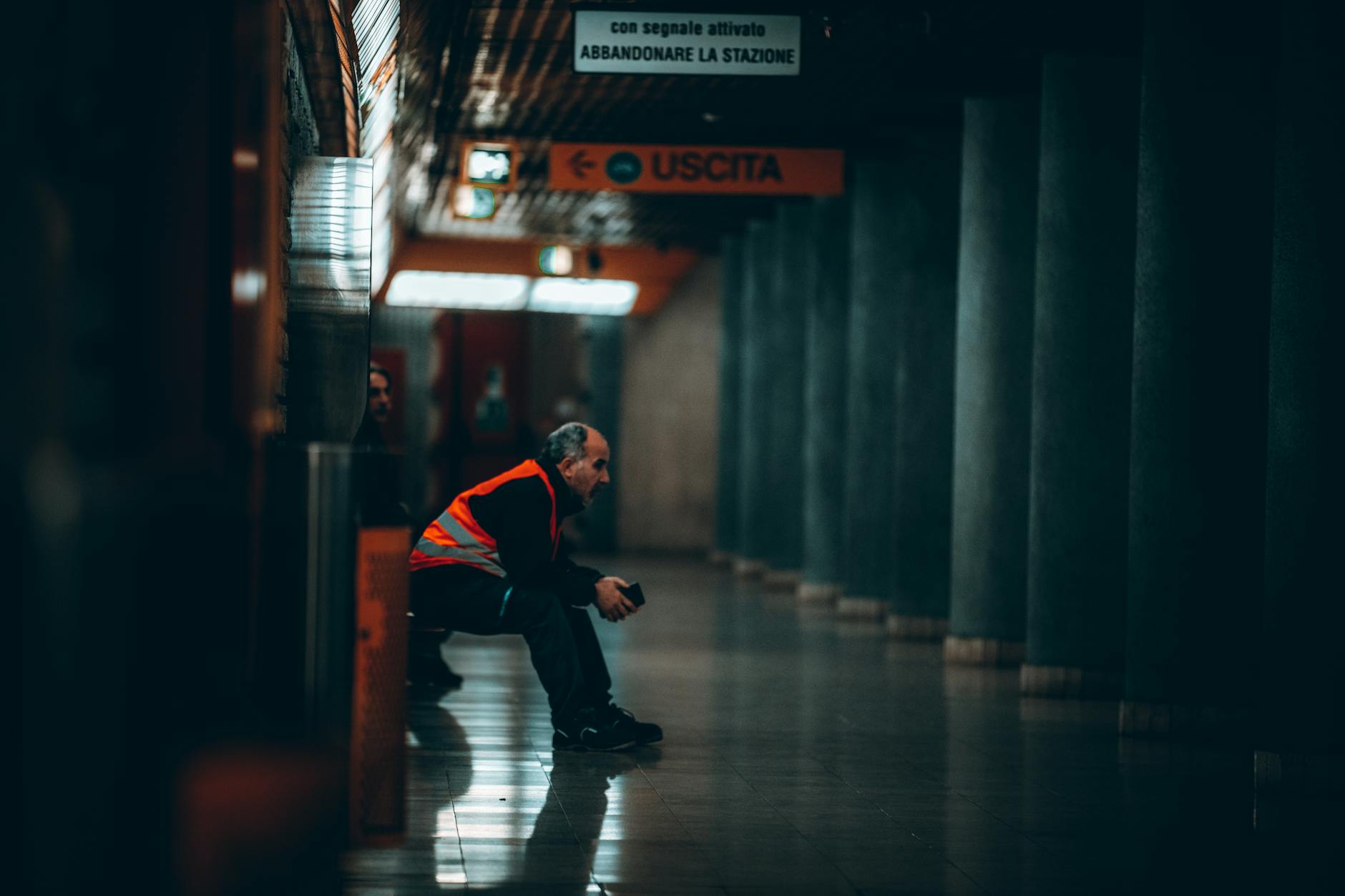
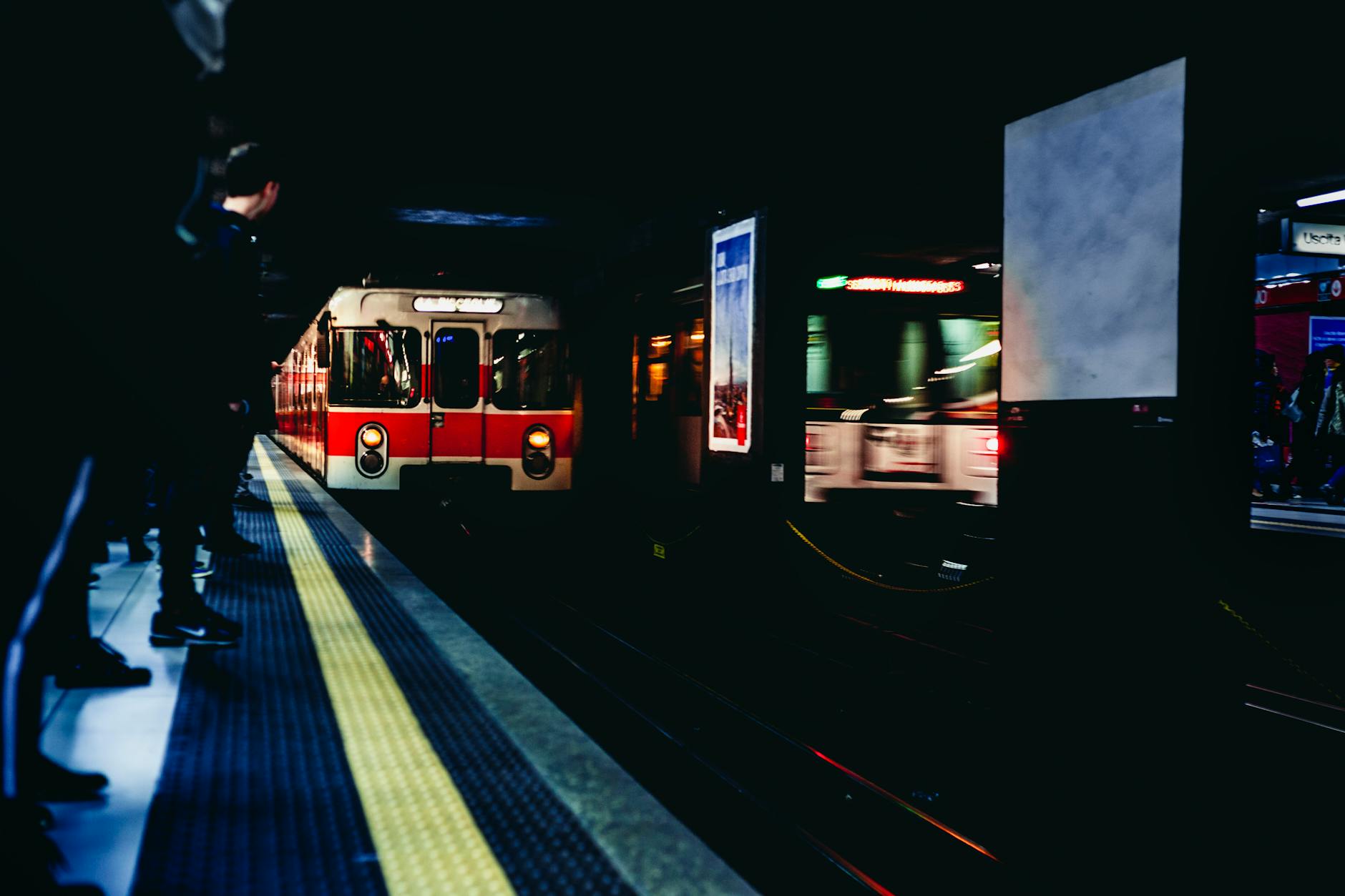
Milan's metro and trams can be useful, but they should not be assumed to solve every route. Station exits, stairs, escalators, elevators, platform crowding, standing time, tram boarding, and the final walk can matter more than the number of stops. A route that works at midday may be poor at rush hour or after dinner.
The traveler should identify a few reliable direct routes and use taxis for the rest. This is not a failure of independence. It is a way to spend mobility budget on the city rather than on avoidable station friction.
- Use metro or trams only when the route is direct and the station exits are practical.
- Account for platform crowding, stairs, escalators, boarding, and standing time.
- Use taxis when transit would consume too much mobility capacity.
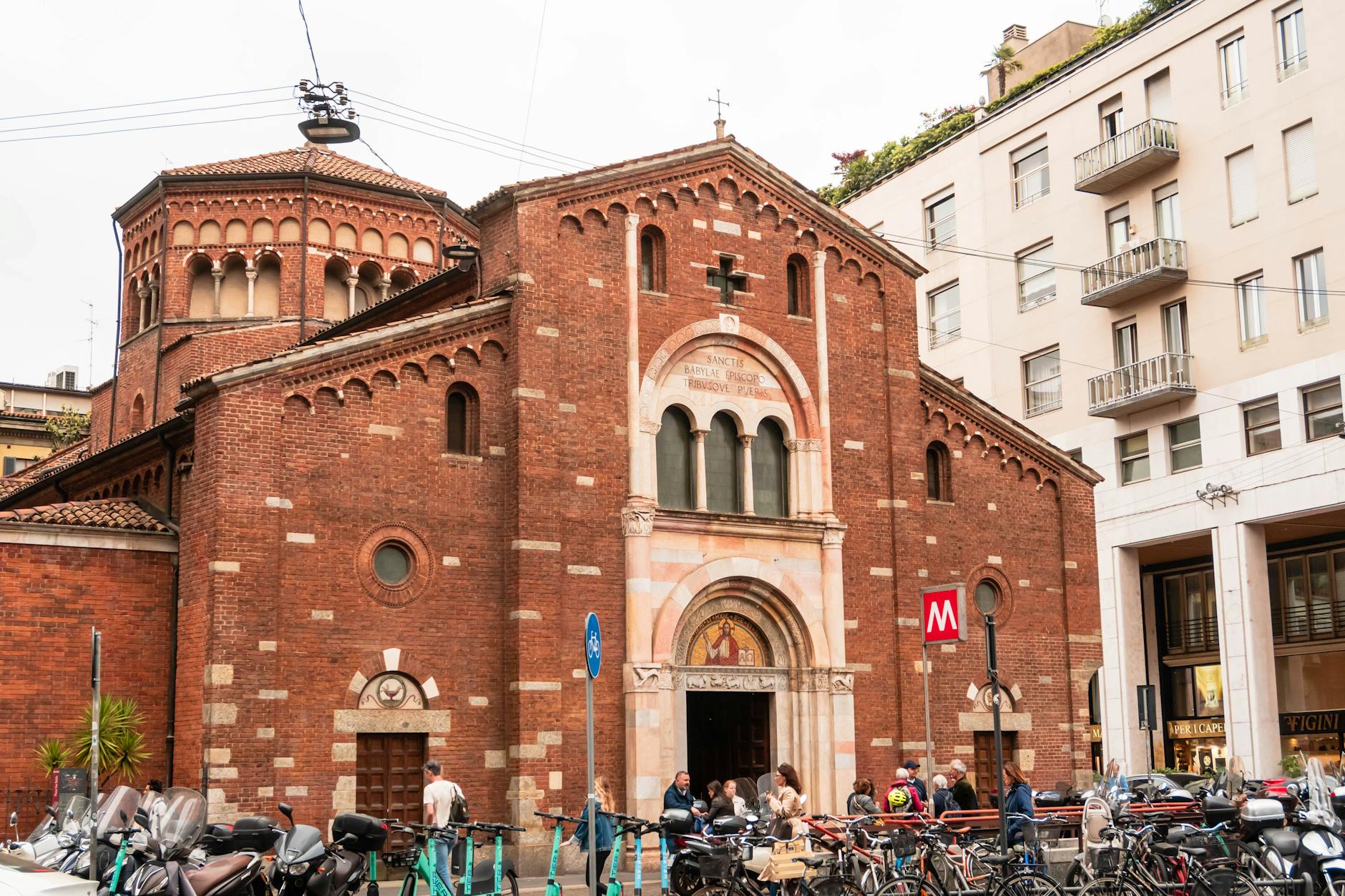
Use central sights with exit plans
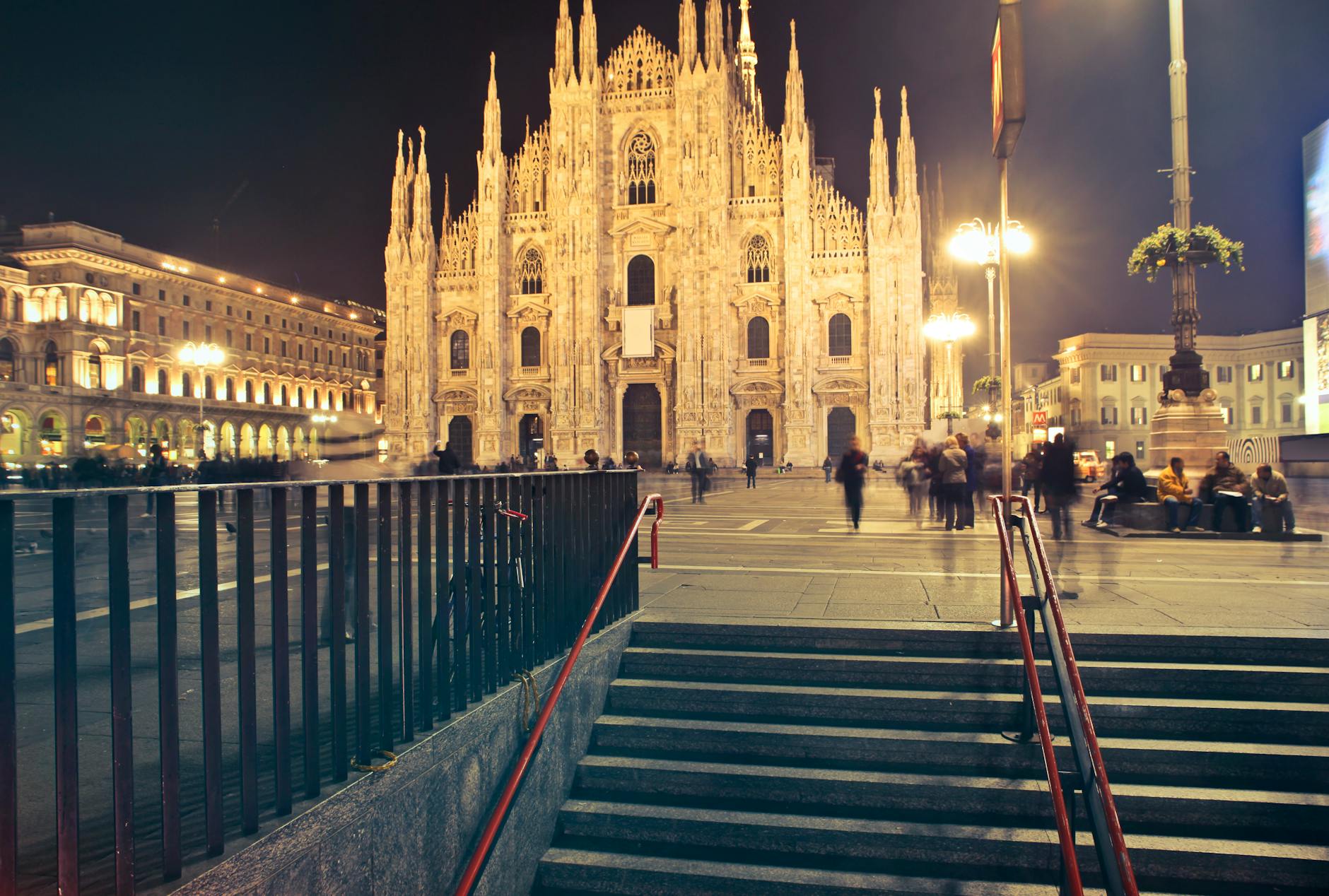
The Duomo, Galleria, Brera, and central shopping streets can be rewarding, but they require exit planning. Crowds, security, hard surfaces, stairs, sun, rain, and standing time can turn a compact area into a demanding one. The traveler should decide whether the best version of a sight is an exterior view, a timed entry, a shorter visit, or a nearby cafe pause.
Every central stop should have a next rest point. That could be the hotel, a taxi pickup, a cafe, a quieter side street, or a planned meal. Milan is more manageable when the traveler knows how to leave before the body demands it.
- Choose the right version of each sight: exterior, timed entry, short visit, or full visit.
- Plan rest, bathrooms, seating, weather shelter, and taxi pickup around central areas.
- Leave crowded zones before fatigue becomes the main event.
Protect meals, bathrooms, and evening returns
Mobility planning is not only about sightseeing. Meals, bathrooms, rest, and evening returns often decide whether the day works. A restaurant should be assessed for distance, entrance, seating, bathroom access, noise, and taxi pickup. A famous room may be less useful than a nearby, accessible, predictable meal.
Evening plans should be simpler than daytime plans. After dinner, fatigue, darkness, weather, and crowded transit can make the same route harder. A mobility-aware Milan evening should be close to the hotel, close to a taxi pickup, or worth the extra transfer effort.
- Choose meals by access, seating, bathroom practicality, and return route.
- Keep evening plans close to the hotel or easy taxi pickup when fatigue is likely.
- Do not let restaurant ambition create the hardest movement of the day.
When to order a short-term travel report
A traveler with mild, familiar mobility limits and a simple hotel-based plan may not need a custom report. A report becomes useful when the trip involves airport uncertainty, station transfers, several hotel choices, mobility equipment, limited walking tolerance, medical overlap, timed sights, rain or heat concerns, evening plans, or a need to decide whether Milan should be a stop or a base.
The report should test hotel access, arrival transfer, walking load, transit practicality, taxi strategy, Duomo and Galleria handling, meal and bathroom geography, weather alternatives, medical fallback, and what to cut if the day is too demanding. The value is a Milan trip that spends mobility carefully.
- Order when mobility limits materially affect hotel, transfer, transit, sightseeing, meal, or evening decisions.
- Provide walking tolerance, equipment needs, hotel candidates, arrival details, medical constraints, must-see sights, and preferred pace.
- Use the report to make Milan workable without depending on optimistic access assumptions.