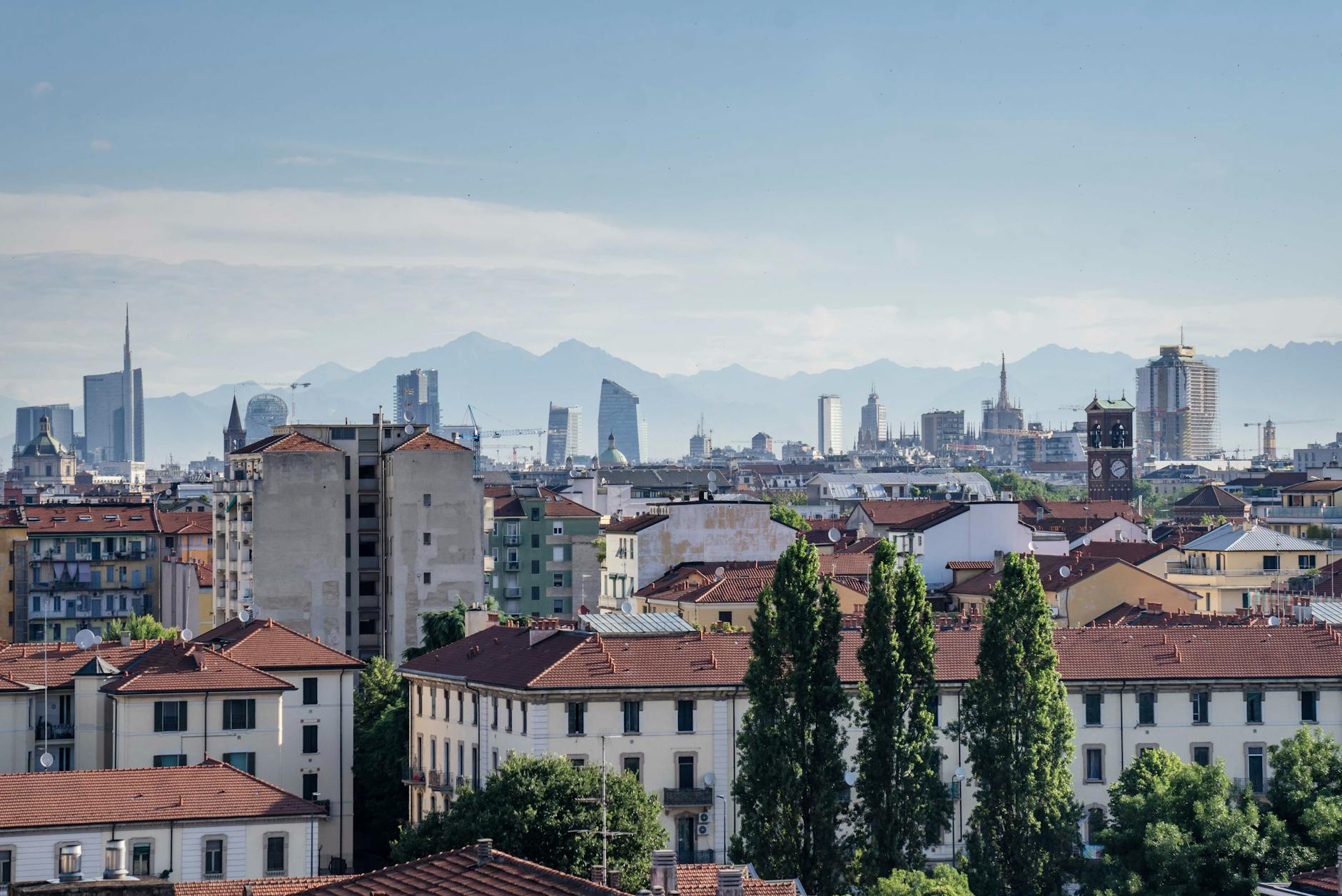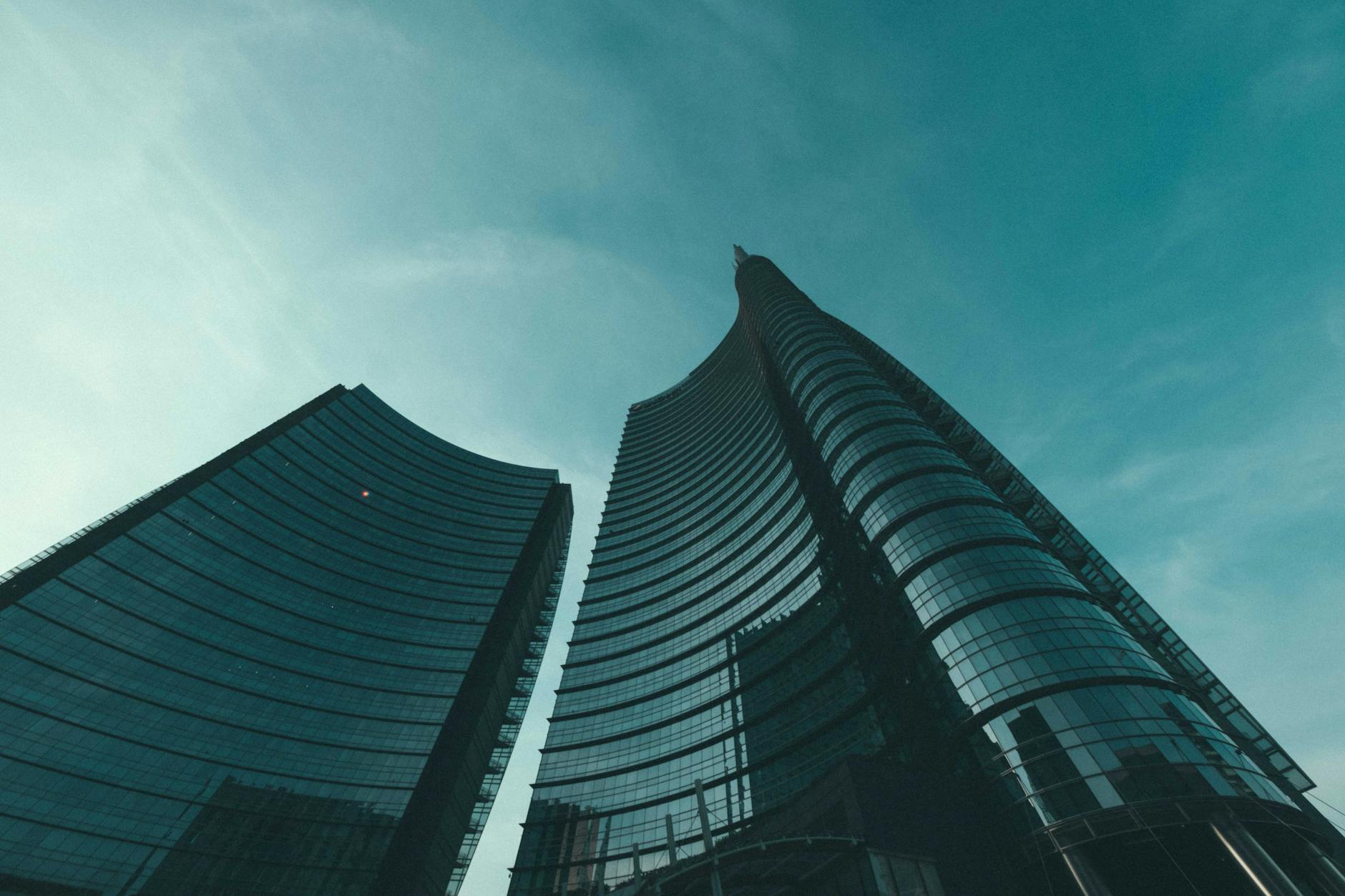
A consultant's Milan trip is often judged by whether the work happens cleanly. The city may involve client offices in Porta Nuova, central meetings, industrial or retail sites outside the core, fashion or design clients, university or conference overlap, and dinners that matter as much as the formal meeting. Milan is well connected, but a consultant with a tight schedule can still lose time to airport choice, hotel geography, traffic, station movement, or poor sequencing. The right plan should protect credibility. That means arriving composed, sleeping near the right work pattern, knowing how to reach the client, keeping calls private, managing documents, planning meals and dinners around the agenda, and deciding what part of Milan, if any, can fit around the assignment.
Map the client work before choosing the base
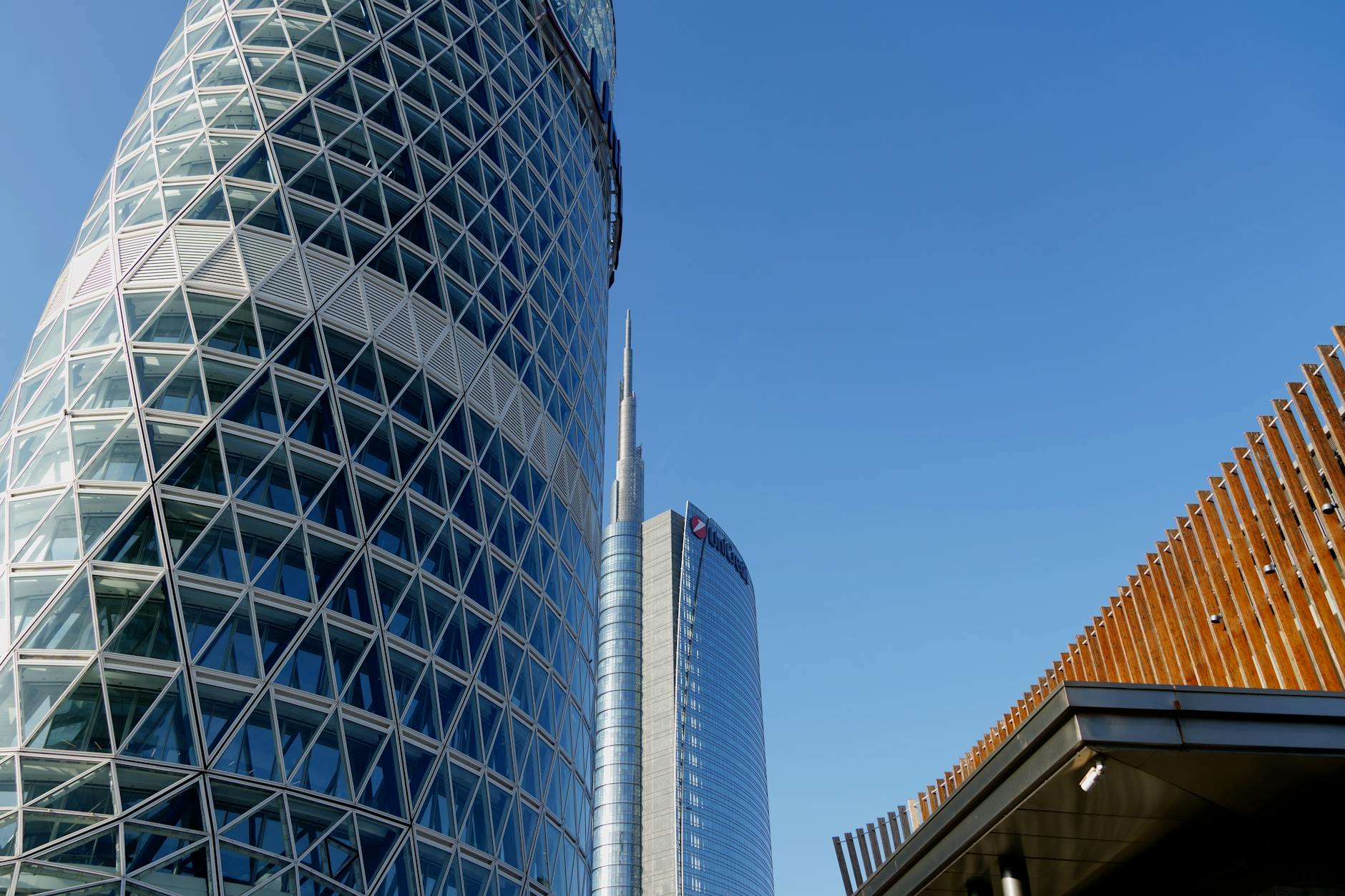
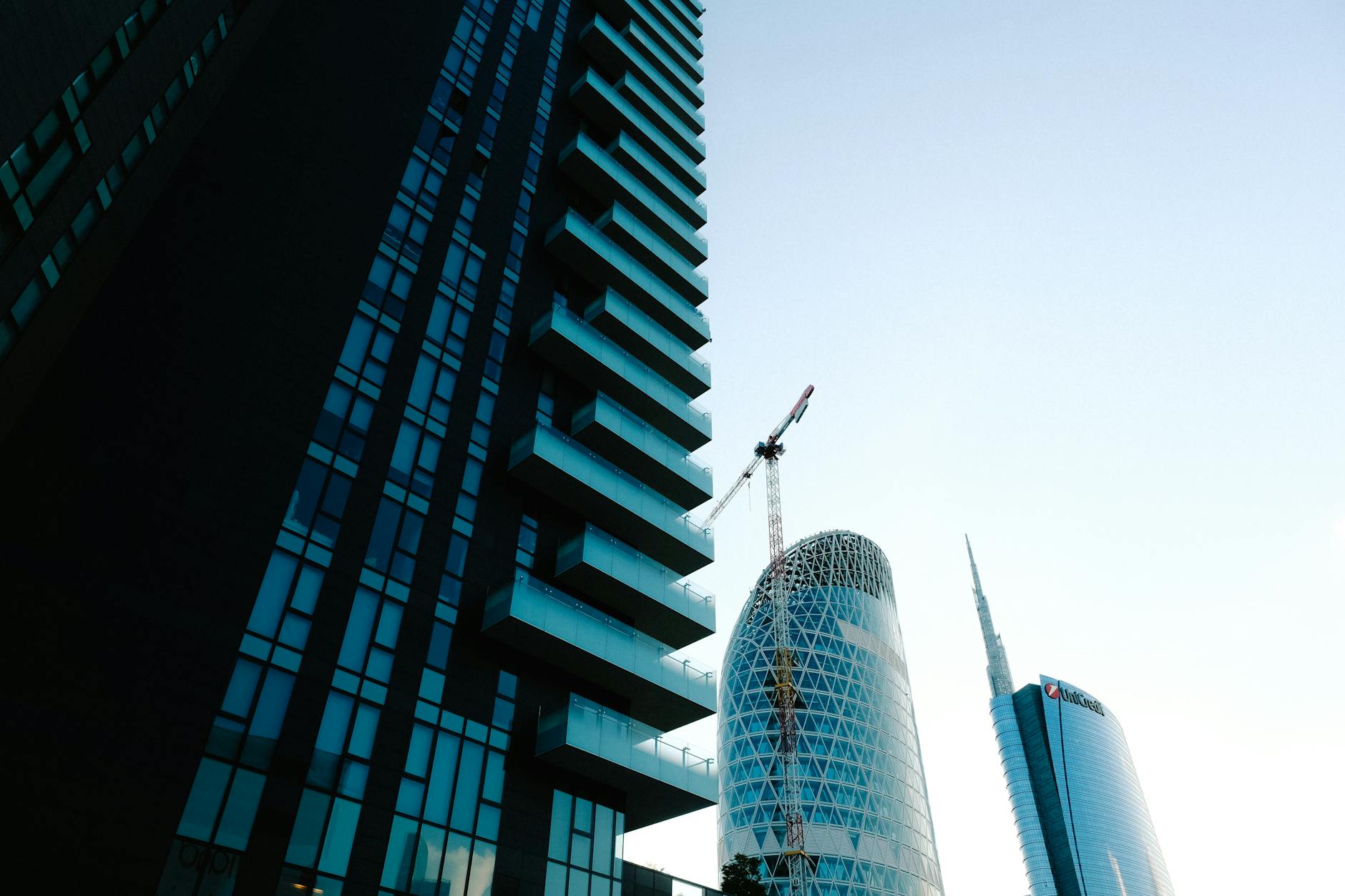
Consultants should begin with client geography. Milan work may sit in Porta Nuova, CityLife, the Duomo area, a design showroom, a university, a retail district, a venue, or an office outside the central tourist map. A hotel that is excellent for sightseeing can be wrong for a day of client meetings and document work.
The consultant should map every required stop: office, workshop, dinner, hotel, train station, airport, and any site visit. Once the work map is clear, the hotel decision becomes a practical choice rather than a brand or neighborhood preference.
- Map client office, workshop, dinner, site visit, hotel, airport, and station geography first.
- Choose the base around the work pattern, not a tourist map.
- Check whether the assignment is central, Porta Nuova, CityLife, showroom, university, or outer-site driven.
Choose arrival routes that protect the first meeting
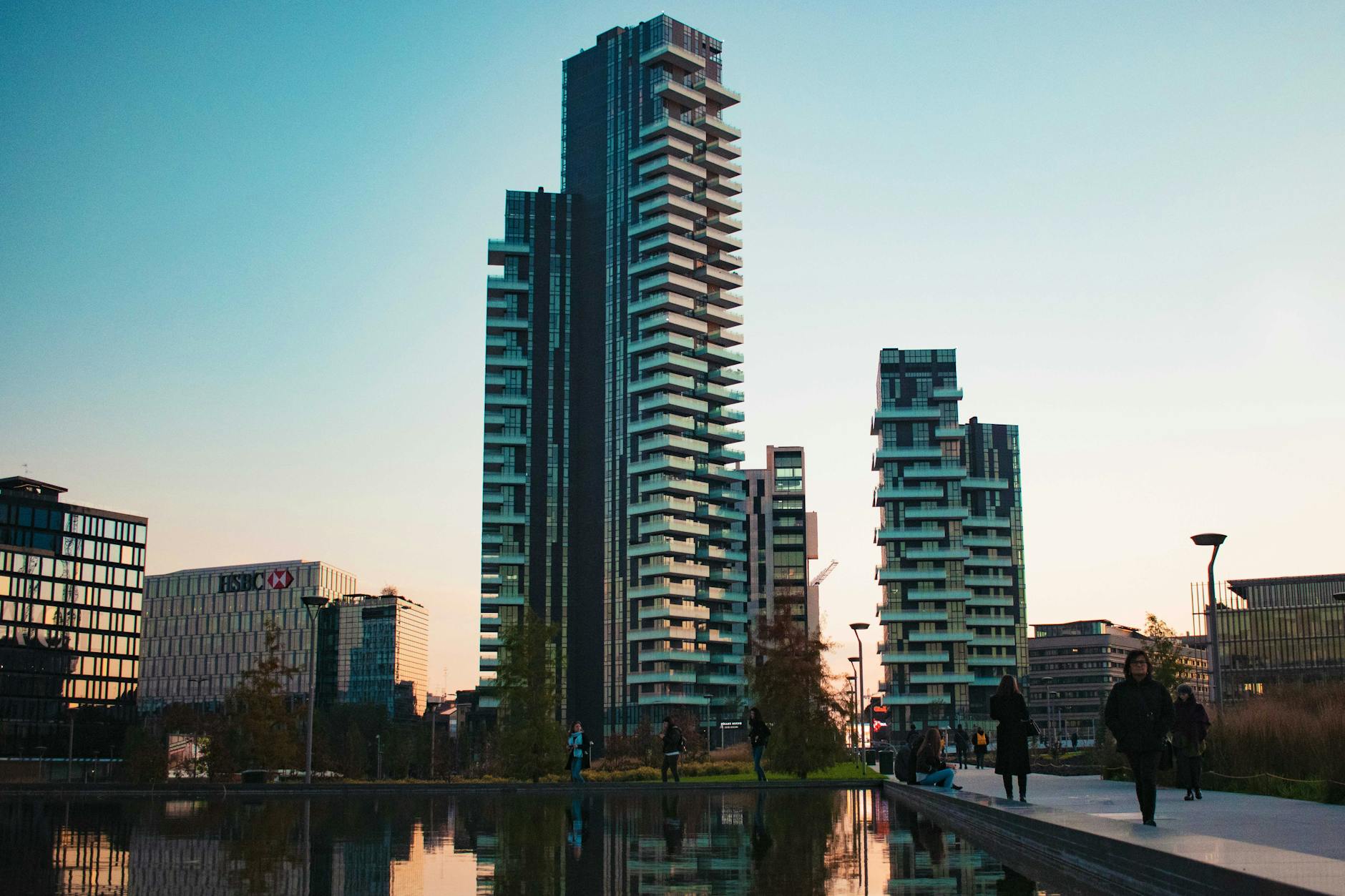
A consultant's first meeting can be damaged by a weak arrival plan. Linate may be the cleanest airport for some central meetings, Malpensa may be necessary for long-haul travel, Bergamo may add avoidable transfer risk, and Milano Centrale can be efficient for rail but demanding with luggage. The transfer decision should be made before the consultant is tired and on the clock.
The plan should include delay margin, luggage strategy, hotel check-in, shower or change time, first call location, and a backup if the flight or rail arrival slips. Saving a small amount on arrival can be expensive if it compromises the meeting that justified the trip.
- Match airport or rail choice to first-meeting timing and client geography.
- Build in check-in, luggage, change time, first call, and delay margin.
- Use a taxi or car when a direct transfer protects professional readiness.
Make the hotel function as a work base
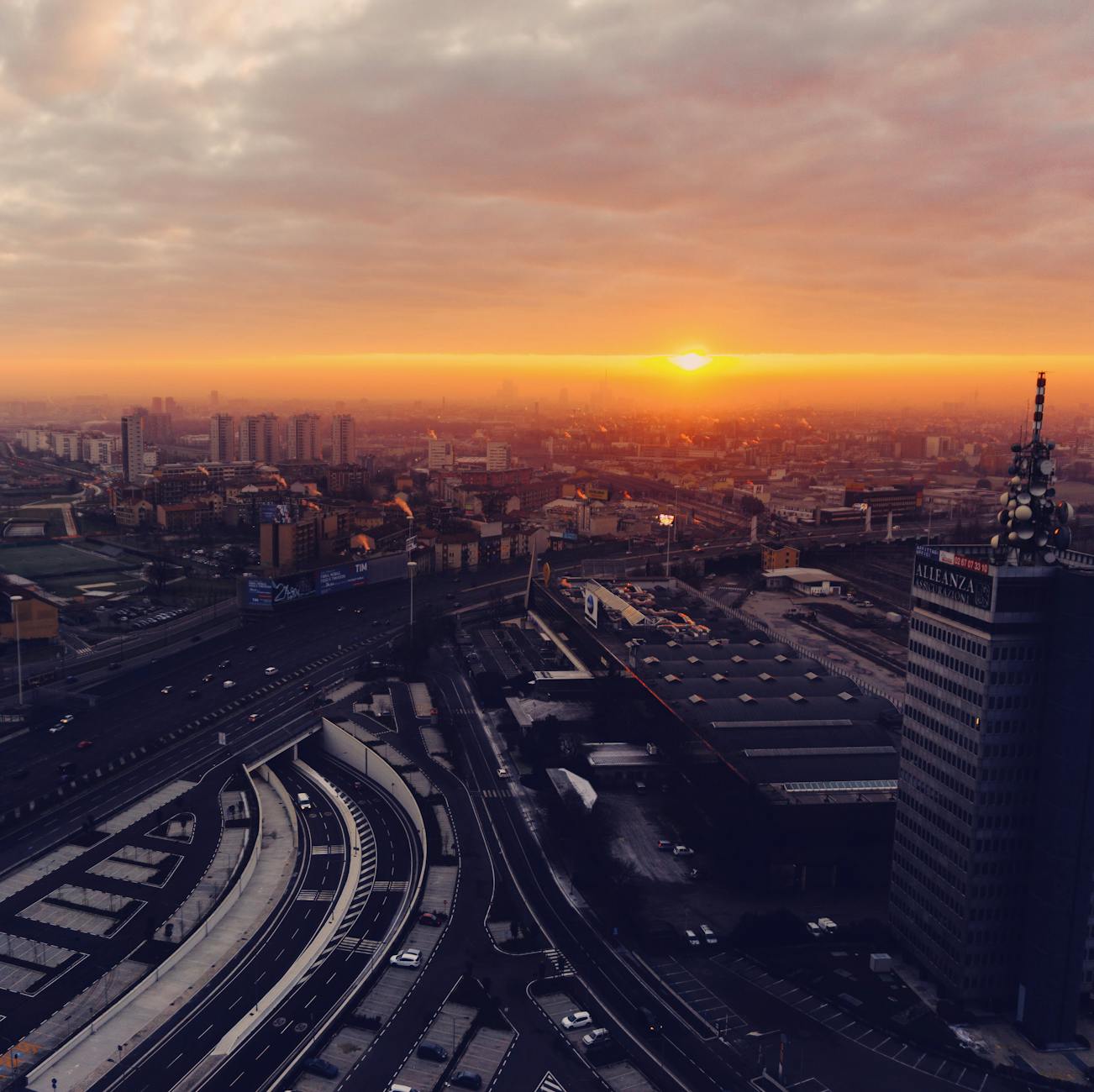
The consultant's hotel is not only a place to sleep. It may need to support early breakfast, private calls, document review, quiet, laundry, reliable Wi-Fi, desk space, luggage storage, taxi pickup, and a quick reset between meetings. A stylish room can still be a bad work base if it lacks light, privacy, or operational support.
Location should also support the evening. If the client dinner is in Brera, Porta Nuova, Navigli, or near the Duomo, the return route should be easy. The consultant should not end a long workday by solving a preventable transport problem.
- Check desk space, Wi-Fi, quiet, calls, breakfast, laundry, storage, and taxi access.
- Choose a hotel that works between meetings, not only overnight.
- Place the hotel so client dinners and late returns remain simple.
Sequence meetings to reduce cross-city drag
Milan can handle a dense consulting day, but only if meetings are sequenced intelligently. A workshop, client presentation, office visit, site tour, private call, and dinner should not be scattered without regard to traffic, transit, weather, and preparation time. Door-to-door timing matters more than the apparent distance between pins.
The consultant should group meetings by district where possible and leave room for notes, document changes, and follow-up calls. A strong schedule protects thinking time as much as movement time.
- Group meetings by district and account for door-to-door timing.
- Reserve space for notes, follow-up calls, document edits, and private work.
- Avoid stacking site visits and client dinners without recovery or preparation time.
Use transit, taxis, and walking according to the client risk
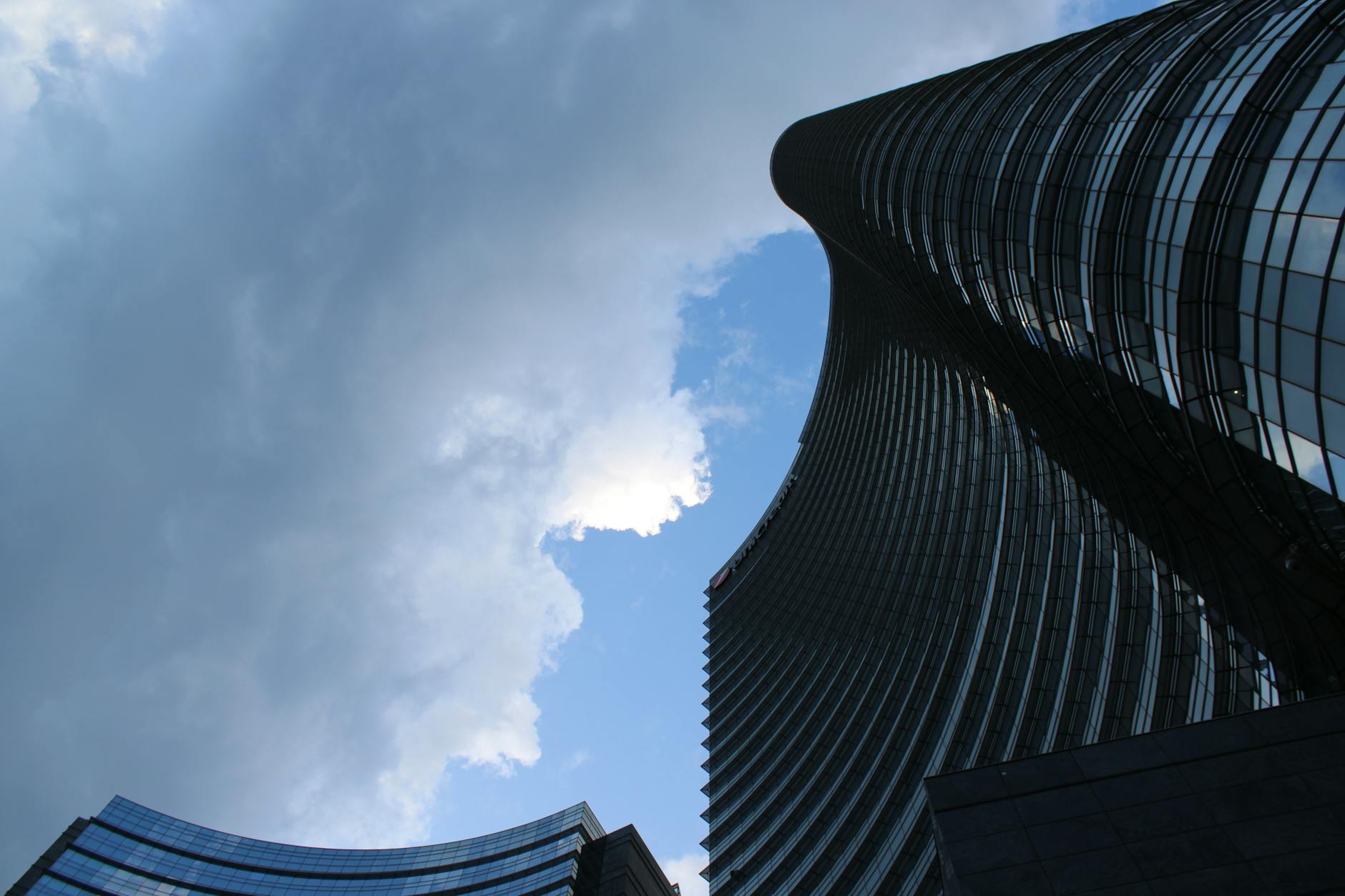
A consultant can use Milan's metro, trams, taxis, and walking routes effectively, but the choice should depend on meeting risk. Public transit may be fine for a direct route with margin. Taxi or car service may be better before a boardroom session, with luggage, in rain, after dinner, or when the destination is not well served by transit.
The consultant should also consider confidentiality. Calls in taxis, stations, hotel lobbies, and cafes can expose more than expected. Movement plans should include where sensitive calls and document review can happen without creating professional risk.
- Use public transit for direct, low-risk routes with timing margin.
- Use taxi or car service before high-stakes meetings, with luggage, in rain, or after dinner.
- Plan private locations for sensitive calls and document review.
Handle client dinners as part of the engagement
Client dinners in Milan can be valuable, but they should be treated as part of the engagement rather than a casual add-on. Restaurant district, room tone, dress, noise, dietary needs, taxi access, and next-morning timing all matter. A dinner that is too far away, too loud, or too late can weaken the next day's work.
The consultant should decide whether the dinner is relationship-building, negotiation support, team bonding, or a simple meal after a long day. The answer should determine location and ambition. Milan's dining scene is strong enough that the right practical restaurant is usually better than the most dramatic reservation.
- Choose dinner by client purpose, district, room tone, noise, dress, and return route.
- Account for next-morning work before accepting a late or distant booking.
- Use practical Milan dining to support the engagement, not distract from it.
When to order a short-term travel report
A consultant with a single central client meeting and a flexible schedule may not need a custom report. A report becomes useful when the trip involves multiple client sites, tight arrival timing, several hotel options, site visits outside the core, confidential work, client dinners, medical or mobility needs, event-period hotel pressure, or a need to decide whether Milan can support additional meetings without weakening the primary engagement.
The report should test client geography, hotel base, airport or rail arrival, transfer choices, meeting sequence, private work locations, dinner districts, late returns, weather exposure, medical fallback, and what to cut if the client agenda expands. The value is a Milan consulting trip that protects judgment, stamina, and professional presentation.
- Order when client geography, transfer timing, hotel choice, meetings, dinners, confidentiality, or traveler constraints matter.
- Provide client locations, hotel candidates, agenda, arrival details, dinner plans, work needs, and risk tolerances.
- Use the report to keep the consulting assignment operationally clean from arrival through departure.