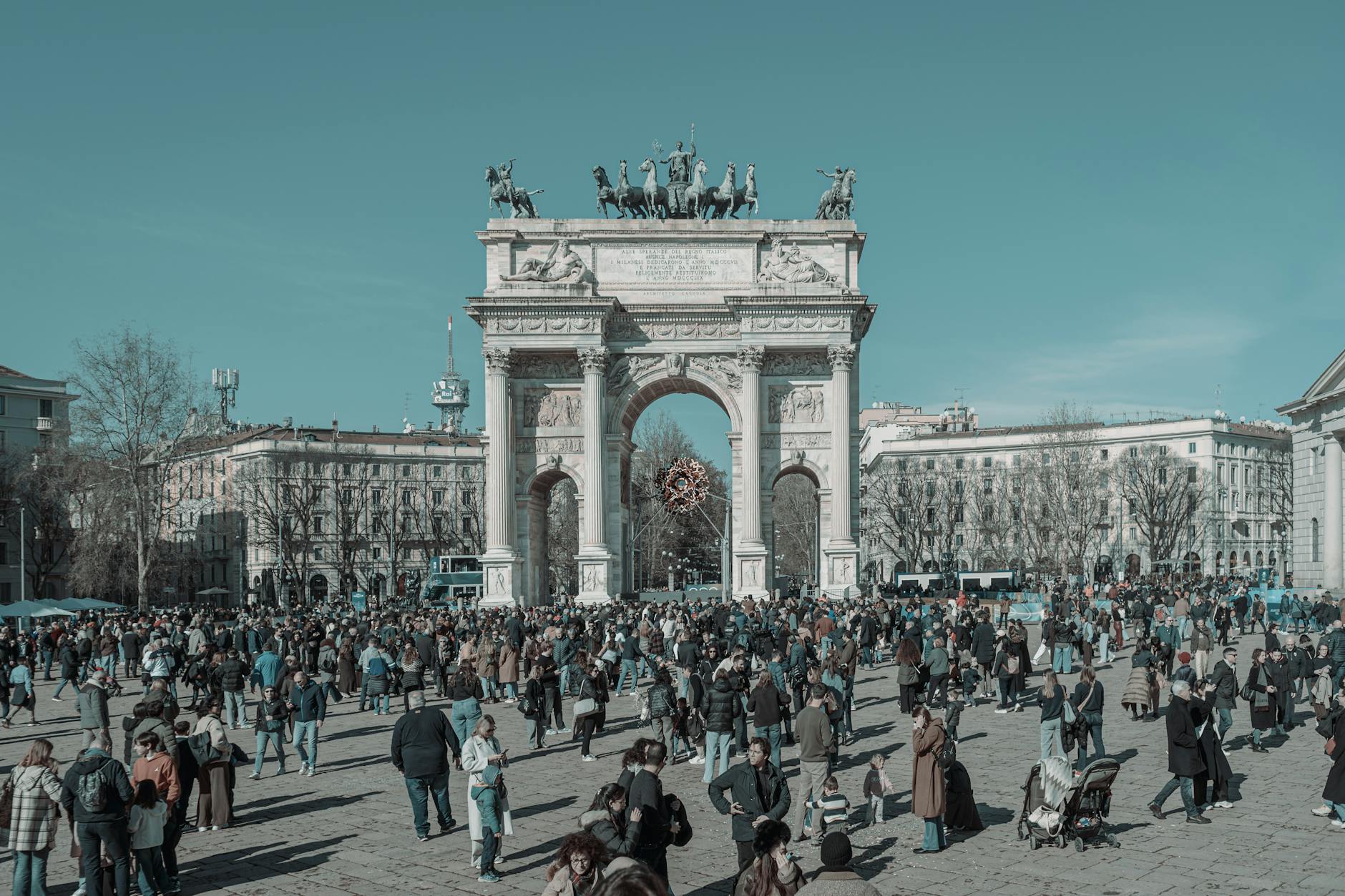
Milan can be an effective base for volunteer, nonprofit, research-adjacent, faith-linked, design, refugee-support, food-distribution, cultural, or community programs, but the trip should not be treated like ordinary tourism with a good cause attached. The traveler may be moving between a host office, project site, housing, train station, community partner, storage point, school, church, clinic, or neighborhood association. Those movements need more care than a casual city break. The planning standard should be practical and humble. The traveler needs to know who is responsible for them, where the work actually happens, how they will get there, what conduct rules apply, what not to photograph, how to handle documents and devices, and how to return safely after long days. Milan is not difficult when those pieces are clear. It becomes messy when the traveler assumes good intentions will solve logistics.
Confirm the host before planning the city
A volunteer or NGO trip should begin with the host, not with flights or weekend plans. The traveler should know the legal name of the organization, local address, supervising person, emergency contact, program schedule, insurance expectations, language requirements, and what the work actually involves. A vague invitation to help in Milan is not enough. The host should be able to explain where the traveler will go, who will meet them, what training is required, and what behavior is unacceptable.
This is especially important when the work involves minors, migrants, vulnerable adults, health-adjacent support, food distribution, religious partners, shelters, schools, or public-facing outreach. The traveler should be clear about role boundaries. A short visit is rarely the place to improvise policy, collect personal stories, or act beyond the host's instructions.
- Confirm host identity, address, supervisor, schedule, emergency contact, insurance expectations, and role limits.
- Treat work with vulnerable communities as a duty-of-care issue, not a casual volunteer opportunity.
- Ask what the traveler may not do before asking how to fill free time.
Map the worksite, housing, and supervision chain
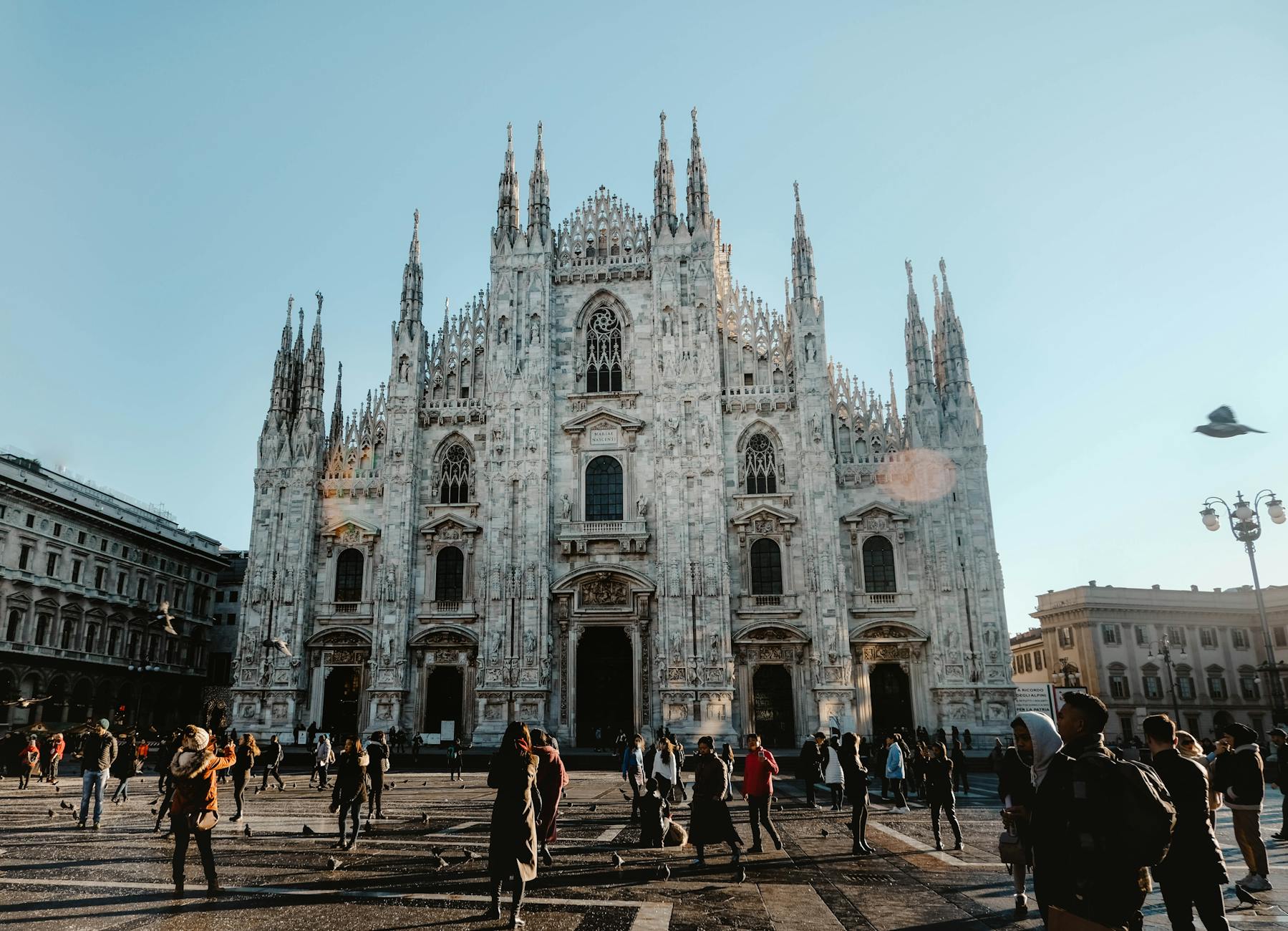
Milan volunteer geography can be more spread out than visitors expect. The host office may be central while the worksite is near a rail node, outer neighborhood, church facility, community kitchen, school, warehouse, or partner organization. Housing that looks attractive for sightseeing may be weak for daily project movement. The traveler should test the actual route before committing.
The supervision chain should also be mapped. If the traveler gets delayed, feels unsafe, becomes ill, or finds the assignment different from what was promised, they should know whom to call and what the host will do. This matters more than whether the housing is close to the Duomo.
- Map host office, project site, housing, orientation point, meals, transit, and backup contact.
- Choose lodging for the daily route and return conditions, not only central Milan appeal.
- Know who has authority to change the assignment or help if the plan breaks down.
Make arrival boring and accountable
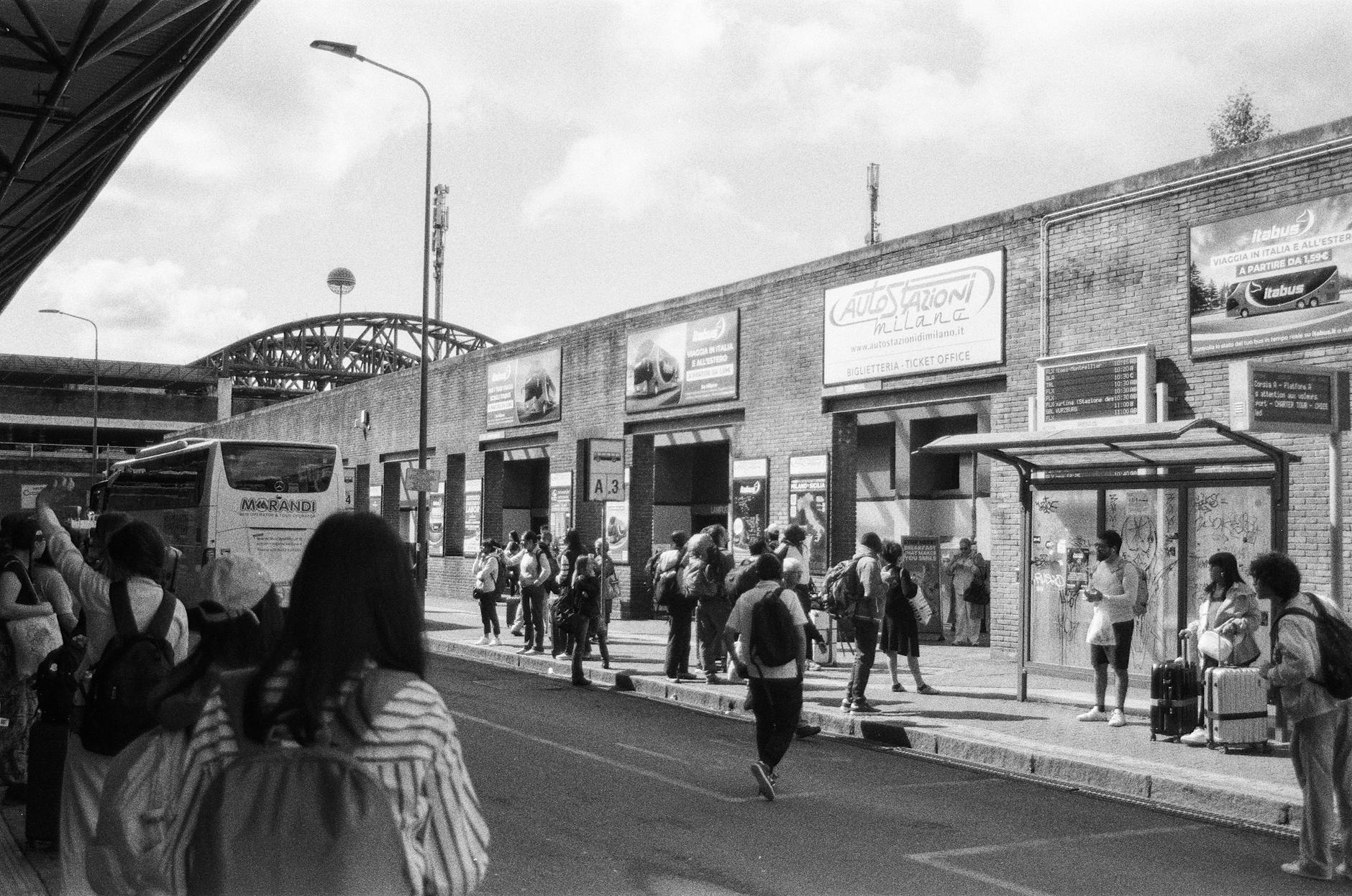
A volunteer traveler may arrive tired, carrying donations, supplies, documents, or equipment, and trying to coordinate with people they have not met. That is not the moment to improvise. Linate, Malpensa, Bergamo, and Milano Centrale each create different transfer questions, especially if the traveler is arriving late or heading directly to group housing.
The first transfer should be simple enough that the host can verify it. The traveler should have the address offline, the check-in process clear, a working phone plan, payment backup, and a host contact who knows the arrival time. A clean arrival protects the first day of service and reduces the chance that the traveler begins the program already stressed.
- Confirm arrival time, transfer mode, housing access, phone connectivity, and who is expecting the traveler.
- Use a taxi or prearranged transfer when late timing, supplies, luggage, or group housing makes transit too brittle.
- Keep documents, medications, and project materials in controlled carry-on bags.

Treat daily movement as duty of care
Daily movement is part of the volunteer risk picture. A traveler may be leaving early, returning tired, moving with a small team, carrying supplies, or visiting areas that are ordinary for locals but unfamiliar to them. Milan's metro, trams, buses, taxis, and walking routes can all work, but the right choice depends on time of day, neighborhood, luggage, group size, and whether the host expects the traveler to arrive independently.
The traveler should avoid making each day a new navigation problem. Establish the route, backup route, meeting point, and return plan early. If the project day ends after dark or after an emotionally demanding assignment, the return should be simpler than the morning route.
- Learn the repeated project route and one fallback before the first full workday.
- Use group movement, taxis, or host-arranged transport when supplies, late returns, or unfamiliar areas justify it.
- Do not let tired volunteers scatter without a return plan.
Protect privacy, dignity, and documentation
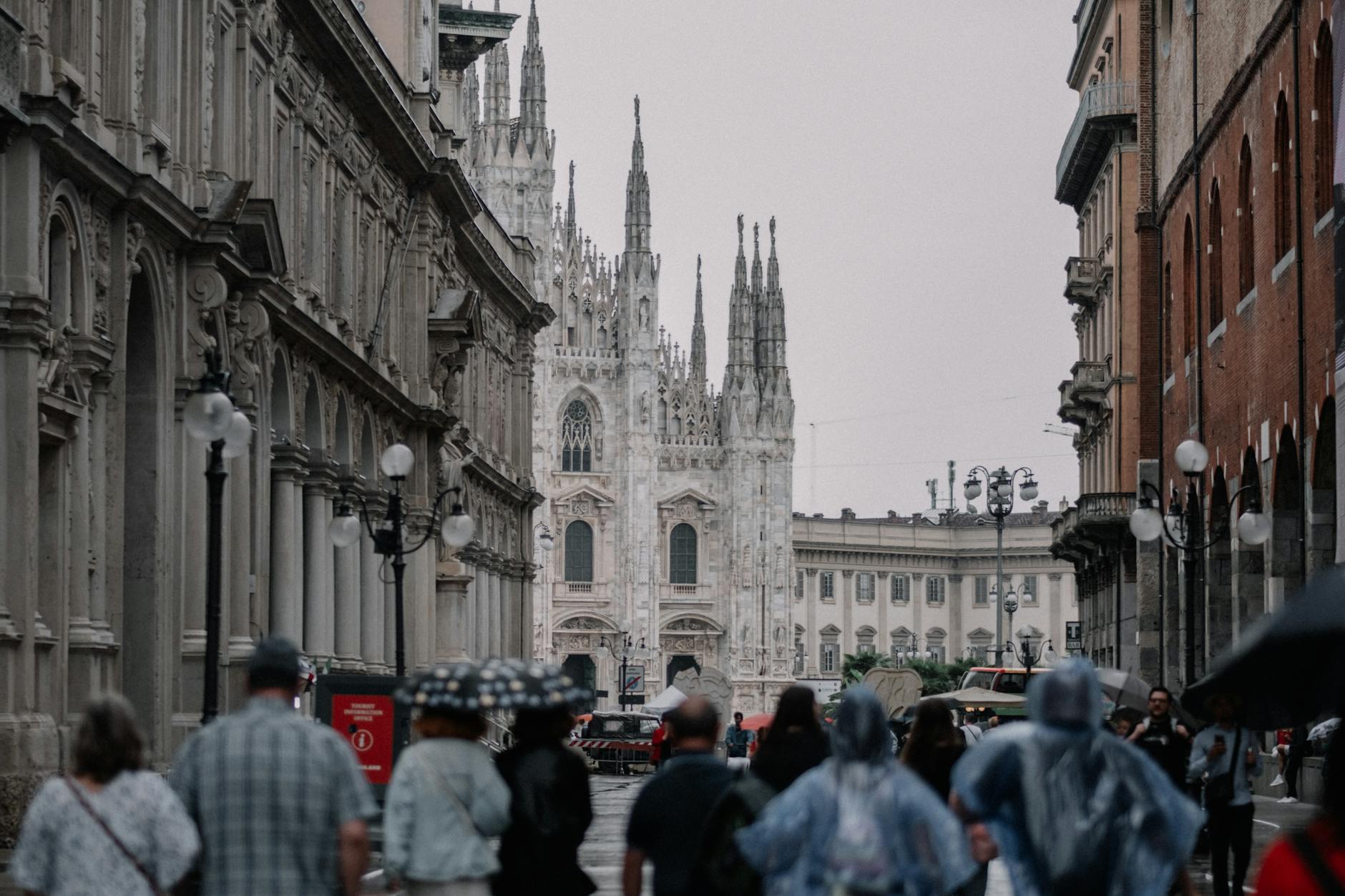
Volunteer travel often creates the temptation to document the work. That is exactly where discipline matters. The traveler should know the host's rules for photography, social posting, interviews, names, faces, locations, minors, vulnerable adults, and any identifying details. In many assignments, the right answer is to put the camera away entirely unless the host has explicit consent procedures.
Documentation also includes the traveler's own paperwork. Passport, insurance, emergency contacts, host letter, program schedule, prescriptions, and payment backup should be available offline. Good intentions do not help if the traveler cannot prove who they are, reach the host, or handle a basic medical or administrative problem.
- Follow the host's privacy rules for photos, stories, names, locations, and social posts.
- Do not document vulnerable people unless the host has explicit consent procedures and asks for it.
- Keep passport, insurance, host letter, contacts, schedule, prescriptions, and payment backup offline.
Protect health, fatigue, and evening boundaries
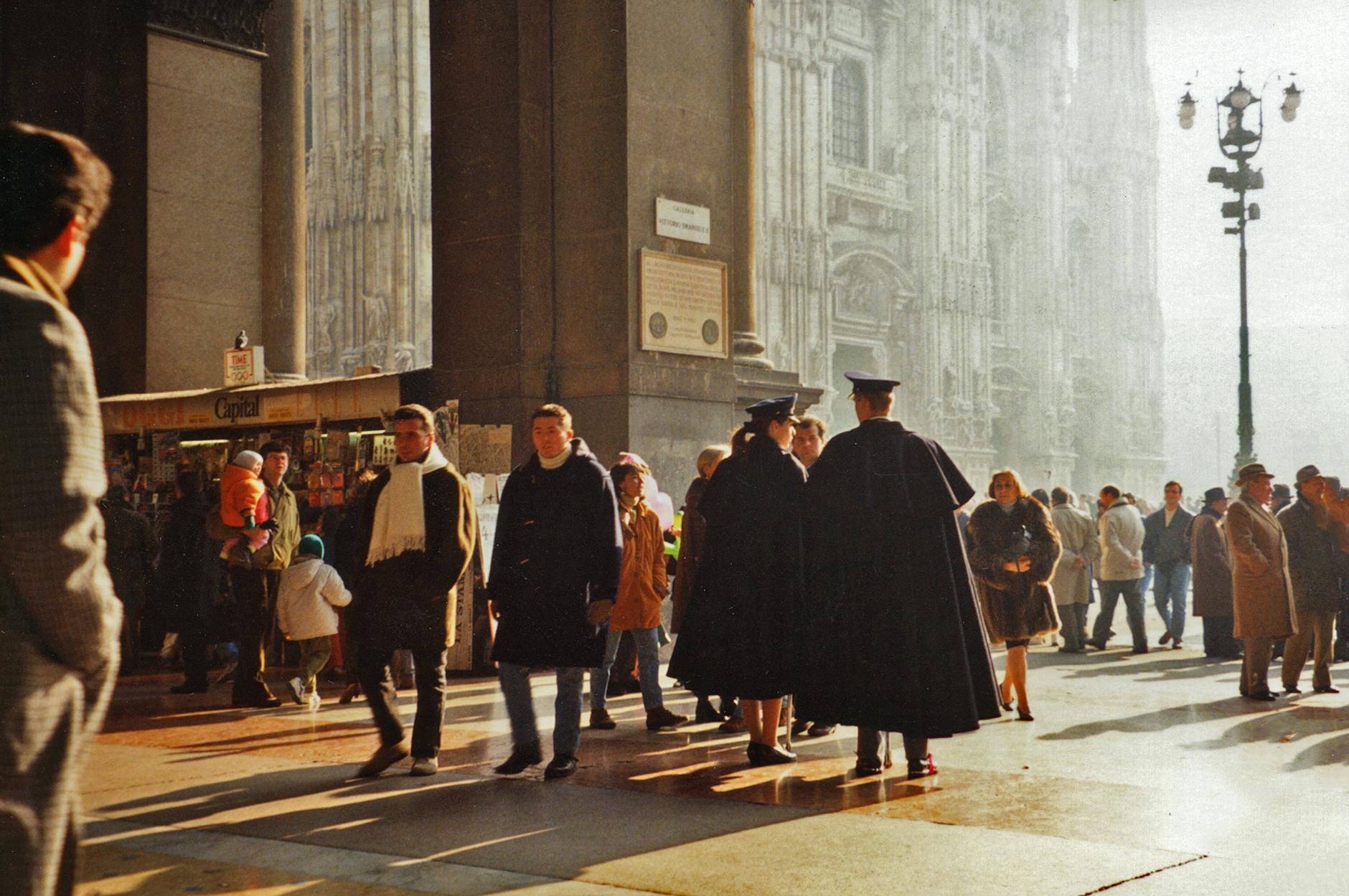
Short volunteer trips can become physically and emotionally heavy. The traveler may underestimate standing time, heat, crowded transit, language fatigue, food timing, sleep debt, or the emotional load of the work. Milan's social and cultural options are appealing, but the traveler should not treat evenings as unlimited recovery time after full project days.
Meals, hydration, medications, rest, and realistic evenings should be planned. Navigli, Brera, aperitivo, museums, and shopping can still fit, but the traveler should know which nights are for the city and which nights are for sleep. Volunteers who burn out early become less useful to the host and less safe for themselves.
- Plan food, hydration, medication, rest, and laundry as part of the service schedule.
- Separate project nights from social nights instead of assuming every evening can stretch late.
- Use direct returns when the day has been physically or emotionally demanding.
When to order a short-term travel report
A volunteer with a vetted host, airport pickup, supervised housing, and a narrow schedule may not need a custom report. A report becomes useful when the traveler must choose housing, arrive alone, carry supplies, move daily across the city, work with vulnerable communities, has medical or mobility needs, or when a parent, sponsor, church, school, or NGO needs to understand whether the plan is practical.
The report should test host location, worksite geography, arrival transfer, housing access, daily routes, privacy rules, medical and document backup, evening boundaries, current local conditions, and what to change if the assignment is too vague. The value is a Milan service trip that is disciplined enough to protect both the traveler and the people they came to serve.
- Order when host clarity, housing, arrivals, supplies, daily movement, vulnerable groups, or traveler constraints raise the stakes.
- Provide host details, project site, housing candidates, arrival information, role description, health needs, and evening expectations.
- Use the report to make the service trip accountable rather than merely well intentioned.