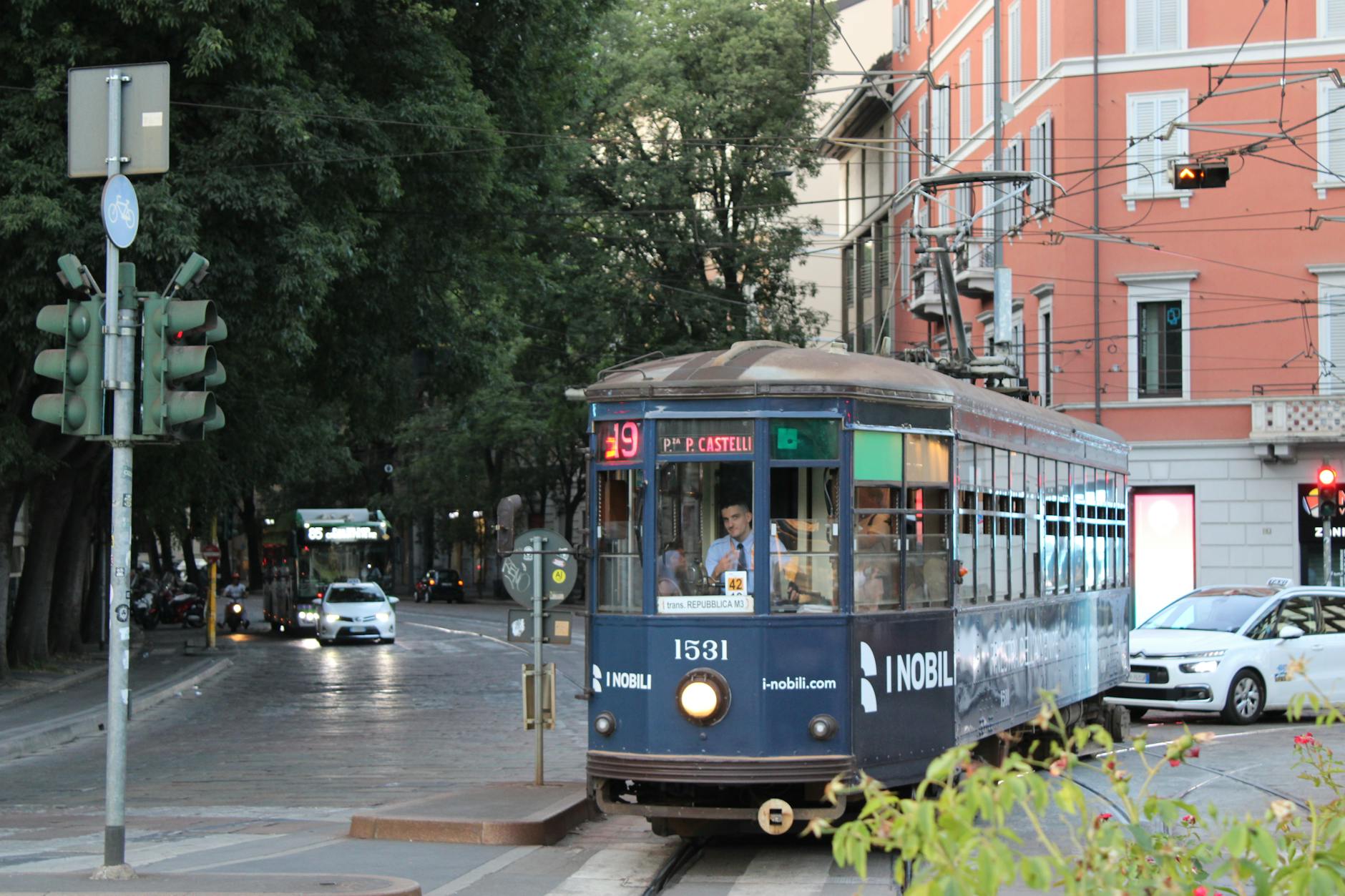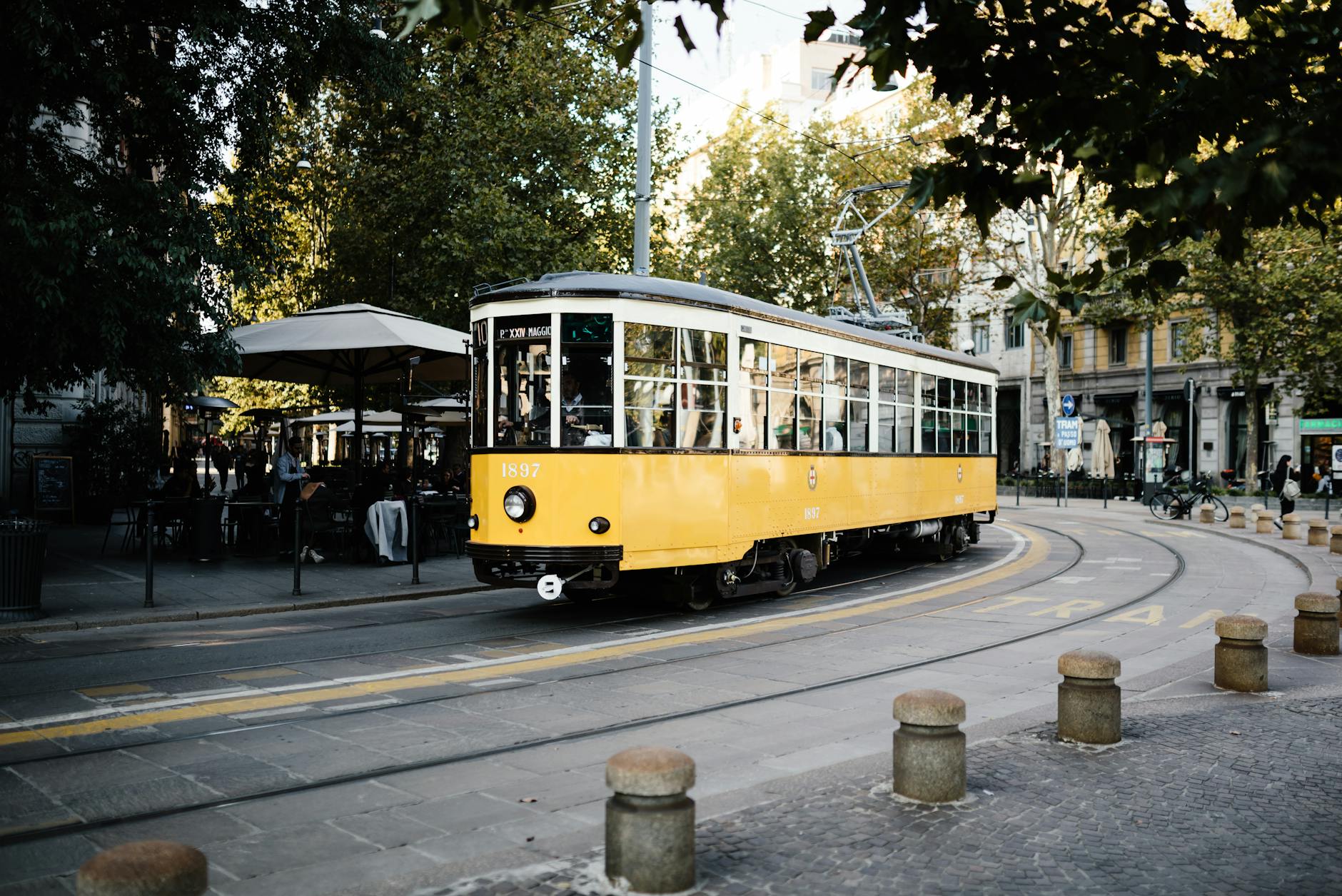
Milan can be expensive, but it is not off-limits for budget travelers. The city has useful public transit, walkable central routes, free exterior sights, parks, canals, affordable food options when timed well, and rail connections that can make a short trip efficient. The risk is that a cheap choice in Milan can quickly become expensive if it creates poor airport transfers, long late-night rides, luggage storage fees, weak meal options, or wasted time. A good budget trip to Milan is not just about finding the lowest price. It is about controlling the costs that compound: where to sleep, how to arrive, how to move, when to eat, which paid sights matter, and what to skip. Milan rewards budget travelers who are selective rather than apologetic.
Treat location as a budget decision
The cheapest bed in Milan may not be the cheapest trip. A budget traveler should compare lodging cost with airport transfer, metro access, late return, luggage storage, breakfast, and the amount of paid transit needed each day. A hostel or budget hotel near a useful line can be a better value than a cheaper room that adds friction to every movement.
The last walk also matters. A low price is less attractive if the traveler does not like returning there after dinner or if the route forces expensive taxis. Budget planning should protect sleep, safety, and time, not only the nightly rate.
- Compare lodging price with transfer cost, transit access, luggage storage, and late return.
- Choose a base near a useful metro or tram route rather than only a cheap listing.
- Do not let a low nightly rate create daily transport and time costs.
Control airport and rail costs before arrival
Budget travelers should be especially careful with Milan's airport geography. Linate, Malpensa, and Bergamo can have very different transfer costs and time burdens. A cheap flight can lose value if it lands far from the hotel late at night or requires a costly last-mile ride. Milano Centrale can be useful, but station-area lodging and luggage plans should be chosen deliberately.
The traveler should calculate the full door-to-door cost before booking the flight, not after. Transfer mode, arrival time, baggage, check-in window, and first meal should be part of the budget.
- Compare flight savings against transfer cost, arrival hour, and last-mile transport.
- Plan Linate, Malpensa, Bergamo, or Centrale arrival before booking nonrefundable lodging.
- Include baggage, luggage storage, check-in timing, and first meal in the real arrival cost.
Use public transit as the backbone, not the whole plan
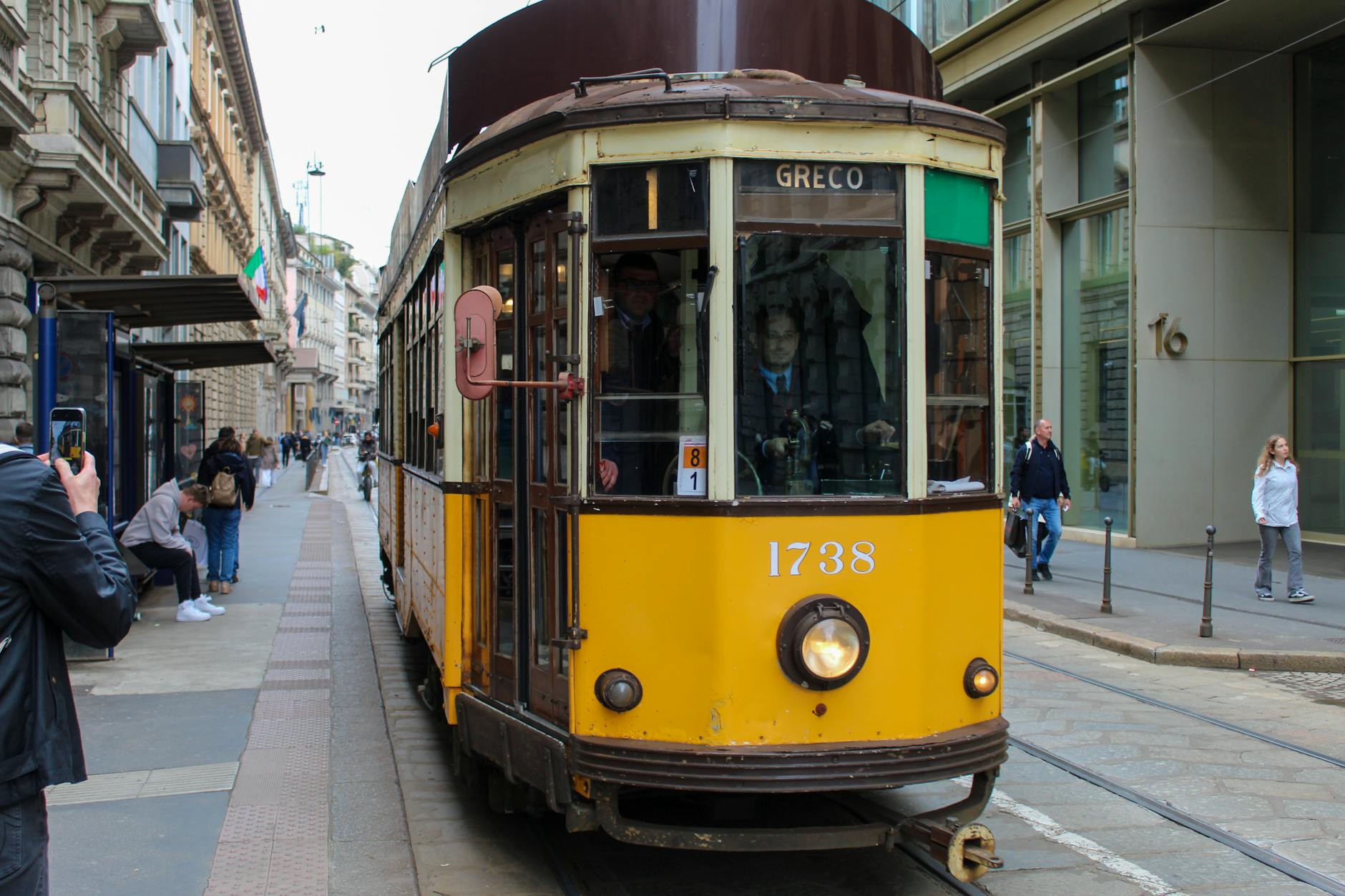
Milan's metro and trams can keep a budget trip efficient, but public transit works best when the day is grouped by district. A traveler who tries to cross the city repeatedly may spend more time moving than seeing. Direct routes are useful; complicated late-night transfers are less useful when fatigue and weather enter the day.
Walking can also save money in central Milan, but it should be realistic. Hard surfaces, heat, rain, shopping bags, and long distances can turn a free route into an exhausting one. The budget plan should combine walking, metro, trams, and occasional taxis only where they protect the trip.
- Group the day by district so transit supports the itinerary.
- Use metro and trams for direct routes, not constant city-crossing.
- Budget for an occasional taxi if weather, luggage, or late timing makes it the practical choice.
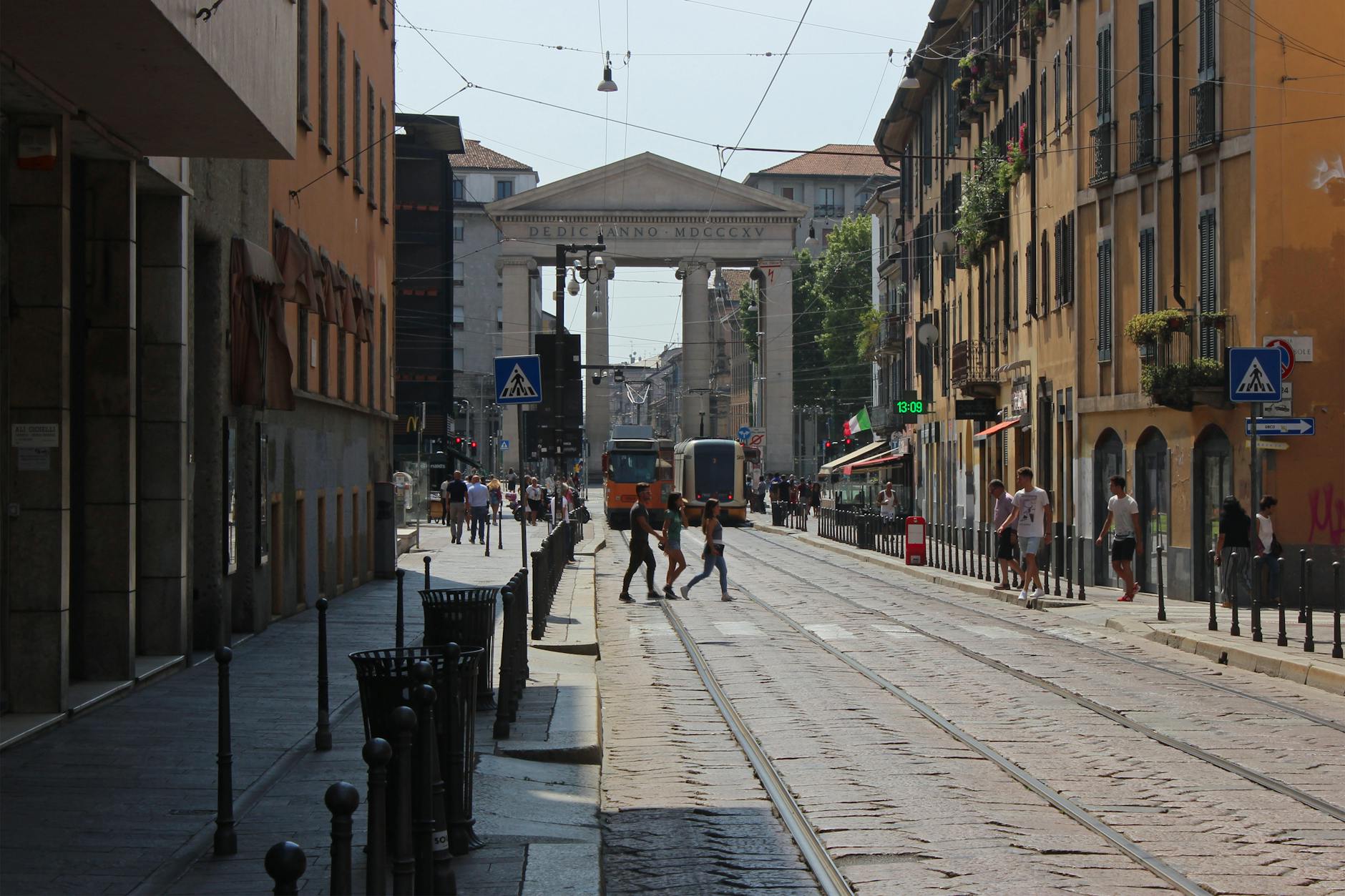
Prioritize free and low-cost Milan well
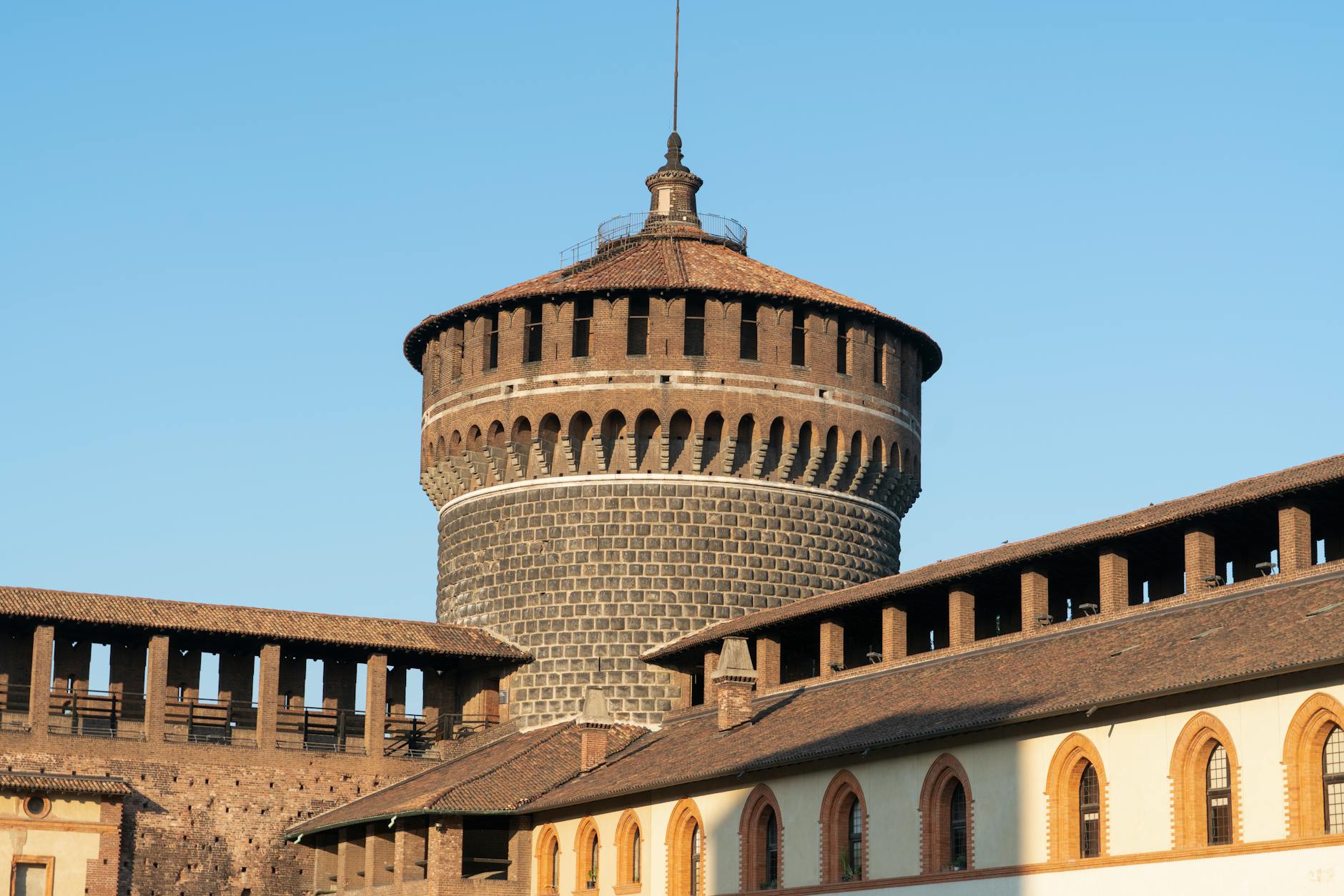
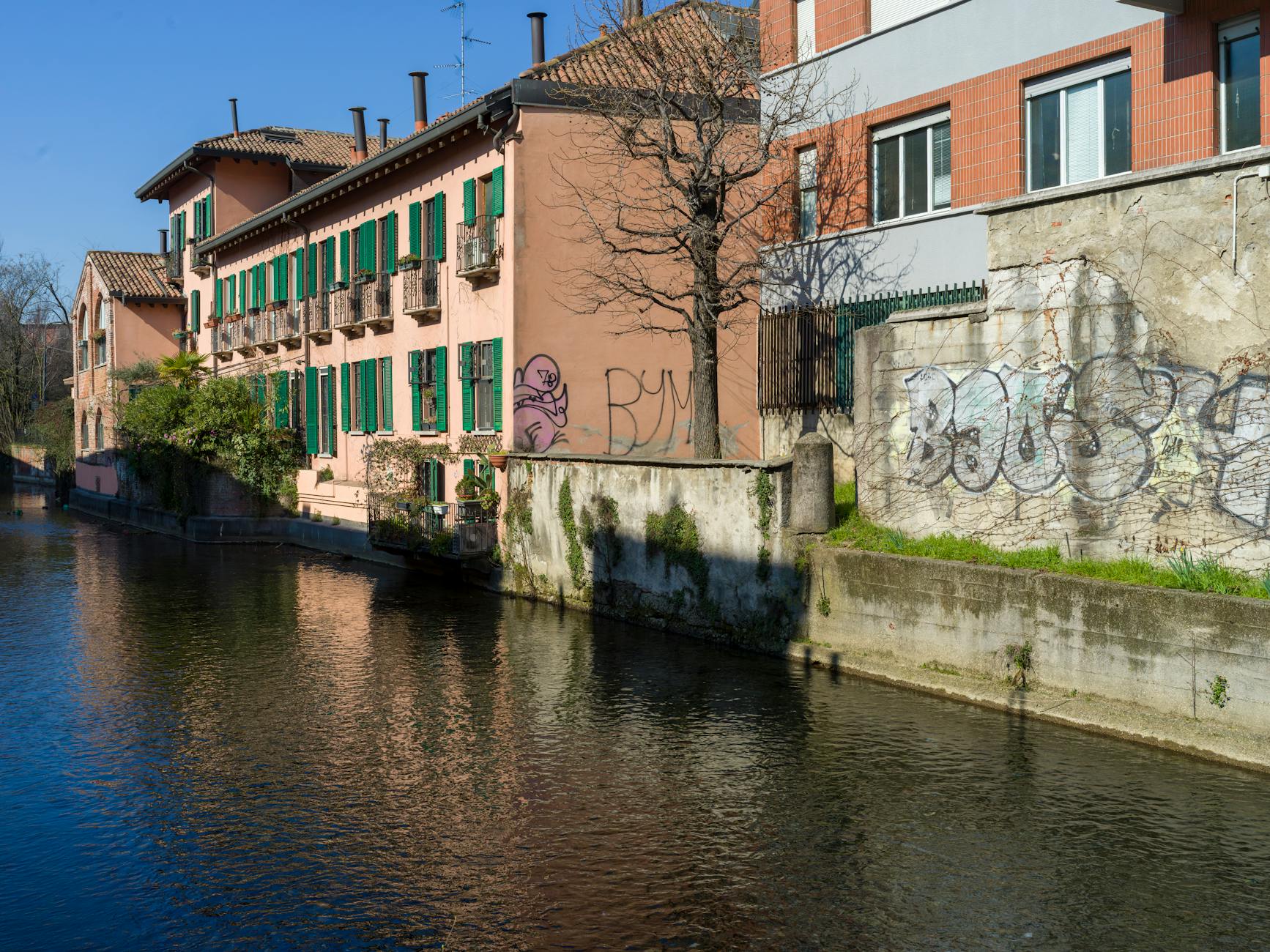
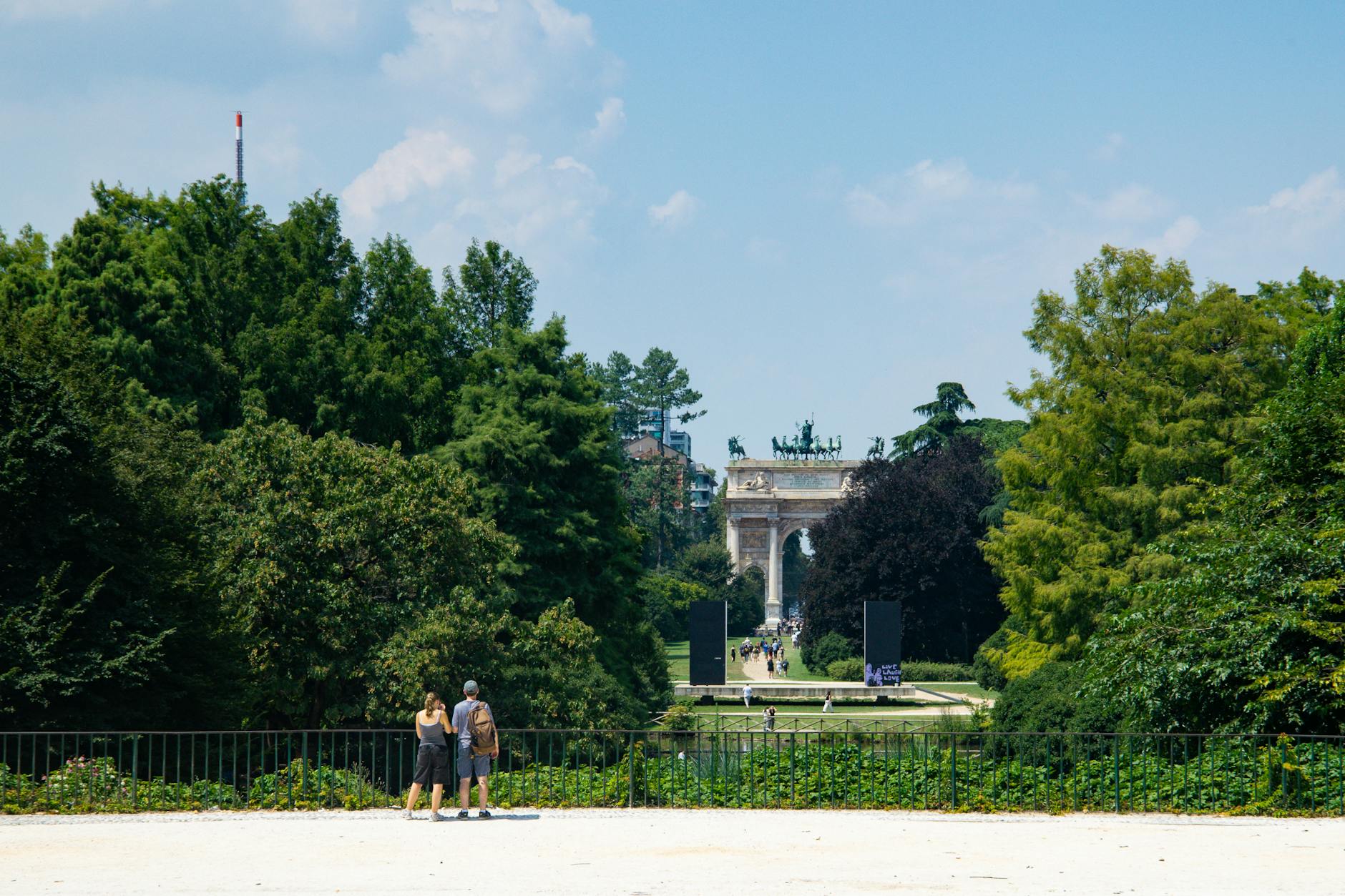
A budget traveler can have a strong Milan trip without paying for every attraction. The Duomo exterior, Galleria, Sforza Castle exterior, Parco Sempione, Navigli walks, Brera streets, modern skyline areas, and church or courtyard stops can create a rich route. The key is deciding which paid experiences truly matter.
If the Duomo rooftop, a museum, La Scala visit, or a paid exhibition is important, it should be treated as a chosen expense. Paying for one meaningful experience is often better than spreading money across several minor admissions that do not define the trip.
- Use Duomo exterior, Galleria, castle exterior, parks, canals, and neighborhood walks as core value.
- Choose one or two paid sights that actually matter.
- Avoid paying for small add-ons only because they are nearby.
Plan meals before hunger makes them expensive
Food costs in Milan depend heavily on timing and location. A budget traveler should know where breakfast is coming from, whether lunch will be simple, how aperitivo fits the day, and where dinner is possible near the hotel or evening district. Waiting until hungry near a famous square can make the cheapest option worse and still not satisfying.
Groceries, bakeries, simple cafes, lunch specials, and aperitivo can all help, but they should support the route. A budget meal across town is not a bargain if it costs time, transit, and energy that could have been used better.
- Plan breakfast, lunch, snacks, aperitivo, and dinner around the day's route.
- Avoid making food decisions only after arriving hungry near the most expensive areas.
- Use groceries, bakeries, cafes, and aperitivo selectively rather than chasing cheap food across town.
Avoid false economies with bags, weather, and shopping
Budget trips often become expensive through avoidable inconvenience. A traveler who saves on baggage may struggle with weather or dress needs. A traveler who skips luggage storage may lose half a day. A traveler who chooses a remote hotel may spend the savings on late transport. Milan shopping can also break the budget quickly if browsing turns into unplanned purchases.
The traveler should set rules before arrival: what to buy, what not to buy, when to store luggage, when to pay for transport, and when a paid ticket is worth it. Budget discipline is easier before the traveler is tired, wet, hungry, or carrying bags.
- Budget for baggage, luggage storage, weather gear, and occasional transport when needed.
- Set shopping limits before entering fashion districts or the Galleria.
- Do not save money in ways that damage the only full day of the trip.
When to order a short-term travel report
A budget traveler with a simple central stay and flexible timing may not need a custom report. A report becomes useful when the trip involves multiple cheap flight options, late arrival, uncertain hotel areas, hostel versus budget hotel tradeoffs, rail connections, strict spending limits, mobility or medical needs, weather concerns, or a need to decide which paid sights are actually worth it.
The report should test real door-to-door cost, lodging location, transfer burden, transit routing, free and paid sight priorities, meal geography, luggage choices, weather alternatives, late returns, and what to cut if the budget or time is too tight. The value is not making Milan cheap at all costs. It is spending the limited budget where it protects the trip.
- Order when flights, lodging, transfers, rail timing, spending limits, or traveler constraints make cheap choices risky.
- Provide budget range, flight options, lodging candidates, baggage plan, must-see sights, meal style, and mobility limits.
- Use the report to avoid false savings and protect the parts of Milan that matter most.