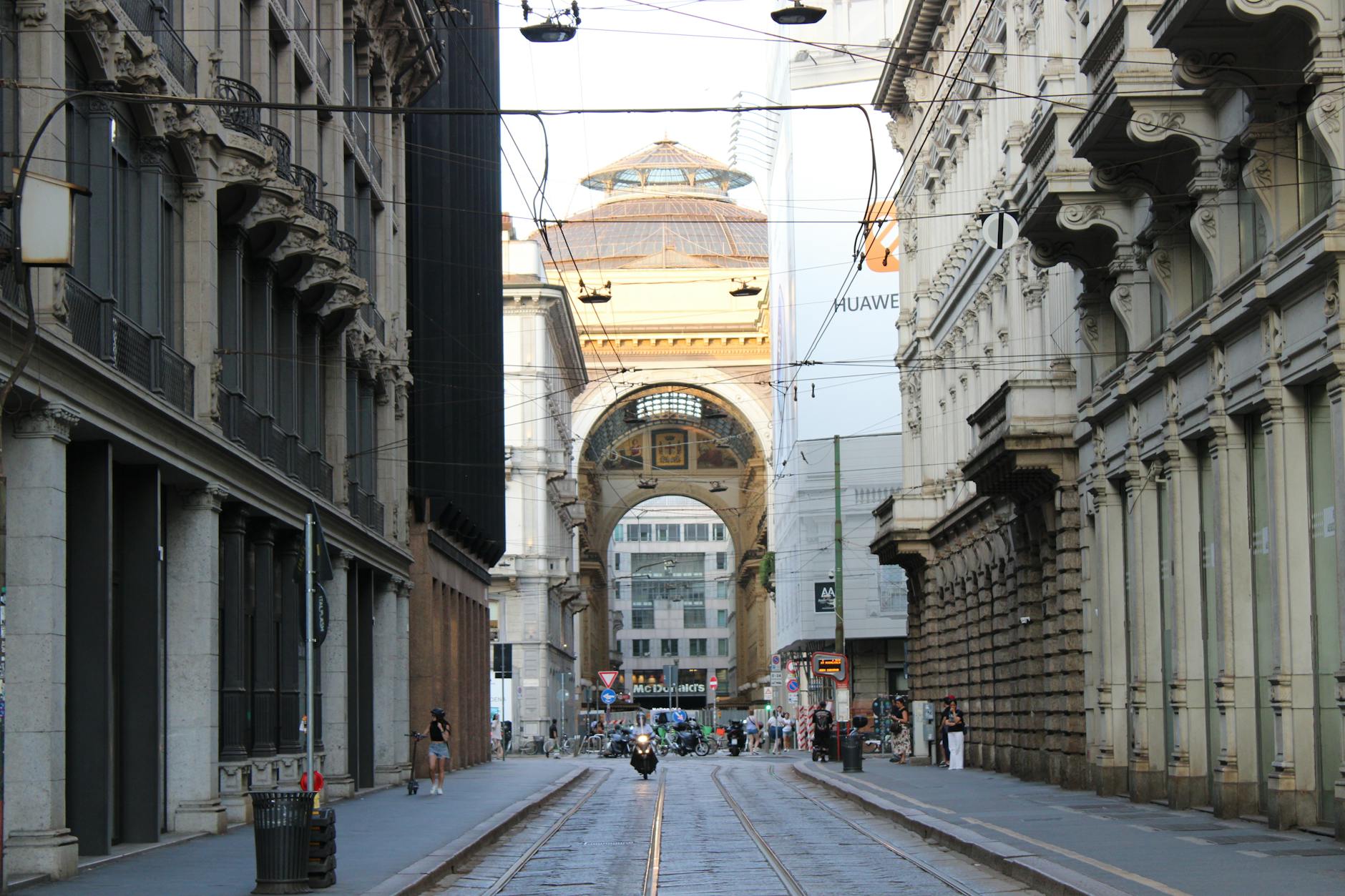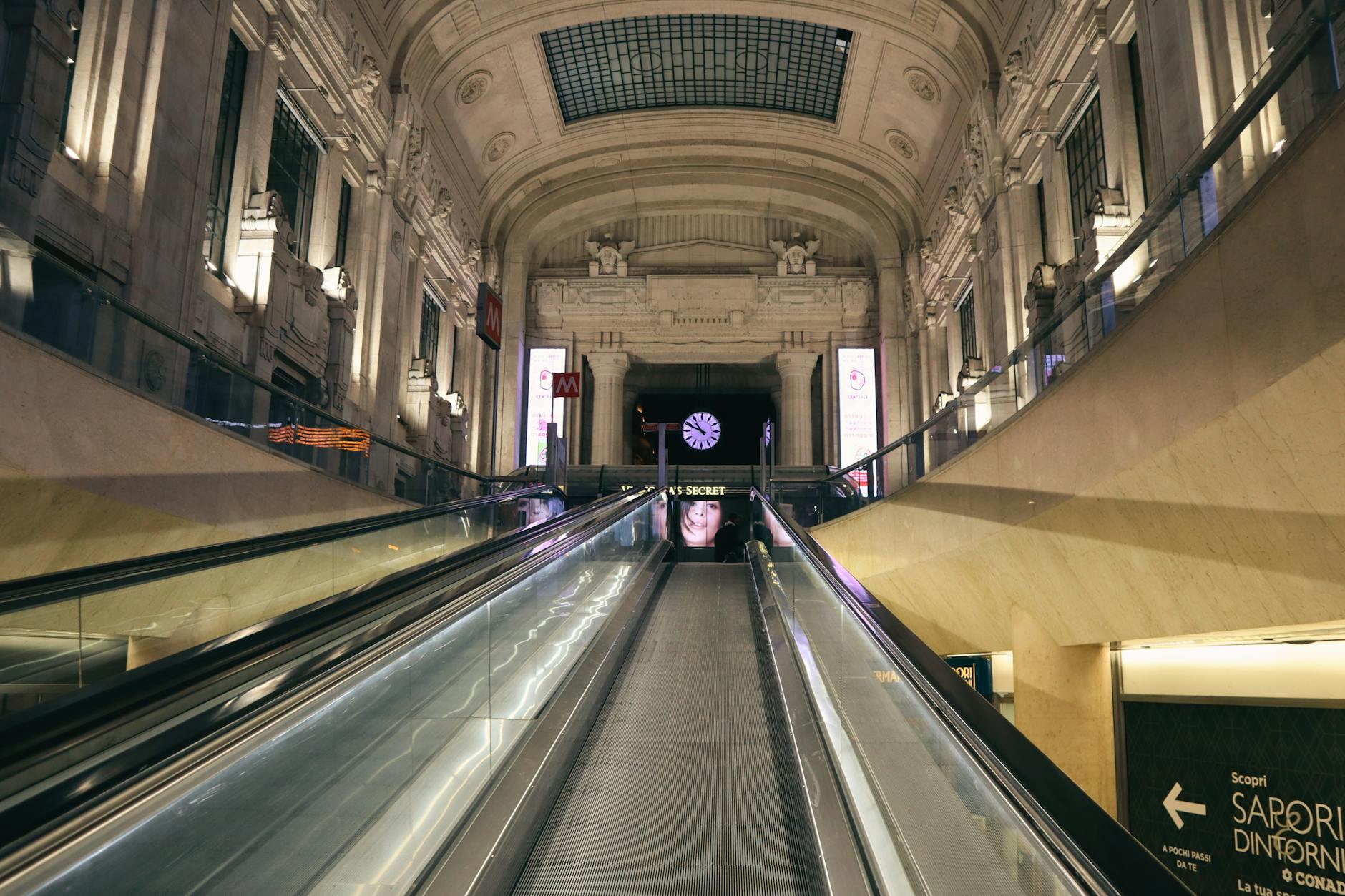
Milan can be manageable for travelers with medical constraints, but it should not be planned like a standard sightseeing weekend. The city has strong transport links, central hotels, taxis, major rail stations, and compact cultural districts, yet the practical experience can still be shaped by stairs, crowds, queues, hard walking surfaces, weather exposure, station transfers, meal timing, and how far the hotel is from the places that matter. A short Milan trip should start with the constraint, not with the attraction list. The traveler should understand what must be protected: medication schedule, rest, temperature exposure, walking distance, bathroom access, dietary timing, emergency fallback, insurance documentation, or a companion's ability to help. Milan works best when the plan is built with medical margin from the beginning.
Start with medical margin, not sightseeing ambition
Medical constraints change the meaning of a short itinerary. A two-night Milan stay can look easy on a map and still become difficult if the traveler needs medication timing, reliable meals, reduced walking, controlled temperature, rest windows, or fast access back to the hotel. The plan should define the maximum sustainable day before adding Duomo, shopping, museums, dinners, or rail connections.
Travelers should speak with their clinician or insurer before departure when the condition requires it, and should carry documentation, medication in original packaging where appropriate, backup prescriptions if available, and enough supply for delays. The travel plan should not depend on finding local solutions under pressure.
- Define the maximum sustainable day before adding sights or shopping.
- Protect medication timing, meals, rest, hydration, temperature exposure, and return-to-hotel access.
- Carry medical documentation, medication backup, and insurance details in a form that works offline.
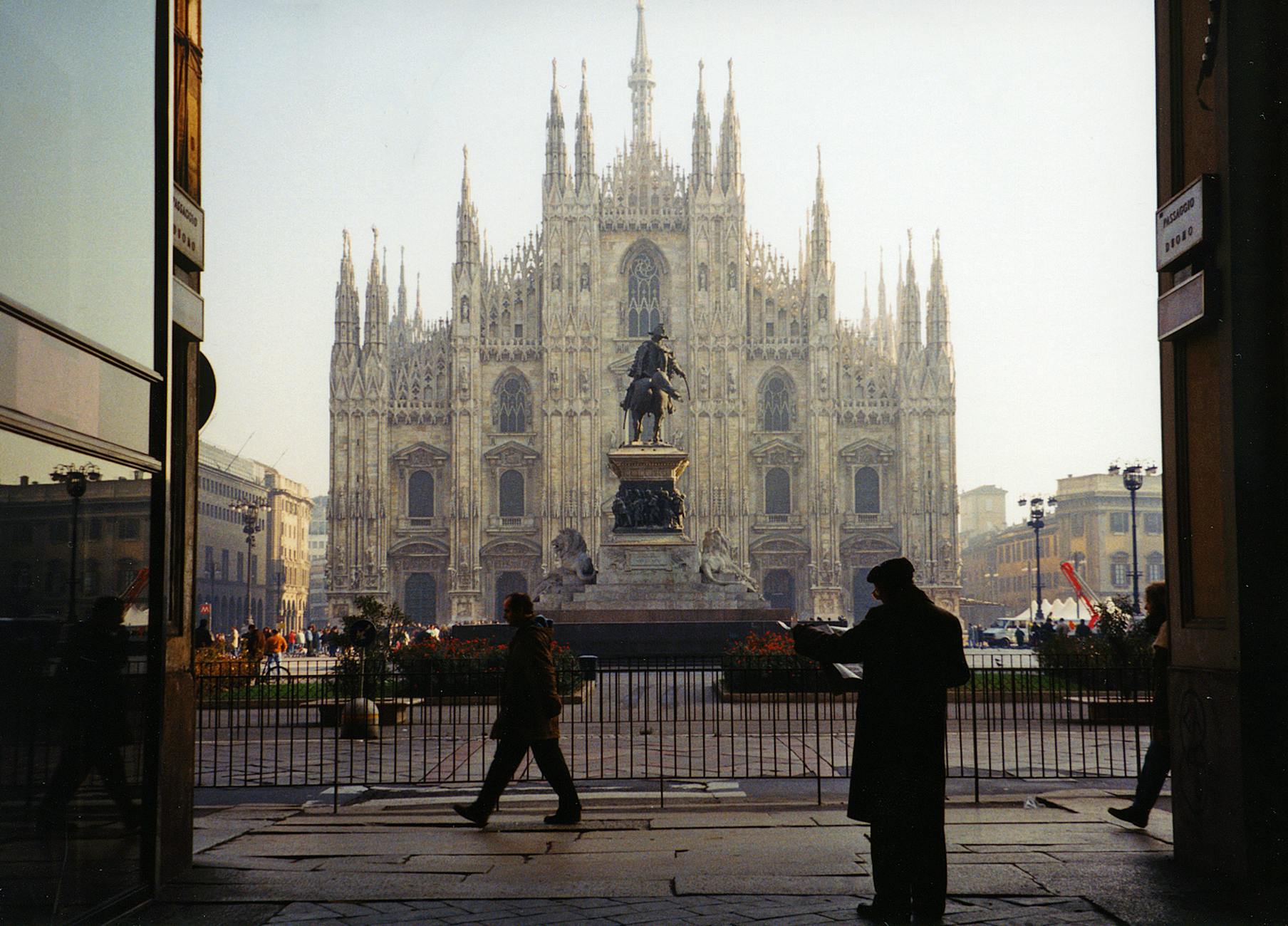
Choose the hotel around access and recovery
The hotel is the most important medical planning decision in Milan. The traveler should check elevator reliability, step-free access where needed, room size, bathroom layout, air-conditioning or heating expectations, quiet, breakfast timing, nearby simple food, taxi access, and whether the hotel can function as a midday recovery point.
A hotel near the Duomo, Brera, Porta Nuova, Garibaldi, or a direct metro line may work, but the right location depends on the specific constraint. A famous hotel or lower price is not enough if the last block, lobby steps, room layout, or meal geography creates daily strain.
- Verify elevator, step-free access, room layout, bathroom needs, quiet, climate control, and breakfast timing.
- Choose a location that allows practical rest, not only a good map position.
- Check taxi access and nearby simple meals before committing to a hotel.
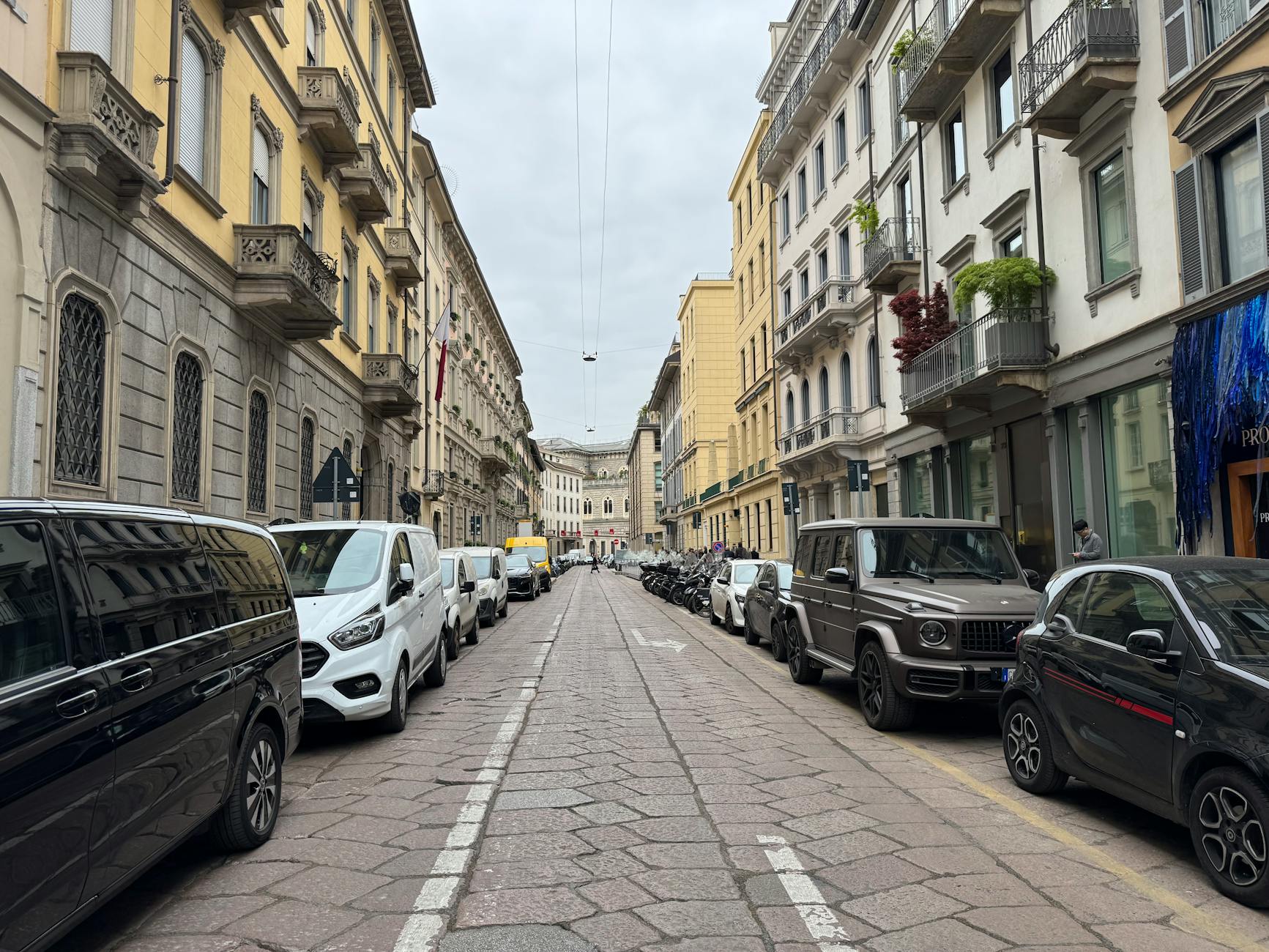
Make arrival and station movement predictable
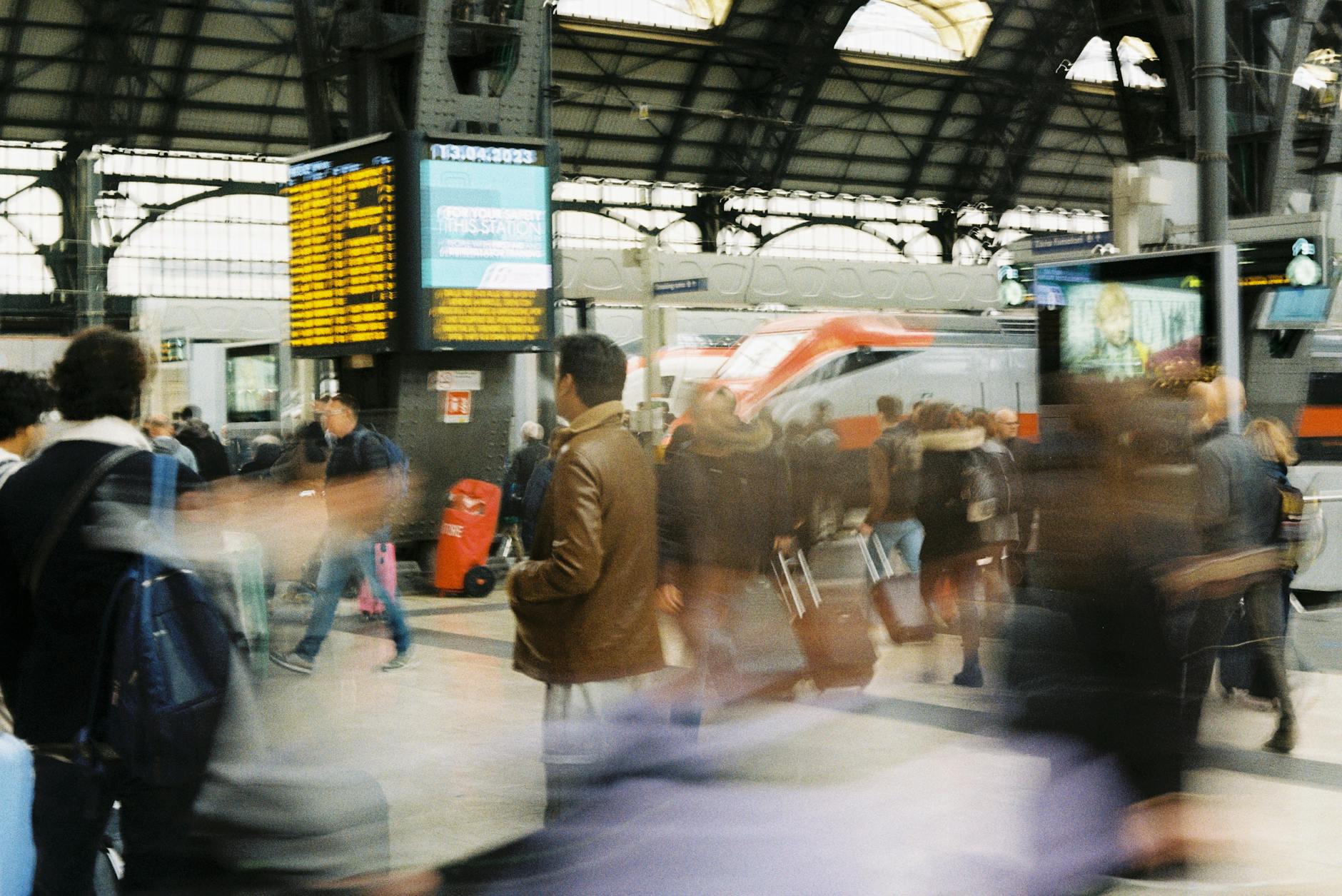
Arrival should be the simplest part of the medical plan. Linate, Malpensa, Bergamo, and Milano Centrale all create different walking loads, waiting patterns, luggage issues, and transfer questions. The traveler should not decide between rail, taxi, car, metro, and tram while tired or managing symptoms.
A private transfer, taxi, or hotel-arranged car can be worth it when the medical constraint makes stairs, queues, long platforms, or luggage movement difficult. If rail or metro is chosen, the traveler should know the station route, elevator assumptions, platform distance, and how to abandon the plan if symptoms change.
- Choose airport or station transfer based on walking load, luggage, queues, and symptom risk.
- Use car or taxi when the medical constraint makes public transport fragile.
- Have a backup route if elevators, platforms, weather, or fatigue change the plan.
Treat transit as useful but conditional
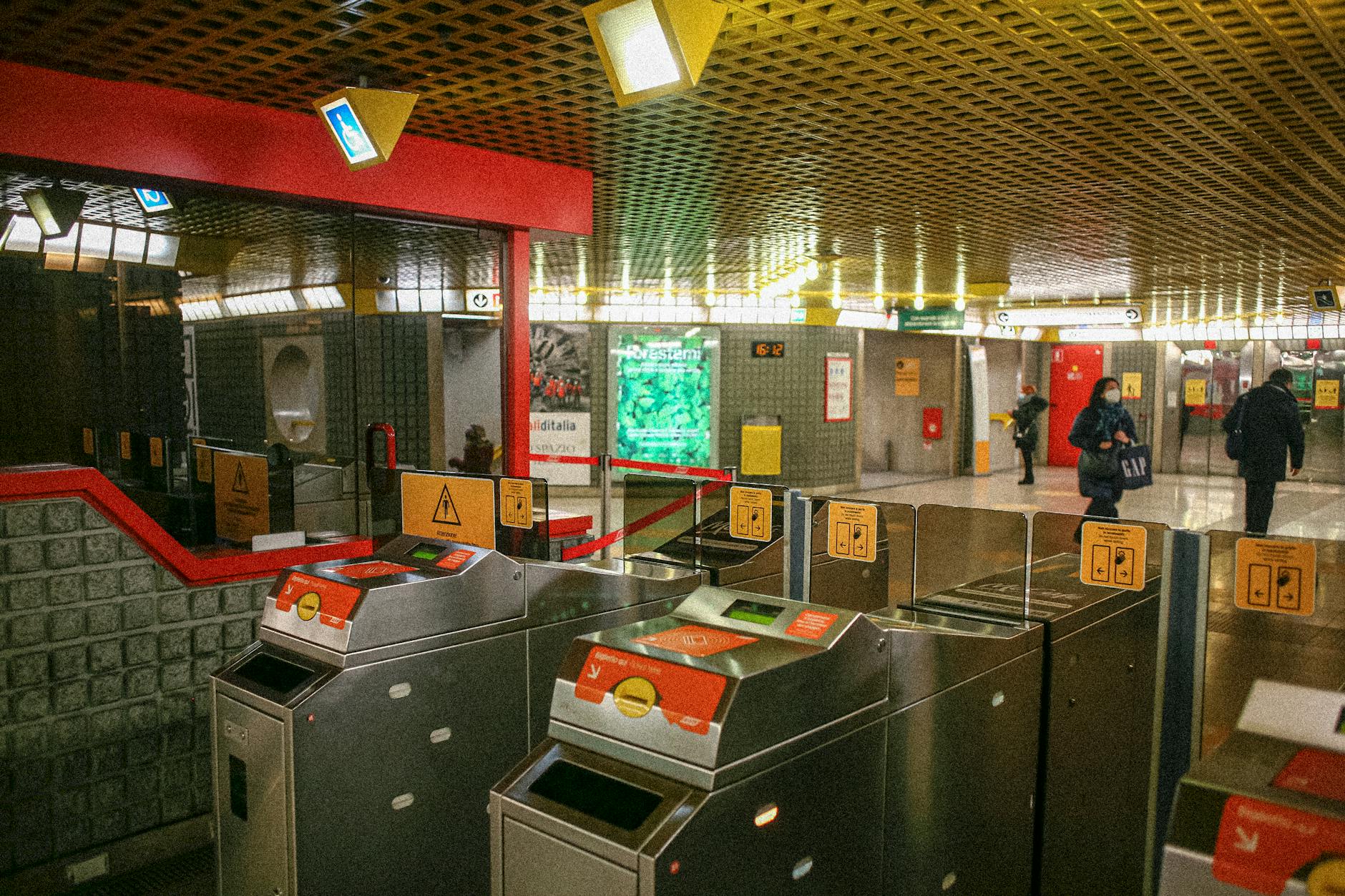
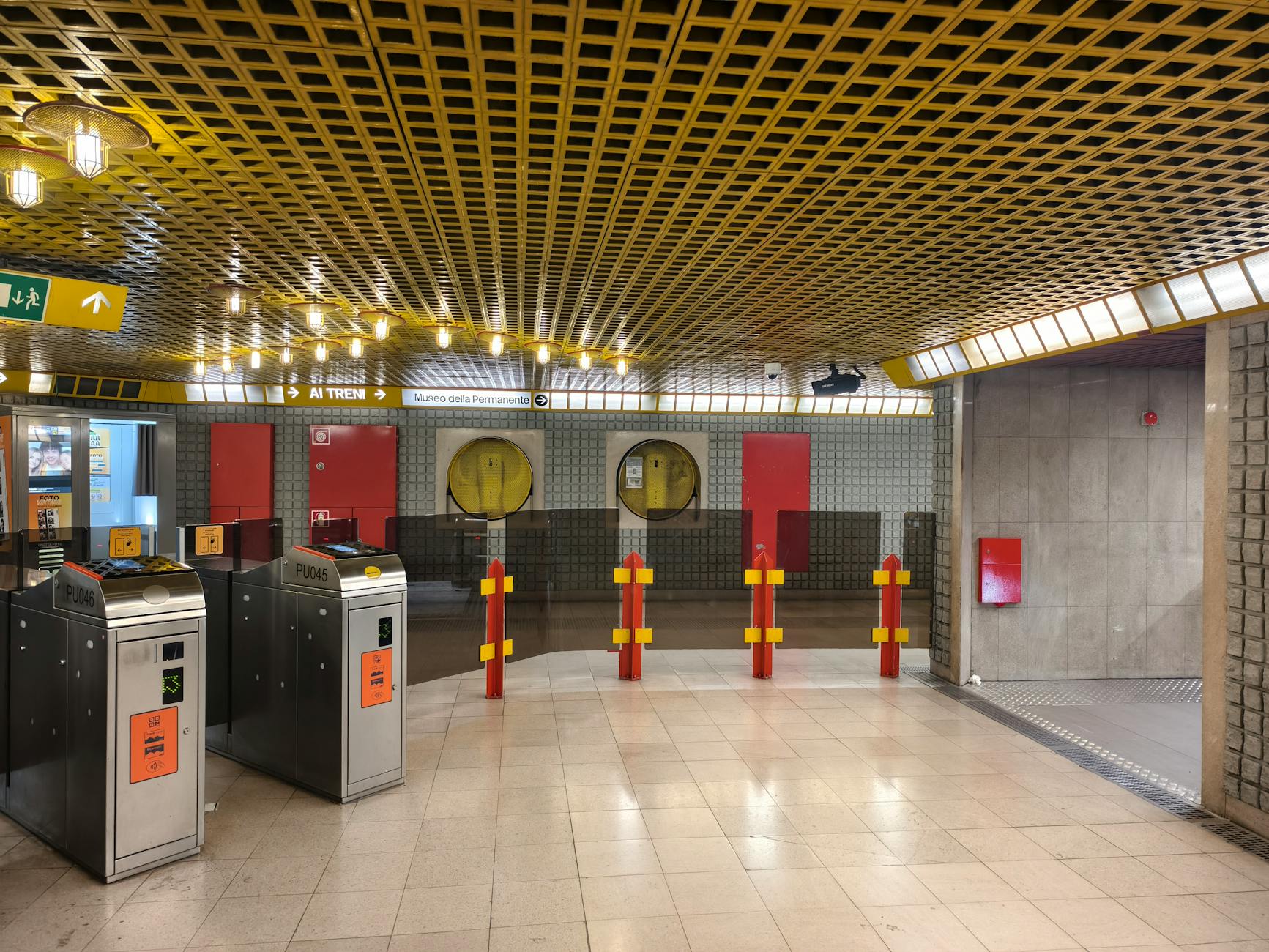
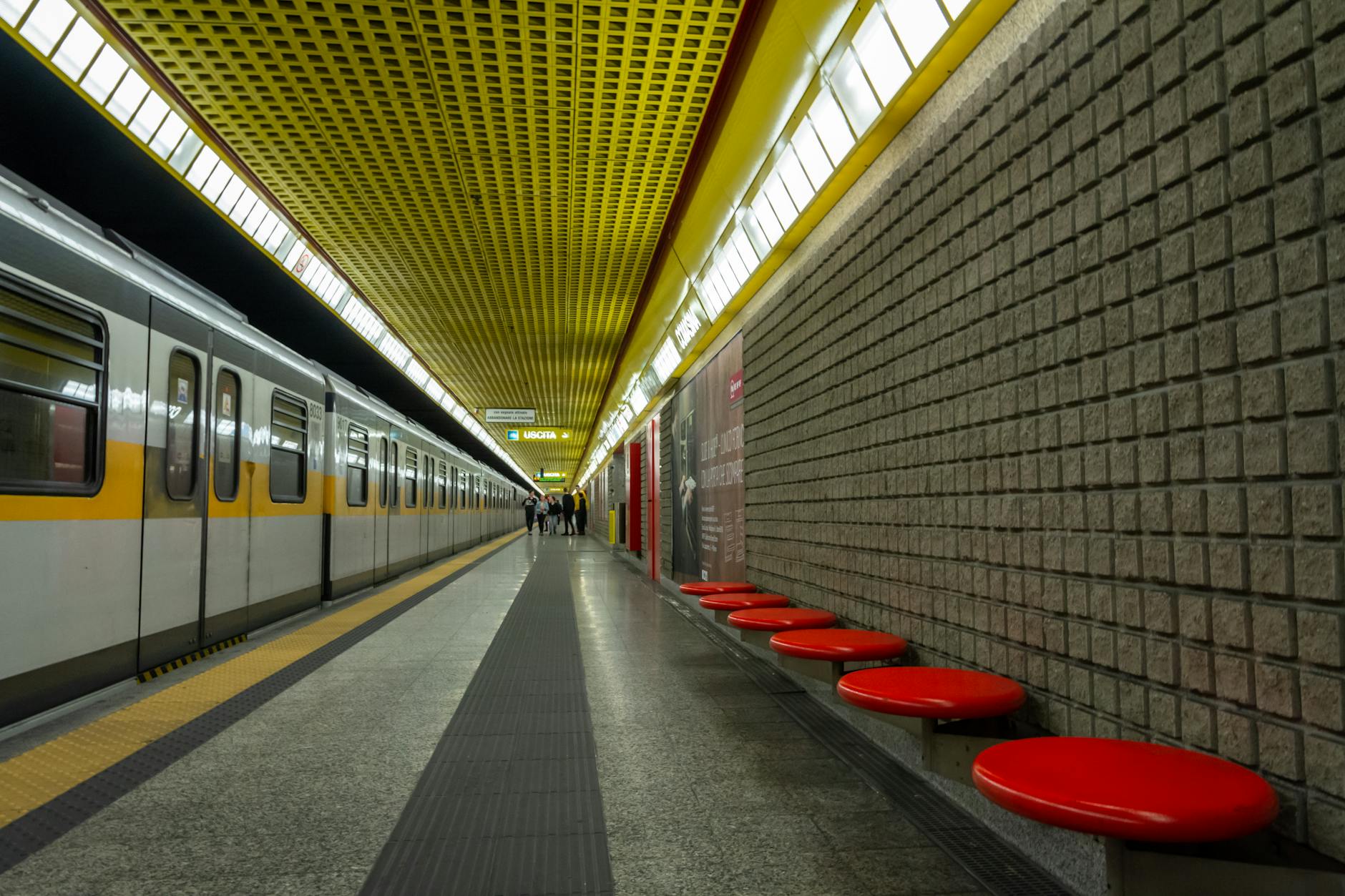
Milan's metro can be efficient, but medical constraints make details matter. Escalators, elevators, platform crowding, standing time, station exits, and the final walk can matter more than the number of stops. Trams may be atmospheric but not always practical. Walking can be pleasant in central districts, but cobbles, crossings, sun, rain, and hard surfaces can change the cost quickly.
The traveler should decide which movements deserve public transit and which deserve a taxi or car. The right answer may change by time of day. Morning metro can be fine; late evening after dinner may not be. A medically realistic trip uses transit selectively.
- Evaluate metro and tram trips by stairs, exits, crowds, standing time, and final walk.
- Use taxis or cars when symptoms, weather, fatigue, or meal timing make transit less reliable.
- Do not treat walking distance alone as the measure of route difficulty.
Control crowds, queues, heat, rain, and hard surfaces
Milan's central sights can be physically demanding even when they are close together. The Duomo area, Galleria, shopping streets, museums, and station concourses can involve crowds, security lines, standing, stairs, and weather exposure. Heat, rain, and cold wind can matter if the traveler's condition is sensitive to temperature or fatigue.
The itinerary should include fewer transitions, timed tickets where useful, indoor pauses, bathrooms, seating, and an easy way to return to the hotel. The traveler should know what to skip without feeling that the trip has failed.
- Plan for crowds, queues, security checks, seating, bathrooms, and weather exposure.
- Use timed entries and indoor pauses when they reduce standing and uncertainty.
- Decide in advance what can be cut if symptoms, heat, rain, or fatigue change the day.
Protect medication, food timing, and companion roles
Medical travel often fails in small operational details. Medication may need refrigeration, spacing with meals, backup storage, or a dose plan for flight delays. Food timing can matter for blood sugar, medication tolerance, fatigue, or gastrointestinal conditions. Milan's meal rhythm can be enjoyable, but a medically constrained traveler should not wait until an Italian dinner hour if the condition requires earlier food.
If traveling with a companion, roles should be explicit. One person may handle documents, pharmacy lookup, taxi calls, meal timing, or decision points when the traveler needs rest. A companion helps most when they know what to do before the difficult moment arrives.
- Plan medication storage, timing, backup supply, and dose handling around delays.
- Arrange meals and snacks around the condition, not only local dining rhythm.
- Assign companion roles for documents, taxis, pharmacy lookup, and cut-the-day decisions.
When to order a short-term travel report
A traveler with stable, familiar constraints and a light central itinerary may not need a custom report. A report becomes useful when the condition affects walking tolerance, medication timing, heat or cold exposure, food timing, bathroom access, hotel design, transit choices, airport transfer, travel insurance, companion roles, or whether Milan is a suitable short stop at all.
The report should test hotel access, arrival transfer, walking load, transit practicality, queue exposure, meal geography, pharmacy and medical fallback posture, weather alternatives, companion tasks, and what to remove if the trip becomes too demanding. The value is not medical advice. It is a travel plan that respects the medical constraint instead of discovering it on the pavement.
- Order when health, medication, mobility, food timing, hotel design, or transfer choices materially affect the trip.
- Provide the constraint, hotel candidates, flight or rail details, mobility needs, meal timing, medication limits, and companion availability.
- Use the report to decide what Milan can support comfortably and what should be simplified.