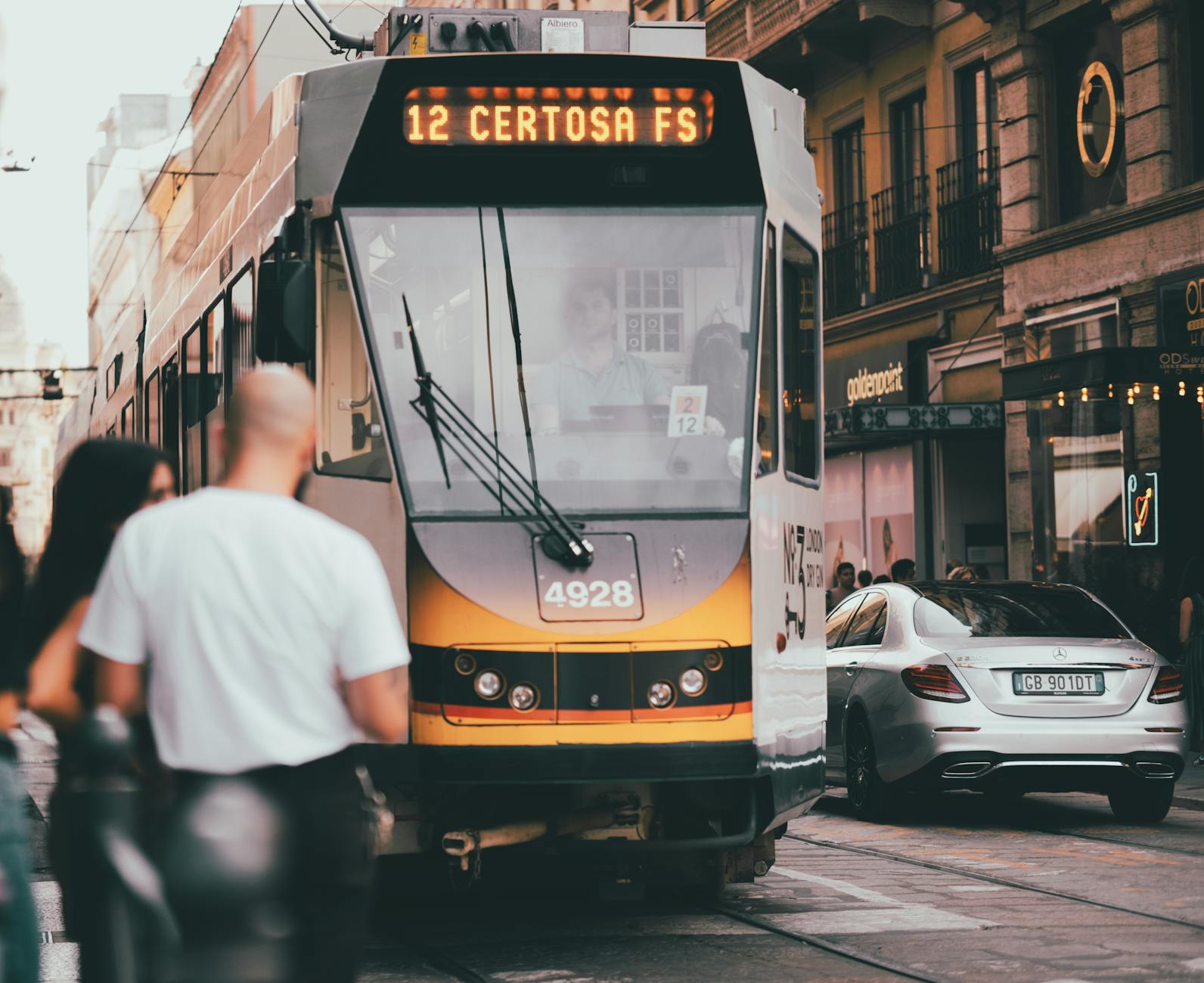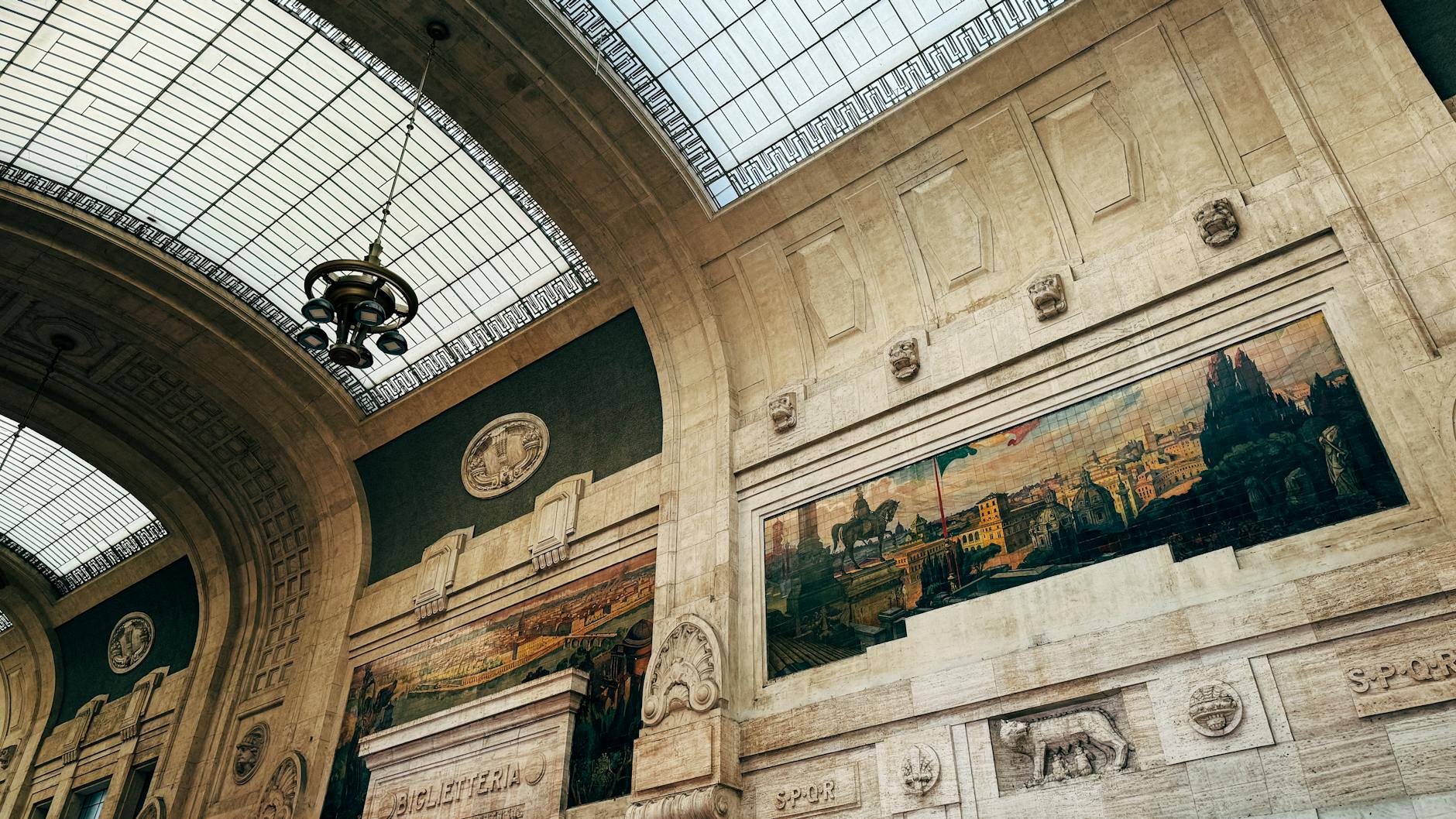
Milan can be a strong transit or stopover city because it has major airports, powerful rail connections, a compact high-value center, and enough food, architecture, shopping, and hotel depth to make even a short stay feel worthwhile. It can also punish vague timing. A traveler who treats Malpensa, Linate, Bergamo, Centrale, and the Duomo as if they were all one simple zone can lose most of the usable window in transfers. The stopover question is not how many hours the ticket shows. It is how many clean hours remain after arrival formalities, baggage, transfer, hotel access, security, weather, meals, and the return to the next gate or platform. A good Milan stopover is compact, deliberate, and honest about the clock.
Calculate usable time, not headline time
A Milan stopover should begin with the usable window. A six-hour layover is not six hours in Milan. The traveler has to account for deplaning, passport control if applicable, baggage decisions, airport-to-city transfer, station movement, meals, security, and a safe return margin. A rail stopover has the same issue: platform arrival, luggage, station exits, city movement, and reboarding time reduce the real visit.
The traveler should decide whether the stopover supports a central walk, a meal, a quick hotel rest, or simply a better connection. Trying to force the Duomo into too small a window can create more stress than value.
- Subtract arrivals, baggage, transfers, security, station movement, meals, and return margin from the headline window.
- Decide whether the stopover is for sightseeing, rest, food, shopping, or connection protection.
- Skip central Milan if the usable window is too thin.
Treat each airport and station differently
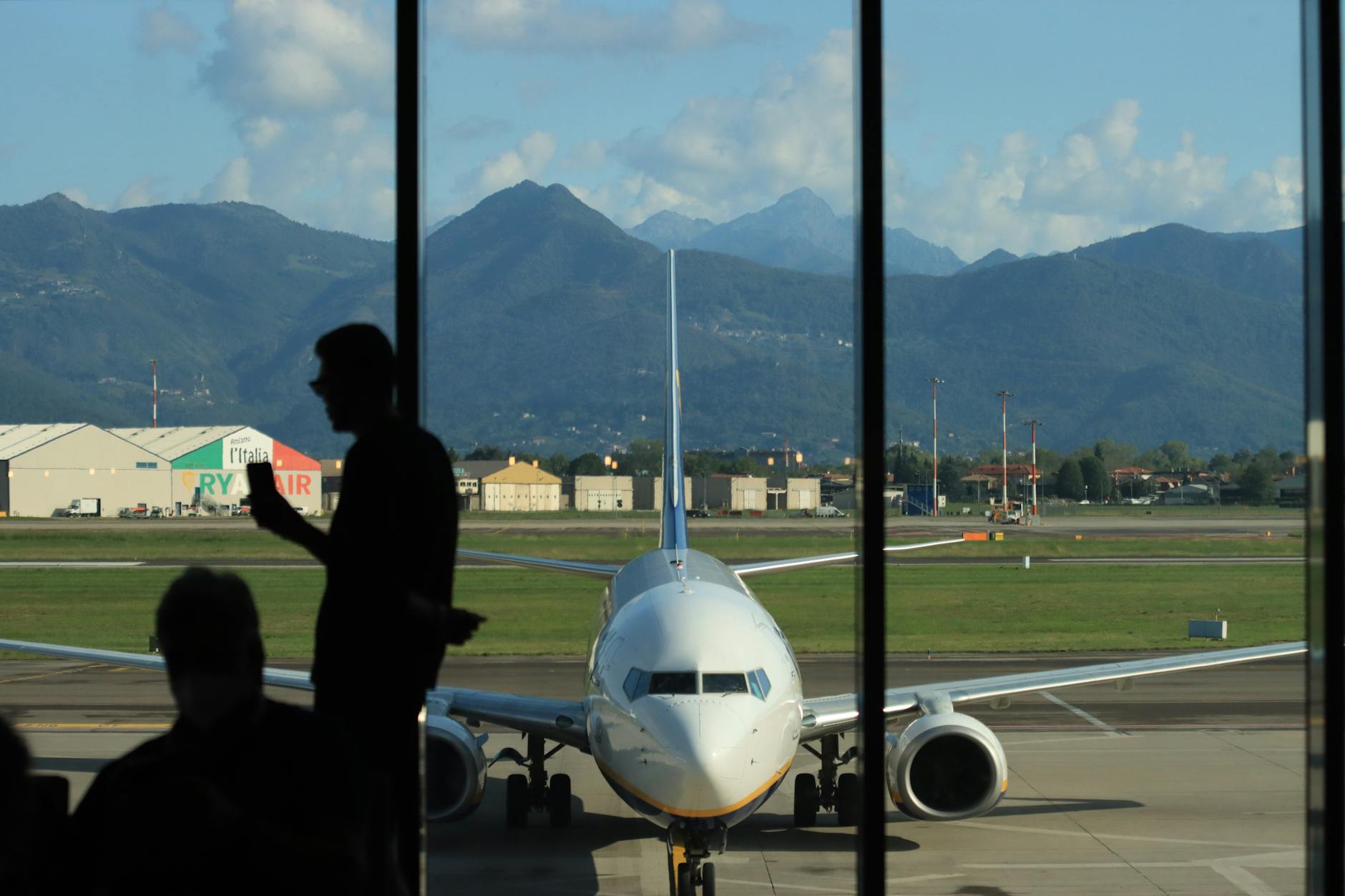
Milan's access points are not interchangeable. Linate can be convenient for the city. Malpensa is larger and farther, with rail and road choices that need timing. Bergamo can work but should not be treated like a central Milan airport. Centrale is powerful for rail connections but still requires clear exits, luggage decisions, and awareness of onward platforms.
The stopover plan should be built around the actual arrival point and next departure point. If those are not the same, the traveler needs even more margin. Milan is easy only when the transfer chain is named clearly.
- Plan separately for Linate, Malpensa, Bergamo, Centrale, Garibaldi, and Cadorna rather than treating them as one system.
- Add margin when arriving at one node and departing from another.
- Confirm train, bus, taxi, or car choices close to travel day.
Solve luggage before solving sights
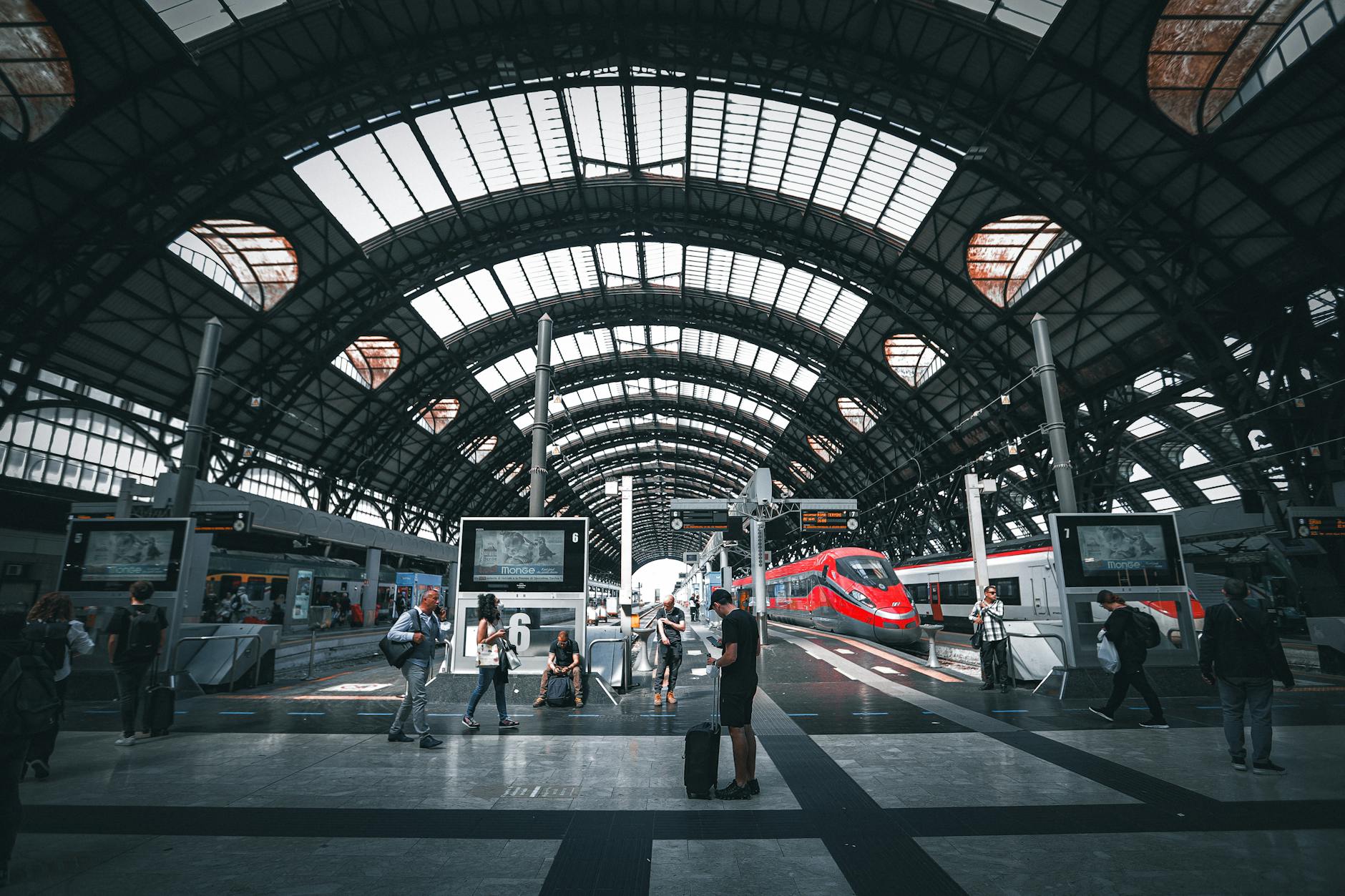
Luggage is often the stopover decision that determines everything else. Carry-on only, checked-through bags, storage at the station, hotel day room, early check-in, or a left-luggage service each creates a different version of Milan. A traveler with bags should not build a route that depends on dragging them through the Duomo area, Galleria, metro stairs, cafes, or security lines.
Documents and medication should stay controlled. A stopover traveler is often tired and distracted, and that is when passports, chargers, wallets, and phones become easy to misplace.
- Confirm whether bags are checked through, stored, carried, or handled by a hotel.
- Avoid dragging luggage through central Milan unless the route is extremely short and practical.
- Keep passport, medication, chargers, phone, wallet, and onward documents under direct control.

Use one compact Milan route
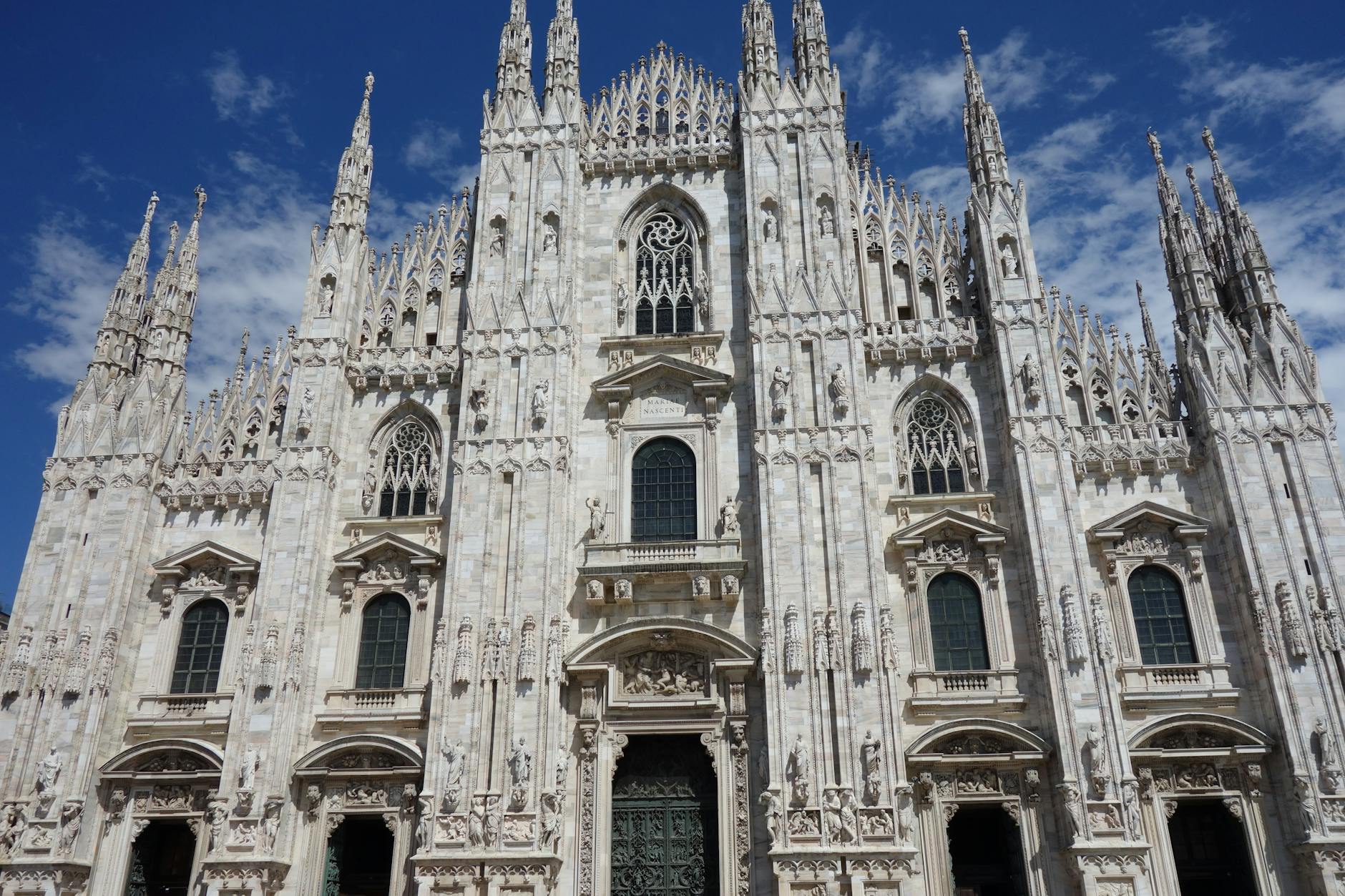
A strong Milan stopover usually has one compact route. The most obvious version is Centrale or city arrival, Duomo, Galleria, a quick meal or coffee, perhaps one shopping or exterior-view stop, and then back to the departure route. A longer overnight may add Brera, Navigli, Sforza Castle, or a proper dinner, but those belong to a wider window.
The traveler should not confuse central Milan's density with unlimited time. Every extra stop adds transitions, crowds, and decision load. The best stopover route often feels simple because it is simple.
- Use a single central route for short stopovers: Duomo, Galleria, meal, and return.
- Add Brera, Navigli, castle, or dinner only when the window is genuinely larger.
- Keep the route easy enough to reverse if timing slips.
Choose overnight hotels by the next departure
For an overnight stopover, the best hotel may be near the next departure rather than the most charming district. A traveler leaving early from Malpensa, Linate, Bergamo, Centrale, or a high-speed rail connection should choose the base that protects sleep and the morning transfer. A beautiful late-night neighborhood stay is less useful if it creates a nervous departure.
The hotel should be checked for reception hours, taxi access, breakfast timing, room quiet, elevator access, luggage storage, and how quickly the traveler can reach the next transport node. Stopover hotels are operational tools as much as places to sleep.
- Choose overnight lodging around the next departure, not only the first evening.
- Check reception, taxi access, breakfast, quiet, elevators, luggage storage, and morning route time.
- Protect sleep when the next flight or train is early.
Respect weather, strikes, and phone battery
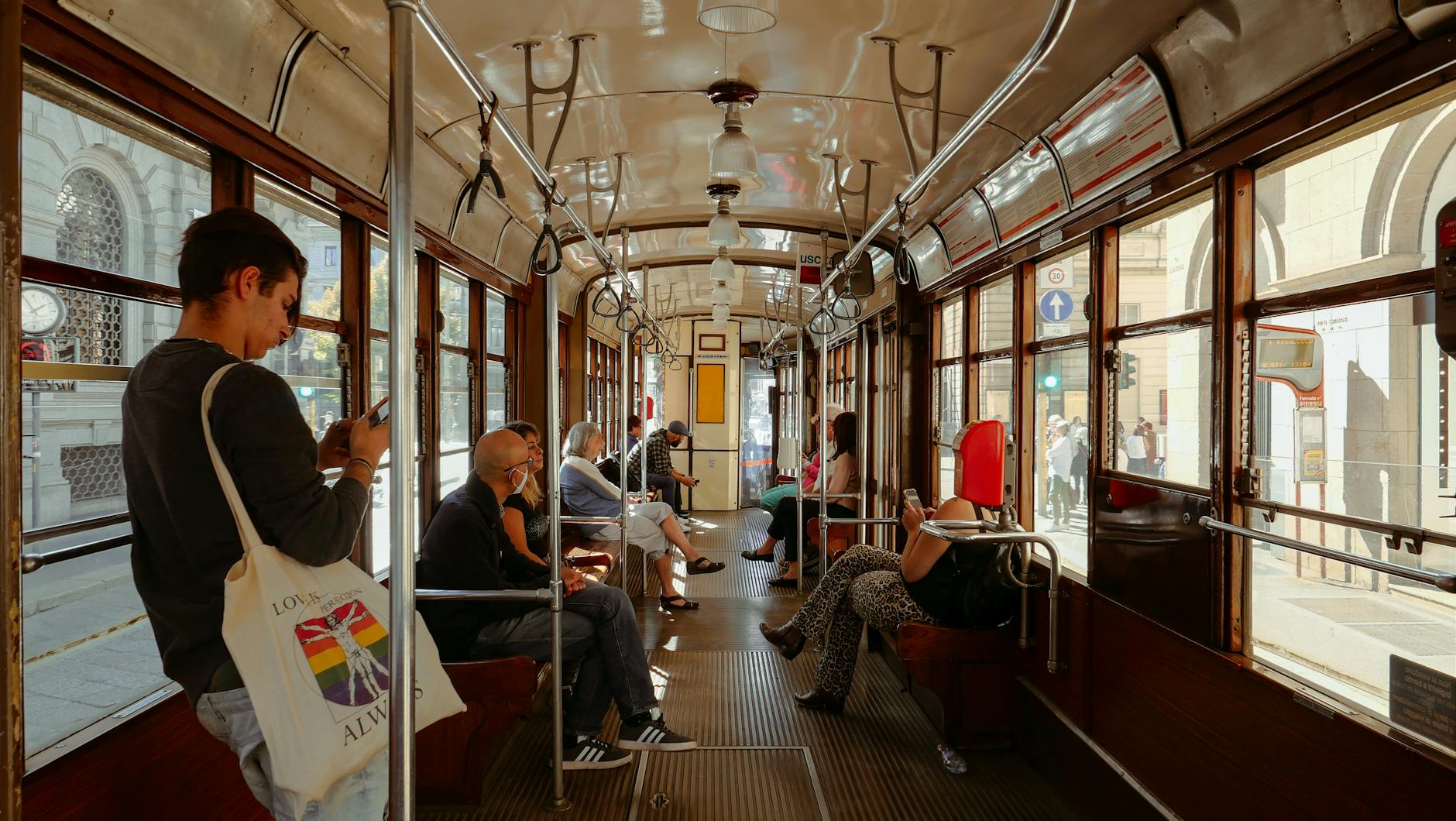
A stopover is unusually sensitive to small disruptions. Rain can make walking and luggage harder. Heat can make a quick route exhausting. Transport disruption, strikes, station crowding, airport queues, or a dead phone can turn a pleasant Milan pause into a missed connection risk. The traveler should check current conditions and keep the plan flexible.
The phone should be treated as trip-critical: battery, roaming, offline address, ticket access, hotel information, and payment backup should all be solved before leaving the airport or station. A stopover gives little time to recover from basic device failure.
- Check weather, transport status, airport queues, and strike signals before leaving the connection node.
- Keep phone battery, roaming, offline addresses, tickets, and payment backup ready.
- Cut the optional stop when disruption starts consuming the return margin.
When to order a short-term travel report
A traveler with a simple overnight and one relaxed connection may not need a custom report. A report becomes useful when the stopover is short, the traveler is switching airports or stations, carrying luggage, traveling with children or older relatives, managing medical or mobility constraints, attempting central Milan between flights, or trying to decide whether leaving the airport is sensible.
The report should test usable time, arrival and departure nodes, transfer options, luggage handling, short-route design, hotel placement, disruption exposure, weather, and what to cut if the connection tightens. The value is knowing whether Milan belongs inside the stopover at all.
- Order when usable time, airport changes, rail transfers, luggage, mobility, family needs, or medical constraints make the stopover fragile.
- Provide arrival node, departure node, ticket times, luggage plan, hotel candidates, must-see priorities, and risk tolerance.
- Use the report to decide whether to see Milan, sleep near the connection, or stay airside.