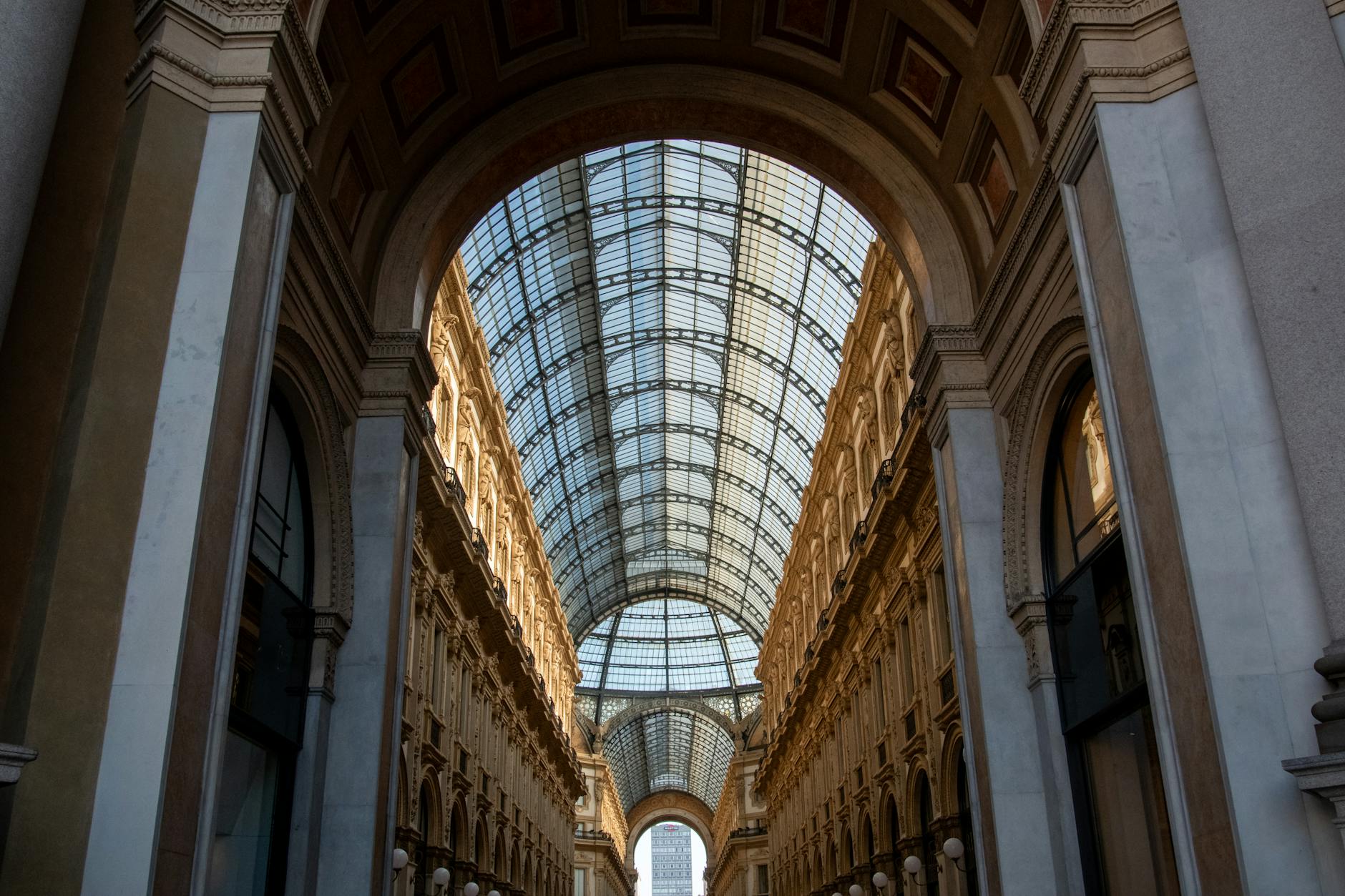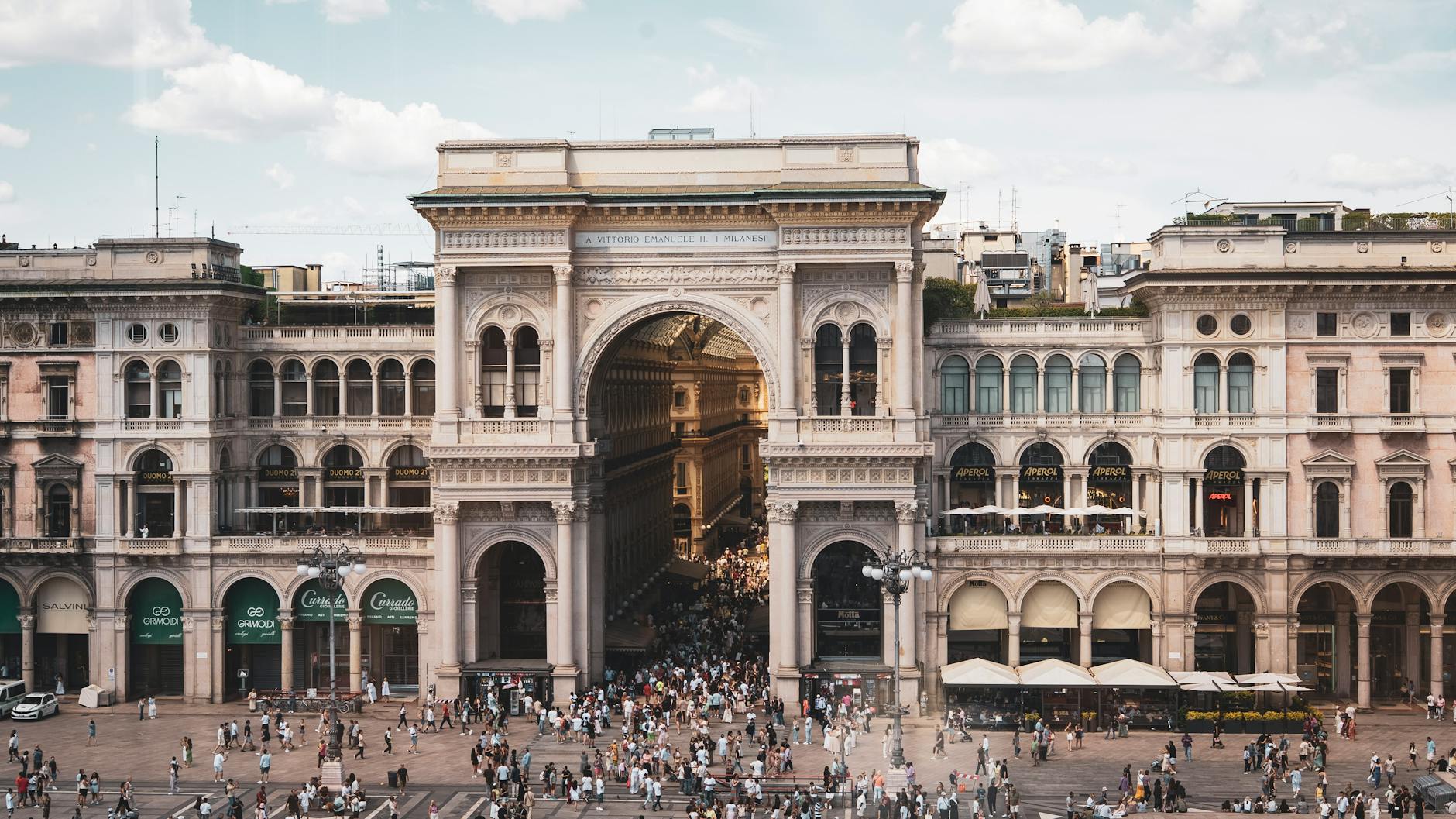
Milan can be an excellent short tourist stop, but it is easy to plan the wrong version of the city. A tourist may arrive expecting a simple cathedral, shopping, and pasta weekend, then discover that Milan is also a working financial and design capital with multiple airports, major rail links, event pressure, serious shopping districts, canal evenings, castle spaces, and hotel locations that can either simplify or complicate the whole visit. The best tourist trip to Milan starts with the role the city should play. It may be a first Italy arrival, a fashion-and-food weekend, a one-night rail stop, a base for nearby cities, or a compact cultural visit. Each version needs different choices about where to sleep, how much to book, when to see the Duomo, how to use evenings, and what to leave out.
Decide what kind of tourist trip Milan should be
Tourists should not treat Milan as a generic Italian city. A short trip can center on the Duomo and Galleria, fashion shopping, design, food, La Scala, Sforza Castle, Navigli evenings, or rail connections to other places. Trying to include every version in two or three days can make Milan feel rushed and less rewarding than it should.
The traveler should choose a main purpose and a secondary purpose. A Duomo-and-shopping trip needs different hotel geography than a canal-and-restaurant trip. A rail-connected stop needs different transfer discipline than a relaxed weekend. Milan improves when the tourist knows why the city is on the itinerary.
- Choose the primary Milan purpose before booking the hotel or timed sights.
- Separate classic sightseeing, fashion, food, design, rail-base, and weekend-break versions of the city.
- Avoid turning a short trip into a compressed list of unrelated districts.
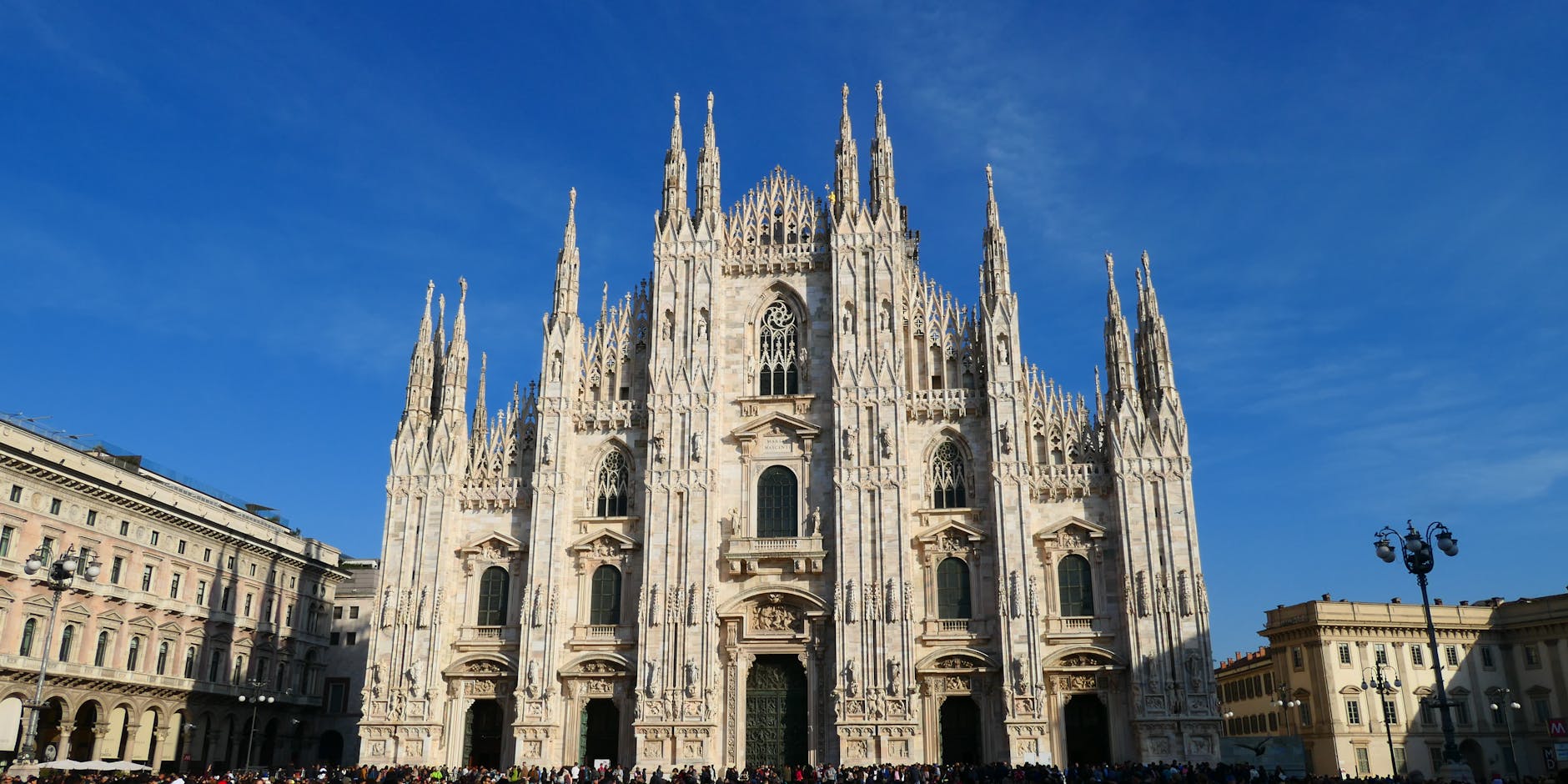
Choose the hotel around the first and last movement of the day
A tourist hotel in Milan should support the actual route. Duomo and Galleria access can be excellent for first-time visitors. Brera can suit restaurants, art, and evening walks. Porta Nuova and Garibaldi can help with modern Milan and rail movement. Navigli can be appealing at night but may not suit every arrival pattern or early morning plan.
The hotel should also be tested against airport or rail arrival. Linate, Malpensa, Bergamo, and Milano Centrale do not produce the same first hour. A hotel that saves money may not be cheaper if it creates extra transfers, late taxis, luggage strain, or poor evening returns.
- Match Duomo, Brera, Porta Nuova, Garibaldi, Navigli, or Centrale to the route.
- Test the hotel against airport or rail arrival before booking.
- Consider late returns, luggage, breakfast, nearby food, and the final walk of each day.
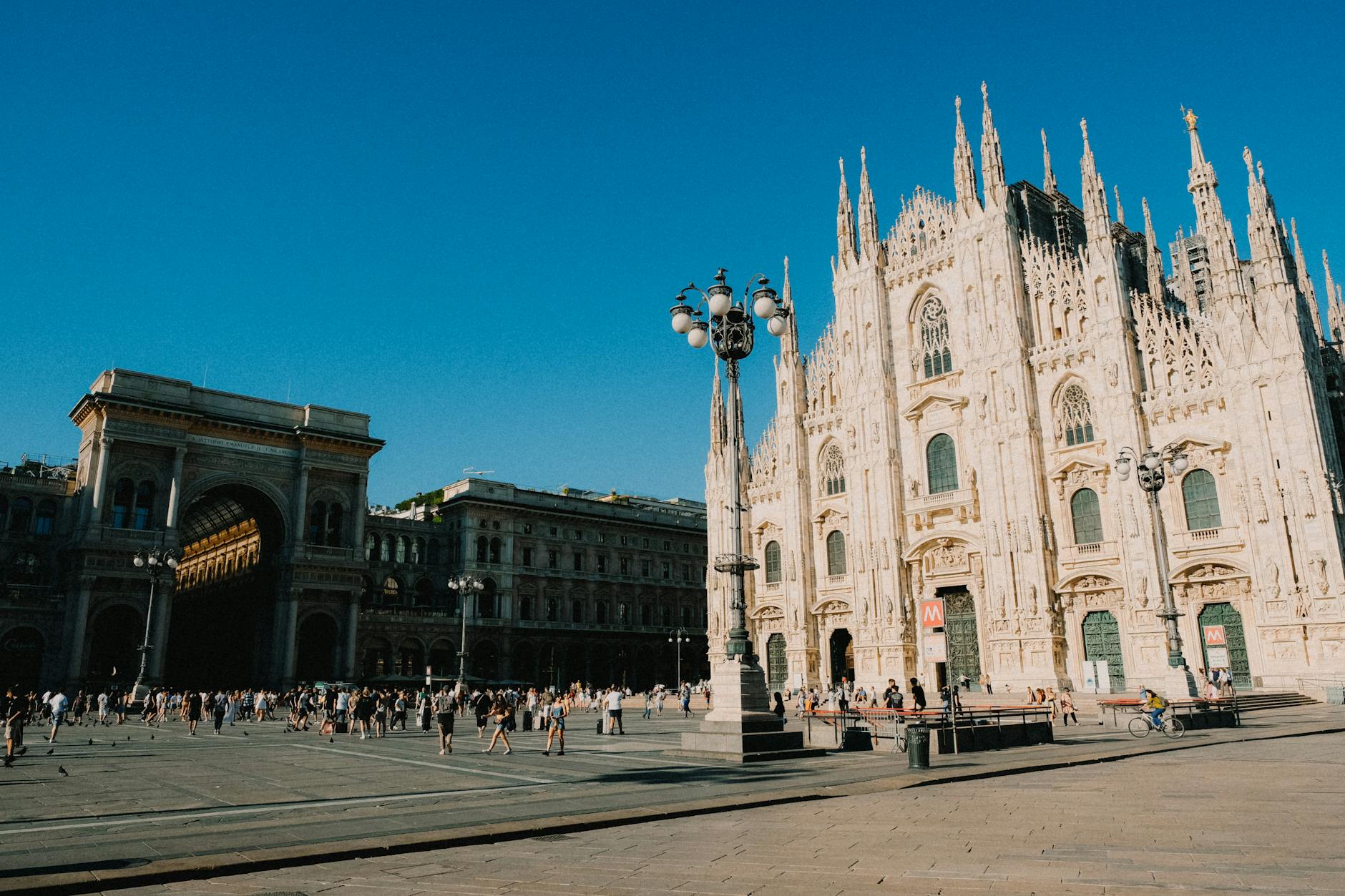
Use the Duomo and Galleria with timing discipline
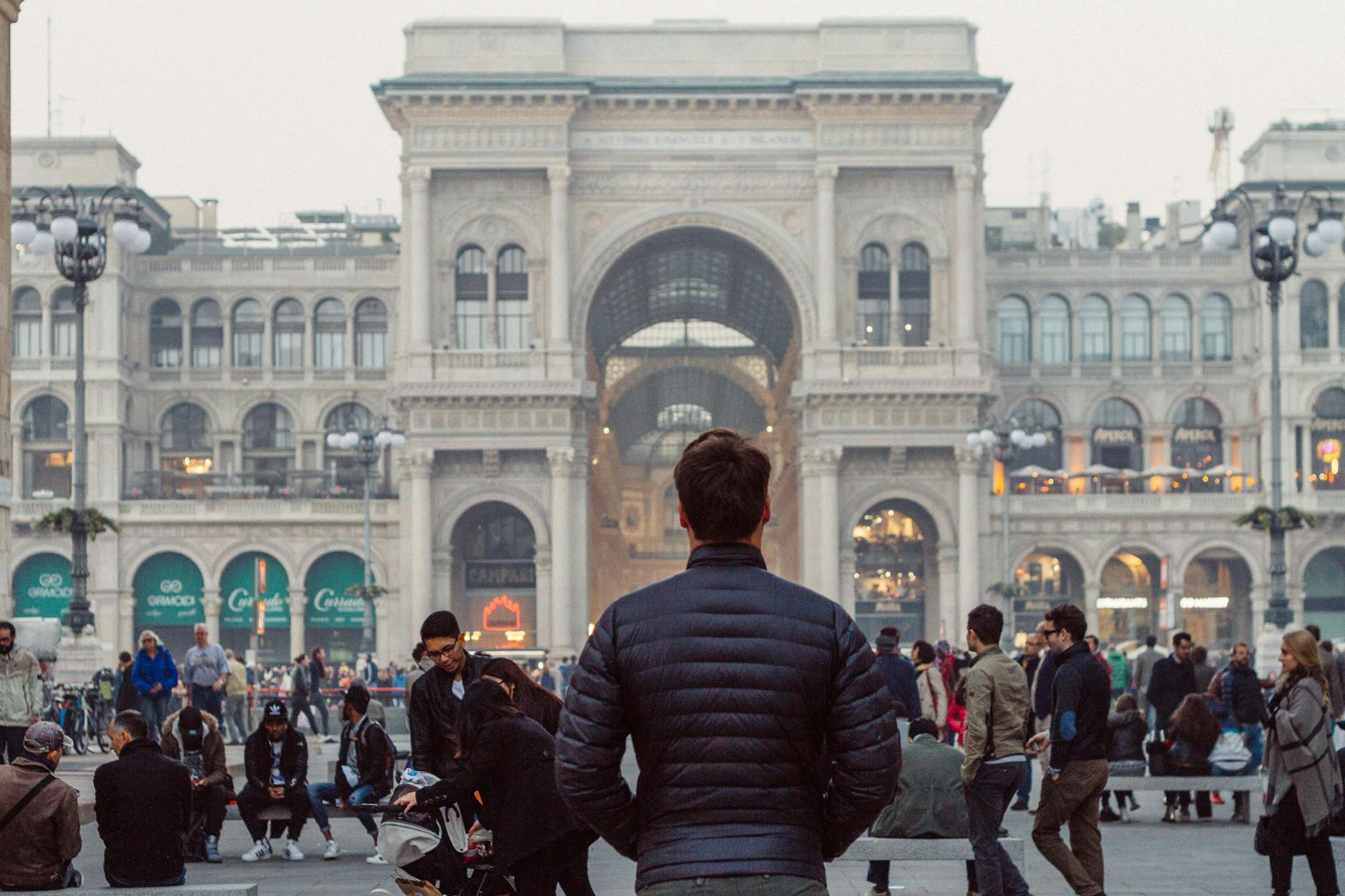
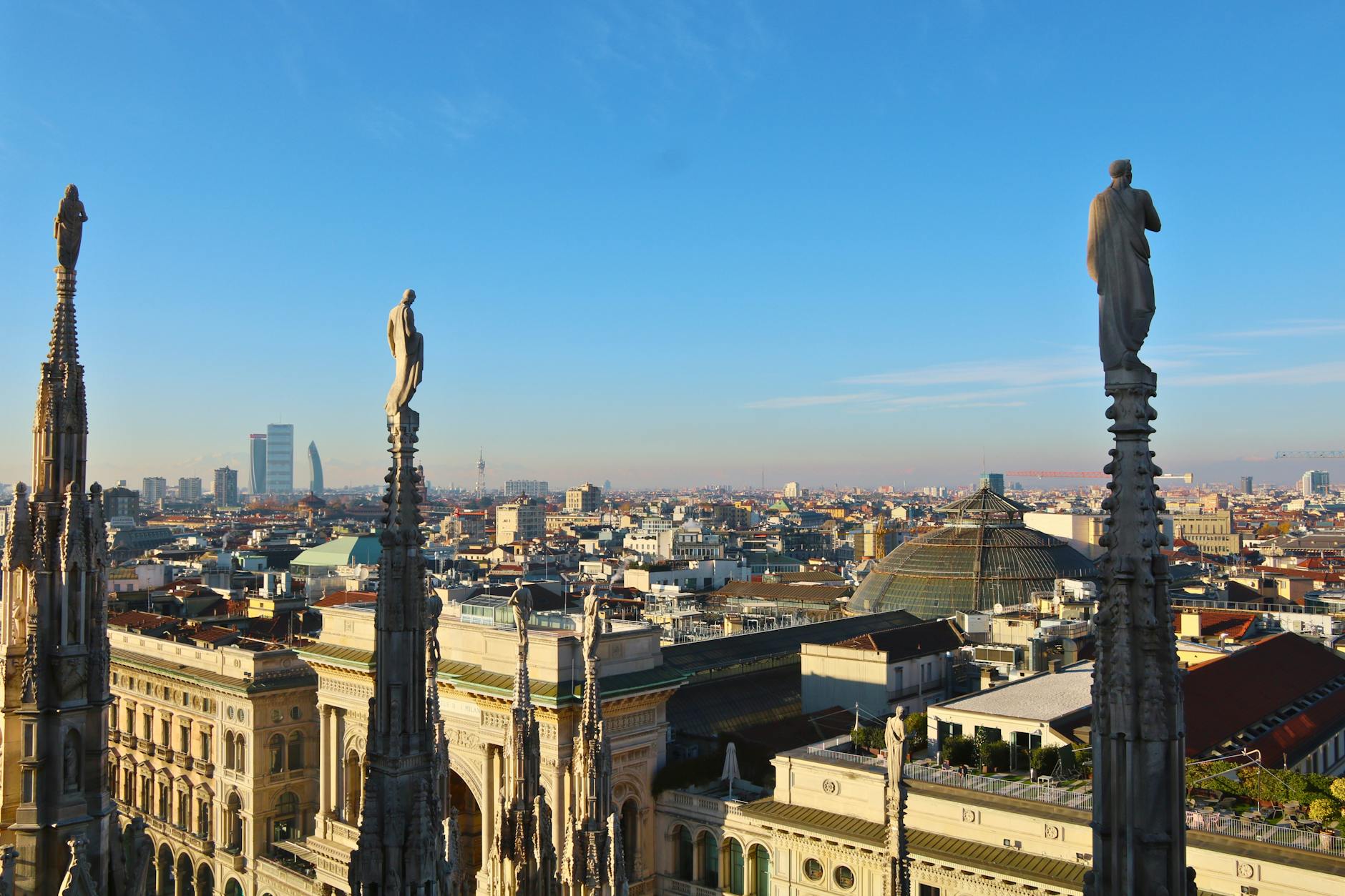
The Duomo and Galleria are often the tourist anchor, but they should not consume the day by accident. The traveler should decide whether the cathedral interior, rooftop, square, Galleria, or a shorter exterior view is the right version for the trip. Lines, security, stairs or lift choices, dress expectations, sun, rain, and crowd density all affect the experience.
The Galleria is best treated as part of a controlled central sequence, not a place to wander until the schedule collapses. A tourist should know where to pause, eat, shop, or leave the center before fatigue turns the most famous area into the most tiring part of the trip.
- Choose the right Duomo experience: exterior, interior, rooftop, square, or a combined visit.
- Plan security, stairs or lift, dress expectations, weather, and crowd timing.
- Use the Galleria as part of a central route, not as an open-ended time sink.
Add castle, park, and canal time to make the trip breathe
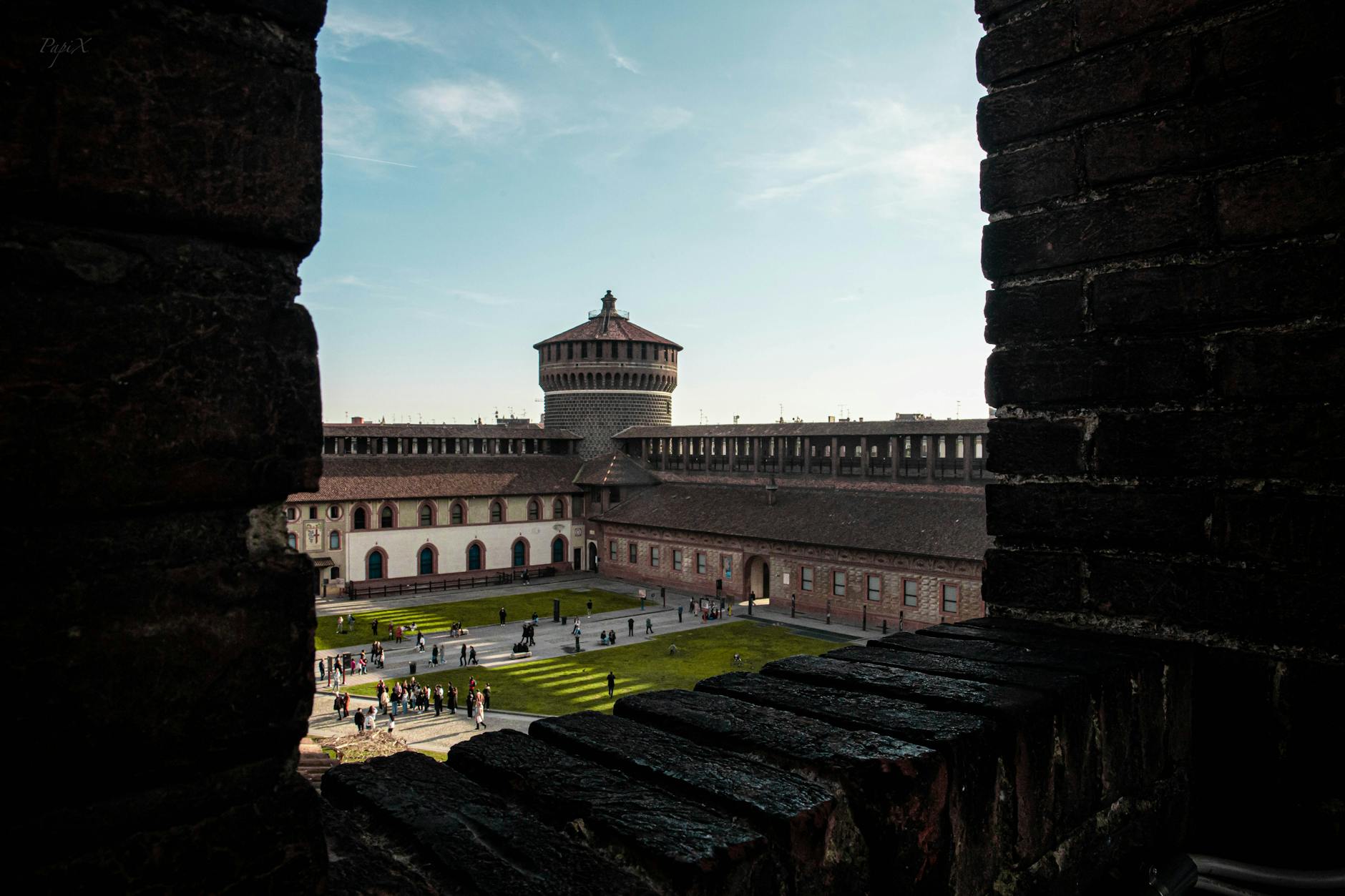
Milan becomes easier to enjoy when the tourist route includes places that slow the day down. Sforza Castle, Parco Sempione, Brera, and Navigli can give the trip more texture than a Duomo-and-shopping checklist. These stops can also reduce the sense that every hour is spent in the most crowded part of the city.
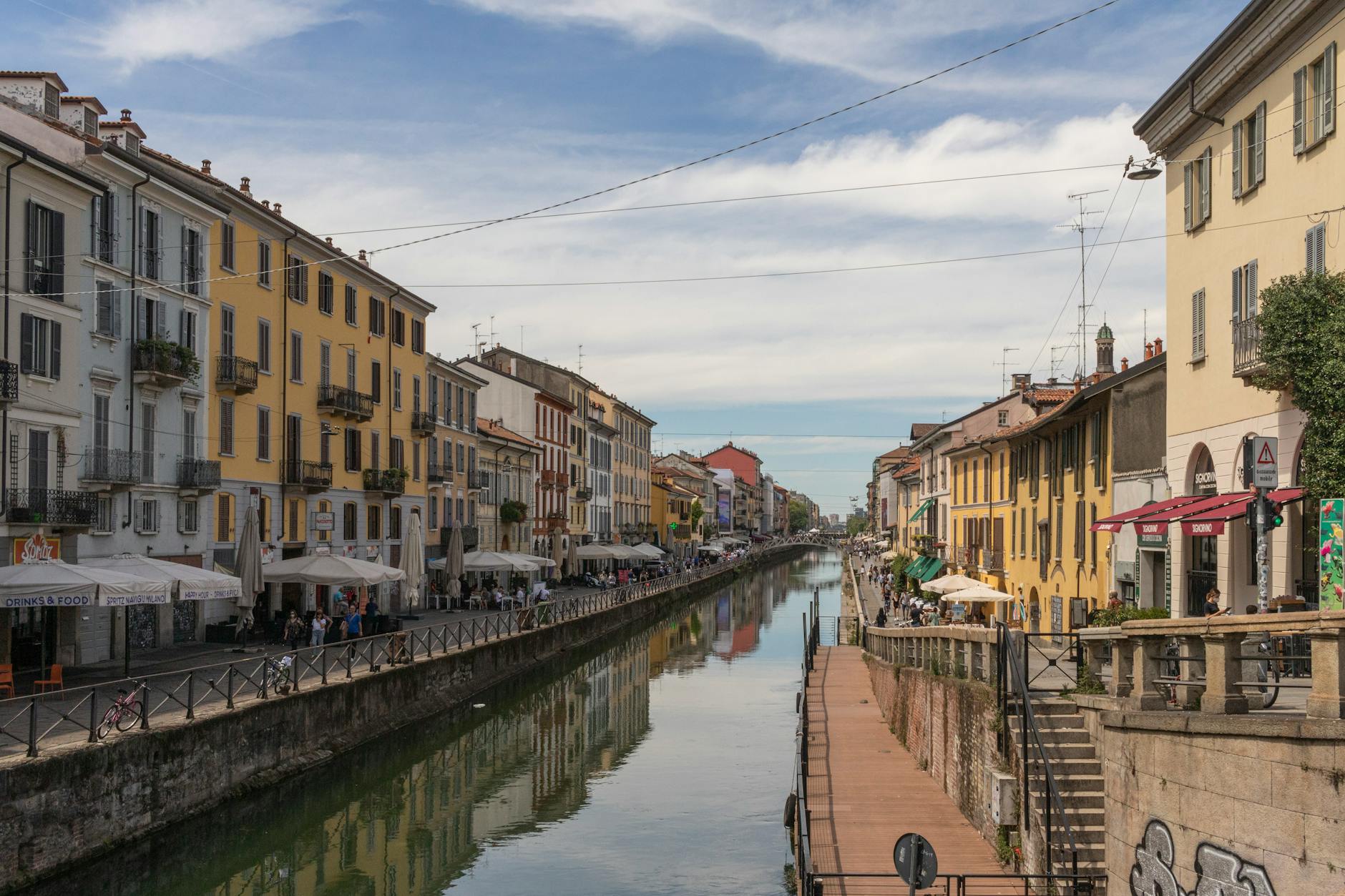
The tourist should place these areas deliberately. Castle and park time can work after a central morning. Brera can bridge sightseeing and dinner. Navigli can be useful for an evening, but it should be paired with a clear return route. Pacing is what turns Milan from a quick stop into a city that feels worth the stay.
- Use Sforza Castle, Parco Sempione, Brera, and Navigli as pacing tools.
- Pair central sightseeing with a quieter district or open-air pause.
- Plan the return from Navigli before making it the evening anchor.
Make food and shopping fit the route
Tourist meals and shopping in Milan should be planned by geography. A good lunch near the current district can be more valuable than a famous place across town. Aperitivo can be a pleasant Milan moment, but it should be clear whether it is a snack, a light dinner, or a bridge to a later meal. Waiting until everyone is tired makes food choices worse.
Shopping also needs boundaries. The Quadrilatero, Galleria, department stores, design shops, and smaller boutiques can overwhelm a short trip. A tourist should decide whether shopping is the purpose, a short add-on, or something to skip in favor of culture and food.
- Choose meals by district and timing, not only reputation.
- Decide whether aperitivo is a pause, a light meal, or the start of the evening.
- Set limits around shopping so it supports the trip rather than taking it over.
Be realistic about transit, weather, and day trips
Milan's metro, trams, taxis, and rail links make the city feel easy on paper. In practice, weather, crowds, station transfers, luggage, shopping bags, and tired legs can make a route more costly than it looks. Tourists should use transit confidently but avoid stacking too many districts or day trips into a short stay.
Lake Como, Bergamo, Turin, Verona, and other rail-linked ideas can be tempting, but a day trip can hollow out a Milan visit if the city itself has not been given enough time. The tourist should decide whether Milan is the destination or the base before buying timed tickets.
- Use metro, trams, taxis, and rail according to weather, luggage, fatigue, and timing.
- Avoid scattered district-hopping just because the map makes it possible.
- Treat day trips as a tradeoff, not a free addition to a short Milan stay.
When to order a short-term travel report
A tourist with a central hotel, flexible schedule, and simple sightseeing goals may not need a custom report. A report becomes useful when the trip involves multiple airports, rail timing, several hotel options, tight Duomo or museum booking windows, fashion shopping, medical or mobility needs, weather concerns, day-trip uncertainty, or a need to decide whether Milan deserves one night, two nights, or a longer stay.
The report should test hotel base, arrival transfer, central sightseeing sequence, food and shopping geography, transit choices, evening returns, weather alternatives, day-trip tradeoffs, and what to cut if the schedule is too dense. The value is a tourist trip that feels intentional rather than assembled from Milan's most obvious names.
- Order when hotel, airport, rail, timed sights, shopping, day trips, or traveler constraints make planning consequential.
- Provide dates, hotel candidates, arrival details, must-see sights, shopping goals, meal preferences, and pace.
- Use the report to decide what Milan should do for this specific short trip.