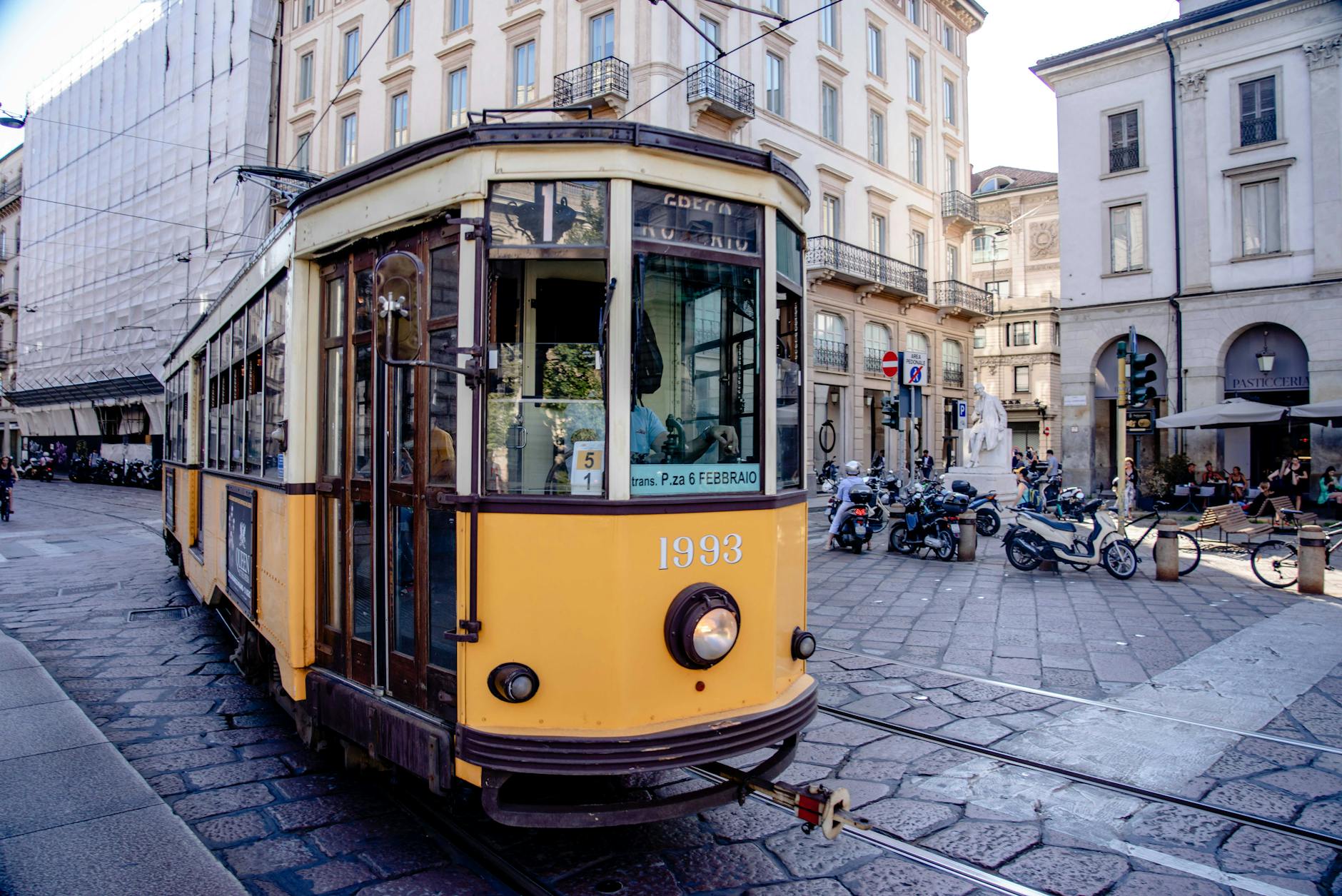
Milan can be a good city for a short academic, design, language, business, fashion, architecture, or summer program, but student travel has different friction than ordinary tourism. The student may be handling housing, orientation, transit, budget, phone setup, food, group plans, and unfamiliar neighborhoods while also trying to study and make the most of the city. A short program gives less time to recover from early mistakes. The goal is to make Milan legible before arrival. A student should know where the program is, how housing connects to it, how to arrive safely, how to use transit, what the weekly budget must cover, where social plans can go wrong, and what support exists if health, documents, or housing become a problem.
Start with program geography
A short-program student should begin with the program map, not the tourist map. The relevant locations may include a university building, design school, language school, studio, dorm, apartment, library, orientation site, and group meeting point. Housing that looks central may be inconvenient if it is weak for the daily program commute.
The student should know the door-to-door route before arrival. A short program is too brief to spend the first week discovering that housing, classes, and evening group plans are poorly connected.
- Map program building, housing, orientation, study spaces, and group meeting points.
- Choose housing by daily commute and return route, not only central Milan appeal.
- Test the route before arrival so the first week is not lost to logistics.

Make arrival simple enough for a tired student
Student arrivals can be fragile because the traveler may be young, alone, budget-conscious, jet-lagged, and carrying more luggage than planned. Linate, Malpensa, Bergamo, and Milano Centrale each create different transfer questions. The student should know the official housing check-in time, address, payment method, phone plan, and backup contact before landing.
A cheaper transfer is not always the right transfer. Late arrival, heavy bags, unfamiliar station exits, or a dead phone can turn savings into stress. The arrival plan should get the student safely to housing first, then optimize the rest of the week.
- Confirm housing address, check-in time, payment method, phone setup, and backup contact.
- Choose the airport or station transfer around safety, luggage, and arrival hour.
- Prioritize a clean first arrival over small transport savings.

Build a transit routine early
Milan's metro and trams can work well for students, but the first few days should be structured. The student should learn the route to class, the route home after dark, the nearest practical grocery or cafe, and a backup route if a stop, line, or phone app fails. Confidence comes from repetition.
The student should avoid overloading the first week with far-flung plans. Once the commute and neighborhood feel normal, Milan opens up. Until then, the priority is making the daily routine boring in the best way.
- Learn the route to class, the route home, and one backup route early.
- Identify nearby groceries, cafes, pharmacies, and simple meals around housing.
- Delay ambitious cross-city plans until the daily commute is familiar.
Control budget before Milan controls it
Milan can strain a student budget through small repeated costs: coffee, snacks, transit, laundry, luggage storage, museum tickets, group dinners, shopping, rides home, and weekend trips. The student should separate required weekly expenses from optional social spending before the program starts.
Budget control should not mean refusing the city. It means choosing where money will make the short program better: a safe ride home, a meaningful museum, a group meal, or a useful weekend trip. Milan is easier when the student knows which expenses are planned and which are impulses.
- Separate required weekly costs from optional social, shopping, and weekend spending.
- Budget for transit, laundry, phone, food, luggage, and occasional safe transport.
- Choose a few meaningful paid experiences instead of many small impulse costs.
Handle documents, phone, and health support
Students on short programs should not rely on memory or group improvisation for critical details. Passport, visa or entry paperwork, school documents, insurance, emergency contacts, housing details, prescription information, and payment backup should be available offline. A working phone plan matters because transit, group coordination, and support contacts may depend on it.
Health planning also matters. The student should know how to contact program staff, where to seek help, how medication is stored, and who should be called if something changes. A short program leaves little time to solve preventable document or health confusion.
- Keep passport, entry paperwork, insurance, housing details, contacts, and payment backup offline.
- Set up phone connectivity before depending on transit or group coordination.
- Know program support, health contacts, medication needs, and escalation steps.
Balance study, social plans, and weekend travel
Milan short programs can tempt students into doing too much: classes, nightlife, group dinners, museums, shopping, side trips, and weekend travel. The student should decide which experiences support the program and which create fatigue. A short weekend trip may be worthwhile, but it can also make the next week harder.
Social plans need the same discipline. The student should know how they are returning from Navigli, Brera, clubs, or group dinners, especially after dark. The goal is to enjoy the city without making safety, sleep, or study the price of every social decision.
- Choose weekend trips and social plans that do not undermine class or health.
- Plan returns from Navigli, Brera, group dinners, or nightlife before going out.
- Keep enough rest in the schedule for the program itself to matter.

When to order a short-term travel report
A student with program housing, airport pickup, and strong institutional support may not need a custom report. A report becomes useful when the student must choose housing, arrive alone, manage a tight budget, use public transit daily, has medical or mobility needs, plans weekend travel, or needs a parent, guardian, or sponsor to understand whether the plan is practical.
The report should test housing location, arrival transfer, daily commute, phone and document setup, budget pressure, food geography, health fallback, evening returns, weekend-trip tradeoffs, and what to avoid during the first week. The value is a Milan short program that starts calmly and stays manageable.
- Order when housing, arrival, transit, budget, health, safety, or weekend travel choices materially affect the program.
- Provide program address, housing candidates, arrival details, budget range, medical needs, phone plan, and weekend goals.
- Use the report to make the short program workable before the student lands in Milan.