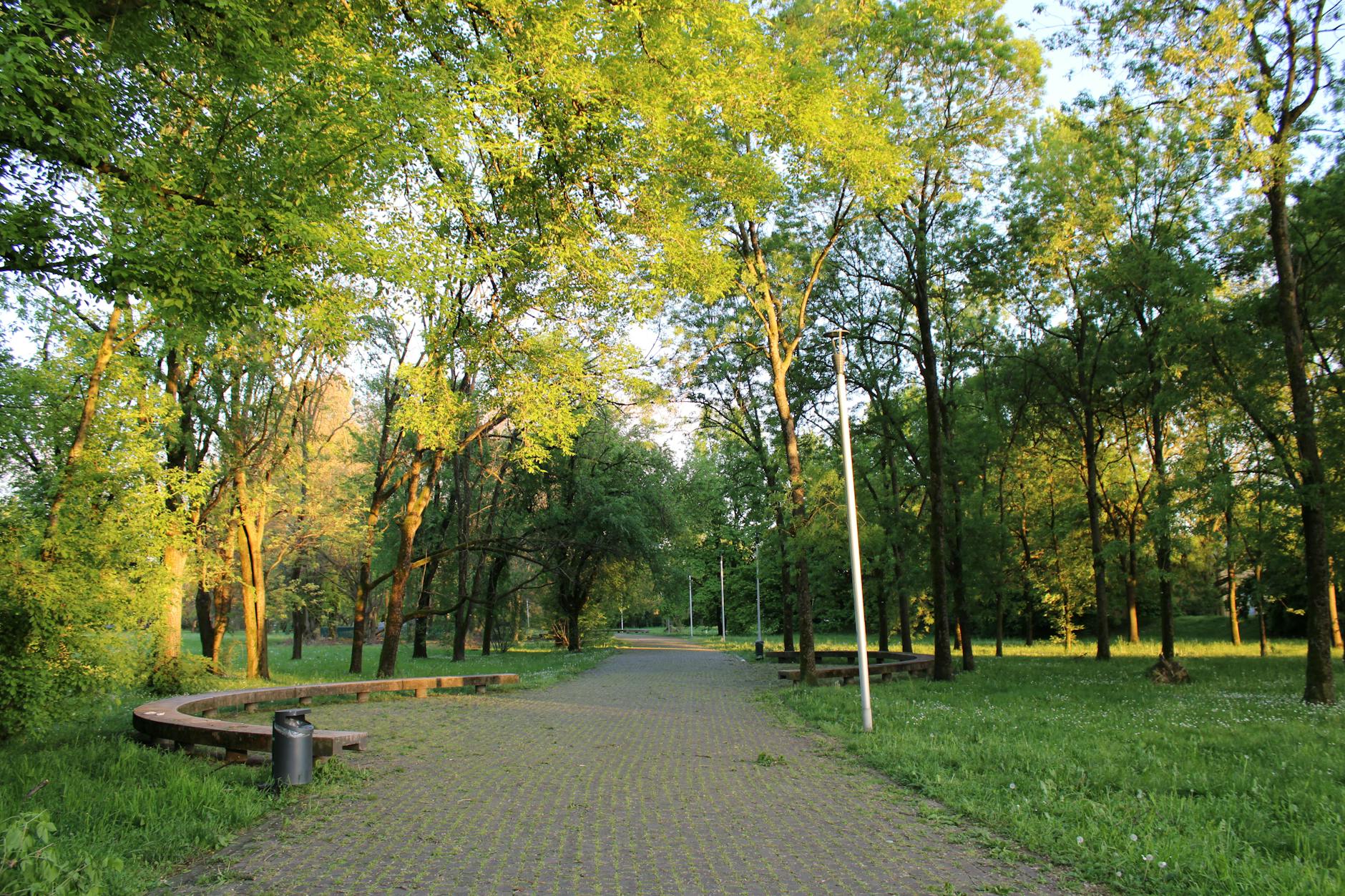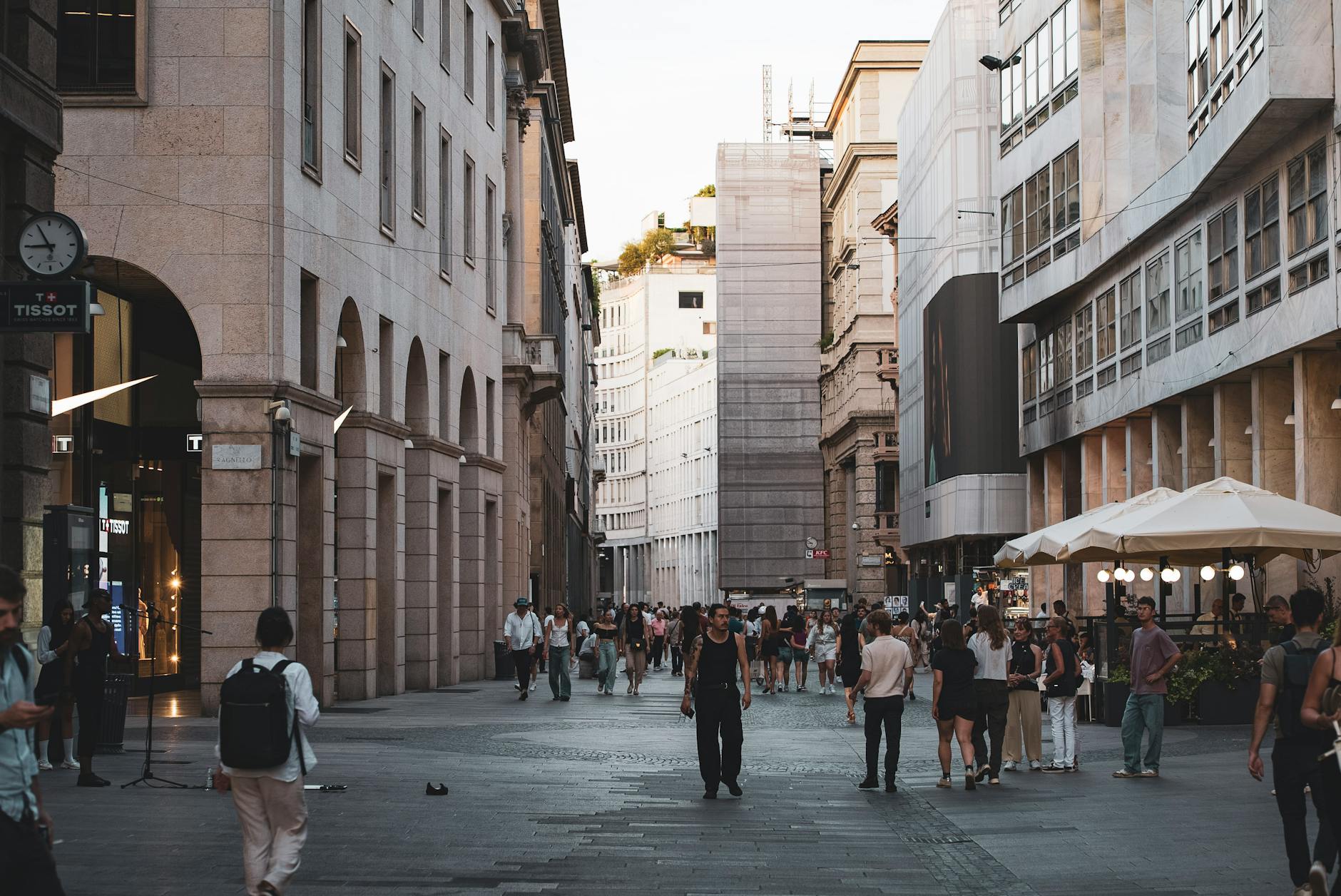
Milan can be a strong solo city because it is structured, well connected, and rich enough for a traveler who likes moving independently. It is also a city where the solo experience changes sharply by neighborhood, hour, hotel choice, and confidence with transit. A solo traveler may want museums, shopping, design, cafes, aperitivo, a performance, a short rail-connected stay, or a practical stop between Italian cities. Each version needs a slightly different base and evening plan. The goal is not to make Milan feel guarded. The goal is to remove avoidable uncertainty. A solo traveler should know how they will arrive, where they will sleep, which districts are comfortable alone, how they will eat without awkwardness, and how they will return after dark. Milan works well when independence is supported by practical structure.
Choose a base that feels good alone
Solo travelers should choose a Milan base for how it feels at the beginning and end of the day. Brera, the Duomo area, Porta Nuova, Garibaldi, Navigli, and Centrale can all work for different solo trips, but they do not offer the same evening feel or transport pattern. The hotel should have an easy entrance, reliable reception, nearby food, and a return route that still feels simple after dinner.
A cheap or stylish room that forces a solo traveler through awkward streets late at night may not be a bargain. A slightly better-located hotel can make the whole trip feel more open because the traveler is not constantly negotiating the last ten minutes of each day.
- Choose the hotel around evening return, nearby food, reception reliability, and transit access.
- Match Brera, Duomo, Porta Nuova, Garibaldi, Navigli, or Centrale to the solo trip's rhythm.
- Avoid saving money in a location that makes every late return feel uncertain.
Make arrival boring on purpose
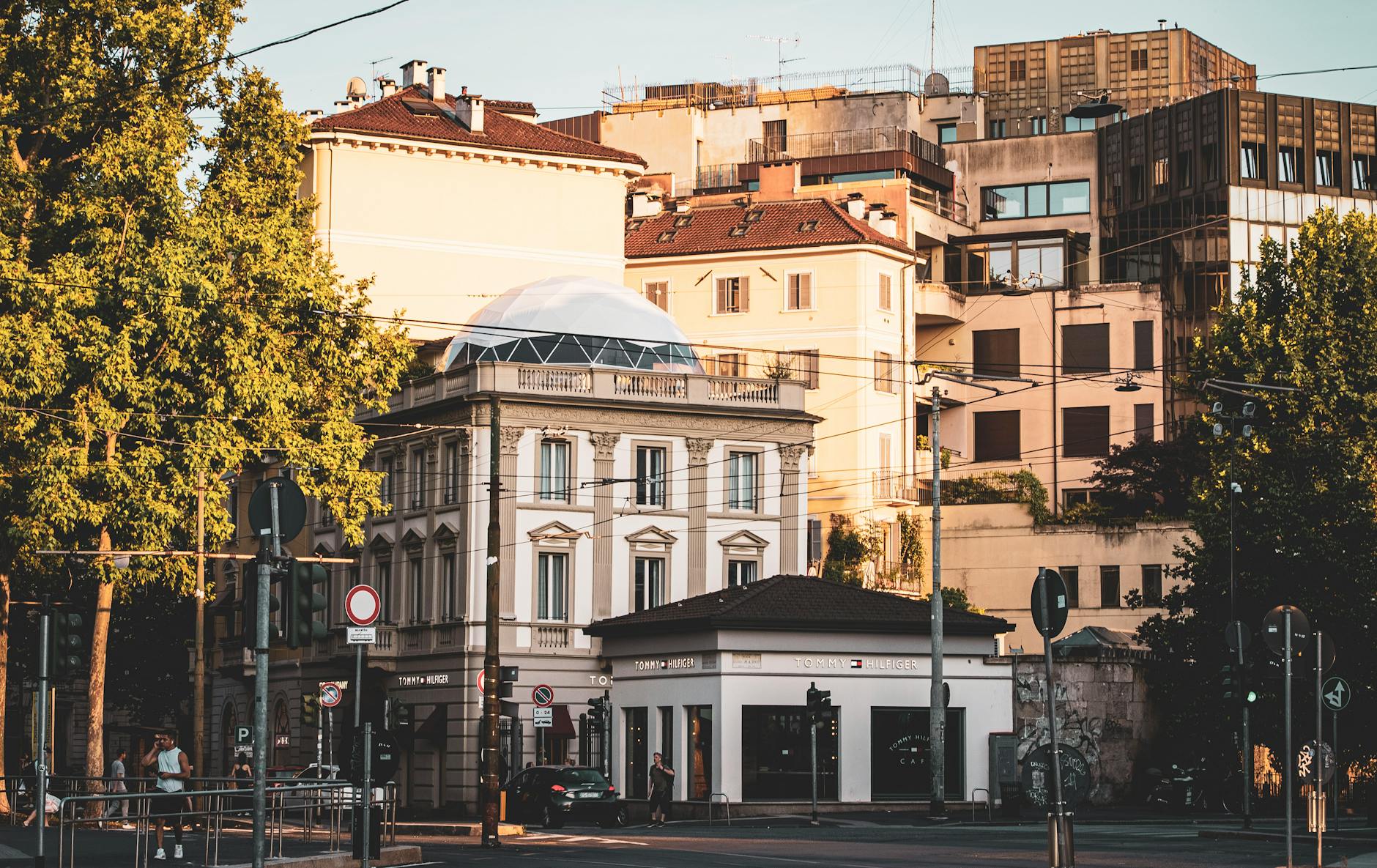
A solo arrival should be simple. Linate, Malpensa, Bergamo, and Milano Centrale all create different first-hour questions. The traveler should know the route to the hotel before landing, especially if arriving late, carrying luggage, or connecting from a long flight. A taxi, car, rail, metro, or tram can all be right, but the choice should be made in advance.
The first evening should not depend on improvisation with bags and a tired phone battery. The solo traveler should have offline hotel details, a charged phone, payment backup, and a meal plan close to the base. Boring arrival logistics are what make the rest of the trip feel independent.
- Plan the airport or station-to-hotel route before arrival.
- Keep hotel details, payment backup, phone charge, and a nearby first meal ready.
- Use a car or taxi when late arrival, luggage, or fatigue makes transit less resilient.
Build daytime routes that stay flexible
Milan is good for solo wandering when the route has a spine. A Duomo-Galleria-Brera route, a castle-and-park route, a Porta Nuova design walk, or a Navigli afternoon can all work. The traveler should avoid scattering the day across too many districts just because the metro makes it possible. A solo traveler has freedom, but freedom is better when the day can adapt without becoming aimless.
Timed sights, museum bookings, shopping goals, and meal breaks should be placed so that the traveler can pause without losing the day. Solo travel in Milan is often strongest when it leaves room for discovery inside a clear district plan.
- Use one or two district spines rather than a scattered city-wide checklist.
- Place timed sights, meals, and shopping goals where they support the same route.
- Keep room for discovery without making the day depend on improvisation.
Handle solo meals without making them filler
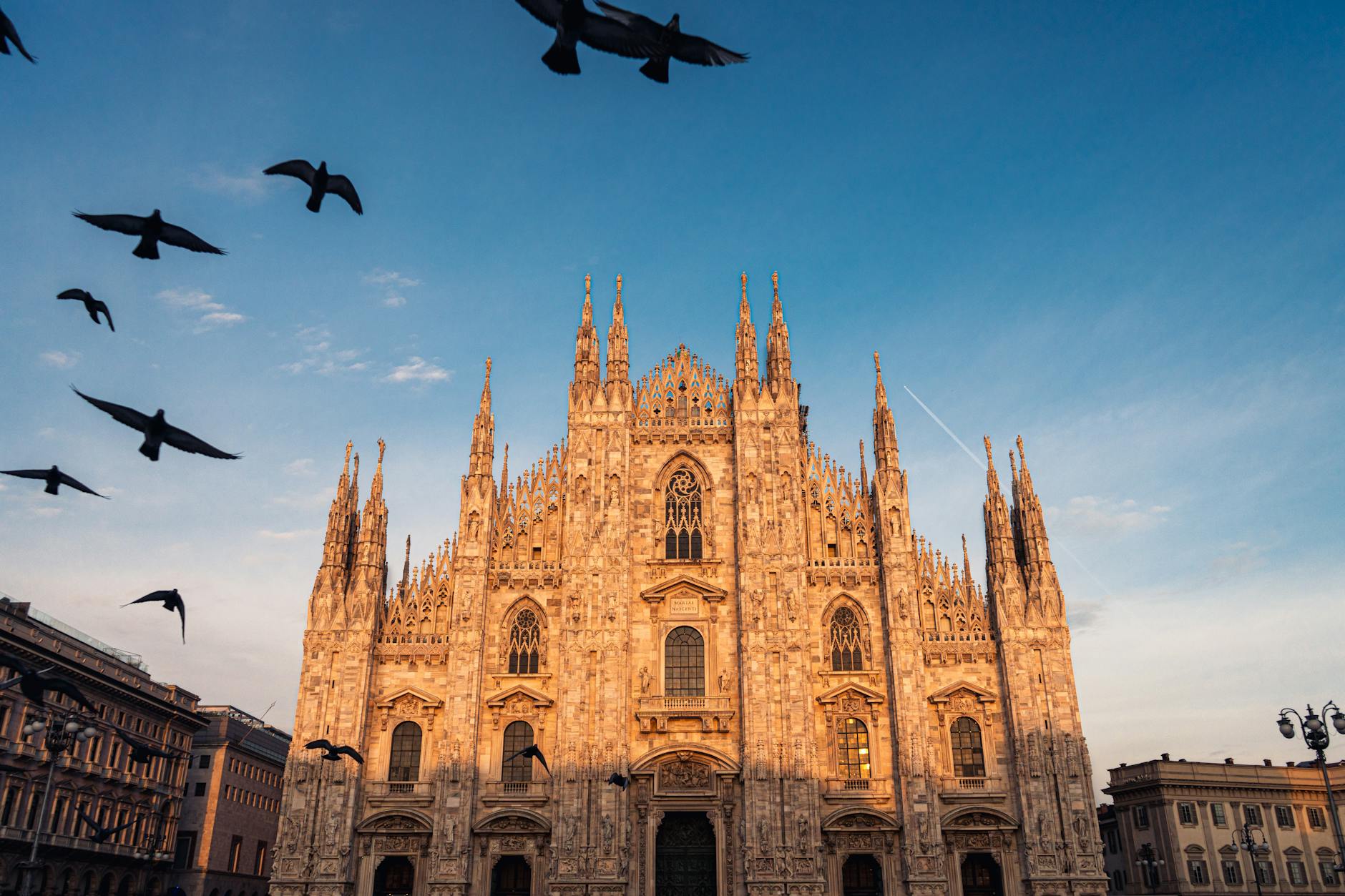
Milan can be comfortable for solo meals when the traveler chooses the setting deliberately. Cafes, aperitivo, casual counters, museum-adjacent lunches, hotel bars, neighborhood restaurants, and good early dinners can all work. A solo traveler should not leave meals until hunger and fatigue make the choice harder.
The key is geography and timing. A good solo dinner near the hotel may be more valuable than a famous restaurant across town. Aperitivo can be useful, but the traveler should decide whether it is dinner, a social stop, or simply a pleasant pause before returning to the hotel.
- Choose solo meals by setting, timing, and return route, not only by reputation.
- Use cafes, aperitivo, hotel bars, and early dinners to keep the day comfortable.
- Avoid waiting until tired or hungry to decide where to eat alone.
Treat evenings as planned independence
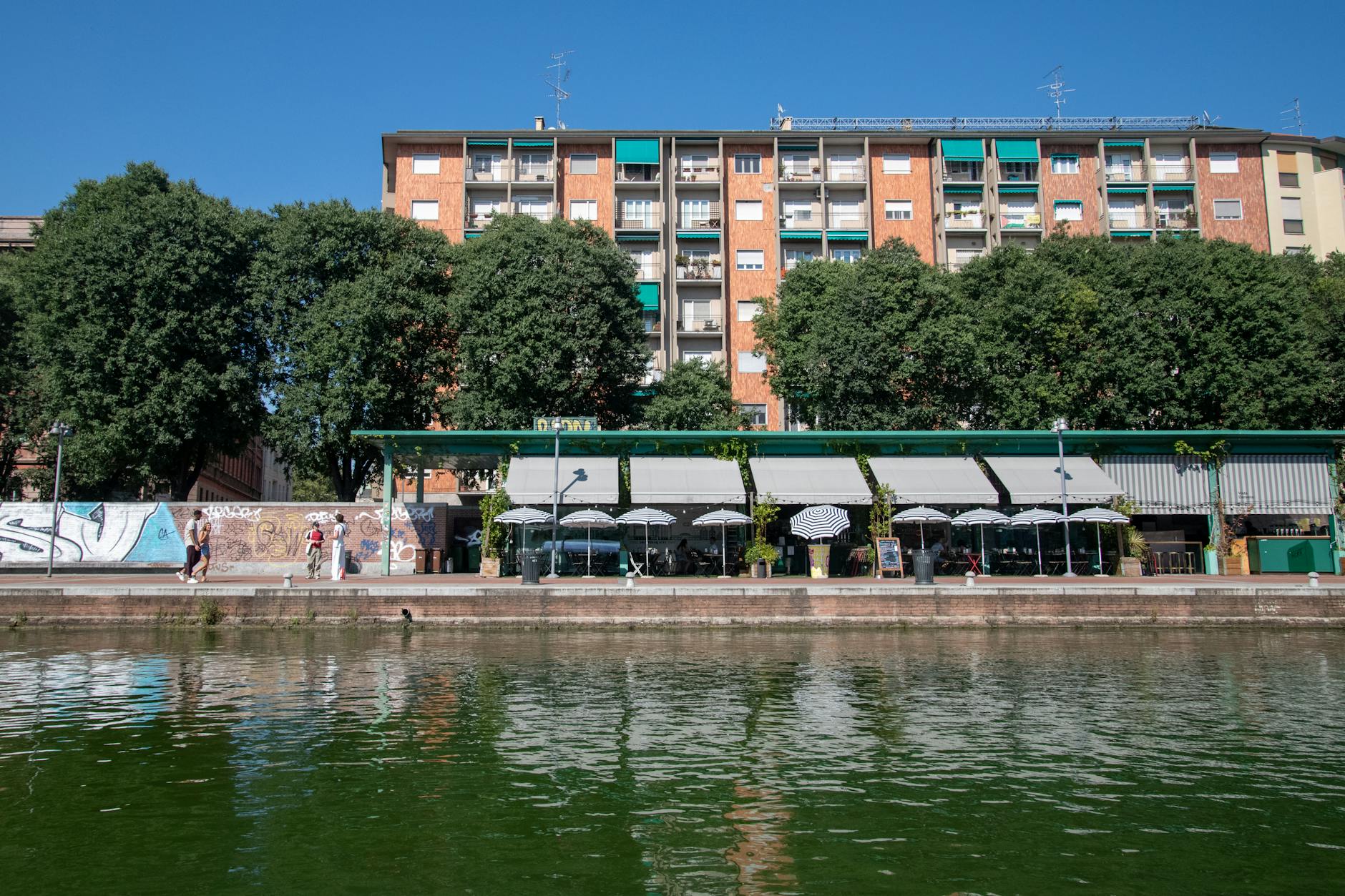
Milan evenings can suit solo travelers well: Navigli, Brera, Porta Nuova, hotel lounges, restaurants, theater, and short walks can all feel rewarding. The traveler should choose the evening district before the day gets late. A solo night works better when the return route is already decided and the traveler is not testing unfamiliar streets while tired.
After dark, basic discipline matters: keep the phone charged, avoid flashing documents or cash, manage alcohol, use familiar pickup points, and do not post exact real-time lodging patterns. The goal is not anxiety. It is keeping the solo trip under the traveler's control.
- Choose the evening district and return route before going out.
- Keep phone battery, payment backup, hotel address, and pickup points under control.
- Avoid real-time posting that reveals exact hotel or evening patterns.
Use transit confidently but selectively
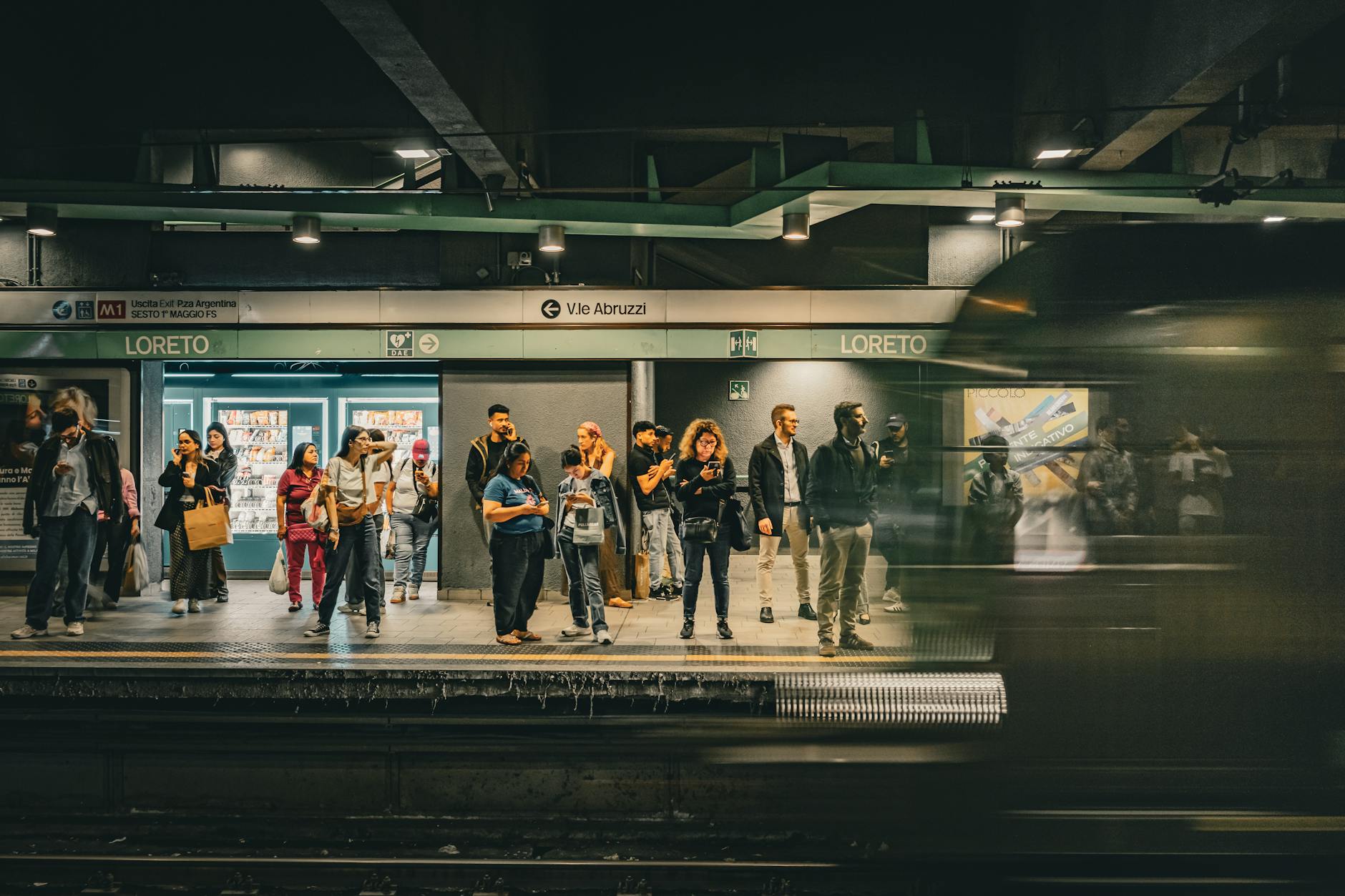
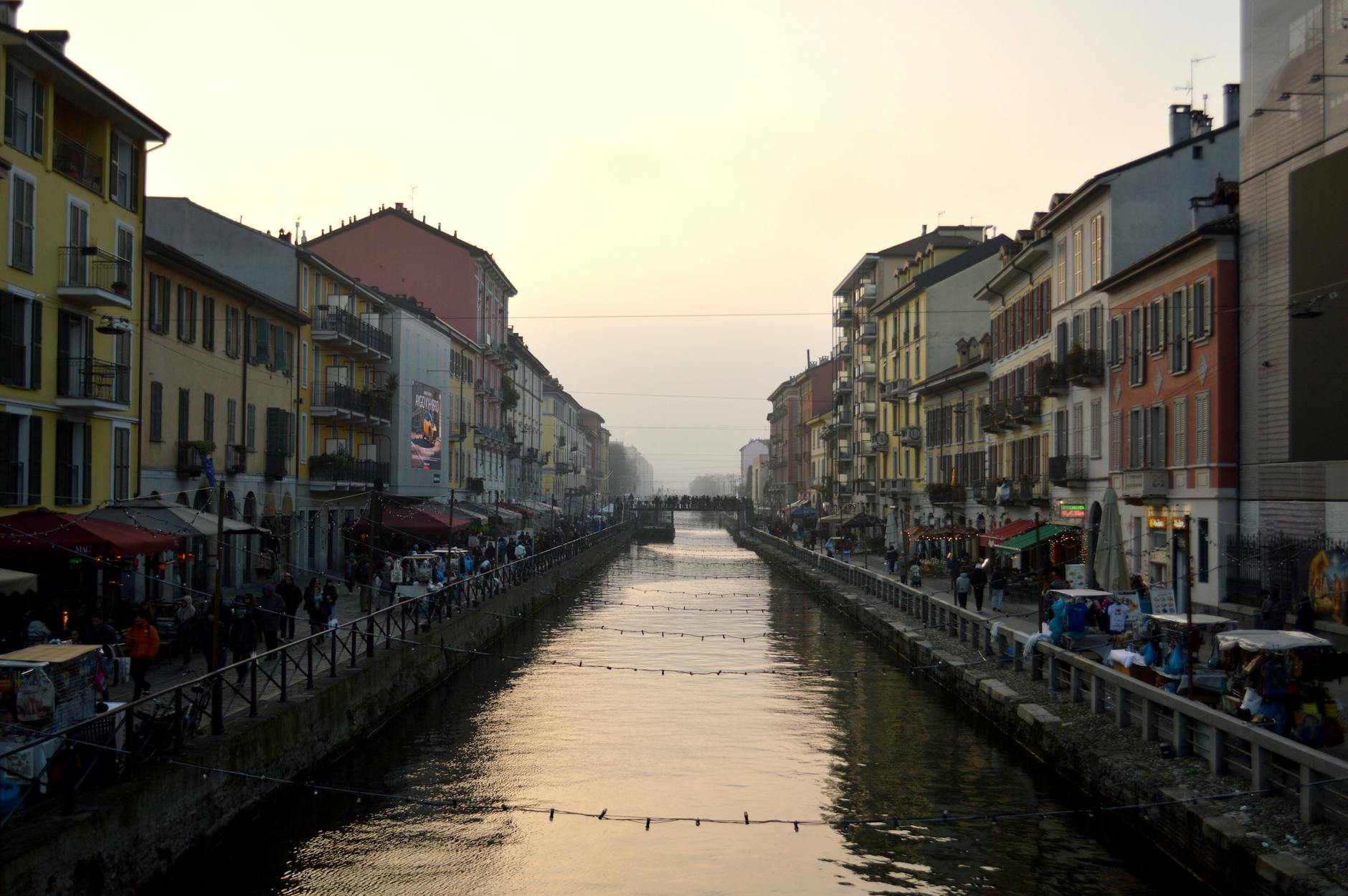
Milan's metro and trams can be useful for a solo traveler, but they should not become the answer to every movement. Direct routes are good. Complex late-night transfers, poor weather, heavy shopping bags, or station areas that feel uncomfortable may justify a taxi or rideshare. A solo traveler should know when convenience is worth paying for.
Walking is often pleasant in central Milan, Brera, and certain neighborhood clusters, but long solo walks after dark should be chosen carefully. The safest solo movement usually comes from combining transit confidence with a willingness to simplify the route.
- Use metro and trams for direct, legible routes.
- Pay for taxis or rideshare when late, tired, carrying bags, or dealing with weather.
- Avoid complicated after-dark transfers when a simpler return is available.
When to order a short-term travel report
A confident solo traveler with a central hotel and flexible schedule may not need a custom report. A report becomes useful when the traveler arrives late, uses a budget hotel, has several neighborhoods in mind, plans nightlife, carries expensive items, has medical or mobility needs, wants to attend an event alone, or needs help deciding whether Milan is the right solo stop in a larger itinerary.
The report should test hotel area, arrival route, daytime district sequence, meal options, evening return, transit choices, document and phone discipline, weather exposure, medical fallback, and what should change if the traveler feels uncomfortable. The value is a solo Milan trip that remains independent without becoming improvised.
- Order when late arrival, hotel uncertainty, nightlife, events, health needs, or solo route confidence matter.
- Provide hotel candidates, arrival details, neighborhoods of interest, evening plans, budget, and traveler constraints.
- Use the report to keep solo independence supported by practical choices.