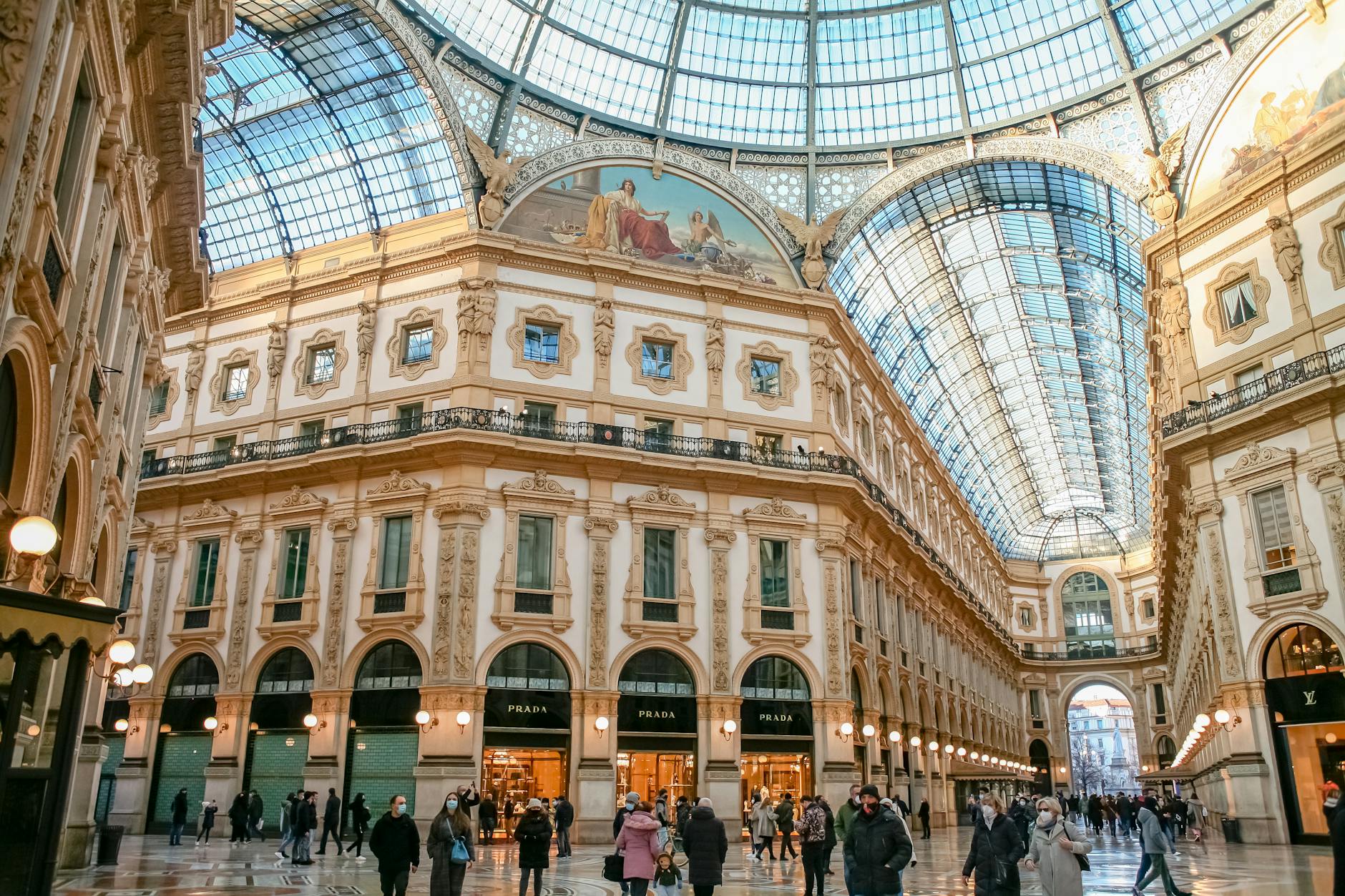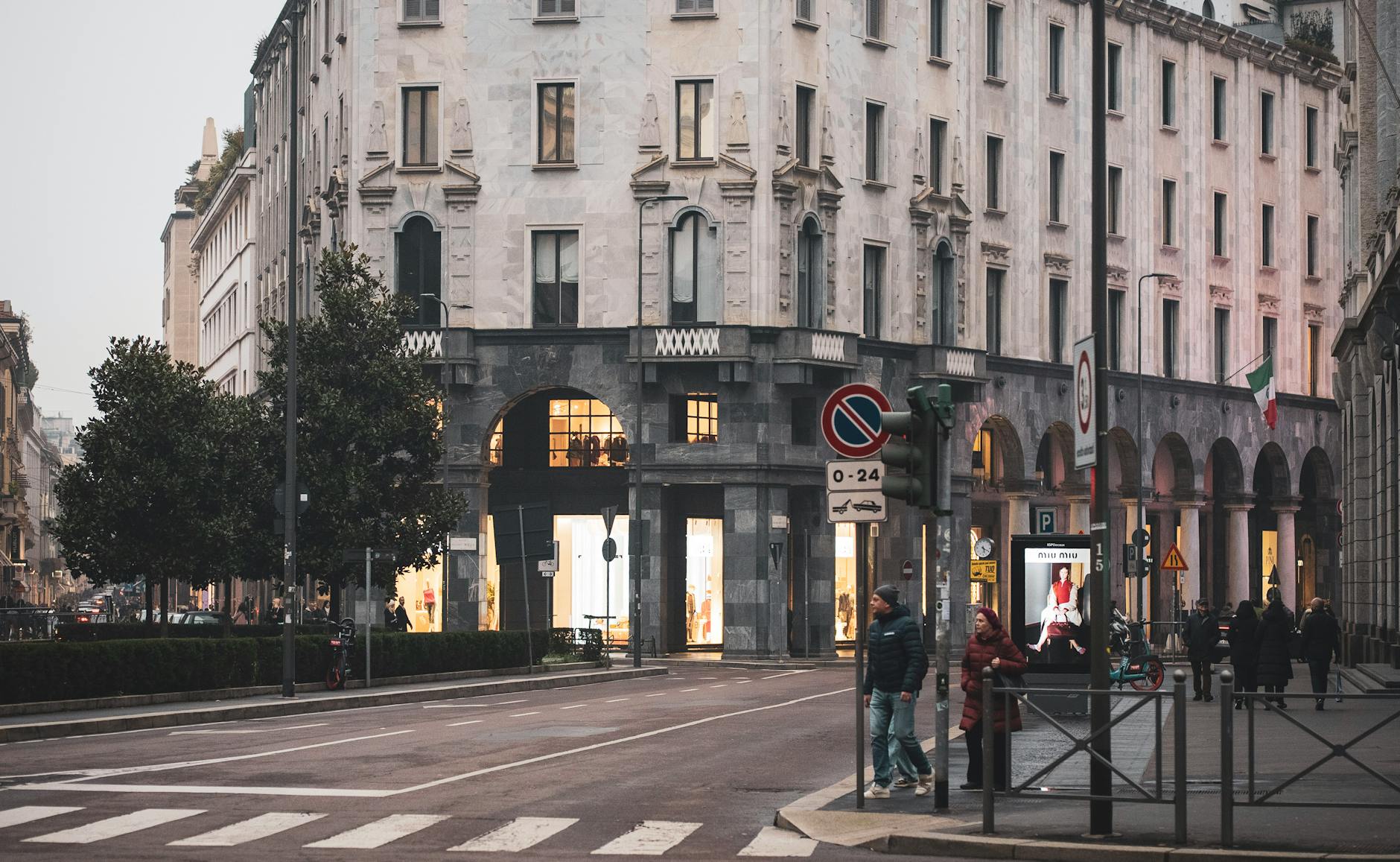
Milan is a high-context sales city. A trip may involve fashion, design, retail, finance, manufacturing, food, technology, hospitality, or professional services, and the right plan depends on whether the traveler is calling on clients in central offices, showrooms, retail districts, hotels, trade events, or sites outside the core. A Milan sales visit can look glamorous from the outside and still fail because the traveler chose the wrong base, underestimated transfers, or arrived at the meeting carrying the wrong kind of fatigue. The goal is to make the sales day feel controlled. That means protecting arrival, dressing and materials, door-to-door movement, private calls, meeting sequence, client meals, and the return to the hotel. Milan rewards sales travelers who understand that presentation and logistics are part of the same trip.
Map prospects before choosing the base
A sales traveler should begin with the prospect map. Milan client visits may sit in Porta Nuova, the Duomo area, the Quadrilatero, Brera, showroom districts, hotel meeting rooms, trade events, or office parks outside the tourist core. A hotel that looks attractive for a leisure weekend can be wrong if it creates repeated cross-city movement before each sales call.
The traveler should map every confirmed and likely meeting, including informal coffee, showroom walk-throughs, client dinners, and follow-up calls. Once the route is visible, the hotel decision becomes a sales decision rather than a preference.
- Map confirmed meetings, likely prospects, client meals, showrooms, and follow-up call locations.
- Choose the hotel around the sales route, not only central Milan appeal.
- Separate prospect geography from sightseeing geography before booking.
Protect arrival and first impression
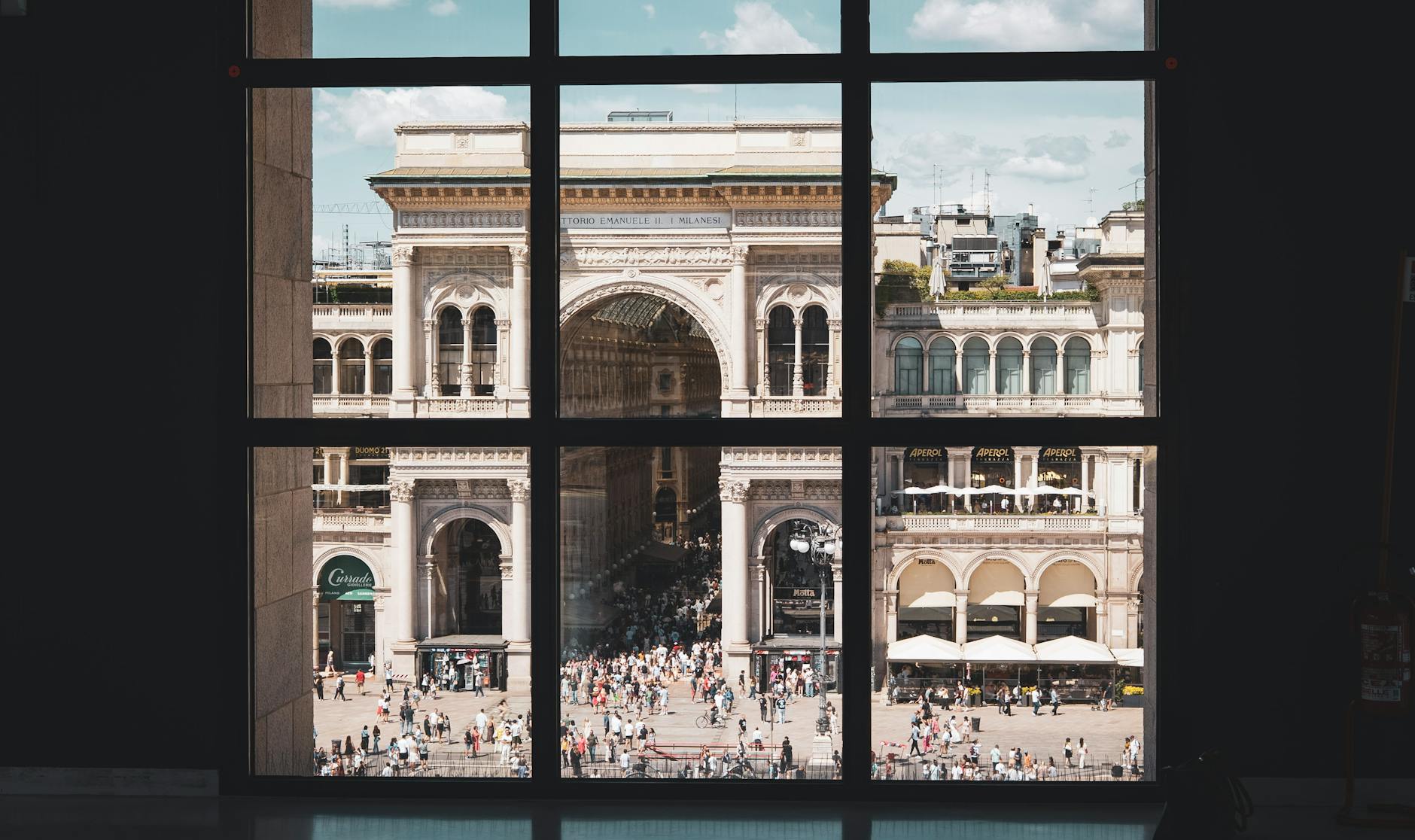
Sales travel gives arrival less room for error. Linate, Malpensa, Bergamo, and Milano Centrale each create different risks around timing, luggage, dress, sample handling, and the first client interaction. The traveler should know whether they can check in, change, print, rehearse, eat, and reach the meeting without improvising under pressure.
A direct taxi or car can be the right choice when the first meeting matters. If the traveler uses rail or metro, the route should be simple, tested against luggage, and supported by a backup. Milan's business culture will not excuse preventable disorganization.
- Match arrival airport or station to first-meeting timing and materials.
- Build time for check-in, change, food, printing, and private preparation.
- Use direct transfers when the first impression is too important for transport uncertainty.
Plan showrooms, retail, and client context deliberately
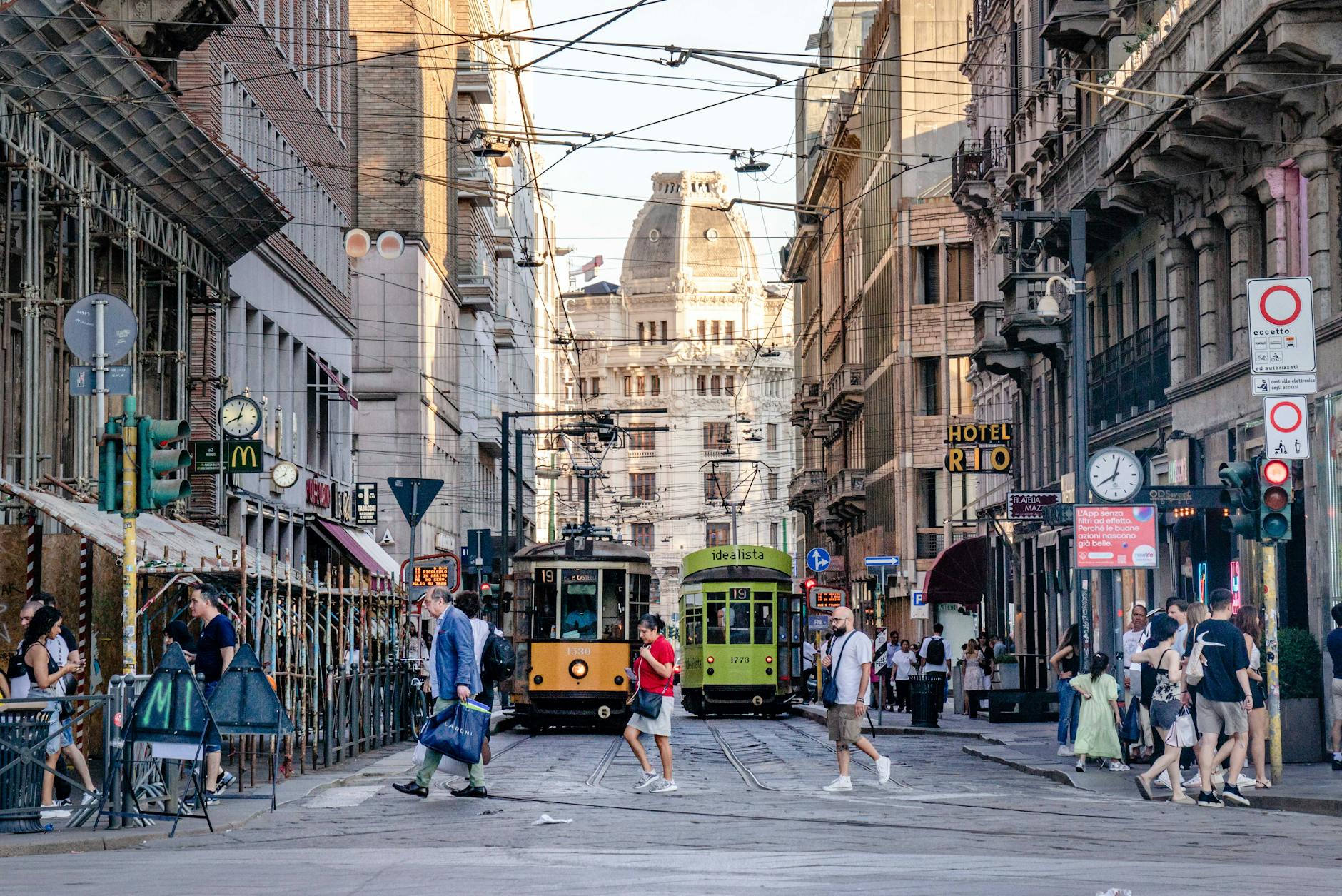
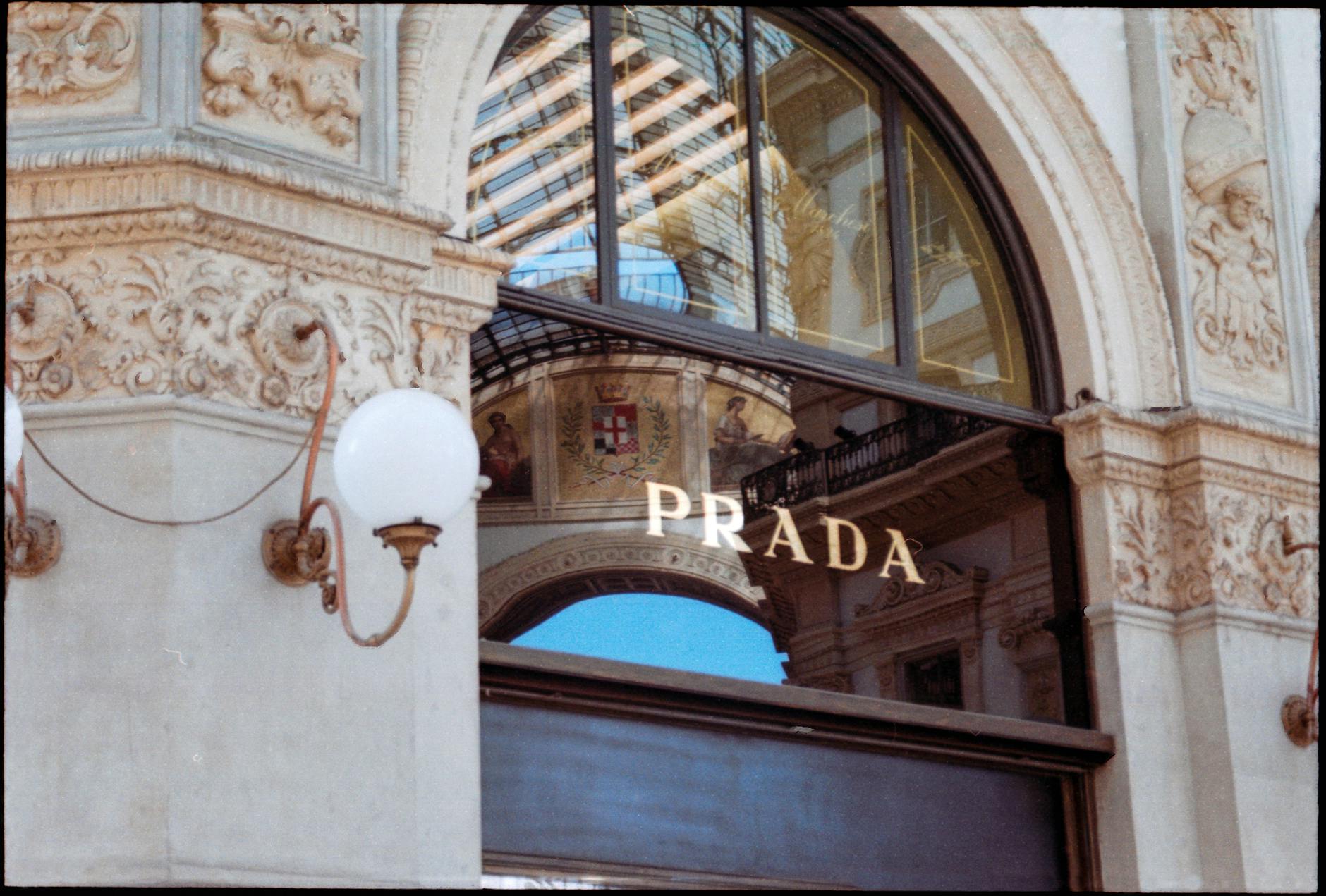
Milan sales calls often carry visual and cultural context. A fashion, design, retail, luxury, hospitality, or brand meeting may involve the Galleria, Quadrilatero, showroom streets, or a client environment where presentation matters. The traveler should know whether the route includes display spaces, samples, store visits, or competitor observation.
These stops should be scheduled as work, not casual browsing. A useful showroom visit needs time, notes, photos where permitted, and a plan for what will be discussed afterward. Wandering between appointments can look like market knowledge but still waste the day.
- Treat showroom, retail, and competitor-observation stops as structured sales work.
- Plan sample handling, note-taking, permitted photos, and follow-up discussion.
- Use Milan's fashion and design context to support the pitch, not distract from it.
Sequence sales calls by energy and decision value
A good Milan sales day is not simply a full calendar. The highest-value meeting should not be placed after unnecessary cross-town travel, a weak lunch, or a crowded transit segment that leaves the traveler late and tired. Meetings should be grouped by district where possible and ranked by decision value.
The traveler should reserve time after important calls for notes and follow-up while the details are still fresh. A sales trip loses value when every conversation immediately gives way to the next taxi.
- Rank meetings by decision value, not only availability.
- Group calls by district and protect preparation time before the most important one.
- Leave time after key meetings for notes, follow-up, and internal updates.
Use meals and evening plans as part of the pipeline
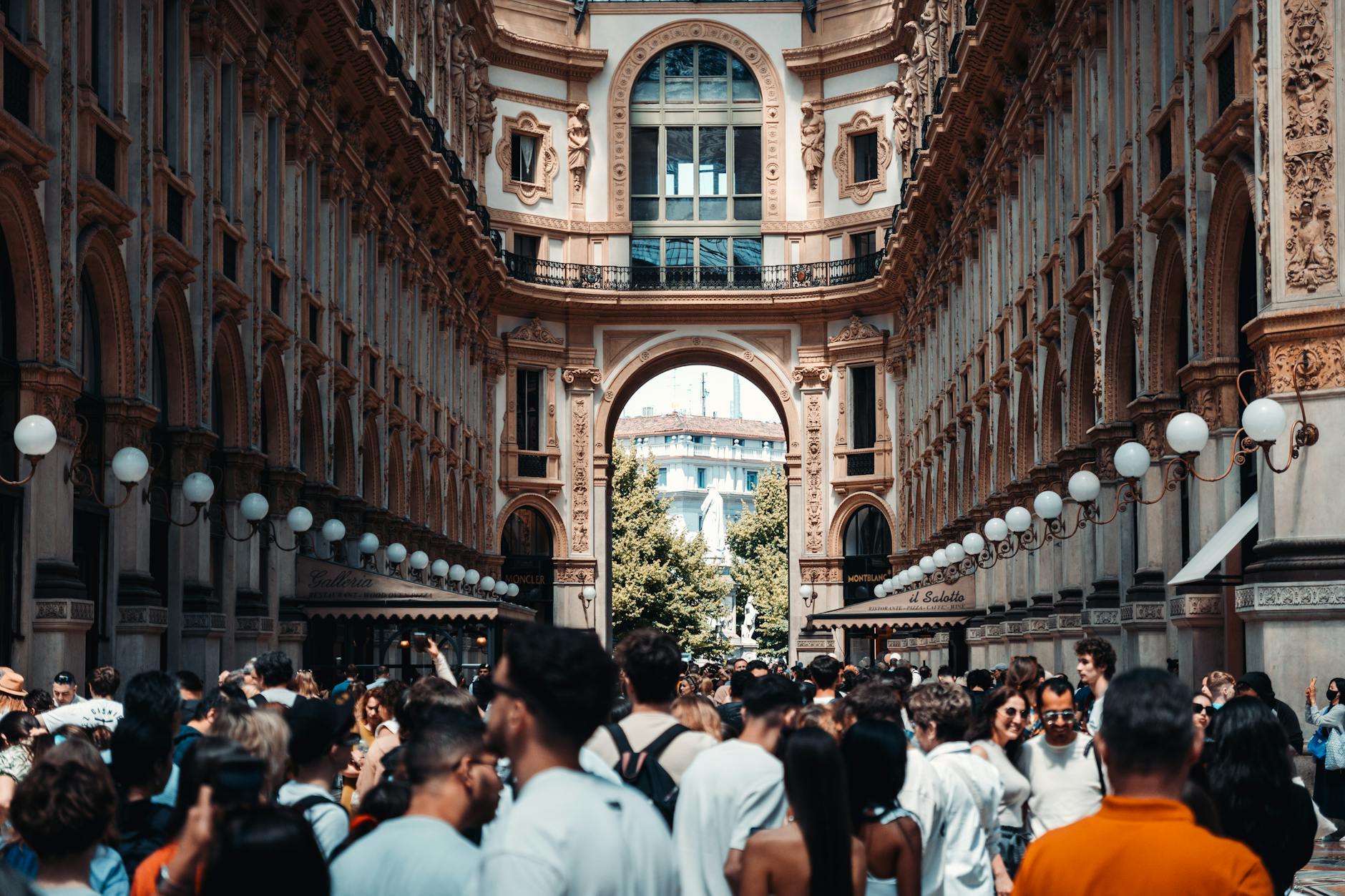
Client meals in Milan can advance a relationship, but only when they match the stage of the sale. A coffee, lunch, aperitivo, formal dinner, hotel bar, or casual neighborhood meal all send different signals. The room should support the conversation: not too loud for a serious discussion, not too formal for early rapport, and not so distant that transport becomes the memory.
The traveler should plan the return before accepting a late dinner. A useful sales evening should create trust and next steps, not leave the traveler too tired for the next morning's calls.
- Choose coffee, lunch, aperitivo, dinner, or hotel bar according to sales stage.
- Match room tone, noise, dress, and district to the conversation.
- Plan the return and next morning before extending the evening.
Control materials, documents, and late movement
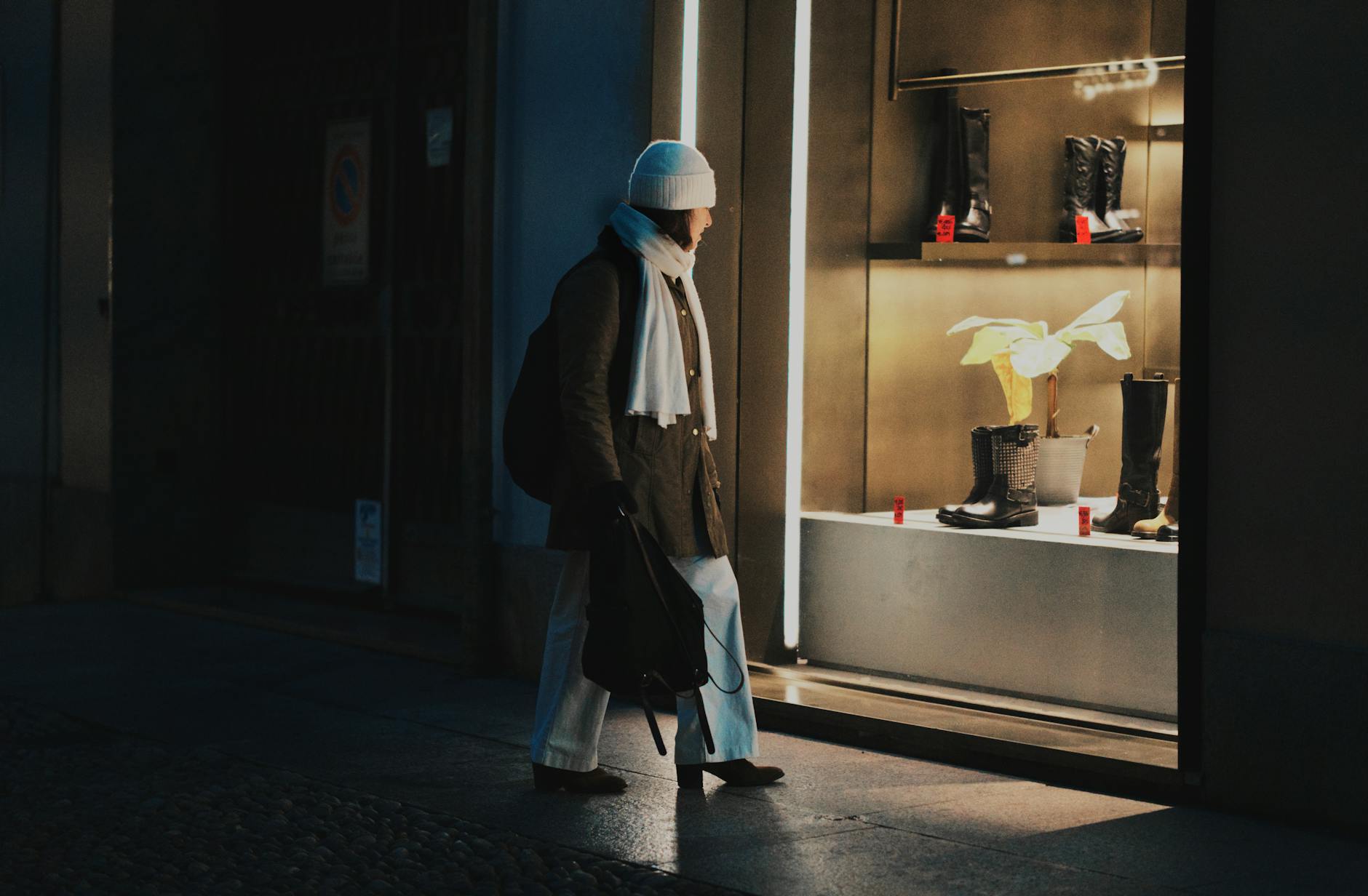
Sales trips can fail through small operational mistakes. Samples, decks, contracts, price sheets, business cards, product notes, gifts, and digital backup should be ready before the traveler leaves the hotel. If items must be carried, the route should account for bag weight, security, storage, and the impression the traveler wants to make on arrival.
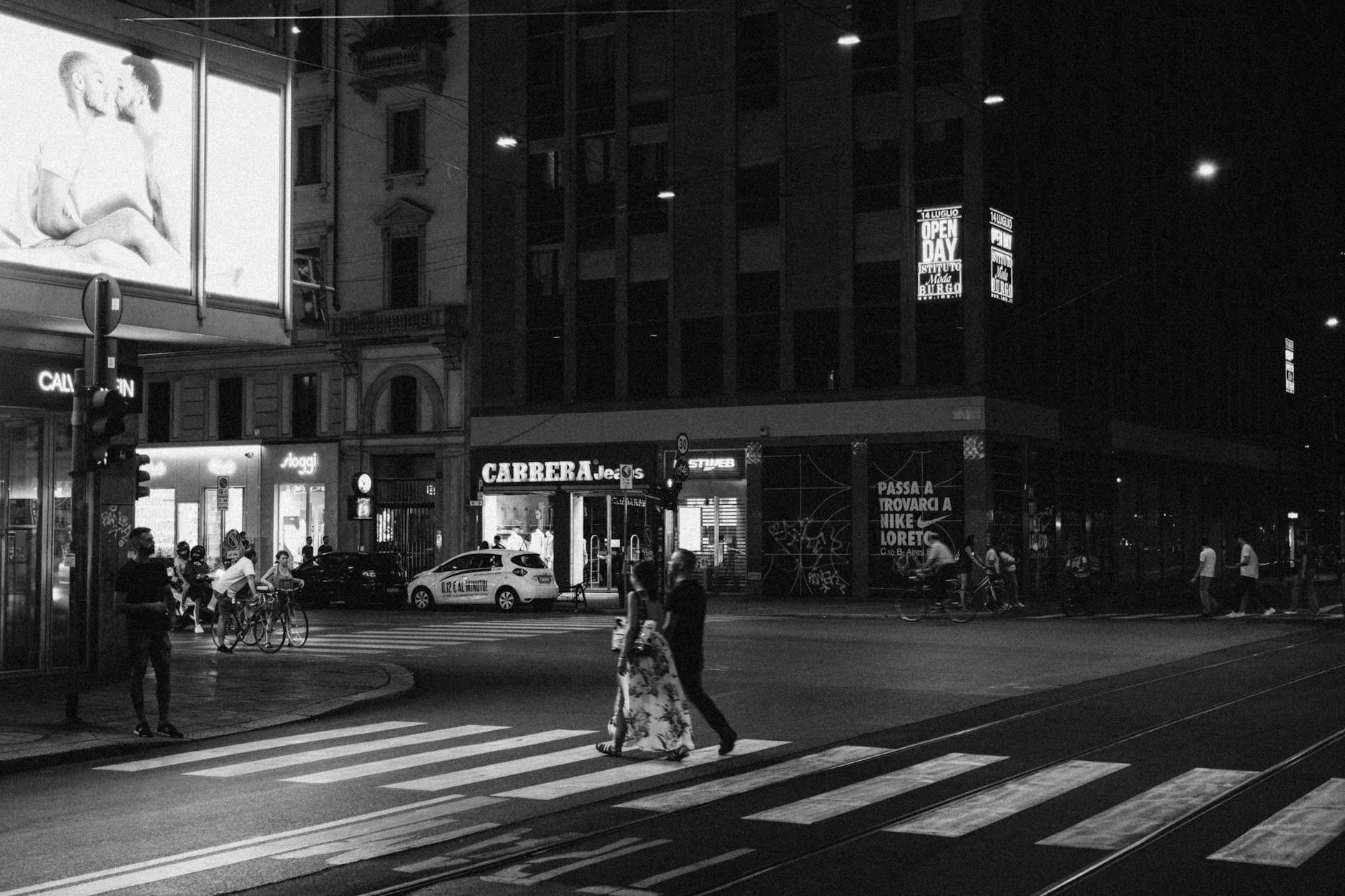
Late movement also needs discipline. After a dinner or prospect event, the traveler should know how they are getting back, where sensitive materials are, and what must be prepared before sleep. Milan is easier when the sales traveler ends the day deliberately.
- Prepare samples, decks, contracts, notes, gifts, and backups before leaving the hotel.
- Plan bag weight, storage, and document security around each meeting route.
- End the evening with the next day's materials already controlled.
When to order a short-term travel report
A sales traveler with one central meeting and a flexible schedule may not need a custom report. A report becomes useful when the trip involves several prospects, uncertain hotel geography, showroom or retail stops, tight arrival timing, samples, client dinners, event-period pressure, medical or mobility needs, or a need to decide whether additional calls can be added without weakening the main opportunity.
The report should test prospect geography, hotel base, airport or rail arrival, meeting sequence, district routing, meal posture, sample and document handling, late returns, weather exposure, and what to cut if the sales calendar tightens. The value is a Milan sales trip that protects the pipeline.
- Order when prospect geography, arrival timing, showrooms, samples, meals, or traveler constraints make planning consequential.
- Provide prospect addresses, hotel candidates, meeting windows, materials, dinner plans, arrival details, and deal priorities.
- Use the report to keep each sales movement tied to the purpose of the trip.