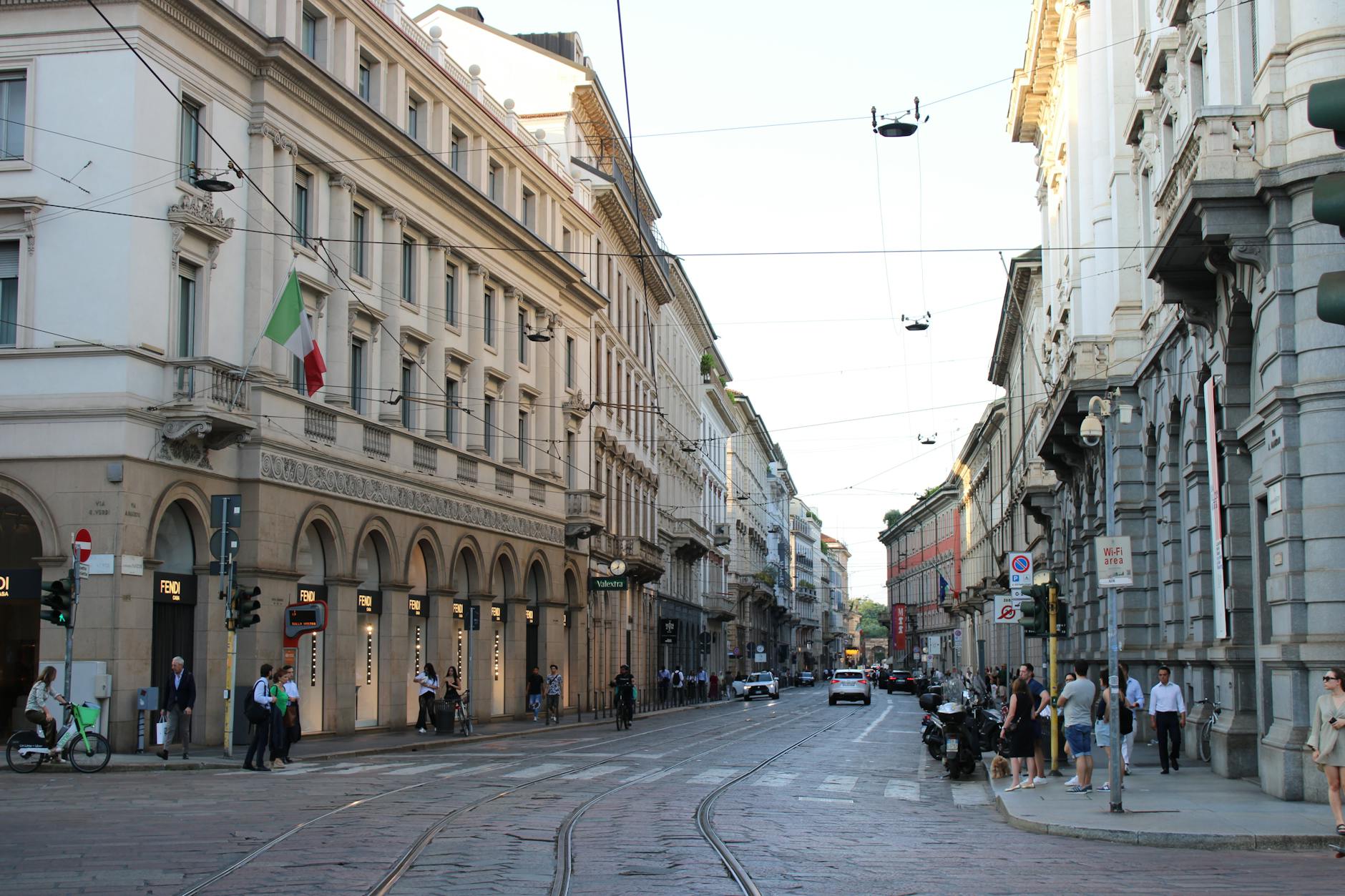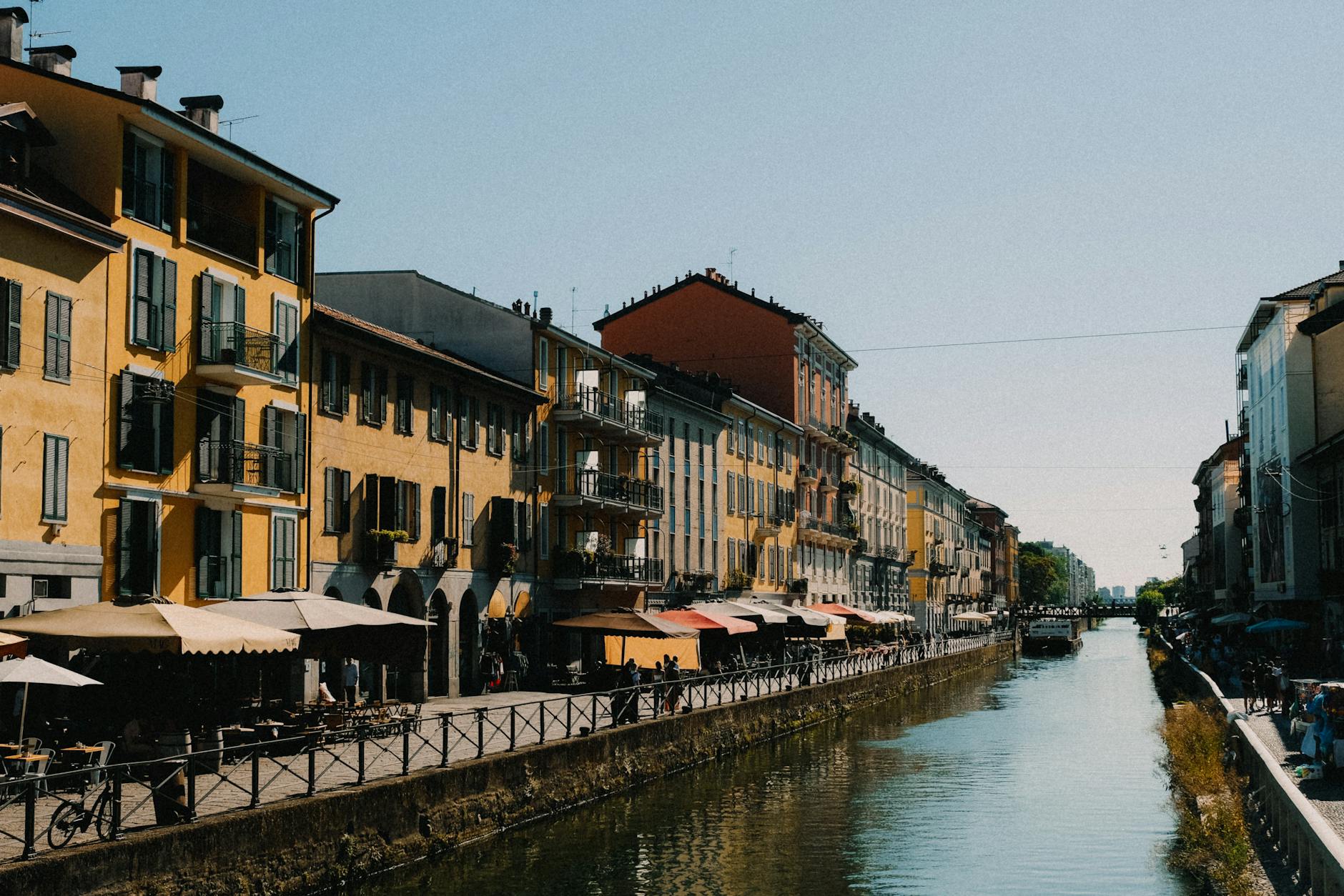
A repeat leisure visit to Milan should not be a weaker version of the first trip. Once the Duomo, Galleria, and obvious central route are familiar, the city can become more rewarding through neighborhoods, food, design, parks, canals, exhibitions, shopping with purpose, and slower movement. The risk is that a repeat visitor either repeats the same central loop out of habit or overcorrects into a scattered list of obscure stops. The better repeat trip asks what Milan can offer this time. It may be Brera at a slower pace, Navigli without the first-visit rush, Porta Nuova and design districts, a seasonal exhibition, a better restaurant plan, a shopping appointment, or a day that uses the city as a comfortable base. Repeat travel should feel more informed, not merely more ambitious.
Do not let the first trip write the second one
Repeat visitors often default to the same hotel area, the same central walk, and the same restaurant style because those choices once worked. That can be comfortable, but it can also flatten Milan. The traveler should decide which first-visit elements are worth repeating and which should be retired.
A repeat visit is a chance to move with better judgment. The traveler may still want a Duomo view or a Galleria walk, but those moments should serve the new trip rather than consume it. The strongest second or third Milan visit usually has a clearer theme than the first one did.
- Separate first-visit habits from choices that still serve this trip.
- Keep only the central Milan rituals that genuinely matter.
- Give the repeat visit a theme: food, design, neighborhoods, shopping, culture, or rest.
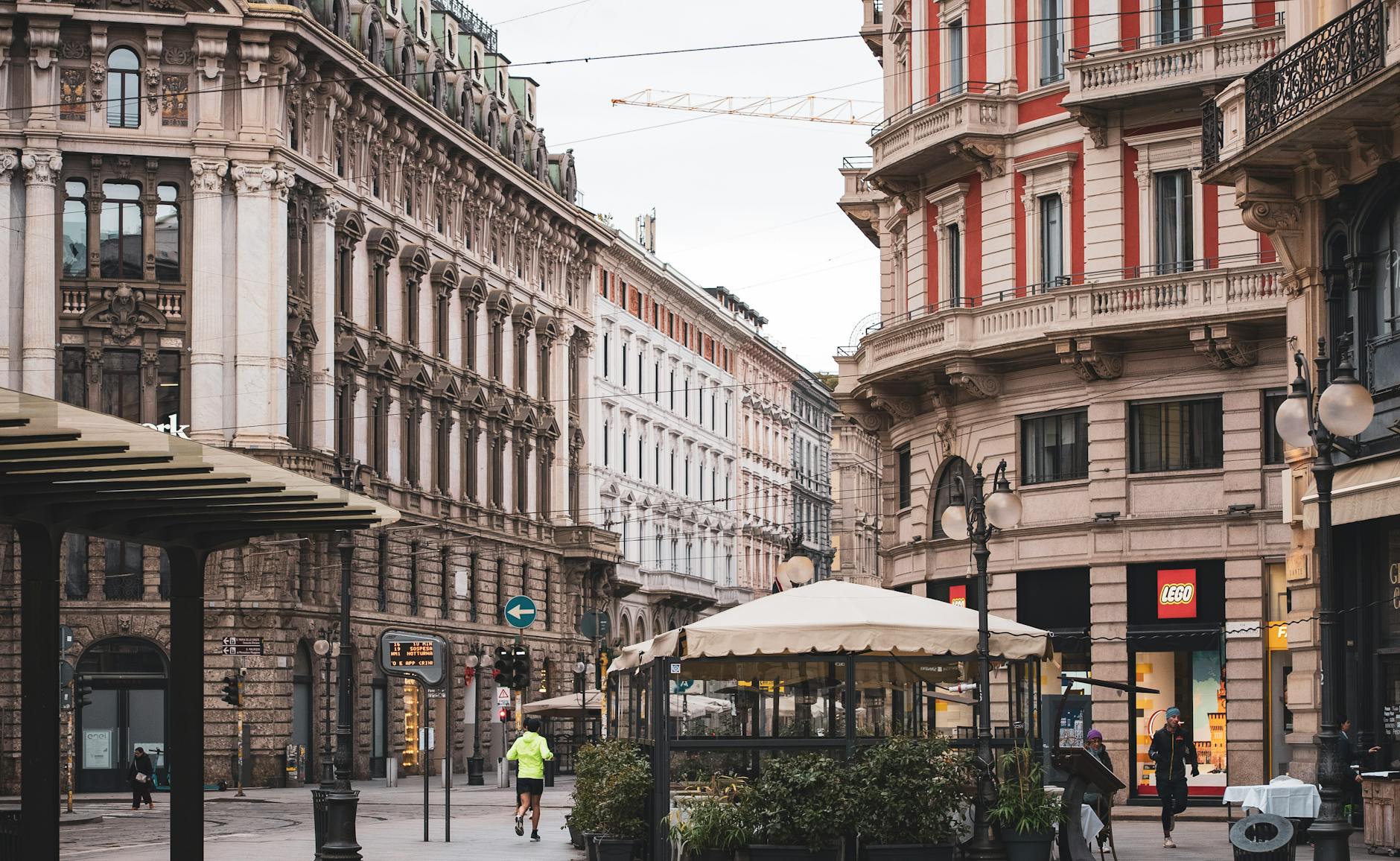
Choose a different base only if it changes the trip
A repeat visitor may benefit from staying in Brera, Porta Nuova, Garibaldi, Navigli, CityLife, or another district instead of returning to the same central base. The change should be purposeful. A new hotel area should make dinners, walks, shopping, parks, rail, or design plans easier, not simply feel novel.
The traveler should still test practical details: airport or rail arrival, late return, nearby breakfast, noise, transit, taxis, and the route back after dinner. Familiarity with Milan does not remove the need for a hotel that supports the day.
- Change neighborhoods only when the new base improves the itinerary.
- Test arrival, breakfast, transit, taxis, noise, and evening return before booking.
- Use a repeat visit to shift the city's center of gravity, not to create avoidable friction.
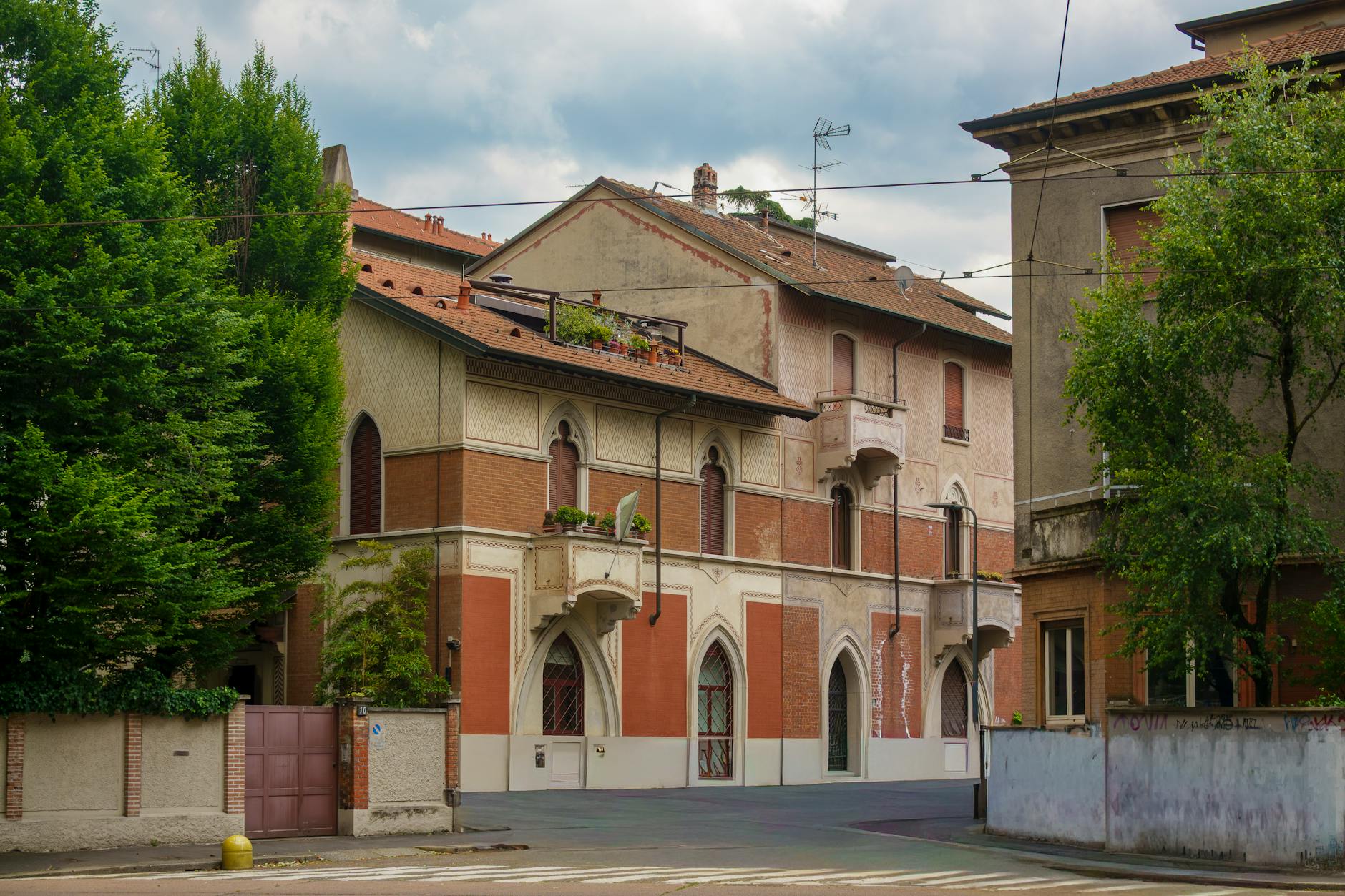
Go deeper into neighborhoods and street texture
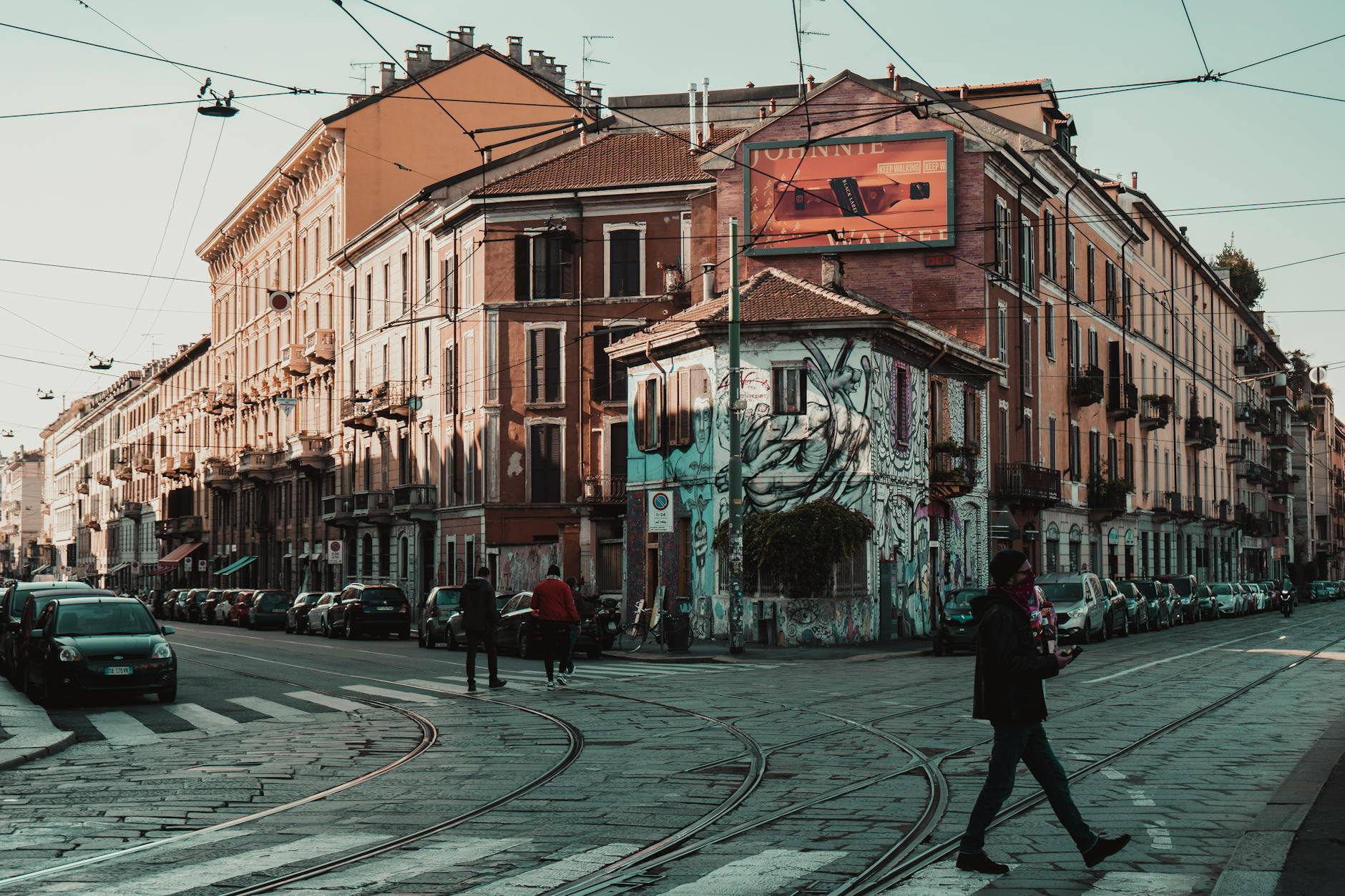
Milan rewards repeat visitors who stop treating districts as boxes to check. Brera, Garibaldi, Porta Nuova, Isola, Navigli, Porta Ticinese, and quieter residential streets can all reveal different versions of the city. The goal is not to cover all of them. The goal is to choose a few areas and give them enough time to work.
Neighborhood time should include ordinary pauses: coffee, galleries, small shops, aperitivo, parks, courtyards, and walking routes that do not immediately rush back to the Duomo. Repeat visitors often enjoy Milan more when they let the city feel lived in.
- Choose a few districts for depth rather than many districts for coverage.
- Use Brera, Garibaldi, Porta Nuova, Isola, Navigli, or Porta Ticinese for different city textures.
- Build in coffee, galleries, shops, parks, courtyards, and slow walks.
Use season and events deliberately
Milan changes with fashion weeks, Salone del Mobile, trade fairs, exhibitions, football matches, holidays, rain, summer heat, and winter light. A repeat visitor may be more affected by these than a first-timer because the trip often depends on restaurants, design spaces, shopping, or neighborhood atmosphere rather than only major sights.
The traveler should check whether the dates make the city more exciting or more expensive and crowded. An event can be the reason to go, but it can also make hotel choice, dining, taxis, and neighborhood movement harder. A repeat visit should use the calendar, not be surprised by it.
- Check fashion, design, fair, football, holiday, and exhibition calendars before booking.
- Treat major events as both opportunities and hotel-price risks.
- Plan weather alternatives for rain, heat, or short winter daylight.
Make food, design, and shopping more specific
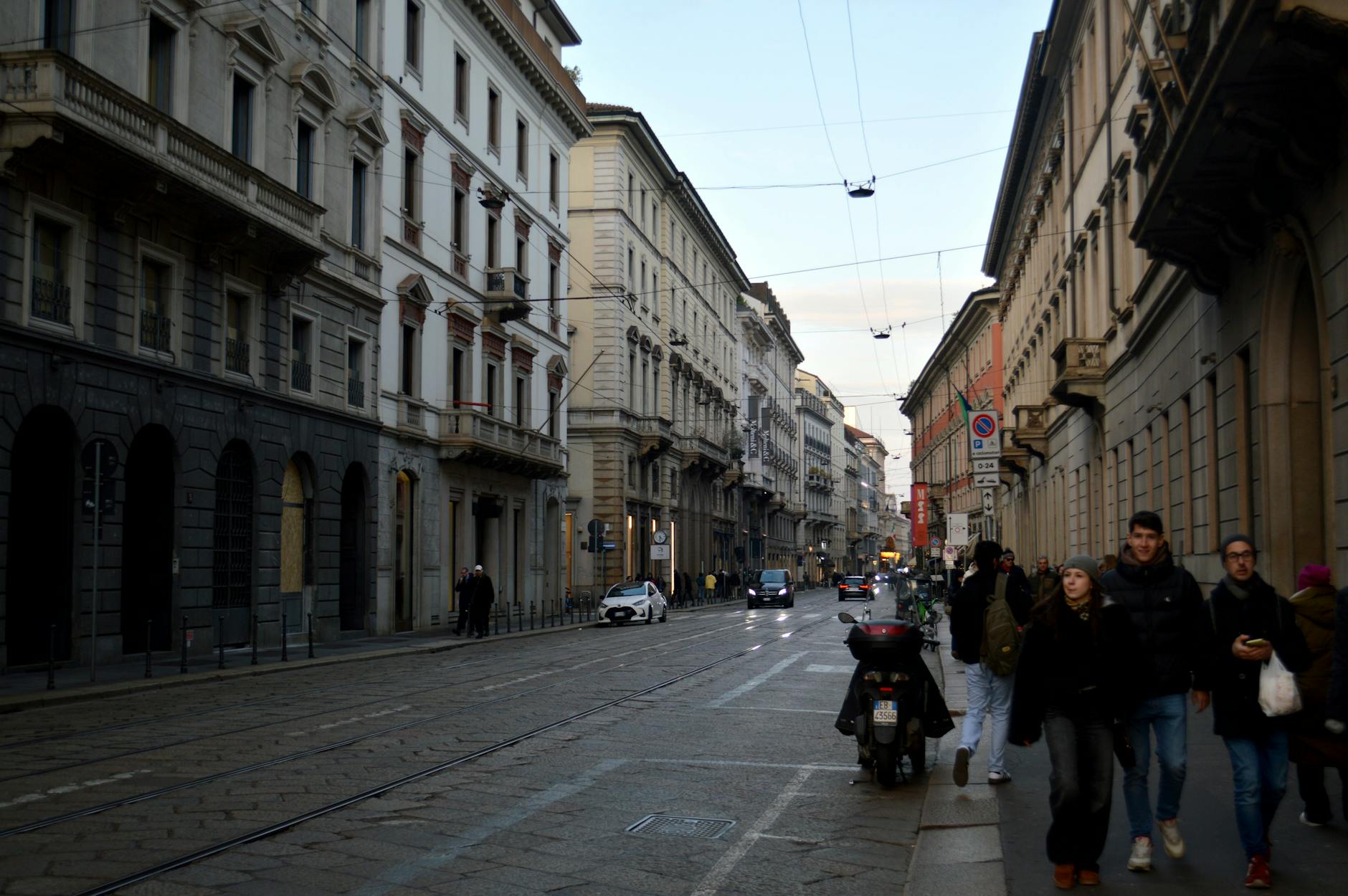
A repeat leisure visitor should make Milan's pleasures more precise. Instead of generic shopping, the traveler might focus on a specific fashion district, design showroom, vintage route, bookshop, food hall, aperitivo area, or restaurant style. Instead of chasing famous tables, the trip can connect meals to the day's district and energy.
Specificity helps avoid wasted movement. If the day is about design, the hotel and dinner should support that. If the day is about food and neighborhoods, shopping should not hijack it. Repeat travel is where Milan's details can become the main event.
- Define shopping by fashion, design, vintage, gifts, interiors, or browsing.
- Choose restaurants and aperitivo by district, not only reputation.
- Let one specific interest structure the day instead of mixing too many Milan pleasures.
Use transit and day trips with repeat-visitor restraint
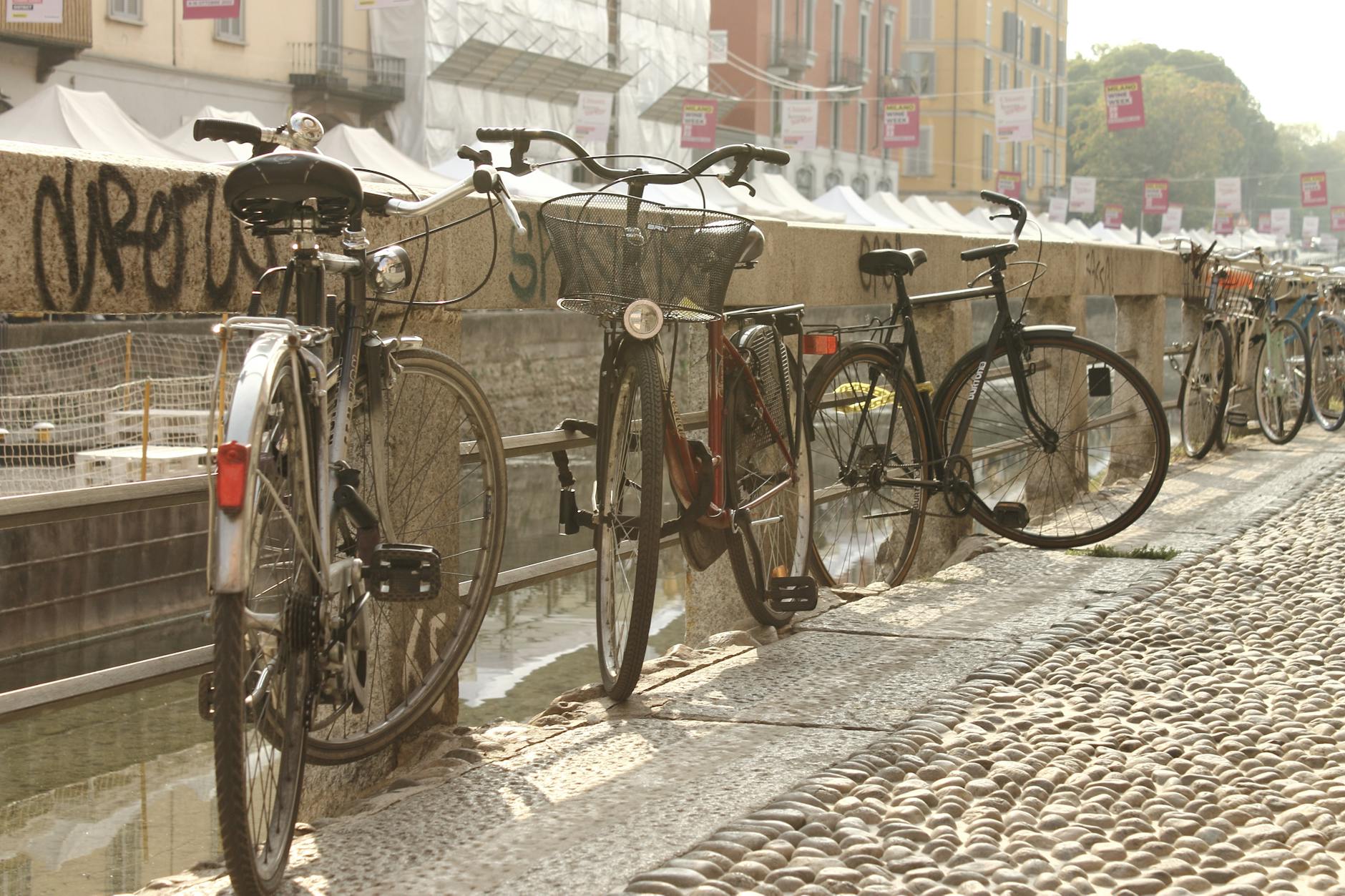
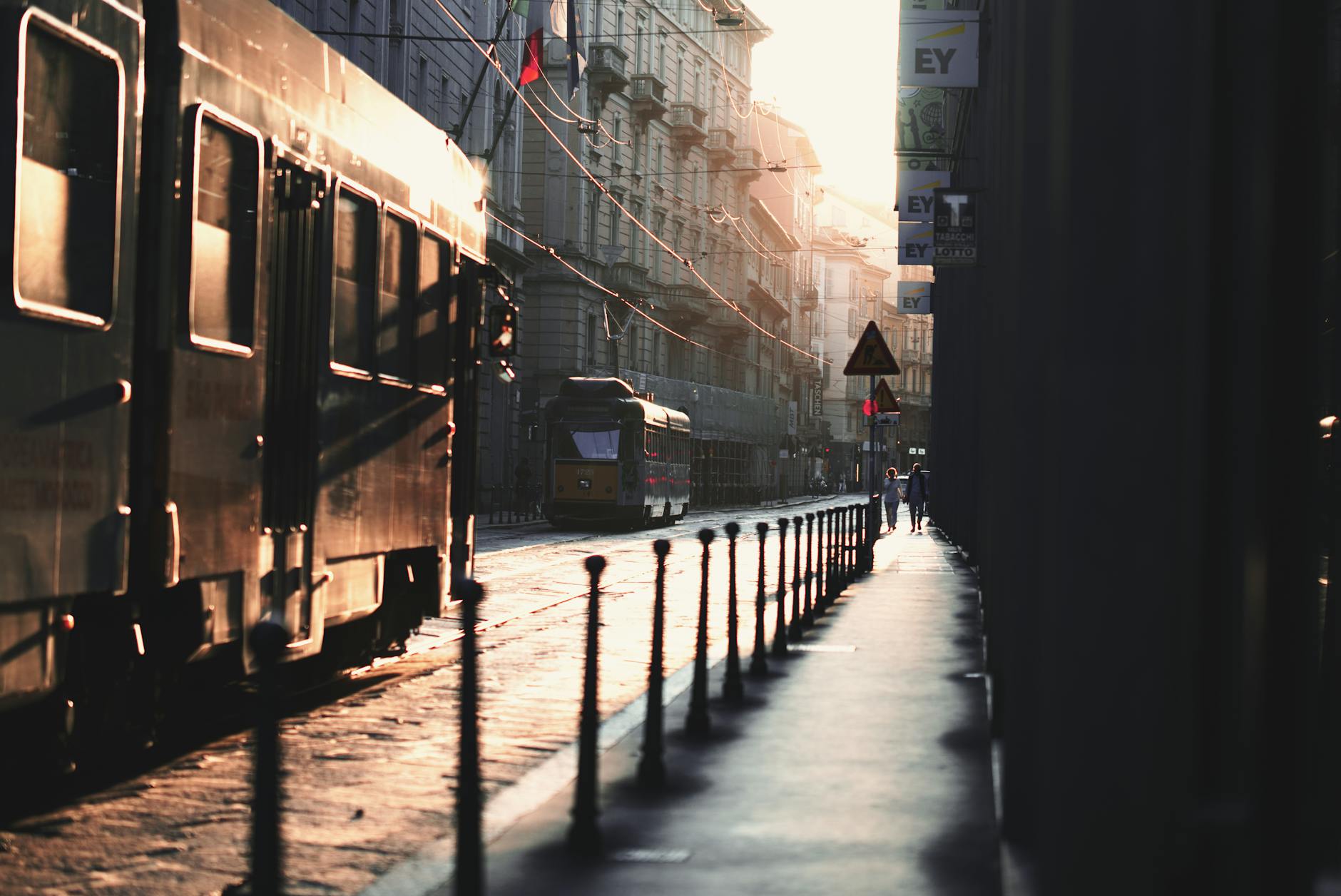
Repeat visitors often feel comfortable adding more movement because Milan is familiar. That can work, but it can also turn a leisure return into a transport project. Metro, tram, taxi, and rail choices should support the mood of the trip. A day trip to Como, Bergamo, Turin, or another nearby destination may be worthwhile, but it should not be added automatically.
The traveler should ask whether the trip is about Milan itself or the region around it. If Milan is the destination, repeated small movements inside the city may be better than one large excursion. If Milan is the base, hotel location and station access become more important.
- Use metro, tram, taxi, and rail according to the trip's mood, not just map efficiency.
- Add day trips only when they support the purpose of the repeat visit.
- Choose hotel geography differently if Milan is serving as a regional base.
When to order a short-term travel report
A repeat visitor who already knows the city and has a simple plan may not need a custom report. A report becomes useful when the traveler wants to compare neighborhoods, avoid first-trip repetition, handle event-period pressure, choose between Milan and day trips, plan specific shopping or dining, manage medical or mobility needs, or decide whether a familiar hotel still fits the new trip.
The report should test hotel base, neighborhood strategy, calendar pressure, food and design routes, transit choices, evening returns, day-trip tradeoffs, weather alternatives, and what to cut if the itinerary starts to feel like a checklist. The value is a repeat Milan visit that feels more mature than the first one.
- Order when neighborhood choice, events, day trips, shopping, dining, or traveler constraints make the repeat visit consequential.
- Provide prior Milan experience, disliked areas, hotel candidates, dates, interests, dining goals, and pace.
- Use the report to make the next Milan trip more specific, not just more crowded.