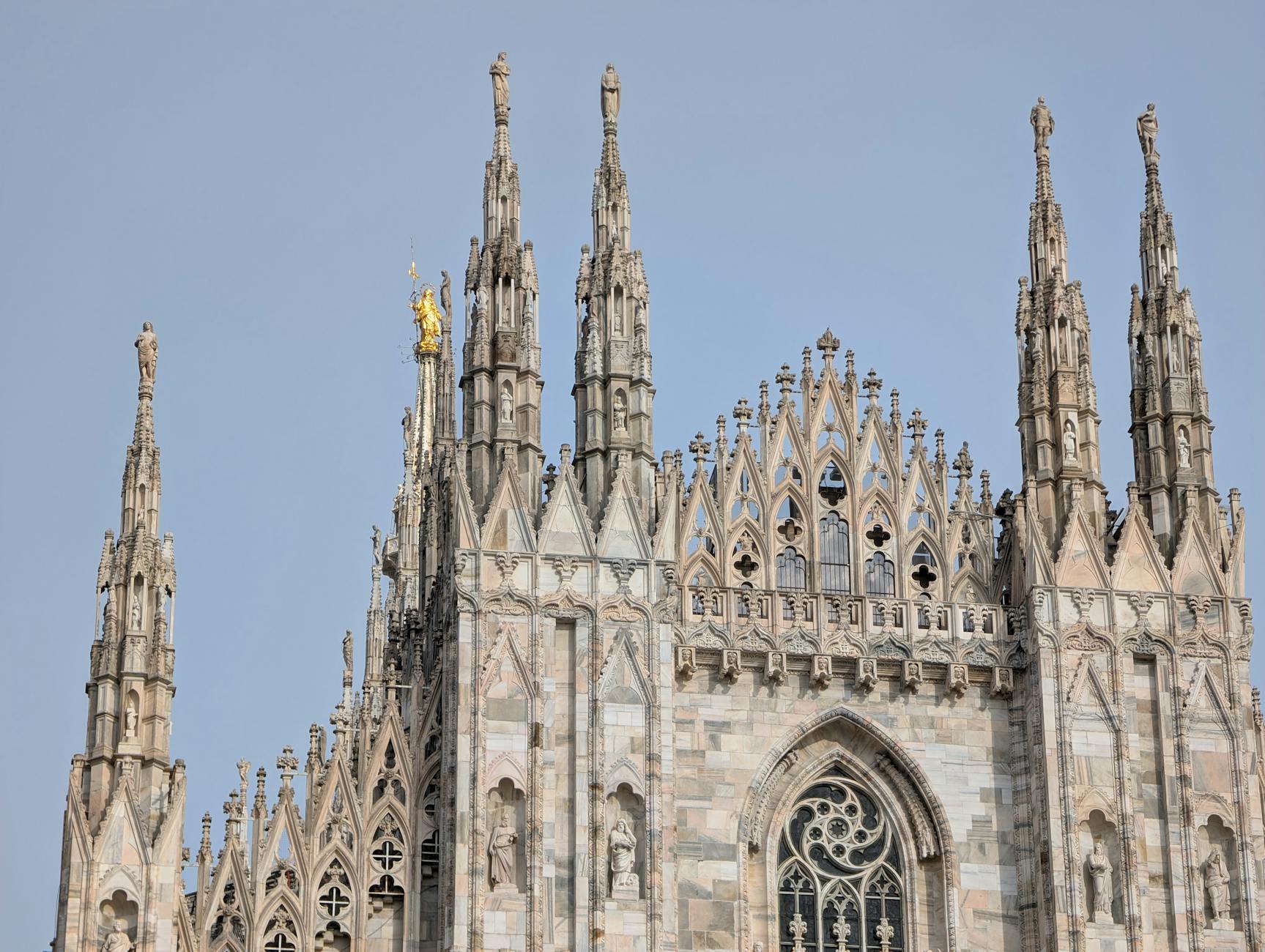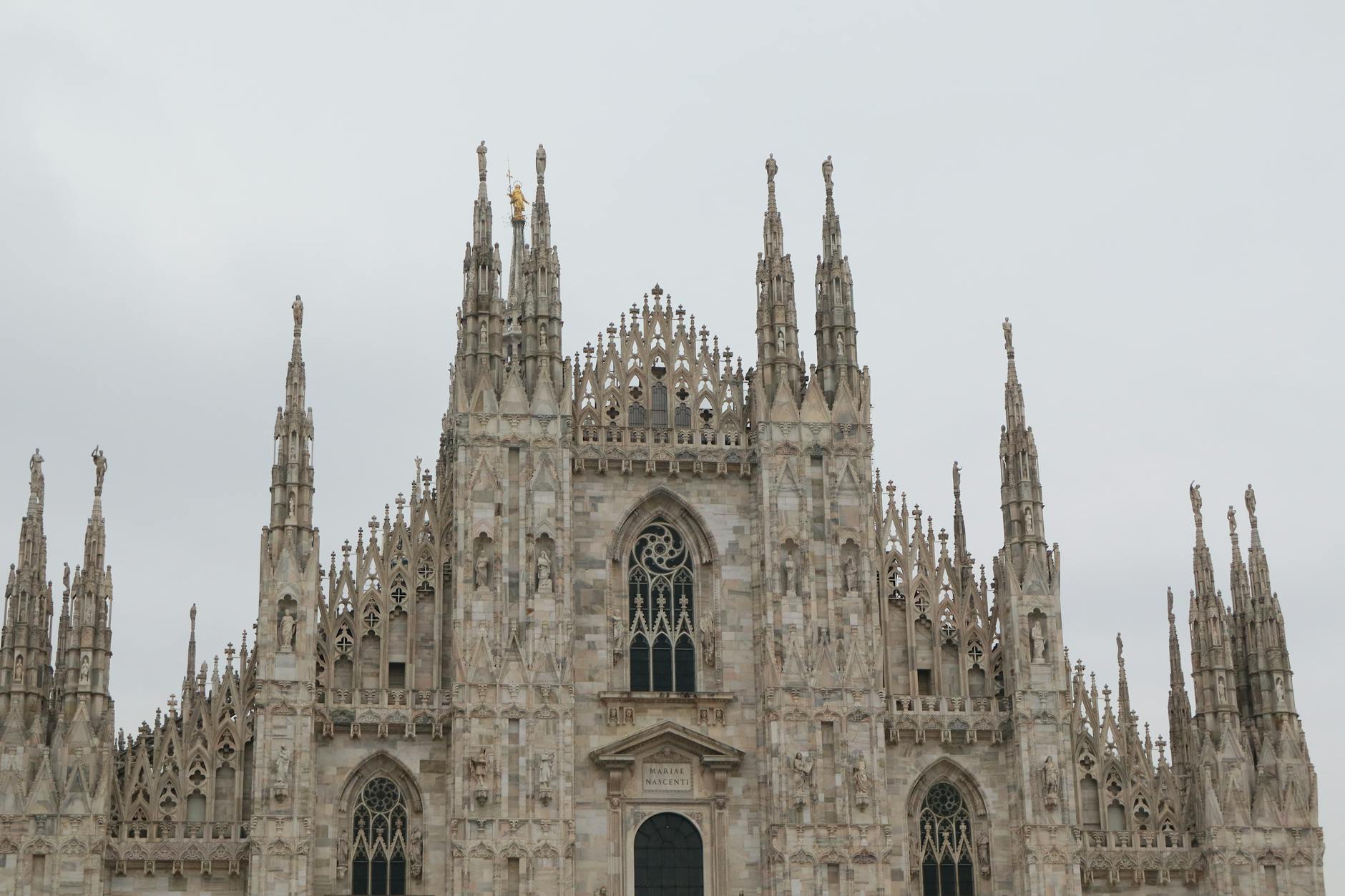
Milan is not only a fashion, finance, and design city. For a religious or pilgrimage traveler, it can be a serious sacred-city visit built around the Duomo, Sant'Ambrogio, Santa Maria delle Grazie, San Lorenzo, San Maurizio, smaller parish churches, religious art, saints, liturgy, and the practical challenge of using sacred spaces inside a busy modern city. The trip can be meaningful, but it needs more structure than a normal sightseeing walk. The religious traveler should know which sites are prayer priorities, which are art or heritage priorities, what requires timed entry, when services affect access, how dress and silence should be handled, and how fatigue changes the day. Milan rewards a traveler who protects reverence and logistics at the same time.
Separate prayer priorities from heritage priorities
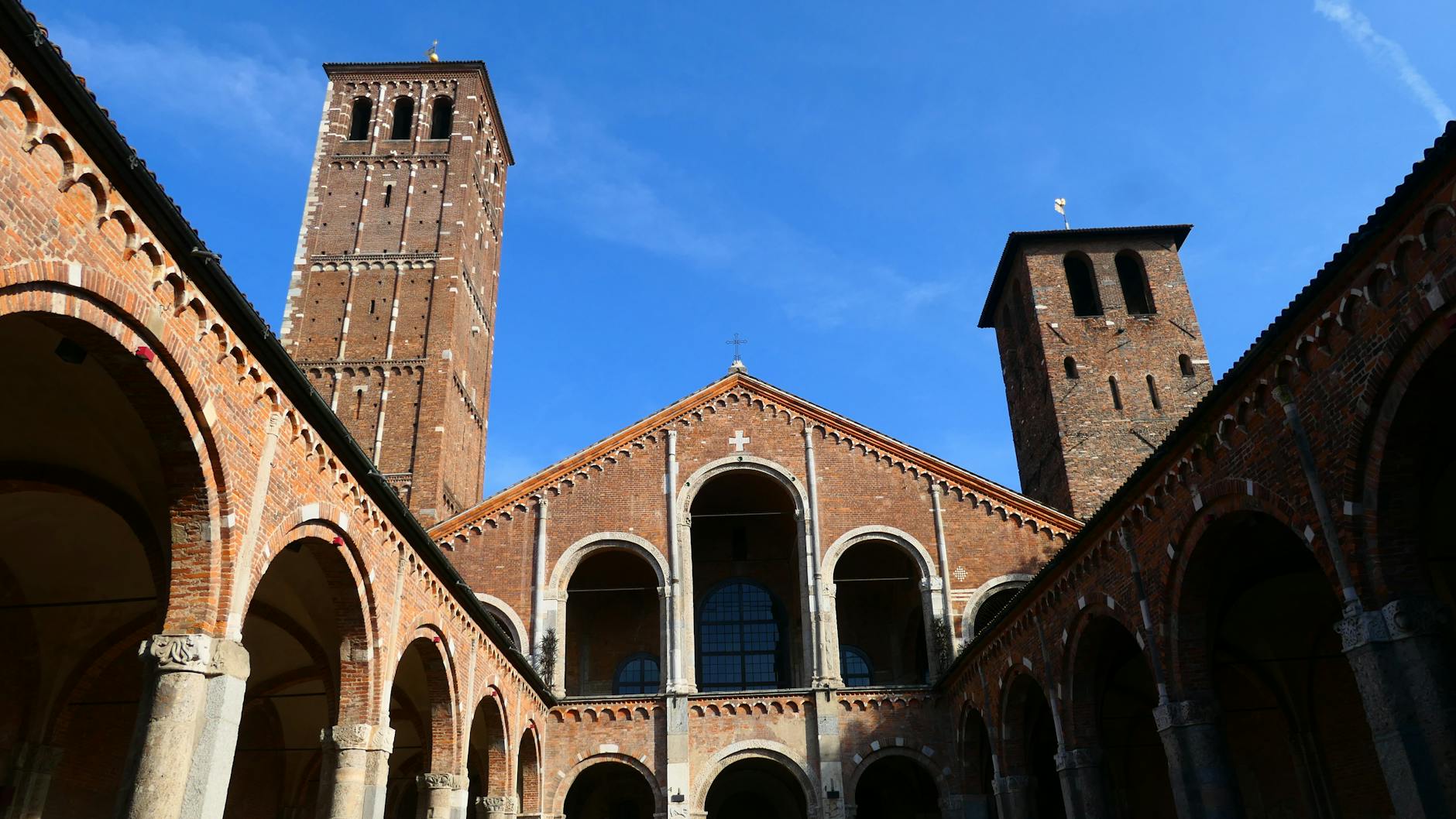
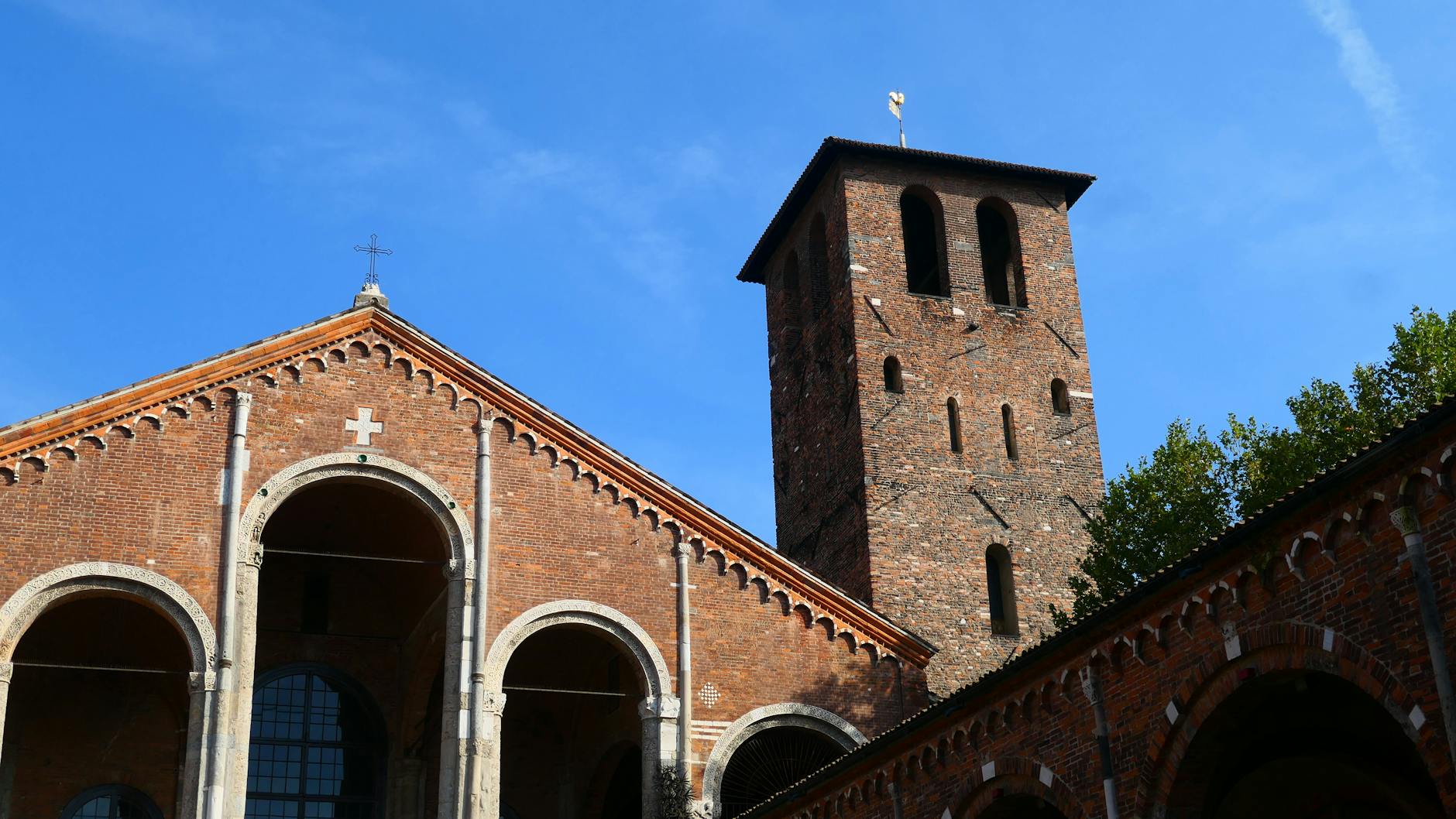
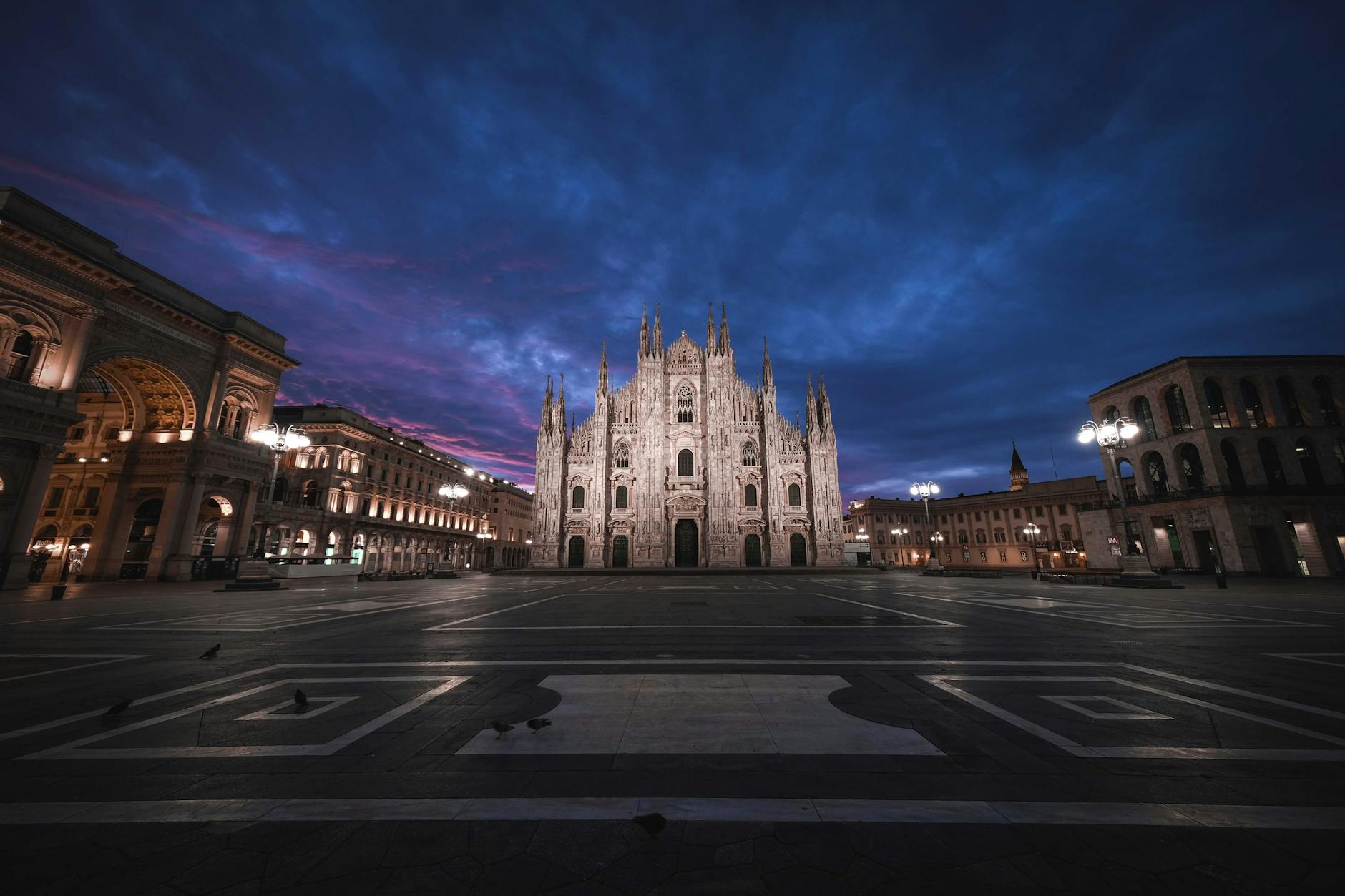
A religious Milan trip works better when the traveler separates sacred purpose from cultural interest. The Duomo may be a place of worship, a major architectural site, a rooftop experience, and a crowded visitor attraction at the same time. Sant'Ambrogio may carry stronger devotional meaning for some travelers. Santa Maria delle Grazie may matter because of Leonardo, but access is ticketed and does not function like an ordinary church stop.
The traveler should decide which sites require quiet time, which require tickets, which are optional, and which should not be squeezed between meals and shopping. A pilgrimage rhythm is damaged when every sacred stop is treated as another item on a city checklist.
- Define which Milan sites are for prayer, worship, art, heritage, or general orientation.
- Do not treat the Duomo, Sant'Ambrogio, Santa Maria delle Grazie, and smaller churches as interchangeable stops.
- Reserve quiet time for the places that carry the trip's religious purpose.
Check access, liturgy, and ticket timing
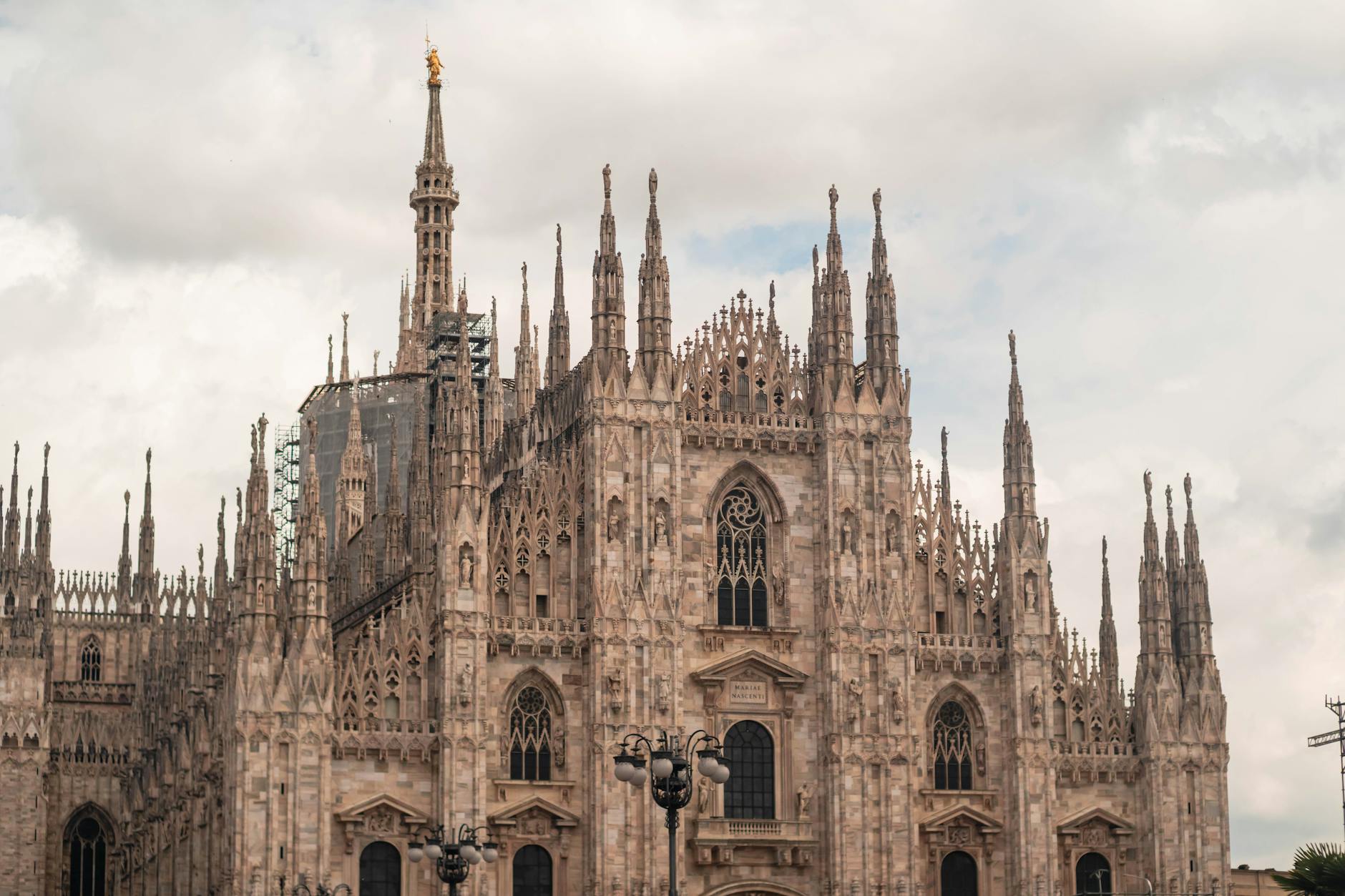
Milan sacred sites do not all operate on one visitor rhythm. Some have worship schedules, partial closures, security screening, ticketed areas, museum entrances, roof access, dress expectations, or strict reservation windows. The traveler should check current opening times and service schedules before building the day. A beautiful route on paper can fail if a church is closed between visits or if a timed entry sits too close to Mass, lunch, or a group transfer.
This matters most on a short trip. If the traveler has only one full day, the Duomo complex, Santa Maria delle Grazie, and Sant'Ambrogio need deliberate sequencing. The correct plan may be fewer sites with more time at each one.
- Check current opening hours, service times, ticket windows, security screening, and dress rules.
- Protect timed entries for Santa Maria delle Grazie or major Duomo areas with enough travel margin.
- Prefer fewer sacred sites done well over a crowded religious itinerary.
Choose a base that supports reverent pacing
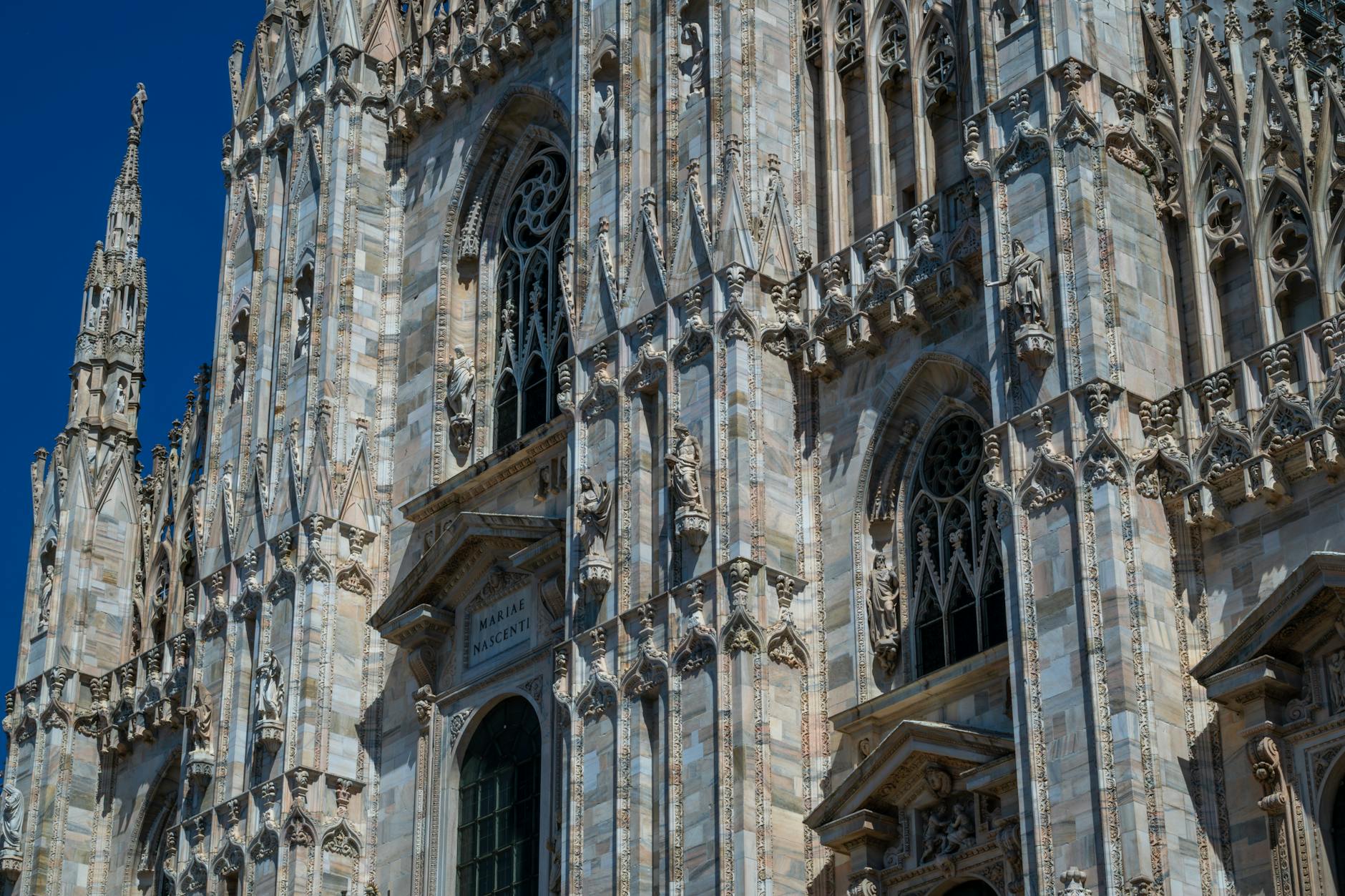
The hotel should support the religious rhythm of the trip. A base near the Duomo can make the cathedral easy but may place the traveler in heavy crowds. A base near Sant'Ambrogio, Brera, or a calmer central district may suit a slower pilgrimage pace. If the traveler is attending early Mass, traveling with older relatives, or moving as a parish group, the exact street, taxi access, elevator, and breakfast timing matter.
The best base allows rest between sacred visits. A religious trip can be emotionally and physically draining, especially when it includes long periods standing, quiet concentration, stairs, security lines, or group coordination.
- Choose lodging by sacred-site route, crowd tolerance, early services, rest needs, and transport access.
- Check elevator access, breakfast hours, taxi pickup, and room quiet when traveling with older pilgrims.
- Avoid a base that turns every church visit into a stressful cross-city transfer.
Treat sacred conduct as part of the plan
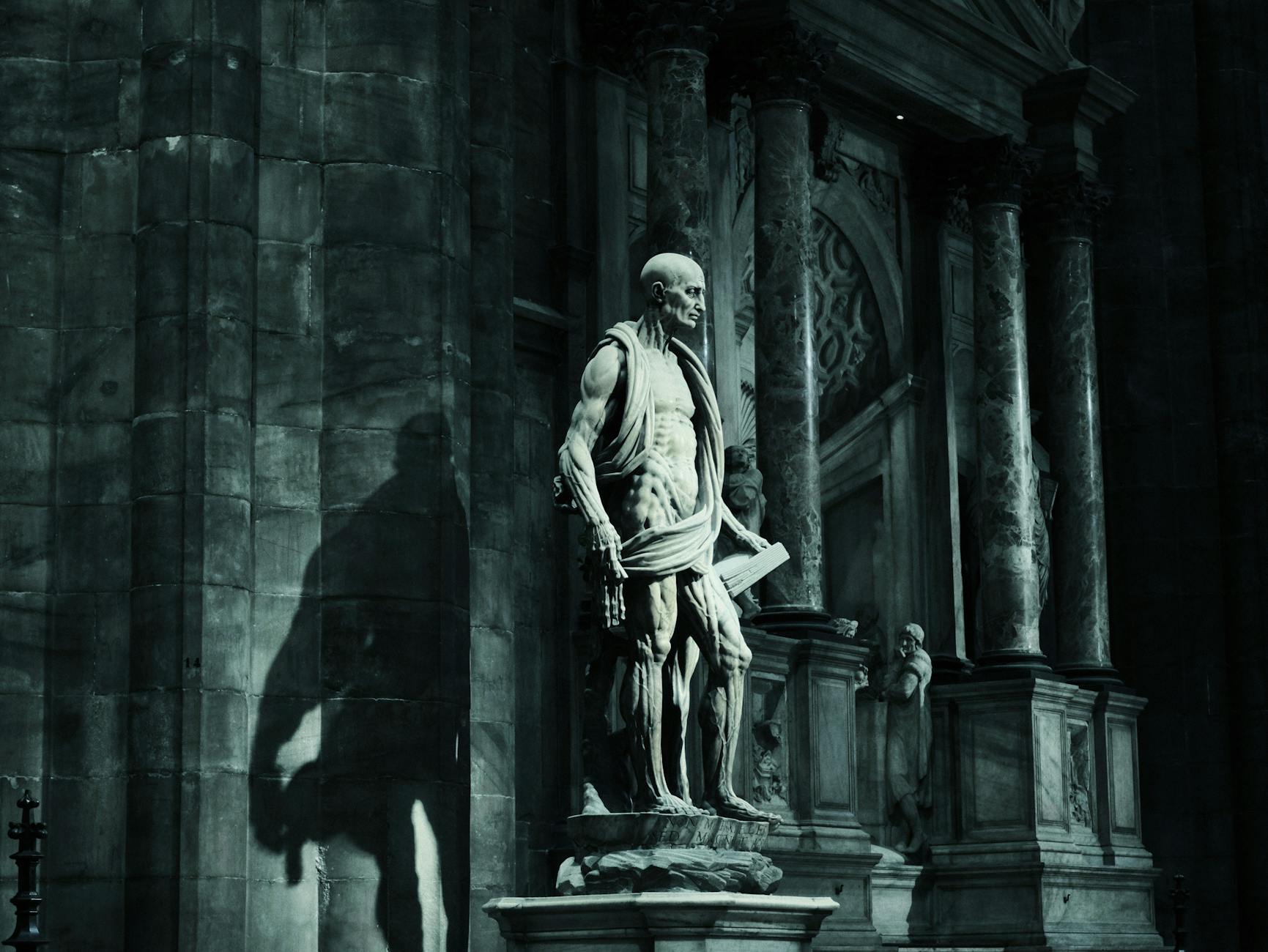
Sacred conduct should be planned before the traveler reaches the doorway. Dress, silence, photography, phone use, worship areas, ticketed visitor areas, and group behavior should be clear. Milan's churches may be famous visitor attractions, but they are still sacred spaces. The traveler should not let cameras, commentary, or rushing overwhelm the purpose of being there.
This is especially important for mixed groups where some people are pilgrims and others are casual visitors. The group should agree on when to speak, when to sit, when to photograph, when to separate, and how long quiet time will last.
- Plan dress, silence, phone use, photography, and worship-area behavior before entering sacred sites.
- Separate prayer time from guide commentary or photo time when traveling with a mixed group.
- Treat famous churches as sacred spaces first, even when they are also major attractions.
Plan accessibility and fatigue honestly
Religious travelers often underestimate the physical load of sacred-site visits. Stone floors, standing time, stairs, crowds, queues, roof access, security, and walking between sites can be difficult for older travelers, travelers with mobility limitations, or anyone managing medical constraints. The pilgrimage value of a site does not remove the need for a practical access plan.
The traveler should decide which visits require taxis, which require timed rest, which can be exterior-only, and where bathrooms and meals fit. If the rooftop, crypt, museum, or multiple churches would exhaust the traveler, the itinerary should say so before the day begins.
- Assess stairs, standing time, stone floors, queues, roof access, bathrooms, and rest points.
- Use taxis and shorter routes when fatigue would damage the religious purpose of the day.
- Choose exterior, partial, or full visits according to the traveler's real capacity.
Keep meals, groups, and evening returns simple
A religious itinerary can be weakened by ordinary logistics: a group that cannot agree on lunch, a late return after a concert, a tired traveler carrying purchases, or a dinner placed too far from the hotel. Meals should support the sacred day rather than compete with it. If the trip includes a parish group, family group, or interfaith group, meeting points and return plans should be explicit.
Evening church visits, concerts, or illuminated cathedral views can be rewarding, but late returns should be planned. The traveler should know whether walking, metro, tram, taxi, or group transport is the sensible choice after dark.
- Plan meals and meeting points around the sacred itinerary, not as afterthoughts.
- Use clear group return rules when people separate for prayer, shopping, museums, or dinner.
- Decide evening transport before concerts, late services, or after-dark views begin.
When to order a short-term travel report
A religious traveler with one simple church visit and a flexible schedule may not need a custom report. A report becomes useful when the trip includes several sacred sites, Santa Maria delle Grazie tickets, early Mass, older relatives, mobility limits, a parish group, private guide decisions, medical needs, or a short Milan stay that must balance worship, art, meals, and rest.
The report should test sacred-site geography, hotel base, opening and service timing, ticket risk, access limits, group movement, meal and bathroom geography, evening returns, current local disruptions, and what to cut if the plan is too crowded. The value is a Milan pilgrimage or religious trip that stays reverent because it is logistically calm.
- Order when sacred-site timing, tickets, older travelers, mobility, group movement, or worship obligations raise the stakes.
- Provide site priorities, hotel candidates, service needs, ticket status, group size, mobility limits, and preferred pace.
- Use the report to protect quiet purpose instead of turning the visit into a rushed church circuit.