Milan can work well for older travelers when the trip is planned around comfort, timing, and geography rather than a compressed sightseeing checklist. The city has strong hotels, taxis, metro links, cultural sites, parks, restaurants, and rail connections. It also has stone surfaces, crowds, stairs, long museum days, busy stations, hot or wet weather, and famous sights that can become tiring if they are stacked without recovery time. The right Milan trip for an older traveler is not necessarily a slower trip. It is a better-sequenced trip. The traveler should know where they will sit, how they will reach the hotel, which sights require stairs or timed access, how much walking is realistic, where medical help is nearby, and how the evening return will work before fatigue makes those questions harder.
Choose a hotel that reduces daily strain
For older travelers, Milan hotel choice should start with access and recovery. A central hotel near the Duomo, Brera, or a reliable metro stop can be useful, but only if the entrance, elevators, room layout, breakfast timing, taxi access, and surrounding streets work for the traveler. A slightly calmer base may be better than a famous address surrounded by constant crowd pressure.
The hotel should also make rests easy. Older travelers often enjoy Milan more when they can return between morning sightseeing and dinner. A base that forces every day into one long outing can turn a good city into an endurance test.
- Check elevators, entrance steps, room layout, taxi access, breakfast timing, and nearby restaurants.
- Choose a base that allows midday rest without wasting the day.
- Do not trade daily comfort for a famous address that creates crowd or walking pressure.
Plan airport and rail transfers before arrival
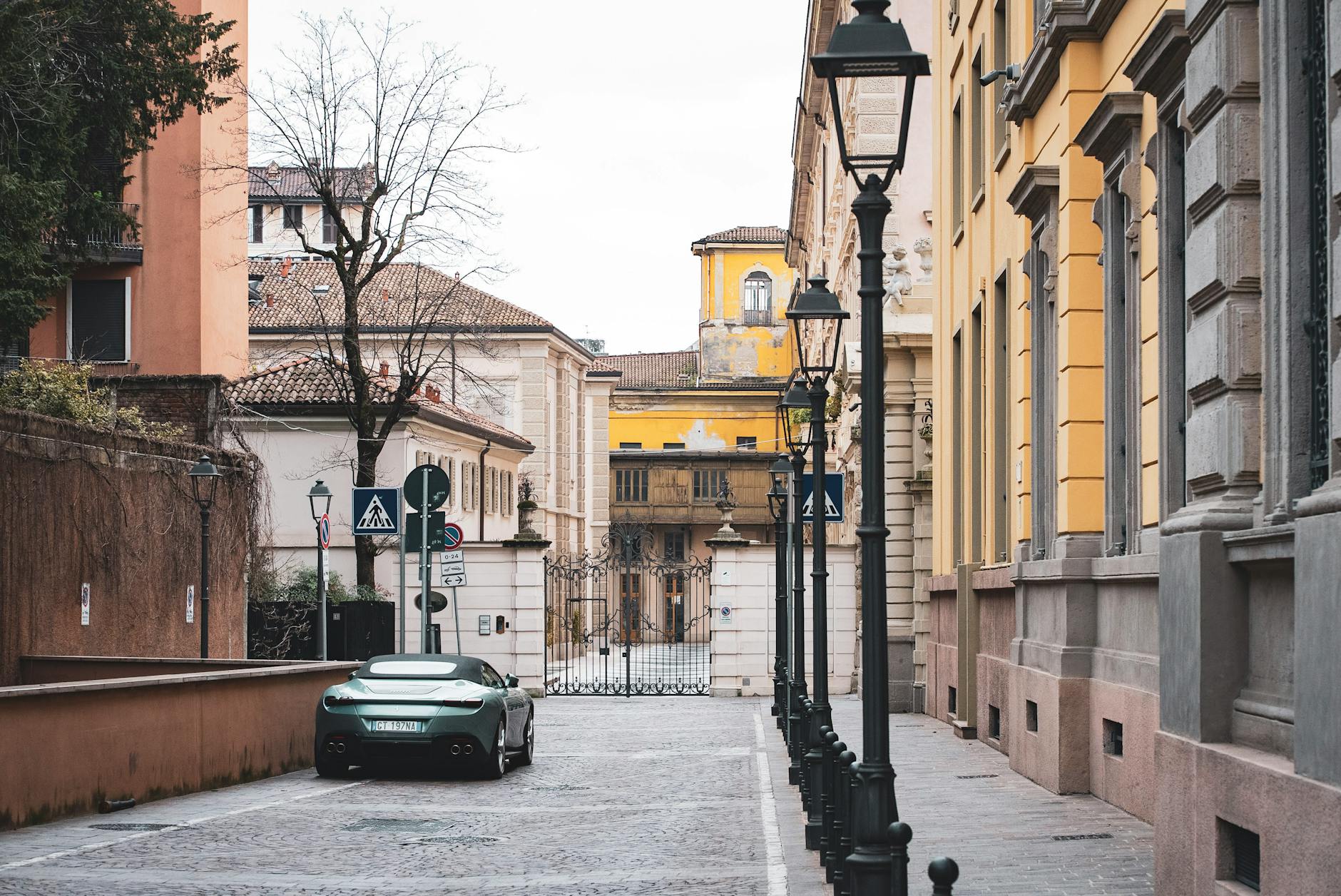
Milan arrival can be straightforward, but older travelers should not leave transfer choices to the curb. Linate, Malpensa, and Bergamo create different transfer burdens. Milano Centrale can be useful for rail but can also feel large, busy, and tiring with luggage. A pre-booked car, hotel-arranged transfer, taxi plan, or direct rail route should be chosen before arrival.
The traveler should account for luggage weight, walking distance inside terminals and stations, escalators, elevators, weather, and the time of day. Saving a small amount on arrival transport may not be worth starting the trip exhausted.
- Choose the airport transfer before arrival, especially with luggage or late flights.
- Treat Linate, Malpensa, Bergamo, and Centrale as different mobility problems.
- Use a car or taxi when walking distance, luggage, weather, or fatigue makes rail less attractive.
Be realistic about the Duomo, Galleria, and central crowds
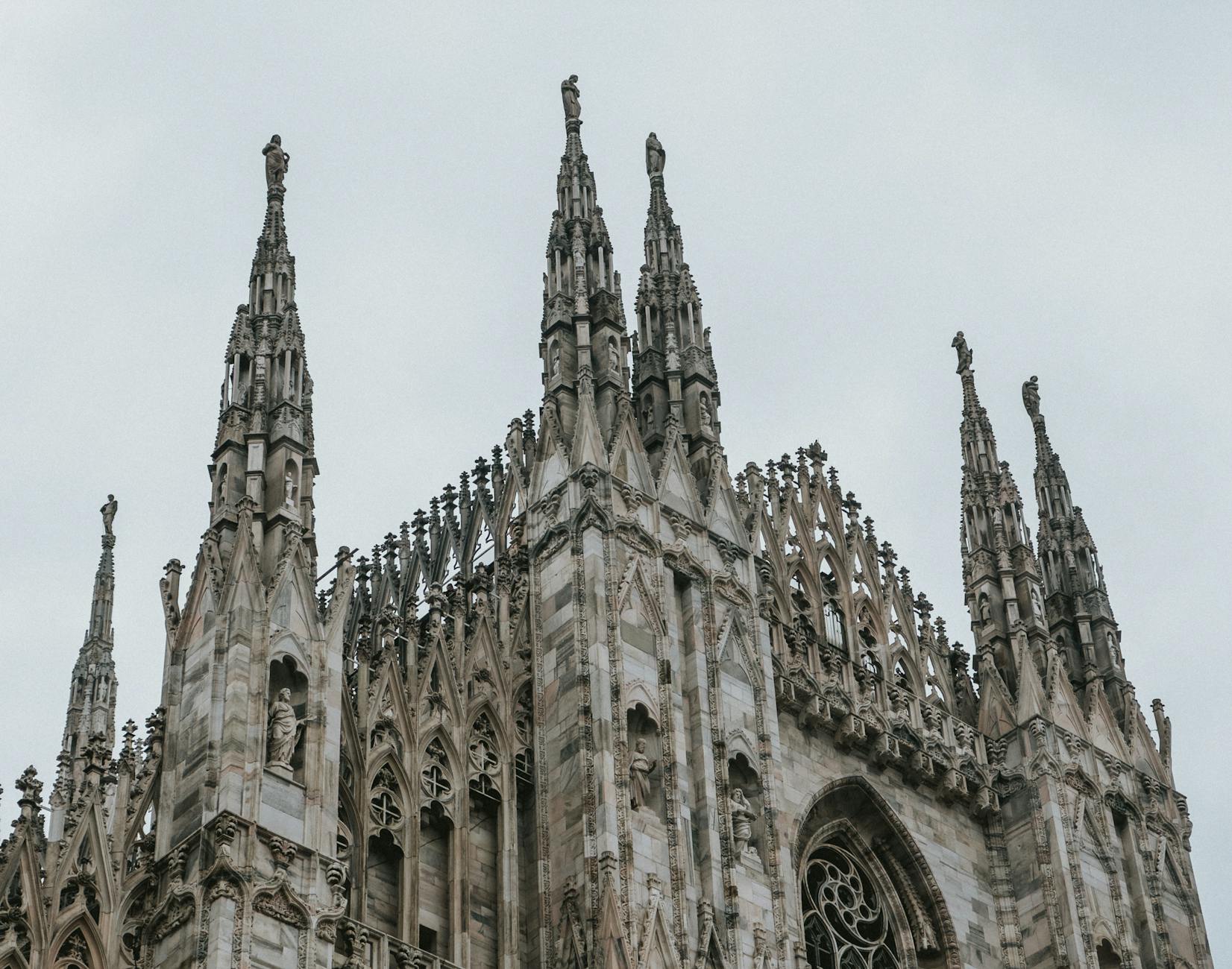
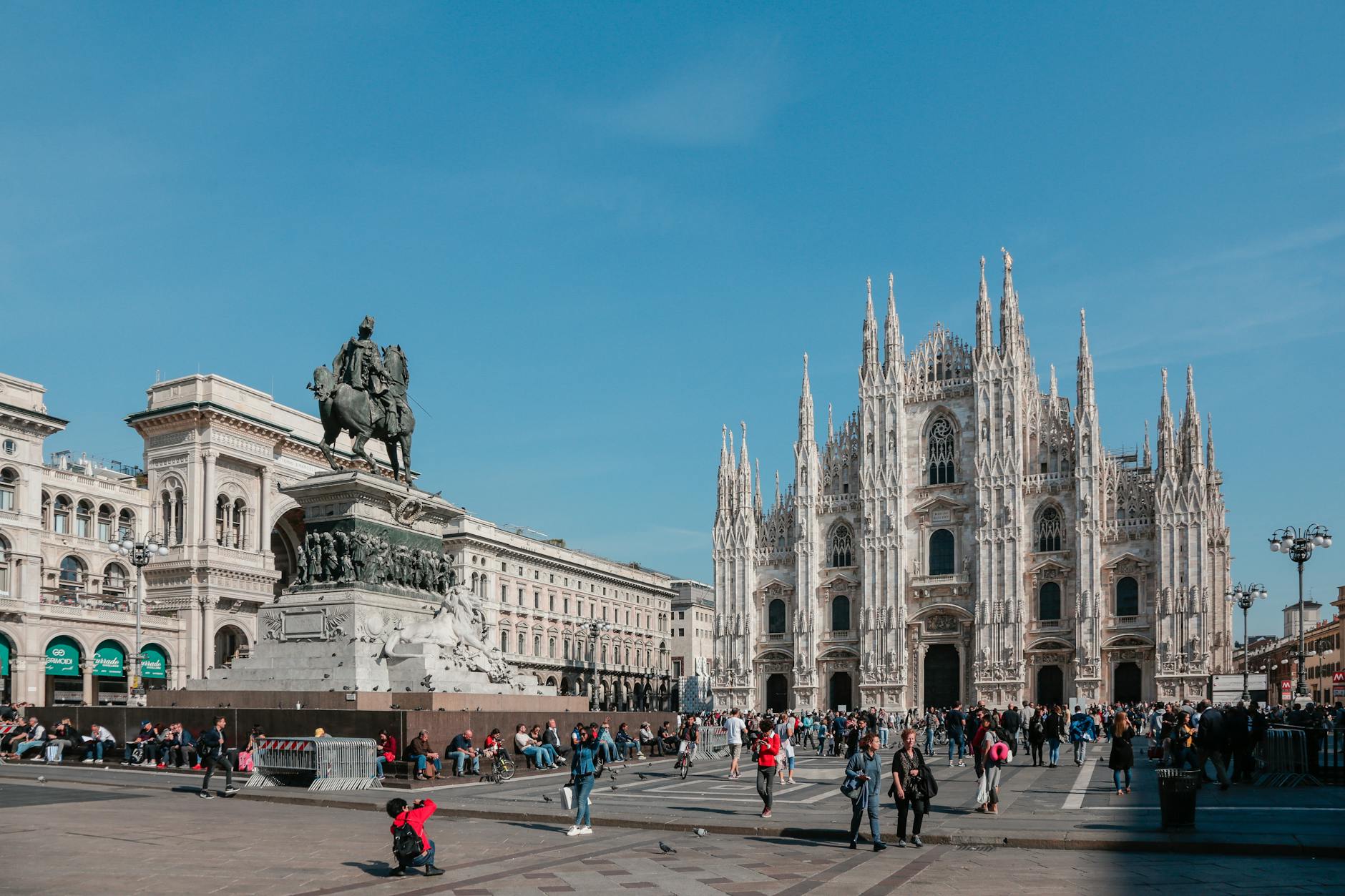
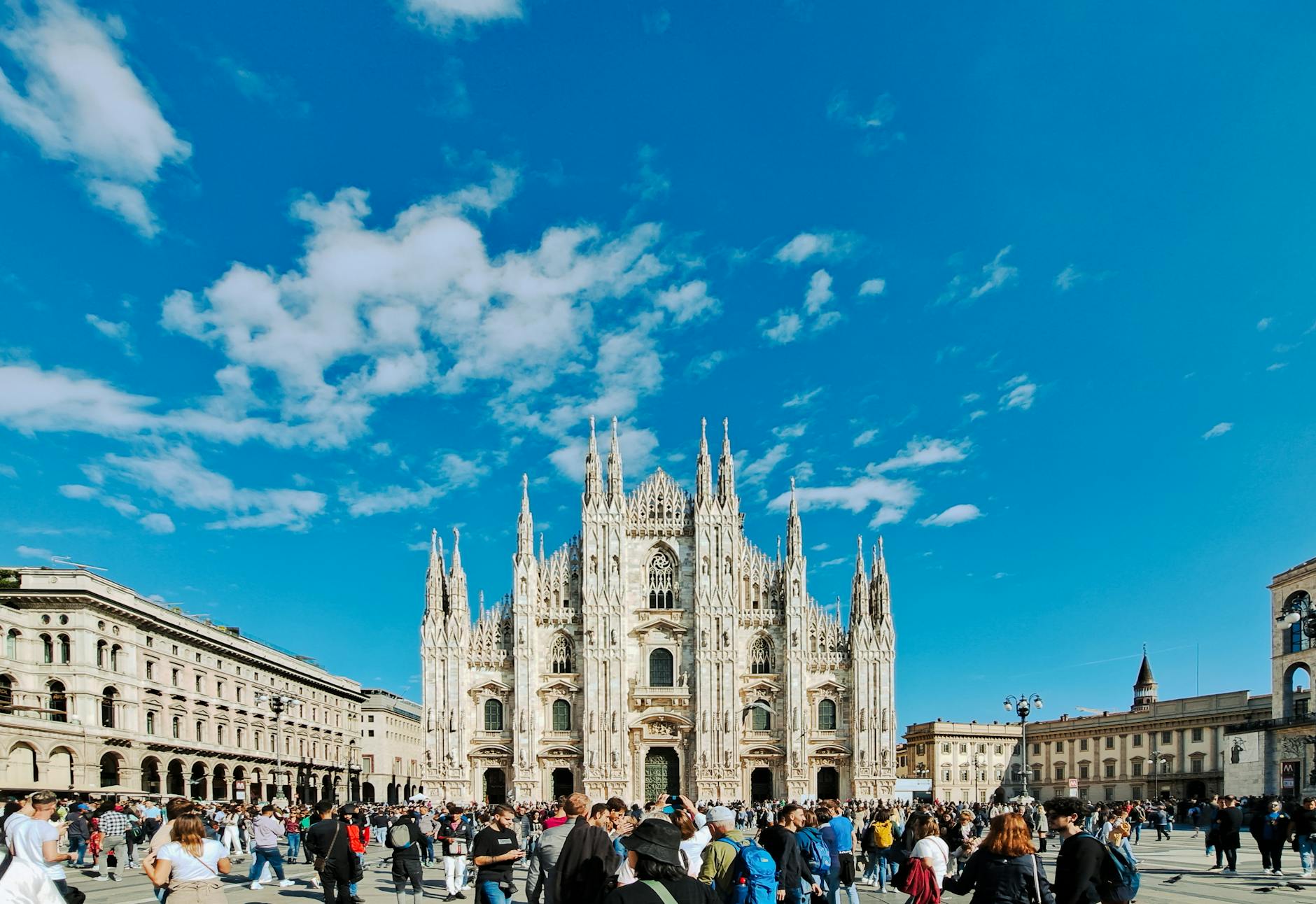
The Duomo and Galleria are obvious first-visit anchors, but they should be handled with crowd and stamina awareness. The cathedral area can involve security, lines, hard surfaces, sun exposure, rain, stairs or lift decisions, and dense pedestrian flow. Older travelers should plan timed entry, seating breaks, bathrooms, and a nearby meal rather than assuming the central area will stay easy.
The best plan may use the Duomo area early, then shift to a calmer museum, park, hotel rest, or restaurant. The goal is not to avoid Milan's most famous place. It is to use it at the right point in the day and leave before fatigue takes over.
- Plan Duomo timing around lines, security, stairs or lift choices, sun, rain, and hard walking surfaces.
- Build seating, bathrooms, and a nearby meal into the central route.
- Use the Duomo and Galleria before fatigue and crowd pressure peak.
Use parks, courtyards, and museums as recovery tools
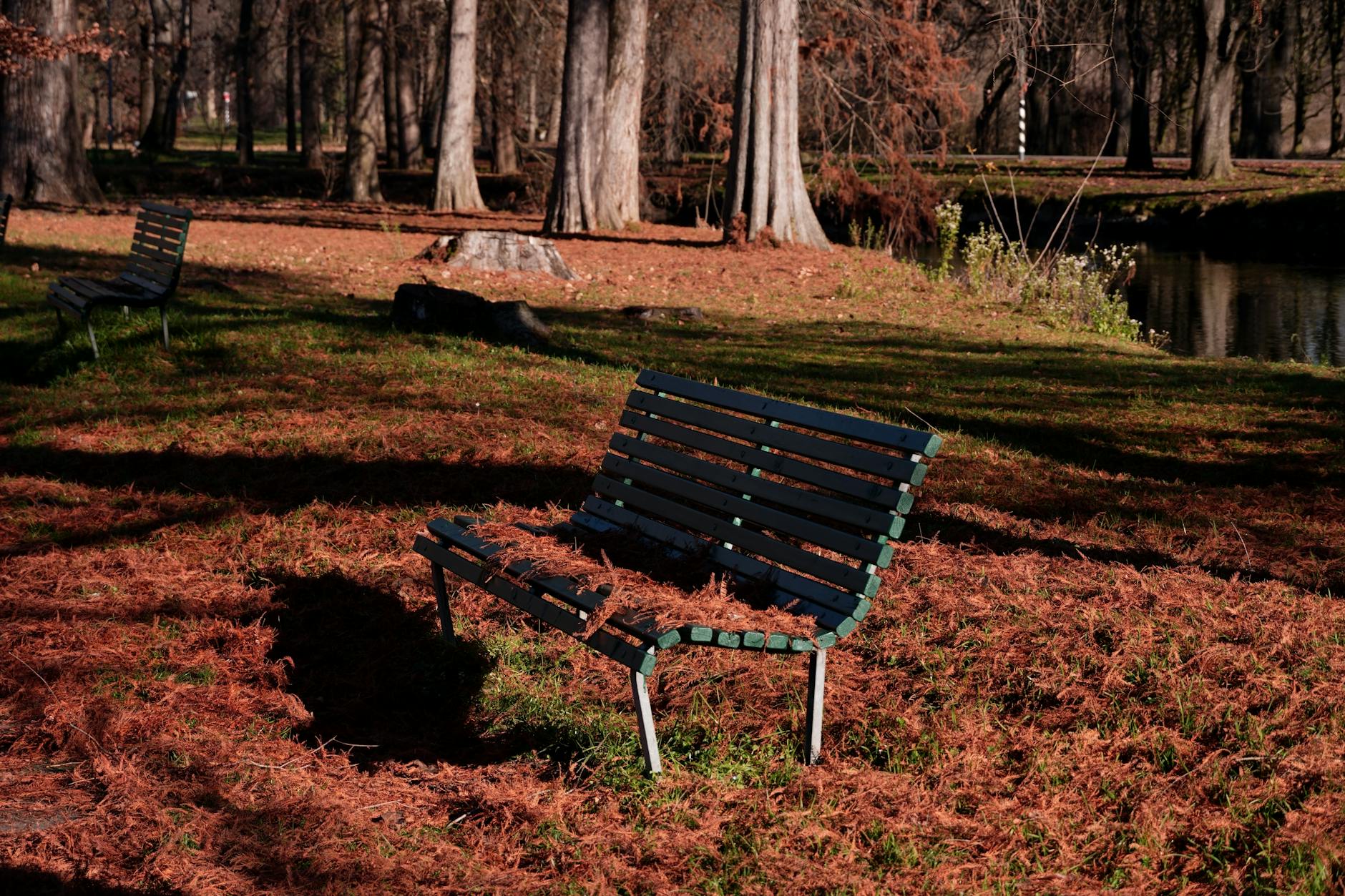
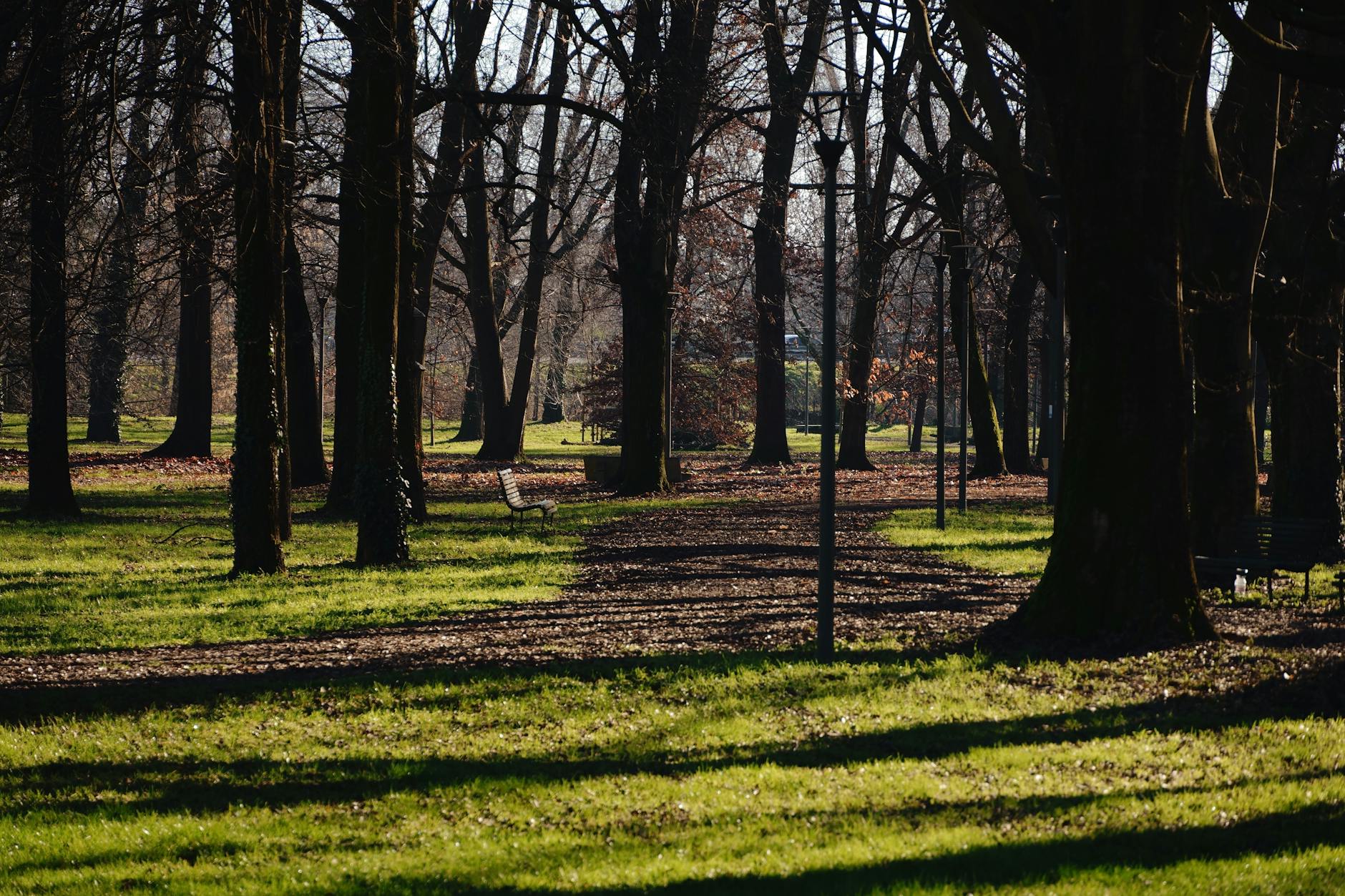
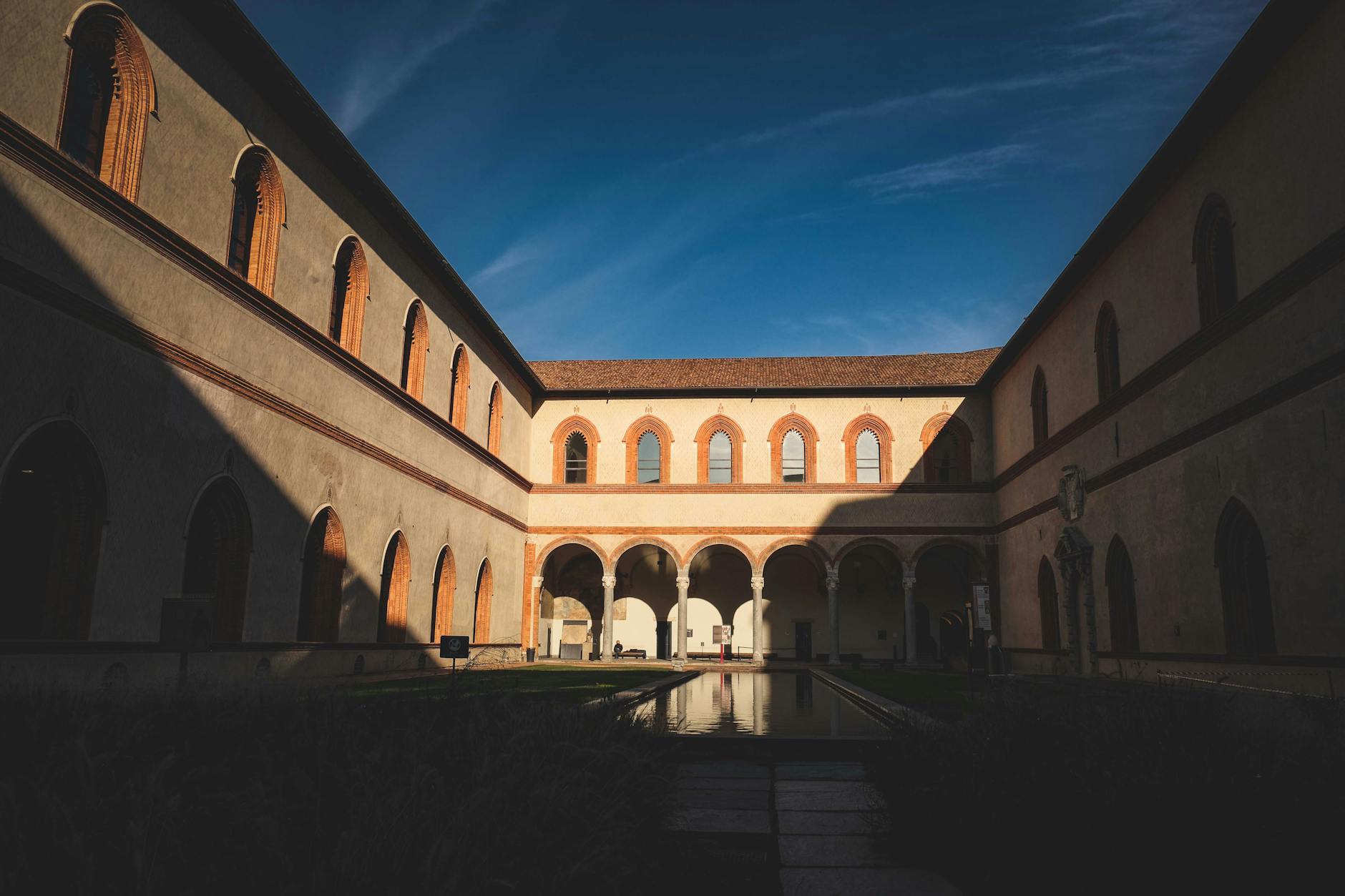
Milan has quieter spaces that can make the trip more comfortable: Sforza Castle courtyards, Parco Sempione, shaded streets, museums, churches, hotel lounges, cafes, and restaurants that allow a real pause. These should not be treated as secondary to the famous checklist. For an older traveler, they may be what keeps the trip enjoyable.
The itinerary should alternate active sights with recovery spaces. A long museum day after a hard transfer may be too much. A shorter museum visit followed by a good lunch and a park or hotel rest may produce a better Milan than a more ambitious route.
- Use Sforza Castle, parks, cafes, churches, and hotel lounges to regulate the day.
- Alternate active sights with recovery spaces rather than stacking demanding stops.
- Keep meals and rests near the route instead of making them separate journeys.
Match movement to mobility and weather
Milan's metro, trams, taxis, and walking routes can all work for older travelers, but the best mix depends on the person. The metro can reduce distance but may still involve stairs, corridors, crowding, and platform standing. Trams can be useful but may require careful boarding. Taxis and cars can protect energy, especially in rain, heat, after dark, or when the traveler is carrying shopping or medication.
The traveler should not measure the day only in kilometers. Stone surfaces, museum standing, heat, wet pavement, waiting time, and crowd density all count. A realistic Milan plan uses transport to preserve the parts of the day that matter.
- Check whether metro and tram routes are practical for the traveler's mobility, luggage, and fatigue level.
- Use taxis or cars for rain, heat, after-dark returns, shopping, or longer cross-city moves.
- Count standing time, hard surfaces, stairs, and crowd density as part of the walking burden.
Keep health, medication, and evening returns simple
Older travelers should bring Milan-specific discipline to health and evenings. Medication timing, hydration, heat, rain, meal timing, sleep, and emergency contacts should be planned before the trip. The traveler should know the nearest pharmacy, hotel front-desk support, urgent care options, and how they would return to the hotel if a plan becomes too tiring.
Evenings should be enjoyable but easy to reverse. A nearby restaurant, a taxi return, or a hotel-adjacent drink may be better than a distant late reservation after a full day. The traveler should leave enough energy for the return, not only for the dinner.
- Plan medication, hydration, meals, sleep, pharmacy access, and emergency contacts before arrival.
- Choose evening restaurants with the return route in mind.
- Keep a clear exit plan if fatigue, weather, or health changes the evening.
When to order a short-term travel report
An older traveler with strong mobility, a central hotel, and a relaxed schedule may not need a custom report. A report becomes useful when the traveler has mobility limitations, medical constraints, medication timing concerns, a tight arrival or departure, multiple museums, family companions moving at different speeds, uncertain hotel access, or a desire to include major sights without creating exhaustion.
The report should test hotel access, airport transfer, rail or taxi choices, walking load, Duomo and museum timing, seating and bathroom access, meal geography, medical fallback, weather exposure, after-dark return, and what should be skipped if the day becomes too hard. The value is a Milan visit that remains elegant because it is paced to the traveler.
- Order when mobility, health, medication, hotel access, timed sights, or group pacing make details consequential.
- Provide hotel candidates, flights or rail plans, health and mobility constraints, must-see sights, and preferred meal style.
- Use the report to keep Milan enjoyable without depending on endurance.