Milan is one of the easier European cities to misunderstand as a luxury traveler. The luxury is not only in famous labels, five-star hotels, or a table with a polished room. It is in reducing friction: the right hotel district, a clean airport transfer, appointments timed around real movement, restaurants chosen for the evening's geography, and cultural moments that feel deliberate rather than crowded. Milan rewards luxury travelers who treat the city as a sequence of private-feeling decisions inside a busy working capital. A short luxury visit should not become a compressed shopping-and-cathedral checklist. It should decide what kind of Milan is being purchased: fashion, design, food, opera, hotel life, private touring, modern skyline, or a quieter northern Italian base between other cities. The money only helps if the logistics are disciplined enough to let the city feel composed.
Define luxury as control, not excess
Milan luxury works best when the traveler buys control rather than simply more appointments. A suite, car, private guide, personal shopper, or difficult restaurant booking can all be useful, but only if they reduce friction. Too many high-end commitments can make the trip feel less luxurious, especially during fashion weeks, Salone del Mobile, trade fairs, or rainy evenings when every movement takes more effort.
The traveler should decide what deserves precision. Airport arrival, hotel check-in, first dinner, shopping appointments, museum access, and theater timing should be sequenced so that the day feels calm. Luxury in Milan often means protecting the space between commitments.
- Use money to reduce friction around arrival, hotel base, appointments, dining, and returns.
- Avoid overbooking high-end experiences until the city feels like a schedule instead of a trip.
- Protect open time between shopping, dining, cultural visits, and evening commitments.
Choose the hotel district around the trip's center of gravity
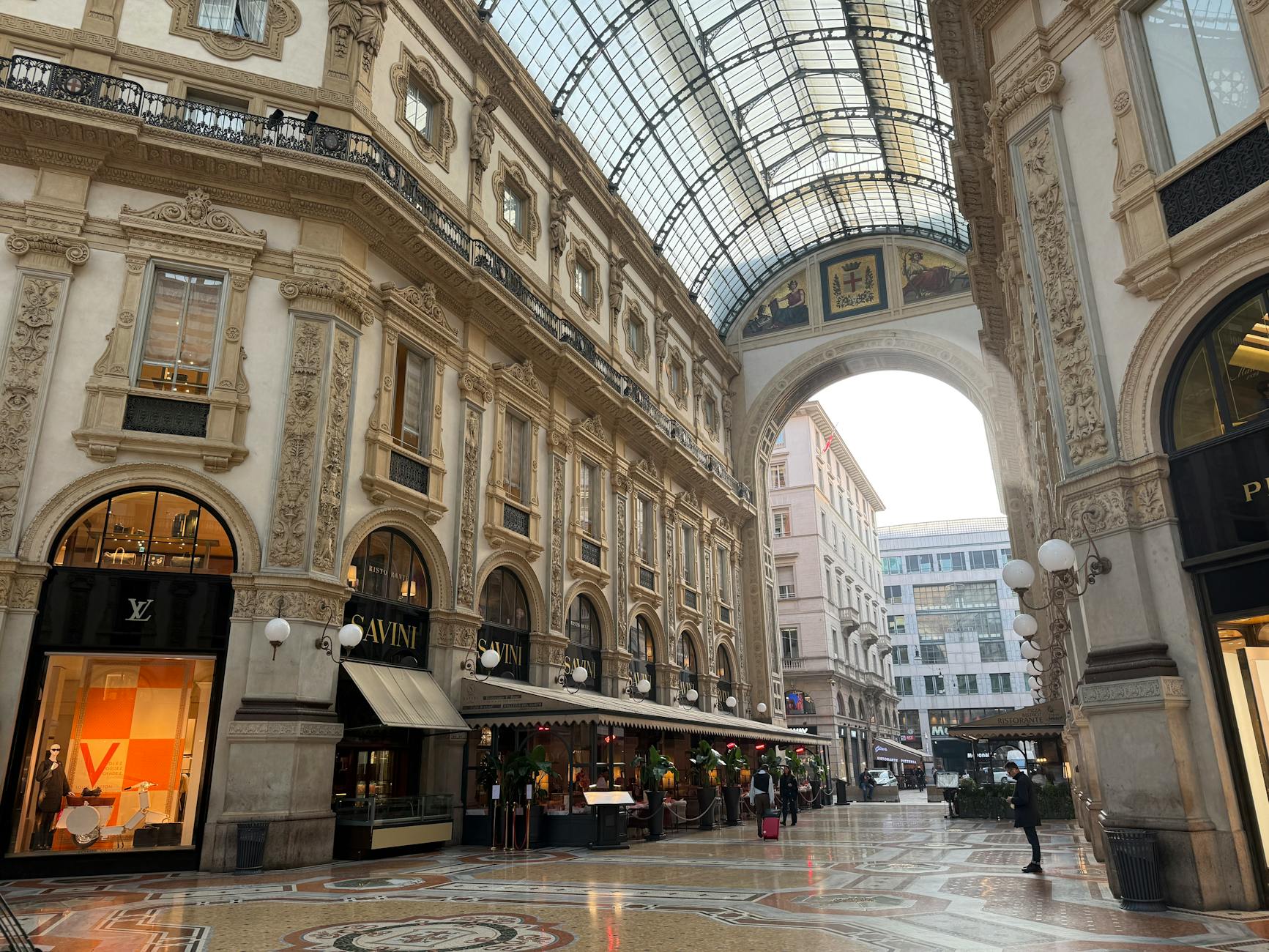
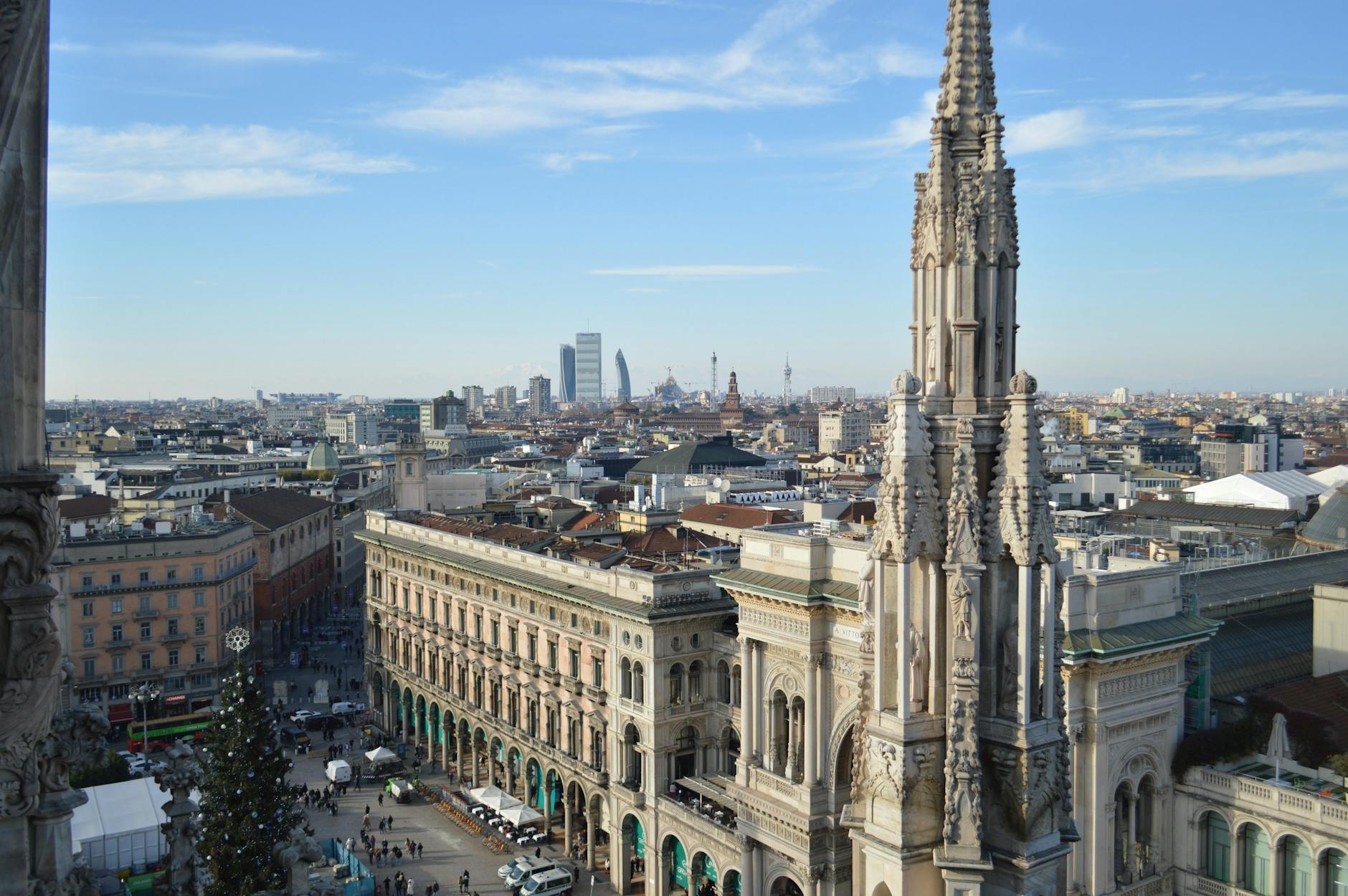
A luxury hotel in Milan should support the specific version of the trip. A Duomo or Galleria-adjacent stay can be excellent for classic Milan, shopping, and first visits. Brera can suit art, restaurants, and a more textured walking pattern. Porta Nuova and nearby modern districts can work for skyline, business, and design energy. A quieter grand hotel may be better when service, room quality, and discretion matter more than being steps from every sight.
The traveler should check arrival access, car staging, lobby privacy, concierge quality, spa or wellness needs, breakfast timing, and the walk back after dinner. A famous hotel can still be the wrong hotel if it creates poor movement for the actual trip.
- Match Duomo, Brera, Porta Nuova, or quieter grand-hotel locations to the purpose of the stay.
- Check car access, lobby privacy, concierge strength, wellness needs, breakfast timing, and evening return routes.
- Do not choose a luxury hotel only by brand if its geography fights the itinerary.
Make airport transfers part of the luxury product
Milan's airports create different luxury travel experiences. Linate can be highly convenient for central Milan. Malpensa may be necessary for long-haul routing but needs a more serious transfer plan. Bergamo may be unattractive for a luxury trip unless the fare or routing is doing something unusually important. The arrival should be decided before the traveler is tired, carrying bags, or managing a driver by phone.
A private transfer is not automatically indulgent in Milan; it can be the cleanest way to protect the first evening. The traveler should confirm pickup point, luggage, vehicle size, language, delay monitoring, and hotel arrival details. If rail is chosen, it should be chosen because it is genuinely cleaner, not because the transfer was left vague.
- Treat Linate, Malpensa, and Bergamo as different luxury-transfer problems.
- Confirm driver, pickup point, vehicle size, luggage, delay monitoring, and hotel arrival details.
- Use rail only when it is simpler than car movement for this traveler and this schedule.
Plan fashion, shopping, and design appointments by geography
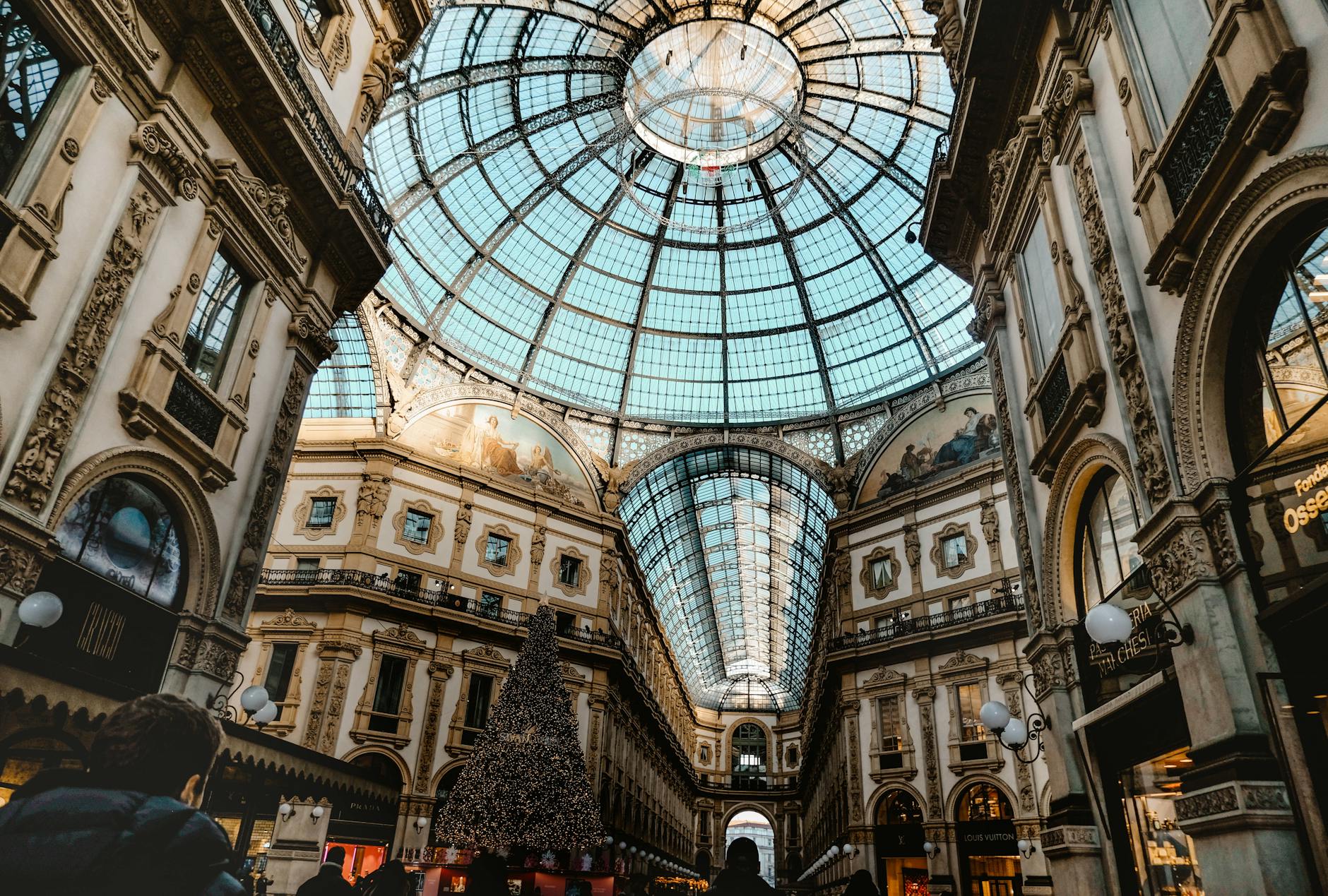
Shopping in Milan can be elegant or exhausting. The Quadrilatero, Galleria, department stores, showrooms, design spaces, and smaller specialists should not be treated as interchangeable stops. A luxury traveler may need appointments, fittings, VAT documentation, bag handling, delivery, language support, and enough time to make decisions without rushing across town.
The route should group shopping and design time by district. A personal shopper or concierge can help, but the traveler should still know whether the day is about fashion, jewelry, interiors, gifts, or browsing. Milan is better when each high-end purchase does not become a separate transport problem.
- Group Quadrilatero, Galleria, showroom, design, and department-store time by district.
- Plan appointments, fittings, VAT paperwork, delivery, and bag handling before the day starts.
- Decide whether the shopping day is about fashion, jewelry, interiors, gifts, or browsing.
Treat dining as route design
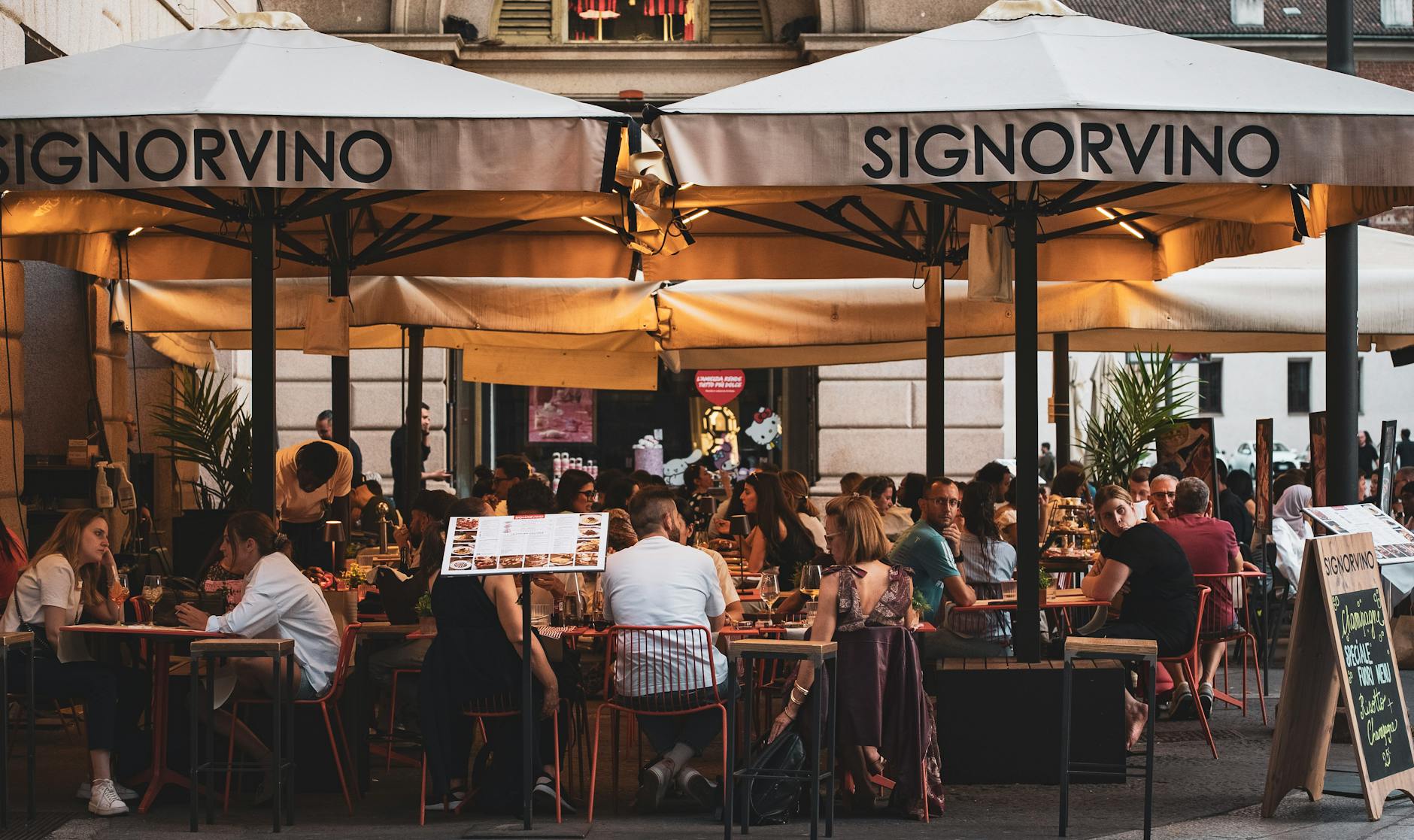
Luxury dining in Milan should be planned around the evening route, not only reputation. A restaurant near the hotel, theater, shopping district, or final meeting can make a better night than a harder reservation that turns the evening into transport logistics. Milan has formal dining, fashion-world rooms, hotel bars, aperitivo, discreet neighborhood restaurants, and destination tables, but they serve different purposes.
The traveler should confirm reservation timing, dress, cancellation rules, dietary needs, car access, and the return. If the day includes shopping, touring, or a spa appointment, dinner should fit the energy left. A luxury evening should not depend on finding a car in rain while overdressed and tired.
- Choose restaurants around hotel, theater, shopping, or final activity geography.
- Confirm dress, timing, dietary needs, cancellation rules, car access, and return route.
- Use aperitivo, hotel bars, or nearby dining when the day already contains enough movement.
Use culture privately where it matters
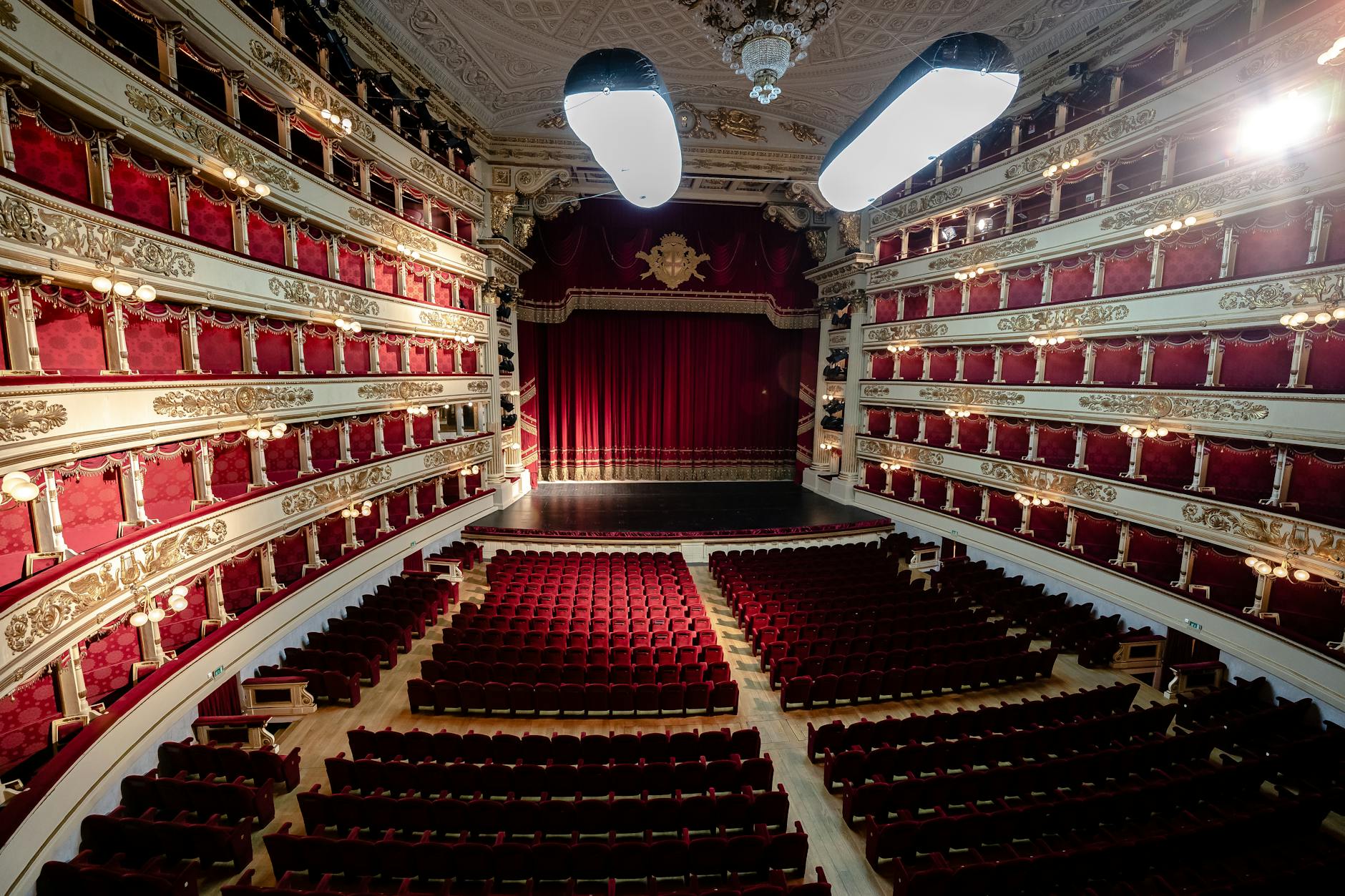
Milan's cultural luxury can be subtle: La Scala, the Duomo rooftop, private guides, design collections, Brera, church interiors, courtyards, and museum access that avoids turning the day into a queue. The traveler should decide which cultural moments deserve premium handling and which are better left flexible.
A private guide can be valuable when the traveler wants context without wasting energy. Theater or performance plans should account for dress, timing, taxi access, post-show dining, and next-morning commitments. Milan's best cultural moments often feel polished because the edges have been planned.
- Use private guidance or timed access when context and energy preservation matter.
- Plan La Scala, Duomo rooftop, Brera, and museum visits around timing, dress, and transport.
- Keep one cultural backup for weather, fatigue, or changed restaurant timing.
When to order a short-term travel report
A luxury traveler with a relaxed central hotel and light plans may not need a custom report. A report becomes useful when the trip involves multiple hotel candidates, airport-choice uncertainty, personal shopping, fashion or design events, La Scala or timed cultural plans, high-end dining, private transfers, medical or mobility needs, or a desire to keep a short stay elegant rather than overbooked.
The report should test hotel district, airport and transfer posture, shopping geography, appointment timing, restaurant sequence, cultural access, after-dark return, weather and event pressure, medical fallback, and what should be cut if the day becomes too dense. The value is not luxury as decoration. It is a Milan trip where the expensive choices work together.
- Order when hotel, transfer, shopping, dining, theater, event pressure, or traveler limitations make coordination consequential.
- Provide hotel candidates, arrival details, shopping goals, dining priorities, cultural plans, health needs, and preferred pace.
- Use the report to turn high-end choices into one coherent operating plan.