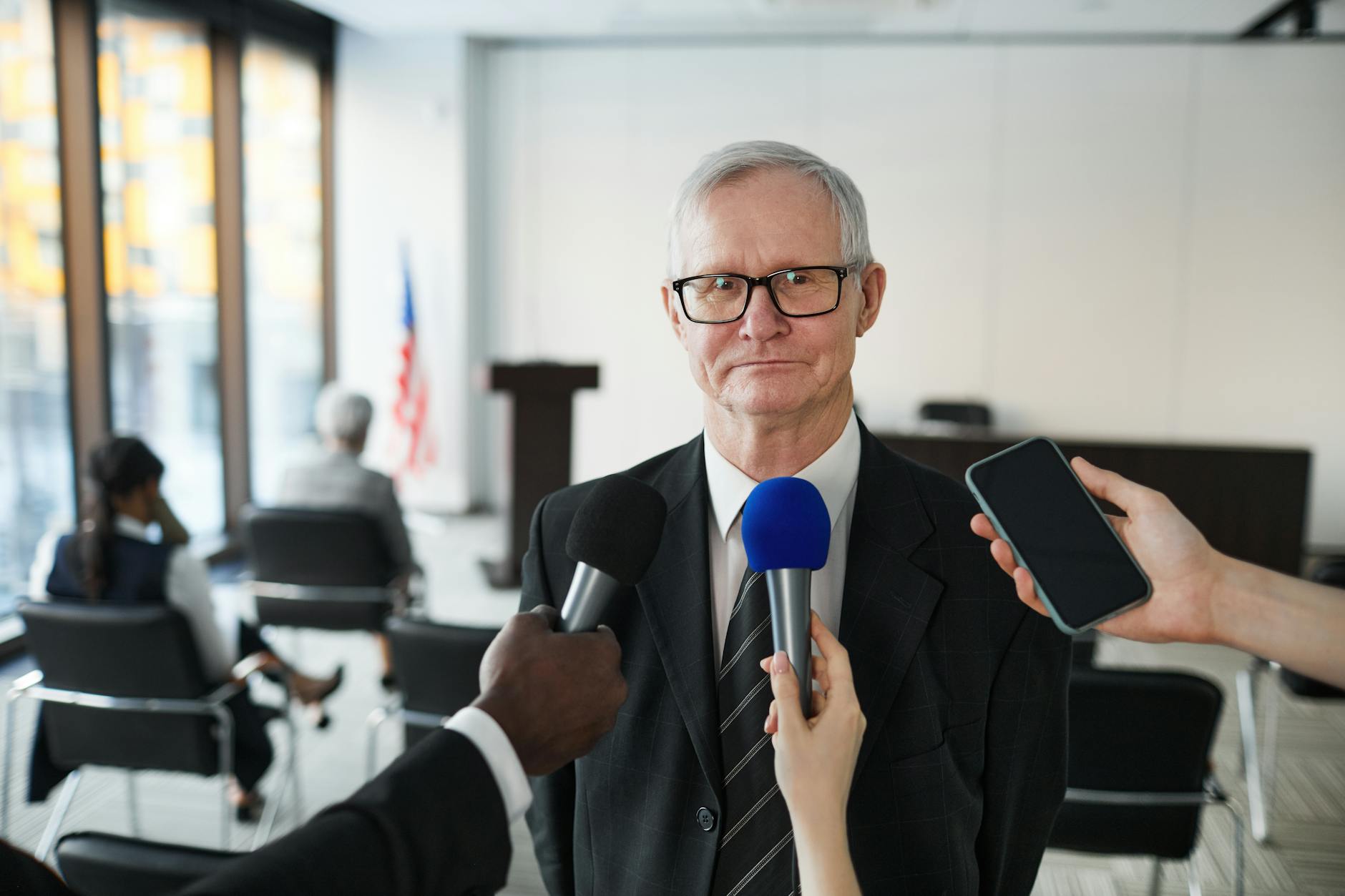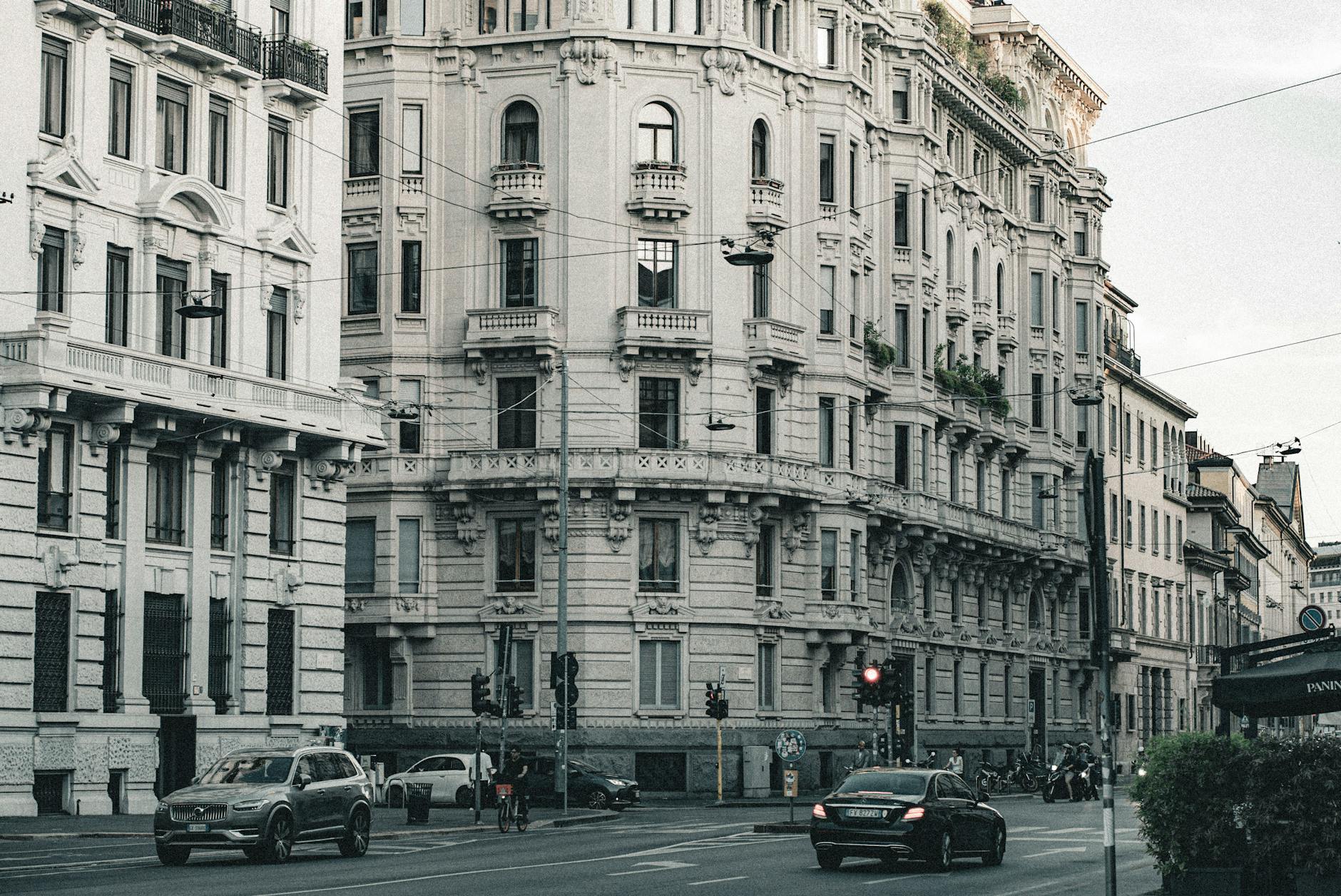
Milan can be a productive city for journalism because business, fashion, design, finance, migration, culture, sport, architecture, religion, labor, education, and urban change all intersect here. It is also a city where an assignment can move from a central interview to a trade fair, court-adjacent meeting, fashion event, stadium area, immigrant neighborhood, university, gallery, or late reception faster than the schedule admits. A journalist should not plan Milan as if reporting logistics are the same as tourism logistics. The trip may involve equipment, source protection, deadlines, sensitive conversations, translation, credentials, uncertain access, and movement under time pressure. The city is workable, but the assignment needs a base, route, backup plan, and conduct standard before the reporter lands.
Define the assignment geography before booking
A Milan reporting trip should start with the assignment map. The relevant locations may include a hotel, interview site, newsroom, fairground, court or government area, company office, fashion venue, studio, university, train station, immigrant community center, stadium district, or evening reception. A hotel that is excellent for sightseeing can be poor if the reporting route crosses the city repeatedly.
The journalist should decide whether the trip is centered on the Duomo-Brera core, Porta Nuova business district, CityLife, Rho Fiera, Navigli, university areas, or outer neighborhoods. Each version changes arrival choices, equipment handling, meal timing, and how much margin exists before a deadline.
- Map interviews, venues, institutions, transport nodes, and evening obligations before choosing the hotel.
- Choose the base around the assignment's repeated movements, not Milan's tourist center alone.
- Separate reporting locations that require punctuality from those that can stay flexible.
Protect arrival, equipment, and first contact
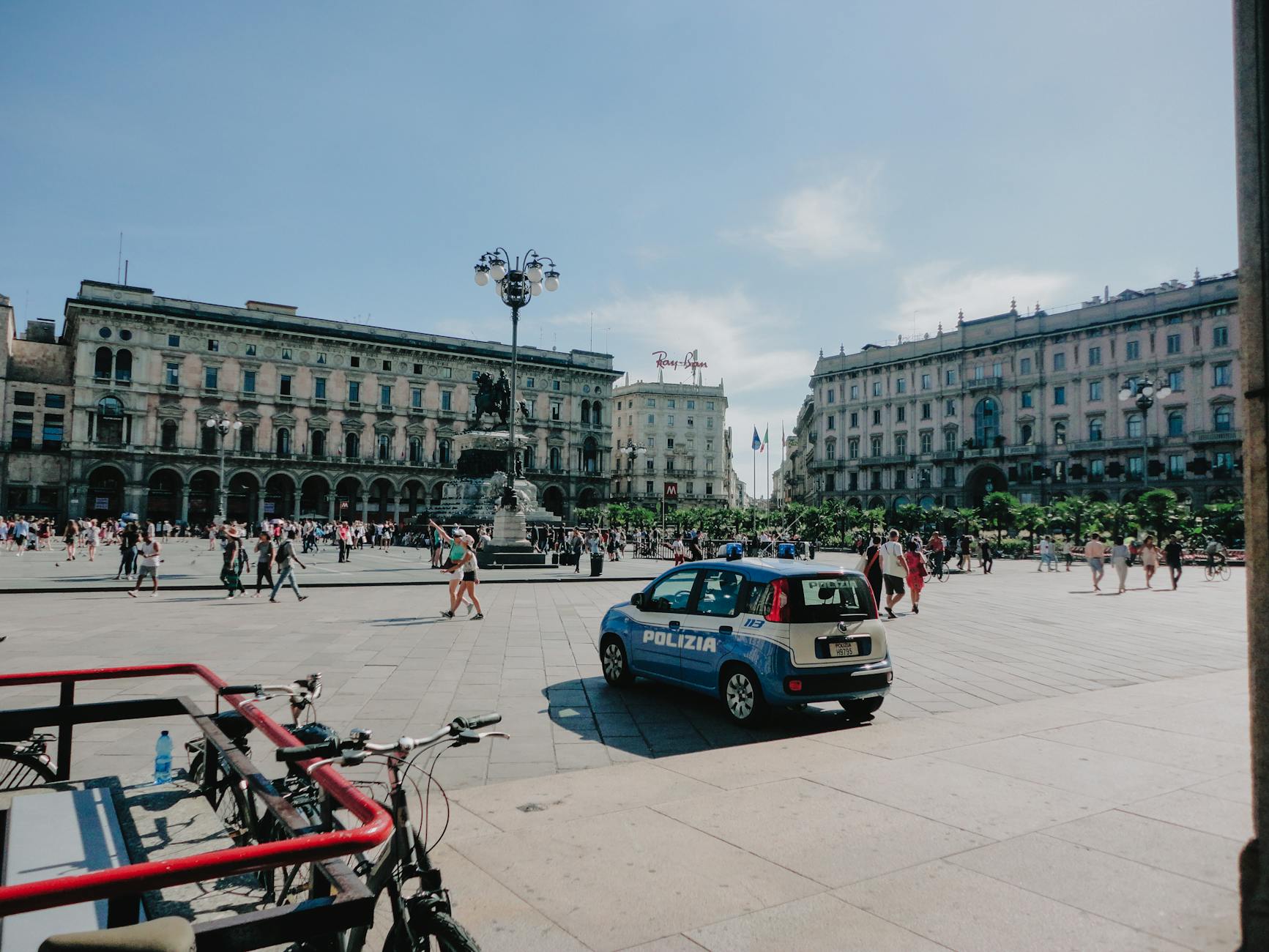
Journalists often arrive with cameras, audio gear, laptops, notebooks, hard drives, batteries, adapters, and work already underway. Linate, Malpensa, Bergamo, and Milano Centrale should be evaluated by reliability, luggage load, equipment sensitivity, arrival hour, and the first appointment. A cheap route that leaves the reporter tired, late, and exposed with gear is not cheap in assignment terms.
The first few hours should secure the base: check in, charge devices, confirm source times, test connectivity, locate a quiet call spot, and establish how to reach the first interview. If the reporter must go straight to work, transport should be preplanned and boring.
- Choose transfer mode by equipment, arrival hour, deadline pressure, and first-source timing.
- Keep cameras, recorders, laptops, documents, and storage media under direct control.
- Use the first hour to confirm connectivity, charging, source timing, and quiet work space.
Plan interviews by sound, privacy, and exit route
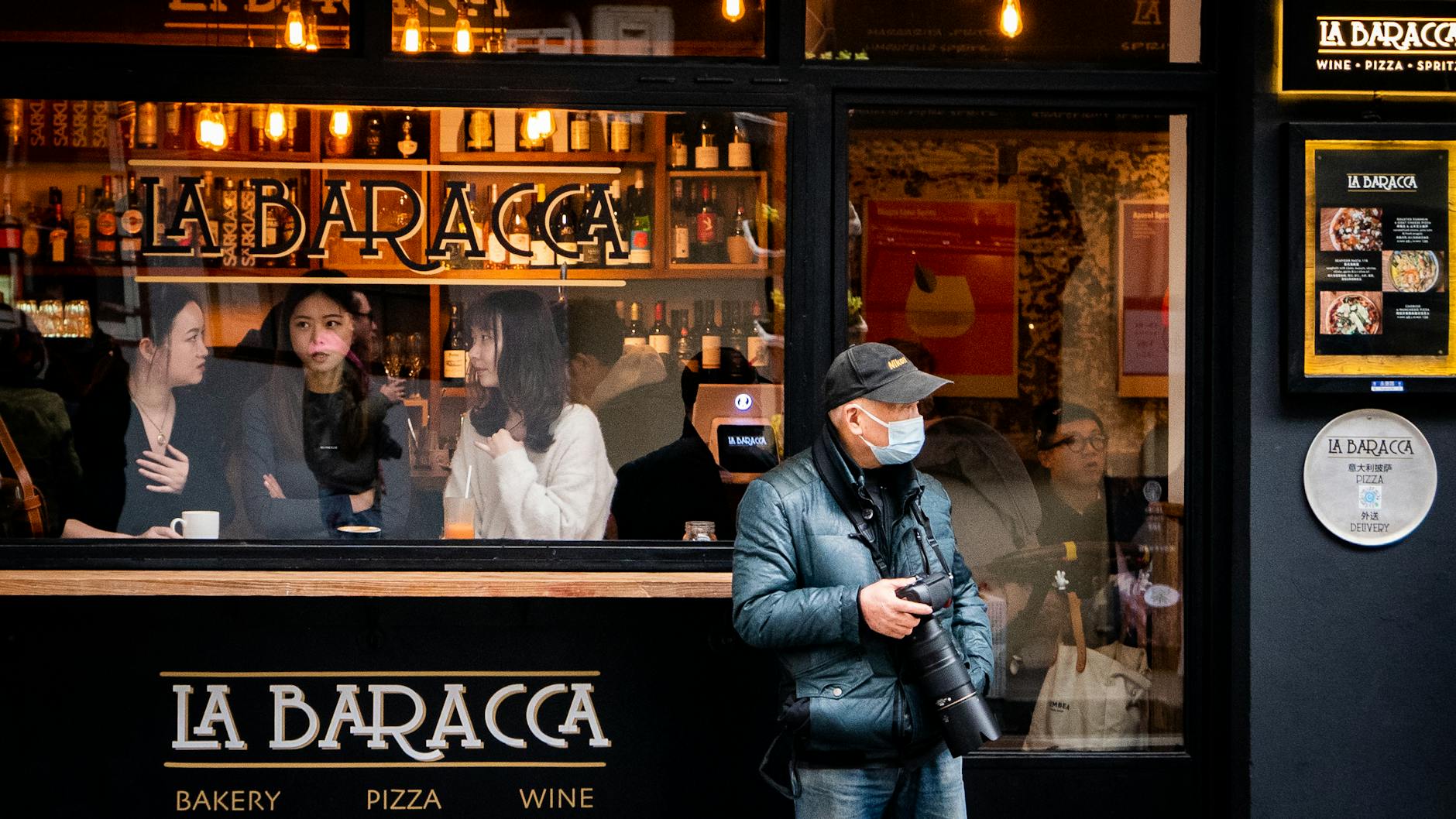
Milan has many attractive cafes, hotel lobbies, galleries, courtyards, and public squares, but not all of them are good interview spaces. A reporter should think about background noise, table spacing, recording permission, source comfort, lighting, Wi-Fi, privacy, and the ability to leave without turning the meeting into a performance.
Sensitive source meetings require more care. A public location may feel safe but still expose the source to recognition, overheard details, or visible association with the reporter. The meeting place should match the story, the source's risk, and the journalist's need to document accurately.
- Choose interview locations by noise, privacy, recording practicality, source comfort, and exit route.
- Avoid making sensitive sources meet where recognition or overhearing is likely.
- Test whether the room supports the actual format: audio, notes, video, photography, or background briefing.
Treat access and credentials as uncertain until confirmed
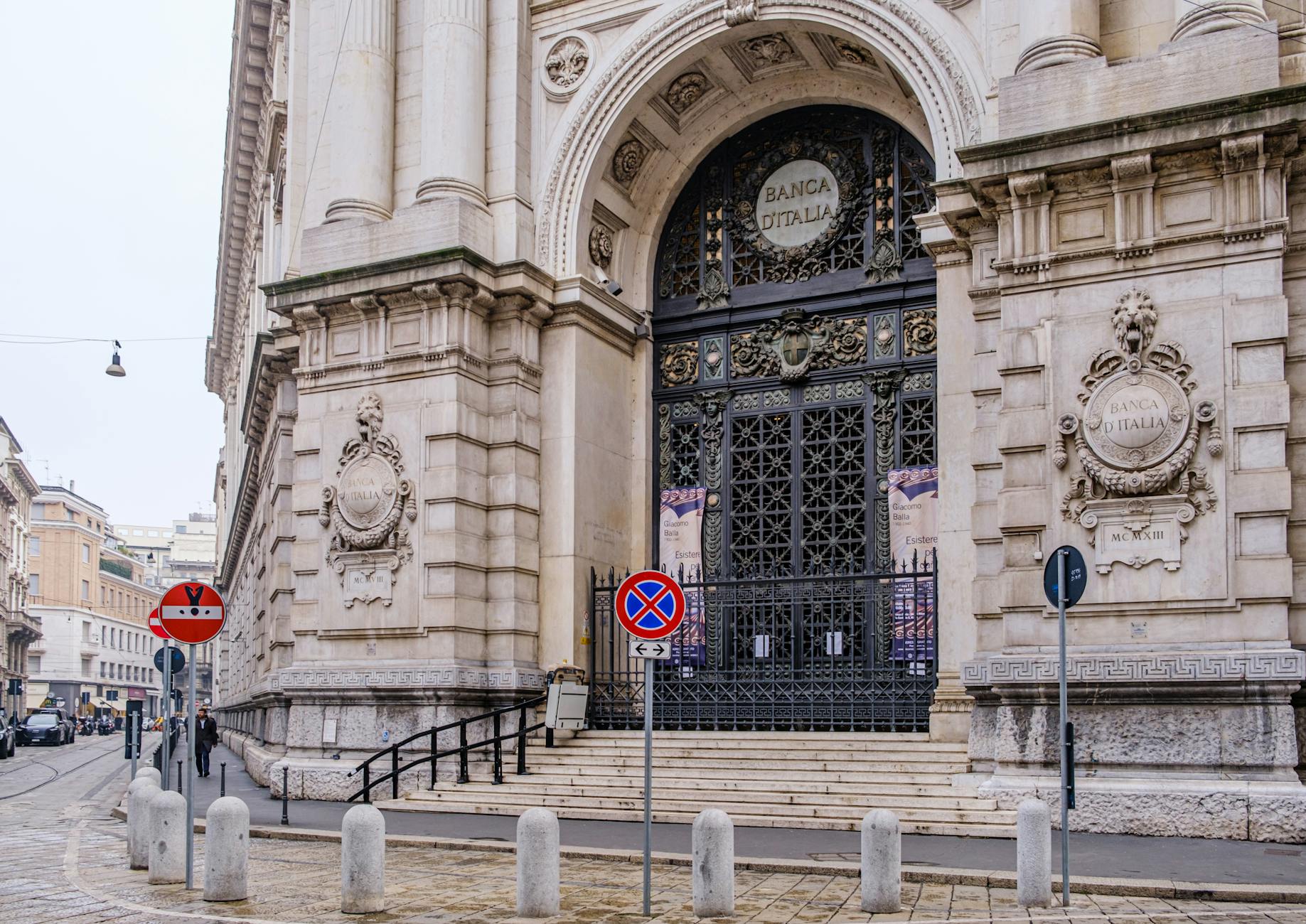
A journalist covering fashion, design, sport, politics, finance, trade fairs, cultural openings, universities, or public institutions should not assume that a verbal invitation equals workable access. Badge pickup, security screening, bag rules, photography restrictions, embargo terms, language support, and host availability should be confirmed before the day starts.
Milan events can be polished but crowded. A reporter who needs a clean quote, controlled image, or usable exit after a press moment should arrive with a plan for where to stand, where to wait, where to file, and what to do if the credential desk or source runs late.
- Confirm badge pickup, access level, bag rules, photography limits, embargo terms, and language support.
- Build margin around credential desks, security, and crowded event movement.
- Know where to file, call, or regroup if the planned access changes.
Use discretion around street reporting
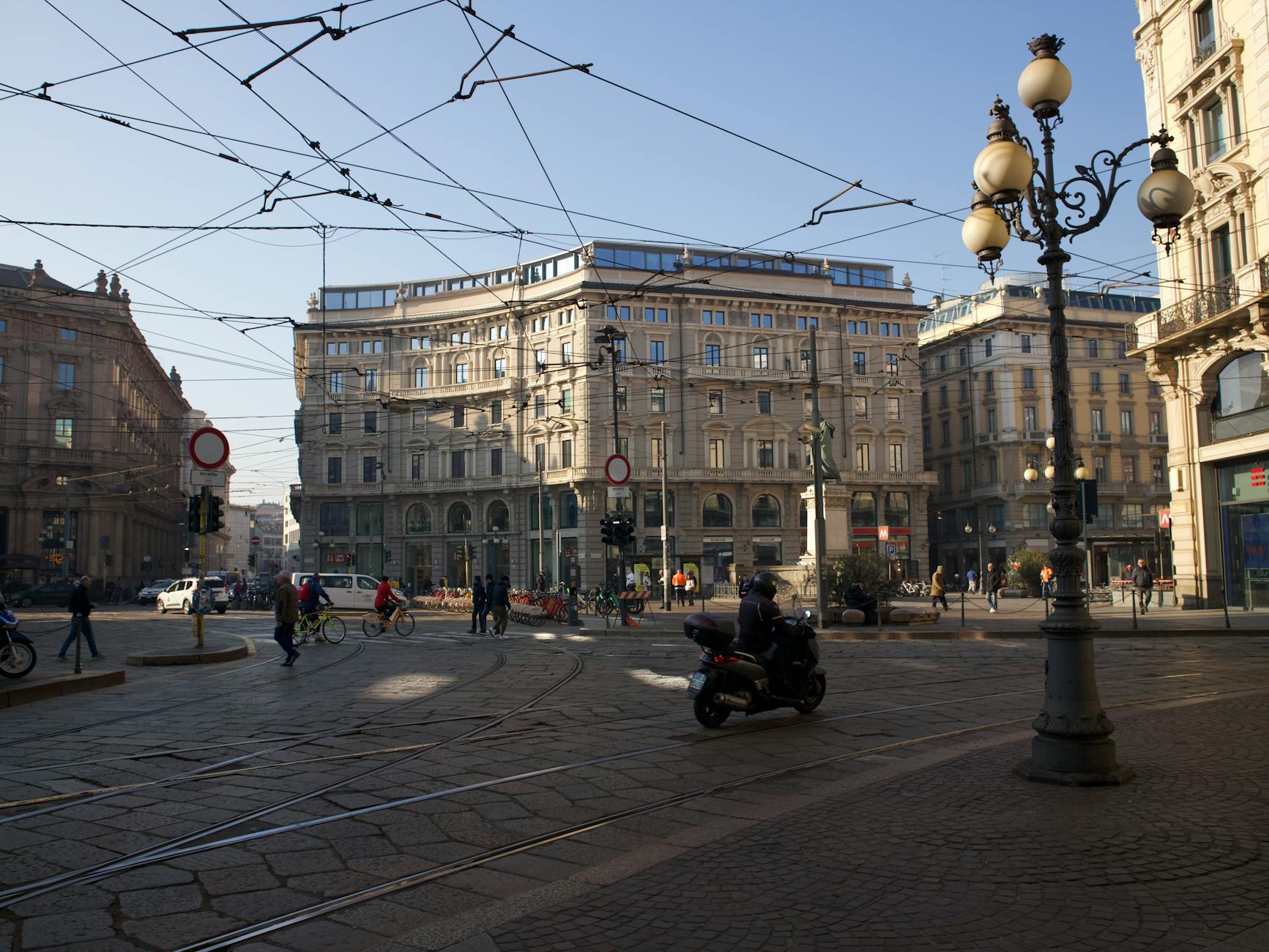
Street reporting in Milan may involve crowds, demonstrations, fashion-week spillover, nightlife, station areas, neighborhood tension, or ordinary public spaces where people do not want to be filmed. The journalist should distinguish between what is legally visible and what is editorially wise. A camera, microphone, or obvious notebook changes how people read the reporter's presence.
The practical risks are usually equipment theft, crowd compression, source exposure, arguments over filming, and losing situational awareness while trying to capture the scene. A reporter should have a partner or clear check-in when the assignment moves into dense or unpredictable areas.
- Assess crowd density, filming sensitivity, exit routes, and equipment exposure before street reporting.
- Keep phones, cameras, passports, and bags controlled while recording or taking notes.
- Use check-ins or a second person for dense, late, or unpredictable reporting environments.
Protect data, devices, and filing time
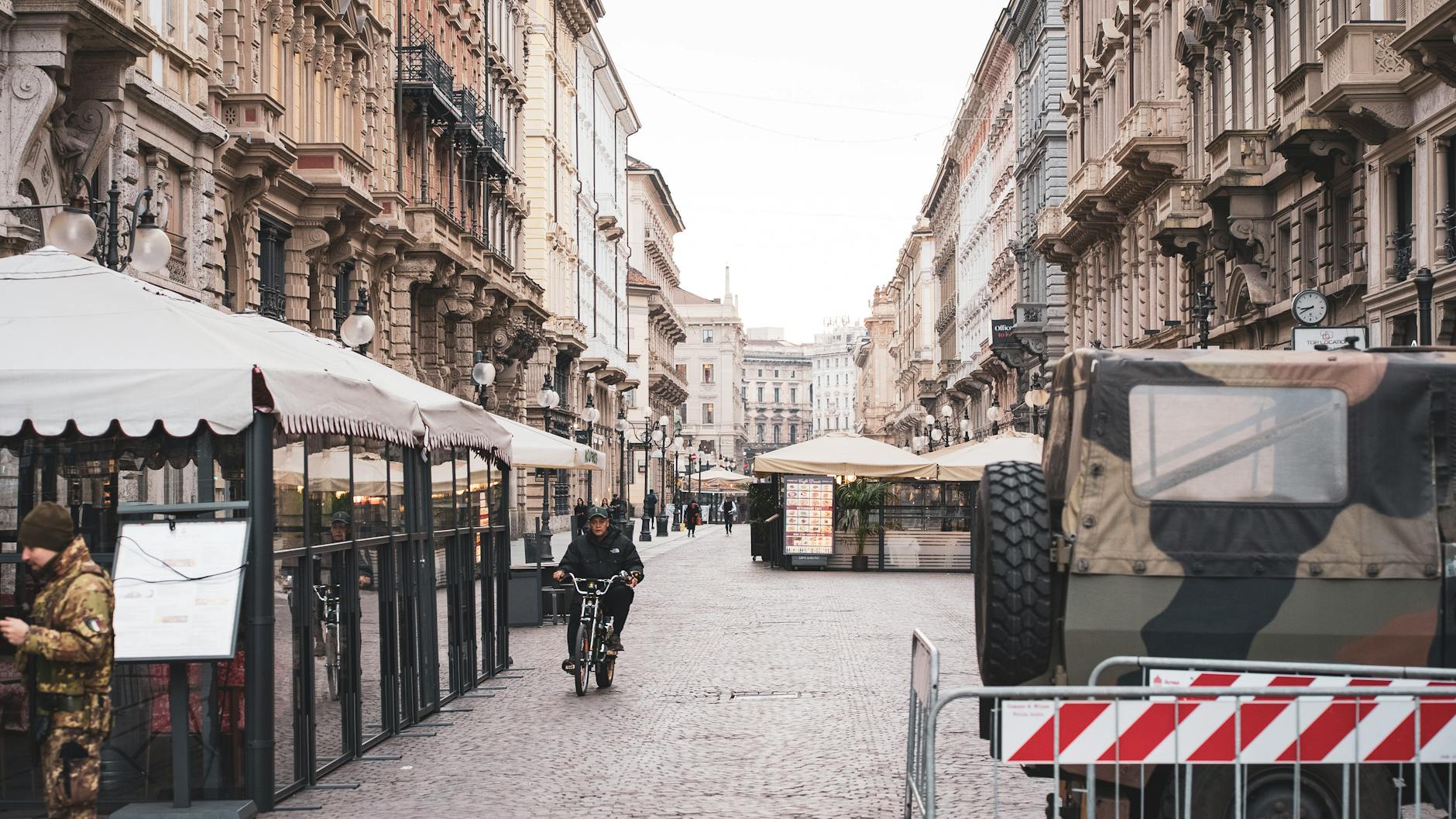
The most fragile part of a reporting trip may be the hour after the interview. Files need to be backed up, quotes checked, notes secured, batteries charged, and the next movement planned. Hotel lobbies, cafes, trains, and event halls are convenient, but they are not private newsrooms. A journalist working on sensitive material should decide in advance what can be handled in public and what waits for a controlled space.
Connectivity also deserves planning. The reporter should not rely on venue Wi-Fi, one phone battery, one adapter, or one cloud sync. Milan gives plenty of places to work, but deadlines punish loose device discipline.
- Back up audio, photos, notes, and documents quickly after important interviews.
- Separate public filing from sensitive source handling and private editorial calls.
- Carry power, adapters, storage backup, and a connectivity plan that does not depend on one network.
When to order a short-term travel report
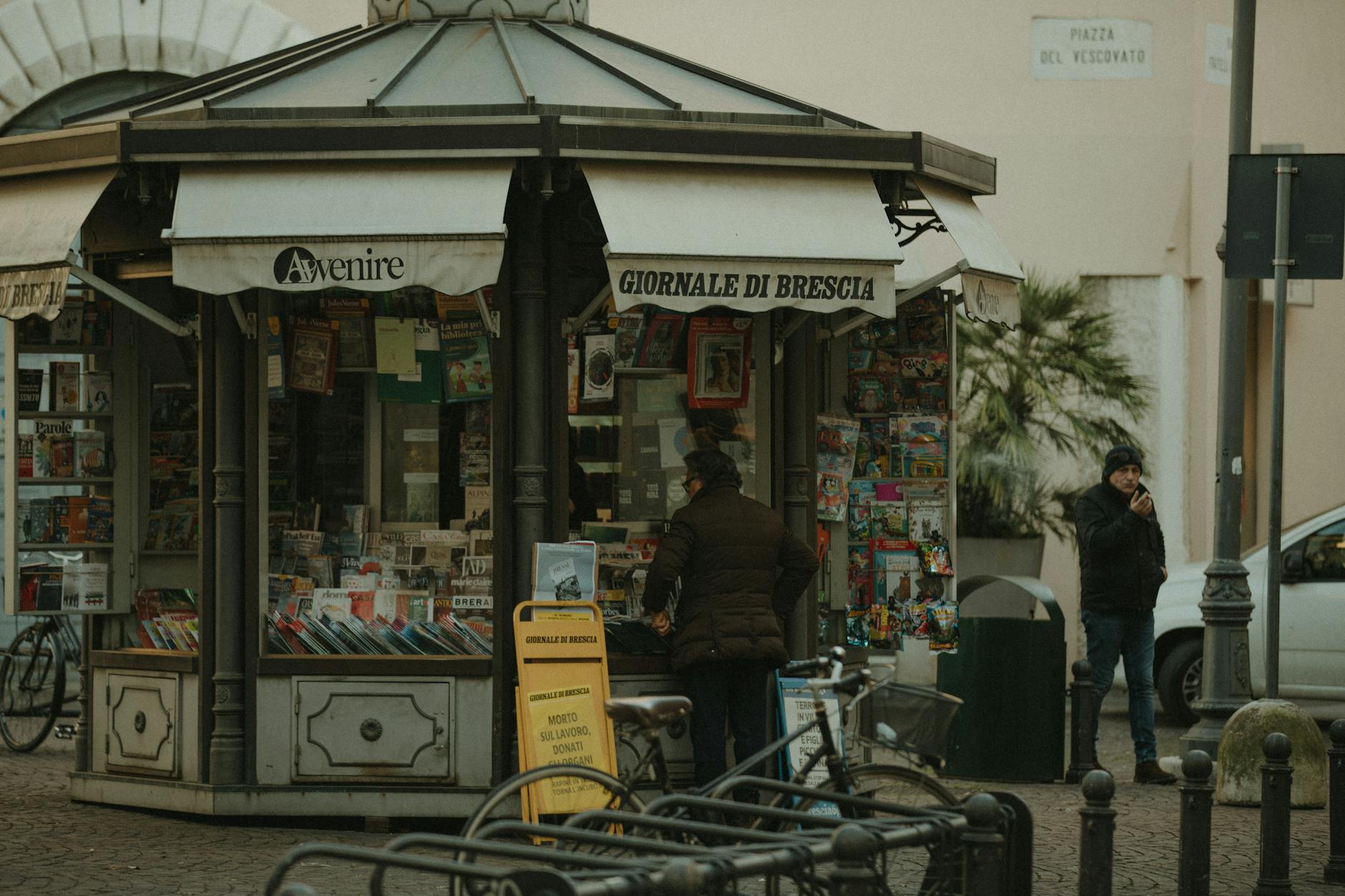
A journalist with a single scheduled interview, local fixer, and flexible filing time may not need a custom report. A report becomes useful when the trip involves several sources, sensitive interviews, expensive gear, public events, trade fairs, fashion or sport access, late reporting, station transfers, medical or mobility needs, or a strict deadline from Milan.
The report should test assignment geography, hotel base, arrival and departure routing, source meeting locations, credential friction, equipment handling, data workflow, street-reporting exposure, late returns, and backup filing locations. The value is a Milan reporting trip that protects the story without letting logistics become the story.
- Order when source sensitivity, equipment, access, deadlines, multiple locations, or late reporting raise the stakes.
- Provide assignment locations, source types, credential needs, gear load, filing deadlines, hotel candidates, and any constraints.
- Use the report to protect reporting time, source dignity, and operational control.