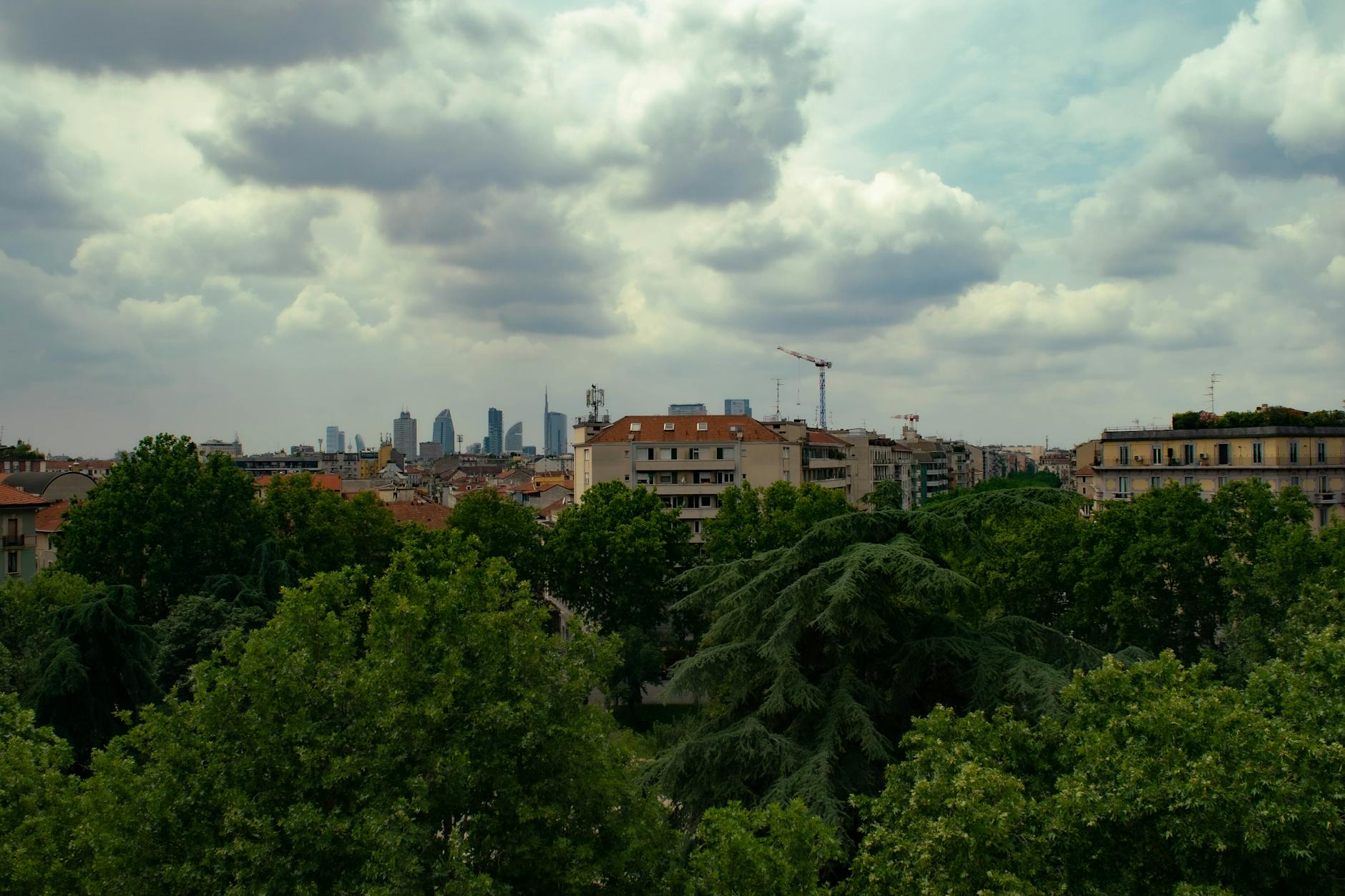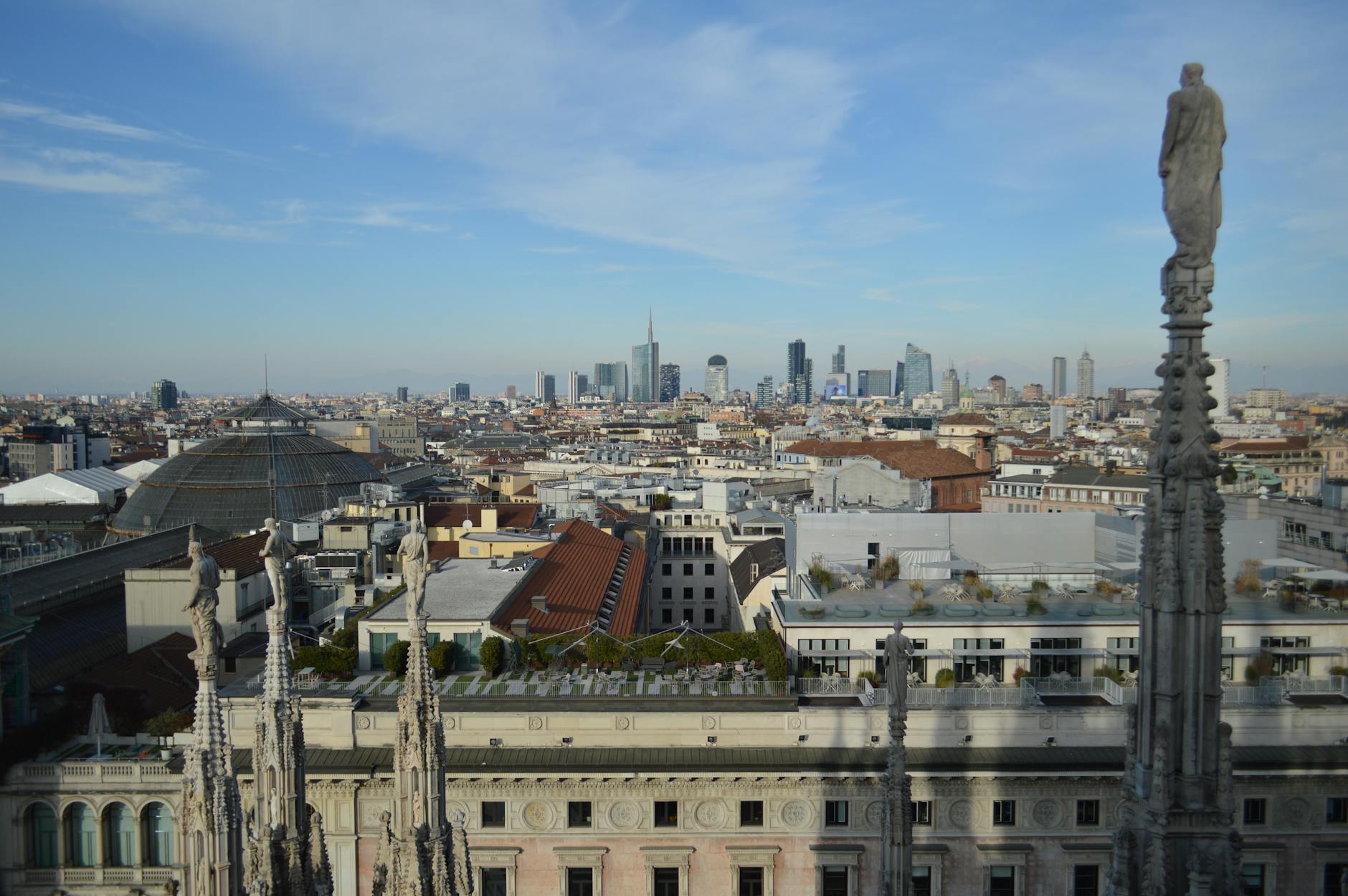
A Milan trip for an investor or deal team member is usually compressed and judgment-heavy. The traveler may be meeting management, inspecting a target site, visiting advisors, joining a board session, negotiating terms, attending a finance event, or combining Milan with other Italian or European stops. The city can support that work, but the itinerary must protect confidentiality, punctuality, private preparation, and enough energy to read the room clearly. The value of the trip is rarely in seeing more of Milan. It is in arriving composed, moving cleanly between meetings, understanding the geography of offices and sites, preserving document control, choosing dinners carefully, and knowing what can be added without increasing execution risk.
Map the deal geography before booking
Deal travel should begin with geography. Management meetings, advisor offices, banks, law firms, target sites, hotels, restaurants, and airports may not cluster neatly. A hotel that is good for a tourist may be inefficient for a day split between Porta Nuova, central Milan, a site outside the core, and an evening dinner.
The team should identify mandatory locations, optional meetings, private work blocks, and secure call needs before choosing a base. If the Milan trip connects to another city by rail or air, the departure path should be part of the hotel decision.
- Map management, advisor, bank, law firm, site, hotel, dinner, airport, and rail locations.
- Choose the base around mandatory movements and private work time.
- Account for onward rail or air travel before committing to the hotel.

Protect arrival, preparation, and confidentiality
Investors and deal teams often arrive with sensitive documents, live issues, and calls already moving. Linate, Malpensa, Bergamo, and Milano Centrale should be evaluated by reliability, privacy, luggage, and first-meeting timing, not only fare or convenience. The traveler should know where they can take a private call, review documents, change, and reach the first meeting without rushing.
Confidentiality also affects transport and hotel choice. Loud calls in taxis, open laptop work in lobbies, visible document folders, or public discussion in station areas can create unnecessary exposure. The logistics should support discretion from arrival onward.
- Choose arrival mode around reliability, privacy, luggage, and first-meeting timing.
- Plan private call and document review locations before arrival.
- Avoid sensitive calls or visible deal work in exposed transport and lobby settings.
Sequence meetings for judgment, not just availability
A deal itinerary should not be filled merely because calendars allow it. Management presentation, advisor meeting, lender discussion, site visit, internal debrief, and dinner each require different mental energy. The most consequential session should not be placed after a draining transfer or without time for the team to align.
The team should protect preparation before key meetings and debrief time afterward. Milan's geography can support a compact deal day, but only if travel time, note consolidation, and internal disagreement are given space.
- Sequence meetings by decision value and preparation needs.
- Protect internal debrief time after management, advisors, or site visits.
- Avoid letting calendar availability erase thinking time.
Plan site visits as operational events
A site visit outside the central business core can become the trip's main risk. Industrial, retail, logistics, hospitality, university, or manufacturing sites may require different transport, dress, safety rules, visitor access, photography limits, and timing. The team should not assume a taxi route or metro connection will be straightforward until the exact site is tested.
The site visit should have an arrival plan, return plan, contact point, buffer, and contingency if the inspection runs long. If the site is the reason for the trip, it deserves more planning than a normal office call.
- Treat industrial, retail, logistics, hospitality, and manufacturing sites as separate route problems.
- Confirm visitor access, dress, photography limits, contact point, and return plan.
- Build buffer when the site visit is central to the deal decision.
Use dinners carefully in deal context
Deal dinners in Milan can reveal useful information, but they should be designed intentionally. A dinner with management, advisors, co-investors, or the internal team each has a different purpose. Restaurant district, privacy, noise, wine, timing, and return route all matter when the next morning may involve negotiation or diligence.
A room that is impressive but loud can be poor for substance. A late dinner after a full diligence day can produce weak judgment. The best meal choice is the one that supports the relationship and the decision process.
- Choose dinner format according to management, advisor, co-investor, or internal purpose.
- Consider privacy, noise, alcohol, timing, and next-morning work before booking.
- Use Milan dining to support judgment, not to create performance pressure.
Keep documents, devices, and team movement controlled
Investor and deal travel puts more weight on devices and documents than most trips. Laptops, data rooms, printed materials, passports, NDA-sensitive notes, charger setups, and backup connectivity should be managed before each movement. The team should know what can be discussed in transit and what waits for a private room.
Team movement also deserves planning. If several people are traveling together, one delayed bag, wrong pickup point, or missed call can affect everyone. Milan logistics should be assigned, not assumed.
- Control laptops, documents, passports, chargers, data room access, and backups before each movement.
- Separate public-transit conversation from private-room discussion.
- Assign logistics ownership when several deal team members travel together.
When to order a short-term travel report
An investor or deal team with a single central meeting and local support may not need a custom report. A report becomes useful when the trip involves multiple sites, confidential work, tight arrival timing, several hotel options, management dinners, medical or mobility needs, onward travel, site visits outside the core, or a need to decide whether the Milan schedule can absorb additional meetings.
The report should test meeting geography, hotel base, airport or rail arrival, transfer choices, private work locations, site visit route, dinner posture, device and document handling, late returns, weather exposure, and what to cut if diligence expands. The value is a Milan deal trip that protects judgment.
- Order when meetings, site visits, confidentiality, transfers, dinners, or traveler constraints materially affect the deal trip.
- Provide meeting locations, hotel candidates, arrival details, site details, team size, dinner plans, and private-work needs.
- Use the report to keep the itinerary aligned with the deal decision rather than city noise.