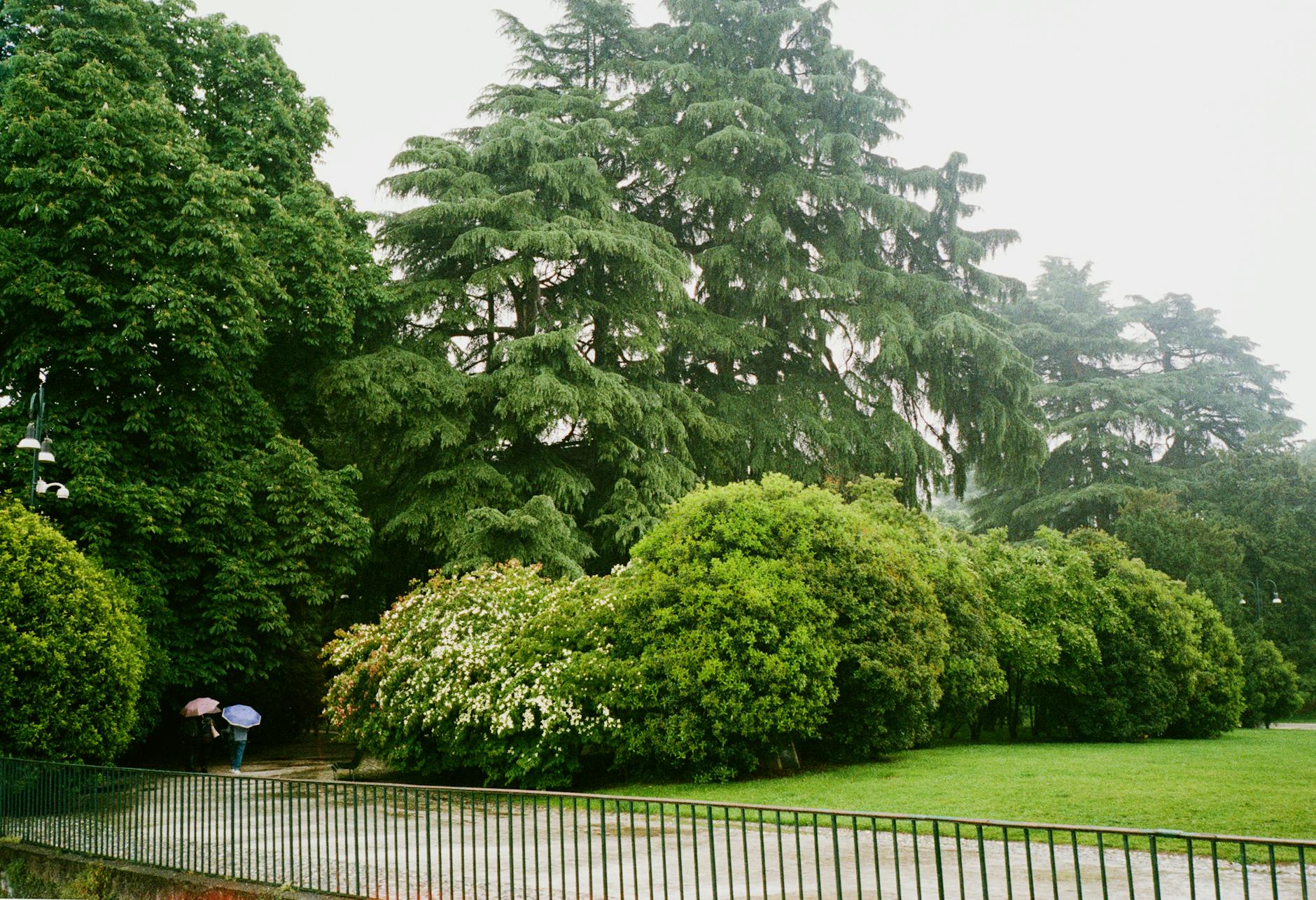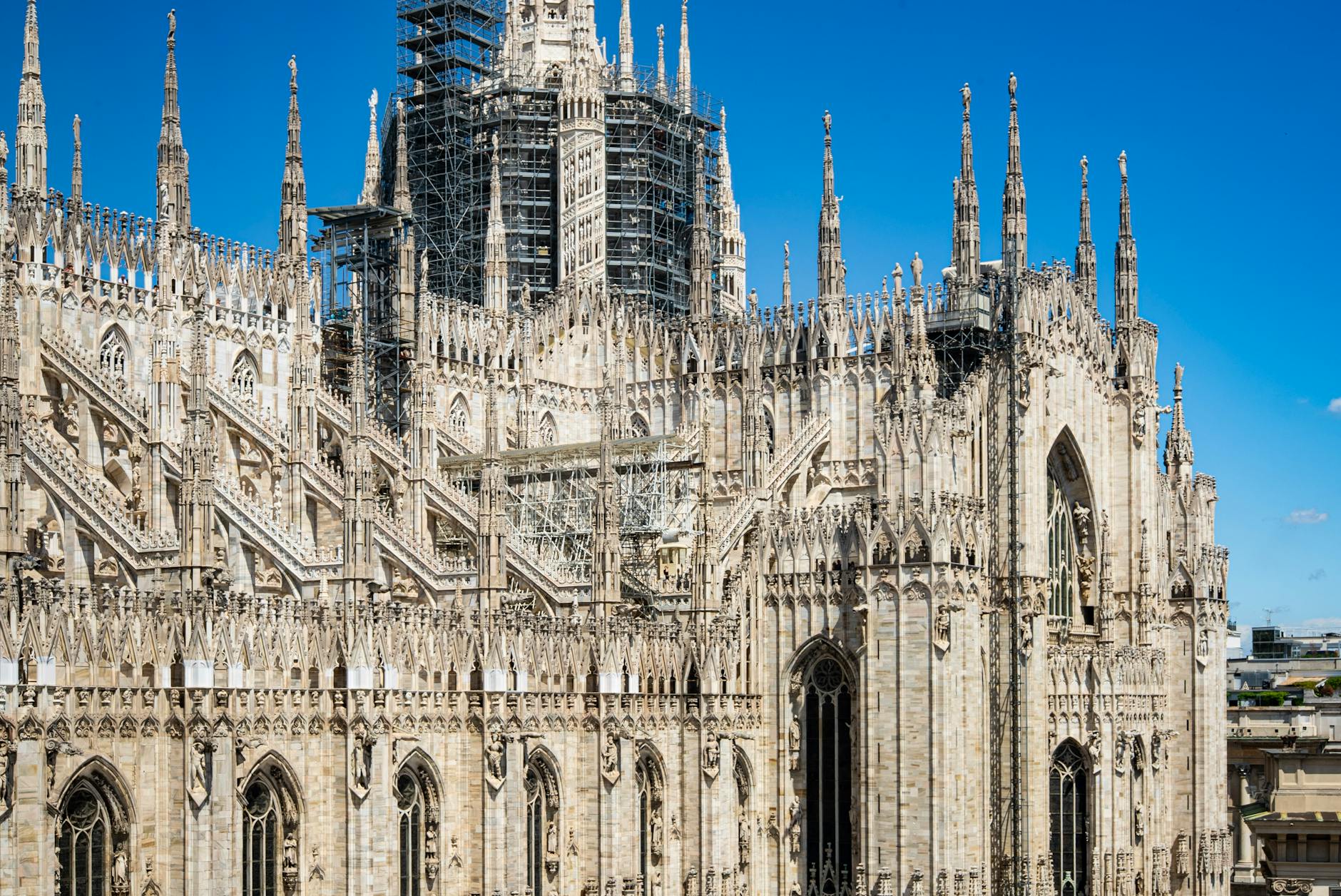
Milan can disappoint first-time visitors who arrive expecting it to behave like Rome, Florence, or Venice. It is not a city that hands over its whole identity in one postcard walk. It is a working northern Italian city with a Gothic cathedral, major shopping arcades, design districts, business towers, quiet courtyards, museums, aperitivo culture, canals, parks, and neighborhoods that reveal themselves best when the route is disciplined. A first visit should not try to turn Milan into every other Italian city. It should use Milan's strengths: the Duomo and Galleria, Brera, Sforza Castle, the Last Supper if properly booked, design and fashion context, Navigli evenings, strong rail links, and polished meals. The trip improves when the traveler chooses a coherent Milan rather than chasing a generic Italy checklist.
Choose the version of Milan you actually have time for
A first-time visitor with two or three days should not build a trip from every famous Milan name. The Duomo, Galleria, Brera, Sforza Castle, the Last Supper, Navigli, design districts, shopping streets, parks, and restaurants can all matter, but they do not all fit equally into a short stay. Milan works better when the traveler chooses a primary rhythm.
One version is cathedral, art, and historic center. Another is design, fashion, aperitivo, and neighborhoods. Another is a practical Milan stop between rail journeys. The first-time visitor should decide what kind of Milan they are visiting before the itinerary hardens.
- Pick a primary Milan rhythm: historic center, design and fashion, food and neighborhoods, or rail-linked stopover.
- Do not treat every famous site as equally urgent on a short trip.
- Let the city feel coherent rather than scattered across unrelated districts.
Book timed sights before building the day around them
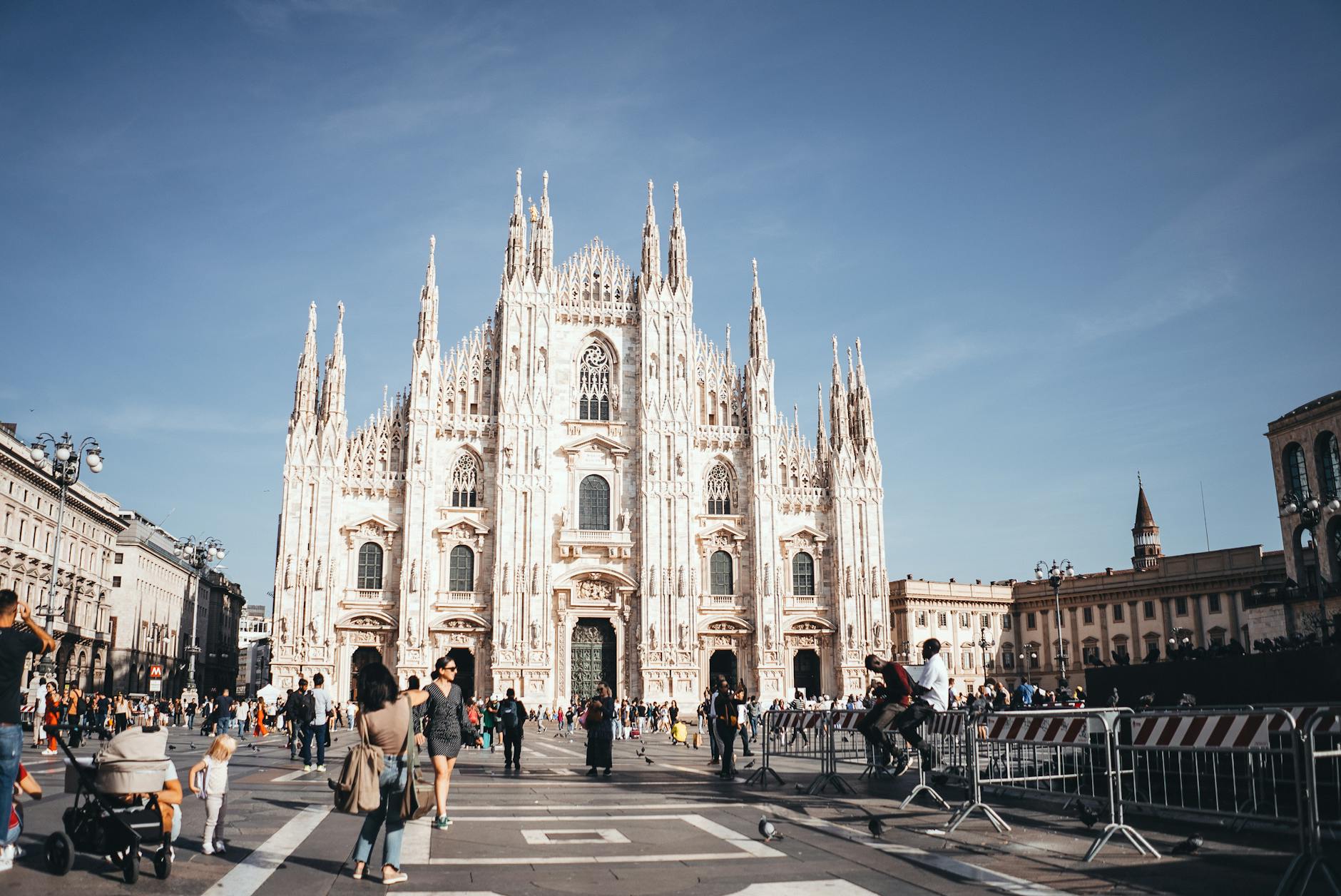
Some Milan sights need more discipline than a first-time visitor expects. The Duomo complex can involve lines, rooftop timing, security, stairs or lift decisions, dress expectations, and weather. Leonardo's Last Supper requires serious advance planning when available. Major museums, exhibitions, and design events can also shape the day.
The traveler should not leave timed or capacity-limited sights until after arrival. Once the fixed points are known, the rest of the route can be built around nearby meals, walks, and backup options. A first visit works better when the hard-to-change pieces are secured first.
- Handle Duomo, rooftop, Last Supper, museum, and exhibition timing before filling the rest of the day.
- Check dress, security, stairs or lift choices, and weather for cathedral plans.
- Build flexible meals and walks around fixed reservations instead of the reverse.
Stay where the first two days become simple
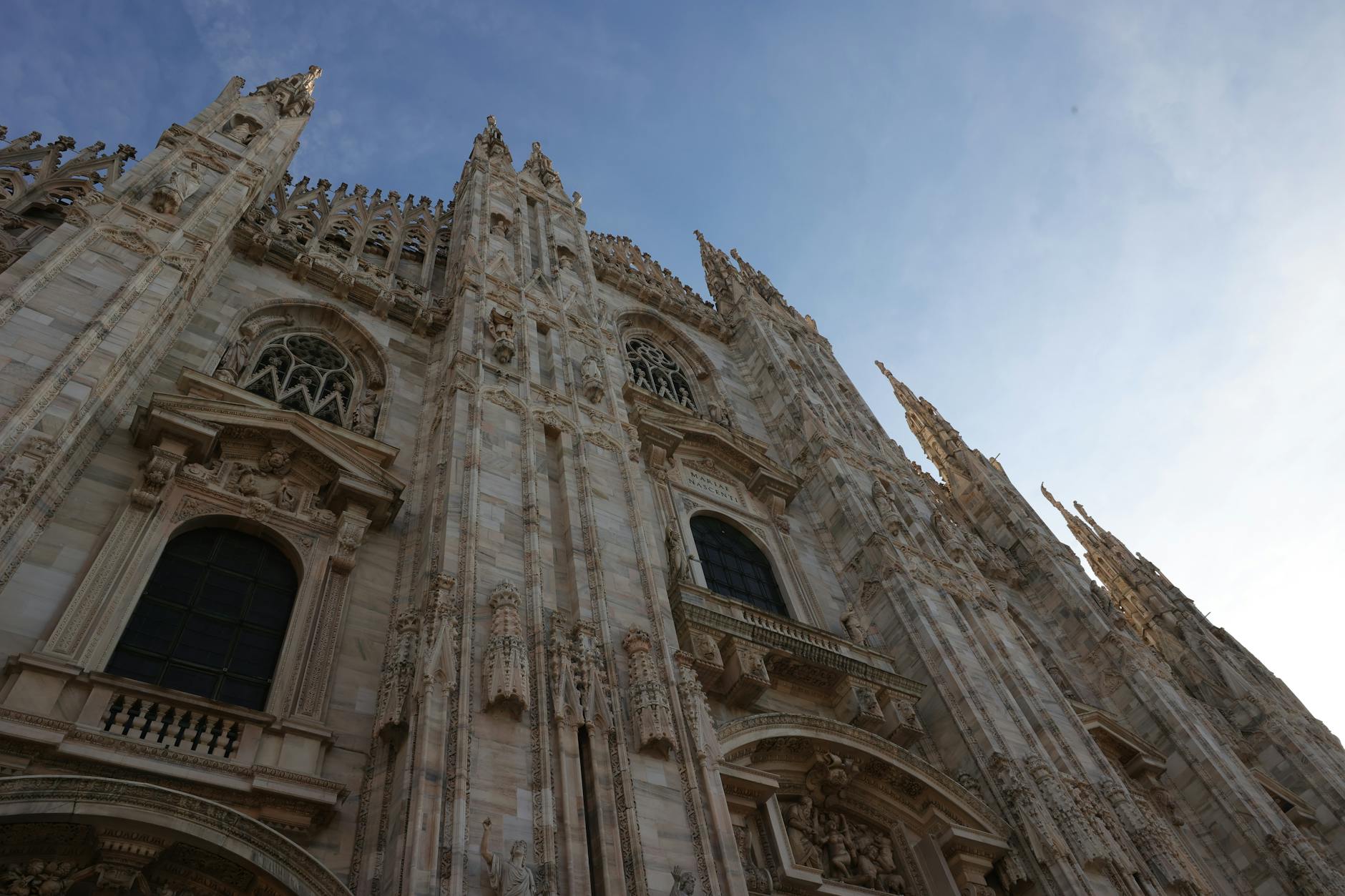
Hotel location shapes a first Milan trip more than many visitors expect. A Duomo or Brera base can simplify classic sightseeing. Porta Nuova and Garibaldi can work well for a more modern, transit-connected trip. Navigli may suit an evening-focused visitor but can add friction for some early sightseeing or airport movements. Centrale can help with rail but is not automatically the most atmospheric first base.
The right base should make the first morning easy and the final departure predictable. If the traveler is arriving late, leaving early, or connecting by train, that may matter more than being next to a famous square. A first visit should not spend its best hours correcting a hotel choice.
- Use Duomo or Brera for classic first-visit sightseeing; use Porta Nuova or Garibaldi for modern and connected movement.
- Choose Navigli or Centrale only when their tradeoffs fit the actual trip.
- Protect the first morning and departure day when selecting the hotel.
Use Milan's transit, but keep walking realistic
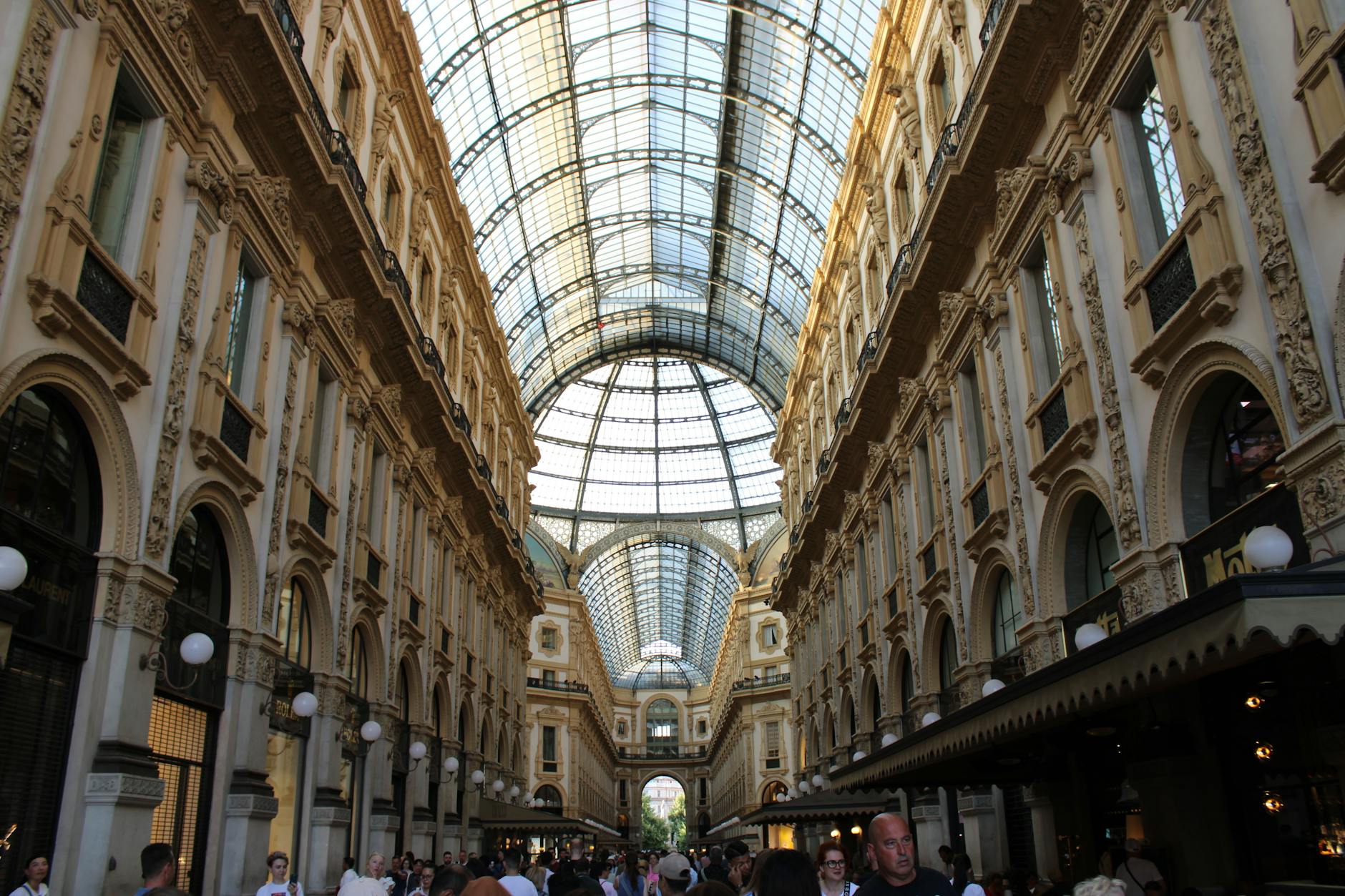
Milan is often easier to move through than first-time visitors assume, but it is not frictionless. The metro can be excellent for direct moves. Trams can be useful and atmospheric. Walking works well in the historic center and some neighborhood clusters, but long chains of walks can become tiring on stone, in heat, in rain, or after shopping and museum time.
Airport choice also matters. Linate, Malpensa, and Bergamo create different arrival and departure days. A visitor should know the airport transfer before booking late dinners, early museum slots, or same-day train connections. Milan rewards travelers who keep transport boring enough that the city can be interesting.
- Use the metro for clean cross-city moves and trams for short, useful city movement.
- Avoid chaining too many long walks around museums, shopping, heat, rain, or luggage.
- Plan Linate, Malpensa, or Bergamo transfers before fixing first-day and departure-day commitments.
Use parks, castle, and neighborhoods to pace the city
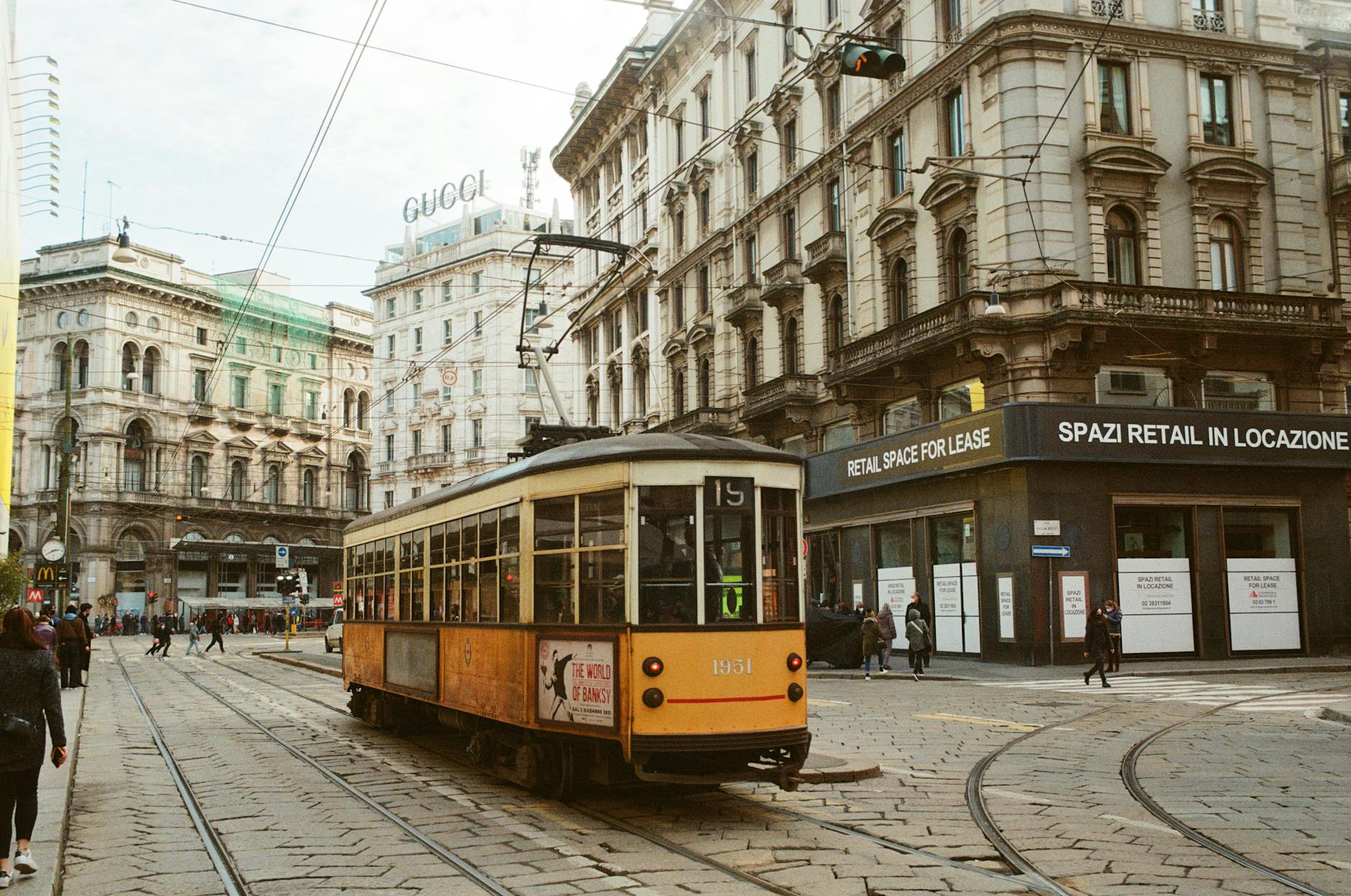
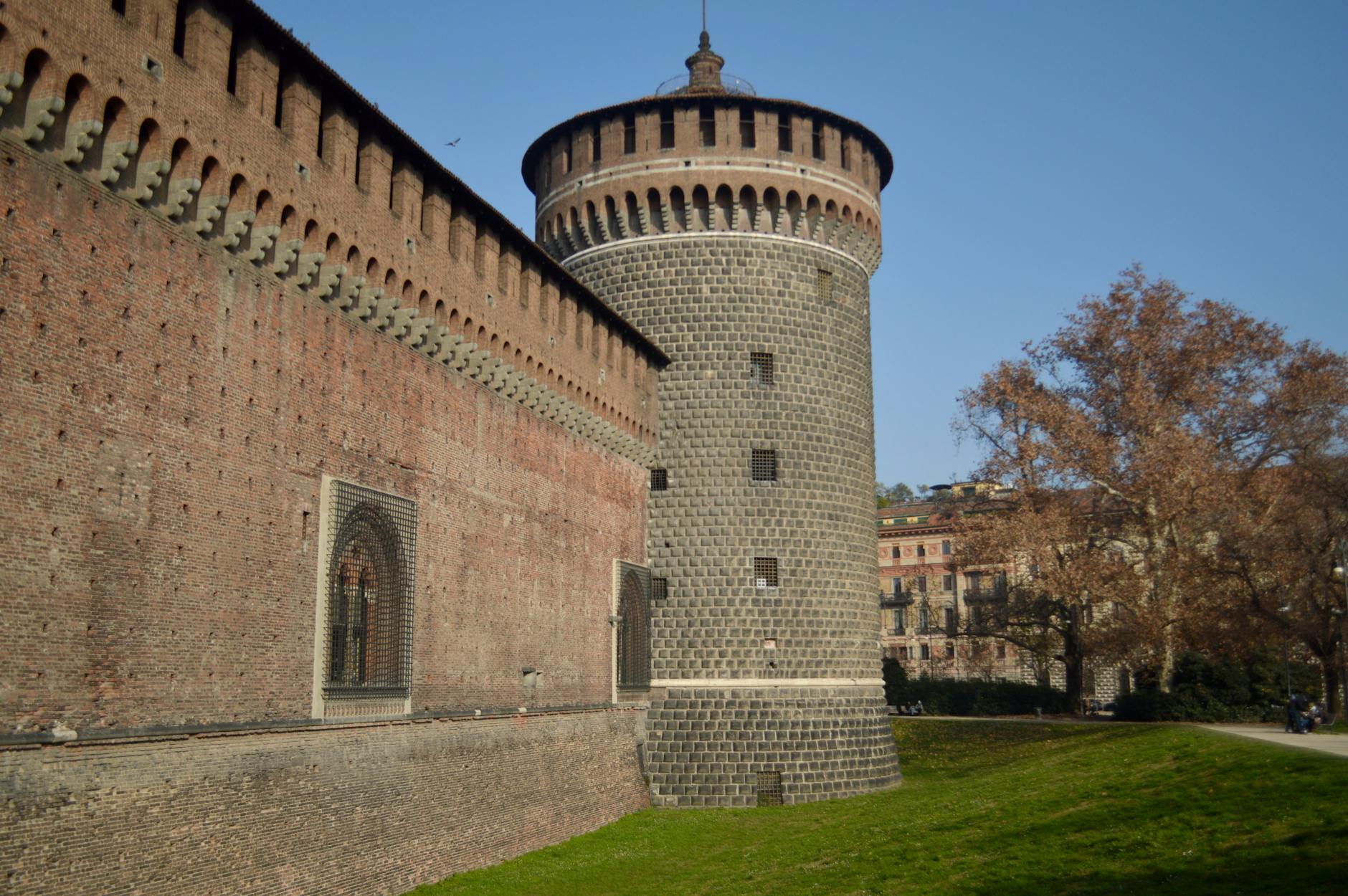
Milan can feel hard-edged if the visitor only moves between cathedral, shopping, and transit. Sforza Castle, Parco Sempione, Brera, quiet courtyards, and neighborhood cafes help the city breathe. These stops are not filler. They are how a first-time visitor keeps the trip from becoming a crowded central corridor.
The traveler should plan places to sit, eat, and reset. This matters for families, older travelers, shoppers, museum-heavy days, and anyone arriving after a long flight. A well-paced Milan day often feels more elegant than a maximized one.
- Use Sforza Castle, parks, Brera, cafes, and courtyards as pacing tools, not leftovers.
- Plan sit-down breaks before museum fatigue or shopping fatigue appears.
- Choose a calmer afternoon route if the morning is dense with cathedral or central sightseeing.
Make evenings district-specific
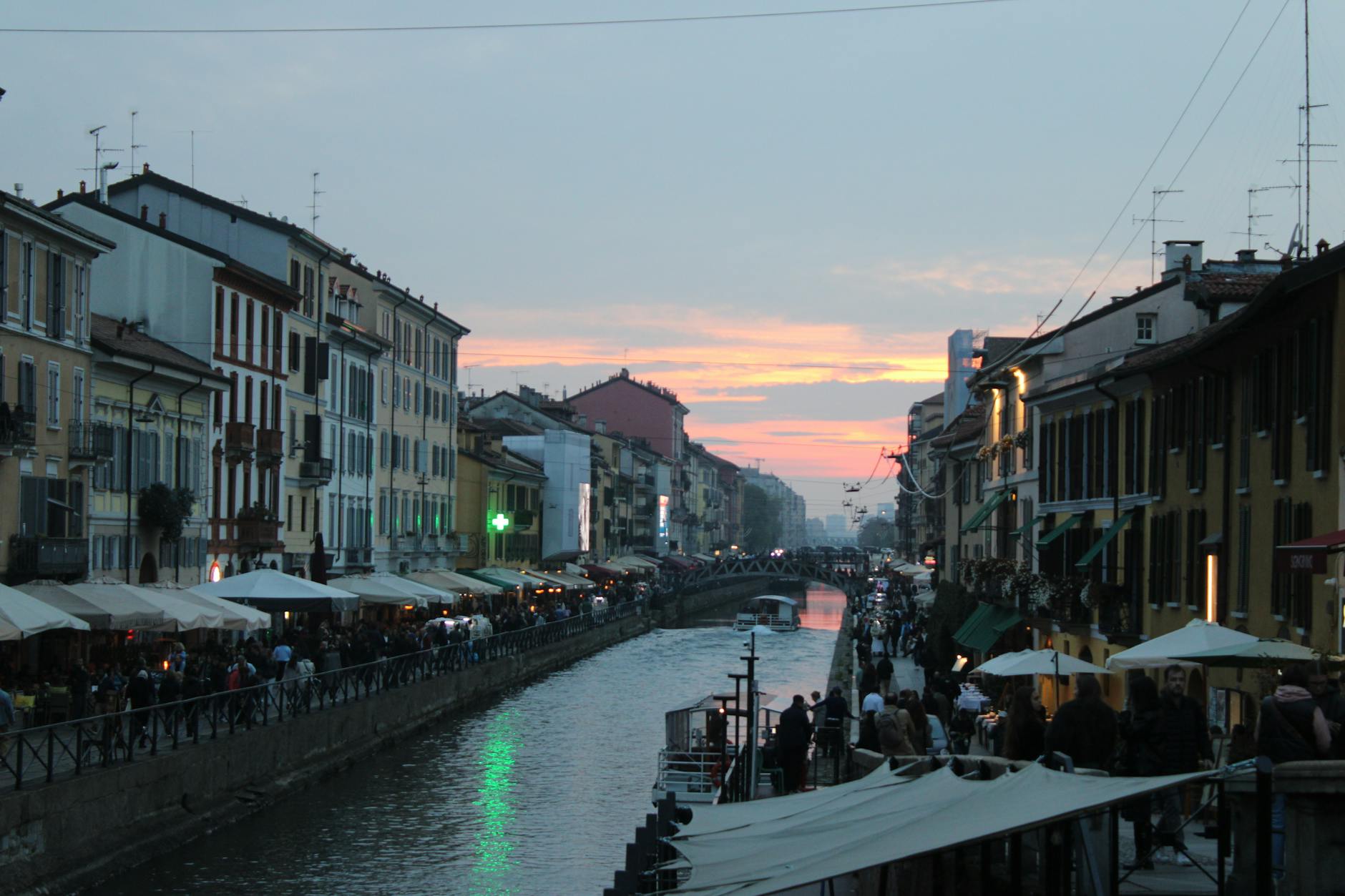
Milan evenings can be excellent when the visitor chooses the right district for the night. Navigli, Brera, Porta Nuova, the Duomo area, hotel bars, restaurant streets, and quieter neighborhood choices do not create the same experience. Aperitivo can be a useful bridge between sightseeing and dinner, but it should not become an excuse to wander without a return plan.
A first-time visitor should decide whether the evening is about canals, polished dining, a short walk from the hotel, or a design-forward Milan mood. The return should be simple, especially after rain, a long travel day, or an early departure plan.
- Choose the evening district deliberately: Navigli, Brera, Porta Nuova, Duomo, or hotel-adjacent.
- Use aperitivo as part of the route, not as an unplanned drift across town.
- Make the return simple before committing to a late dinner or drinks.
When to order a short-term travel report
A first-time visitor with flexible dates and a simple central stay may not need a custom report. A report becomes useful when the traveler has limited time, competing airport or rail options, a family group, older travelers, mobility limits, a high-value dinner, fashion or design events, a wish to include the Last Supper or timed exhibitions, or a need to decide between Milan and another Italian city.
The report should test airport choice, hotel base, timed sights, neighborhood sequence, walking burden, transit alternatives, dinner geography, crowd exposure, weather, medical fallback, shopping or luggage plans, and departure margins. The value is a first Milan visit that feels intentional rather than underwhelming or overpacked.
- Order when time is short, timed sights matter, airports are uncertain, or traveler limitations change the itinerary.
- Provide dates, flights or rail plans, hotel candidates, must-see sights, mobility needs, dining priorities, and budget.
- Use the report to decide what Milan should be on this trip, not just what can be listed.