Milan can work well for families when the trip is built around short routes, good bases, and realistic energy. It is not always the first Italian city families imagine, but it can offer a strong mix of cathedral drama, castle spaces, parks, trams, cafes, shopping, museums, canals, rail links, and day-trip options. The challenge is that Milan is still a working city. Families who treat it as a simple sightseeing playground can end up fighting crowds, hard surfaces, station movement, restaurant timing, and tired children. A good family visit should decide what the city is for: a first Italy stop, a fashion-and-food city with children in tow, a rail base, a short cultural stay, or a gentle urban break. The plan should protect arrival, sleep, meals, bathrooms, stroller choices, and recovery time before adding more sights.
Choose a base that makes breaks easy
Families should choose a Milan base by how easily they can stop. A hotel near the Duomo, Brera, Sforza Castle, Porta Nuova, Garibaldi, or a reliable metro line can work, but the details matter: elevator, room size, breakfast, laundry, nearby food, quiet at night, taxi access, and whether the family can return for a midday break without losing the day.
A family trip becomes harder when every outing is one long circuit. Milan is easier when the hotel can act as a reset point. That matters for small children, older relatives, teenagers who need downtime, and parents trying to keep dinner from becoming the first real pause.
- Check elevators, room size, breakfast, nearby food, quiet, laundry, and taxi access before booking.
- Choose a base that allows midday rest or quick returns.
- Avoid hotel choices that turn every family outing into a long circuit.
Make arrival and luggage simple
Family arrivals need more margin than solo or couple travel. Linate may be easier for some city stays, Malpensa may be necessary for long-haul routes, and Bergamo can add transfer burden. Milano Centrale can be useful for rail families but can also feel large and busy with bags, children, and tired adults. The first transfer should be chosen before arrival.
Families should know whether they need a car seat, larger vehicle, luggage storage, early check-in, elevator access, or a meal immediately after arrival. A little more money spent on a clean first hour can protect the whole first day.
- Pick Linate, Malpensa, Bergamo, or Centrale transfer plans around luggage and child stamina.
- Confirm car seats, vehicle size, early check-in, luggage storage, and elevator access.
- Keep the first meal and first hotel arrival simple.
Use the Duomo area with crowd discipline
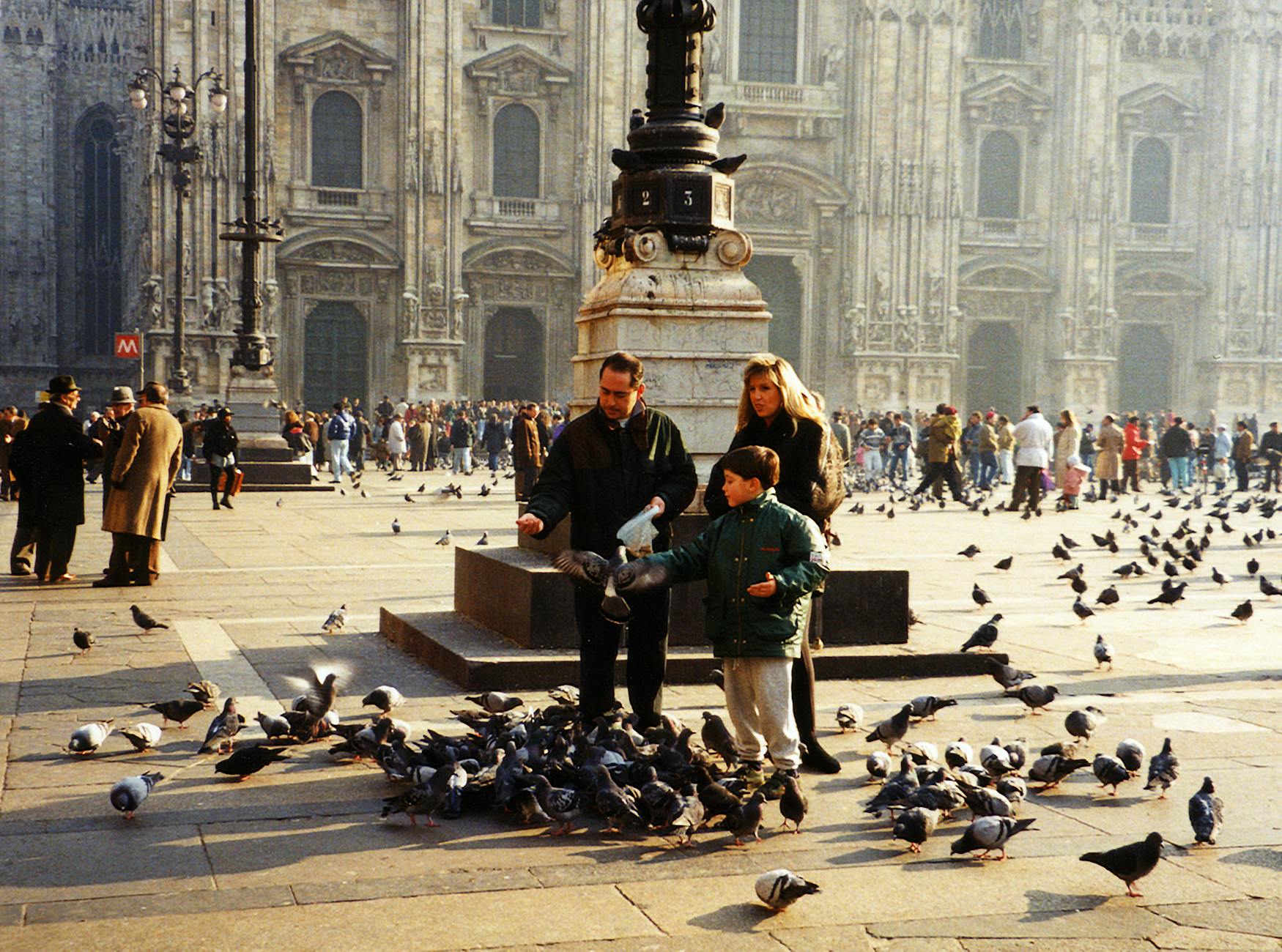
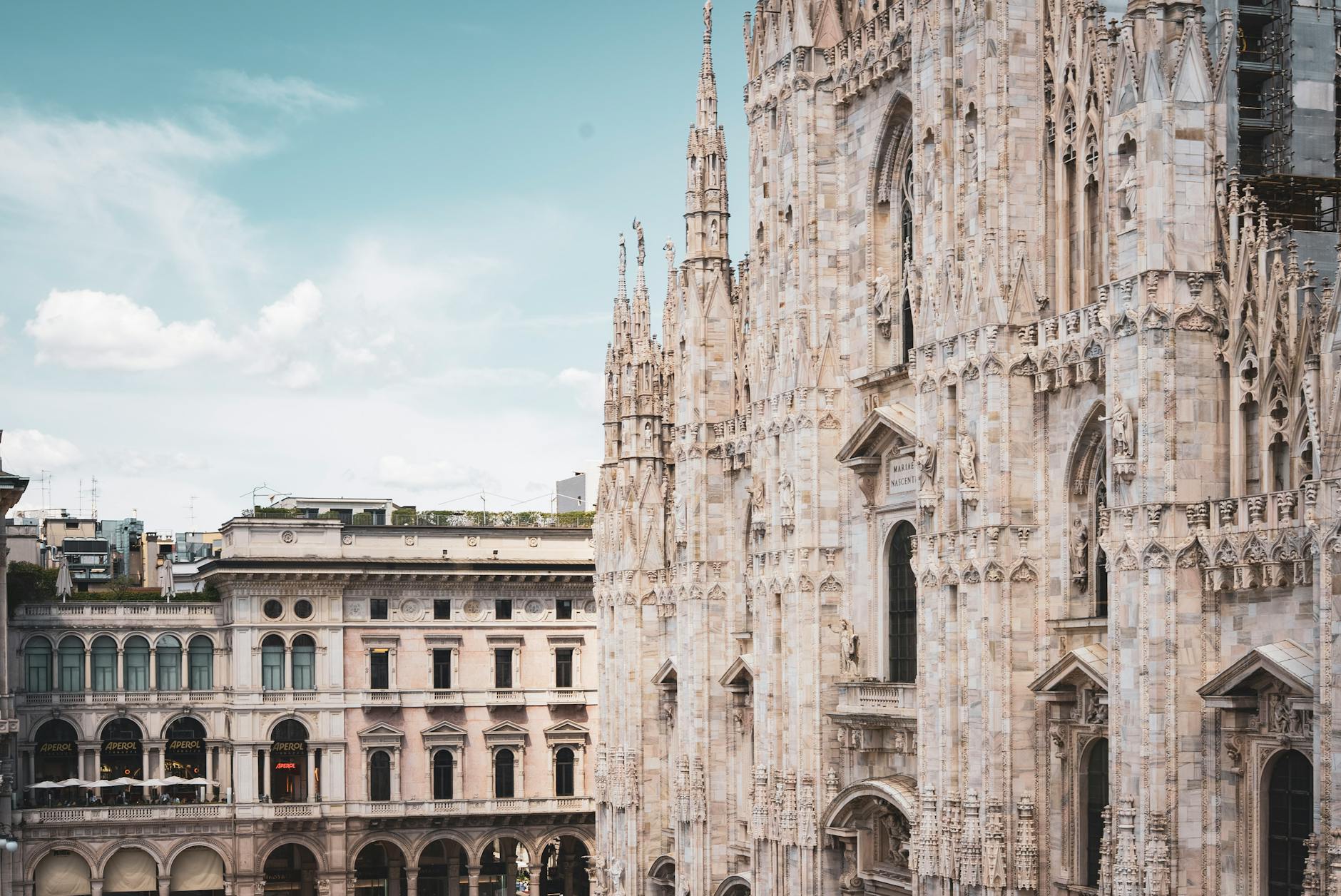
The Duomo can be memorable for children and adults, but families should plan it carefully. Lines, security, stairs or lift choices, rooftop timing, dress expectations, sun, rain, and dense crowds can all affect the visit. The family should decide whether the cathedral interior, roof, square, or simply the outside view is the right version for this trip.
It is also important to plan the exit. A nearby snack, bathroom, shaded pause, or hotel return can be the difference between a good central visit and a meltdown in the busiest part of the city. Families should use the Duomo as an anchor, not as the start of an endless forced march.
- Choose the right Duomo experience: exterior, interior, rooftop, or a shorter square visit.
- Plan security, lines, stairs or lift, dress, bathrooms, snacks, and weather.
- Leave the central area before crowd fatigue becomes the day's main memory.
Use castle, parks, and canals to pace the trip
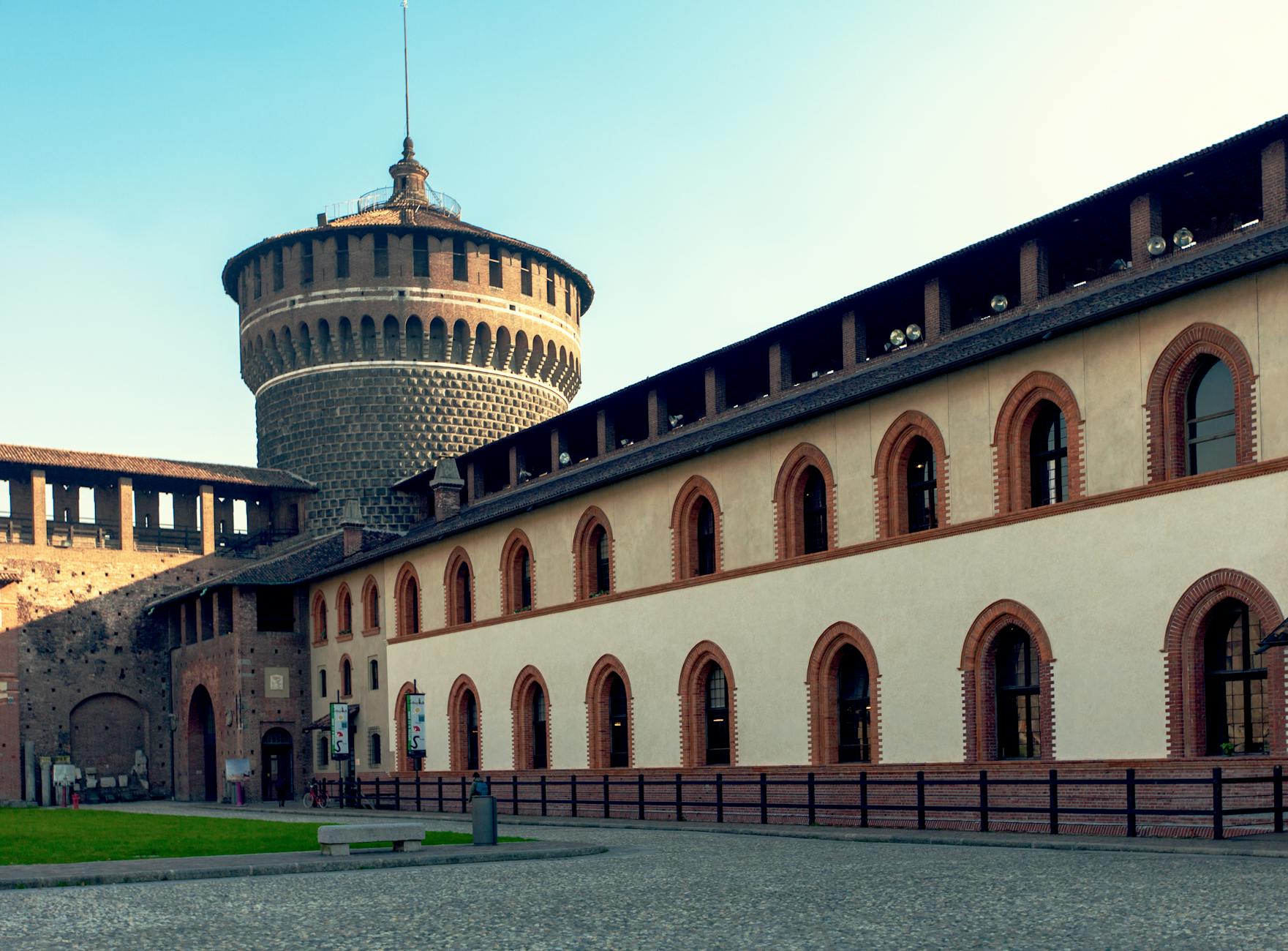
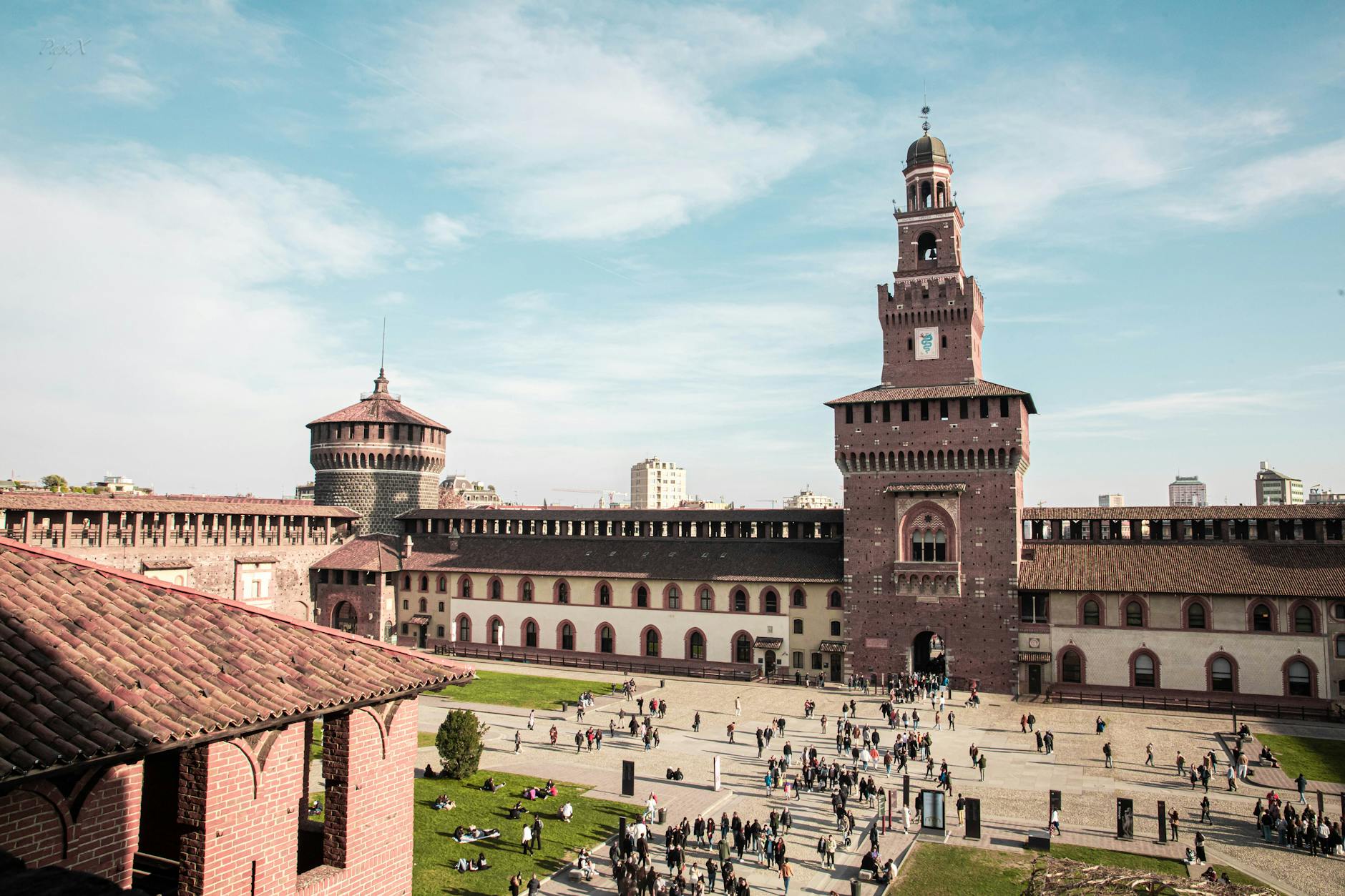
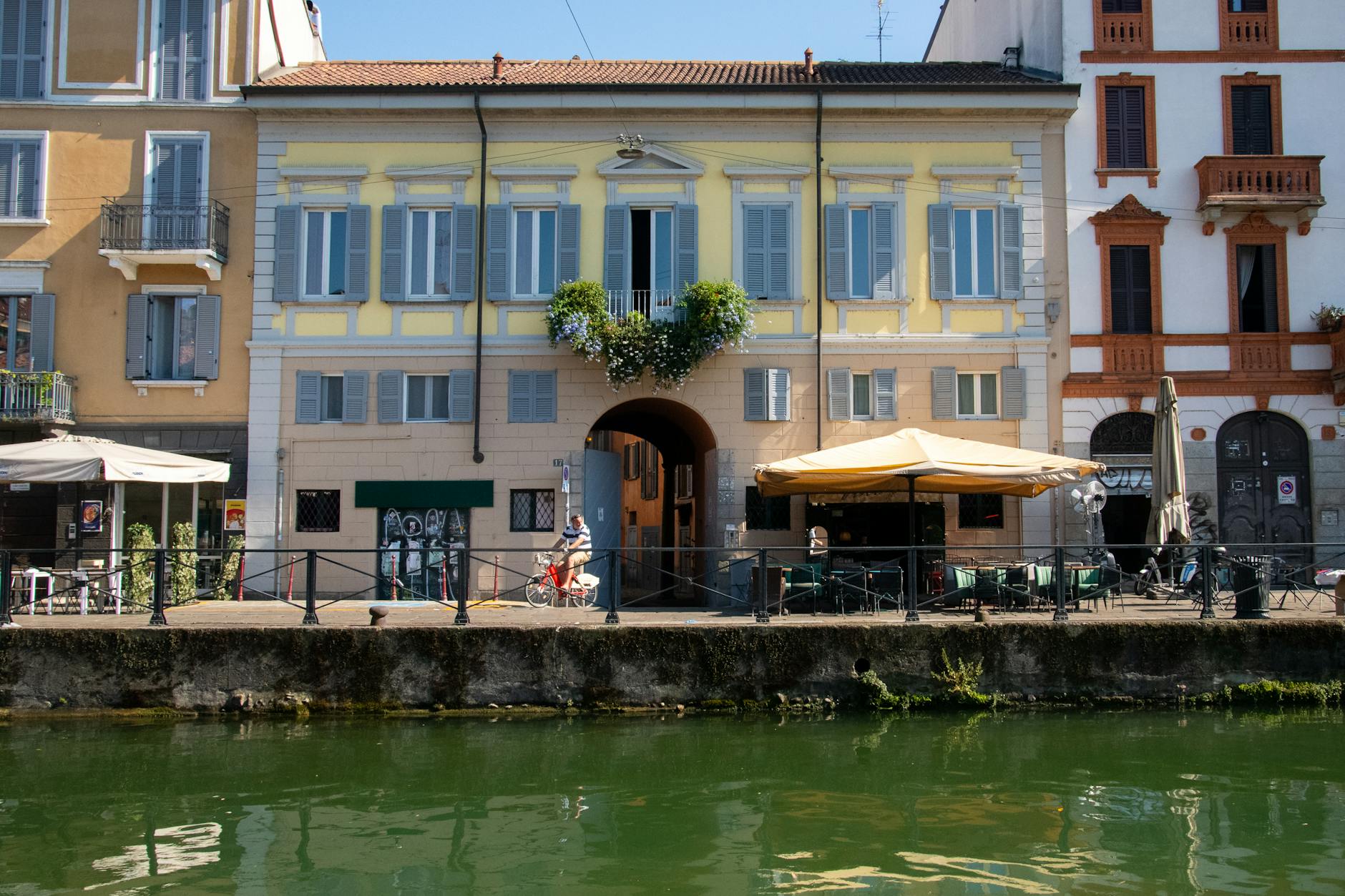
Families need places where children can reset without leaving the city. Sforza Castle, Parco Sempione, quieter courtyards, canal-side walks, and carefully chosen cafes can soften Milan's hard urban surfaces. These are not filler stops. They are what make cathedral, museum, shopping, and rail days sustainable.
The family should alternate contained sights with open-air pauses. A morning at a famous site followed by castle or park time may work better than stacking multiple indoor stops. Milan becomes more family-friendly when the route includes space to move, sit, eat, and stop.
- Use Sforza Castle, parks, courtyards, and canals as pacing tools.
- Alternate structured sights with open-air breaks.
- Keep snacks, water, bathrooms, and seating close to the route.
Handle meals, snacks, and shopping without overloading everyone
Milan food can work very well for families, but timing matters. Breakfast, snacks, gelato, simple lunches, aperitivo, and early dinners can keep the day stable. A family should not wait until everyone is tired before looking for food near a crowded sight. Restaurant choice should account for stroller space, noise, bathroom access, child tolerance, and the distance back to the hotel.
Shopping also needs limits. Milan can be tempting for adults and boring for children if the route is too long. A family that wants fashion or design time should pair it with nearby food or a park reset, not expect children to absorb a full adult shopping day.
- Plan breakfast, snacks, gelato, simple lunches, and early dinners around the route.
- Check stroller space, bathrooms, noise, and distance back to the hotel when choosing restaurants.
- Pair adult shopping time with nearby food, park, or hotel breaks.

Match transit to stroller, age, and weather
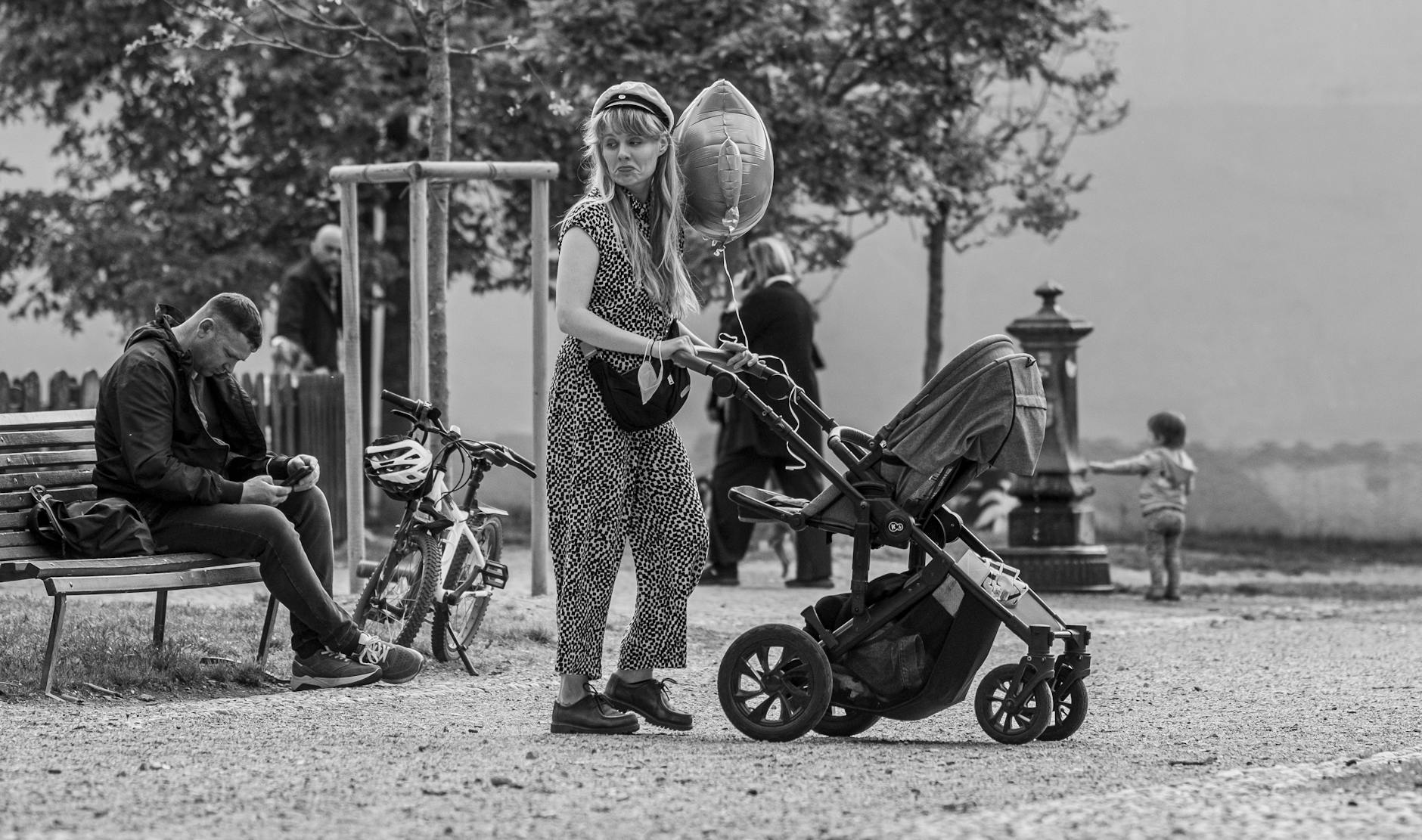
Milan's metro, trams, taxis, and walking routes can all work for families, but the best option changes by age and gear. A stroller can help in parks and long walks but can become awkward around stairs, crowded transit, small restaurants, or station transfers. Trams can be fun but may not always be the easiest practical choice. Taxis or cars can be worth it in rain, after dark, or with tired children.
Families should not measure routes only by distance. Standing time, crossings, crowds, stone surfaces, heat, rain, and bathroom gaps all count. The cleanest family route is often the one with the fewest transitions.
- Choose stroller, metro, tram, taxi, or walking based on age, gear, weather, and fatigue.
- Count stairs, crowds, standing time, crossings, and bathroom gaps as part of the route.
- Use taxis or cars when rain, late returns, or tired children make transit fragile.
When to order a short-term travel report
A family with older children, a central hotel, and a relaxed schedule may not need a custom report. A report becomes useful when the trip includes toddlers, strollers, grandparents, medical needs, tight rail or flight timing, several hotel options, fashion or museum priorities, food constraints, rainy-season concerns, or a need to decide whether Milan should be a base or a short stop.
The report should test hotel access, arrival transfer, stroller practicality, walking load, Duomo timing, park and castle pacing, meal geography, bathrooms, weather exposure, medical fallback, evening returns, and what to cut if the day is too much. The value is a Milan family trip that feels grown-up without asking children to behave like adults all day.
- Order when children, strollers, grandparents, health needs, hotel uncertainty, or tight transfers make planning consequential.
- Provide ages, hotel candidates, flights or rail plans, stroller needs, food constraints, must-see sights, and preferred pace.
- Use the report to make Milan workable for the whole family, not only the adult itinerary.