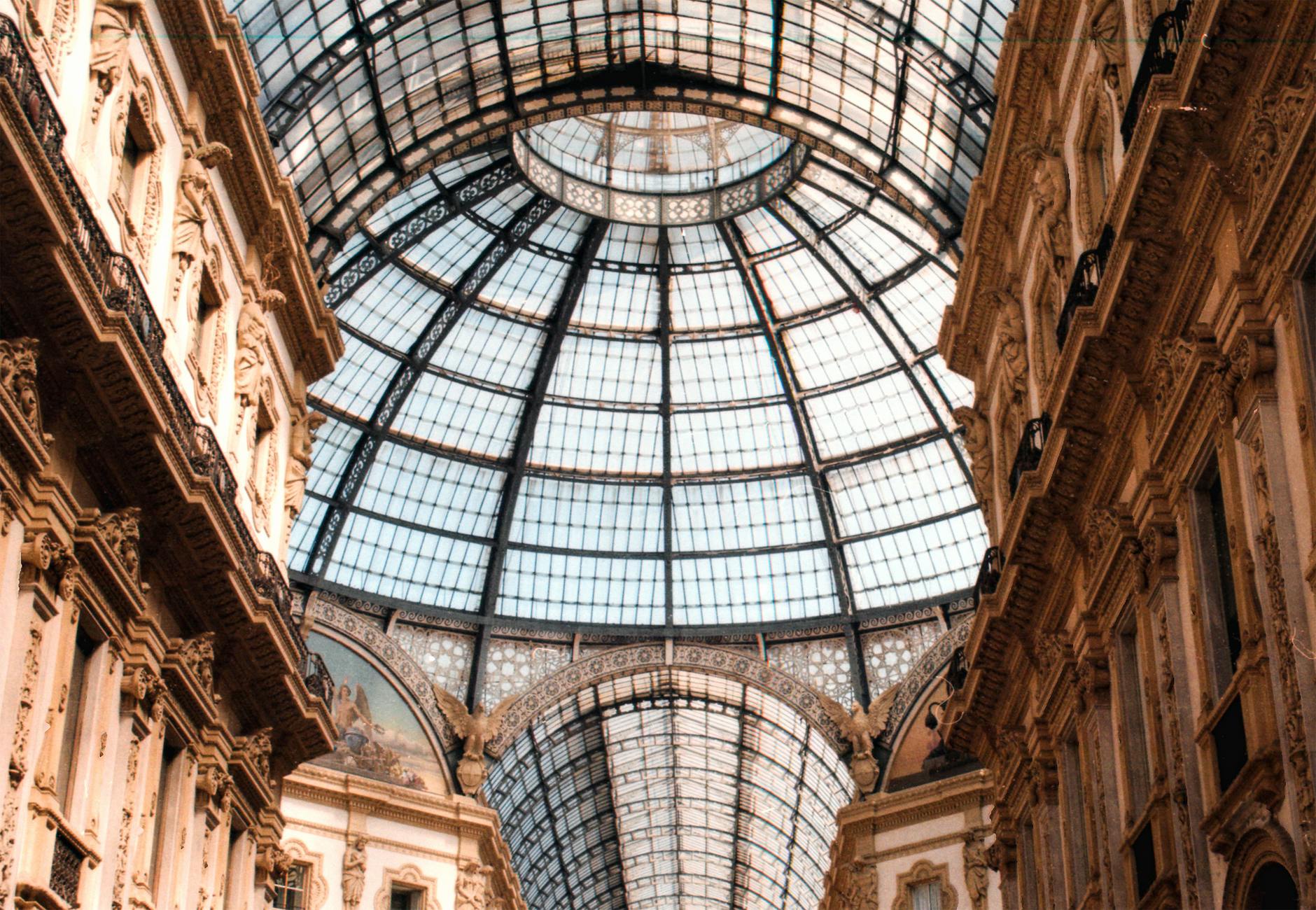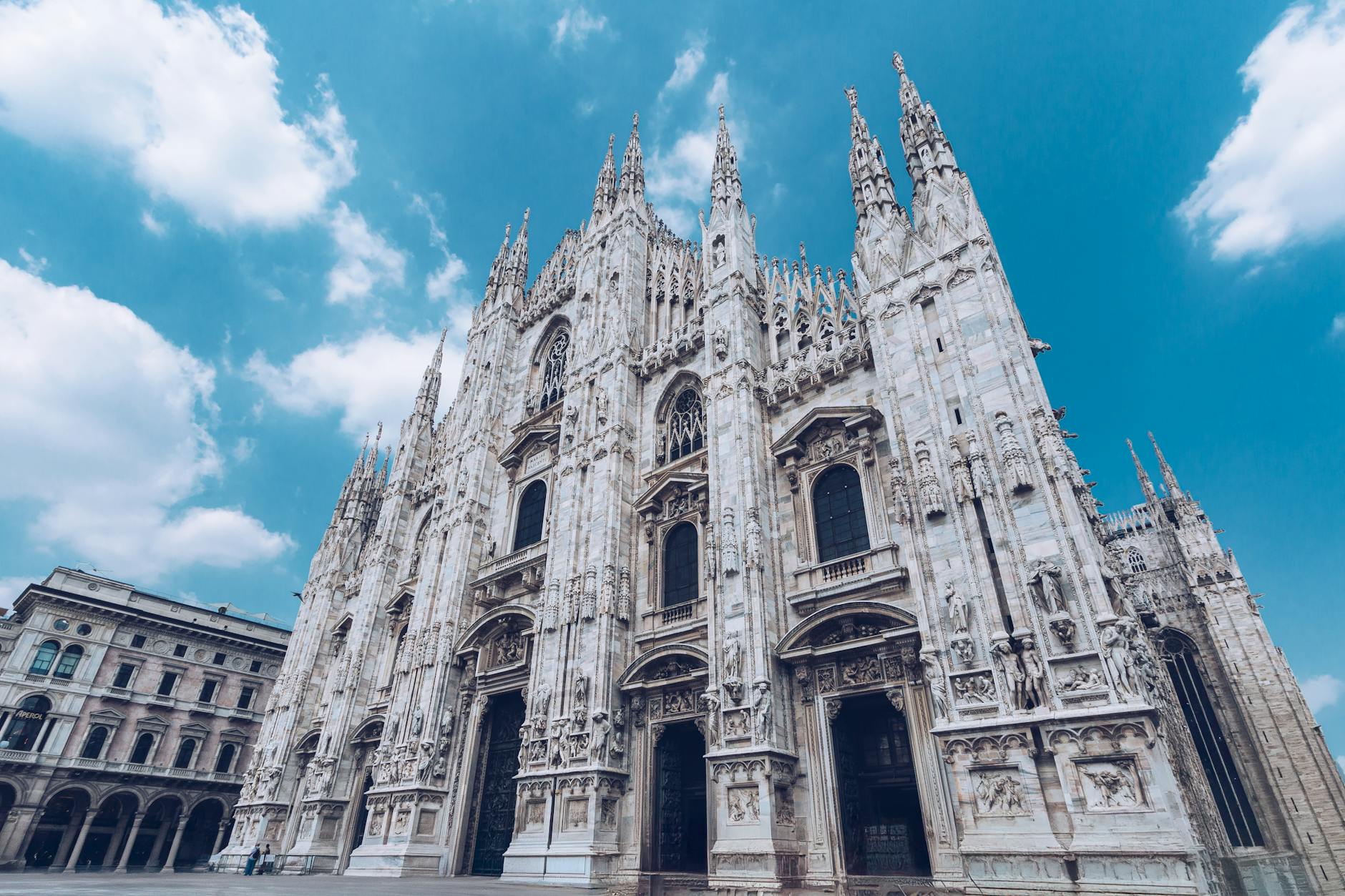
Milan can make sense for a cruise traveler, but it should be understood correctly: Milan is not a port city. A cruise or port-call traveler usually reaches it as a pre-cruise stay, post-cruise stay, independent shore extension, rail-linked excursion from a Ligurian or Adriatic port, or a connection between ship and airport. That makes the trip less forgiving than a normal Milan city break. The question is not whether Milan is worth seeing. It often is. The question is whether the traveler has enough usable time after ship clearance, port transfer, rail movement, luggage handling, station navigation, sightseeing, meals, and the return obligation. A cruise traveler should build Milan around hard deadlines, not around a wish list.
Start by admitting Milan is an inland add-on
A cruise traveler should treat Milan as an inland add-on, not as a simple port walk. The traveler may be coming from Genoa, Savona, La Spezia, Venice, Trieste, Civitavecchia with an onward rail plan, or a post-cruise flight connection. Each version creates a different risk profile. The ship may be punctual, but port clearance, baggage release, transfer queues, rail timing, road traffic, and station navigation still consume the day.
This is why Milan should be planned from the port clock backward. If the traveler must rejoin the ship, catch a train, or reach an airport, the return obligation sets the real size of the Milan visit. The city should be treated as a tightly timed operation with a cultural reward, not as a casual excursion.
- Treat Milan as an inland transfer or extension, not a dockside destination.
- Plan from ship, train, or flight deadlines backward.
- Account for clearance, luggage, port transfer, rail timing, traffic, and station navigation before adding sights.
Decide whether Milan is a day visit or an overnight
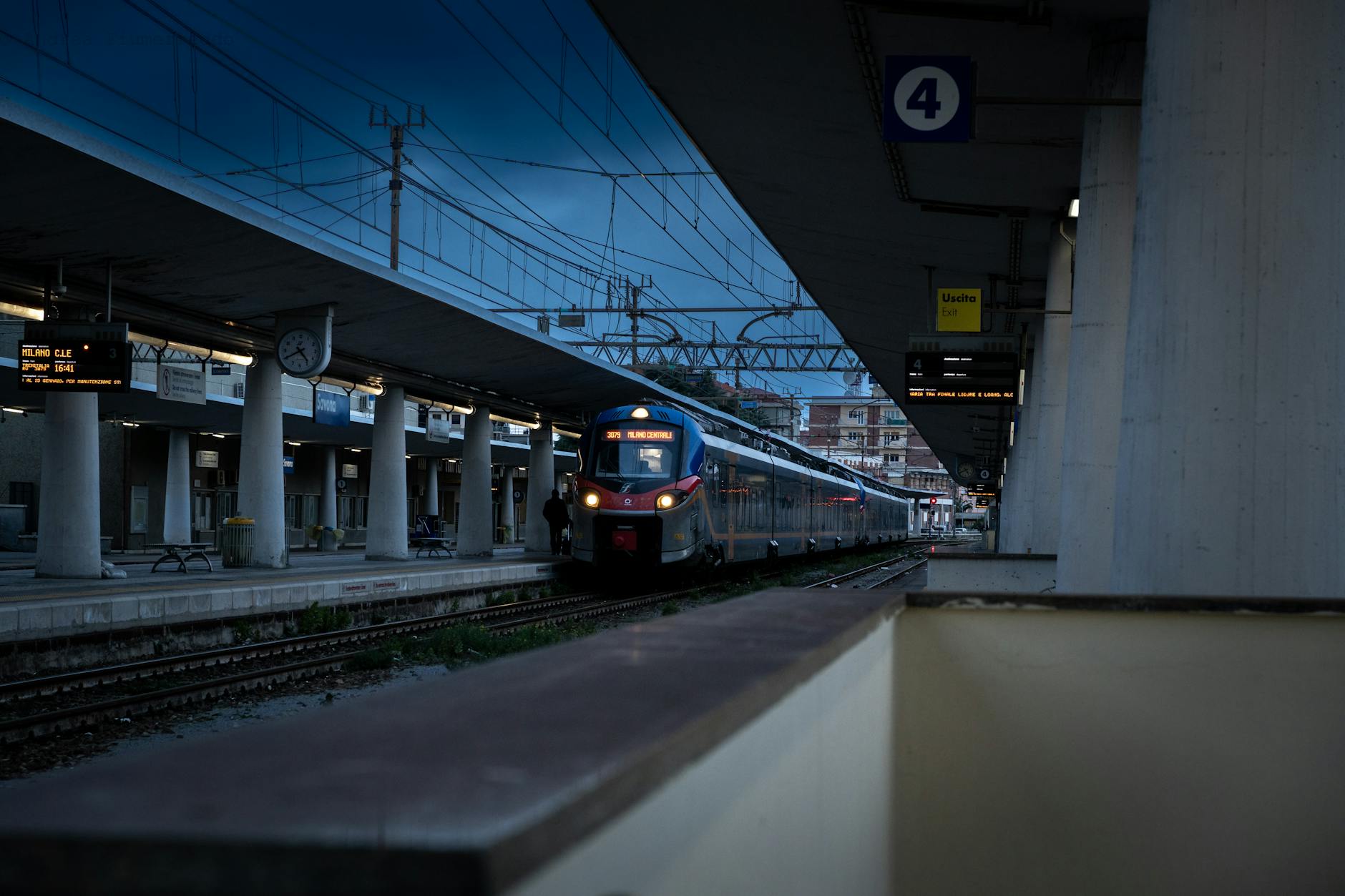
A port-call traveler with a same-day return has a very different Milan than a traveler staying one night before or after a cruise. A same-day visit should usually focus on a compact central route: Duomo exterior or timed interior, Galleria, a controlled meal, perhaps one shopping or museum decision, and a clear return to the station. A traveler staying overnight can use Milan more calmly and may include Brera, Navigli, Sforza Castle, La Scala context, or a better dinner.
The mistake is planning an overnight itinerary inside a same-day port window. Milan is rich enough to tempt that, but the ship or onward train will not care how much is still on the list.
- Use a compact Duomo-Galleria-central route for same-day port calls.
- Reserve broader neighborhoods and dinners for pre- or post-cruise overnights.
- Do not let Milan's appeal erase the return deadline.
Make luggage and dress practical
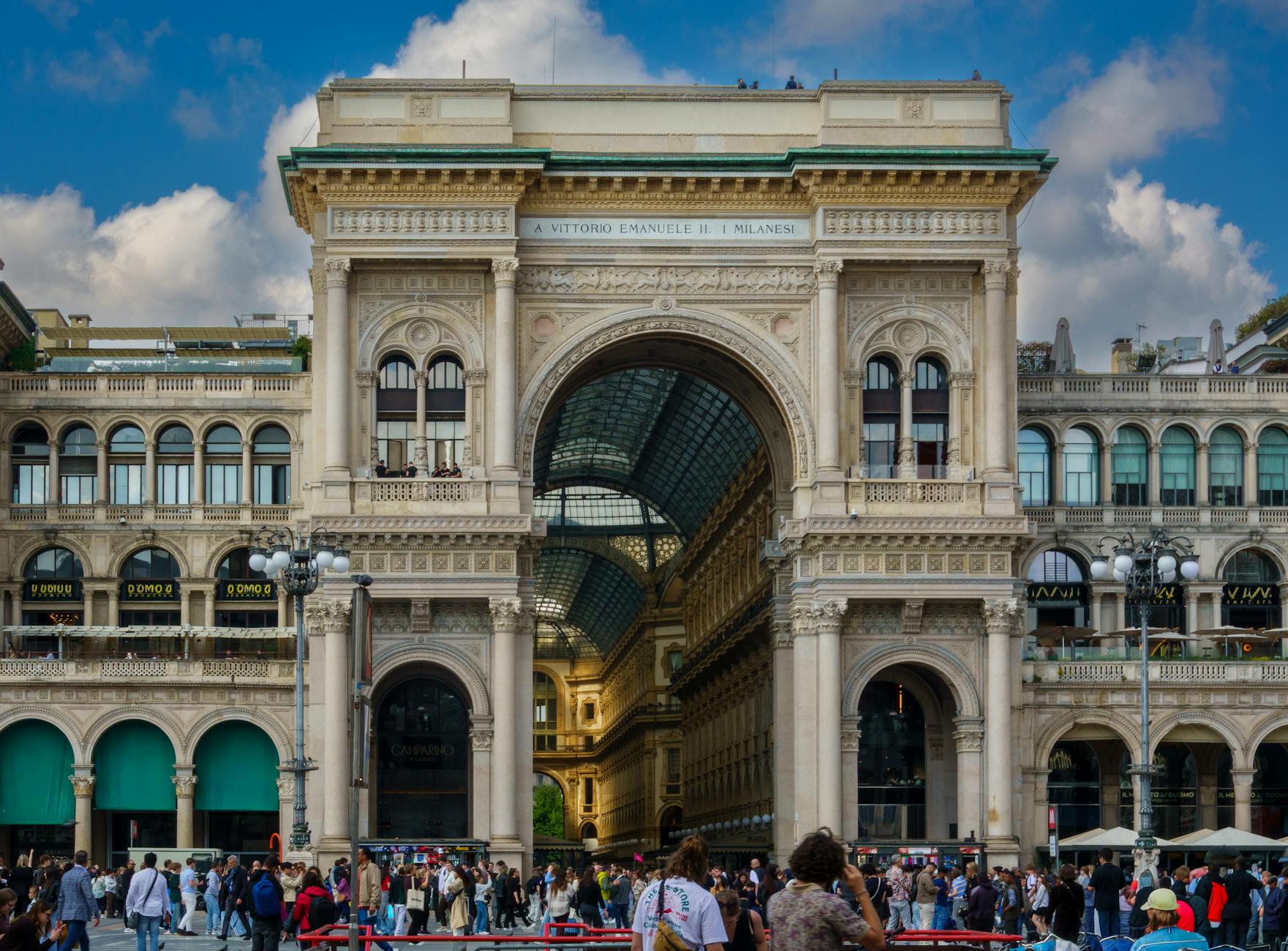
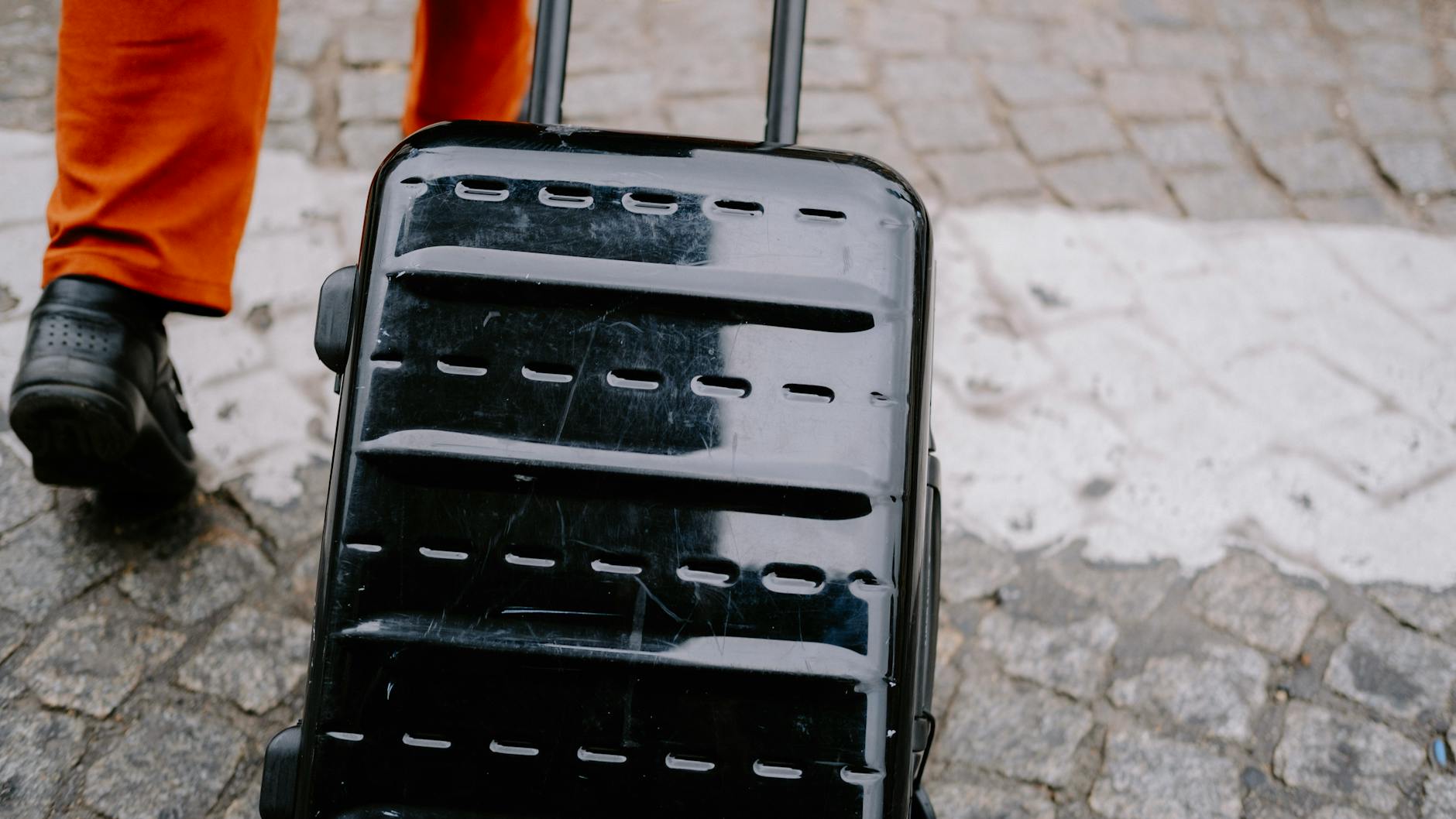
Cruise travelers often arrive with more baggage, formal clothing, medication, souvenirs, or valuables than a normal day visitor. That changes the Milan plan. Luggage storage, hotel early check-in, station lockers, porter help, or a private transfer may matter more than another attraction. Dragging bags through Centrale, the Duomo area, the Galleria, or crowded streets can damage the day quickly.
Dress also needs thought. The traveler may be dressed for ship life, a long transfer, a sacred site, a luxury lunch, or a flight. Milan rewards polished clothing, but comfort, footwear, weather, and baggage control are more important than looking right in every photograph.
- Solve luggage storage or hotel access before planning central sightseeing.
- Keep passports, medication, valuables, and cruise documents under direct control.
- Choose footwear and clothing for transfers, churches, weather, and station movement, not only photos.
Use the central circuit with discipline
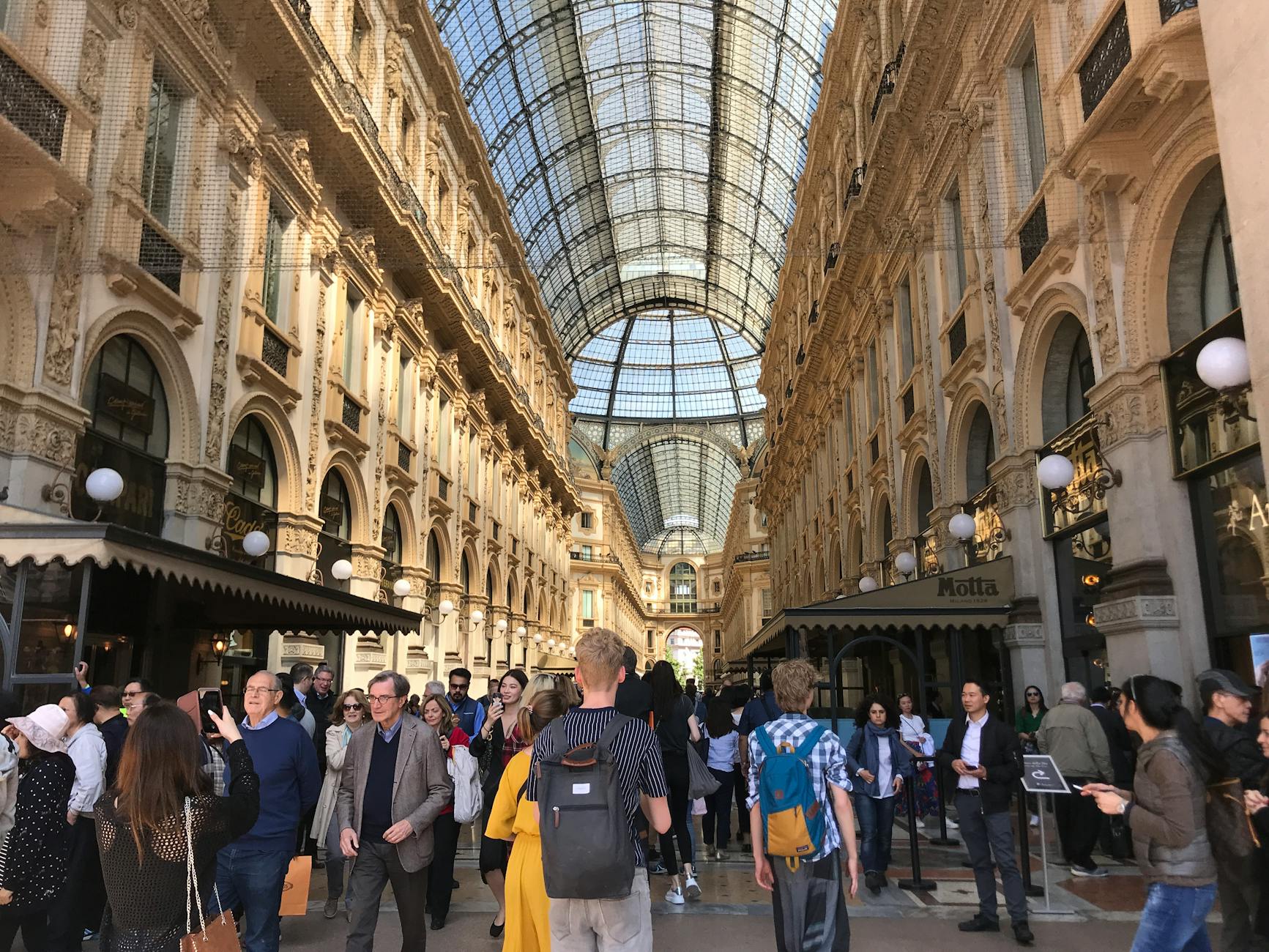
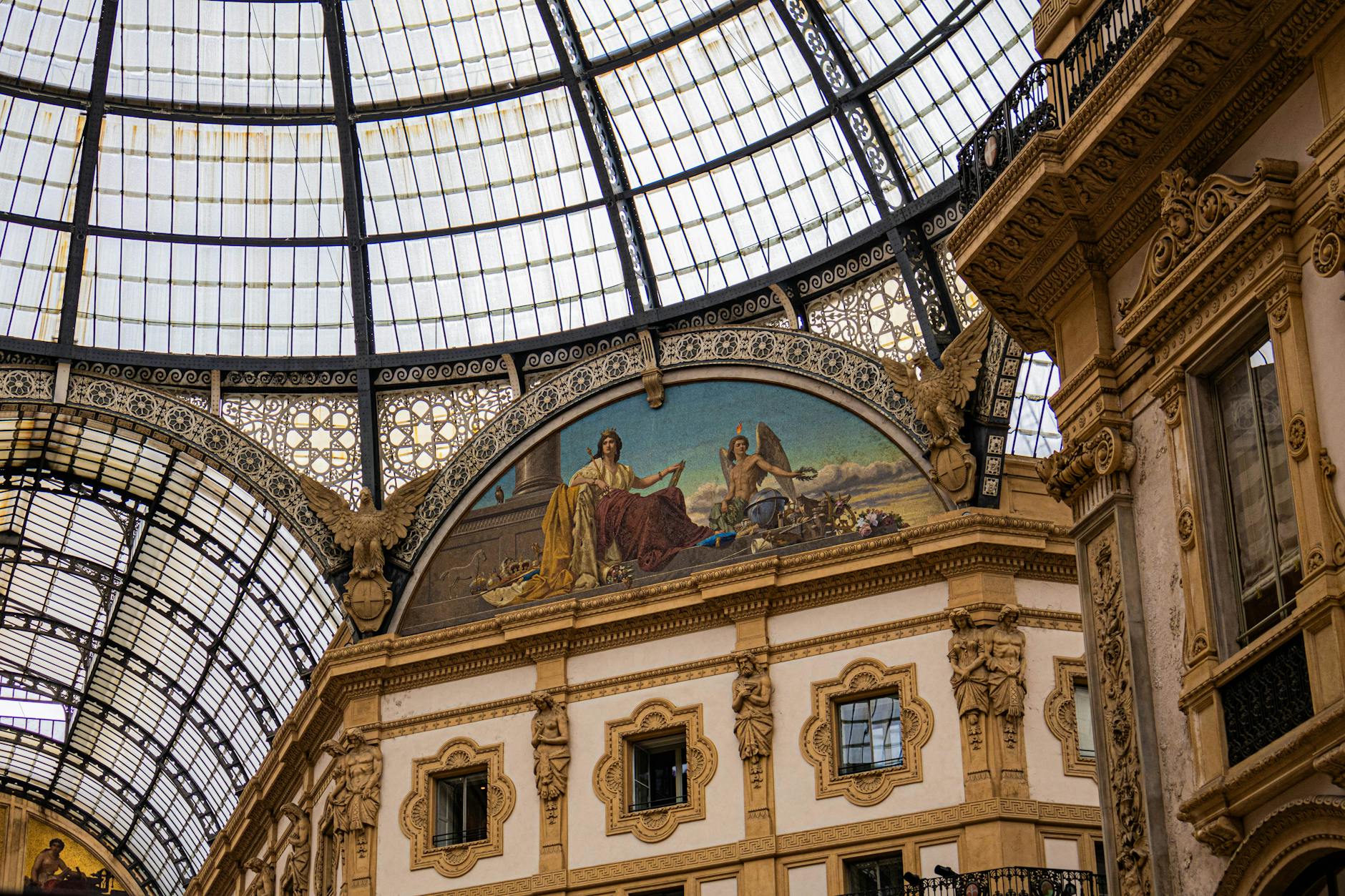
For most cruise-linked Milan visits, the central circuit is the safest high-value choice. The Duomo, Galleria, La Scala exterior, nearby cafes, selective shopping, and one meal can create a satisfying Milan impression without requiring the traveler to scatter across the city. If a timed entry is important, it must fit the arrival and return windows cleanly.
The traveler should avoid adding distant stops just because they sound famous. A rushed Last Supper attempt, a far-flung shopping outlet, or a second neighborhood can turn a strong day into a missed train risk. In a port-call context, restraint is usually the better itinerary design.
- Keep same-day Milan focused on the Duomo, Galleria, La Scala context, a meal, and one selective extra.
- Use timed entries only when arrival and return margins are realistic.
- Avoid distant sights that make the port or train deadline fragile.
Be honest about shopping and meals
Milan shopping is tempting for cruise travelers because the city feels like a high-quality final stop. The problem is time and carrying capacity. Fashion districts, department stores, the Galleria, tax-free paperwork, alterations, packaging, and purchases can consume more time than expected. Shopping should be either a main purpose or a controlled side stop.
Meals need the same discipline. A long lunch can be excellent before an overnight, but it can be a poor choice during a narrow port-call window. A controlled cafe, reservation, or station-adjacent fallback may be smarter when the return clock is tight.
- Treat serious shopping as a planned activity with time, paperwork, and carrying limits.
- Use short, reliable meals when the return window is tight.
- Do not let purchases create luggage or customs friction before rejoining the ship or flying home.
Protect the return margin
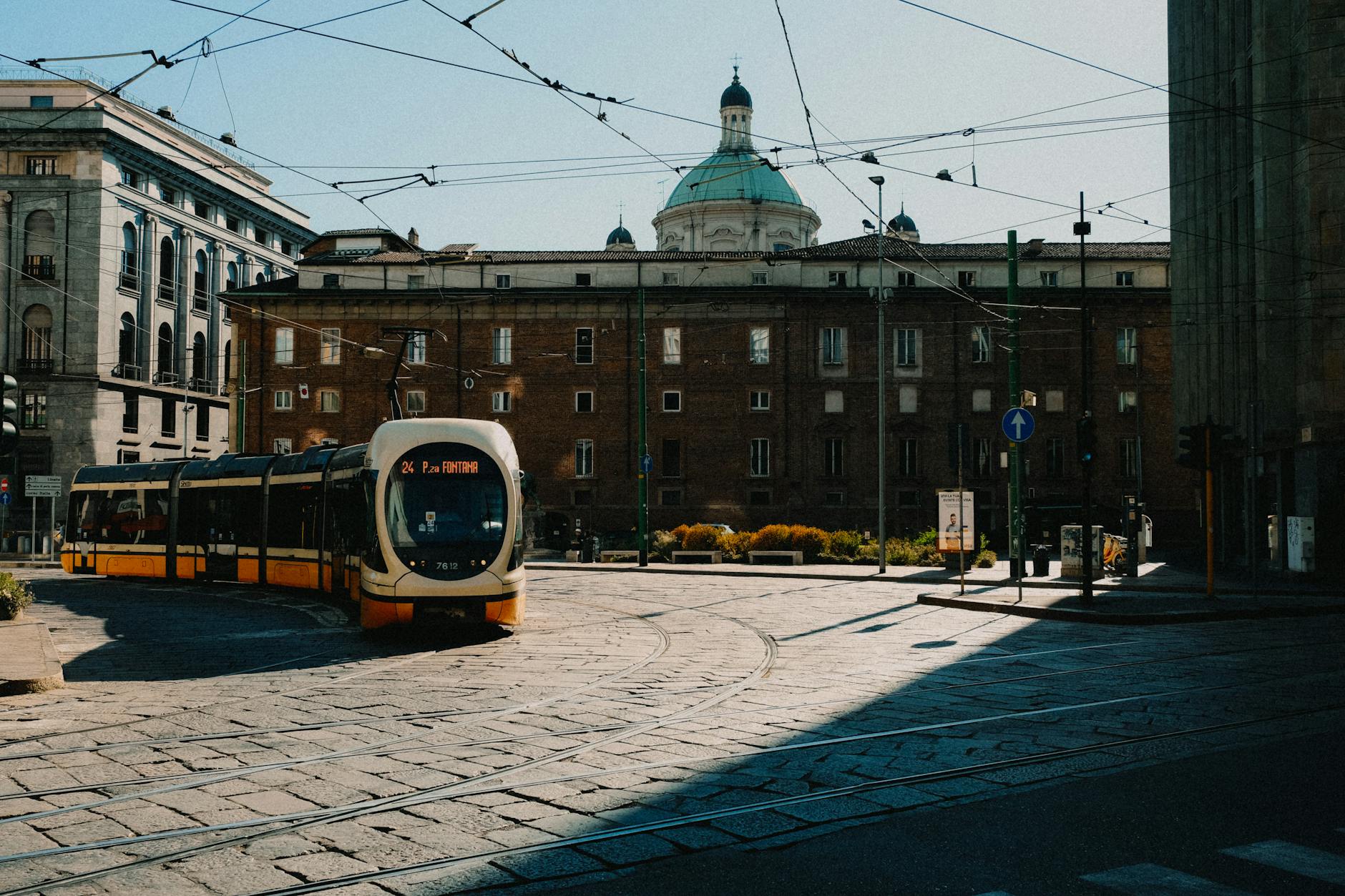
The return margin is the heart of the cruise-linked Milan plan. The traveler should know the exact station, platform risk, port transfer, traffic pattern, taxi pickup point, rail alternatives, and final time at which the Milan visit must stop. A port-call traveler should not depend on the last plausible train or the tightest road connection back to the ship.
Weather, protests, strikes, event crowds, luggage, and phone battery can all weaken a return. The plan should include an earlier fallback and a decision point: if the day slips by a certain time, the traveler cuts the optional stop and returns.
- Know the exact station, train, pickup point, port transfer, and latest safe departure time.
- Keep an earlier fallback for the return, not only the last possible option.
- Set a cut-off time for abandoning optional sightseeing or shopping.
When to order a short-term travel report
A cruise traveler staying two relaxed nights in Milan may not need a custom report. A report becomes useful when Milan is being attempted from a port, when the traveler must coordinate ship clearance, rail links, luggage, airport timing, timed Duomo or museum access, shopping, older travelers, mobility limits, medical needs, or a same-day return to the ship.
The report should test port-to-Milan feasibility, transfer choices, luggage handling, central route design, meal and shopping timing, station return, current disruption signals, weather, and what to cut if the day runs late. The value is avoiding a beautiful Milan plan that fails because the clock was never honest.
- Order when port timing, rail links, luggage, timed sights, shopping, mobility, or ship-return deadlines make the day fragile.
- Provide ship port, clearance window, train or transfer options, luggage plan, must-see sights, and return deadline.
- Use the report to decide whether Milan is a smart add-on or should be moved to an overnight.