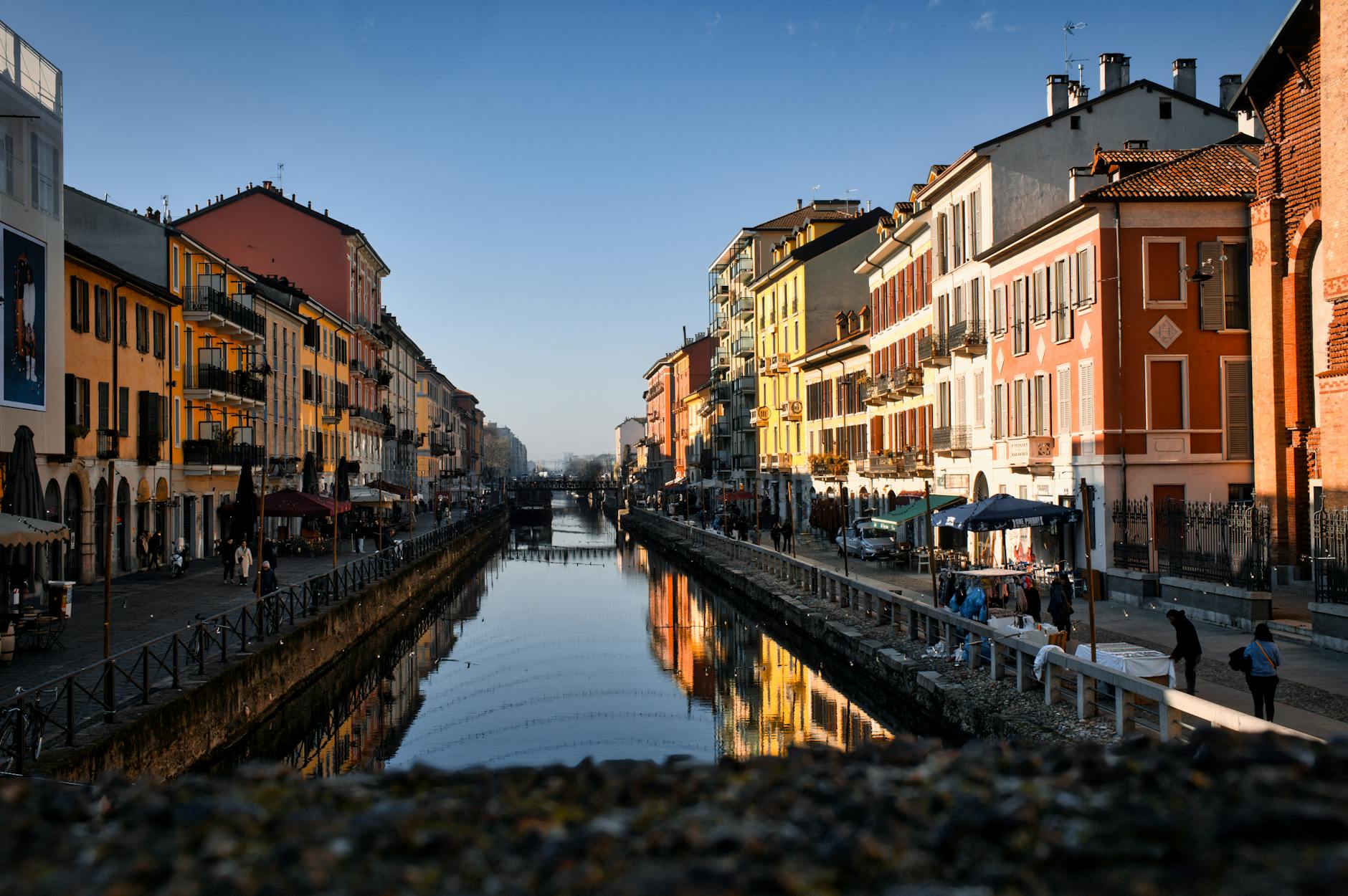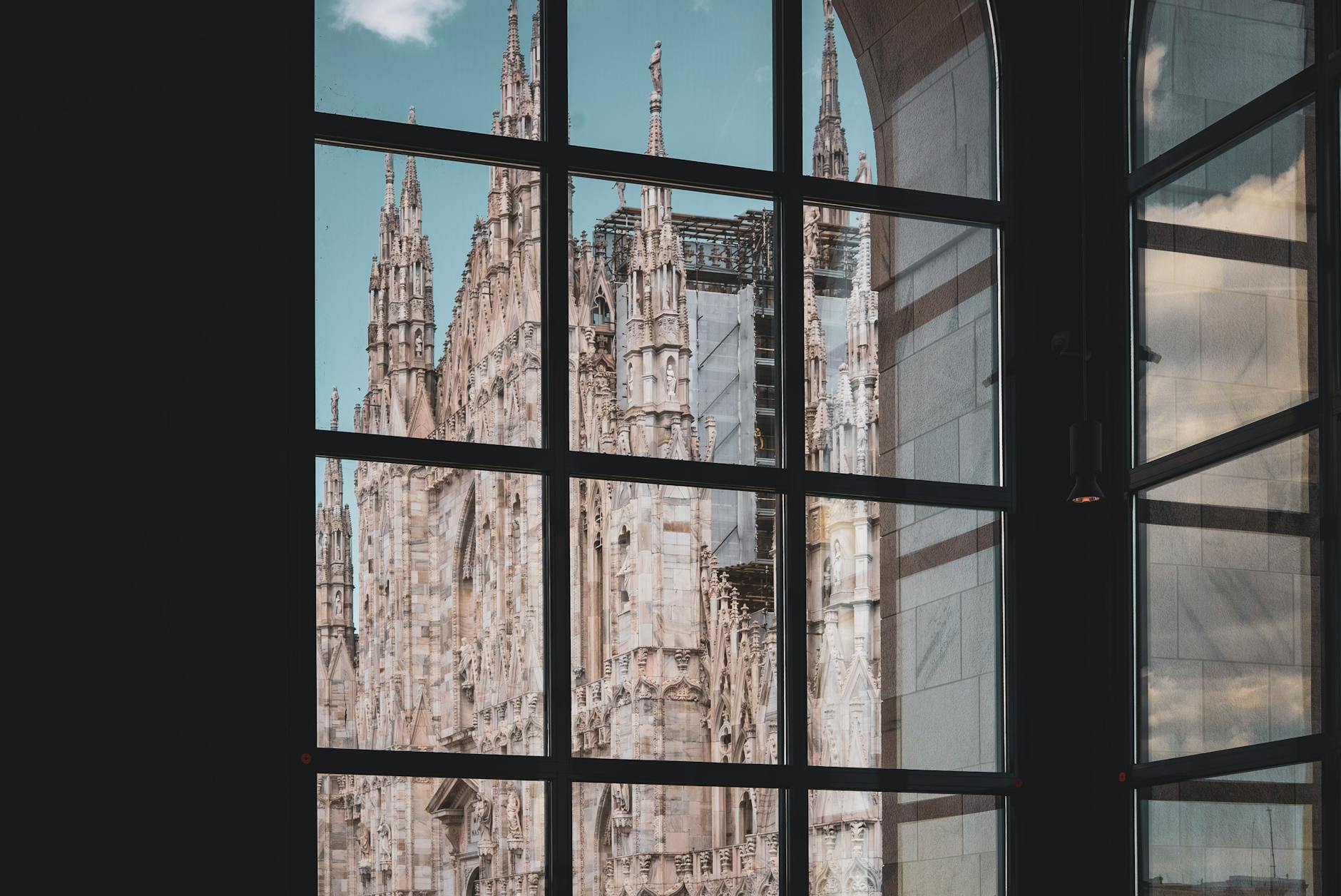
Milan is visually productive for content creators because the city offers fashion streets, design interiors, historic architecture, trams, canals, food, galleries, luxury retail, modern skyline views, and strong neighborhood contrast. It is also a city where a creator can waste a short trip by chasing obvious shots, fighting crowds, carrying too much gear, arriving at the wrong time of day, or assuming every polished space welcomes filming. A good Milan creator trip should be built around a concept, not a list of backdrops. The traveler should know what they are making, where the light and crowd levels support it, what permissions may matter, how gear and outfits will move, where edits or uploads happen, and when the city needs to be enjoyed without turning every meal into production.
Start with the creative brief
The creator should decide what Milan is meant to do for the work. Fashion, design, architecture, food, luxury, student life, business travel, budget travel, neighborhood atmosphere, nightlife, or family travel each needs a different city. Without a brief, the trip can collapse into the same Duomo, Galleria, tram, and canal shots everyone else has already made.
The brief should define audience, deliverables, orientation, format, brand obligations, must-have scenes, no-shoot spaces, and the amount of time reserved for editing. Milan is too visually rich to approach randomly on a short schedule.
- Define audience, format, deliverables, brand obligations, and must-have scenes before arrival.
- Choose the version of Milan that fits the concept instead of collecting generic landmarks.
- Reserve time for editing, captions, approvals, uploads, and backups.
Choose a base around shoots, not only sights
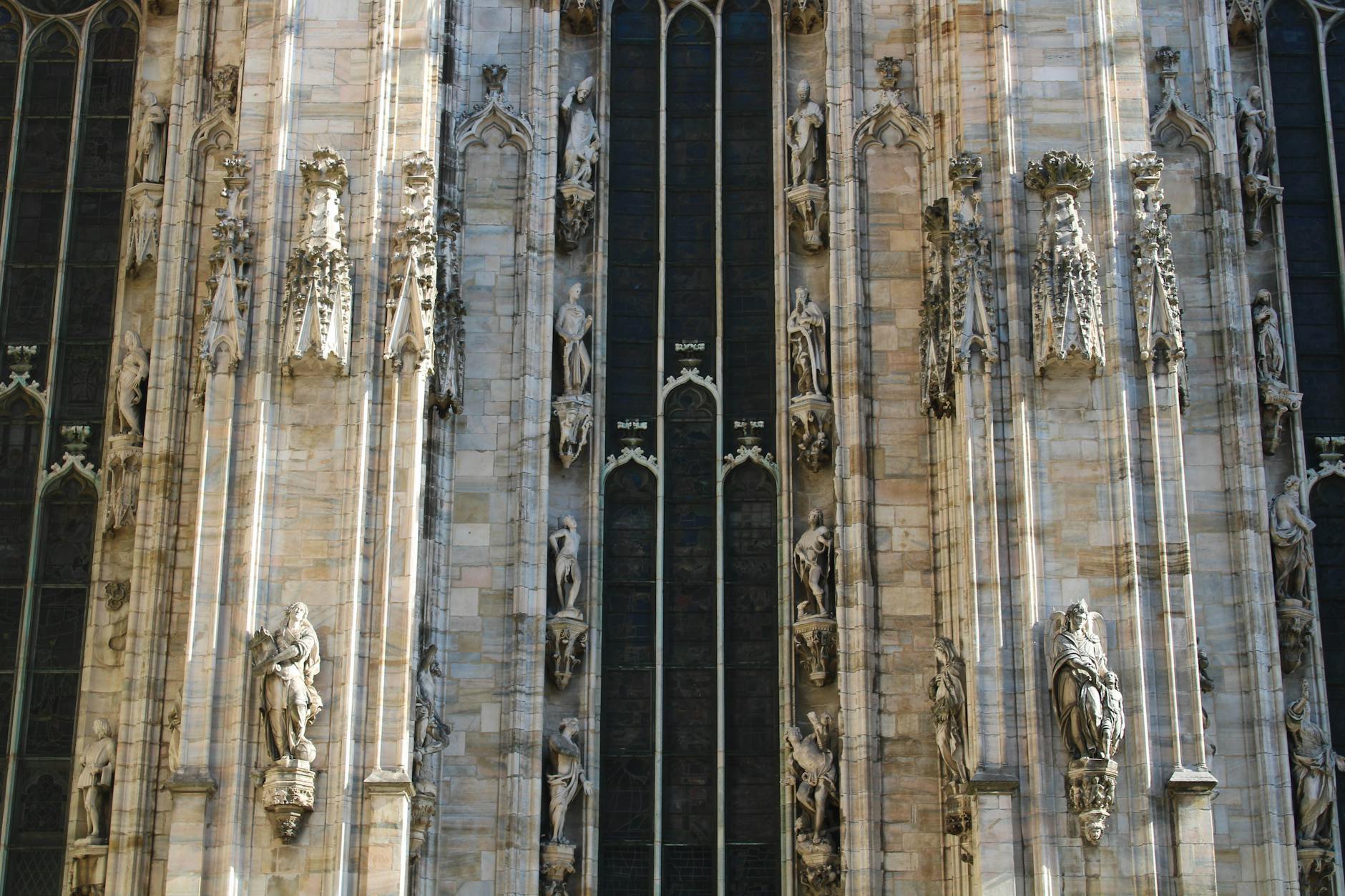
A content creator's hotel is part studio, wardrobe room, charging station, storage point, and recovery base. The best location depends on the planned shoots. Duomo and Brera can support central architecture and fashion movement. Porta Nuova and CityLife can support modern skyline, design, and business content. Navigli can support canal, food, and evening atmosphere. A hotel far from the shoot route will cost time every day.
The property should be checked for natural light, elevator access, room size, luggage storage, secure front desk, Wi-Fi, desk space, quiet, and easy taxi pickup. A creator carrying cameras, outfits, or product should not choose a base only because it photographs well.
- Pick the hotel by shoot geography, storage, Wi-Fi, room function, charging, and easy pickups.
- Use Duomo, Brera, Porta Nuova, CityLife, or Navigli for different content concepts.
- Avoid bases that force repeated cross-city moves with gear or clothing changes.
Plan light, crowds, and route order
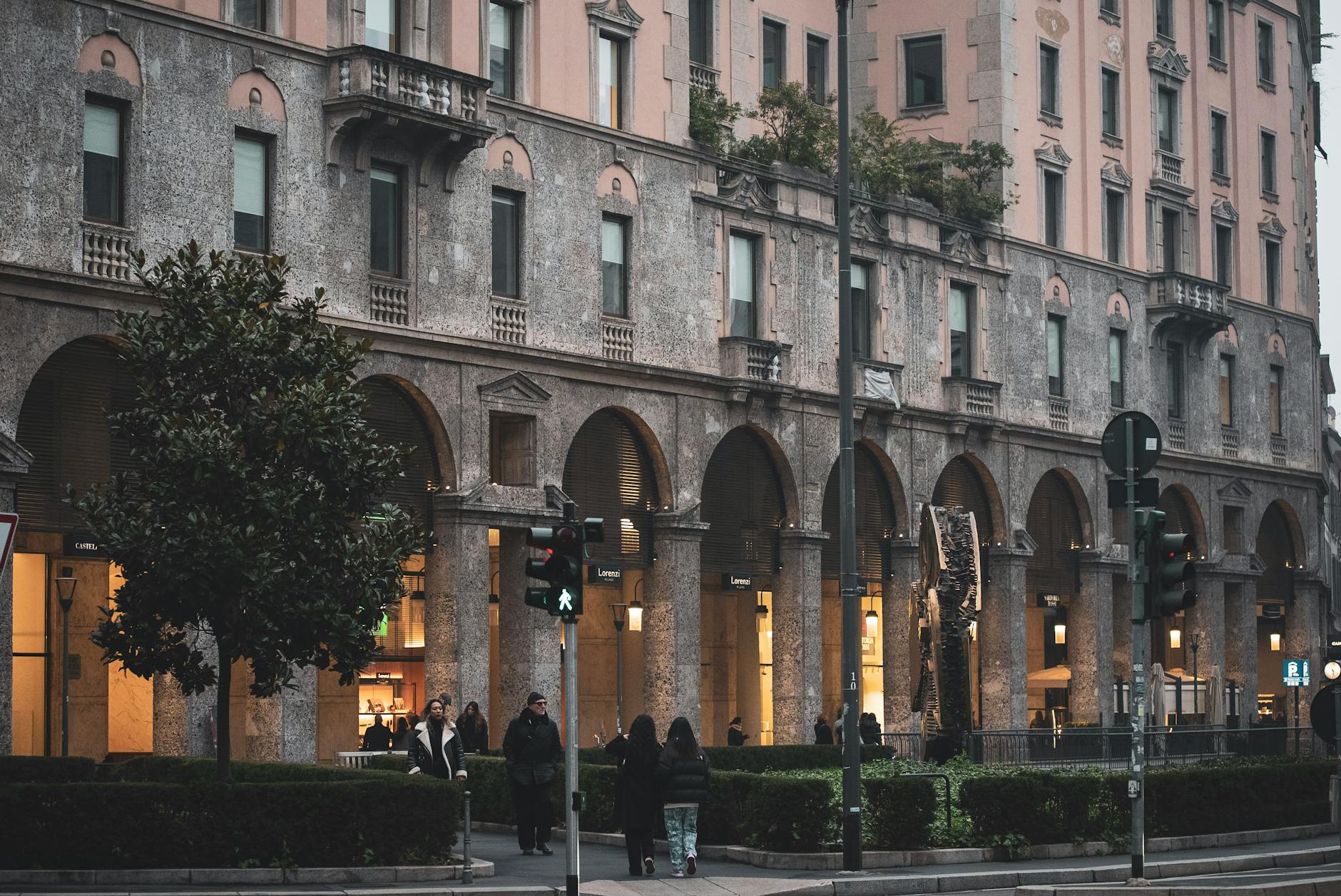
Milan's most obvious visual locations can become difficult at the wrong hour. The Duomo area, Galleria, fashion streets, Brera, and Navigli may be crowded, shadowed, rainy, or filled with delivery and commuter movement when the creator needs clean footage. A good route places high-value shots at the best time of day and leaves flexible B-roll for less controlled windows.
Creators should also avoid overpacking a shoot day. Moving with camera gear, tripod substitutes, outfits, makeup, product, or a companion takes longer than walking as a tourist. The route should make visual sense and physical sense.
- Schedule priority shots around light, crowd levels, weather, and security or access conditions.
- Use flexible B-roll for less predictable parts of the day.
- Plan route order around gear, outfit changes, rest, and realistic movement time.
Respect permissions and private spaces
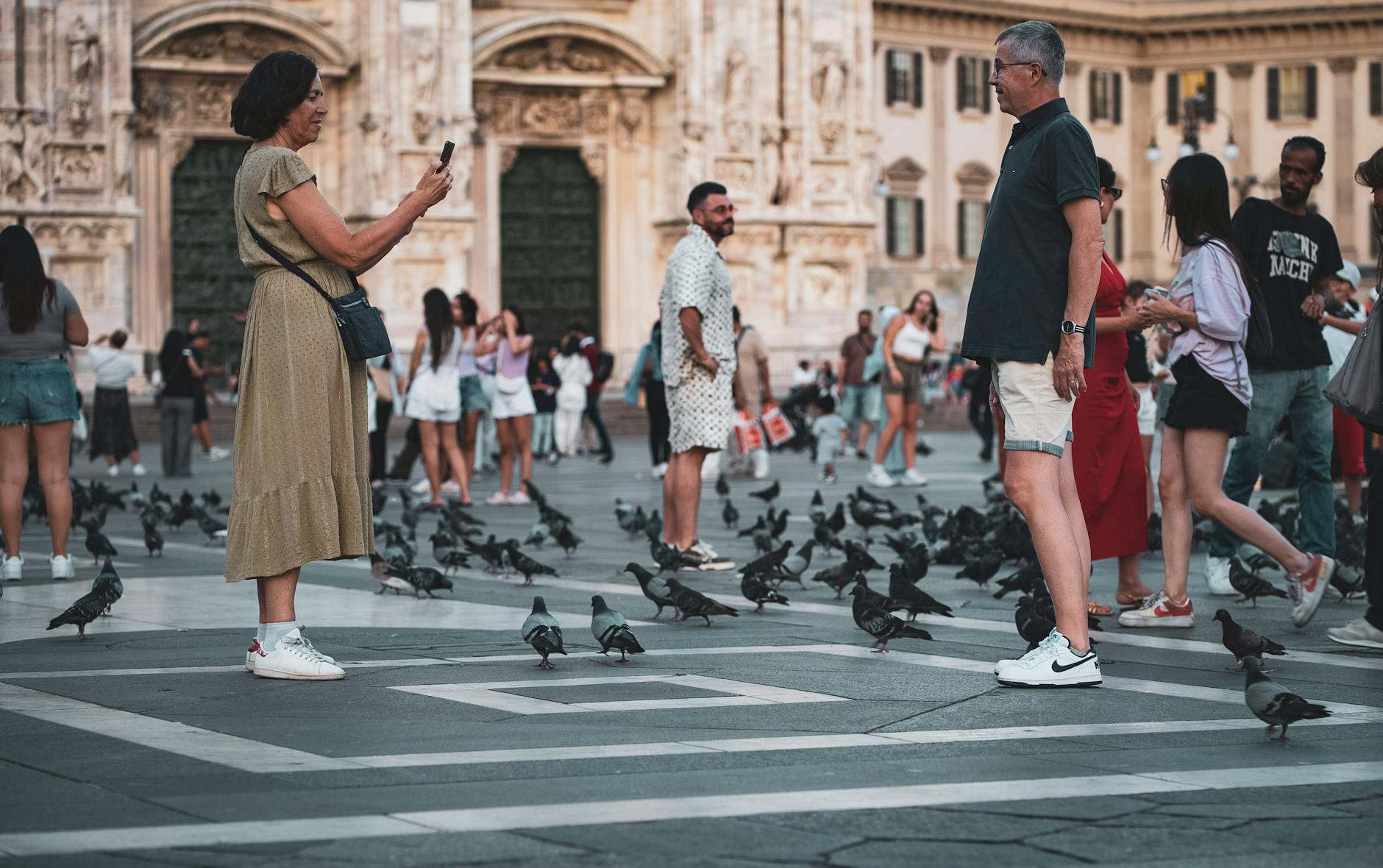
Milan's polished interiors can be tempting, but shops, restaurants, hotel lobbies, galleries, showrooms, churches, museums, events, and residential courtyards may have restrictions. A small phone clip may be tolerated where a larger camera, tripod, light, microphone, or commercial brand shoot is not. The creator should ask before filming where permission is ambiguous.
This is not only a legal issue. It is a tone issue. Staff and residents respond differently to creators who treat the city as a working environment with other people in it. The best content usually comes from being organized enough not to pressure everyone around the shoot.
- Check rules for shops, restaurants, hotels, churches, museums, galleries, courtyards, and events.
- Do not assume phone filming, tripod use, brand work, and commercial content are treated the same.
- Keep production small enough that it does not create conflict with staff, residents, or other visitors.
Handle fashion, food, and luxury content carefully
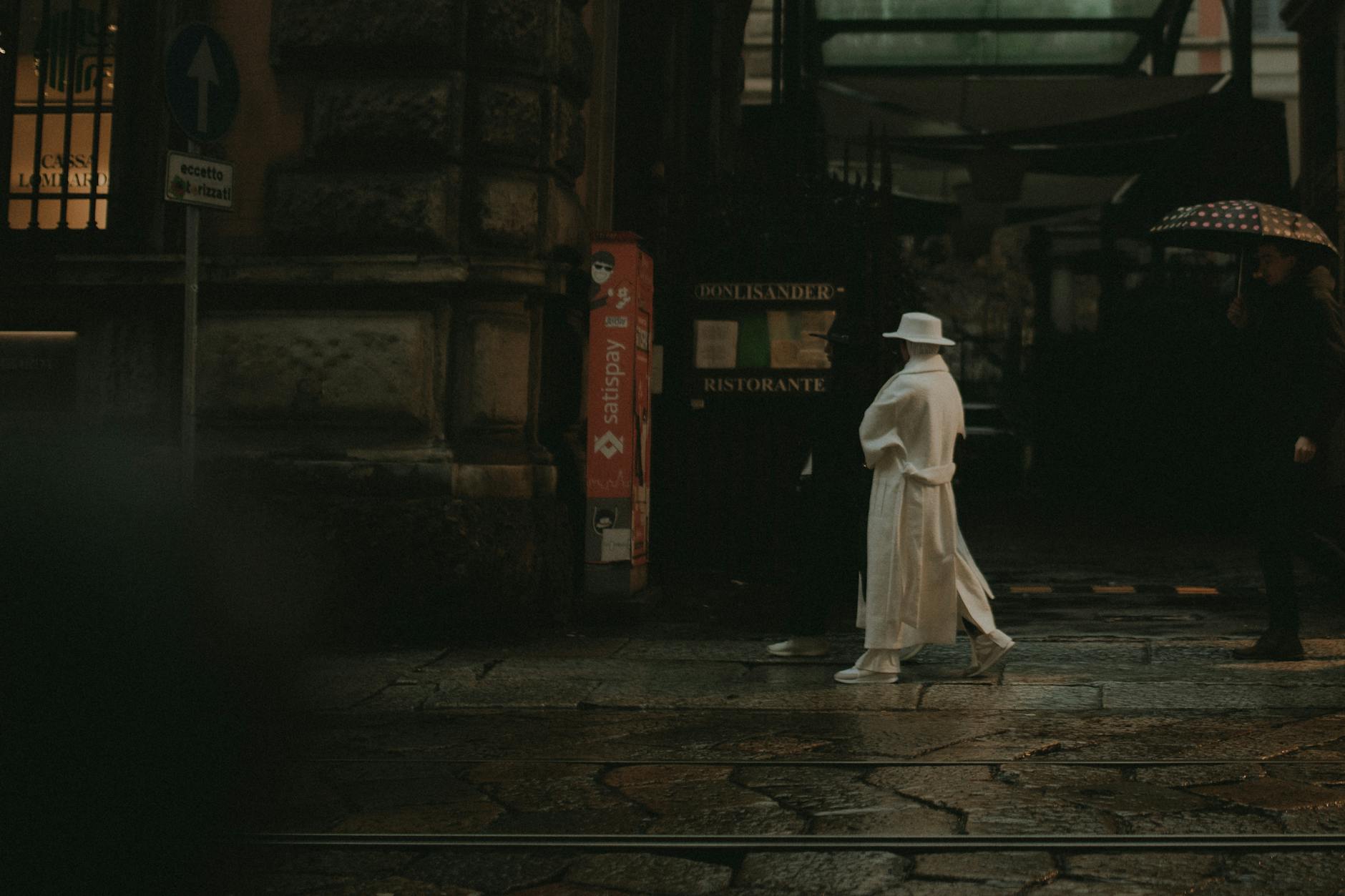
Milan can make fashion, food, and luxury content look easy, but those categories create practical problems. Outfit changes require space and timing. Restaurant content requires reservations, table choice, light, and respect for other diners. Shopping or luxury-hotel content may create visibility, security, and permission issues, especially when watches, bags, cameras, or product are obvious.
The creator should decide which moments are production moments and which are personal experience. Trying to turn every aperitivo, fitting, coffee, and street crossing into content can make the trip weaker and the output less focused.
- Plan outfit changes, restaurant light, table choice, shopping visibility, and brand obligations before the day starts.
- Protect cameras, phones, bags, purchases, and product in crowded areas.
- Separate content moments from rest moments so the trip does not become constant low-value production.
Protect files, gear, and late returns
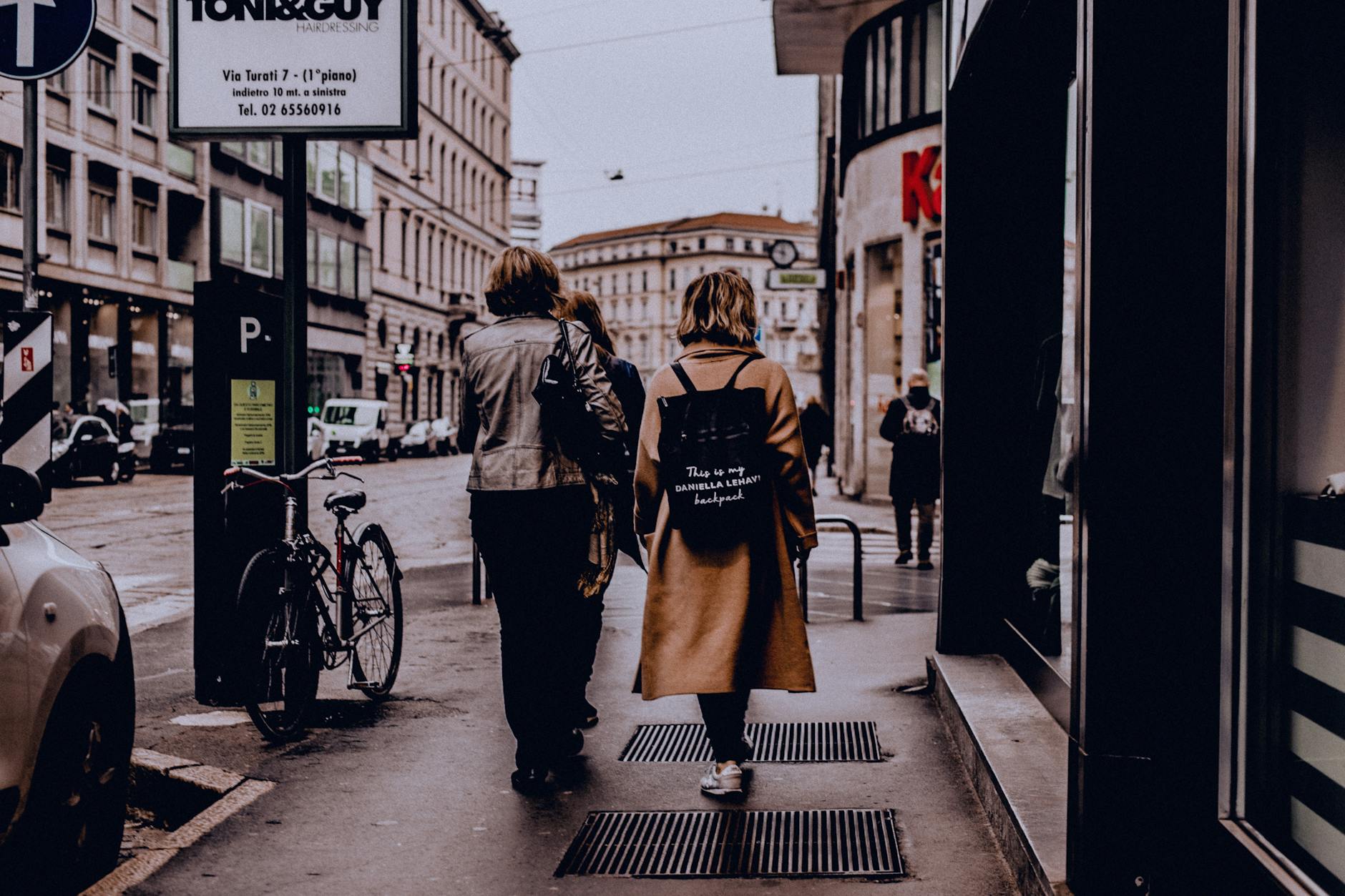
Creators are often distracted at exactly the wrong times: checking footage, posting stories, reading comments, managing a tripod, handling a second phone, or watching a bag while getting a shot. The practical risk in Milan is usually opportunistic loss rather than drama. Phones, cameras, wallets, passports, memory cards, laptops, and shopping should be controlled in the Duomo area, Galleria, stations, metro, Navigli, and crowded restaurants.
The creator should back up files daily, keep batteries and storage organized, and decide how late shoots end. Navigli and evening street content can be good, but the return route should be planned before devices are low and the group is tired.
- Back up footage, organize storage, charge batteries, and separate cards after each important shoot window.
- Control phones, cameras, bags, passports, laptops, and purchases in crowded visual locations.
- Plan the return from Navigli, night shoots, dinners, or events before the evening starts.
When to order a short-term travel report
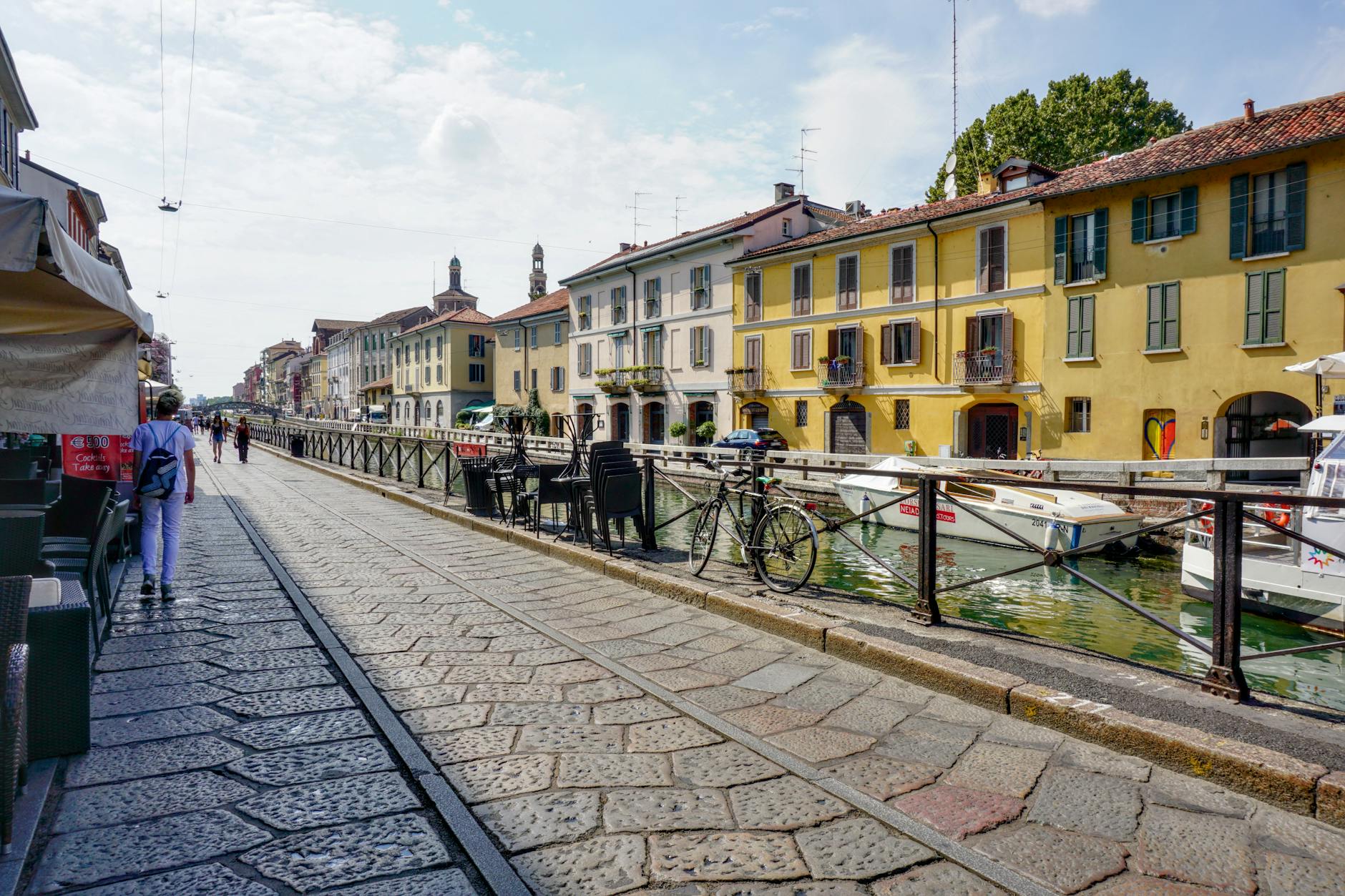
A creator making casual personal content from a flexible Milan trip may not need a custom report. A report becomes useful when the trip includes brand deliverables, paid partnerships, several shoot locations, expensive gear, hotel or restaurant content, fashion-week pressure, late-night footage, medical or mobility needs, or a tight schedule with little time to recover from bad routing.
The report should test shoot geography, hotel base, arrival transfer, light and crowd timing, permission-sensitive locations, gear exposure, editing and upload workflow, evening returns, weather alternatives, and what to cut if the plan is too full. The value is Milan content that looks intentional because the travel plan was intentional.
- Order when brand obligations, gear, multiple shoots, permissions, late footage, or traveler constraints raise the stakes.
- Provide shoot list, hotel candidates, arrival details, gear load, brand requirements, style goals, and time limits.
- Use the report to turn Milan into a coherent production plan rather than a scramble for backdrops.