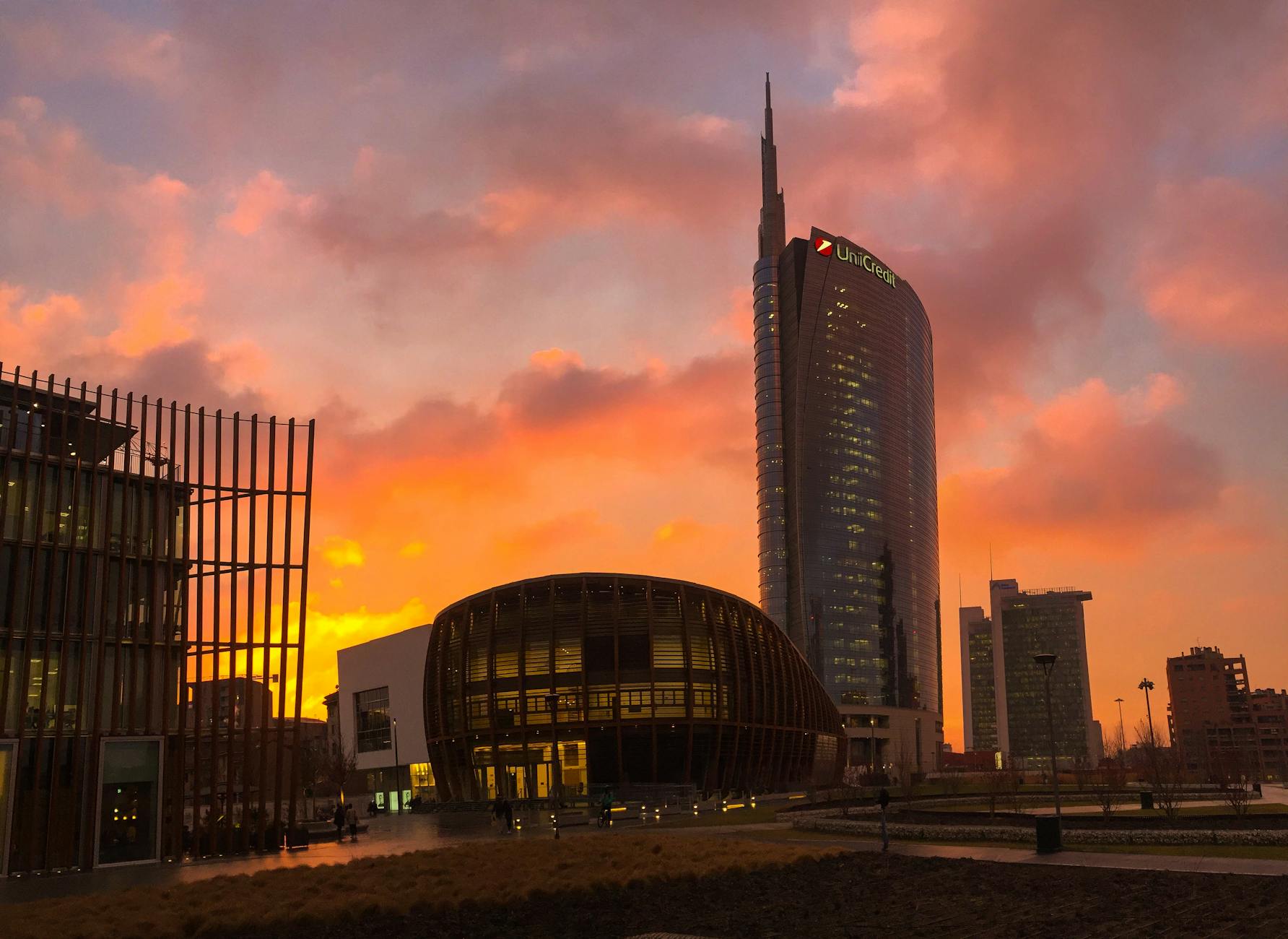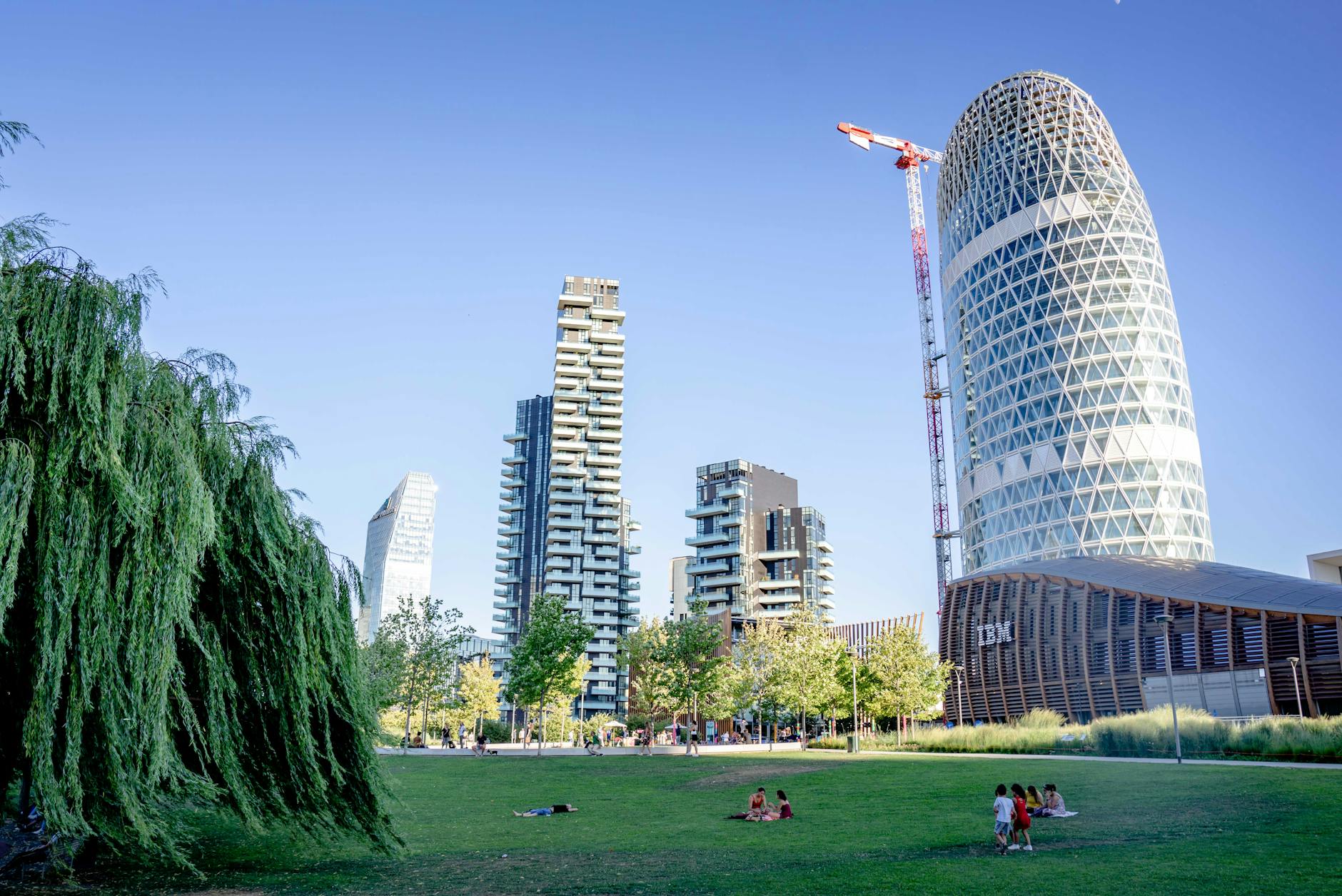
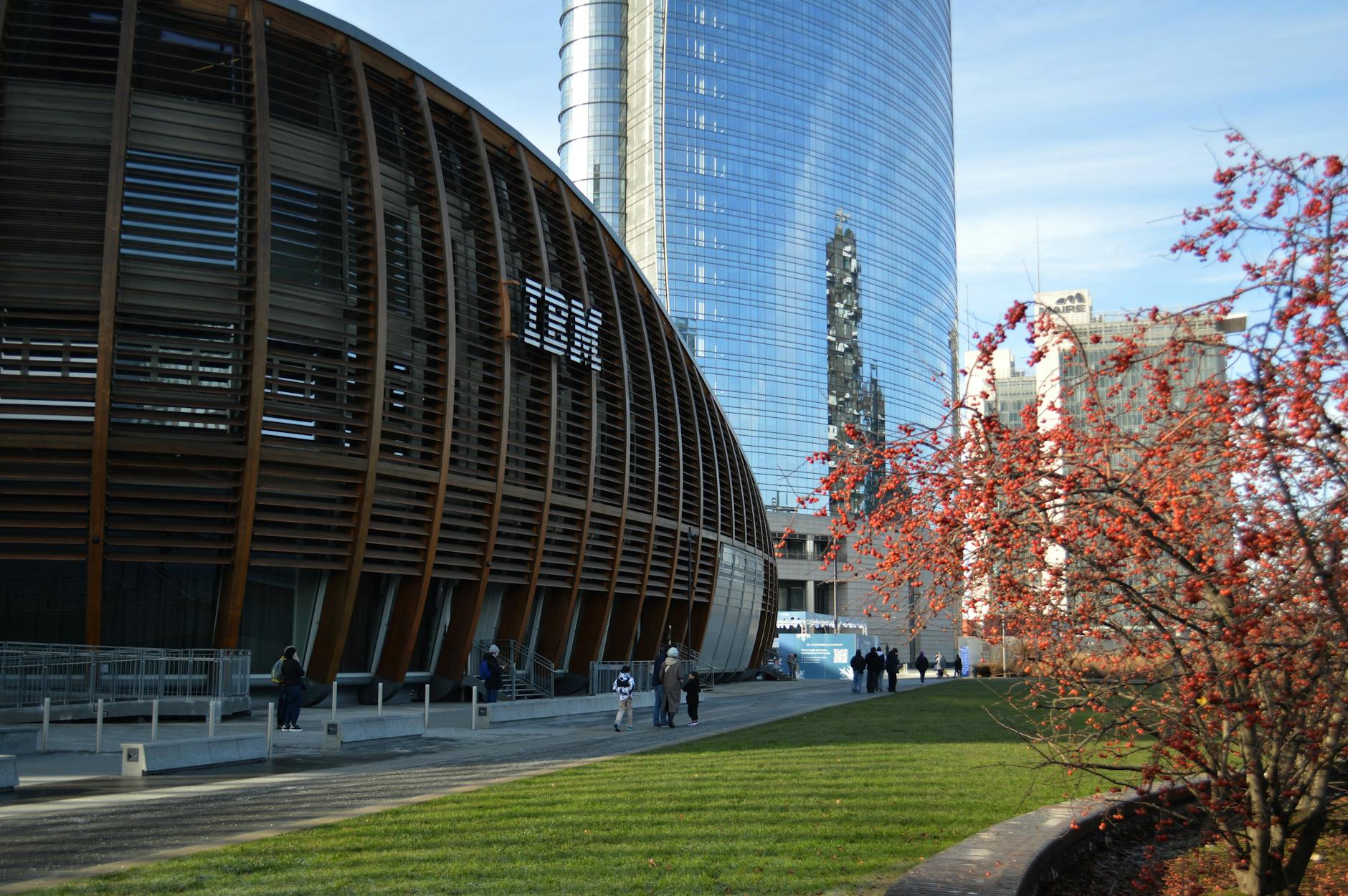
Milan is a serious conference city, but the word conference can mean several different trips. The event may be near CityLife and MiCo, at Rho Fiera, inside a hotel, at a university, in a corporate office, or spread across receptions and dinners in central districts. A short Milan conference trip works when the attendee understands which Milan they are actually attending before choosing flights, hotel, dinners, or side plans. The conference attendee's problem is not sightseeing volume. It is operational control: arriving with enough margin, sleeping in the right place, reaching the venue without drama, managing badge and agenda timing, preserving energy for networking, and adding a small amount of Milan without weakening the work purpose of the trip.
Confirm which Milan the event actually uses
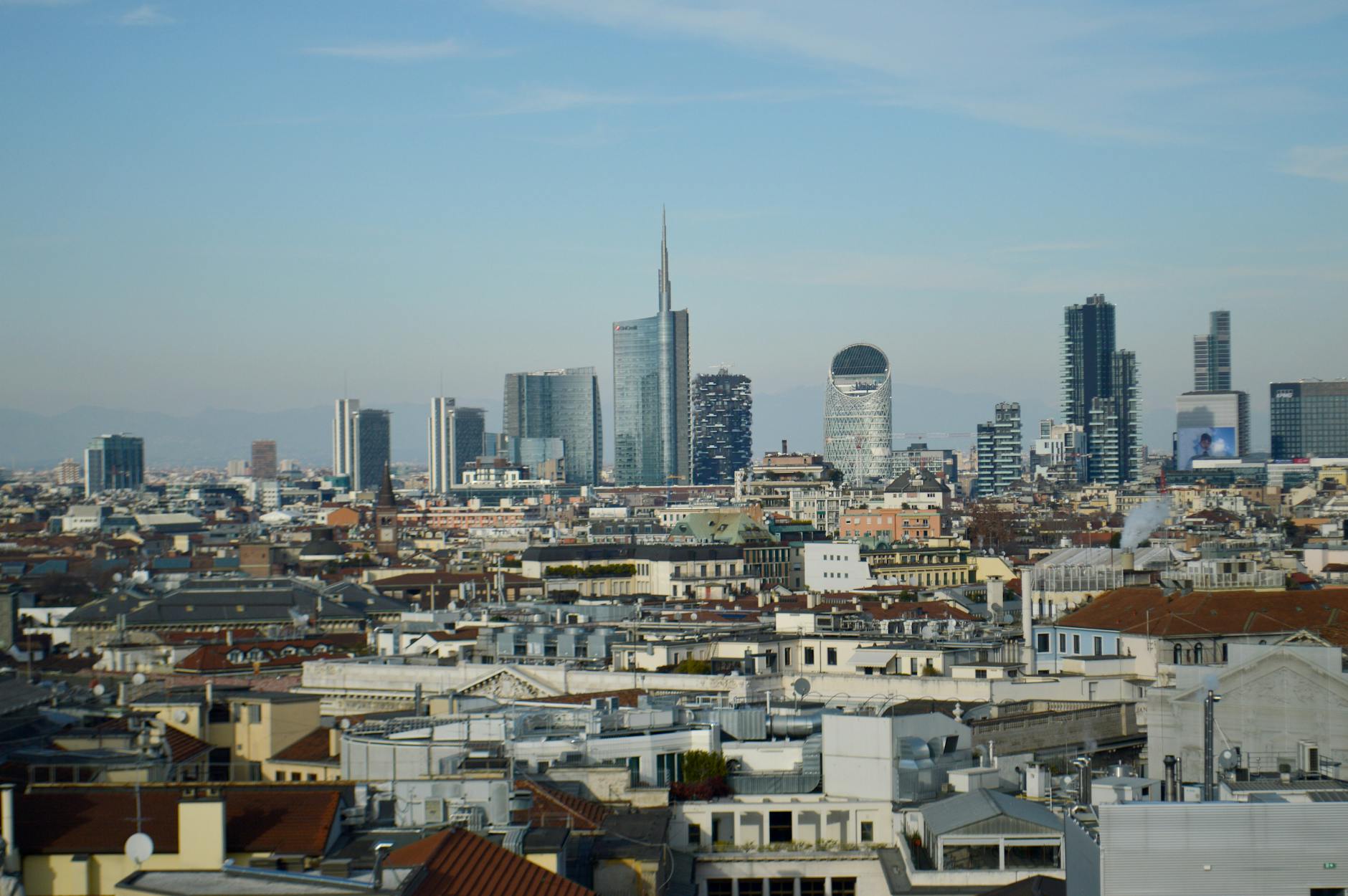
Conference geography matters more in Milan than many attendees expect. MiCo and CityLife, Rho Fiera, Porta Nuova, Centrale, a university venue, or a central hotel can all be described as Milan, but they produce very different hotel and transit decisions. An attendee should map the venue, registration area, evening reception, and any satellite meetings before booking.
A hotel that looks central may be poor for an early session at Rho Fiera. A venue-adjacent hotel may be poor for dinners in Brera or near the Duomo. The attendee should decide whether the trip is venue-first, networking-first, city-first, or a balanced short stay.
- Identify whether the event is at MiCo, Rho Fiera, a hotel, university, office, or multiple venues.
- Map registration, sessions, receptions, dinners, and side meetings before booking.
- Choose whether the trip should be venue-first, networking-first, city-first, or balanced.
Choose the hotel for the workday, not the postcard
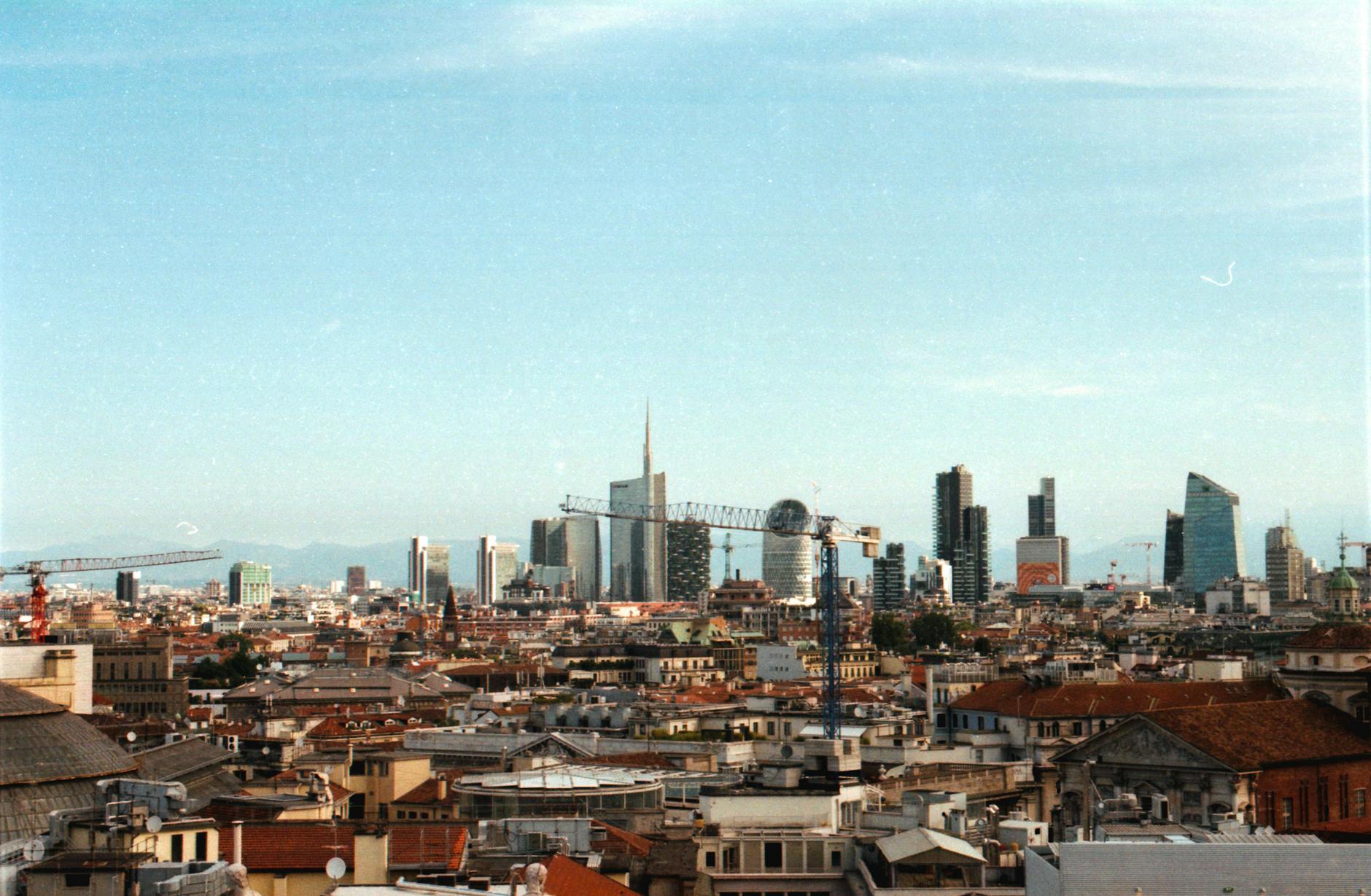
Conference hotel choice should protect the workday. A CityLife or MiCo event may reward a nearby base. A central hotel may work better if the conference schedule is light and evenings matter. Porta Nuova and Garibaldi can suit business districts and rail movement. Duomo and Brera can help if dinners, culture, or client meetings are central to the trip.
The attendee should check breakfast timing, desk quality, quiet, laundry, gym or recovery needs, taxi access, walking route to transit, and the realistic door-to-door time to the venue during the conference window. A beautiful hotel can still be operationally wrong.
- Book around door-to-door venue time, breakfast, quiet, work setup, laundry, and taxi access.
- Use CityLife, Rho Fiera, Porta Nuova, Garibaldi, Duomo, or Brera based on the agenda.
- Do not choose a hotel only because it photographs well for a short Milan stay.
Treat airport and rail arrival as agenda protection
A conference attendee often arrives with less flexibility than a tourist. Linate may be convenient for central Milan, Malpensa may be necessary for long-haul routing, Bergamo may add transfer burden, and Milano Centrale may be useful for regional rail. The arrival choice should be tested against first-session timing, badge pickup, check-in, luggage, and the need to appear composed soon after arrival.
If the itinerary is tight, the attendee should build a clear transfer plan and a contingency. A taxi, car, rail, or metro route can all work, but the decision should be made before the flight lands. The first day should not begin with a transport experiment.
- Match Linate, Malpensa, Bergamo, or Centrale arrival to badge pickup and first-session timing.
- Plan luggage, check-in, transfer mode, delay margin, and first meal before arrival.
- Use a car or taxi when a late arrival or early session makes public transit riskier than it looks.
Plan networking around actual districts
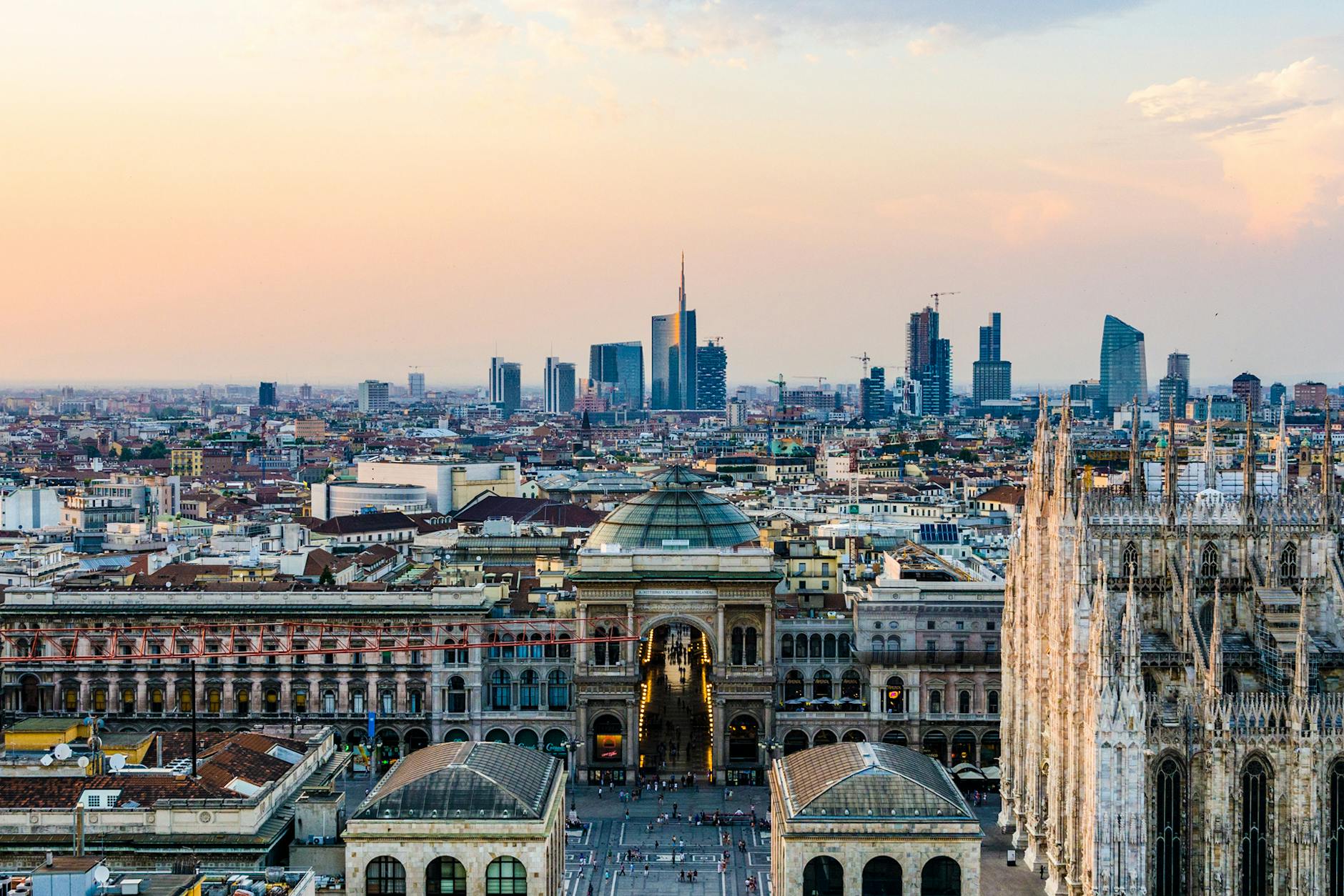
Milan networking can be productive when dinners and drinks are geographically coherent. A restaurant near the venue, Brera, Porta Nuova, Navigli, or a hotel bar may each serve a different purpose. The wrong dinner can turn a useful meeting into a late cross-city transfer after a full day of sessions.
The attendee should separate client dinners, peer drinks, private calls, and recovery time. If the conference is at Rho Fiera, a central dinner may require more margin than expected. If the venue is central, the attendee can be more selective and still keep the evening efficient.
- Choose dinner and drinks by venue, hotel, and next-morning geography.
- Separate client dinners, peer networking, private calls, and recovery time.
- Avoid late cross-city movement after full conference days unless the meeting justifies it.
Protect the schedule from badge, queue, and venue friction
Conference friction hides in small details: badge pickup, coat check, security, exhibition hall distances, crowded coffee breaks, poor seating, weak Wi-Fi, charging gaps, and the walk between parallel sessions. Milan's larger event environments can make short distances feel longer when thousands of attendees are moving at once.
The attendee should build margin for the first morning, carry charging backup, know where calls can happen, and decide which sessions can be missed if a meeting runs long. A conference plan should not be packed to the point that one line or one delayed conversation breaks the day.
- Build first-morning margin for badge pickup, security, coat check, and finding rooms.
- Carry charging backup and identify places for calls or quiet work.
- Decide which sessions are optional before networking begins to compete with the agenda.
Add Milan without weakening the conference purpose
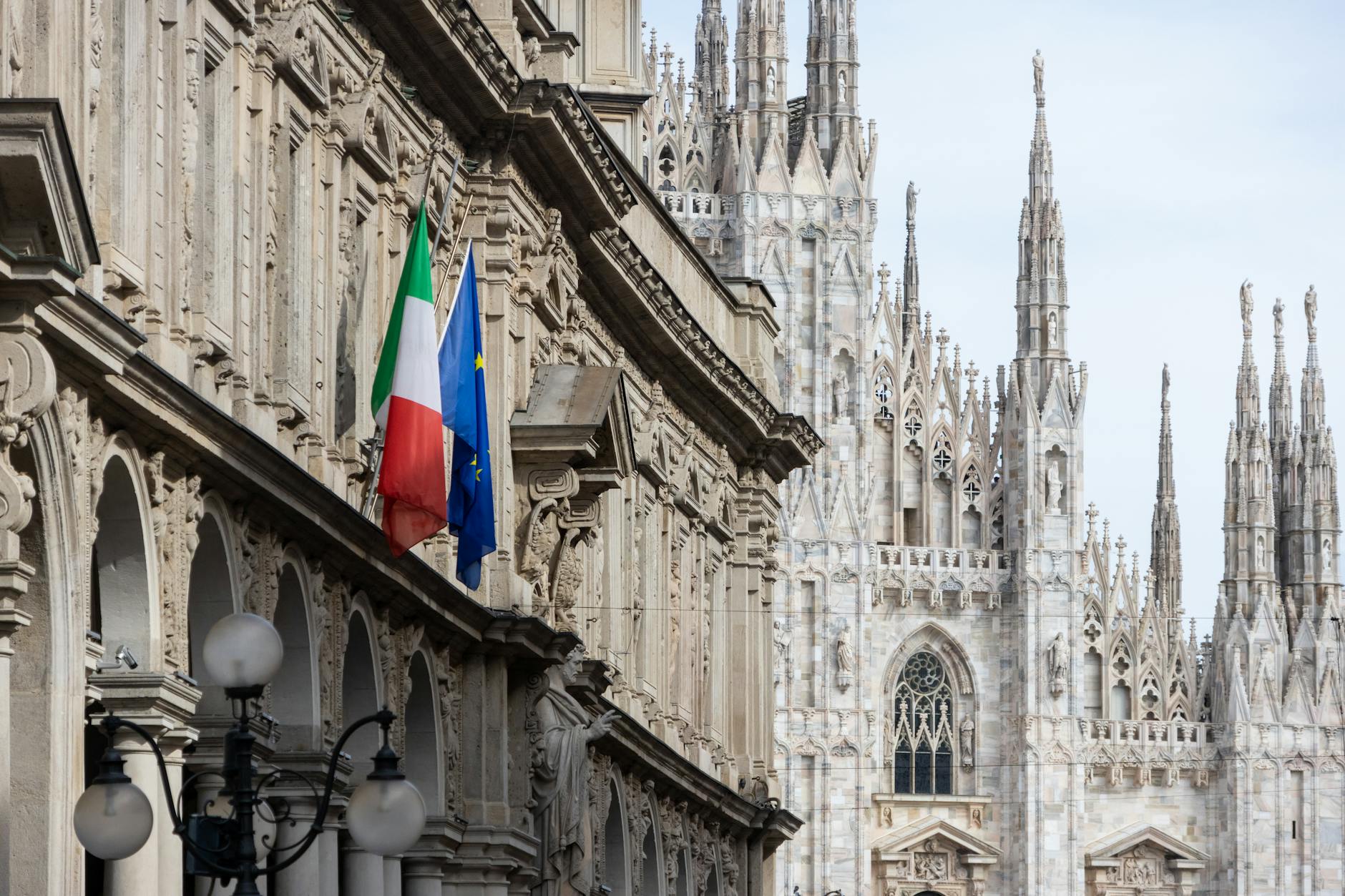
Conference attendees often want at least one Milan moment: the Duomo, Galleria, Brera, La Scala, aperitivo, shopping, or a good dinner. This can work if the add-on is near the hotel or placed after the final session. It becomes a problem when sightseeing steals sleep, creates complicated transfers, or leaves the attendee tired for the reason they came.
A short Milan add-on should be honest. One strong cultural or dining moment may be better than pretending the attendee can fully see the city between sessions. The trip can be both useful and satisfying without becoming a tourist itinerary.
- Choose one or two Milan add-ons that fit the conference geography.
- Place Duomo, Galleria, Brera, shopping, or dining where they do not steal sleep or work focus.
- Use the final afternoon or post-conference evening for the strongest city moment.
When to order a short-term travel report
A conference attendee with a venue hotel and simple agenda may not need a custom report. A report becomes useful when the trip involves Rho Fiera versus central Milan uncertainty, multiple event venues, late arrival, executive or client meetings, tight flight timing, networking dinners, medical or mobility needs, hotel tradeoffs, or a desire to add Milan without compromising the conference purpose.
The report should test venue geography, hotel base, airport or rail arrival, badge pickup, transit routing, dinner districts, call and work spaces, safety of late returns, weather exposure, medical fallback, and what to cut if the agenda expands. The value is a Milan conference trip where the city supports the work instead of competing with it.
- Order when venue geography, hotel choice, transfer timing, networking, health needs, or client meetings make planning consequential.
- Provide venue, hotel candidates, agenda, arrival and departure details, dinner plans, work needs, and traveler constraints.
- Use the report to keep the conference trip efficient while still making room for the right Milan moments.