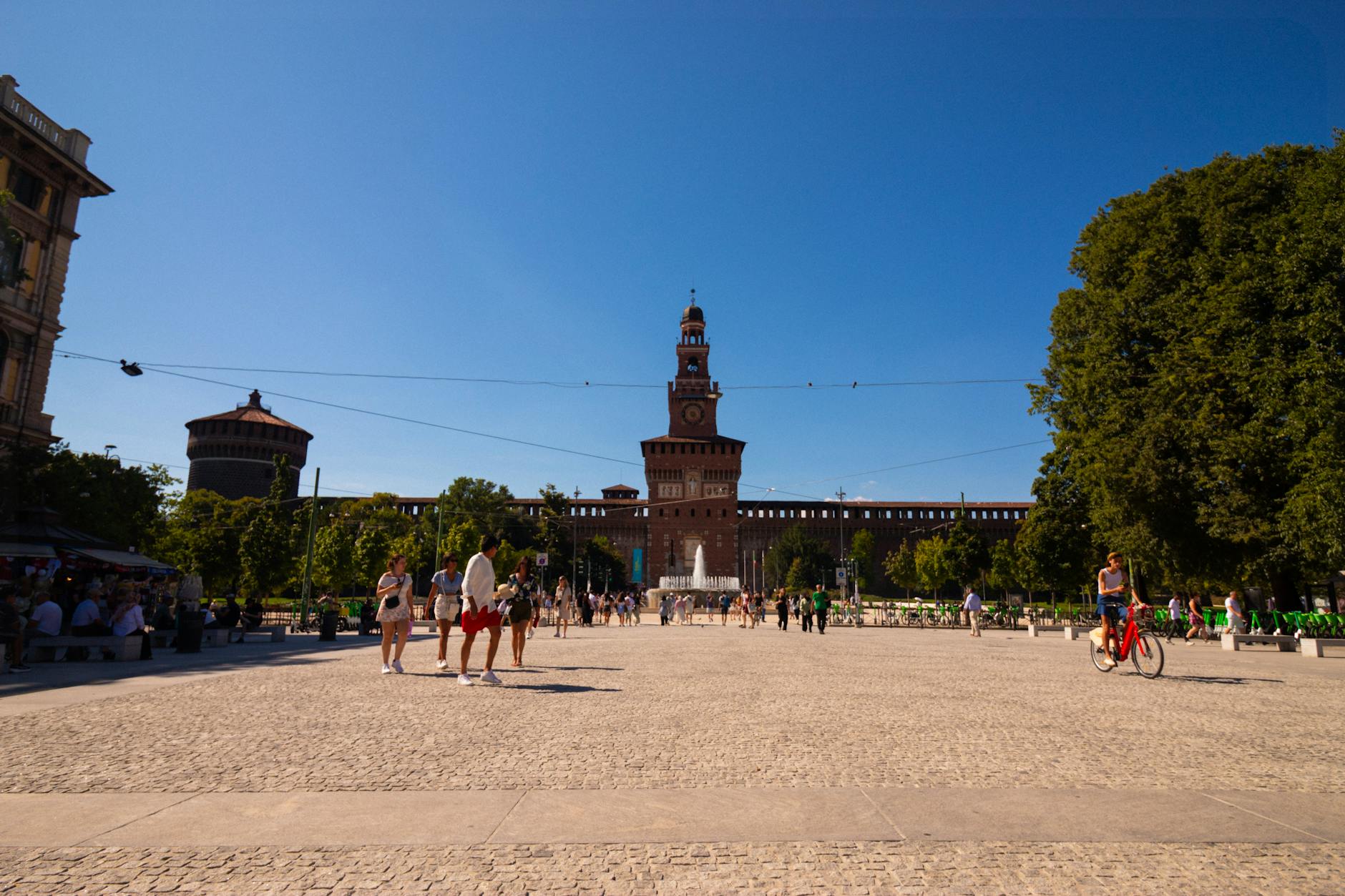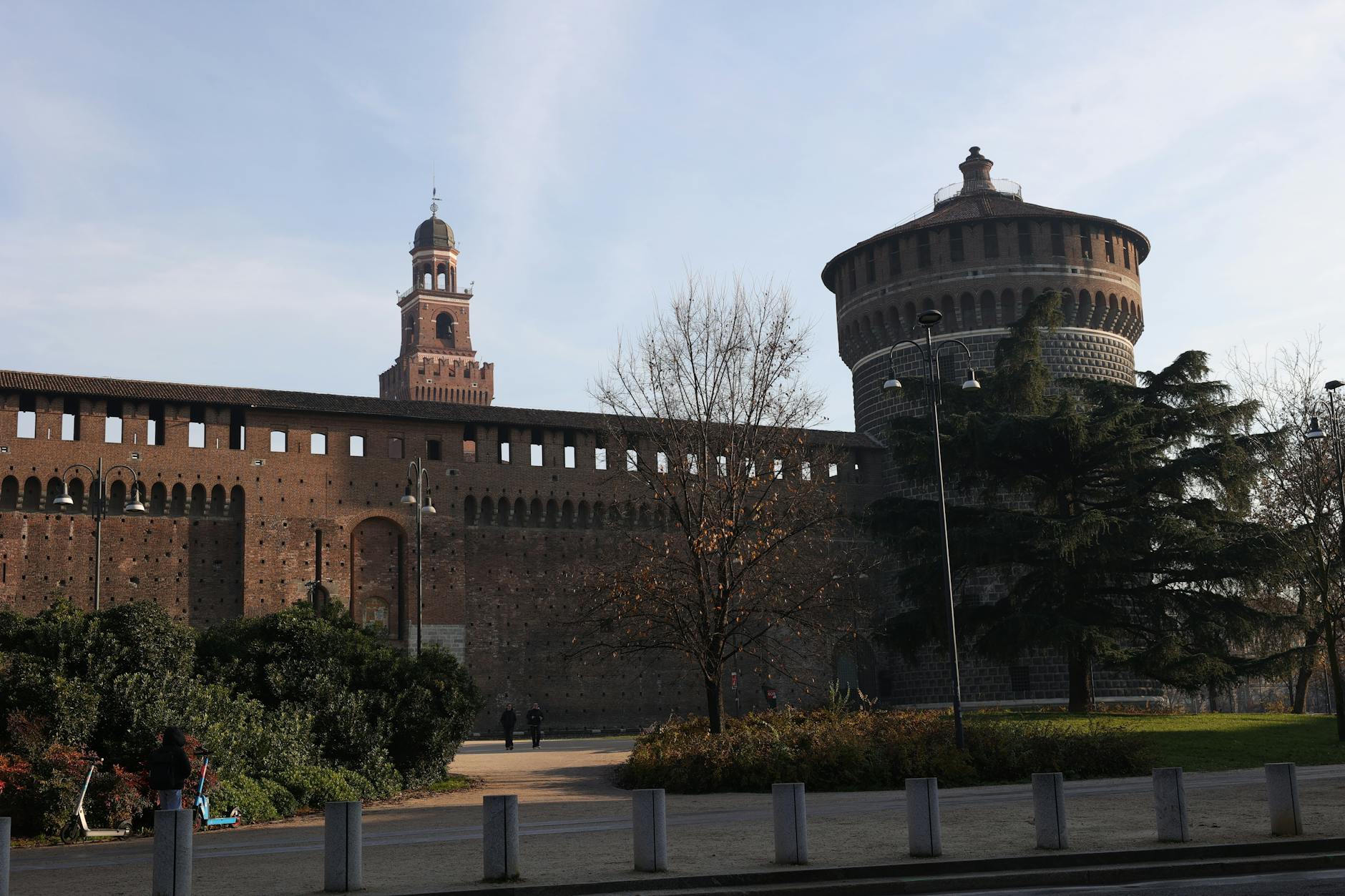
Milan is not an obvious adventure destination in the way mountains, coasts, or national parks are. That is exactly why an outdoor-focused traveler needs to define the trip carefully. Milan can support walking-heavy city days, park time, canal routes, cycling, running, active neighborhood exploration, design-and-architecture walks, and well-planned day trips toward lakes or foothills. It is weaker when the traveler expects wilderness without leaving the urban frame. The useful question is what kind of outdoor traveler is coming to Milan. Some want active city exploration. Some want a base for nearby nature. Some want morning runs, bike time, and open-air dining around a business or culture trip. The plan should match that reality instead of forcing Milan to be a different destination.
Define what outdoor means in Milan
Milan outdoor travel should be framed honestly. The strongest urban options include Sempione Park, Sforza Castle approaches, the Navigli canal corridors, Porta Nuova walks, CityLife open spaces, neighborhood wandering, cycling routes, running loops, and tram-linked walking days. Those can create a satisfying active trip, but they are not the same as a wilderness itinerary.
If the traveler wants lakes, hills, or more serious hiking, Milan becomes a base rather than the outdoor destination itself. That may be a good plan, but it requires rail timing, weather checks, gear decisions, and a realistic return plan.
- Decide whether the trip is active urban Milan, Milan plus day trips, or an outdoor trip using Milan as a base.
- Use parks, canals, castle routes, modern districts, and long walks for city-based outdoor time.
- Do not promise wilderness from a schedule that never leaves the city.
Choose lodging around active routes
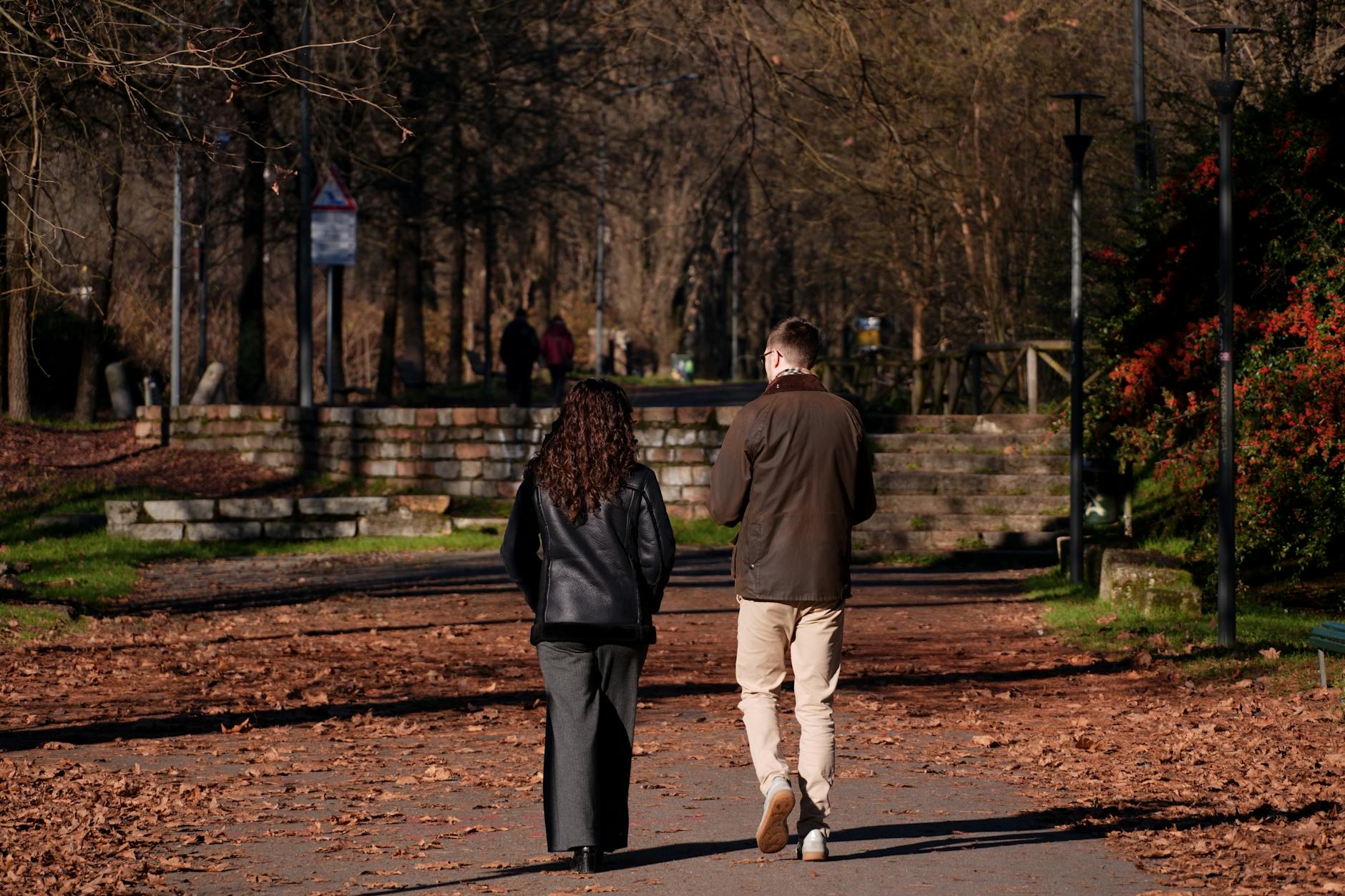
The hotel should make early movement easy. A traveler planning runs, long walks, cycling, canal time, or day trips should consider proximity to Sempione Park, Navigli, Porta Nuova, Garibaldi, Cadorna, Centrale, or the station needed for an excursion. A central hotel near the Duomo may still work, but it may not be the best base if the active plan starts somewhere else each morning.
Gear also matters. The traveler should check room space, luggage storage, elevator access, laundry, secure bike or equipment options, breakfast timing, and whether muddy shoes, rain jackets, or day packs will be easy to manage.
- Choose the base around morning routes, park access, canal access, station access, and gear storage.
- Check laundry, breakfast hours, room space, luggage storage, and equipment practicality.
- Avoid lodging that forces every active day to begin with a long transfer.
Use canals and parks deliberately
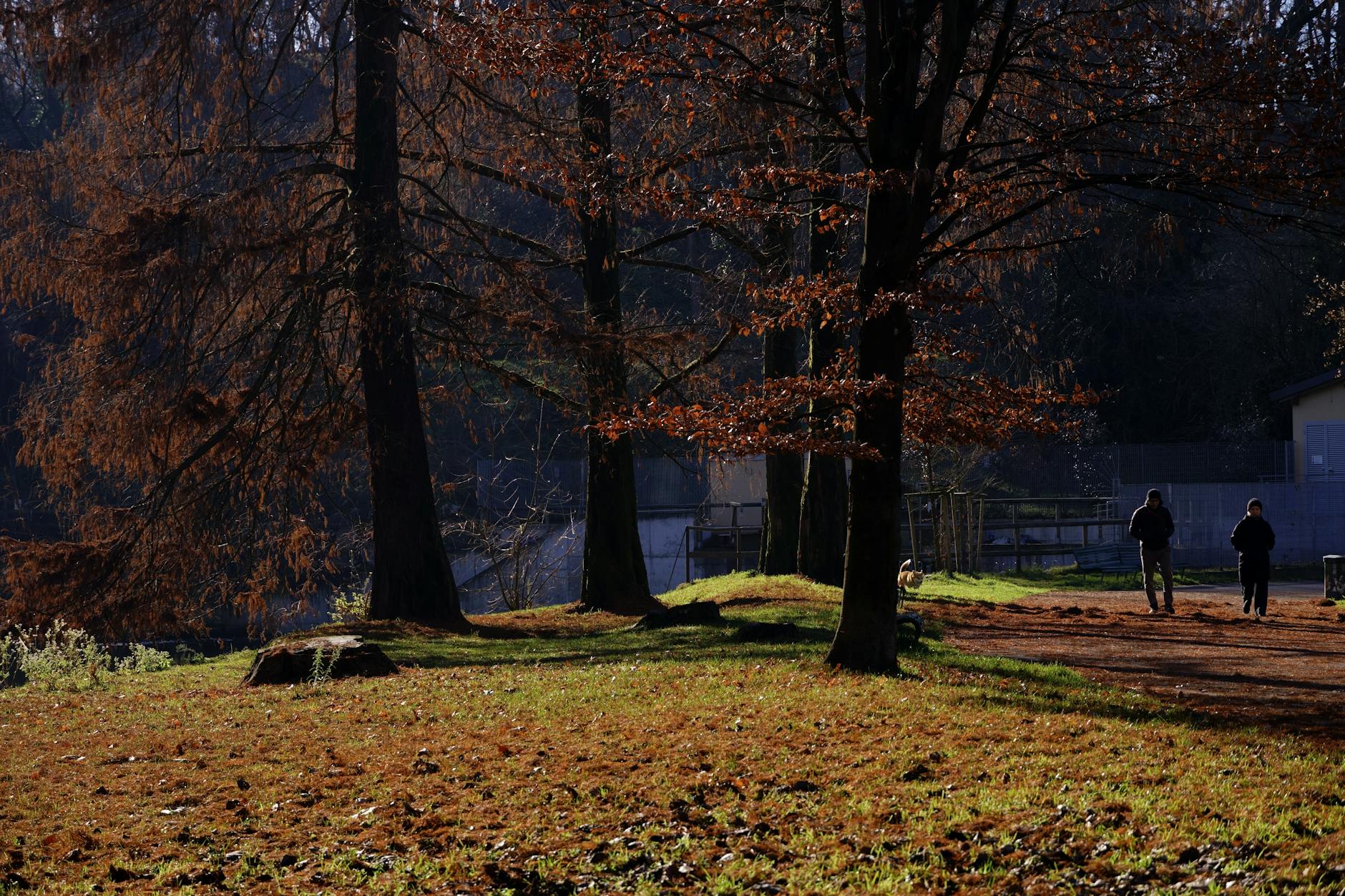
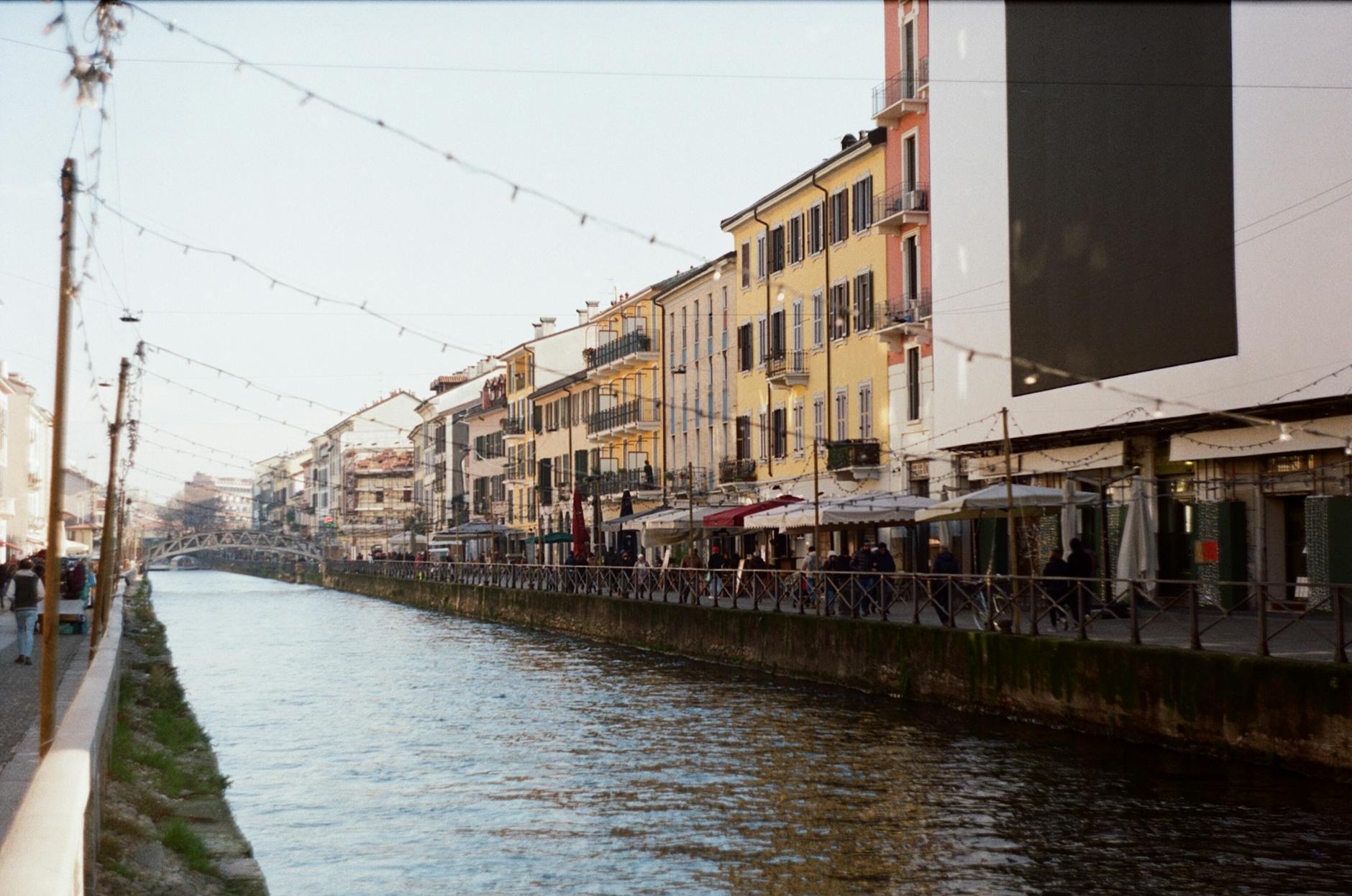
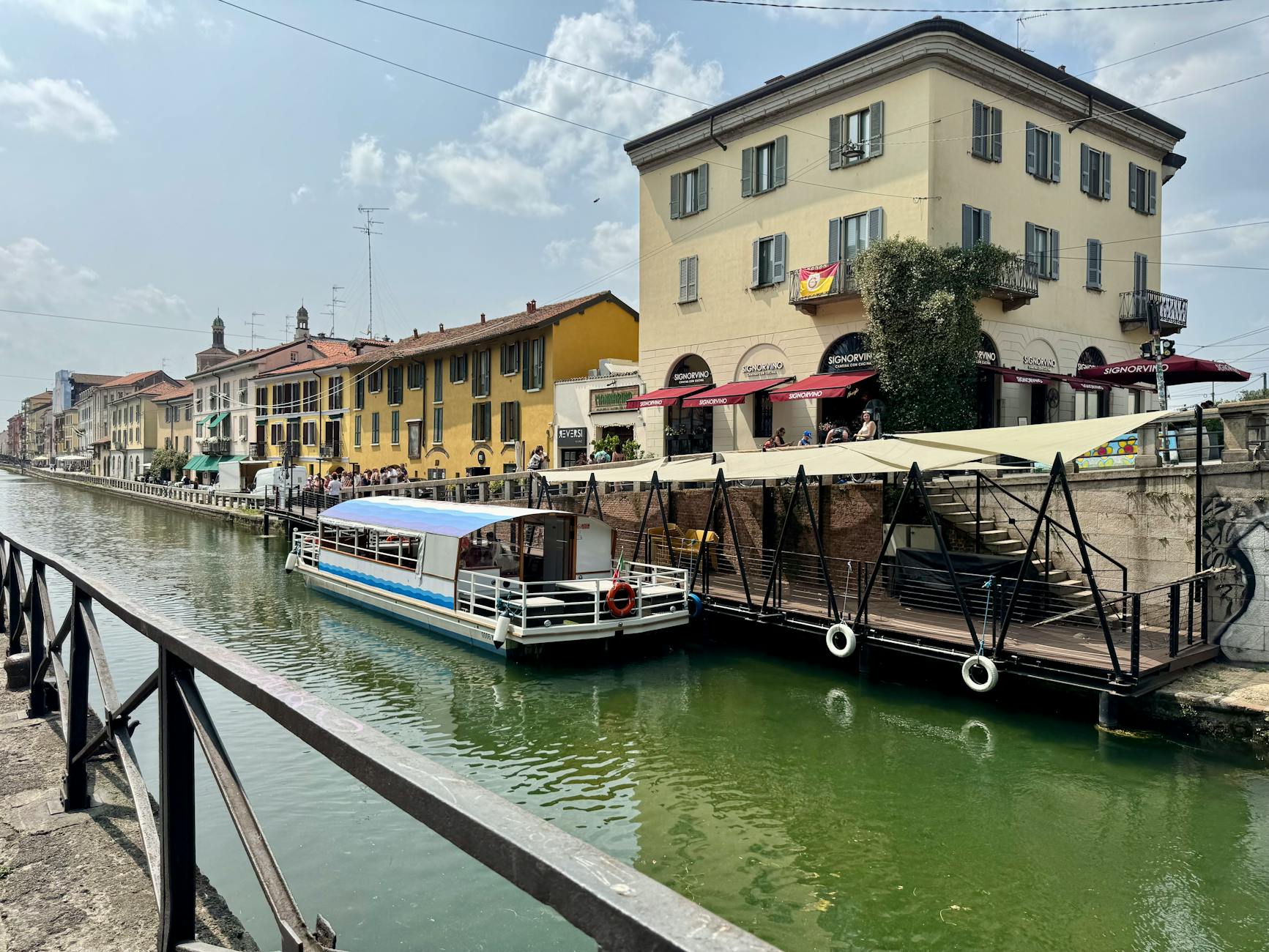
The Navigli canals and Milan's parks can give the city a more open, active rhythm, but they should be scheduled by time of day and purpose. A canal walk may be pleasant in daylight and more crowded at aperitivo time. A park route may be best as a morning run, a recovery walk, or a low-pressure afternoon after museums or meetings.
Outdoor travelers should avoid overloading these spaces with too many goals. A single route can be for movement, photography, food, or social time, but trying to make it serve all of them at once can make the day feel scattered.
- Use Navigli, Sempione Park, castle approaches, and modern districts for different outdoor moods.
- Schedule daylight movement, aperitivo crowds, and quieter recovery walks differently.
- Make each outdoor route serve a clear purpose instead of becoming a vague filler walk.
Treat cycling and street movement as urban choices
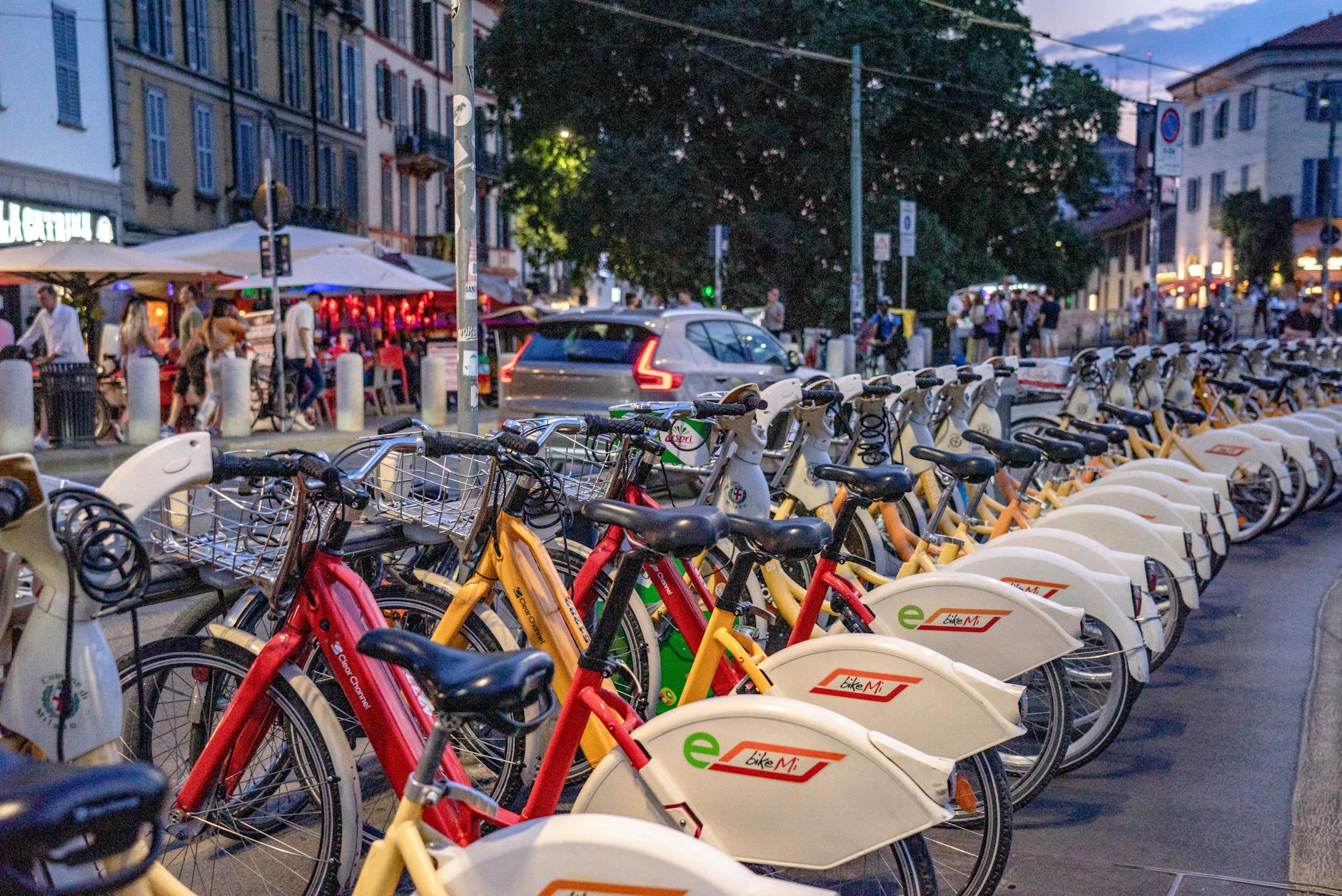
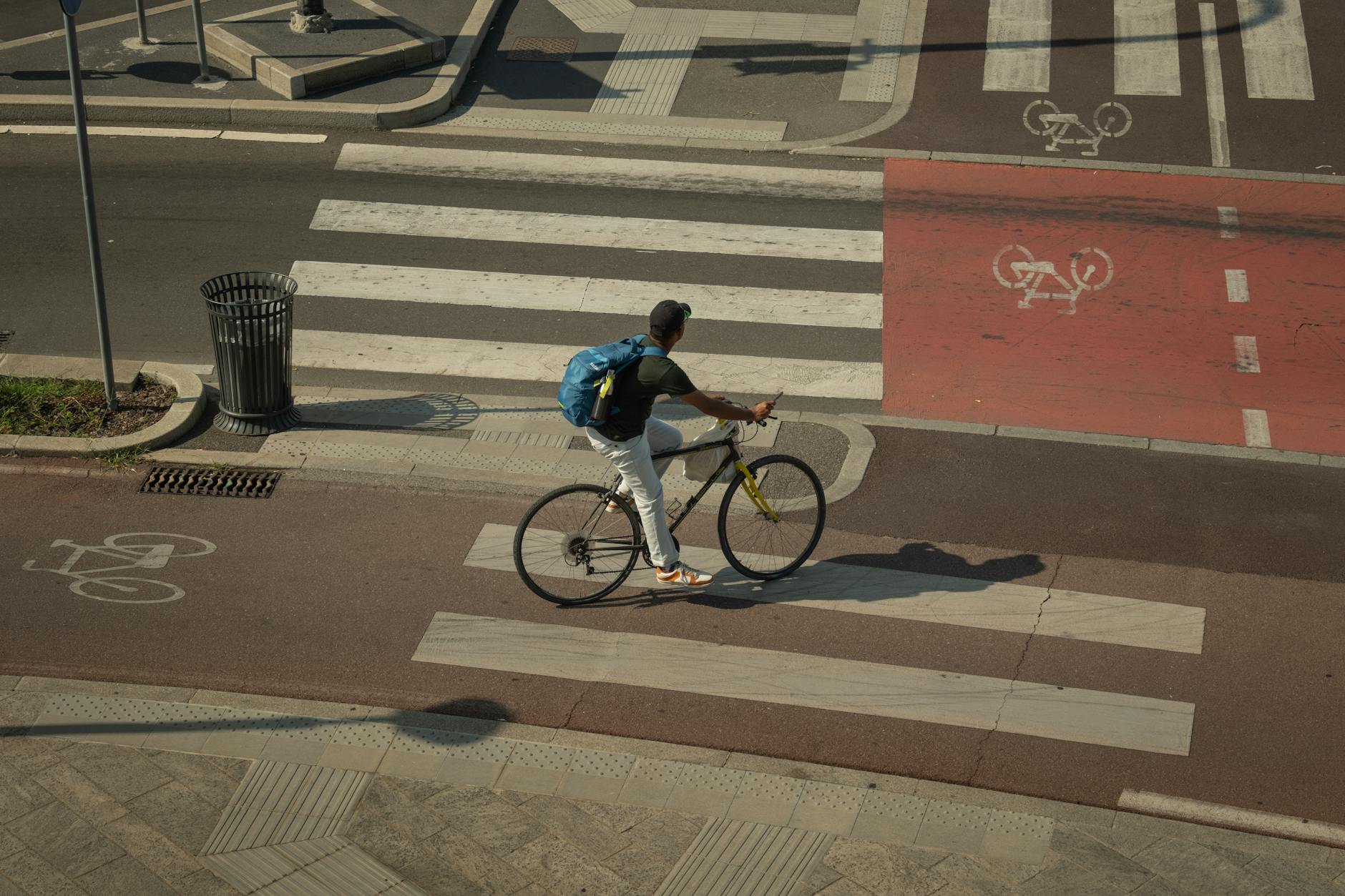
Cycling in Milan can be useful and enjoyable, but it is an urban transport decision, not a scenic trail by default. Traffic, tram tracks, uneven surfaces, weather, bike storage, rental quality, route confidence, and phone navigation all matter. A traveler who is not comfortable in city traffic should not build the trip around cycling without checking the exact route.
The same applies to long walking days. Milan is walkable in sections, but crossing too many districts on foot can burn energy that would be better used at the actual destination. Active travel should still be efficient travel.
- Use cycling only when the route, traffic, rental setup, and rider confidence make sense.
- Watch tram tracks, weather, road crossings, phone navigation, and secure storage.
- Treat long walks as part of the itinerary budget, not free movement with no cost.
Plan day trips with return discipline
Many outdoor-minded travelers look beyond Milan to lakes, foothills, or smaller towns. That can be the right move, but the day trip should be judged by rail frequency, weather, daylight, luggage, meals, walking load, and how tired the traveler will be on return. A beautiful excursion can become a poor choice if it damages the next day or leaves the traveler navigating late with low phone battery.
The traveler should decide whether the day trip is the centerpiece or a bonus. If it is the centerpiece, give it the best weather and energy window. If it is a bonus, keep a Milan-based alternative ready.
- Check rail timing, daylight, weather, meals, walking load, and return reliability before committing to a day trip.
- Make the outdoor excursion either the centerpiece or a flexible bonus, not an overstuffed add-on.
- Keep a Milan park, canal, or walking alternative ready if the weather turns.
Protect weather, gear, and after-dark returns
Outdoor plans are more exposed to Milan's weather than museum or shopping plans. Heat, rain, cold, slippery stone, and poor footwear can change the trip quickly. The traveler should pack for the actual season and route, not for an imagined Italian city break. A light rain plan, shoe plan, and luggage plan can save a day.
After-dark returns also matter. Canal areas, parks, stations, and quieter streets can feel different at night. The traveler should know when to use transit, when to walk, and when a taxi is the better outdoor-travel tool.
- Plan shoes, rain gear, heat strategy, day pack, hydration, and luggage storage around the route.
- Do not let weather turn an active day into a forced march.
- Use simpler returns after canal walks, park time, late meals, or day trips.
When to order a short-term travel report
An outdoor traveler with a flexible city stay and no day-trip pressure may not need a custom report. A report becomes useful when the traveler wants Milan plus lakes or foothills, must choose between active neighborhoods, is carrying gear, has mobility or medical constraints, wants cycling, has only one full day, or needs weather alternatives that still feel satisfying.
The report should test hotel base, active routes, park and canal timing, cycling practicality, day-trip feasibility, rail returns, gear and luggage choices, weather alternatives, evening movement, and what to cut if the plan is too ambitious. The value is an active Milan trip that is honest about what the city can do well.
- Order when outdoor goals, day trips, cycling, gear, weather, or traveler constraints materially affect the trip.
- Provide hotel candidates, activity goals, day-trip ideas, walking tolerance, gear load, medical limits, and preferred pace.
- Use the report to make Milan active without pretending it is a mountain base on its own.