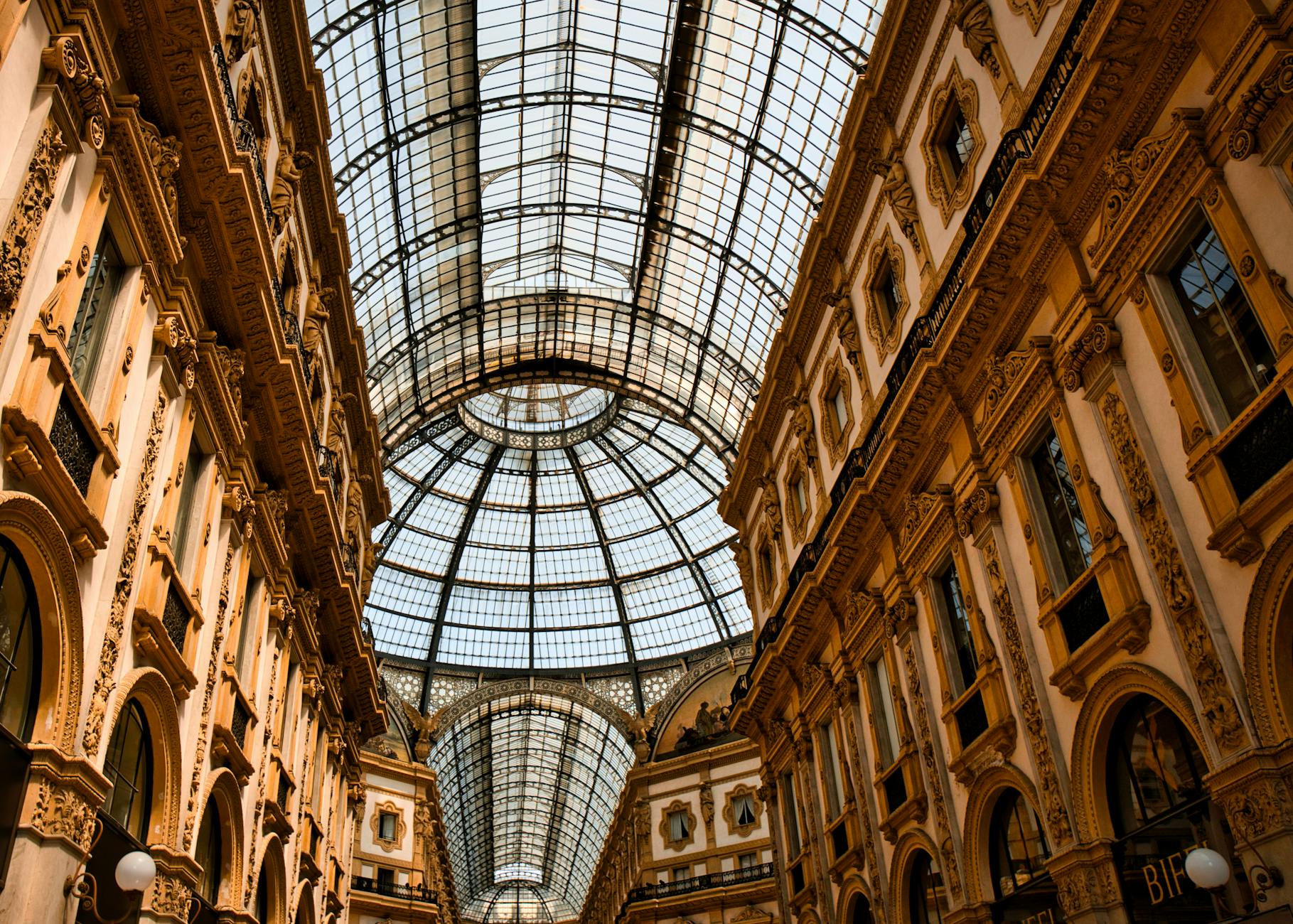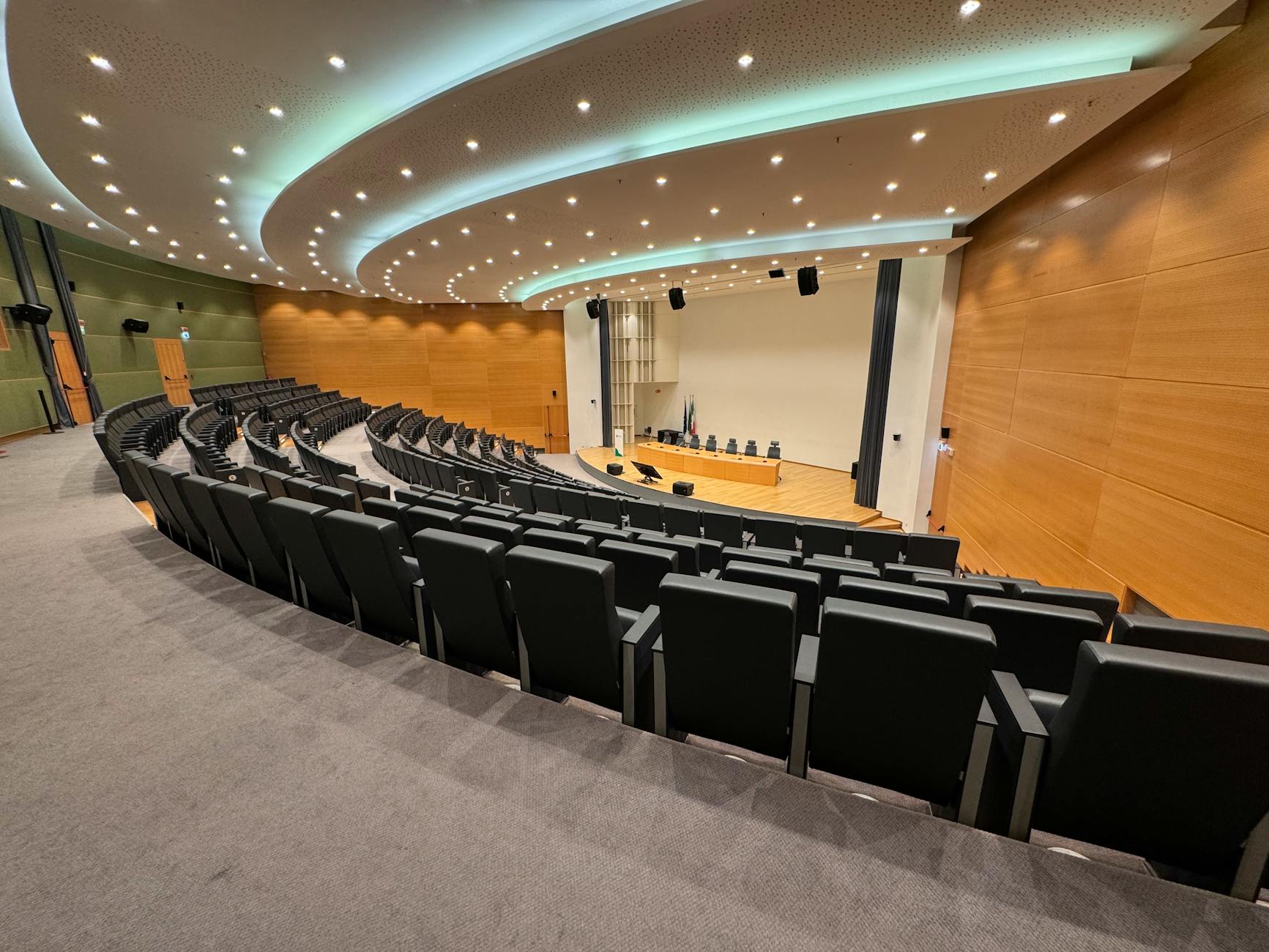
Milan can be an effective academic conference city because it combines strong international access, universities, conference venues, hotels, rail links, restaurants, and cultural depth. It can also waste a conference attendee's limited energy if the trip is planned as generic Milan tourism. The useful question is not whether Milan is interesting. It is where the venue sits, how the attendee will arrive, where the hotel should be, and how much of the city can be used without damaging the actual conference purpose. Academic travelers often arrive with laptops, presentation files, poster tubes, books, samples, field notes, or a grant-funded schedule that leaves little room for improvisation. Milan rewards attendees who understand the operating pattern before they land: venue first, hotel second, airport and rail third, then dinners, museums, and neighborhood time only where they fit the conference rhythm.
Start with the venue, not with central Milan
The first decision is the conference venue. A meeting near a university building, the historic center, CityLife, Fiera Milano, Rho, Porta Nuova, or a hotel conference space creates a different Milan trip. An address that looks central on a map may still create awkward morning transfers, and an outer venue can work well if the hotel and rail plan are honest about it.
Academic attendees should identify the exact registration desk, lecture rooms, poster area, evening reception site, and any side meetings before choosing a base. The wrong hotel can turn every day into a commute. The right hotel may be less romantic but better for arriving calm, carrying materials, and staying through the final session.
- Confirm the exact venue, registration point, session rooms, poster area, and evening reception site.
- Treat Fiera, Rho, CityLife, university buildings, and central hotel venues as different operating patterns.
- Choose the hotel around the conference rhythm before adding sightseeing preferences.
Protect arrival day and presentation readiness
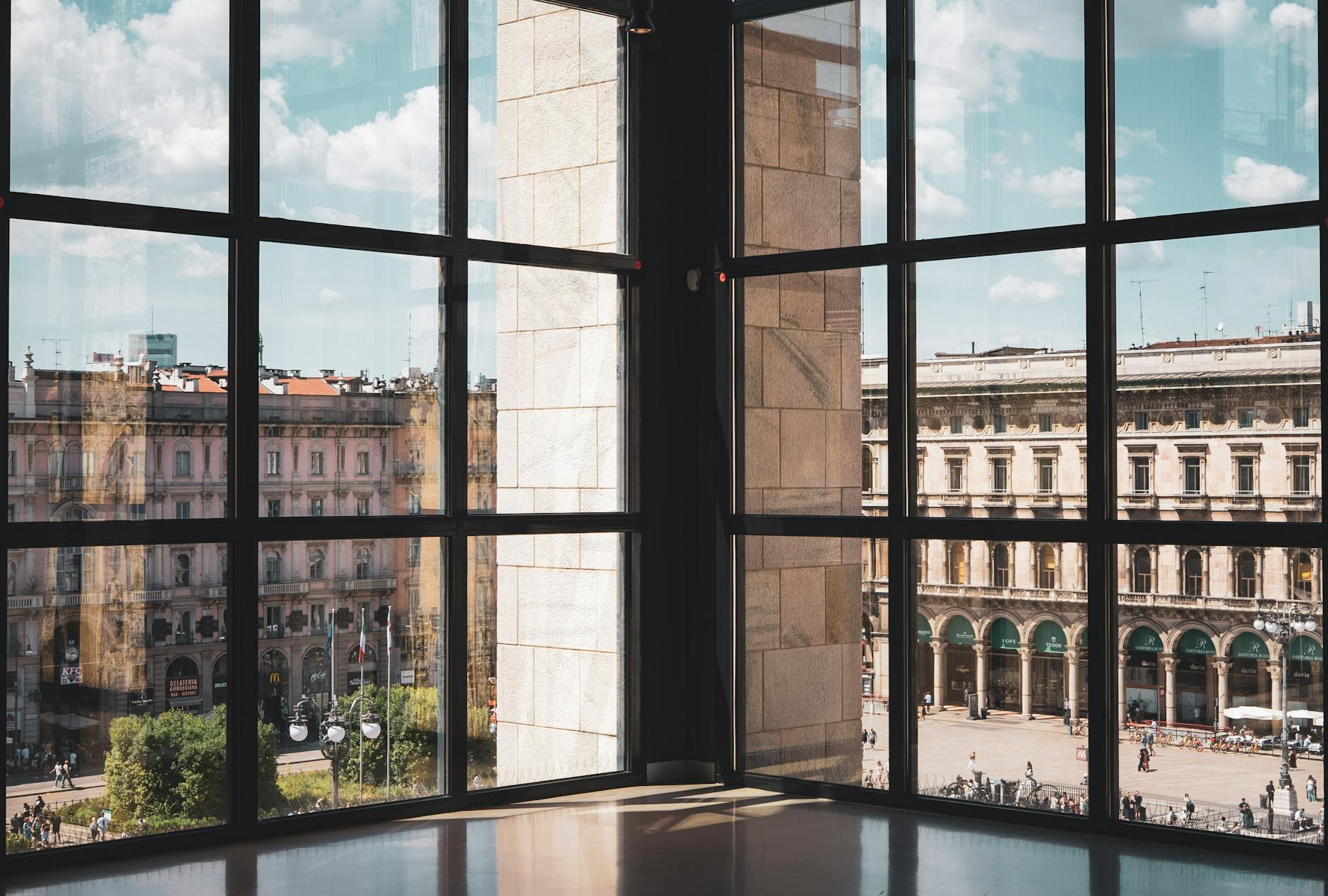
Academic conference trips often fail quietly on arrival day. A delayed flight, slow transfer, late check-in, broken adapter, missing poster tube, or poor room desk can affect the first session more than the traveler expects. Milan's airport and rail options are strong, but the attendee should still decide how they will reach the hotel and venue before landing.
If the attendee presents early, arrival should be conservative. The laptop should be charged, files backed up, poster logistics checked, and the route to the venue tested before the first morning. A grant-funded trip is not the moment to discover that the hotel is too far from the venue or that the first tram connection is confusing while carrying materials.
- Arrive with presentation files backed up, adapters packed, and poster or equipment handling planned.
- Use a conservative arrival plan when registration or presentation is soon after landing.
- Test the hotel-to-venue route before the first important session if time allows.
Choose a hotel that supports the conference day
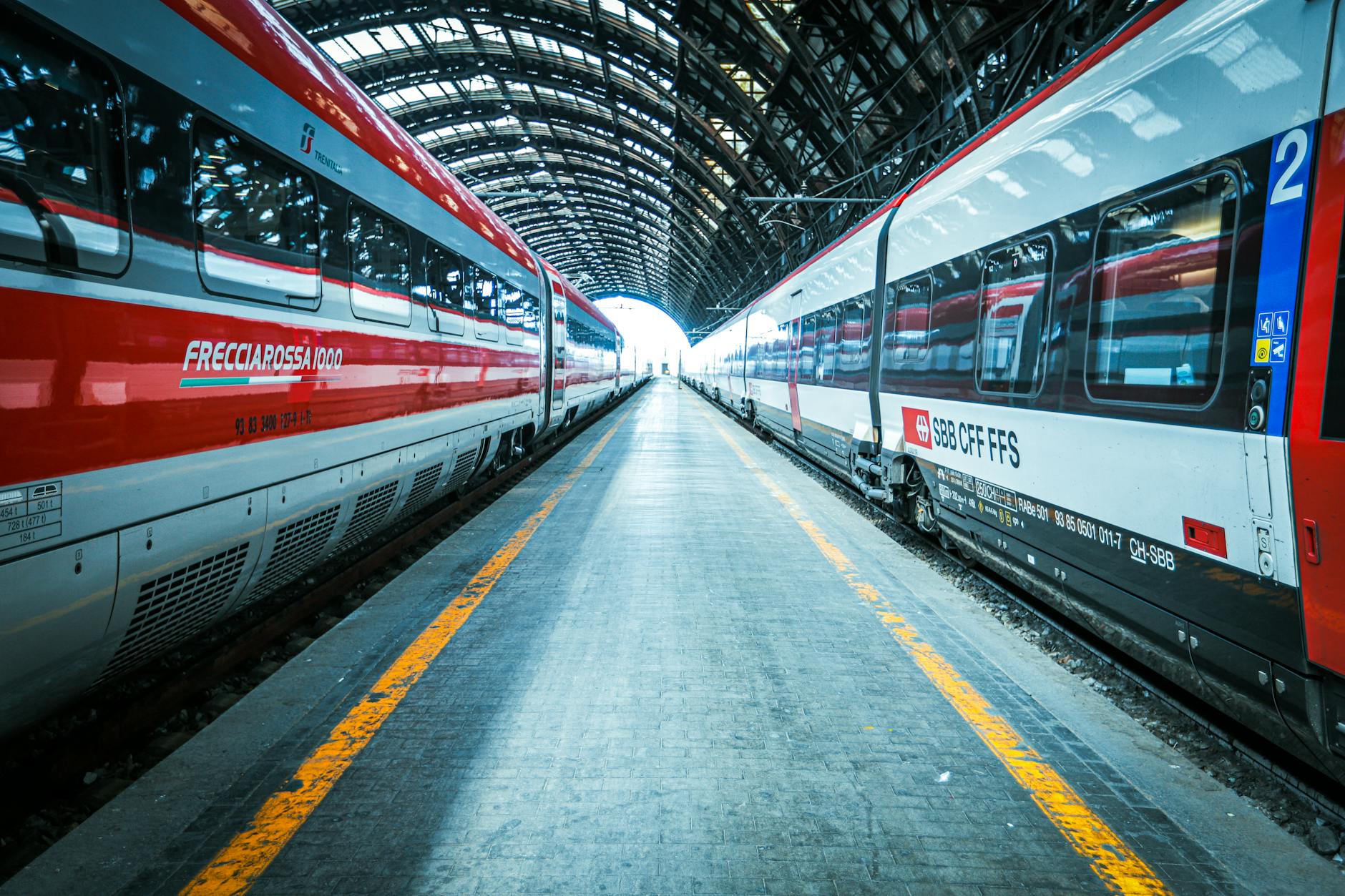
The best hotel for an academic attendee is not always the prettiest Milan hotel. It should support sleep, breakfast timing, desk work, route simplicity, luggage storage, and late returns from receptions. A hotel near the venue may be best for dense session days. A hotel near a reliable metro or rail link can work when the venue is outside the center. A central base can be excellent only if it does not turn every morning into a gamble.
The attendee should check whether the room has usable work space, whether breakfast begins early enough, whether the lobby can handle a short meeting, and whether the neighborhood feels comfortable after an evening event. Conference travel is partly intellectual work; the hotel should make that work easier.
- Prioritize sleep, desk space, breakfast timing, luggage storage, and easy morning movement.
- Use venue-adjacent hotels for dense session days and transit-connected hotels for outer venues.
- Check whether the hotel supports late reception returns and early starts.
Use transit without overloading the schedule
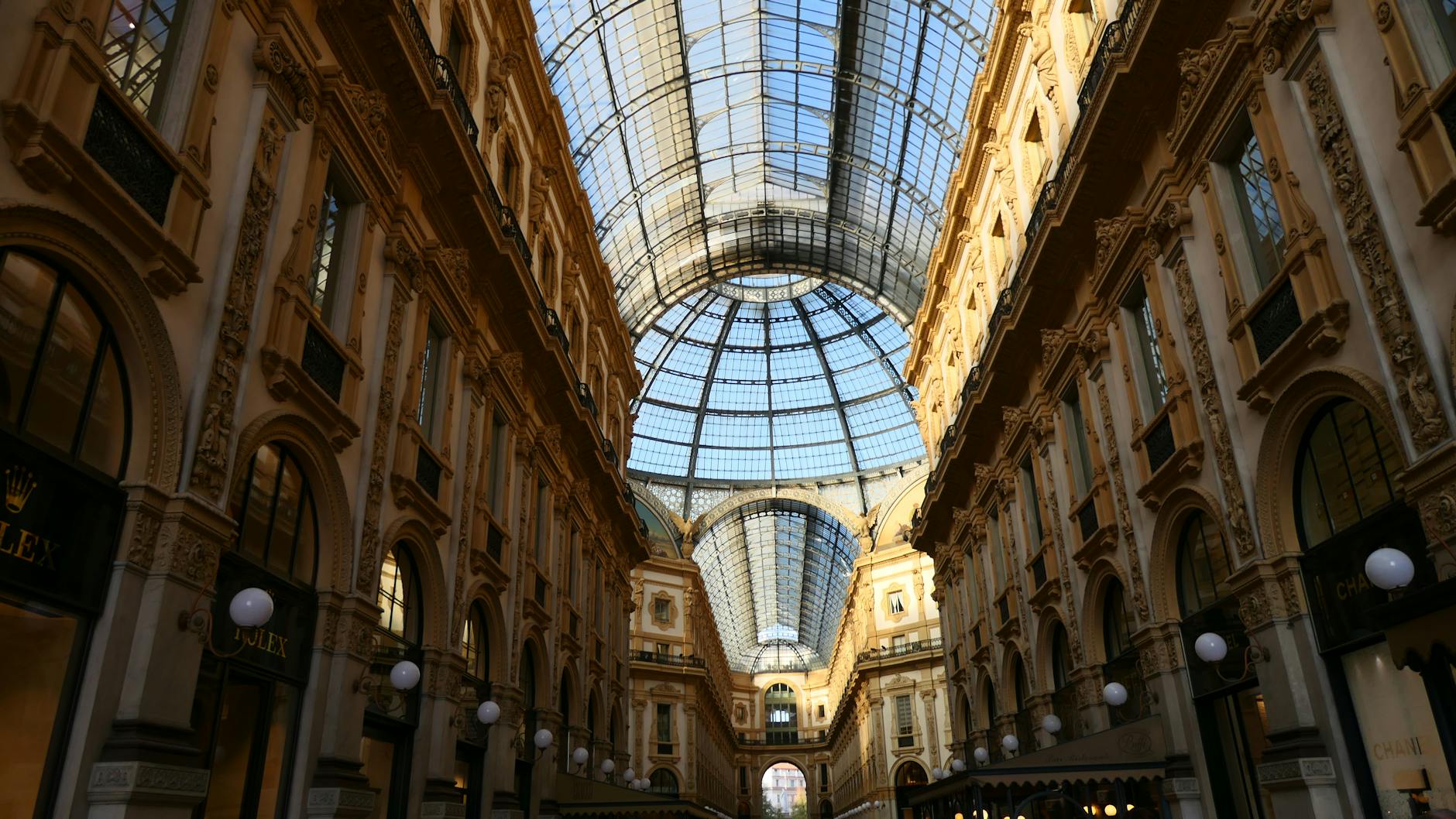
Milan's metro, trams, rail, taxis, and walking routes can make conference movement efficient when the attendee keeps the plan simple. A direct metro route may be better than a taxi in traffic. A taxi may be better with poster tubes, books, luggage, rain, or a late-night return. Walking can be pleasant near the center, but it should not be the default if the attendee needs to arrive composed.
The schedule should include buffers for strikes, weather, trade-fair pressure, fashion events, and normal peak-hour congestion. Academic attendees sometimes treat movement as dead time. In Milan, movement is part of the conference plan. A bad transfer can drain the attention needed for the session itself.
- Use direct metro or rail routes when they are cleaner than road movement.
- Use taxis or cars when carrying posters, samples, books, luggage, or returning late.
- Build buffers around weather, strikes, major events, and peak movement periods.
Manage session fatigue and city ambition
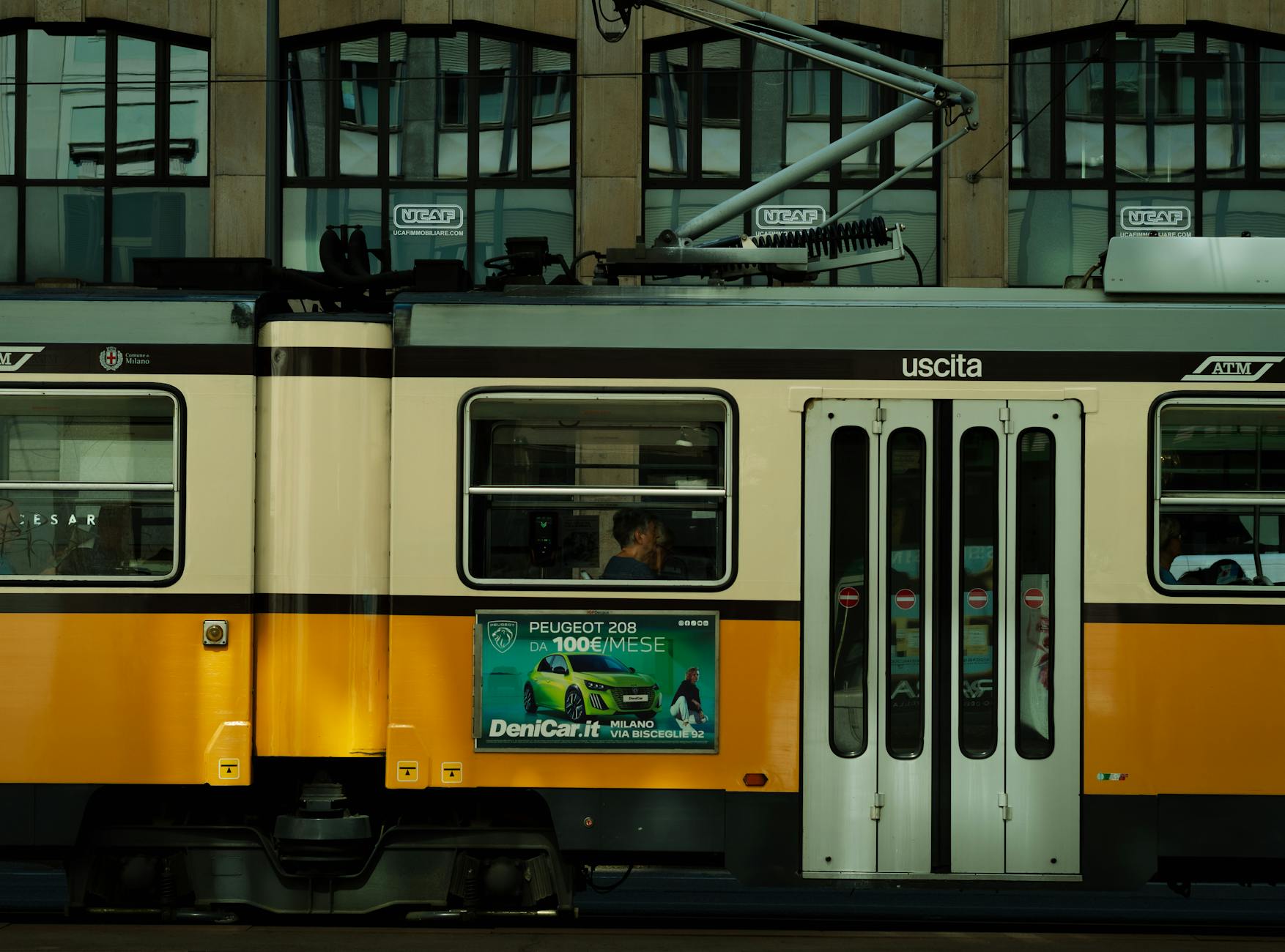
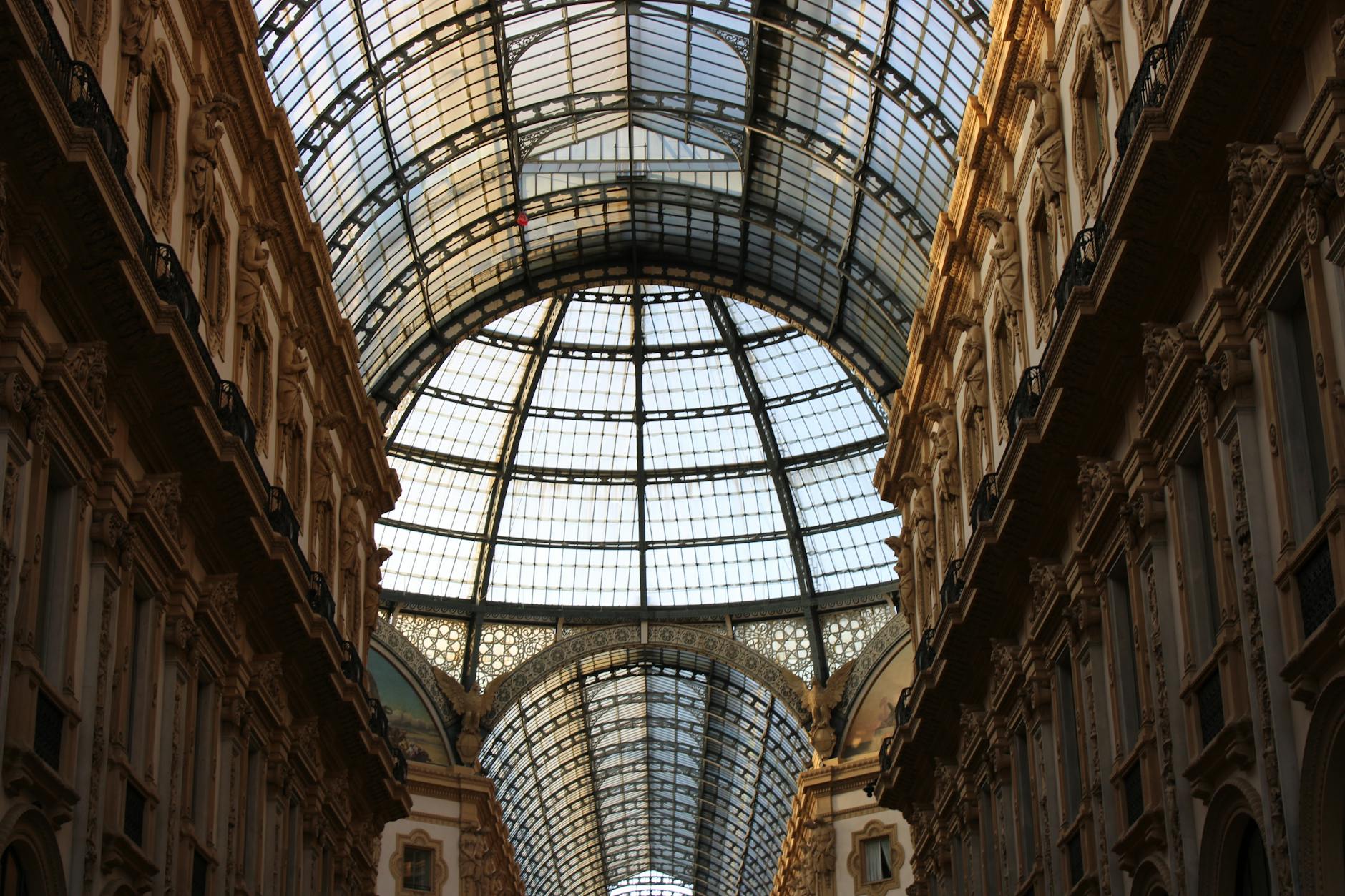
A conference trip can make Milan feel close but inaccessible. The attendee may pass near the Duomo, Brera, the Galleria, museums, shops, and restaurants while spending most daylight hours in windowless rooms. The solution is not to force a full tourist itinerary into the edges. It is to choose small, high-quality city moments that fit the academic day.
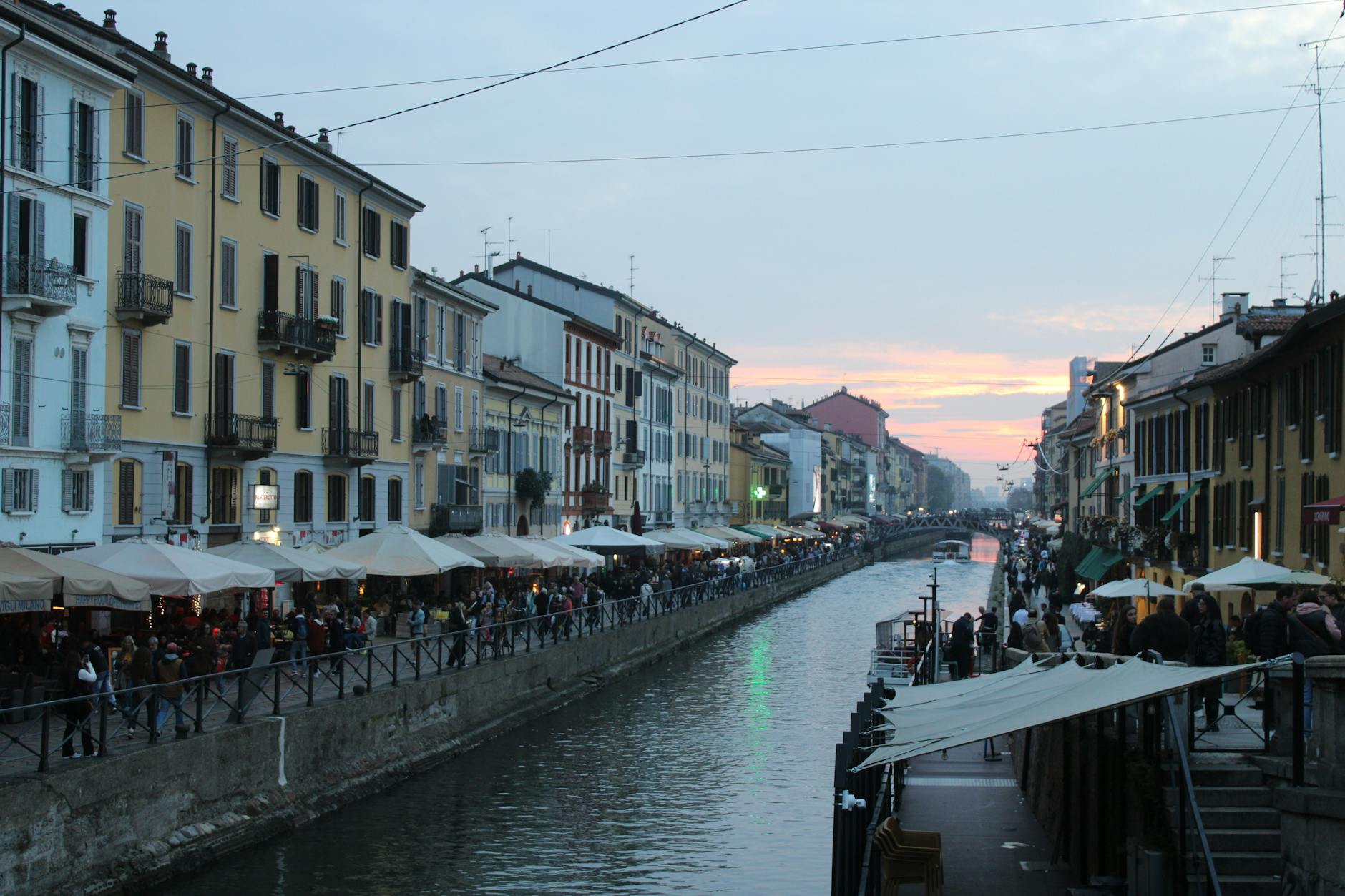
A single good walk, one museum slot, a focused dinner, or a short evening in Navigli may be more useful than a long list of famous places. Attendees should protect sleep, hydration, meals, and quiet time. The value of the trip includes the conversations and thinking that happen between sessions, not only the public program.
- Choose a few city moments that fit the conference schedule rather than forcing a full tourist route.
- Protect sleep, hydration, meals, and quiet work time during dense session blocks.
- Use Milan's center, Brera, Navigli, or museum time as relief, not as another exhausting obligation.
Plan networking dinners and late returns
Academic networking in Milan may happen over receptions, aperitivo, faculty dinners, sponsor events, private meetings, or informal drinks. These can be valuable, but they should not be allowed to compromise the next morning or strand the attendee far from the hotel. The dinner district should be checked against the venue, hotel, and return route before the evening begins.
Attendees should also think about hierarchy and comfort. A graduate student, senior scholar, solo woman attendee, visiting speaker, or researcher carrying sensitive equipment may need different return plans. The social part of the conference works better when the logistics are not being negotiated at midnight.
- Check reception and dinner geography against the hotel and next morning's first session.
- Plan late returns before the event starts, especially for solo attendees or those carrying equipment.
- Leave room for academic networking without sacrificing sleep, safety, or the next day's work.
When to order a short-term travel report
An attendee with a single central venue, flexible schedule, and light luggage may not need a custom report. A report becomes useful when the conference is at Rho or another outer site, the attendee presents early, carries posters or equipment, has multiple side meetings, travels with medical or mobility constraints, arrives late, or needs to choose between hotel bases under budget pressure.
The report should test venue geography, hotel options, airport and rail arrival, first-morning route, poster or equipment handling, meal and recovery planning, networking dinner logistics, strike or event exposure, after-dark movement, and fallback if the schedule changes. The goal is not to make the conference rigid. It is to protect the academic purpose of the trip.
- Order when venue location, presentation timing, equipment, health limits, or side meetings make logistics consequential.
- Provide venue addresses, session times, hotel candidates, arrival details, materials carried, and evening commitments.
- Use the report to align conference work, hotel base, city time, and return margins.