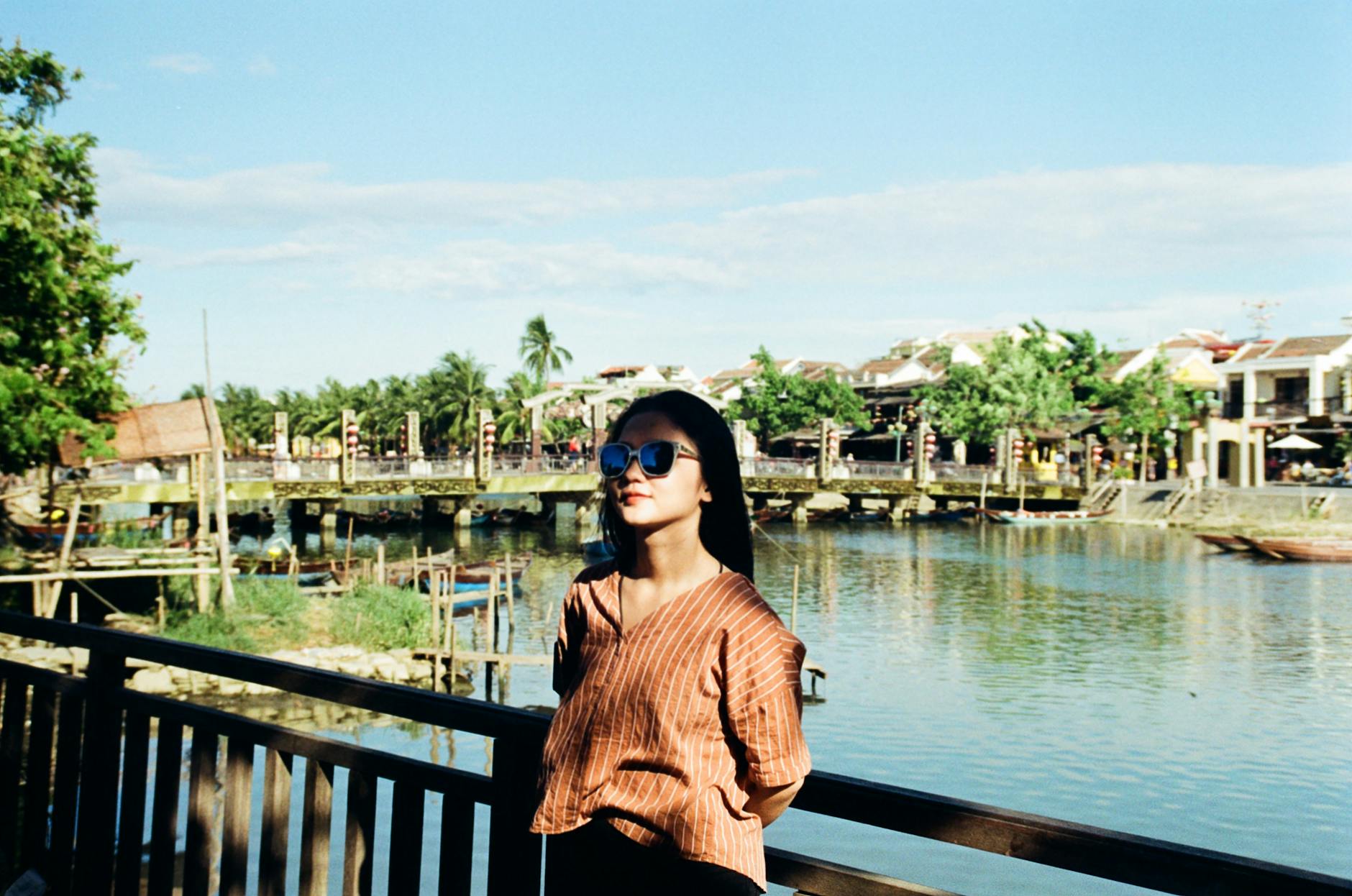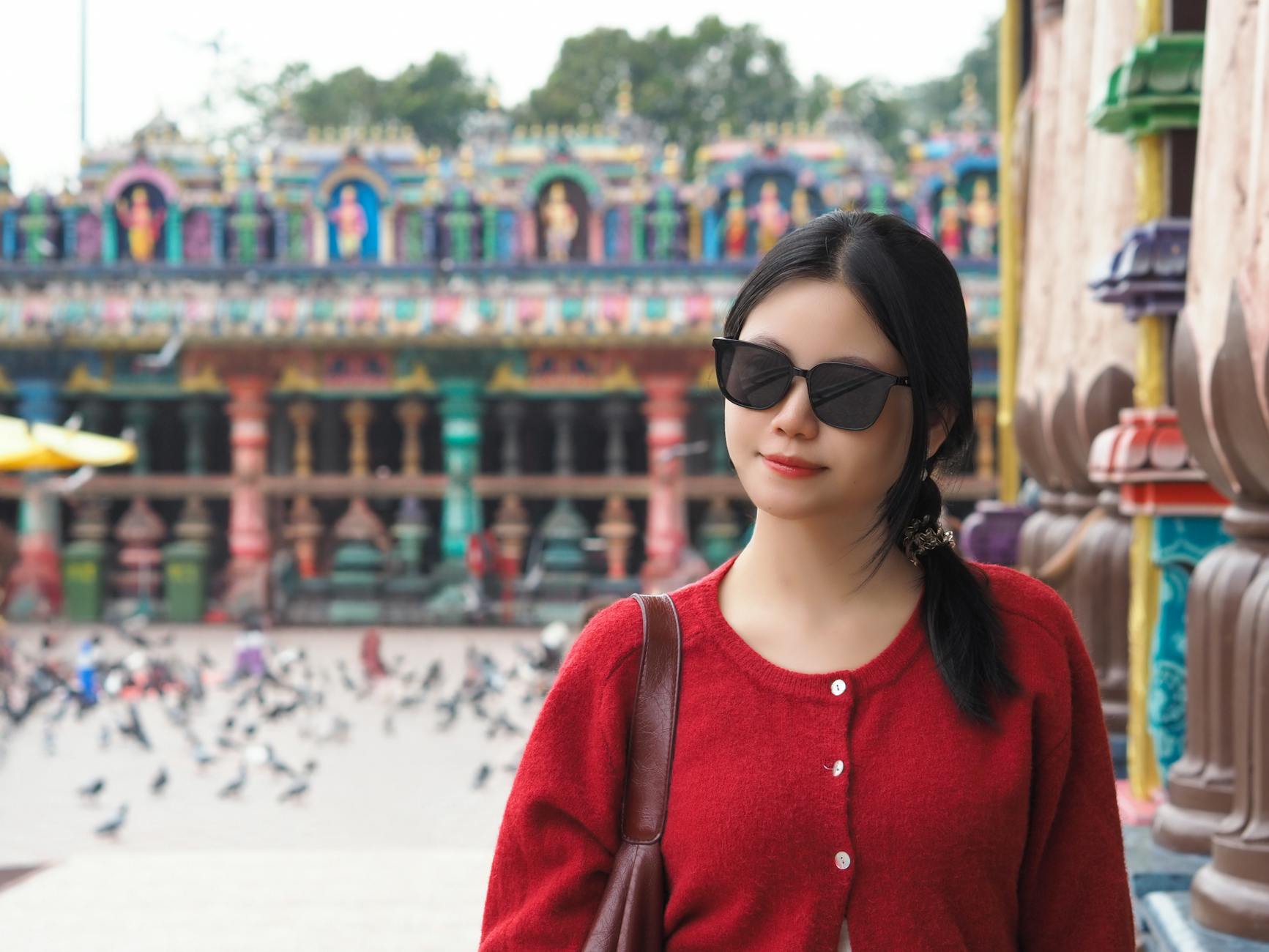
Malacca City can be a comfortable and rewarding destination for women travelers, especially when the trip is built around practical arrival timing, a well-placed hotel, manageable walking routes, and clear evening movement. The city is compact, but compact does not mean every route, street, meal, or return decision is equally easy. A woman traveler should think through road transfers, hotel access, dress context, religious and residential spaces, crowded streets, food stops, weather, phone battery, and how to leave an area without drama. The aim is not to make the trip tense. It is to keep independence and comfort aligned.
Make arrival and return routes explicit
Many women travelers reach Malacca City by road from Kuala Lumpur, KLIA, Singapore, Johor, or another Malaysian base. The transfer may be straightforward, but arrival still deserves planning: terminal or drop-off point, luggage, check-in time, phone battery, payment, ride availability, and whether the arrival is after dark.
The traveler should know how she will reach the hotel, what the backup is if a bus or driver is delayed, and how she will return from the first evening outing. The strongest independent plan removes uncertainty at the moments when fatigue is highest.
- Plan the transfer, drop-off point, hotel route, phone battery, payment, and backup ride.
- Avoid late arrivals without a clear route from terminal or car drop-off to the hotel.
- Know the first evening return plan before leaving the hotel.

Choose lodging for access and social comfort
Hotel placement matters more than a pretty room photo. A woman traveler should check entrance visibility, staff presence, lift access, room security, street lighting, vehicle access, noise, proximity to food, and whether the route back feels straightforward after dinner or rain.
A heritage-core hotel can be convenient for walking, but it may also bring crowds, late noise, stairs, or awkward vehicle access. A slightly quieter hotel can work well if returns remain simple and reliable.
- Check entrance visibility, staff coverage, lift access, room security, lighting, and vehicle access.
- Balance heritage-core convenience against noise, crowds, stairs, and difficult pickups.
- Choose a base that supports easy solo or companion returns.

Read dress and behavior by setting
Malacca City mixes riverfront tourism, religious sites, residential streets, museums, cafes, markets, and hotel spaces. A woman traveler does not need to dress the same way everywhere, but she should understand context before entering churches, mosques, temples, clan spaces, or quieter residential lanes.
A light layer, practical shoes, and a plan for heat can make the day easier. The traveler should also decide when photography, loud conversation, or lingering near private-looking spaces is inappropriate.
- Adjust dress and behavior around religious, residential, hotel, market, and riverfront settings.
- Carry a light layer and wear practical shoes for heat, rain, and uneven surfaces.
- Treat sacred and residential spaces as active local places, not only photo settings.
Keep daytime walking routes short enough to control
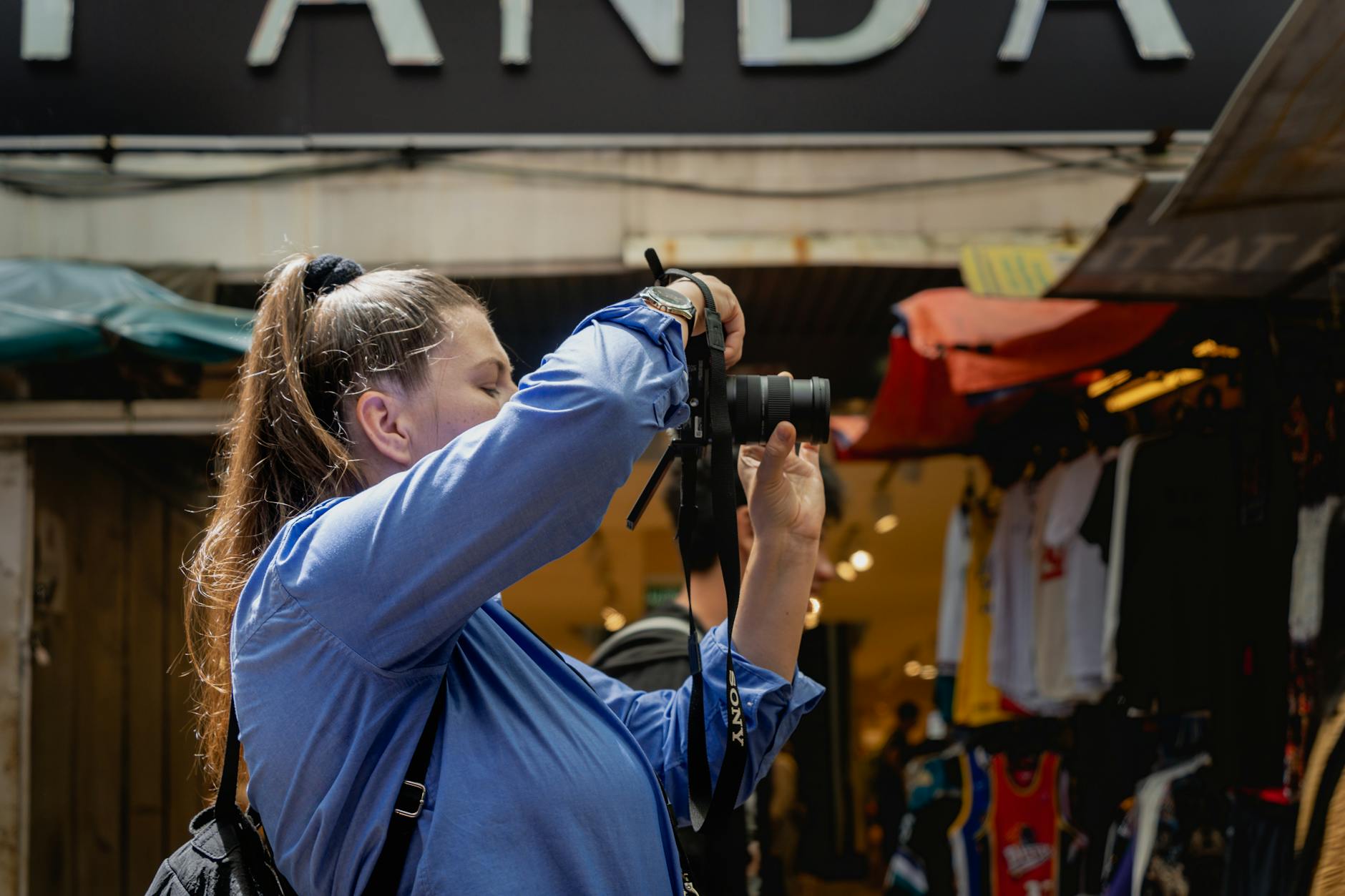
A woman traveler may want to cover the river, Dutch Square, museums, churches, temples, cafes, shops, and Jonker Street in one pass. The map makes that look easy, but heat, rain, crowding, traffic crossings, and narrow sidewalks can make a route feel longer than expected.
The better plan is a compact route with indoor breaks, water, a cafe or museum pause, and a known ride pickup point. Control comes from knowing where the route can stop, not from forcing every stop onto the schedule.
- Use compact walking loops with indoor breaks, water, and ride pickup points.
- Plan around heat, rain, crowds, crossings, narrow sidewalks, and fatigue.
- Leave optional stops optional instead of treating the map as a checklist.
Plan food stops without getting stuck
Food can be one of the best parts of Malacca City, but women travelers should think through queues, table comfort, crowd density, cash, allergies, spice, shellfish, peanuts, and whether the route back remains easy after the meal. A famous food stop is less valuable if it leaves the traveler tired, exposed to rain, or far from a simple return.
The food plan should include a few destination choices and a few practical backups near the hotel. That protects both appetite and independence.
- Plan queues, table comfort, crowd density, cash, allergies, spice, and return routes.
- Mix destination food with practical backups near the hotel.
- Avoid choosing meals that make the evening return harder than necessary.
Set evening boundaries before going out
Evening walks, riverfront lights, markets, cafes, and hotel bars can work well, but the traveler should decide boundaries before the night starts. Crowds, rain, low phone battery, reduced ride options, alcohol, and unfamiliar lanes can all change the feel of a short return.
The traveler should keep valuables controlled, avoid giving unnecessary hotel or room details, use well-lit routes, and leave before fatigue makes small decisions sloppy. A planned exit keeps the evening relaxed.
- Decide the endpoint, return route, phone battery plan, and ride fallback before going out.
- Keep valuables and hotel details controlled in crowded or social settings.
- Leave before fatigue, weather, or crowding makes the return harder.
When to order a short-term travel report
A woman traveler with local support, flexible timing, and simple plans may not need a custom Malacca City report. A report becomes useful when the trip is short, arrival timing is uncertain, the traveler is arriving alone or late, hotel choices are unclear, evening movement matters, or medical, dietary, mobility, or privacy constraints need testing.
The report should test arrival route, hotel access, walking loops, dress context, weather, food, evening movement, ride choices, medical access, communications, budget, and what to cut. The value is a trip that keeps independence practical.
- Order when arrival, hotel choice, evening movement, privacy, food, or constraints need testing.
- Provide dates, transfer route, hotel options, walking tolerance, food constraints, budget, and priorities.
- Use the report to preserve independence while reducing avoidable uncertainty.