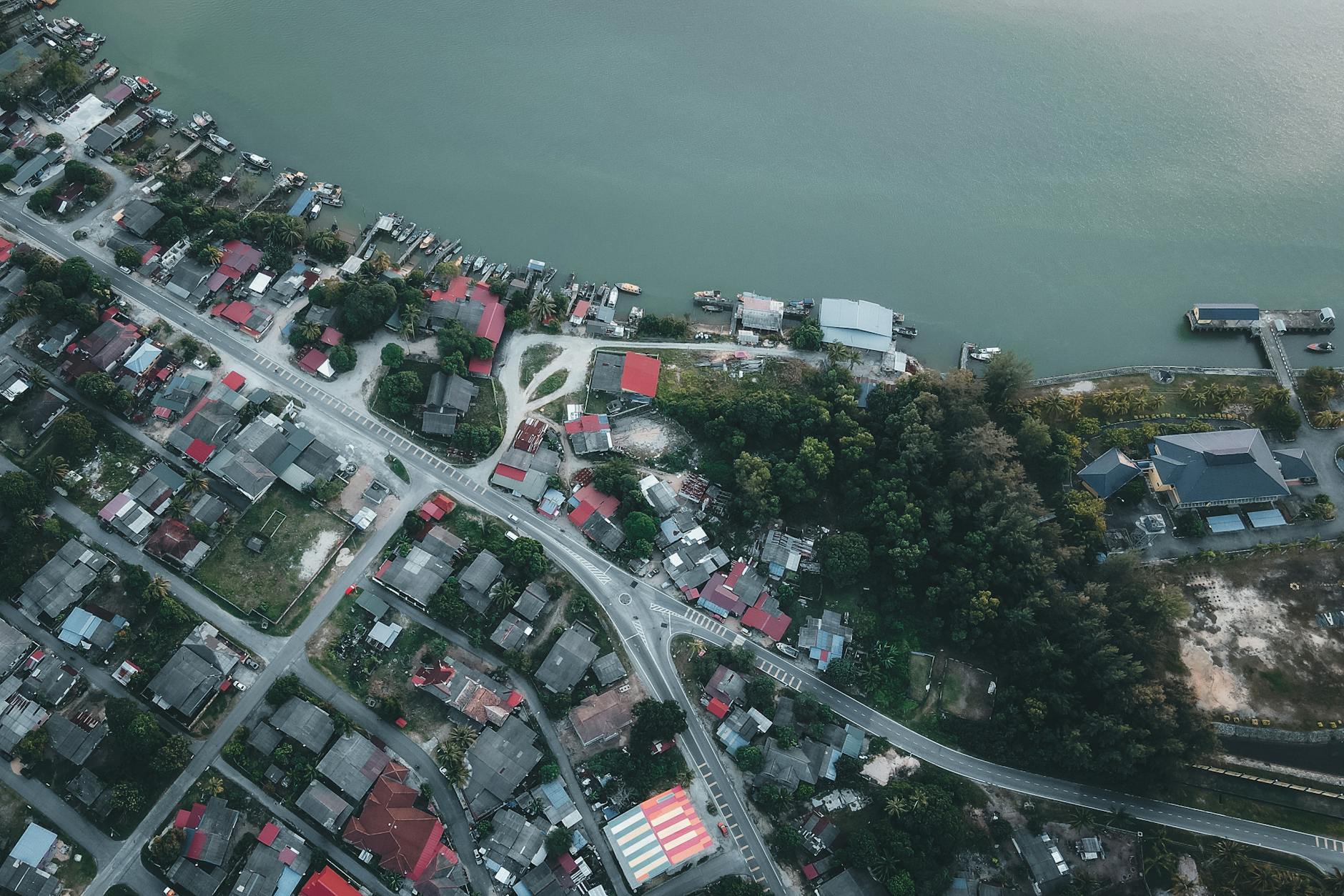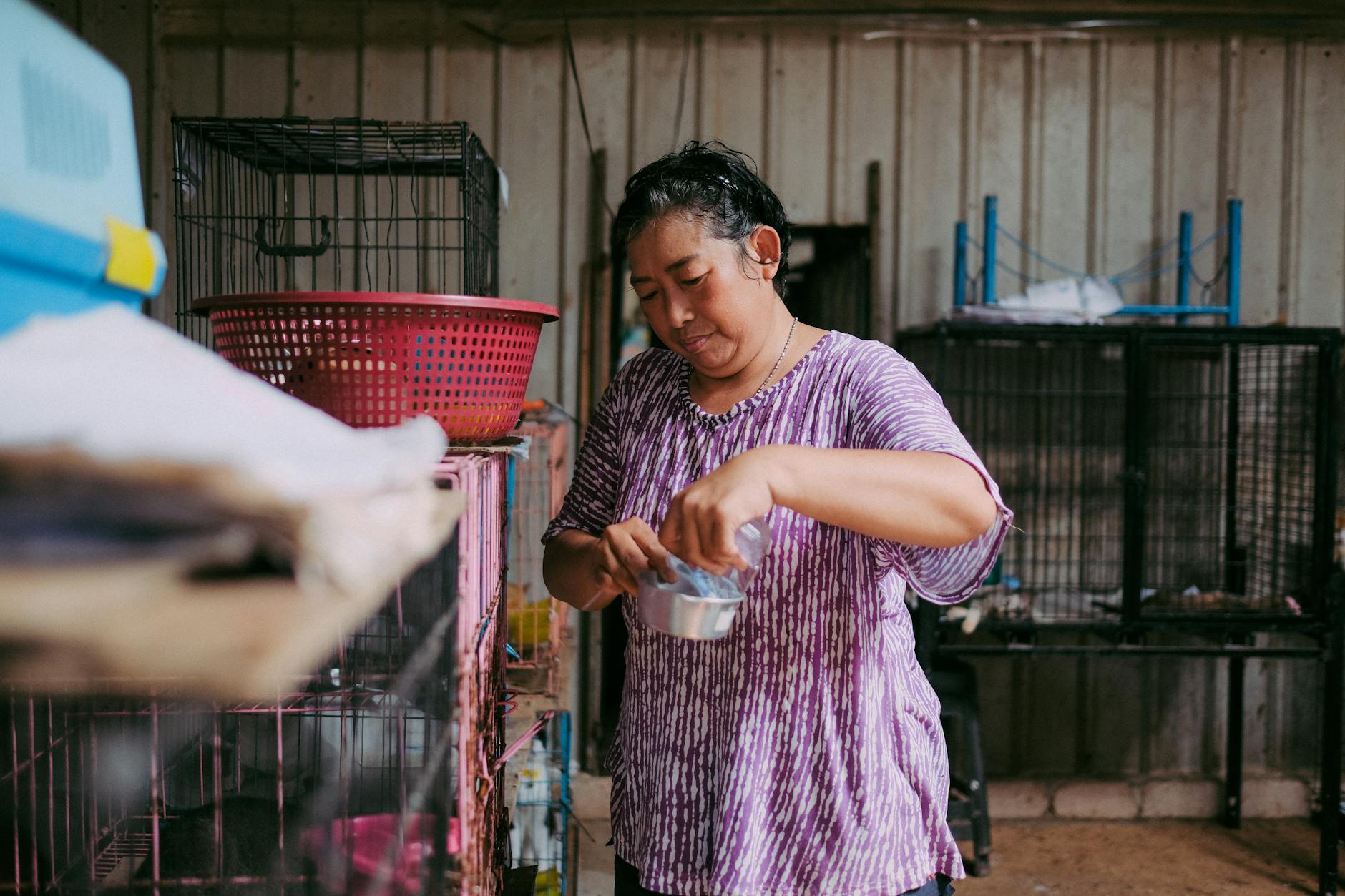
A short volunteer or NGO trip to Malacca City can involve community programs, education work, heritage projects, NGO meetings, faith-linked support, youth activities, health outreach, or cultural exchange. The city is compact for visitors, but the work may sit in schools, neighborhoods, partner offices, community halls, religious spaces, or sites outside the tourist core. The traveler should plan the trip around the host organization and community context first. Malacca City's heritage streets and riverfront can add value to the stay, but service travel needs clear roles, consent, transport, housing, food, weather planning, and limits on what the visitor documents or promises.
Clarify the host role before arrival
Volunteer and NGO travelers should know exactly what they are being asked to do before reaching Malacca City. A short placement may involve observing, training, teaching, logistics support, interviews, donor visits, documentation, administrative help, or practical service. Those roles require different clothing, language preparation, consent, materials, and emotional expectations.
The traveler should confirm who supervises the visit, what hours are expected, what is inappropriate, and what happens if the plan changes. A vague invitation to help can become stressful quickly when the stay is short.
- Confirm whether the role is observing, training, teaching, documenting, advising, or practical support.
- Clarify supervisor, work hours, materials, dress, language needs, and boundaries.
- Ask what should not be done, photographed, promised, or discussed.
Map work sites beyond the visitor core
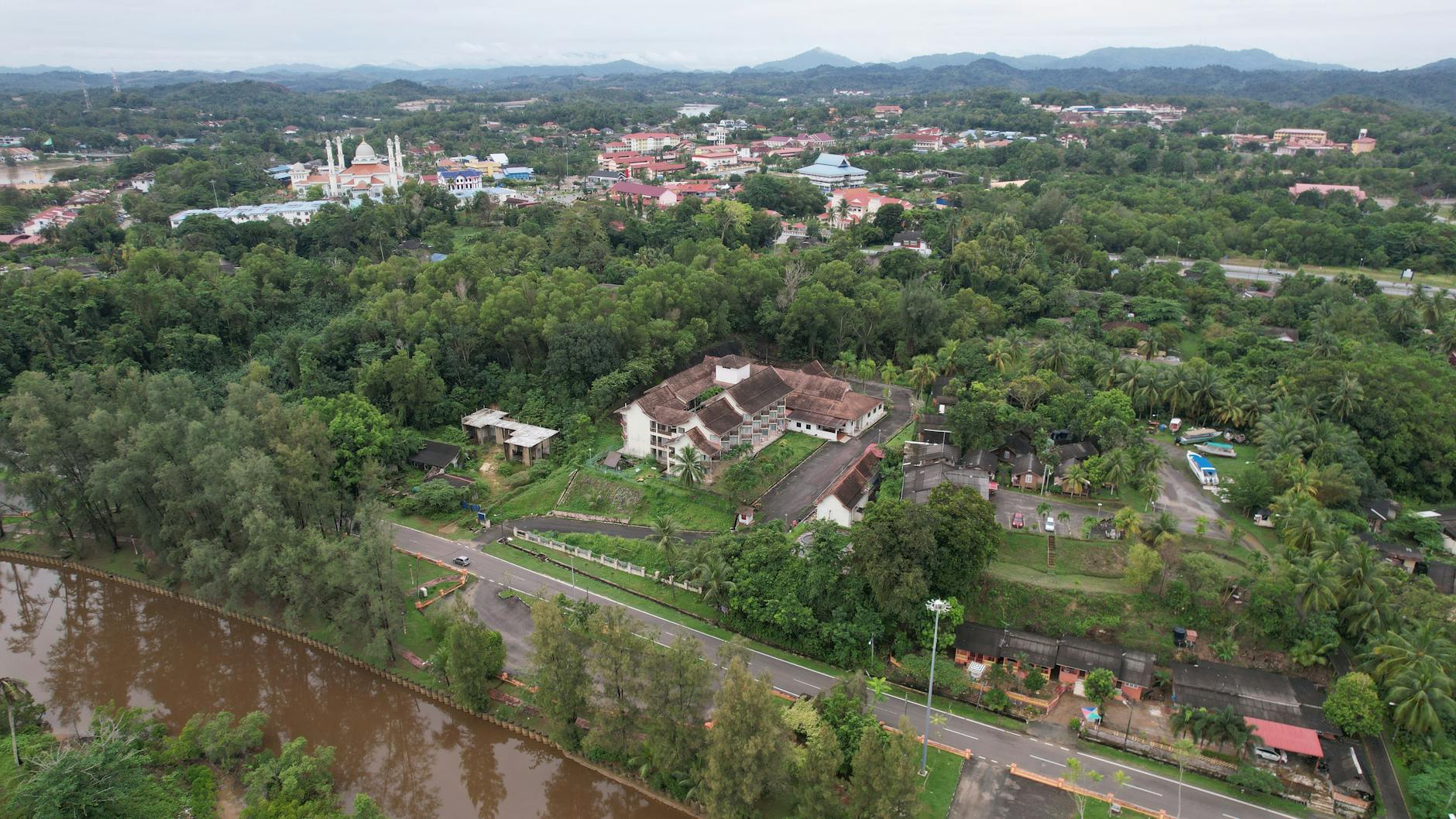
A volunteer or NGO itinerary may not sit neatly around the riverfront, Dutch Square, or Jonker Street. The host may need the traveler at a school, community hall, NGO office, clinic, religious space, village-linked program, or meeting site reached by road. The traveler should map those places before judging where to stay.
If several sites are involved, transport responsibility should be explicit. The plan should state who drives, where pickup happens, what happens in rain, and whether the traveler can move independently after program hours.
- Map NGO offices, schools, community halls, clinics, religious spaces, and field sites.
- Confirm who controls transport, pickup points, rain plans, and late returns.
- Choose lodging by work-site access, not only by tourist convenience.
Choose housing for reliability and recovery
Volunteer housing can be arranged by the host, chosen independently, or shared with a cohort. The traveler should check air-conditioning, bathroom access, laundry, Wi-Fi, quiet space, curfew, gender arrangements, luggage storage, security, breakfast timing, and distance from pickup or program sites.
Short service trips often require more recovery than travelers expect. Heat, long conversations, unfamiliar routines, emotional content, and early starts can make a reliable room more useful than the cheapest or most atmospheric option.
- Check cooling, bathrooms, laundry, Wi-Fi, quiet space, security, curfew, and luggage storage.
- Confirm gender arrangements, breakfast timing, pickup access, and host expectations.
- Choose housing that supports recovery after fieldwork or community meetings.
Plan road arrival and first-day pacing
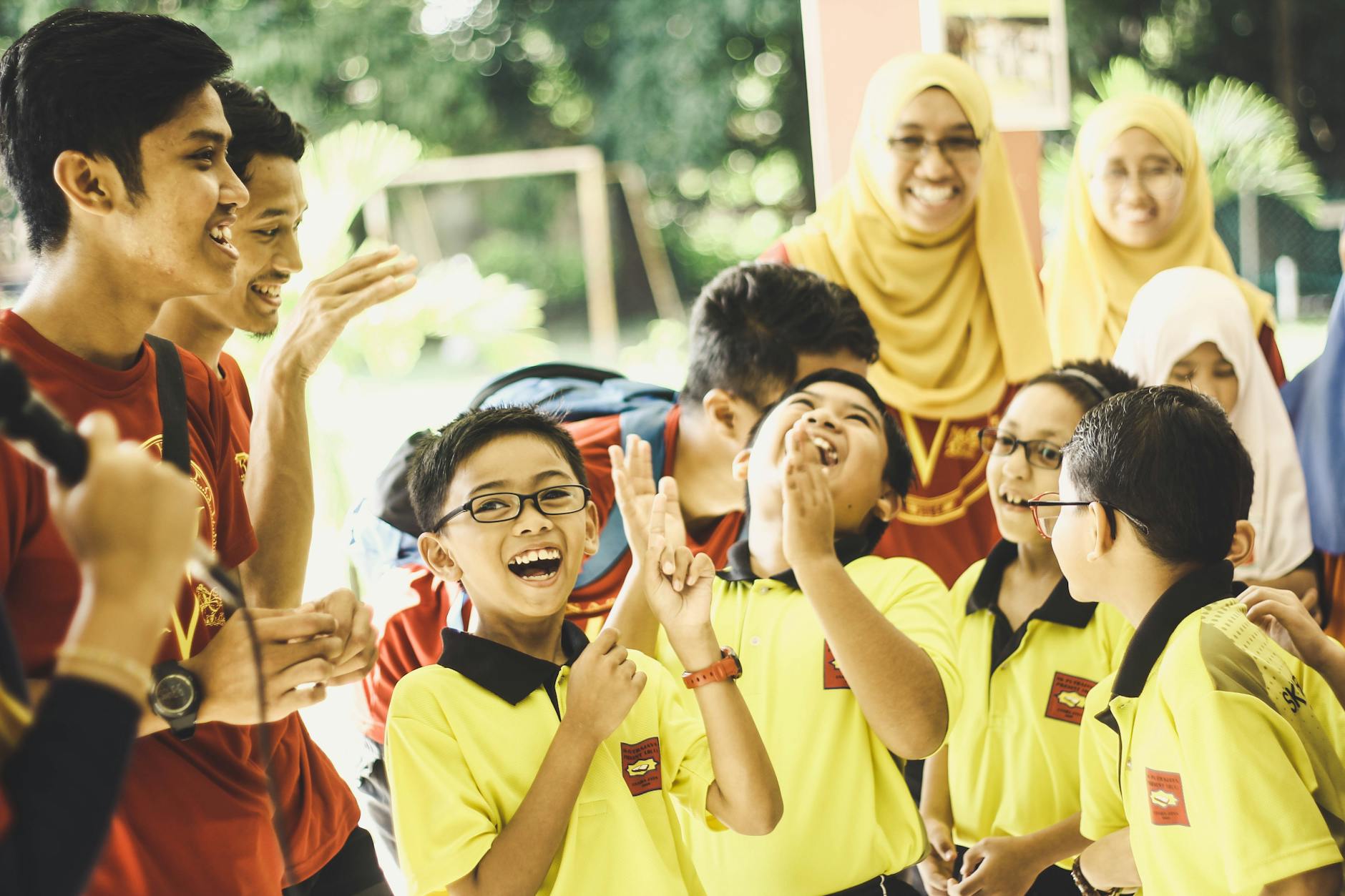
Many NGO travelers reach Malacca City by road from Kuala Lumpur, KLIA, Singapore, Johor, or another Malaysian base. The first program session should not depend on perfect traffic, easy luggage, immediate check-in, and a rested traveler. If the host expects the visitor to speak, train, teach, or observe closely, arrival fatigue matters.
The traveler should build a buffer before the first serious session and confirm how to contact the host during transfer delays. A short trip should start with orientation, not instant improvisation.
- Build road-transfer buffers from Kuala Lumpur, KLIA, Singapore, Johor, or another base.
- Avoid major teaching, training, or donor-facing duties immediately after a fragile arrival.
- Confirm host contacts, check-in timing, luggage plans, and first-day orientation.
Protect health, food, and field readiness
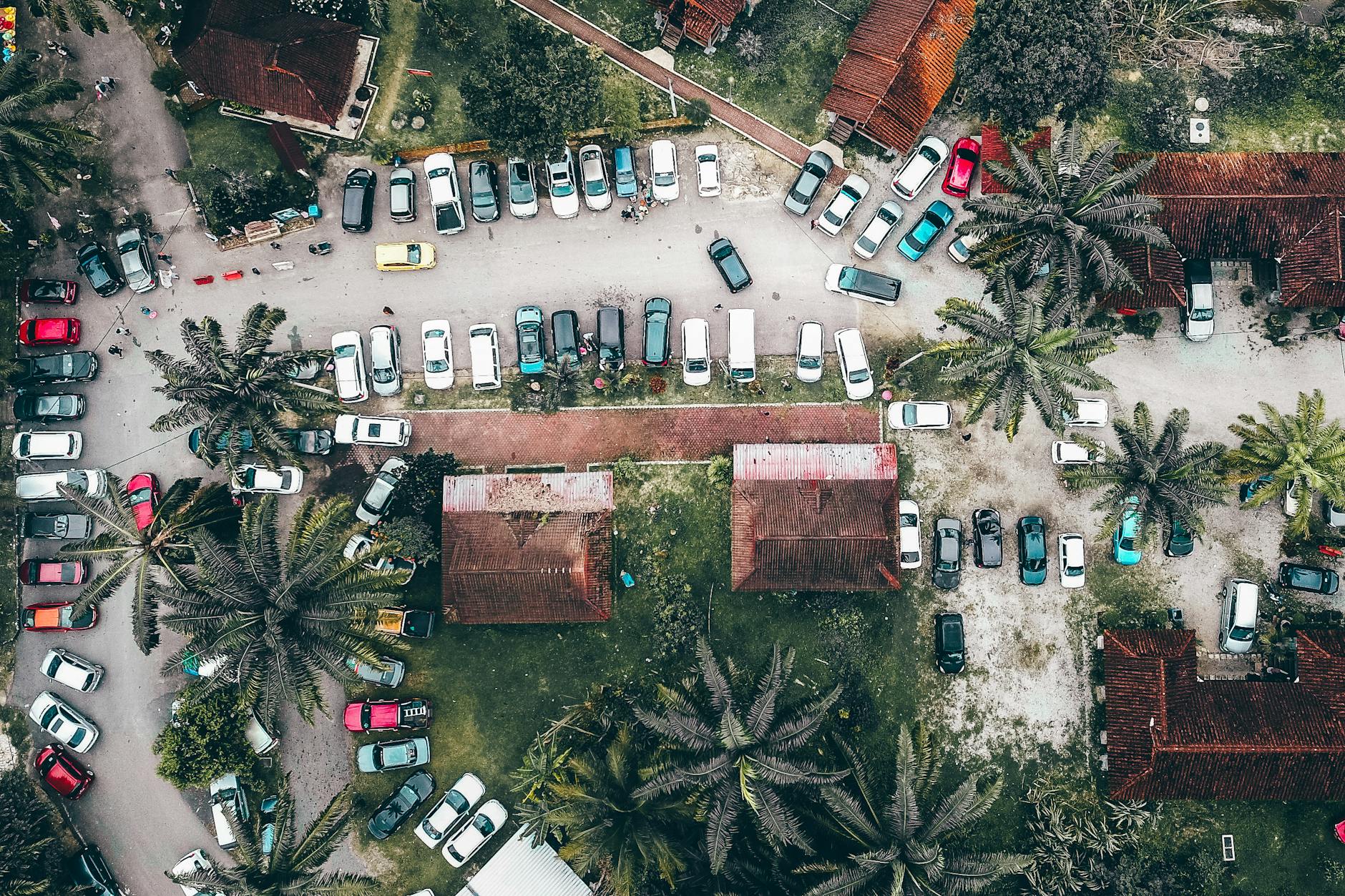
Volunteer and NGO work can involve long outdoor periods, indoor rooms without ideal cooling, shared meals, early starts, standing, local transport, and emotionally heavy conversations. Heat, rain, hydration, medication timing, food allergies, halal requirements, vegetarian needs, spice tolerance, and restroom access should be planned before the workday begins.
The traveler should carry practical shoes, water, sun and rain protection, basic medication, phone power, and any documents the host requires. Preparedness should reduce burden on the host rather than adding another person to manage.
- Plan hydration, medication, heat, rain, bathrooms, practical shoes, and phone power.
- Clarify allergies, halal needs, vegetarian needs, spice tolerance, and shared-meal expectations.
- Carry required documents and supplies so the host does not have to solve basics.
Handle photos, stories, and community consent carefully
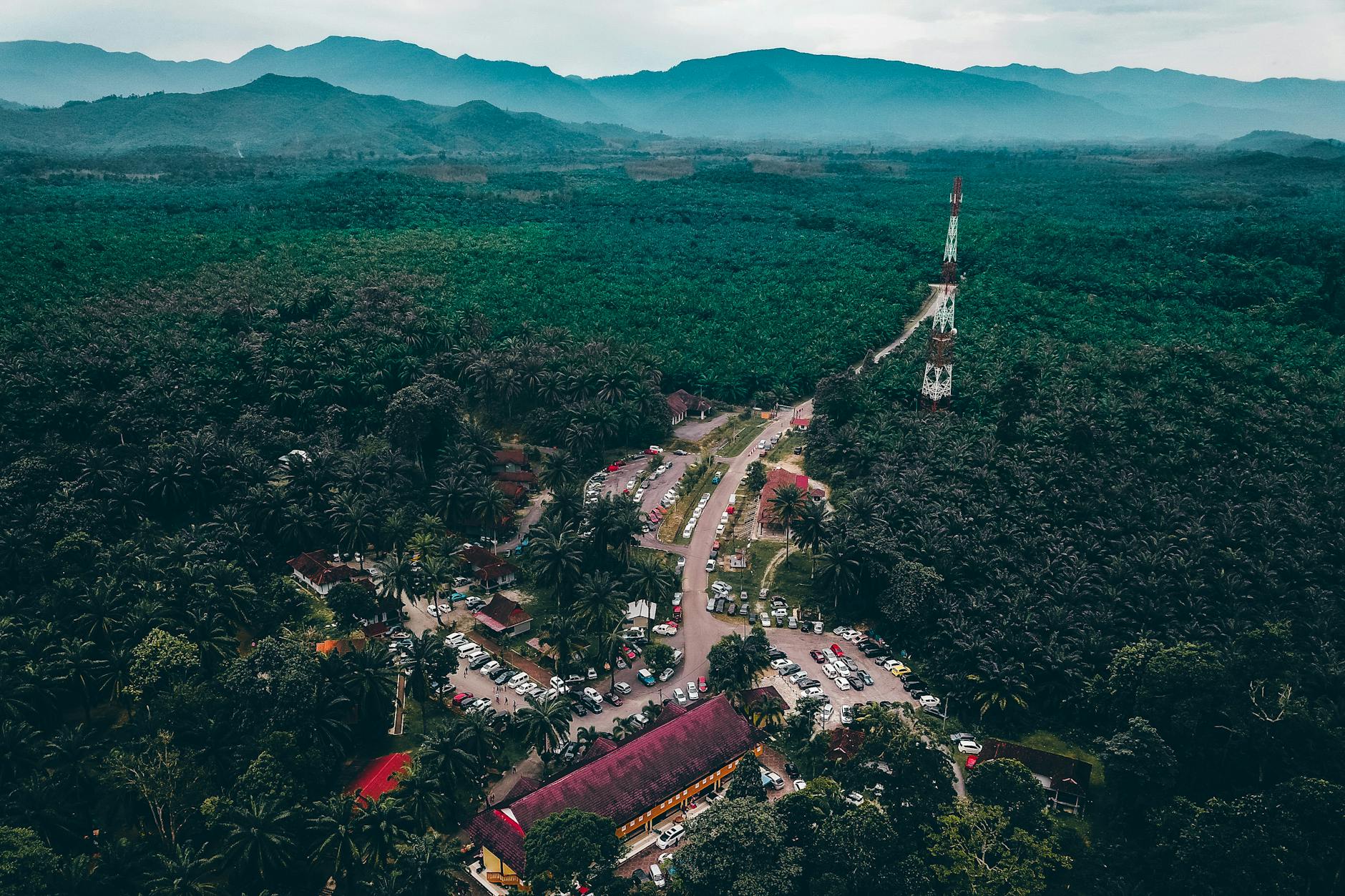
Short service trips often create pressure to photograph people, record stories, post updates, or collect material for donors. That can harm trust if consent, dignity, privacy, and local rules are not respected. Children, patients, vulnerable families, worshippers, and beneficiaries require special care.
The traveler should ask the host what documentation is allowed, who can consent, where images may be used, and what should stay private. A phone camera should never be treated as neutral simply because the traveler means well.
- Clarify photo, interview, donor, social media, and story-collection rules before field activity.
- Use extra caution around children, patients, vulnerable households, worshippers, and beneficiaries.
- Respect privacy and dignity even when the setting is visually compelling.
When to order a short-term travel report
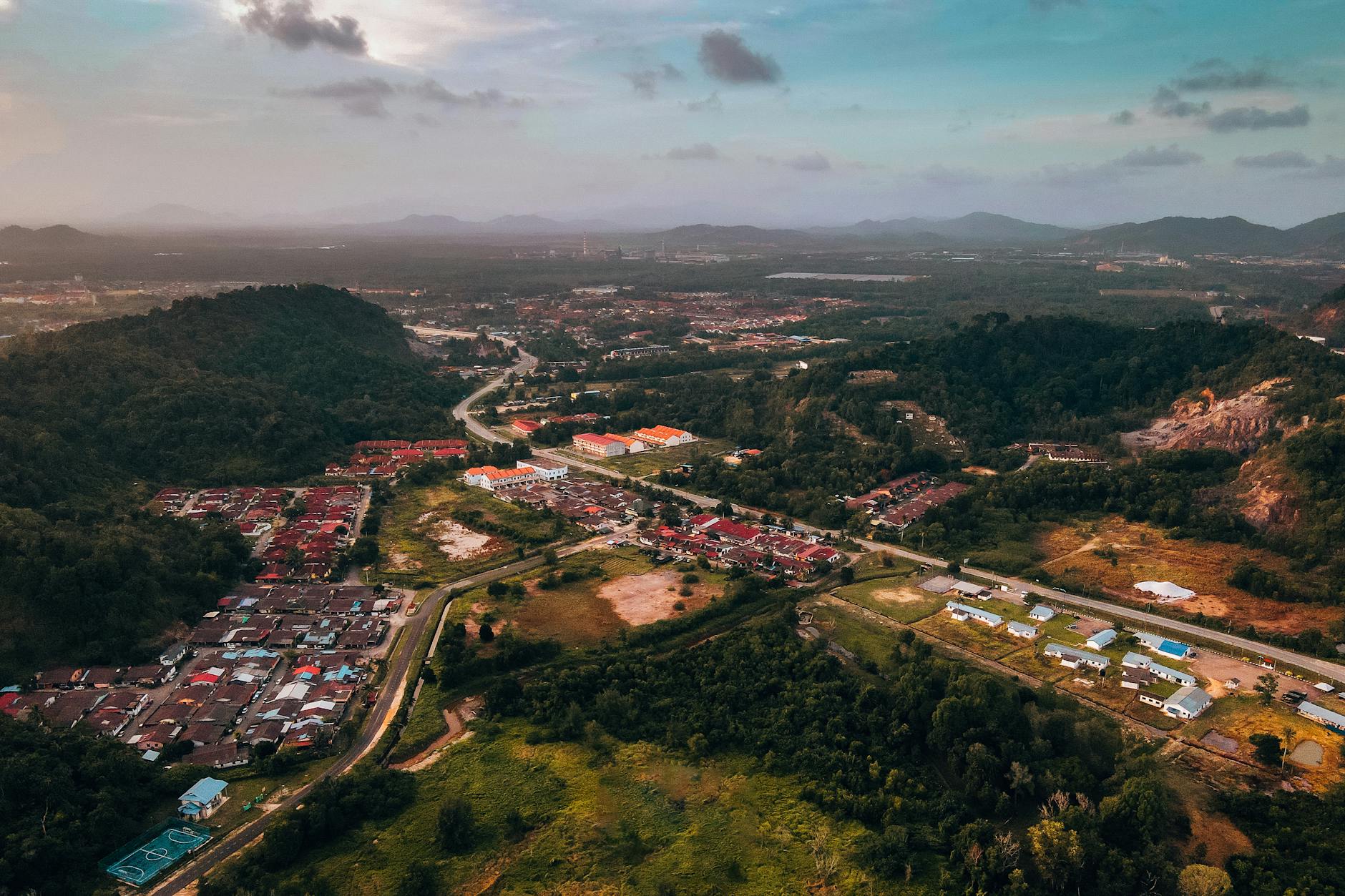
A volunteer or NGO traveler joining a fully managed host itinerary may not need a custom Malacca City report. A report becomes useful when the traveler is choosing housing independently, arriving separately, visiting multiple community sites, managing medical or dietary constraints, carrying donor or program materials, or balancing service work with limited personal time.
The report should test host geography, housing, arrival timing, transport, food, health, weather, permissions, documentation boundaries, free-time options, medical access, budget, and what to cut. The value is a service trip that supports the host rather than creating avoidable friction.
- Order when housing, separate arrival, multiple sites, health, permissions, or materials need testing.
- Provide dates, host details, work locations, housing options, duties, constraints, budget, and priorities.
- Use the report to keep the short service trip practical, ethical, and host-centered.