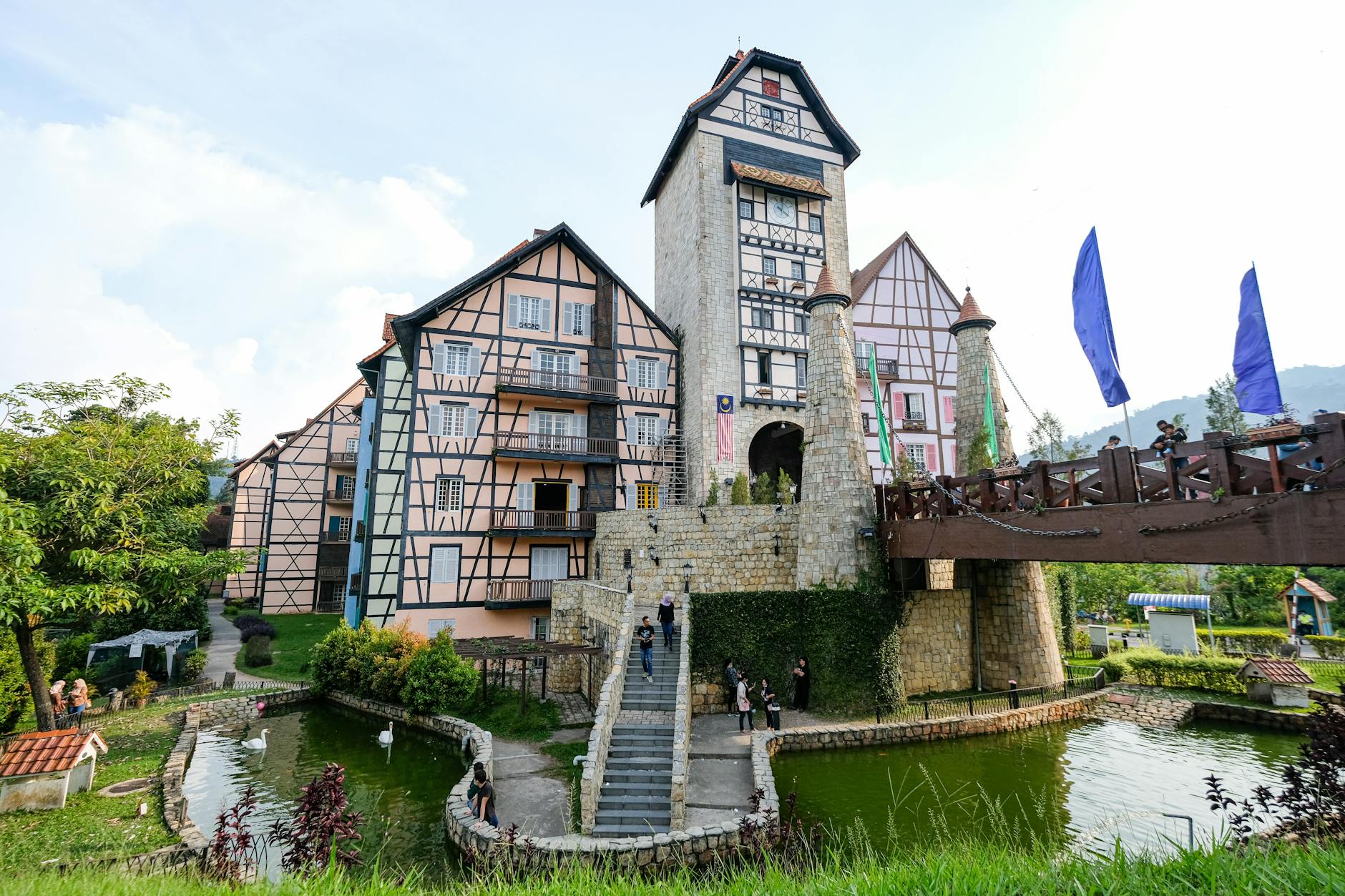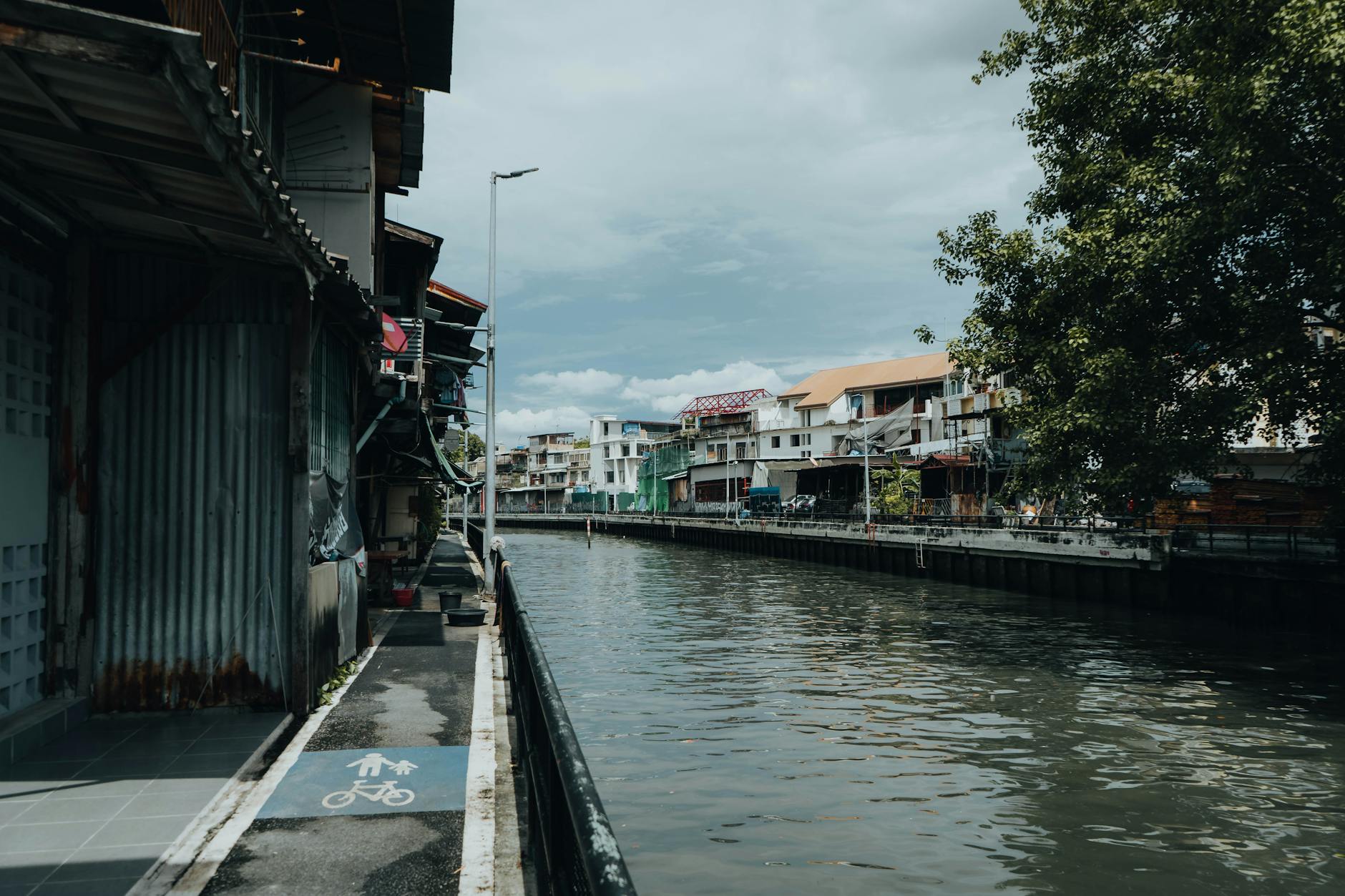
Malacca City's main visitor areas can appear compact on a map, but compact does not always mean easy. Heritage streets, riverfront paths, bridges, shopfront steps, older buildings, vehicle restrictions, heat, rain, crowds, and uneven surfaces can change the day quickly for a traveler with mobility limitations. A short Malacca City trip can still work well when the plan is built around access paths rather than attraction lists. The traveler should test arrival, hotel entry, room layout, rest points, transport, meal locations, weather windows, and which heritage stops are worth the effort.
Treat arrival as the first access test
Many short trips to Malacca City begin with a road transfer from Kuala Lumpur, KLIA, Singapore, Johor, or another Malaysian base. The traveler should not evaluate the transfer only by distance. Vehicle height, rest stops, luggage handling, rain exposure, traffic delays, driver patience, terminal layout, and the exact hotel drop-off point can all determine whether the first day remains manageable.
If the traveler uses a wheelchair, cane, walker, brace, portable oxygen, or needs frequent stops, those requirements should be stated before booking transport. A cheaper or faster transfer can become the wrong choice if it cannot support boarding, bathroom breaks, or a calm arrival.
- Confirm vehicle access, rest stops, luggage help, terminal layout, and exact hotel drop-off.
- Plan extra time for boarding, bathroom breaks, rain, traffic, and recovery after the ride.
- State wheelchair, cane, walker, brace, oxygen, or assistance needs before transport is booked.
Choose lodging by the complete access path
A hotel near the heritage core may reduce distance, but the access path still matters: vehicle approach, curb height, lobby steps, elevator reliability, room floor, bathroom layout, shower entry, bed height, corridor width, breakfast access, and whether staff can help with luggage. Older or boutique properties may have character and a difficult threshold at the same time.
The traveler should ask specific questions rather than accepting a general statement that the property is accessible. Photos of the entrance, lift, bathroom, and nearest vehicle stop can be more useful than a star rating.
- Check vehicle access, curbs, lobby steps, lifts, room floor, bathroom layout, and shower entry.
- Ask for entrance, elevator, bathroom, and nearest drop-off photos when access matters.
- Balance heritage-core convenience against older-building limitations and night noise.
Audit the heritage core before committing to the route
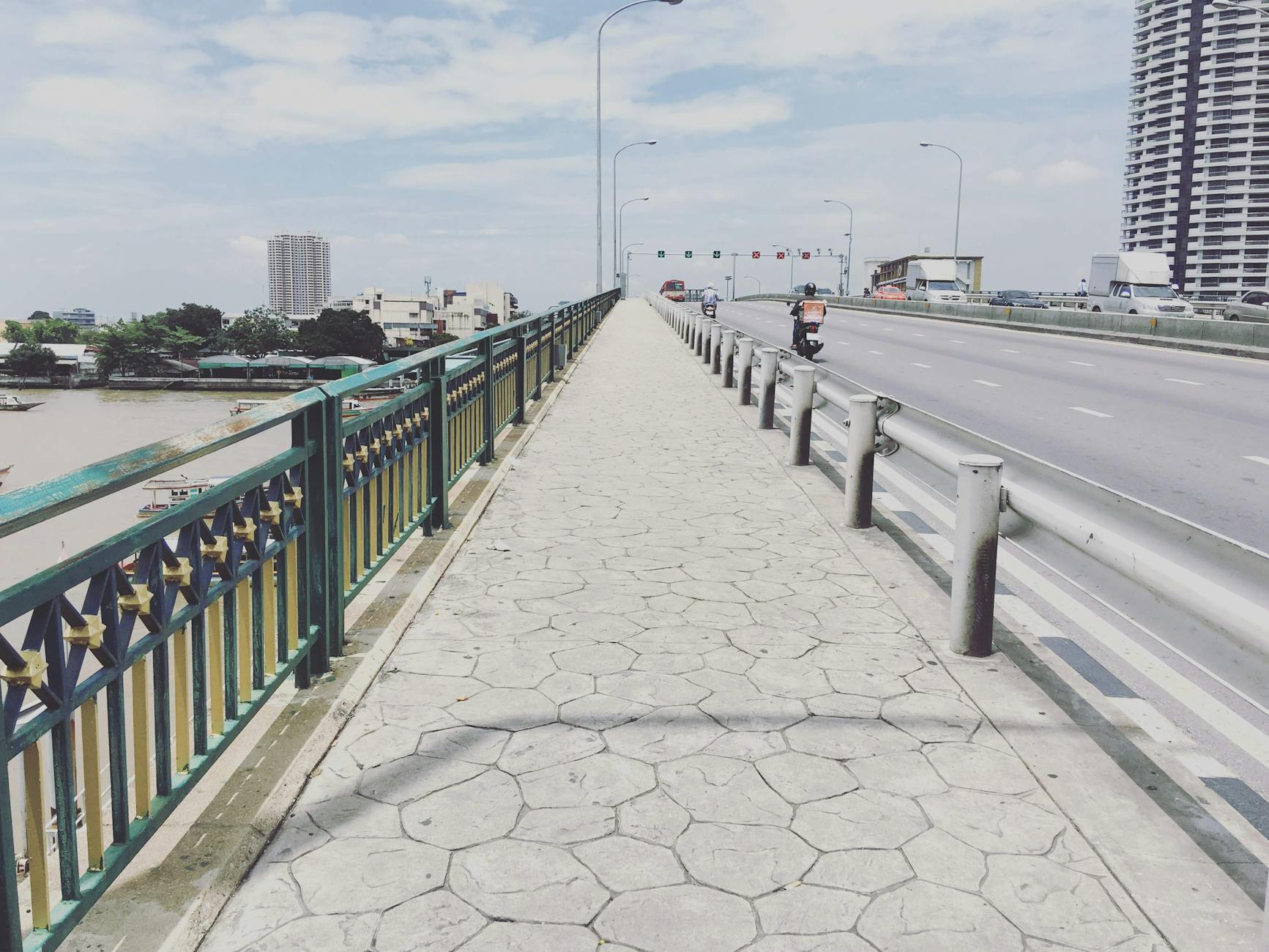
Malacca City's heritage areas include uneven paving, narrow sidewalks, bridge crossings, shopfront steps, crowded lanes, photo clusters, market flows, traffic edges, and sections where vehicles cannot stop exactly where a traveler wants them. A mobility-limited traveler should not build the day around a continuous walk unless that route has been tested realistically.
A better plan uses short segments, nearby rest points, indoor stops, and optional cutoffs. The traveler should know where to stop before fatigue, pain, heat, or rain decides the route.
- Test paving, sidewalks, bridge crossings, steps, crowding, traffic edges, and vehicle access.
- Use short route segments with rest points, indoor stops, and clear cutoffs.
- Avoid treating the compact heritage core as a single continuous walk.
Plan heat, rain, bathrooms, and recovery
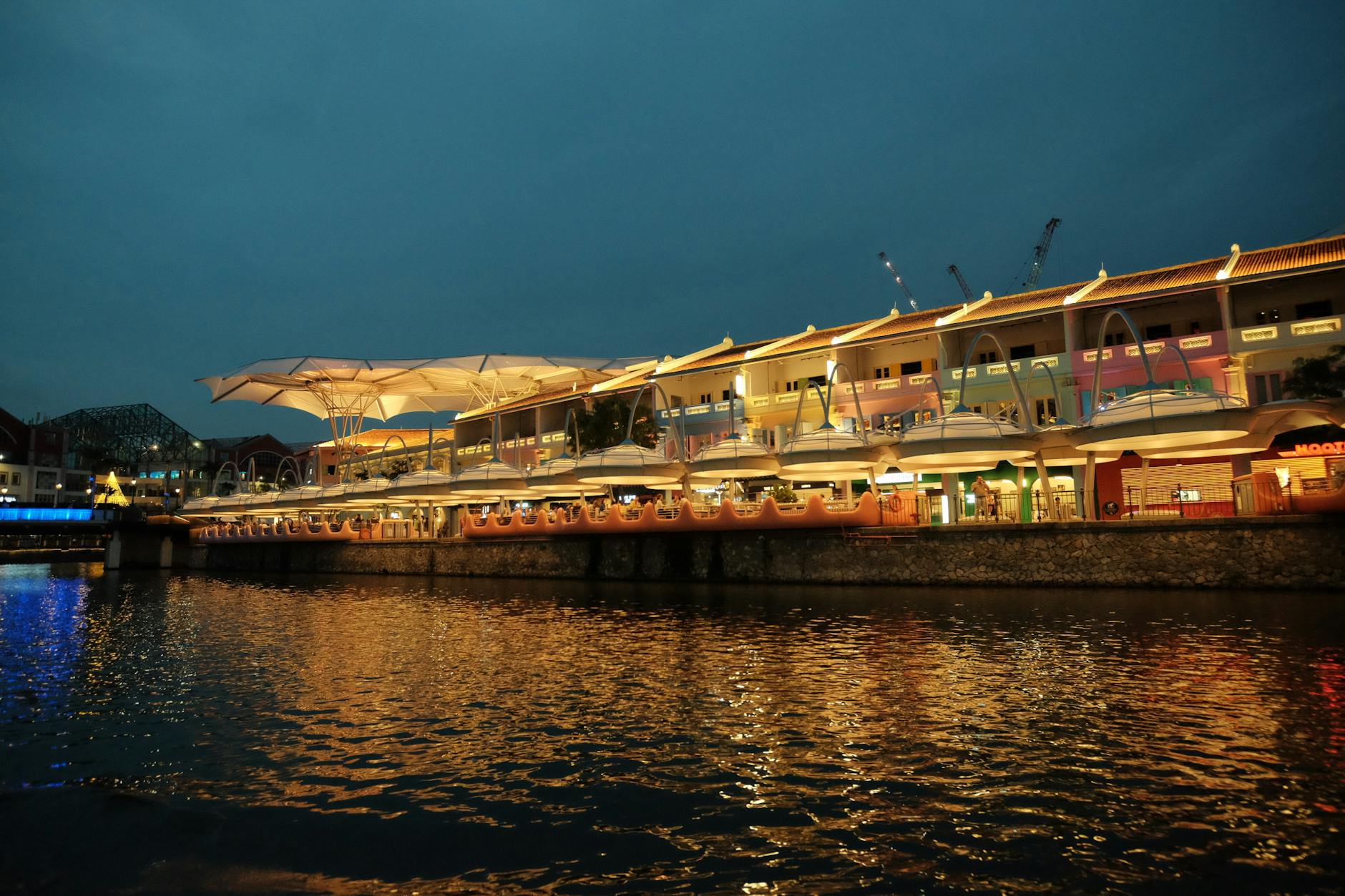
Heat and humidity can make a short distance feel much longer, while sudden rain can turn a manageable route into a slippery or exhausting one. Bathroom placement, shade, seating, hydration, medication timing, and air-conditioned pauses should be treated as operating requirements, not afterthoughts.
The traveler should identify realistic recovery points near the hotel, riverfront, museum area, food stops, and pickup locations. A successful day in Malacca City may depend less on seeing more and more on knowing exactly when to stop.
- Plan shade, seating, bathrooms, hydration, medication timing, and air-conditioned pauses.
- Place outdoor movement in cooler windows where possible.
- Identify recovery points near the hotel, riverfront, food stops, and pickup areas.
Keep local movement practical and close
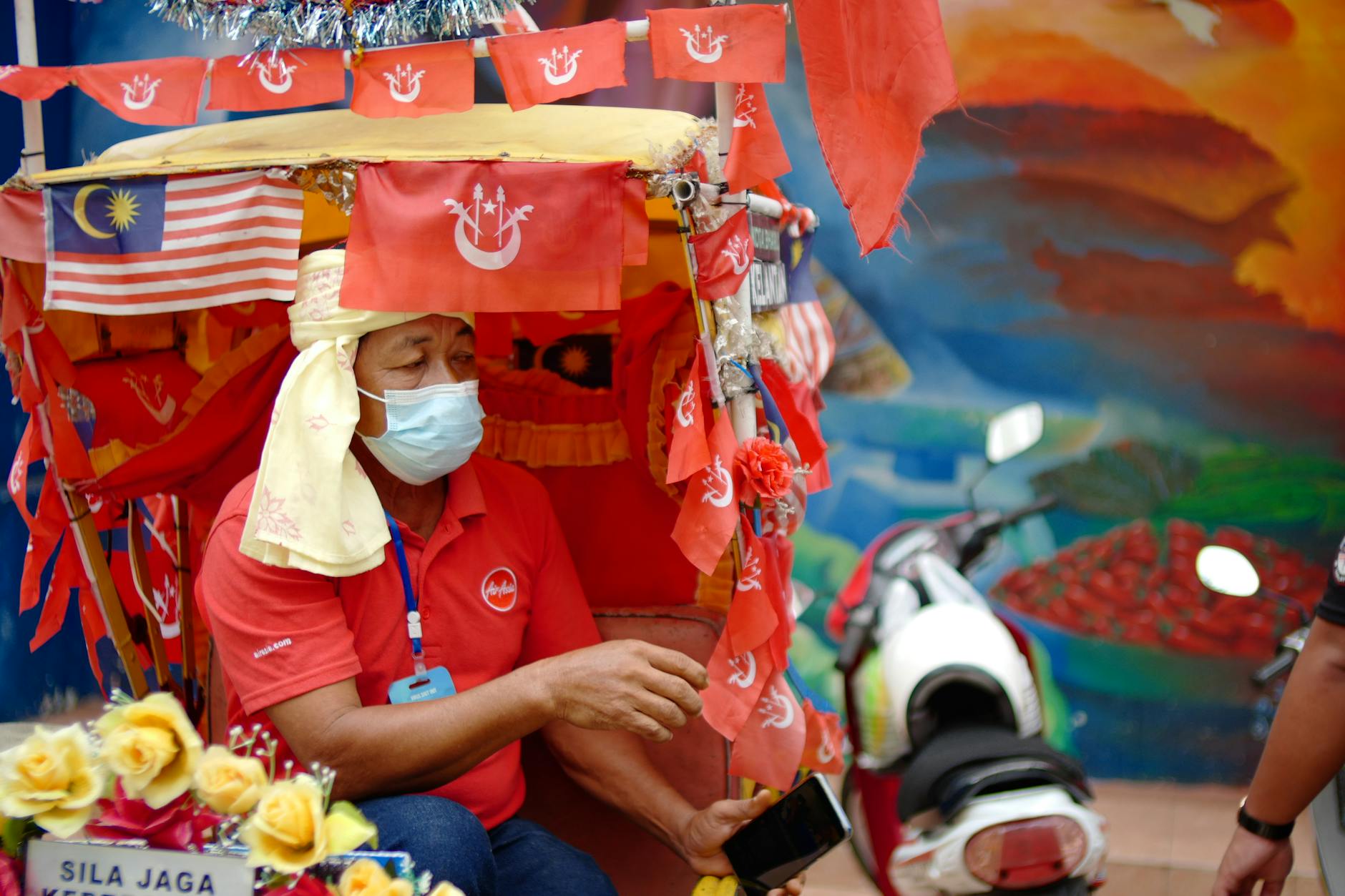
Short local rides can be useful, but they should not be assumed to solve every access problem. Vehicle availability, pickup points, traffic, parking, driver communication, luggage or device storage, and whether a vehicle can reach a narrow heritage lane all matter. A ride that drops the traveler a block away may still require the hardest part of the route.
The traveler should pre-select pickup points that are reachable, visible, and safe in rain or after dark. When mobility is limited, the last fifty meters can be the most important part of the transport plan.
- Confirm pickup points, vehicle access, traffic, parking, driver communication, and storage needs.
- Plan for situations where a vehicle cannot reach the exact heritage-lane entrance.
- Choose visible, reachable pickup locations for rain, evening, and fatigue conditions.
Make meals and sightseeing support energy
Food can be one of the strongest reasons to visit Malacca City, but a popular restaurant can create queues, narrow seating, stairs, bathroom limitations, spice or allergy concerns, and a long return walk. The traveler should choose meals for access and recovery as much as reputation.
Sightseeing should use the same filter. A riverfront view, one museum, one religious site, and one good meal may produce a better short trip than a crowded route through every landmark. The goal is a visit that remains comfortable enough to enjoy.
- Choose food stops by access, seating, queues, bathrooms, spice, allergies, and return route.
- Use meals as recovery points rather than extra movement burdens.
- Prioritize a smaller set of heritage stops that the traveler can actually enjoy.
When to order a short-term travel report
A traveler with mild limitations and a very simple hotel stay may not need a custom Malacca City report. A report becomes useful when the traveler needs to compare hotels by access, test road transfer options, manage assistive devices, avoid hard walking segments, plan medical backup, coordinate companions, or decide which heritage stops are worth the effort.
The report should test arrival, hotel entry, room and bathroom setup, route surfaces, rest points, bathrooms, weather, transport, food stops, medical access, companion roles, budget, and what to cut. The value is knowing before the trip where the friction will be.
- Order when hotel access, road transfers, route surfaces, devices, companions, or medical backup need testing.
- Provide dates, mobility details, assistive devices, hotel options, walking tolerance, food limits, and priorities.
- Use the report to remove avoidable access problems from a short Malacca City visit.