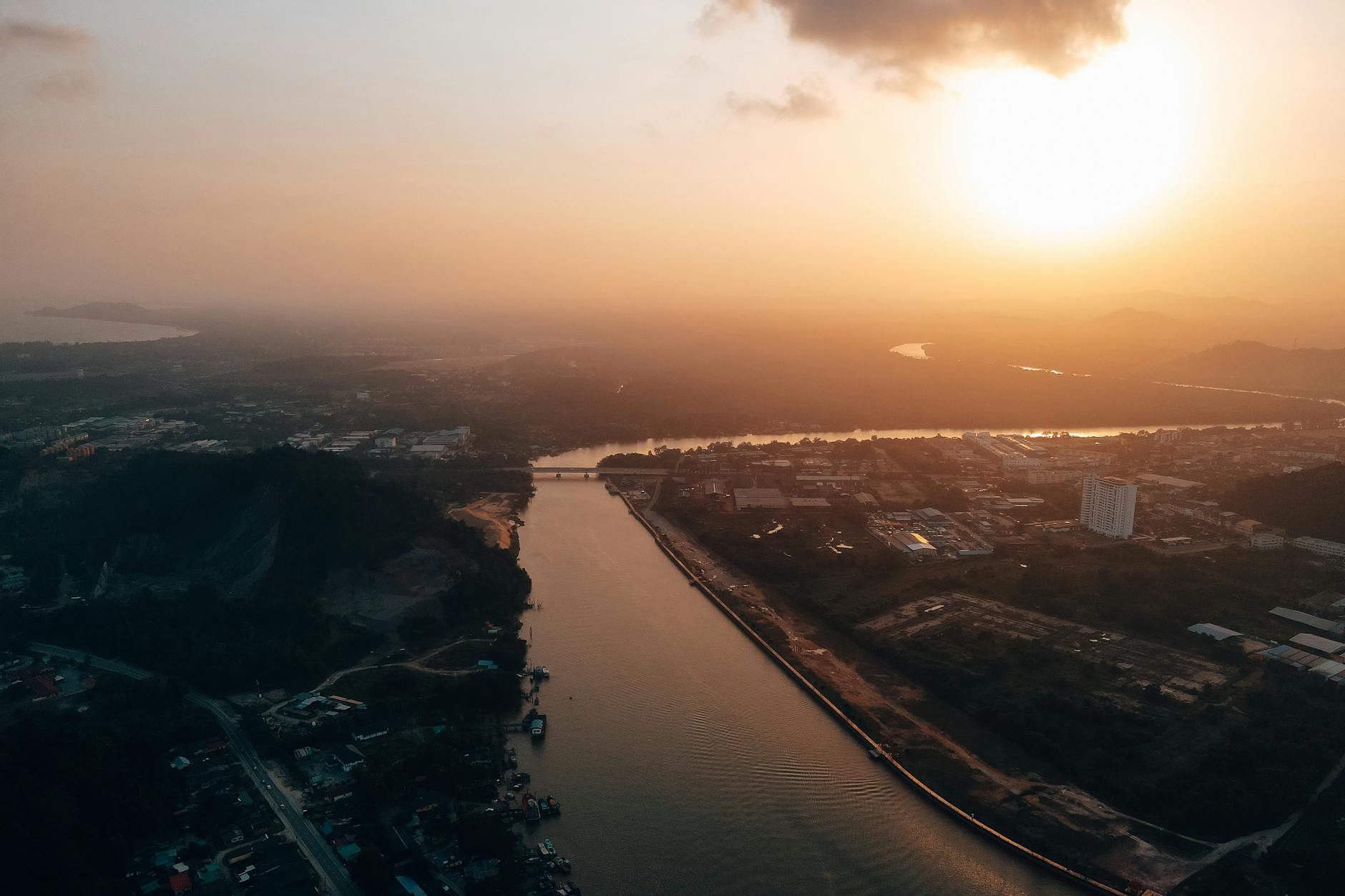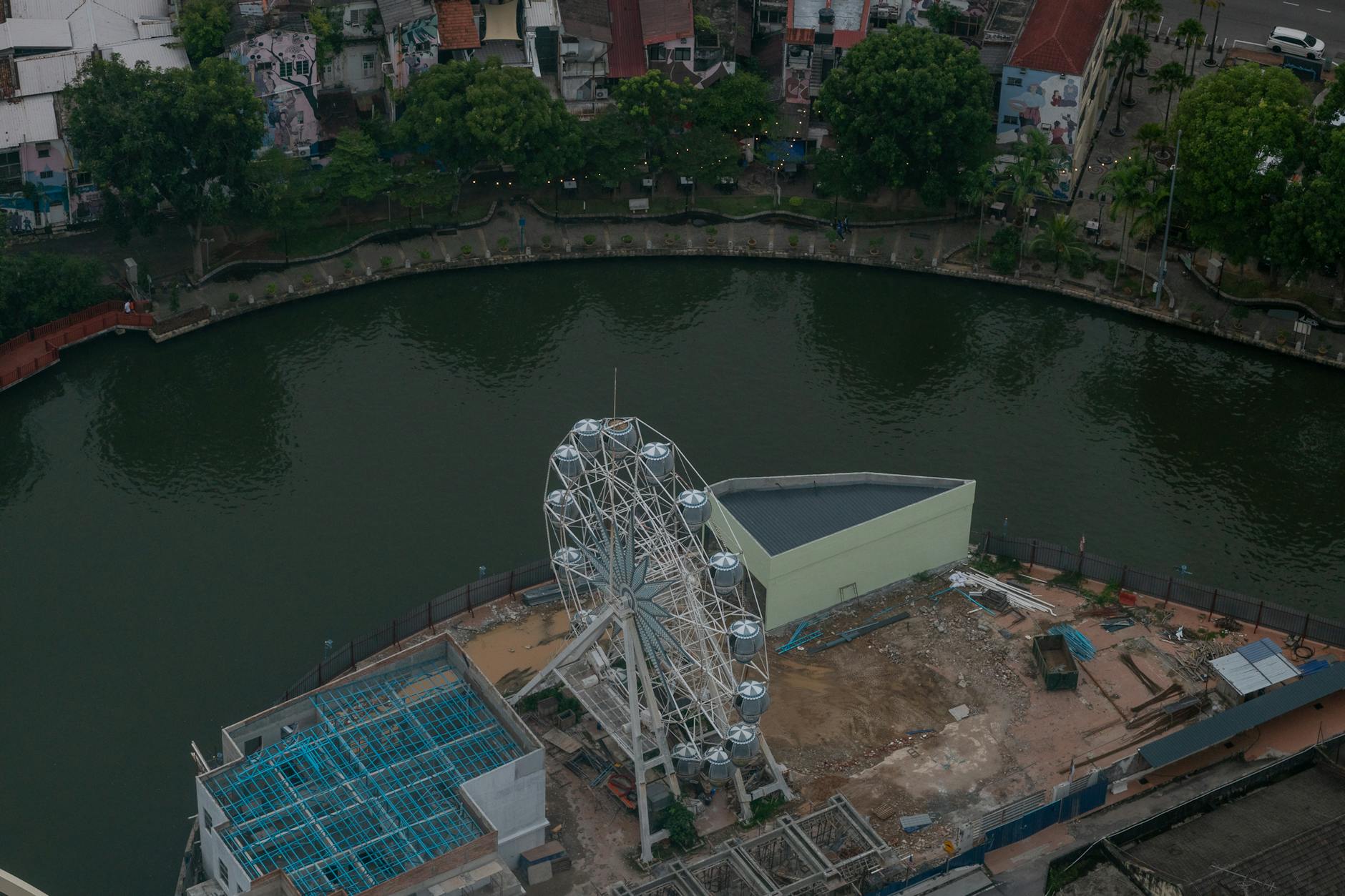
A short trip to Malacca City can be manageable for a traveler with medical constraints, but only if the plan respects the practical conditions: road arrival, heat, humidity, uneven walking surfaces, stairs, food ingredients, medication timing, rest needs, and how quickly the traveler can reach help if something changes. This is not a destination to plan by attraction list alone. The traveler should build the visit around comfort, symptom management, conservative pacing, and clear fallback choices. A successful trip may be slower and more selective than a standard first-time route.
Test whether the road arrival supports the condition
Many travelers reach Malacca City by road from Kuala Lumpur, KLIA, Singapore, Johor, or another Malaysian base. For a traveler with medical constraints, that transfer should be tested against sitting tolerance, bathroom needs, medication timing, nausea risk, blood sugar, hydration, temperature sensitivity, and fatigue.
The arrival day should include enough time to check in, cool down, eat safely, and rest before any demanding activity. A transfer that is normal for one traveler can be the hardest part of the trip for another.
- Plan the road transfer around sitting tolerance, bathrooms, hydration, medication, and fatigue.
- Build in rest after arrival before walking or attending events.
- Avoid placing the most important activity immediately after a fragile transfer.
Choose lodging around access and recovery
The hotel should be treated as medical support infrastructure. Travelers should check lift access, stairs, bathroom layout, room distance from reception, cooling reliability, refrigerator availability if needed, quiet sleep, vehicle drop-off, nearby food, and how easily a ride can reach the entrance.
A charming heritage property may still work, but only after access is verified. If the traveler needs frequent rests, medication storage, a controlled room temperature, or easy vehicle access, those details are more important than atmosphere.
- Check lifts, stairs, bathrooms, cooling, fridge needs, quiet, drop-off, and room access.
- Choose lodging that supports medication, rest, and easy returns.
- Verify heritage-property access before booking.
Map medication, documents, and care access
The traveler should carry prescriptions, medication names, dosage details, allergy information, insurance contacts, clinician instructions if applicable, and enough supply for delay. Medication storage matters in heat and humidity, especially during road transfers or long walking periods.
The plan should also identify nearby pharmacies, clinics, hospitals, and transport options before they are needed. The goal is not to expect a problem; it is to remove panic if a manageable issue appears.
- Carry medication details, prescriptions, allergy information, insurance contacts, and extra supply.
- Plan storage around heat, humidity, transfers, and time away from the hotel.
- Identify pharmacies, clinics, hospitals, and transport options before departure.
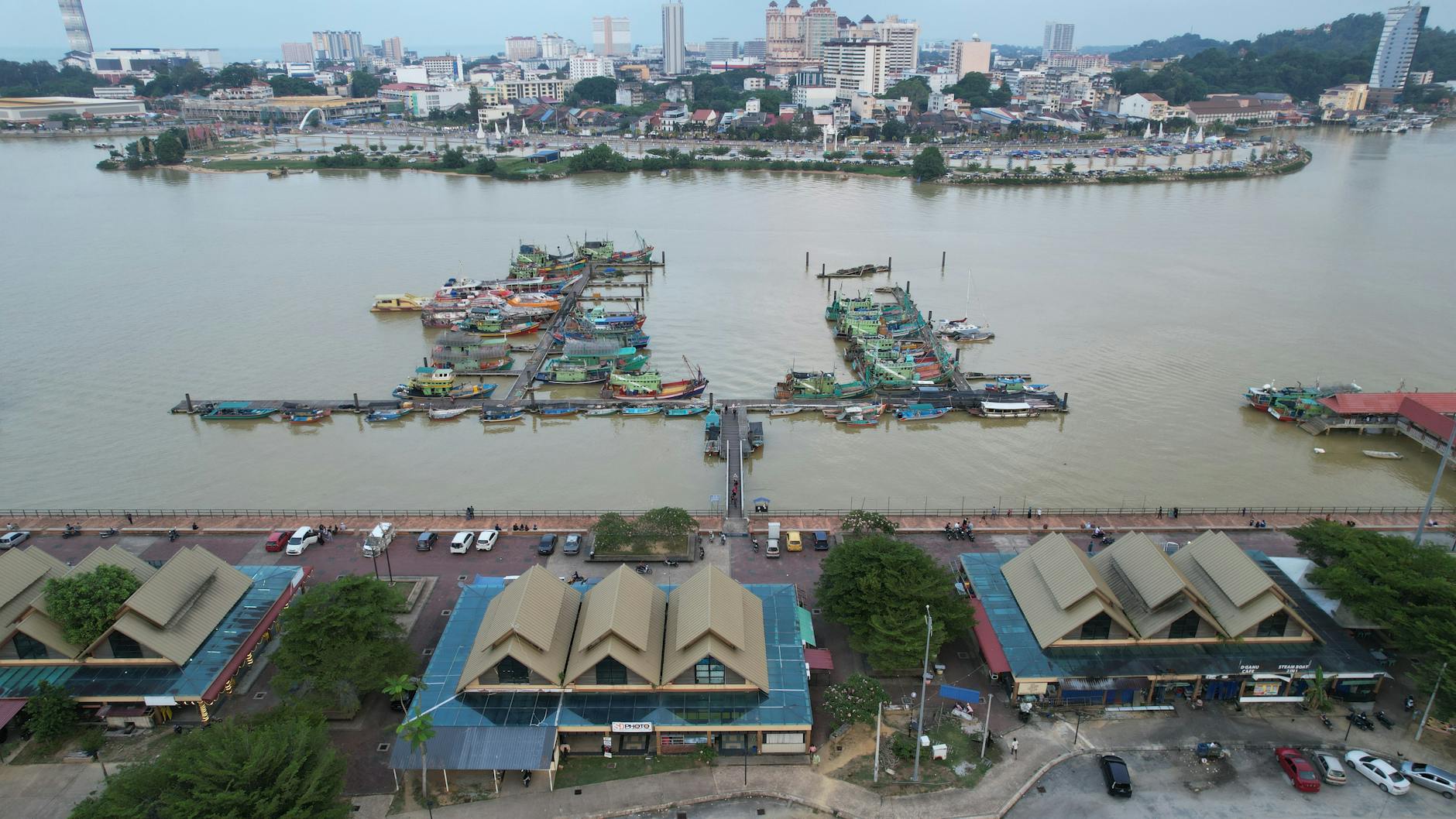
Treat heat, humidity, and rain as core constraints
Heat and humidity can affect stamina, breathing, hydration, blood pressure, appetite, blood sugar, sleep, and medication timing. Rain can make walking surfaces slippery and increase the value of taxis, indoor breaks, and hotel returns.
The traveler should plan morning or late-afternoon outdoor movement, indoor recovery, water, snacks, sun protection, compact rain gear, and a clear point where walking stops. Weather management is part of the health plan.
- Plan outdoor movement around heat, humidity, rain, hydration, snacks, and medication timing.
- Use indoor recovery stops and hotel breaks before symptoms escalate.
- Set clear points where walking ends and a ride replaces effort.
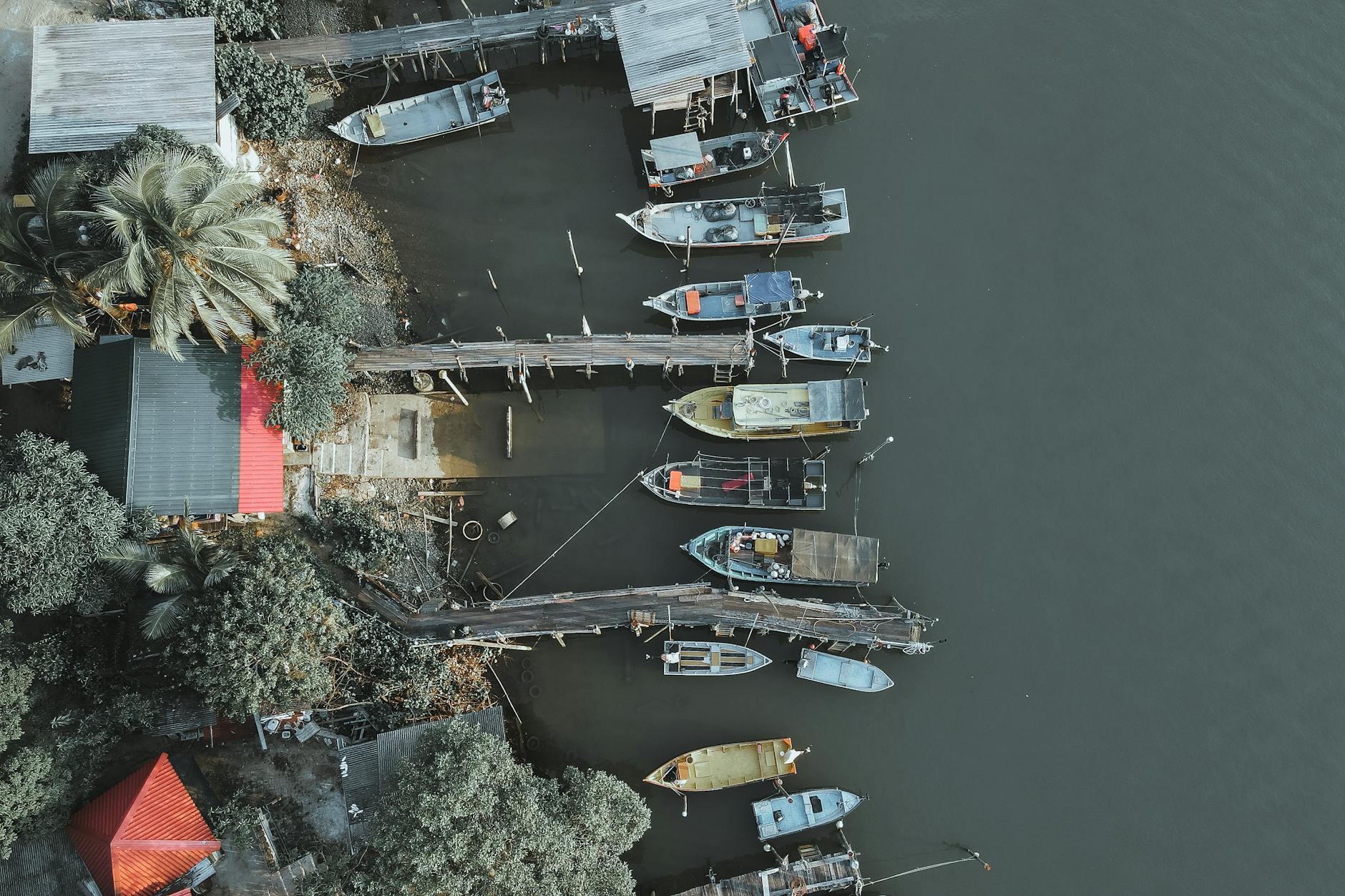
Make food choices medically conservative
Malacca City food is a major draw, but travelers with medical constraints may need to manage spice, shellfish, peanuts, sugar, salt, oil, portion size, meal timing, alcohol, hydration, and interactions with medication. Popular restaurants may involve queues, heat, stairs, or crowded rooms.
The traveler should identify safe meals, backup restaurants, nearby convenience options, and when to skip a famous stop. A food experience is not successful if it destabilizes the rest of the trip.
- Plan around spice, shellfish, peanuts, sugar, salt, oil, alcohol, hydration, and medication timing.
- Identify safe meals, backup restaurants, and simple food near the hotel.
- Skip famous stops when queues, heat, or ingredients create avoidable risk.
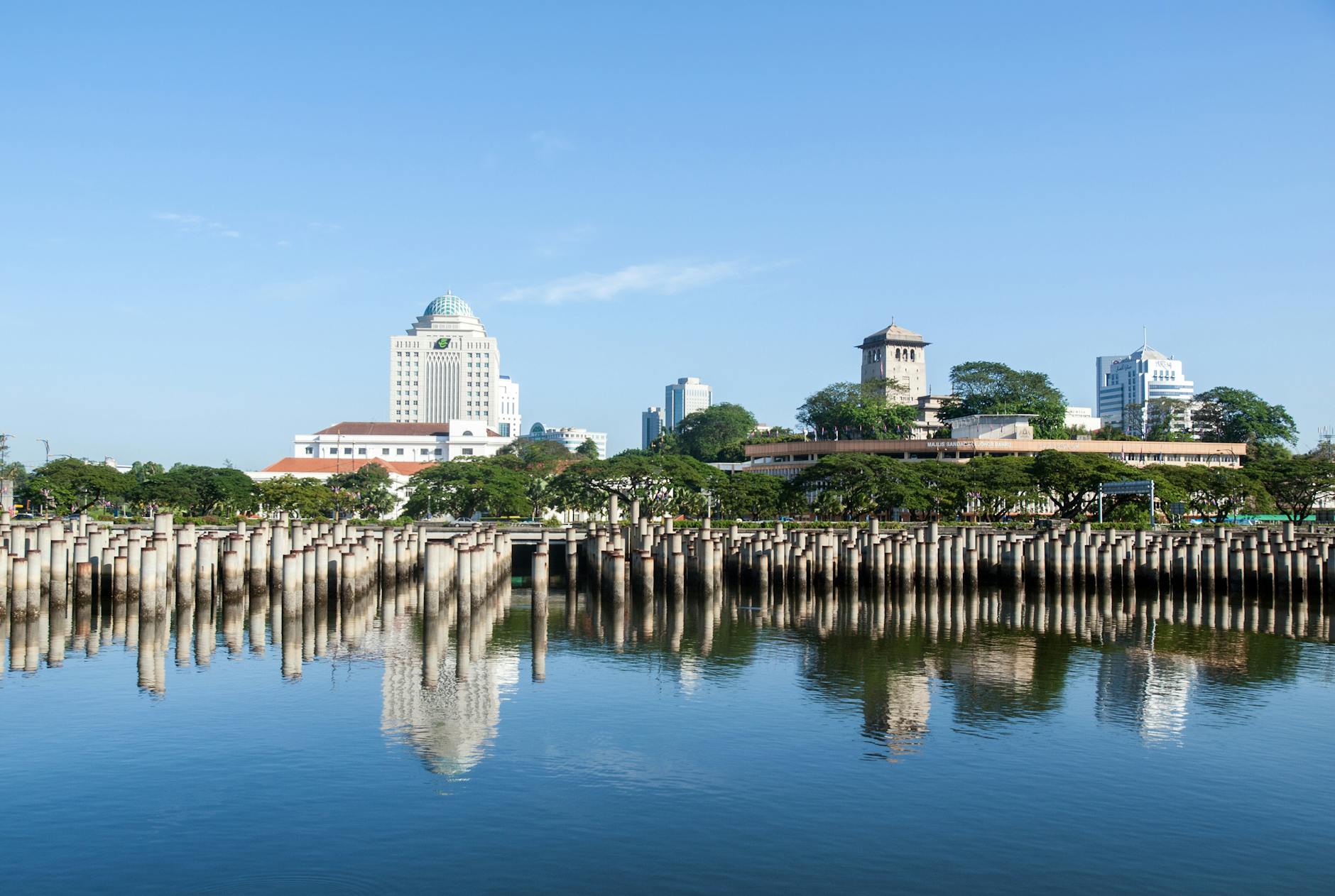
Build low-exertion heritage routes
The heritage core should be planned as a set of short segments, not one continuous walk. The traveler should account for uneven surfaces, steps, crossings, crowds, shade, bathroom access, seated breaks, indoor stops, and vehicle pickup points.
A river cruise, museum stop, cafe break, or vehicle-assisted route may be better than trying to walk every landmark. The right Malacca City visit is the one that preserves the traveler for the whole trip.
- Plan short route segments with seats, bathrooms, shade, indoor stops, and pickup points.
- Account for uneven surfaces, steps, crossings, crowds, and fatigue.
- Use river cruises or vehicle-assisted routing when they preserve stamina.
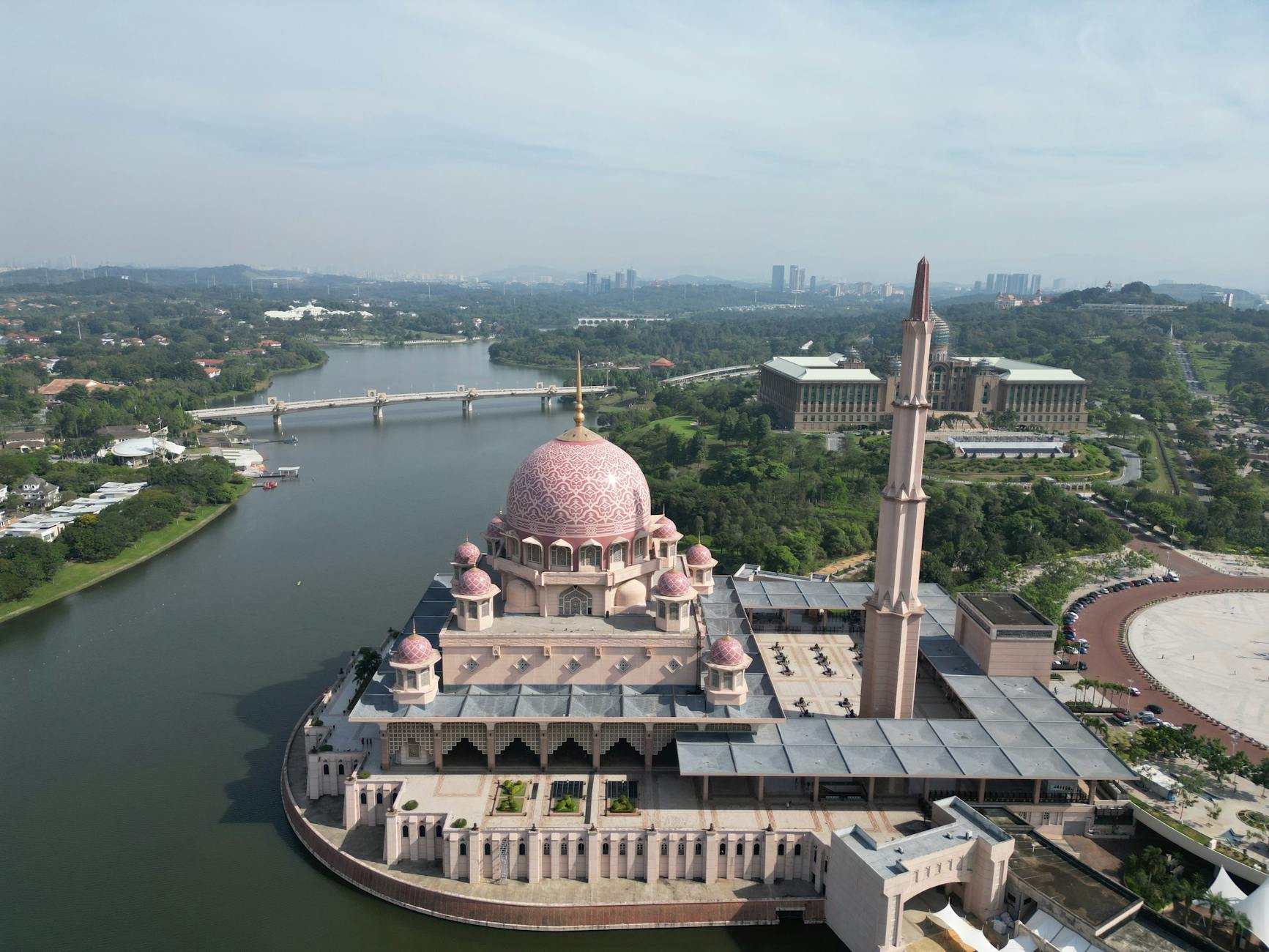
When to order a short-term travel report
A traveler with stable needs, local support, and a simple itinerary may not need a custom Malacca City report. A report becomes useful when the trip includes medication storage needs, food restrictions, mobility limits, heat sensitivity, uncertain transfers, older companions, event obligations, or a tight onward connection.
The report should test transfer timing, hotel access, care access, route exertion, food risk, heat, rain, medication windows, bathrooms, transport, budget, and what to cut. The value is a trip that protects the traveler's condition while still making the visit worthwhile.
- Order when medical, dietary, mobility, heat, transfer, or event constraints require testing.
- Provide dates, condition-relevant constraints, medications, hotel options, food limits, mobility needs, and budget.
- Use the report to make the visit conservative where it must be and enjoyable where it can be.