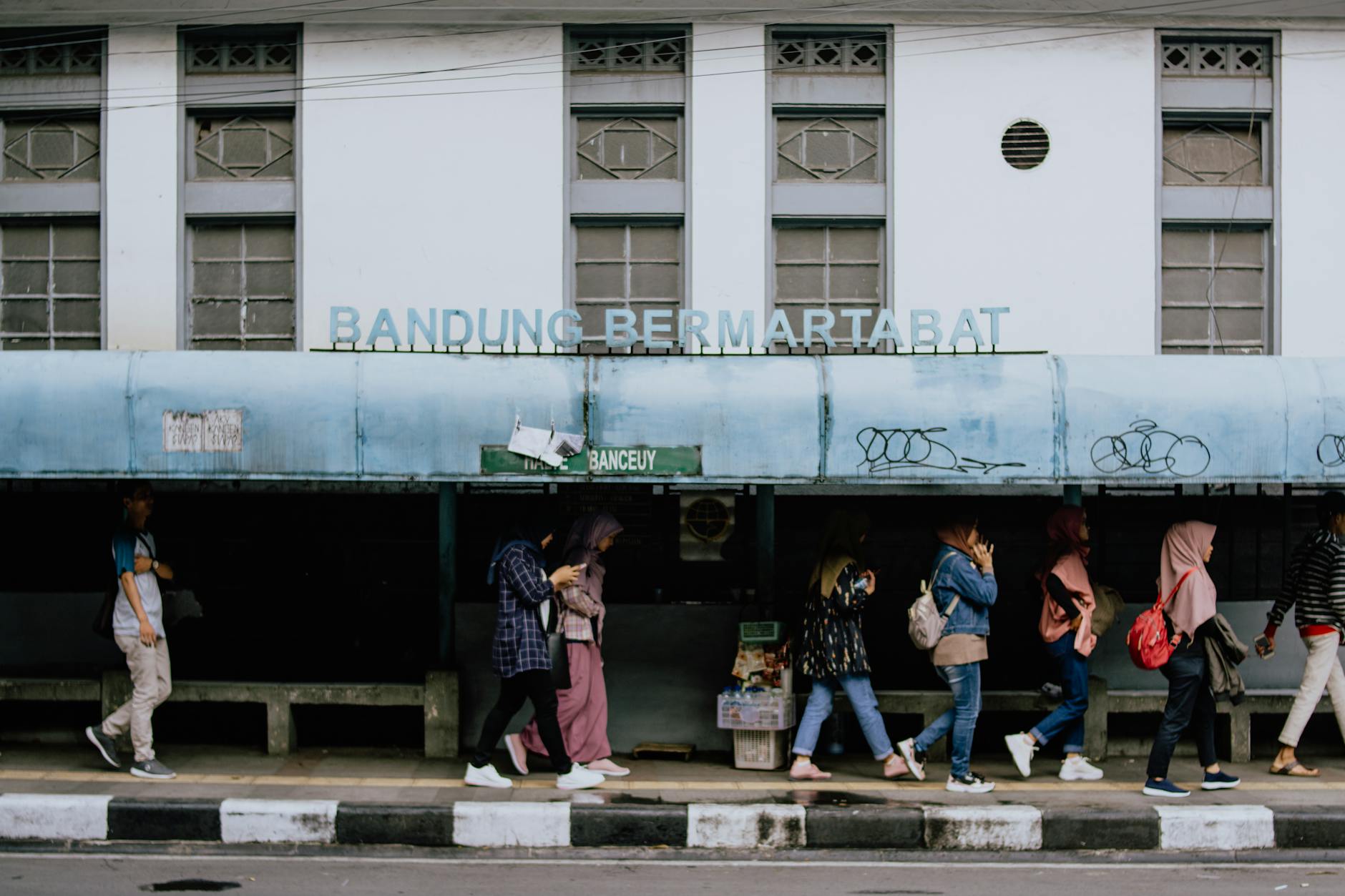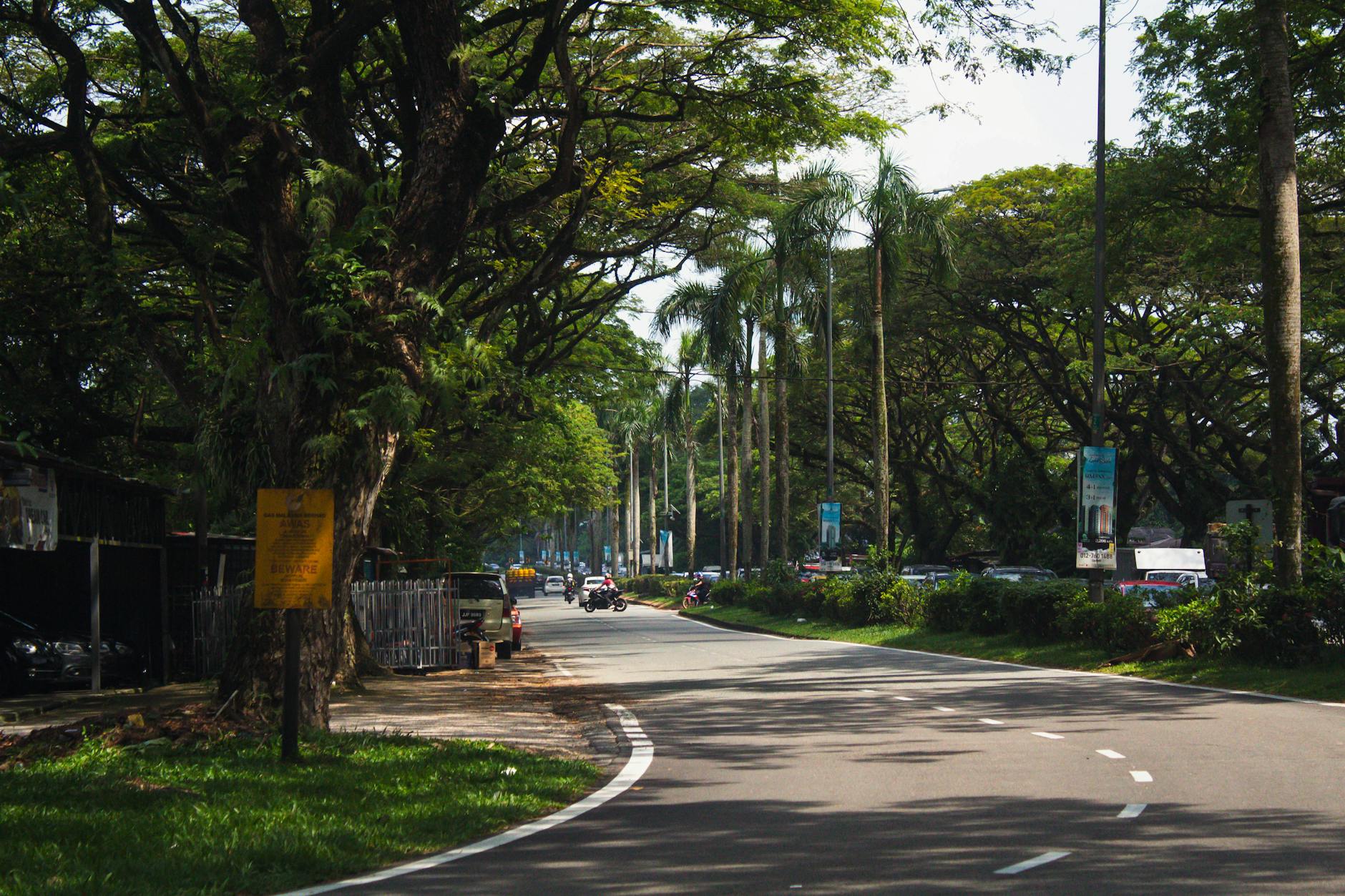
Malacca City often works as a stopover because it sits naturally in road-based Malaysia and Singapore itineraries. A traveler may pause between Kuala Lumpur, KLIA, Singapore, Johor, other Malaysian cities, or a wider heritage route. The risk is assuming the city can be added casually without protecting luggage, arrival timing, and the next leg. A useful stopover is not a miniature version of a full Malacca City trip. It needs one clear purpose, reliable transfer timing, practical lodging or luggage storage, food planning, and enough restraint to leave on time without feeling that the whole stay was spent in transit.
Decide whether the stopover needs a night
A Malacca City stopover can be a daytime break, a one-night pause, or a short two-night reset. Each version has a different value. A day stop can work for a compact heritage walk and meal if luggage and transfer timing are controlled. A one-night stay gives the traveler a better chance to see the riverfront and avoid rushing in heat.
The traveler should decide whether the stopover is meant to reduce road fatigue, add heritage value, break up a family itinerary, create a food evening, or simply avoid an awkward connection. If the purpose is unclear, the city can become a tiring detour rather than a useful pause.
- Choose day stop, one-night pause, or two-night reset before planning activities.
- Define whether the stopover is for rest, food, heritage, family pacing, or connection timing.
- Avoid adding Malacca City casually when road timing already strains the itinerary.

Protect road timing and luggage logistics
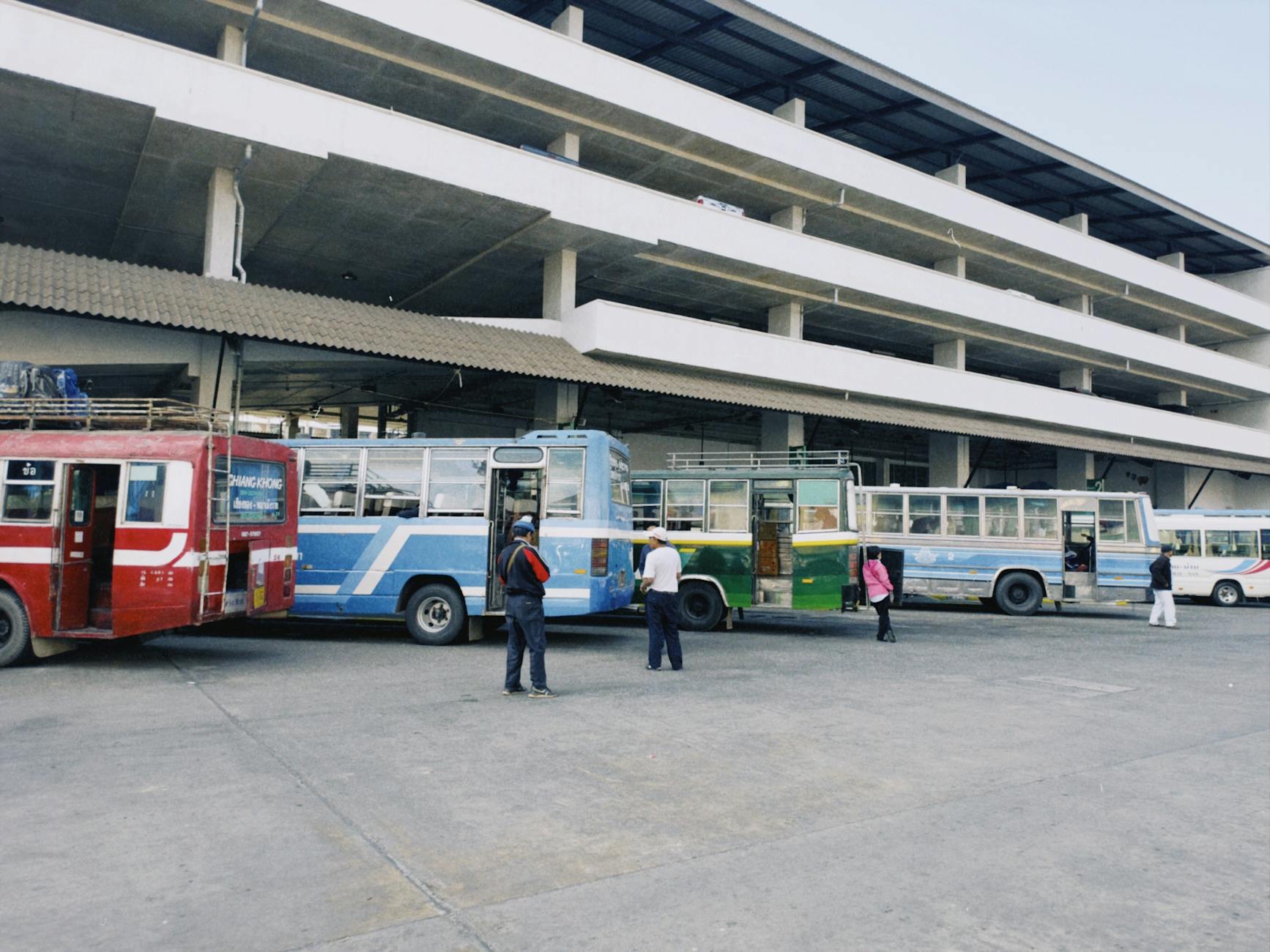
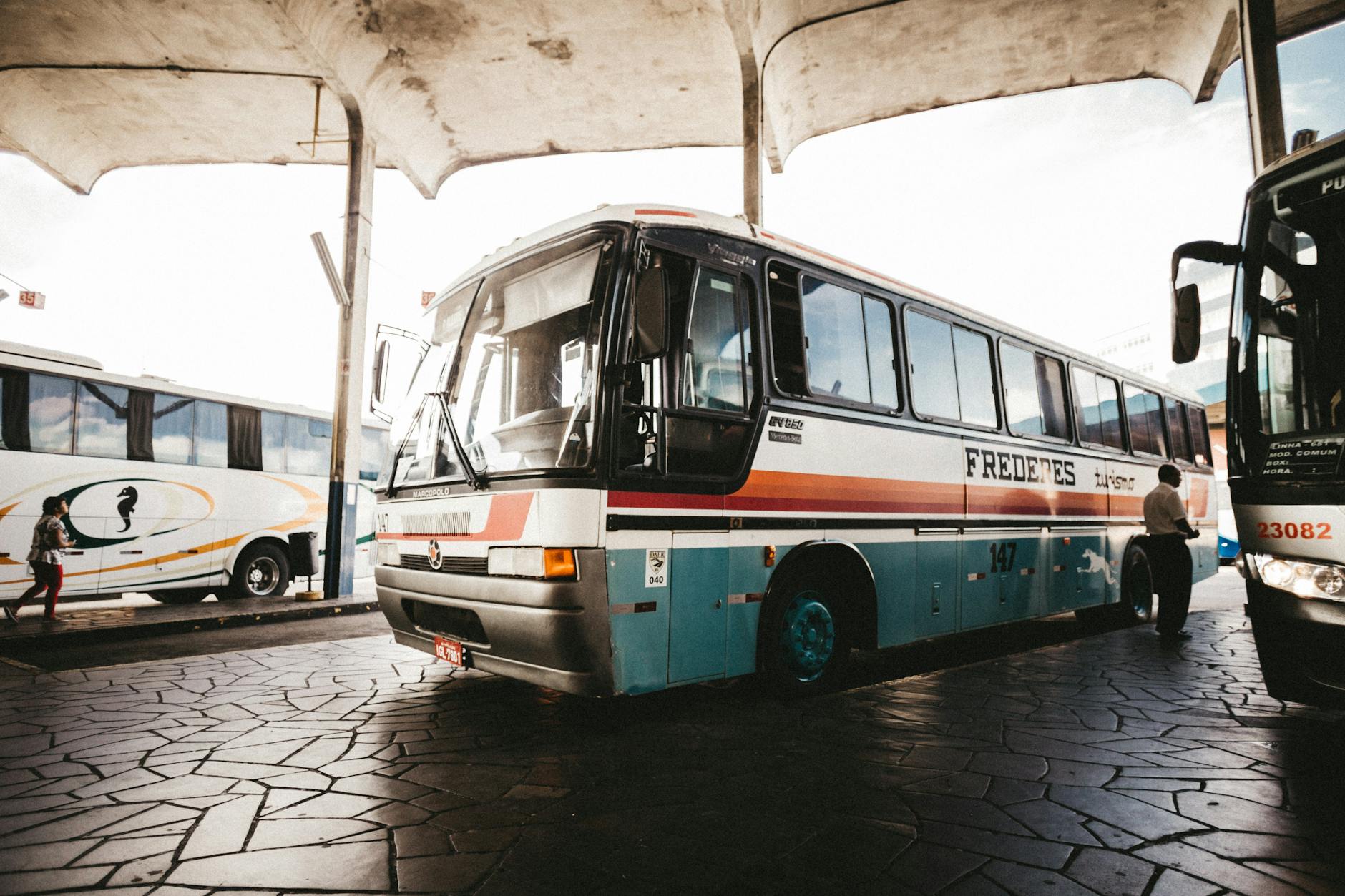
Transit travelers often reach Malacca City by car, coach, bus, private transfer, or ride connection. They may be carrying full luggage, work bags, family gear, medical supplies, or purchases from earlier legs. The plan should identify where luggage sits, who watches it, and how far the traveler must move with it.
Road delays, bus station access, hotel check-in time, luggage storage, and onward pickup should be confirmed before the traveler builds an ambitious walking route. A good stopover can collapse if the traveler is dragging bags across hot streets or losing time between stations and hotels.
- Confirm bus, coach, car, private transfer, or onward pickup timing before adding activities.
- Plan luggage storage, hotel check-in, station transfer, and bag security.
- Avoid routes that require moving full luggage through heat, rain, stairs, or crowded lanes.
Choose one compact route through the heritage core
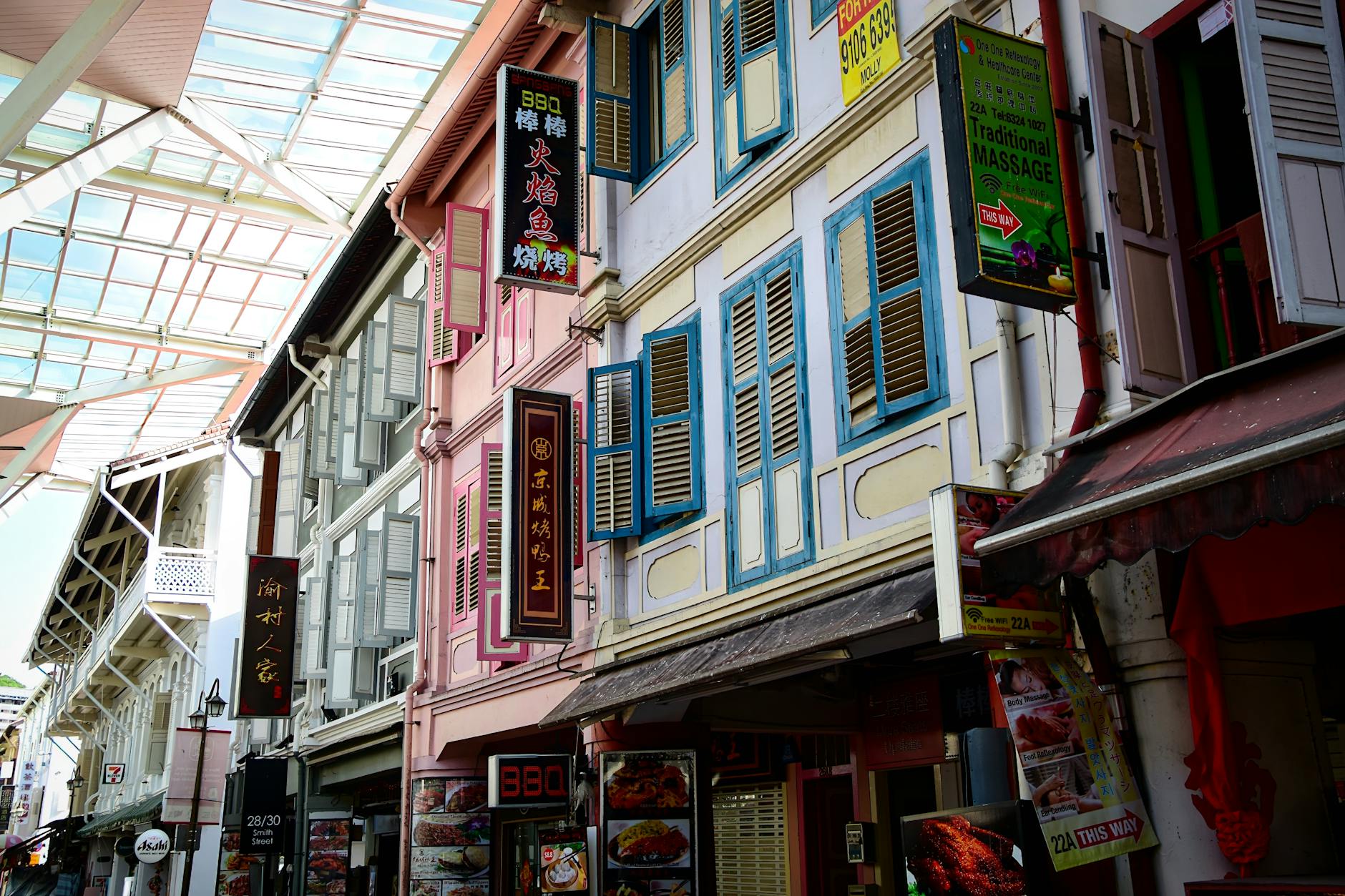
A stopover traveler should not try to consume every major Malacca City attraction. A compact route around the riverfront, Dutch Square, a museum, a religious site, a food stop, a cafe, or a short market visit will usually create more value than a scattered checklist.
The traveler should also decide which stops depend on daylight and which work after dark. If arrival is late, the route may need to shift toward food, riverfront atmosphere, and one easy heritage walk rather than paid attractions that are already closing.
- Pick a compact route with one or two anchors rather than a full city checklist.
- Separate daylight-dependent stops from evening food, riverfront, and walking options.
- Keep the route close to luggage storage, lodging, or the onward pickup area.
Plan food, heat, rain, and opening hours
A brief stopover can be shaped by practical issues more than by sightseeing desire. Heat and humidity affect walking speed. Rain can disrupt market plans. Popular food stops may require queues or operate on limited hours. Museums, shops, and religious sites may not fit the exact arrival window.
The traveler should identify a primary food plan and a backup near lodging or pickup. Dietary needs, halal preferences, vegetarian requirements, allergies, spice tolerance, hydration, and medication timing should be treated as part of transit planning because there may be no room to recover later.
- Check opening hours, food queues, weather, heat, rain, and realistic walking speed.
- Plan primary and backup meals near lodging, luggage storage, or onward pickup.
- Account for halal needs, vegetarian needs, allergies, spice tolerance, hydration, and medication timing.

Choose lodging by pickup and recovery
For a one-night stopover, lodging should be judged by check-in timing, luggage storage, road access, quiet sleep, breakfast, air-conditioning, shower quality, stairs, and onward pickup. A charming property can still be wrong if it creates a difficult bag transfer or a slow morning departure.
The traveler should decide whether to stay inside the heritage core for evening walking or slightly outside it for easier vehicle movement. Families, older travelers, and business travelers may need a more practical base than a traveler with only a small backpack.
- Check luggage storage, check-in, pickup access, air-conditioning, stairs, quiet, breakfast, and showers.
- Choose between heritage-core walking convenience and easier vehicle access.
- Prioritize recovery when the next leg is long, early, or work-related.
Do not compromise the next leg
The stopover should improve the larger trip, not weaken it. Late meals, long walks, alcohol, poor sleep, shopping, or an overly ambitious morning can damage a flight, bus, driver pickup, meeting, border crossing, or family plan the next day. The traveler should know the latest safe bedtime and the earliest realistic departure before adding final activities.
Packing, payments, tickets, pickup messages, phone charging, breakfast decisions, and route checks should be handled before the evening gets busy. The next leg deserves the same attention as the stopover itself.
- Protect flights, buses, drivers, meetings, border crossings, and family plans on the next leg.
- Handle packing, payments, phone charging, tickets, breakfast, and pickup messages before bed.
- Cut late activities that threaten the reason the stopover was useful.

When to order a short-term travel report
A transit traveler with a simple overnight hotel and flexible onward plan may not need a custom Malacca City report. A report becomes useful when the stopover connects flights, buses, private transfers, family pacing, luggage, medical constraints, dietary needs, older travelers, work obligations, or a tight day route.
The report should test arrival timing, onward departure, luggage, lodging, road risk, station or airport links, food, weather, compact routes, mobility, medical access, budget, and what to cut. The value is a stopover that makes the wider itinerary better rather than adding stress between larger legs.
- Order when road timing, luggage, family pacing, health, food, or onward commitments need testing.
- Provide arrival point, onward route, times, luggage, lodging options, constraints, budget, and priorities.
- Use the report to make the stopover useful, efficient, and easy to exit.