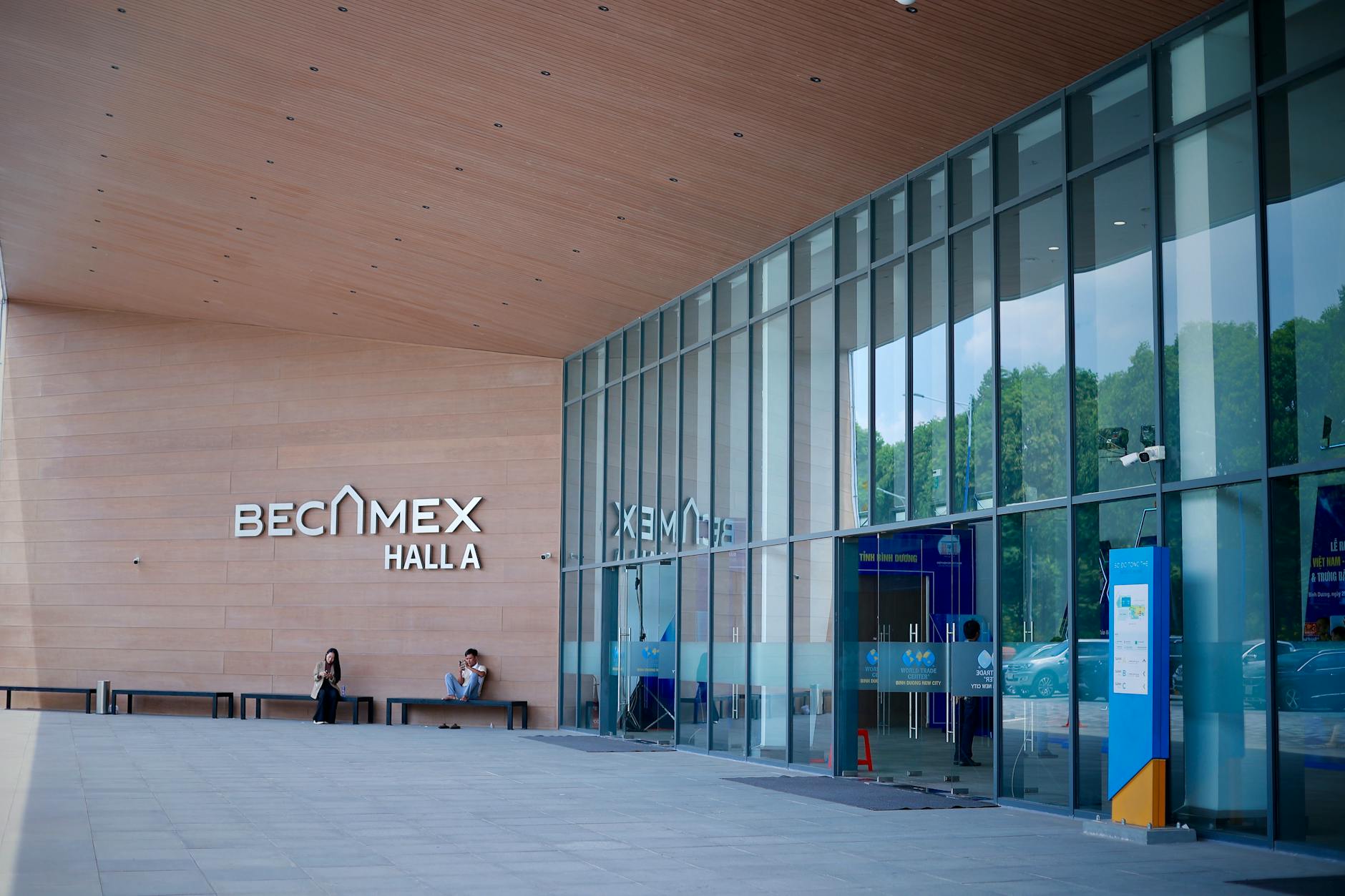
A Malacca City trade-show trip is not just a conference trip with a booth. The traveler may be carrying samples, printed materials, devices, displays, branded clothing, buyer lists, or product knowledge that has to survive road transfers, check-in, venue setup, long standing hours, and evening meetings. Because Malacca City is usually reached by road and has a compact but busy visitor core, the attendee should plan the commercial day first. Hotel choice, venue access, setup timing, client meals, fatigue, and onward travel should be arranged before sightseeing enters the schedule.
Put the road transfer inside the event schedule
A trade-show attendee may arrive from Kuala Lumpur, KLIA, Singapore, Johor, or another Malaysian city with more equipment than a normal short-stay traveler. The transfer plan should include luggage volume, sample fragility, arrival buffers, rest stops, customs or company paperwork if relevant, and whether the traveler can go directly to the venue or must check in first.
If setup starts soon after arrival, a late road transfer can damage the commercial purpose of the trip. The attendee should plan backward from registration, exhibitor access, rehearsal, booth setup, or first buyer meeting rather than from hotel check-in alone.
- Plan transfer timing around registration, exhibitor access, setup, and first buyer meetings.
- Account for samples, displays, documents, luggage volume, delays, and rest stops.
- Decide whether the traveler goes first to the venue, hotel, storage point, or meeting.
Choose the hotel by venue and material logistics
A pleasant hotel can be the wrong base if it makes booth work harder. The attendee should compare hotels by distance to the event venue, vehicle pickup, loading convenience, elevator reliability, room desk, ironing, breakfast hours, storage, printer or courier access, and whether staff can help with taxis or larger bags.
Heritage-core lodging may be attractive for evening walks, but narrow access or parking friction can be costly if the traveler is moving samples. A trade-show base should reduce the number of things the attendee has to solve before the doors open.
- Compare hotels by venue access, pickup points, loading, storage, elevators, desk space, and breakfast hours.
- Check printer, courier, ironing, taxi, and luggage-support options.
- Avoid charming locations that create material-handling friction.
Protect setup, badge, and booth timing
Trade-show days can fail in small practical ways: badge pickup queues, missing adaptors, weak mobile data, late booth access, unclear loading rules, forgotten tape or chargers, and materials left at the hotel. The attendee should make a physical and digital checklist before leaving the room.
If more than one colleague is involved, responsibilities should be assigned before arrival. Who has the badges, who carries samples, who controls the lead list, who handles payments, and who covers the booth during meals should not be decided in a crowded hall.
- Checklist badges, samples, adaptors, chargers, tape, lead tools, payment tools, and backup data.
- Confirm venue access, loading rules, booth hours, Wi-Fi, power, and registration queues.
- Assign sample, badge, lead-list, meal-cover, and buyer-meeting responsibilities in advance.
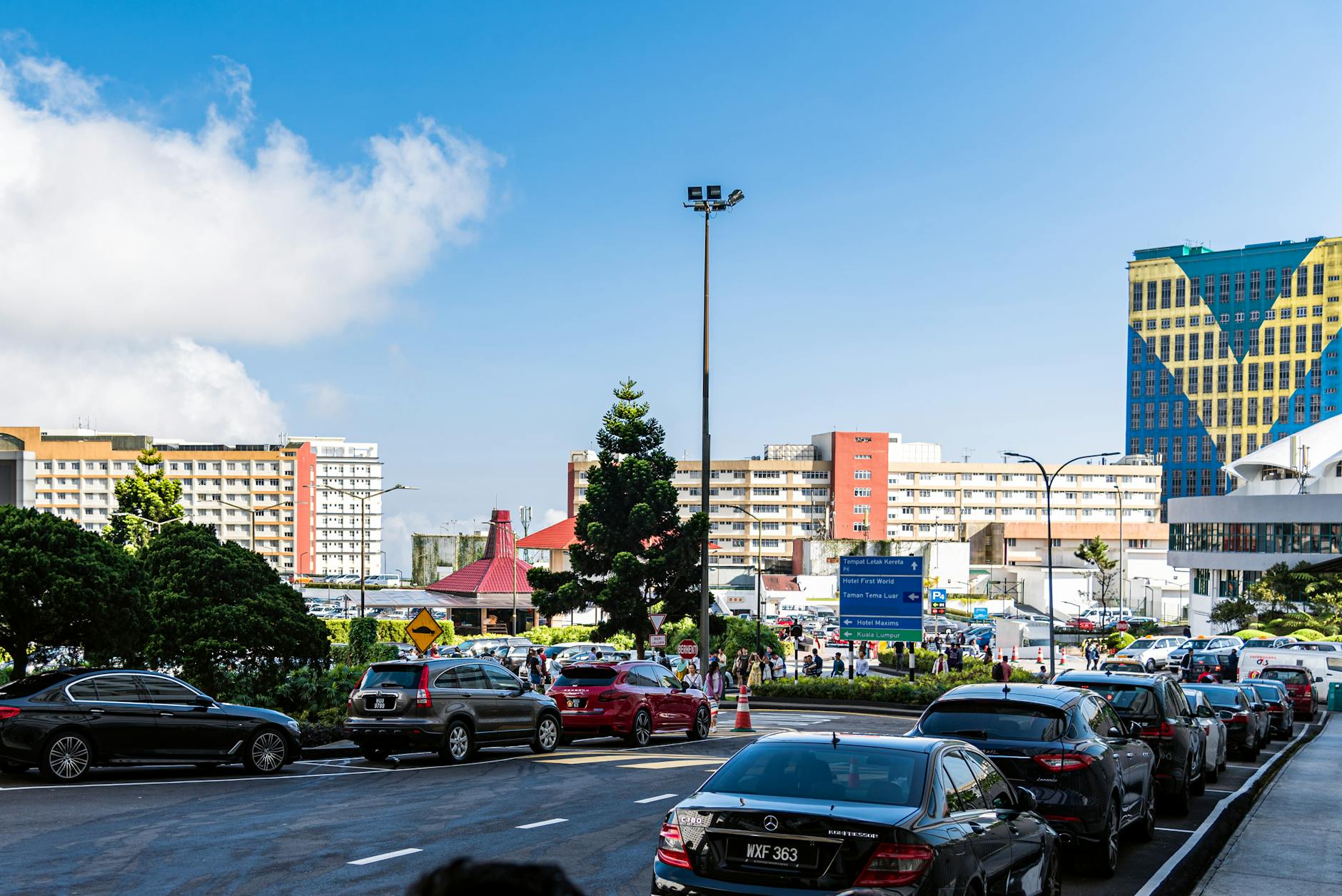
Control buyer meetings outside the show floor
Malacca City can make after-show meetings appealing, with riverfront restaurants, hotel lounges, Peranakan meals, cafes, and heritage settings nearby. Those same settings can create noise, slow service, privacy limits, payment confusion, alcohol questions, and return-transport pressure.
The attendee should decide which meetings belong at the venue, which belong at the hotel, and which can be moved to a meal. A commercially useful dinner needs the right room, timing, seating, audio level, dietary fit, and a clear exit plan.
- Separate booth meetings, hotel meetings, restaurant meals, and informal follow-ups.
- Plan privacy, noise, seating, payment, alcohol expectations, dietary needs, and exit transport.
- Keep buyer meetings focused rather than letting the setting consume the evening.
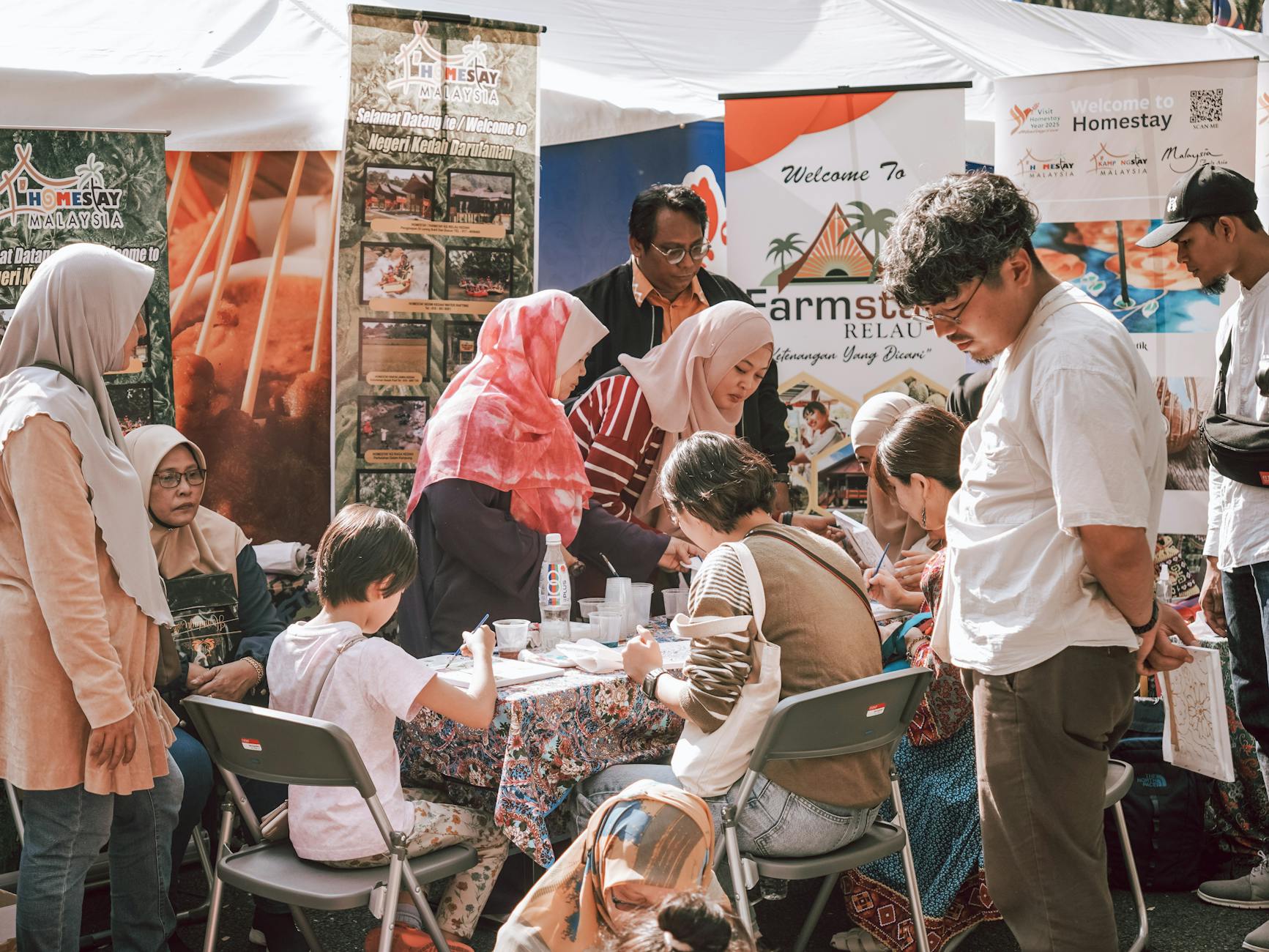
Plan clothing, food, and fatigue for long days
Trade-show attendees may stand for hours, carry materials, answer repeated questions, move between venue and hotel, then attend dinner while still representing the company. Malacca City's heat, humidity, rain, and indoor-outdoor transitions can make clothing and footwear decisions more important than they look.
The traveler should pack a professional but practical wardrobe, spare shirt, comfortable shoes, hydration plan, small snacks, medication, and a way to keep devices charged. A show day needs stamina management, not only a calendar entry.
- Pack professional clothing that works with heat, rain, standing, and evening meetings.
- Bring comfortable shoes, spare shirt, snacks, water, medication, chargers, and backup power.
- Schedule breaks before fatigue weakens buyer conversations.
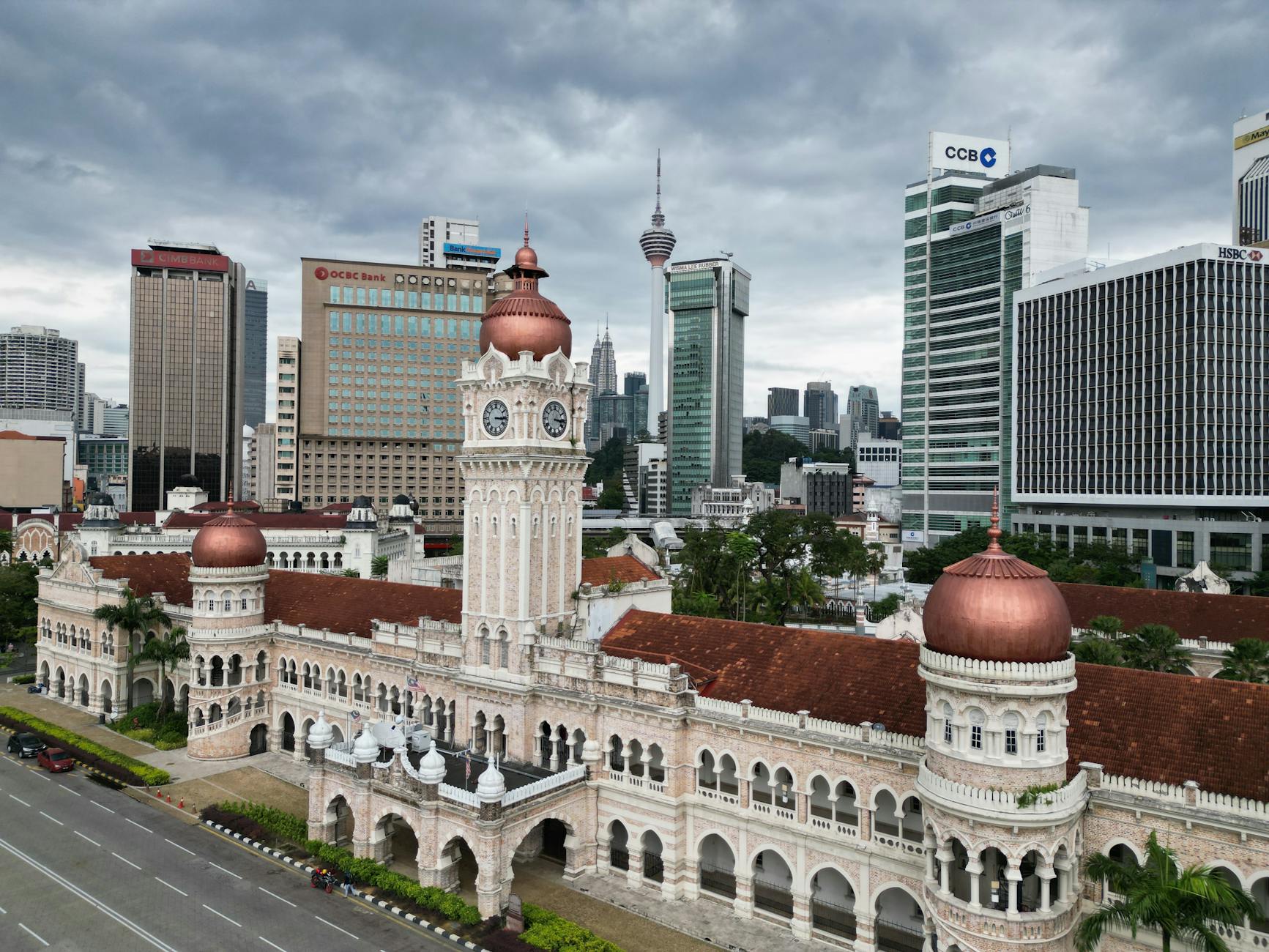
Keep sightseeing secondary and compact
A trade-show attendee may want to see Dutch Square, the river, Jonker Street, museums, and cafes, especially if the trip is the first visit to Malacca City. Sightseeing can be worthwhile, but it should not compete with booth recovery, lead follow-up, or a reliable onward transfer.
The better plan is a single compact evening walk, one meal route, or a short riverfront window that can be canceled without damaging the trip. Malacca City can add texture to the visit without taking over the commercial purpose.
- Choose one compact sightseeing window that can be canceled if the show runs long.
- Protect lead follow-up, booth recovery, and onward travel before leisure activity.
- Use the riverfront or heritage core as a controlled add-on, not the trip anchor.
When to order a short-term travel report
A trade-show attendee with a managed package, simple hotel, and no materials may not need a custom Malacca City report. A report becomes useful when the trip includes samples, booth setup, buyer dinners, multiple colleagues, tight transfers, medical or dietary constraints, high-value leads, or a narrow onward schedule.
The report should test arrival, venue access, hotel placement, material movement, setup timing, buyer meetings, meals, weather, transport, sightseeing windows, medical access, budget, and what to cut. The value is keeping the commercial reason for travel protected under real local conditions.
- Order when materials, setup, buyer meetings, colleagues, constraints, or tight transfers need testing.
- Provide dates, venue, agenda, hotel options, equipment, buyer obligations, constraints, and priorities.
- Use the report to keep the show trip commercially useful and operationally calm.