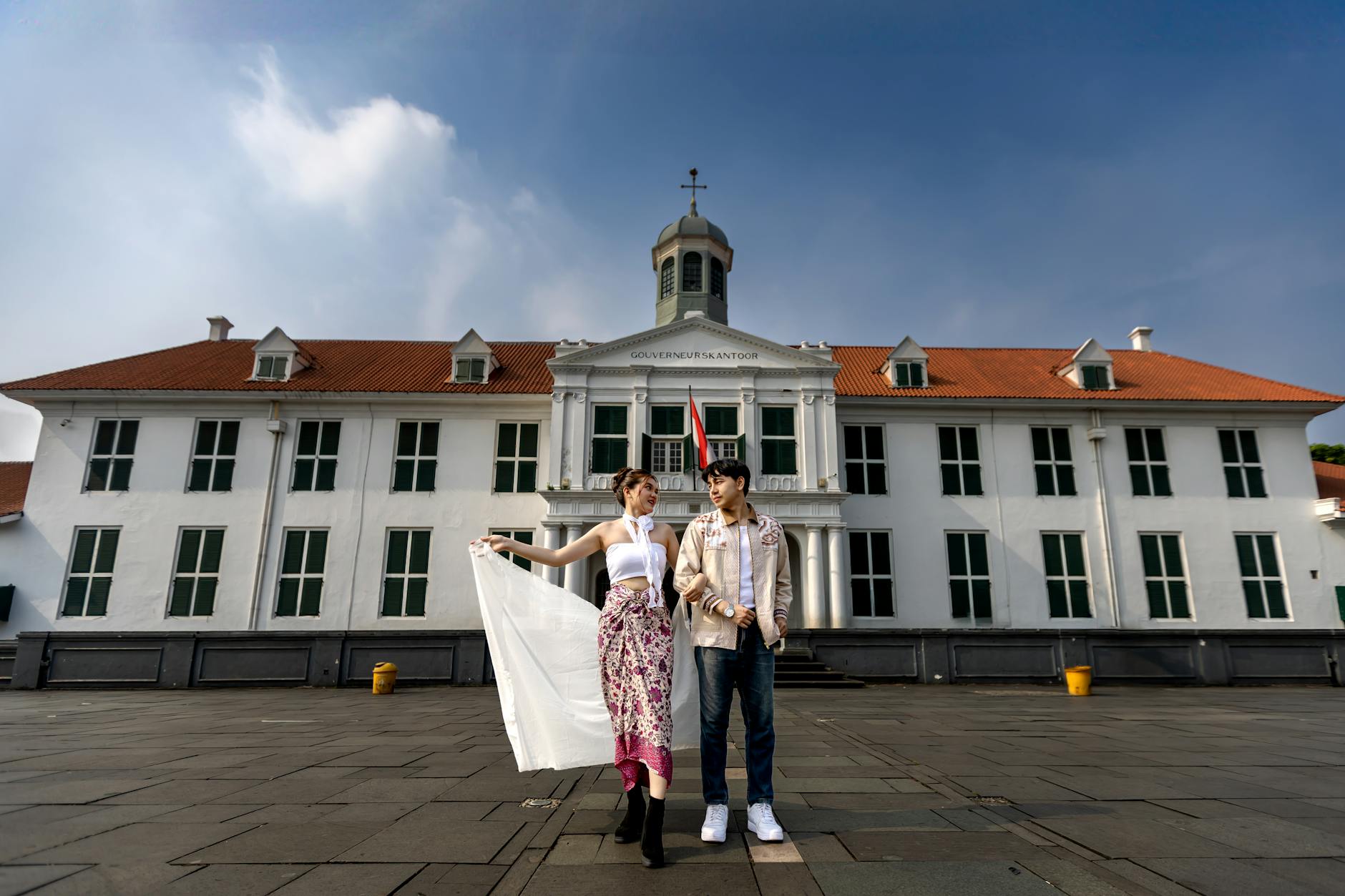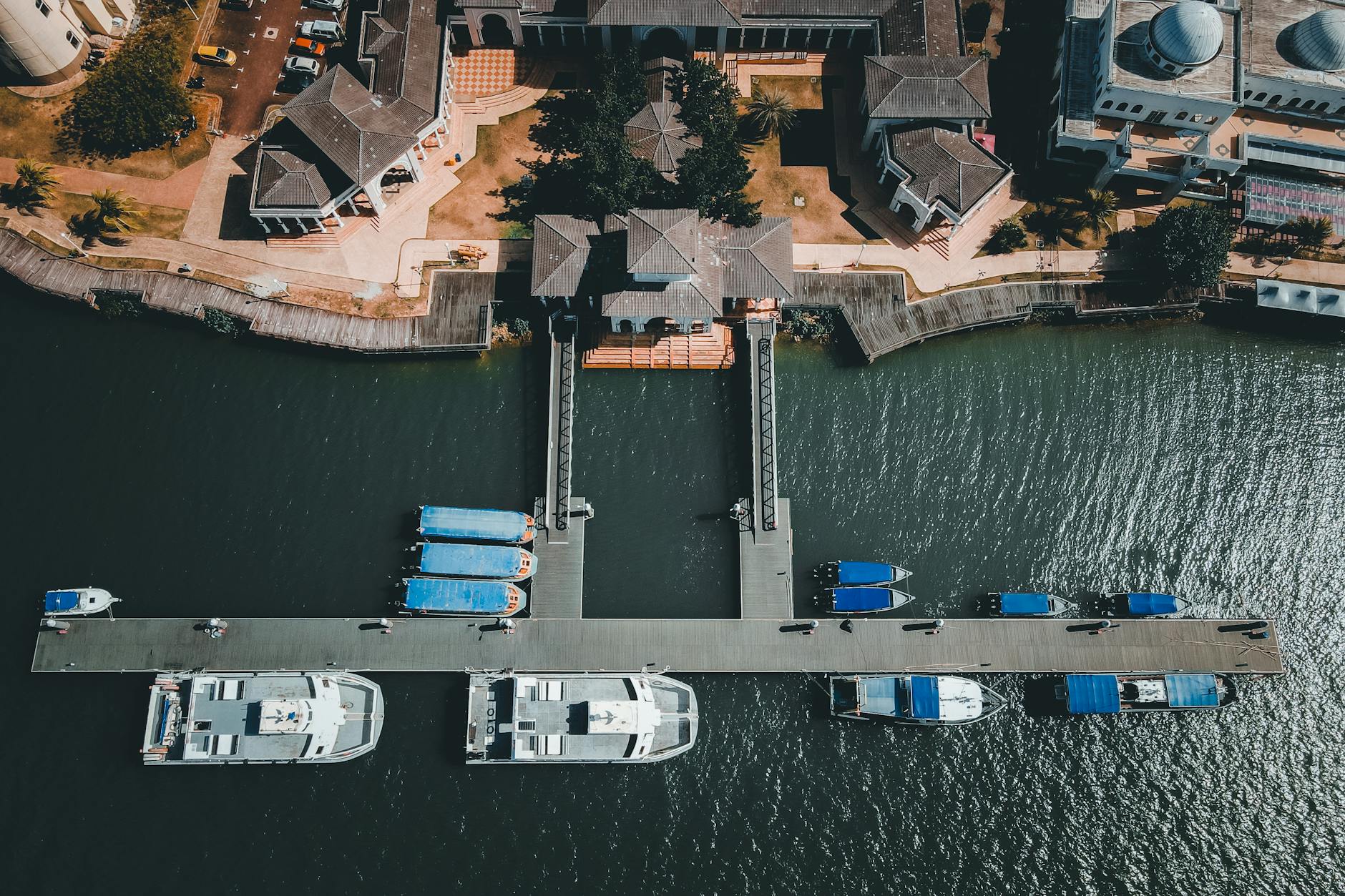
A tourist trip to Malacca City can look simple because the famous visitor core is compact: riverfront walks, Dutch Square, churches, temples, mosques, museums, cafes, shops, night markets, and Peranakan food all sit close enough to tempt an overfilled day. The map is helpful, but it is not the whole operating reality. A tourist should plan arrival route, hotel placement, walking tolerance, heat, rain, food timing, weekend crowding, and which sights actually belong in a short visit. Malacca City is usually better when the tourist chooses a clear route rather than trying to collect every stop.
Start with the road arrival, not the attraction list
Many tourists reach Malacca City by road from Kuala Lumpur, KLIA, Singapore, Johor, or another Malaysian base. That transfer can define the first day more than any attraction does. Traffic, rain, rest stops, driver timing, bus arrival points, luggage, and hotel check-in should be part of the plan.
If the tourist arrives tired or late, the first evening should be modest: check in, eat, take a short riverfront look, and save the fuller heritage route for the next day. A rushed start can make the city feel more chaotic than it is.
- Plan road timing from Kuala Lumpur, KLIA, Singapore, Johor, or another base with buffers.
- Account for bus or car drop-off, luggage, check-in, traffic, rest stops, and rain.
- Keep the first evening simple after a long transfer.
Choose the hotel by how the day will actually move
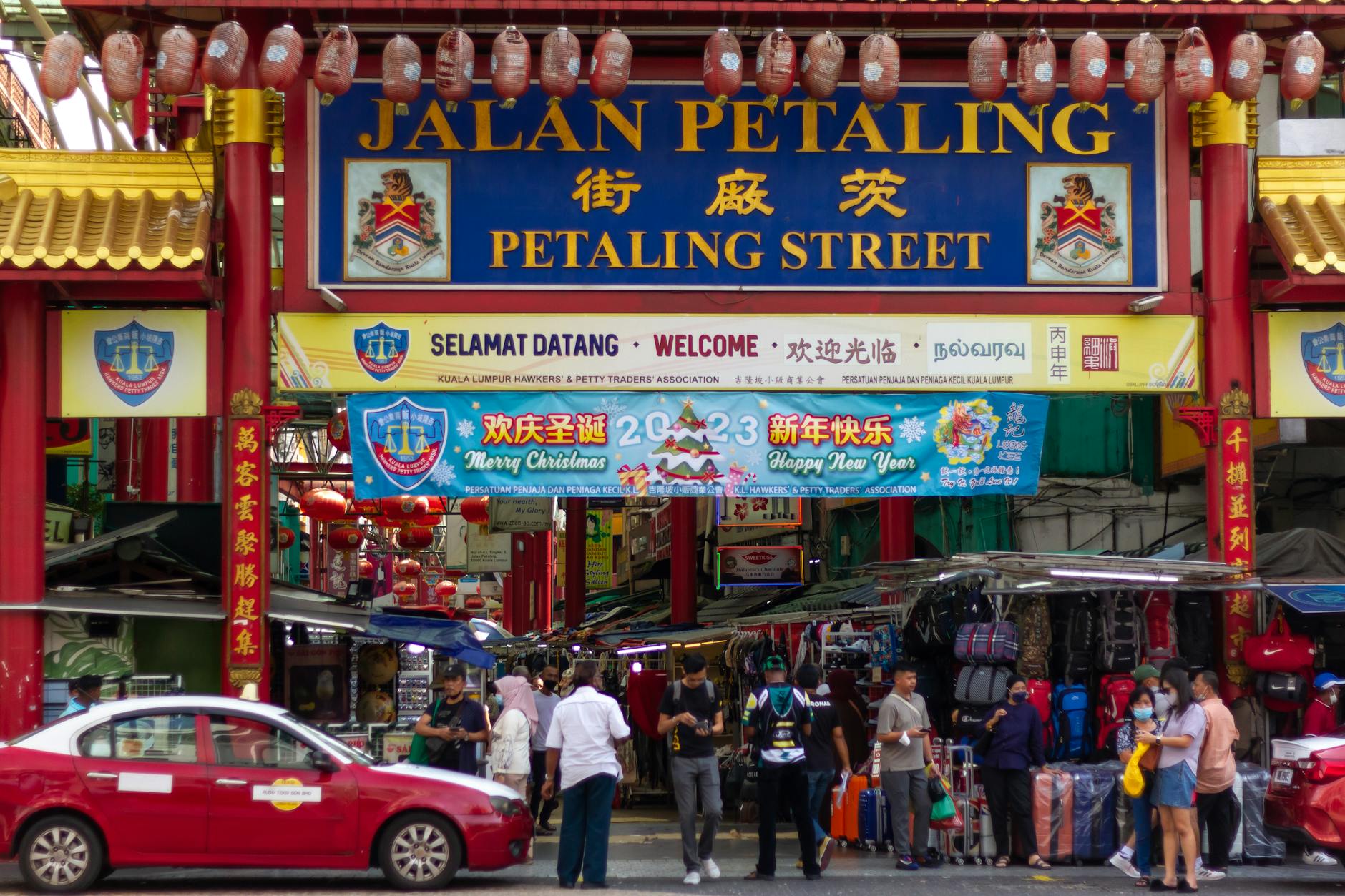
A heritage-core hotel can be excellent for tourists who want easy riverfront walks, cafes, museums, and evening streets. It can also bring noise, stairs, limited vehicle access, parking friction, or crowds. A hotel farther out may be easier for drivers but weaker for spontaneous sightseeing.
The tourist should choose based on walking tolerance, luggage, sleep needs, evening plans, pickup access, and whether returning for a midday rest matters. The best hotel is the one that reduces repeated movement decisions.
- Compare heritage-core convenience with noise, stairs, vehicle access, and crowding.
- Choose lodging by walking tolerance, luggage, sleep, pickup access, and rest needs.
- Make sure the hotel supports both sightseeing and recovery.
Make the heritage route smaller than the wish list
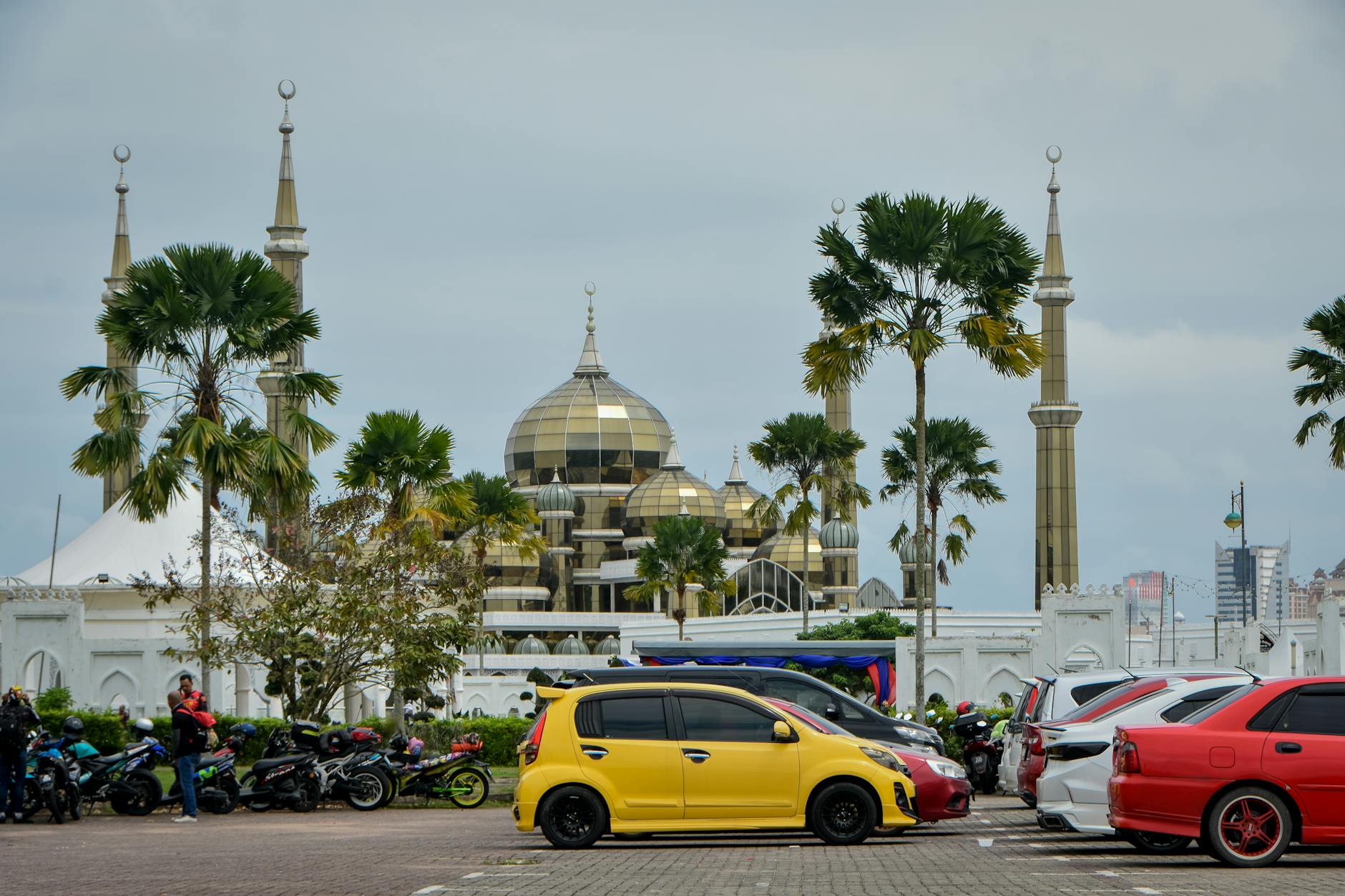
Tourists may want the river, Dutch Square, St. Paul's Hill, museums, churches, temples, mosques, Jonker Street, cafes, shops, and viewpoints in a single short stay. That list can work only if the route is disciplined and the traveler accepts that some stops will be quick or optional.
A stronger tourist route chooses a core walk, one or two indoor stops, one food anchor, and a few optional additions. Malacca City is more satisfying when the tourist has time to understand the place instead of moving through it as a checklist.
- Choose a core heritage walk before adding optional stops.
- Use indoor museums or cafes to break the route during heat or rain.
- Prioritize understanding and pacing over collecting every famous location.
Plan heat, rain, and weekend crowding
Malacca City's tourist areas can feel very different by hour and day. Heat, humidity, sudden rain, narrow sidewalks, traffic crossings, weekend crowds, market flows, and photo stops can all slow the itinerary. A tourist should not treat the city like a flat indoor attraction.
Outdoor walking should be placed in cooler windows where possible, with museum, cafe, hotel, or river-cruise breaks used when conditions turn difficult. A good tourist day has planned pauses.
- Plan around heat, humidity, rain, narrow sidewalks, crossings, weekends, and market crowds.
- Use museums, cafes, hotel breaks, and river activity as recovery points.
- Avoid scheduling the most exposed walking during the hardest weather.
Treat food as part of the route
Malacca City food can dominate a tourist itinerary: Peranakan meals, chicken rice balls, cafes, snacks, night market food, riverfront restaurants, and local sweets all compete for limited appetite. The risk is spending the whole day in queues and heavy meals.
The tourist should decide which food stops matter most, what requires reservations or queue patience, and how spice, shellfish, peanuts, sugar, heat, and hydration affect comfort. Food should support the route, not break it.
- Choose food priorities before the day becomes a sequence of queues.
- Plan reservations, cash, spice, shellfish, peanuts, sugar, hydration, and appetite.
- Place meals where they support the walking route and recovery rhythm.
Respect religious and residential spaces
Tourists move quickly between sacred sites, homes, shops, museums, cafes, and market streets in Malacca City. Those spaces do not all invite the same behavior. Dress, shoes, photography, noise, donations, and where to stand can matter in churches, mosques, temples, clan spaces, and residential lanes.
The tourist should remember that heritage is lived as well as displayed. Asking before photos and keeping residential streets from becoming a private stage improves the visit quickly.
- Adjust dress, shoes, photos, noise, and donations around sacred sites.
- Avoid photographing worshippers, interiors, or residents without permission.
- Treat heritage lanes as active local spaces, not only visitor scenery.
When to order a short-term travel report
A tourist with flexible timing and simple interests may not need a custom Malacca City report. A report becomes useful when the trip is short, arrival timing is uncertain, hotel options are confusing, mobility or medical constraints matter, food priorities are specific, weekend crowds are likely, or onward movement is tight.
The report should test arrival timing, hotel placement, walking routes, food stops, weather, crowds, transport, religious sites, medical access, budget, and what to cut. The value is a tourist visit that feels focused rather than crowded.
- Order when timing, hotel choice, mobility, food, crowds, or onward travel require testing.
- Provide dates, arrival route, hotel options, interests, walking tolerance, food constraints, budget, and priorities.
- Use the report to make the tourist day coherent, comfortable, and realistic.