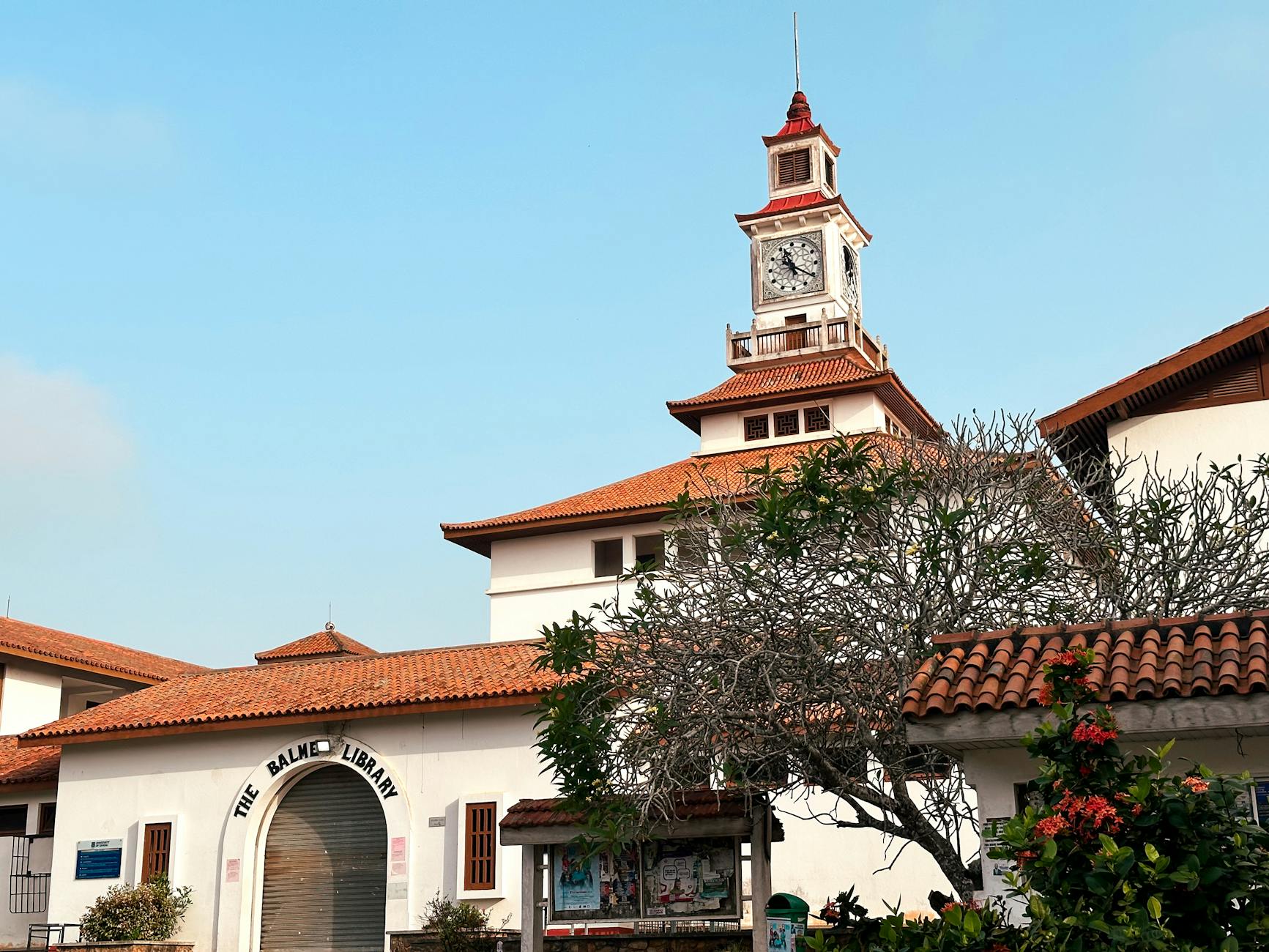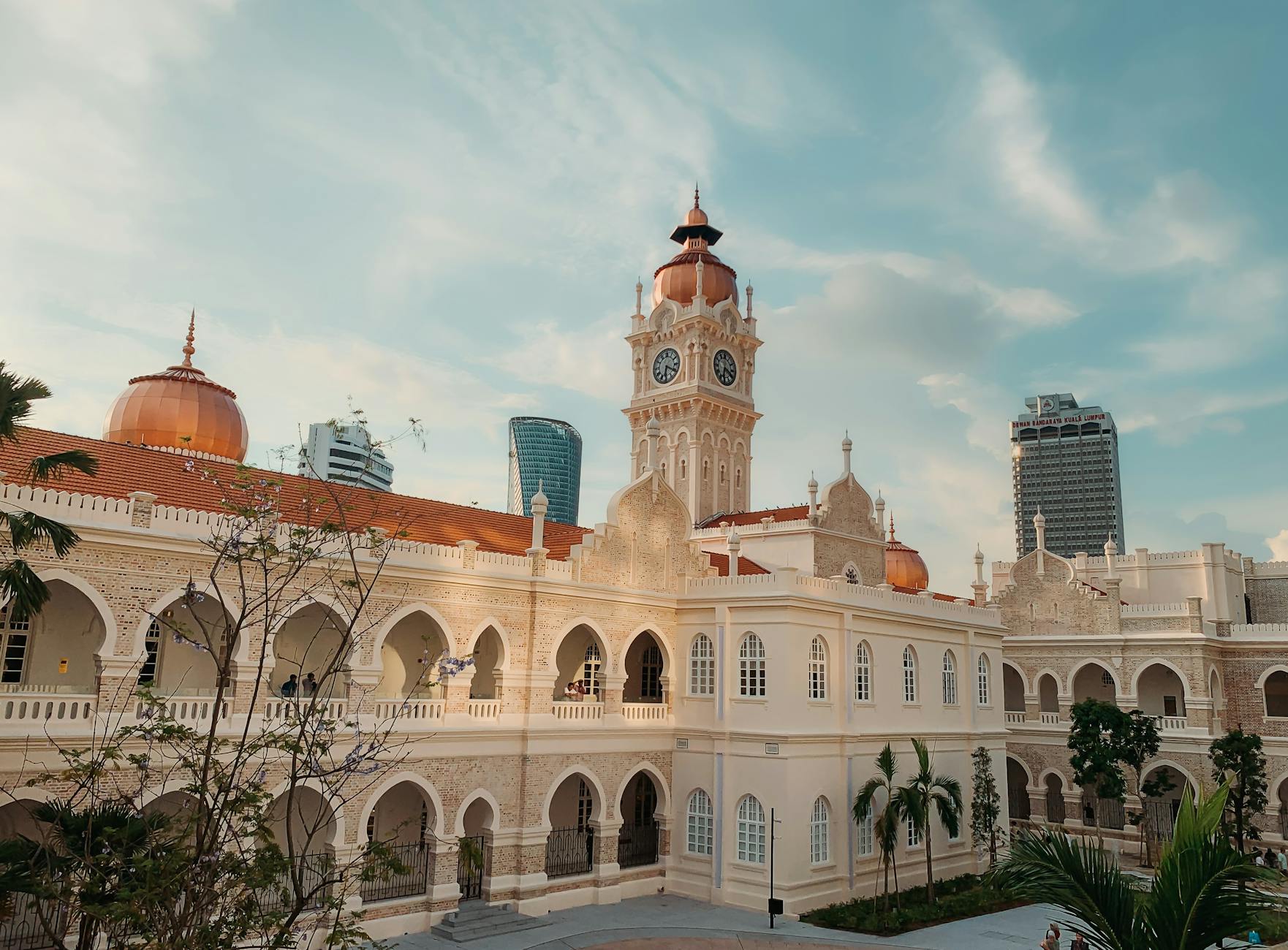
Malacca City can be a strong setting for a short academic, cultural, fieldwork, language, service-learning, or university-linked program. The city gives students heritage streets, religious sites, food culture, museums, riverfront life, and Malaysian urban context in a compact environment. That compactness should not make the trip casual. Students still need to plan housing, program location, group rules, heat, rain, food, budget, medical access, transport, local etiquette, independent time, and what happens if a short program day runs late.
Let the program location shape the day
A short student program may use a university partner, language school, cultural center, museum, fieldwork site, hotel classroom, NGO partner, or several heritage locations. Students should understand where required activities actually happen before judging housing, commute time, or free-time options.
If the program moves between sites, the student should know who controls transport, where the group meets, what happens if someone is late, and how much independent movement is allowed. A compact city can still create confusion when a cohort moves in several directions.
- Map classrooms, fieldwork sites, museums, NGO partners, hotels, and meeting points.
- Confirm who controls transport, attendance, late arrivals, and group movement.
- Choose housing and free-time plans around required program geography.
Check housing beyond the nightly price
Student housing can include hostels, guesthouses, budget hotels, university-arranged rooms, homestays, or shared apartments. The student should check air-conditioning, bathroom access, room sharing, curfew, laundry, lockers, Wi-Fi, study space, noise, stairs, gender arrangements, visitor rules, and distance from required activities.
A cheaper bed can become expensive if it weakens sleep, safety, or attendance. Short programs leave little time to recover from poor housing decisions.
- Check cooling, bathrooms, room sharing, curfew, laundry, lockers, Wi-Fi, study space, and noise.
- Confirm gender arrangements, visitor rules, stairs, and distance from required activities.
- Avoid housing that saves money while damaging sleep, safety, or attendance.

Budget for heat, rain, and daily basics
Malacca City can be affordable for students, but heat, rain, water, snacks, laundry, phone data, local rides, entrance fees, printing, group meals, and last-minute supplies can add up. A student should not budget only for lodging and famous food stops.
The daily plan should include hydration, practical shoes, a small umbrella or rain layer, backup cash, payment options, and enough margin for rides when walking would damage the next class or fieldwork session.
- Budget for water, snacks, laundry, data, rides, entrance fees, printing, and supplies.
- Plan heat, humidity, rain, shoes, and recovery time into each program day.
- Use paid rides when walking would weaken attendance or safety.
Use food as learning without ignoring limits
Food may be part of the educational value of Malacca City: Peranakan dishes, local snacks, cafes, market foods, riverfront meals, and group dinners can all reveal culture. Students still need to manage spice, shellfish, peanuts, halal needs, vegetarian needs, allergies, hydration, food safety, and how group meals are paid.
The student should know what is required, what is optional, and what backup food is available near housing. A short program can become difficult quickly if a food issue affects attendance.
- Plan spice, shellfish, peanuts, halal needs, vegetarian needs, allergies, hydration, and food safety.
- Clarify required group meals, optional meals, payment expectations, and backup food.
- Use local food as learning without gambling with attendance or health.
Respect cohort rules and local etiquette
Students may move quickly between religious sites, museums, homes, markets, streets, and restaurants. Dress, shoes, photography, noise, alcohol, public affection, residential privacy, and behavior in sacred spaces all matter. Program leaders may also have rules that are stricter than what an independent tourist would choose.
The student should treat etiquette as part of the program, not as a restriction added afterward. A short stay gives limited room to repair poor first impressions.
- Follow program rules for attendance, curfew, independent movement, alcohol, photos, and conduct.
- Respect dress, shoes, worship spaces, residential lanes, noise, and local privacy.
- Treat etiquette as part of the learning outcome.
Keep independent time realistic
Students may want to add river walks, Jonker Street, Dutch Square, cafes, museums, shopping, nightlife, or side trips around program obligations. Independent time can be valuable, but it should not put the student at risk of missing class, violating cohort rules, overspending, or returning late in rain or after dark.
The student should choose a small number of free-time priorities and confirm transport back before leaving. A short program rewards disciplined choices more than a long wish list.
- Choose a few free-time priorities instead of overfilling evenings.
- Confirm return transport, group rules, weather, cost, and safety before independent movement.
- Avoid side trips that threaten attendance, sleep, or required work.
When to order a short-term travel report
A student joining a fully managed program with clear housing and transport may not need a custom Malacca City report. A report becomes useful when the student is choosing housing independently, arriving separately, managing medical or dietary constraints, balancing fieldwork with free time, traveling on a tight budget, or coordinating family expectations.
The report should test program geography, housing, arrival timing, transport, food, budget, weather, cohort rules, medical access, independent-time options, side trips, and what to cut. The value is a short program that stays focused on learning rather than preventable travel problems.
- Order when housing, separate arrival, budget, constraints, fieldwork, or independent time need testing.
- Provide dates, program location, housing options, budget, medical or dietary needs, group rules, and priorities.
- Use the report to make the short study stay practical, safe, and coherent.