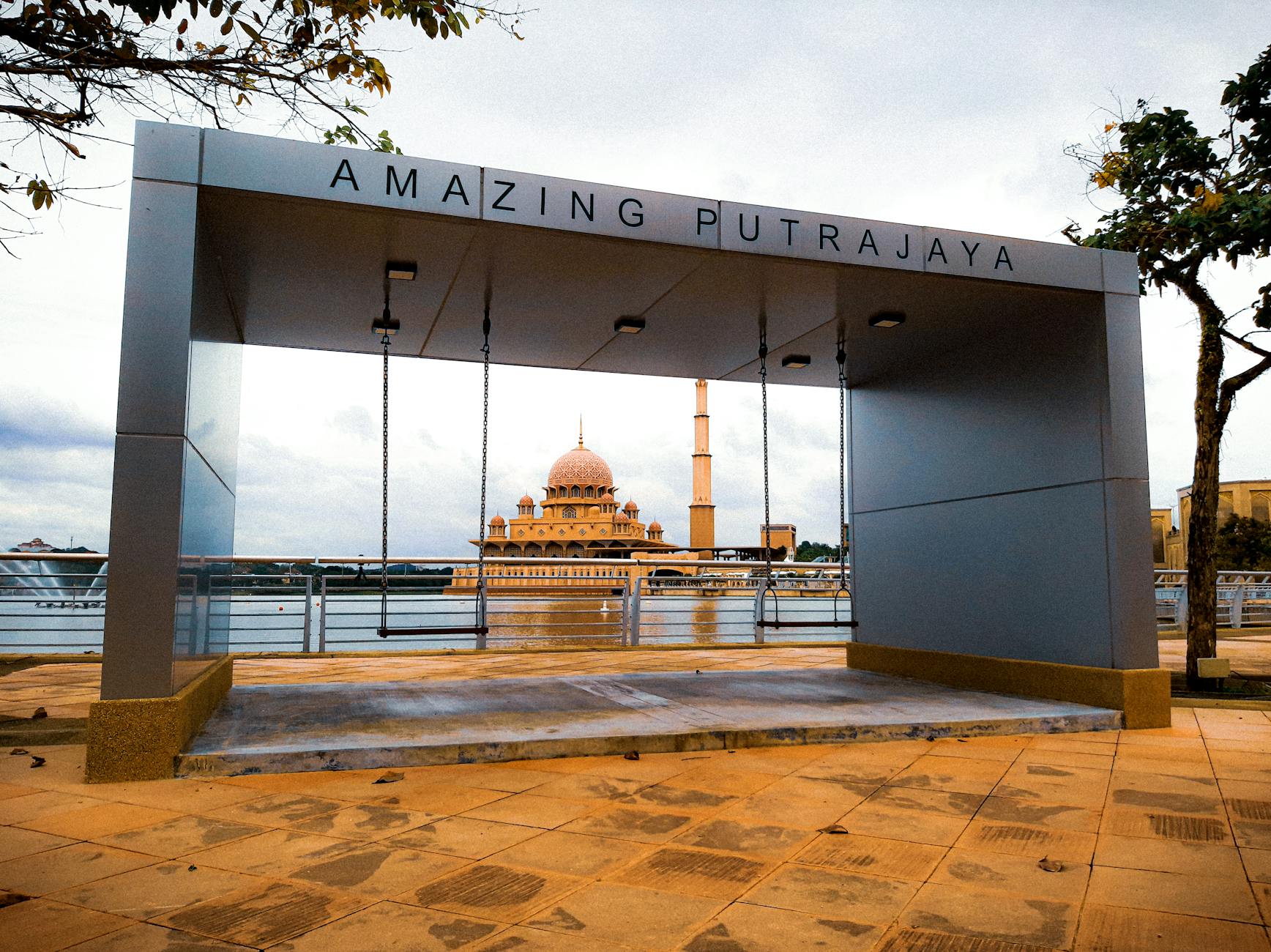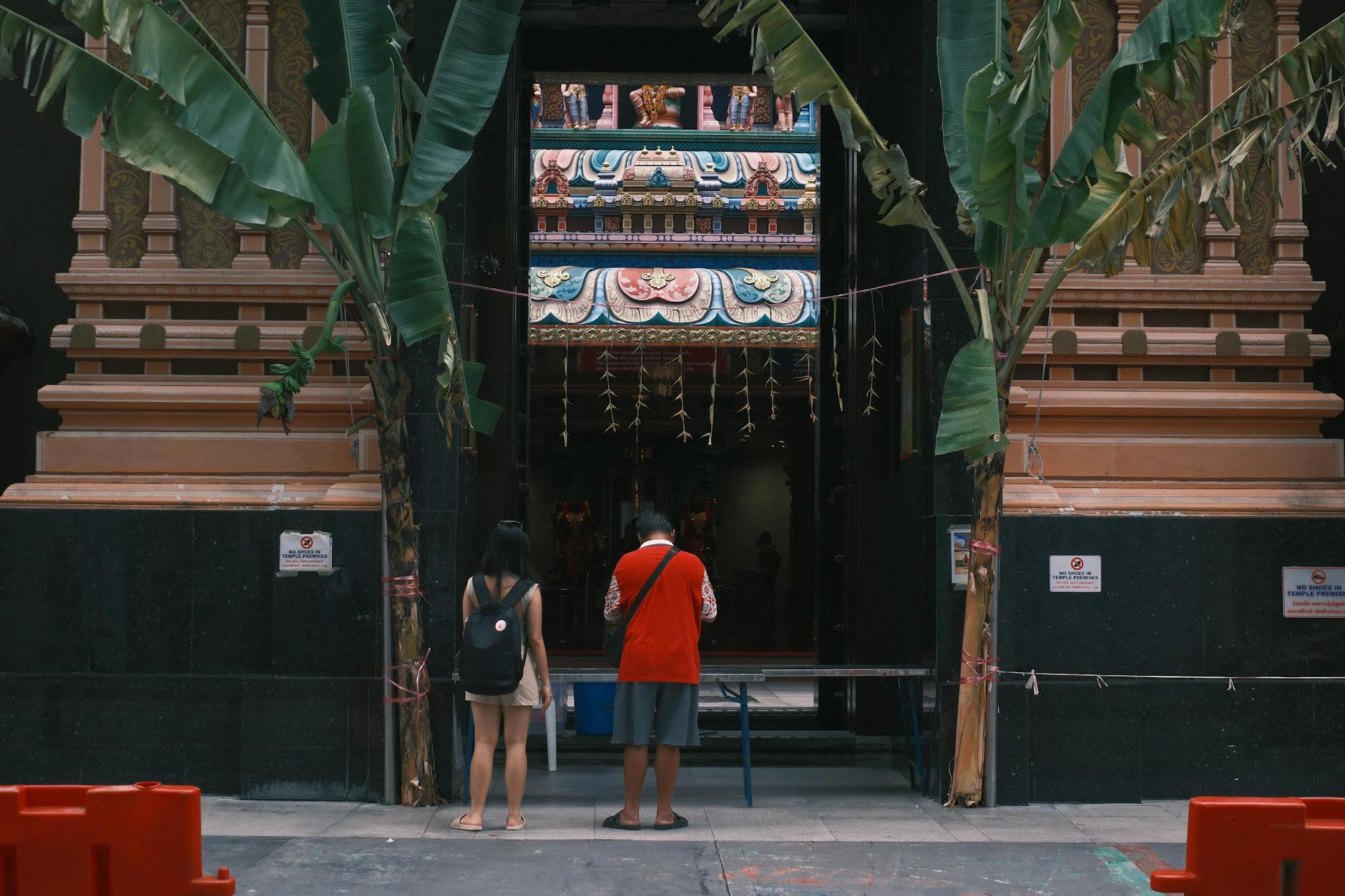
Malacca City can be a good solo destination because much of the visitor experience is compact: the river, heritage streets, museums, cafes, religious sites, markets, and food stops can be reached without building a complicated itinerary. The compact map can still hide practical friction. A solo traveler should plan the trip around arrival timing, hotel placement, weather, safe evening movement, food choices, and how to avoid being stuck with no easy exit from crowded or tiring areas. Independence works better when the fallback is already clear.
Do not improvise the road arrival
Solo travelers often reach Malacca City by bus, private car, hired transfer, or a road connection from Kuala Lumpur, KLIA, Singapore, Johor, or another Malaysian base. The arrival point, luggage, weather, phone battery, and check-in timing matter more when there is no companion to divide attention.
The traveler should know how they will get from terminal or drop-off point to the hotel, what to do if the bus is late, and whether arriving after dark changes the plan. A solo trip should start with fewer decisions, not more.
- Plan the transfer, arrival point, luggage handling, and hotel route before departure.
- Keep phone battery, payment, hotel address, and backup contact details available.
- Avoid late arrivals without a clear onward move from terminal or drop-off point.
Choose lodging for easy returns
A solo traveler should choose a hotel that supports easy day and evening returns. Heritage-core lodging may make walking simple, but it can also mean noise, crowds, stairs, or limited vehicle access. A quieter hotel may be more comfortable, but only if transport remains easy after dinner.
The useful question is not only where the traveler wants to sleep. It is where they can return comfortably when tired, rained on, carrying purchases, or ready to leave a crowded area.
- Choose lodging by easy returns, night movement, vehicle access, noise, and stairs.
- Balance heritage-core convenience against crowding and sleep quality.
- Avoid bases that make every solo return feel like a new problem.
Build a compact walking route
Solo travelers can move efficiently, but that can become a trap. It is easy to overfill the day with the river, Dutch Square, museums, religious sites, cafes, Jonker Street, shops, and photo stops because no one else is slowing the route down.
The smarter plan is to build a compact loop with one clear priority, one food stop, one indoor recovery point, and a few optional additions. A solo day should create freedom without creating fatigue.
- Build a compact route with one main priority and optional additions.
- Include an indoor recovery point and a food stop before fatigue appears.
- Do not mistake solo speed for unlimited stamina.
Plan heat, rain, and solo downtime
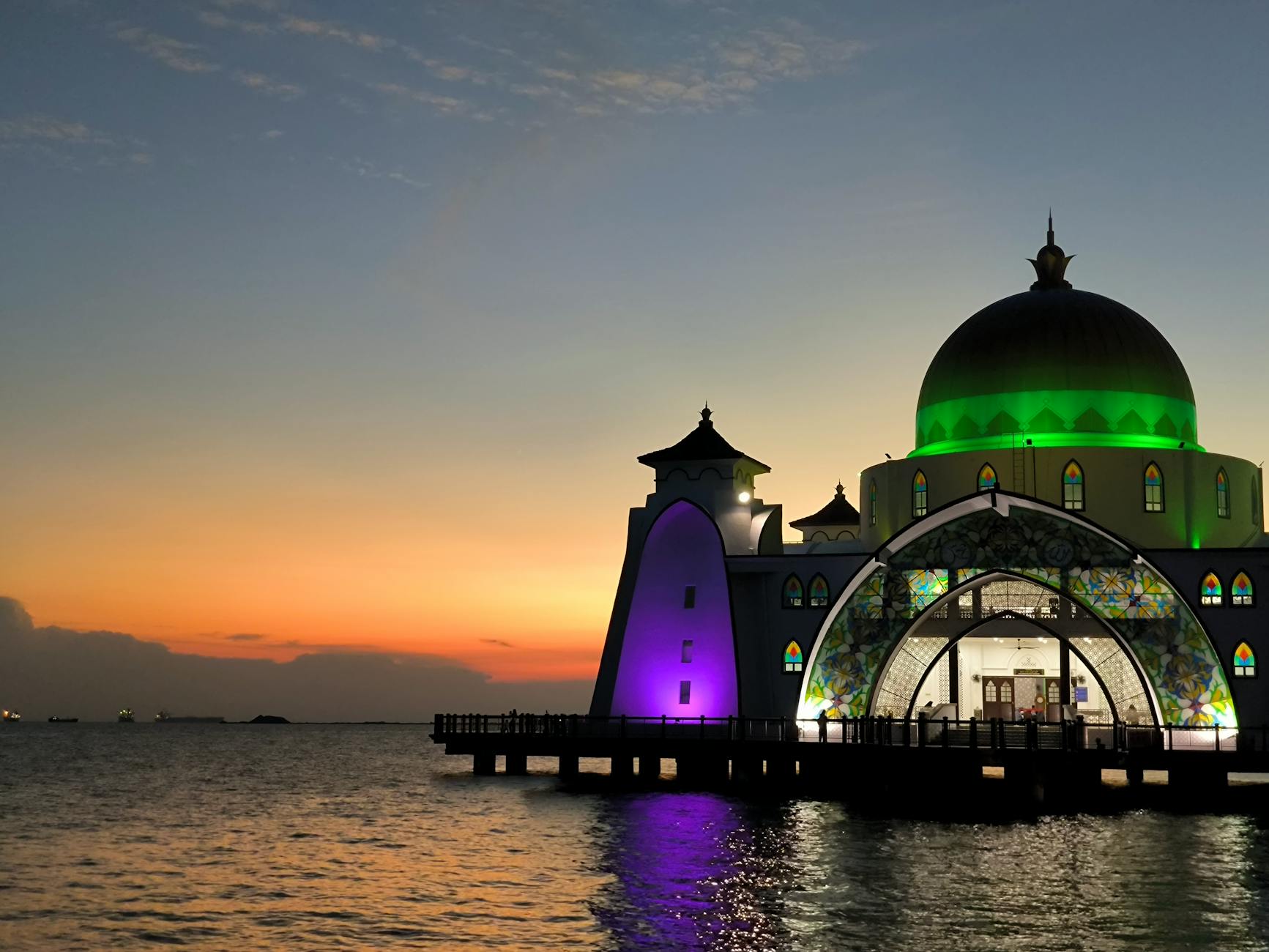
Heat, humidity, and sudden rain affect solo travelers differently because there may be no one else to suggest a pause, watch luggage, or split decisions. The traveler should carry water, compact rain protection, practical shoes, and a loose plan for indoor breaks.
Solo downtime should not be treated as wasted time. A cafe, museum, hotel break, riverfront seat, or early evening reset can keep the trip enjoyable and prevent the later part of the day from becoming careless.
- Carry water, rain protection, practical shoes, and a plan for indoor breaks.
- Use downtime deliberately instead of pushing through heat or fatigue.
- Pause before tired decision-making affects evening movement.
Make food choices that work alone
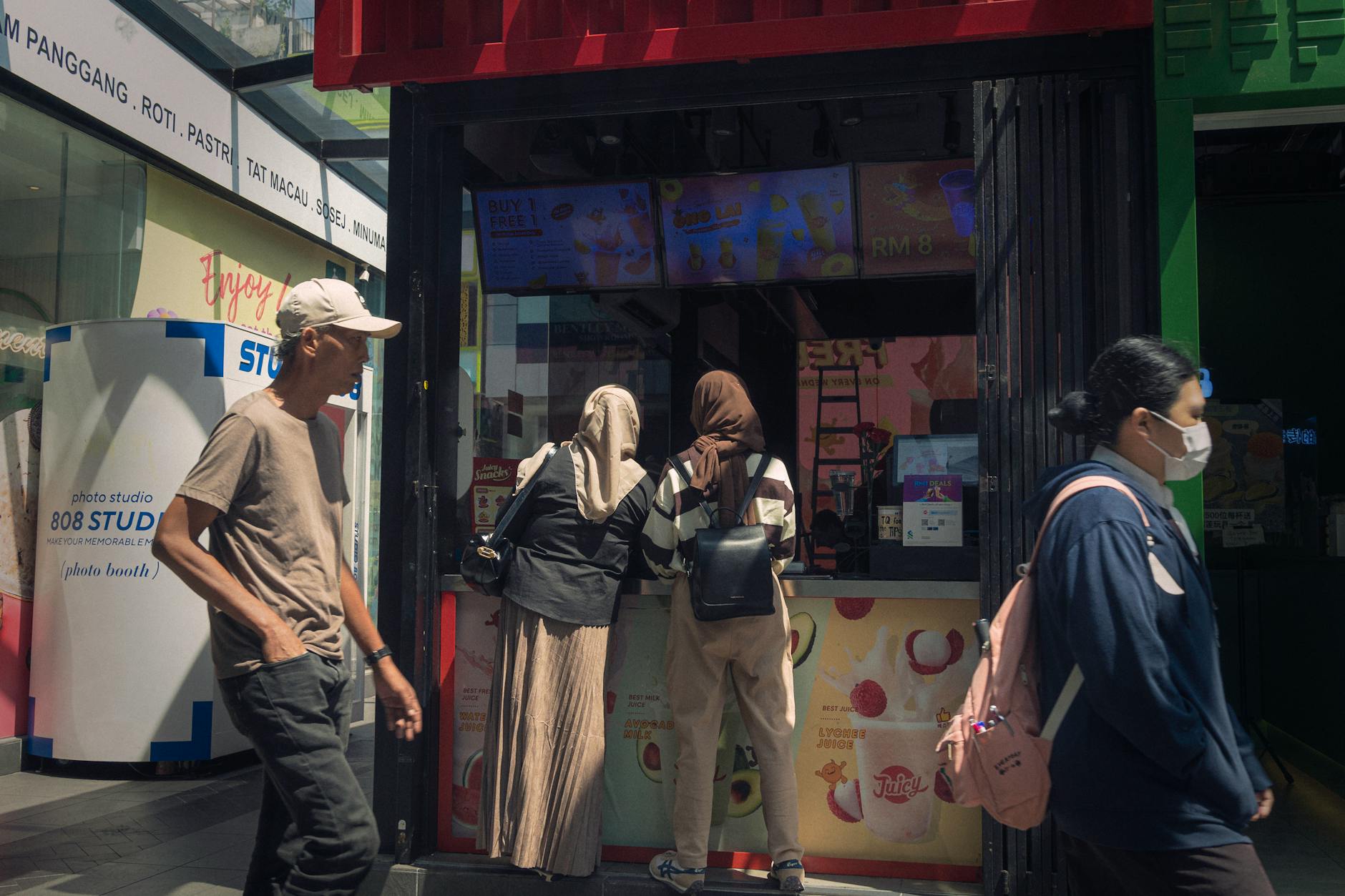
Malacca City is a strong food destination, but solo travelers should think through queues, table sharing, portion size, cash, spice, shellfish, peanuts, late meals, and whether a restaurant feels comfortable for one person. Some famous meals are easy alone; others are more awkward or heavy than expected.
The traveler should mix destination food with practical food. A great solo food day may include a serious Peranakan meal, a cafe break, a snack, and one simple fallback near the hotel.
- Plan queues, portions, cash, spice, shellfish, peanuts, and solo comfort.
- Mix destination meals with simple fallback food near the hotel.
- Avoid overloading the itinerary around heavy meals and long waits.
Handle evening movement with a clear exit
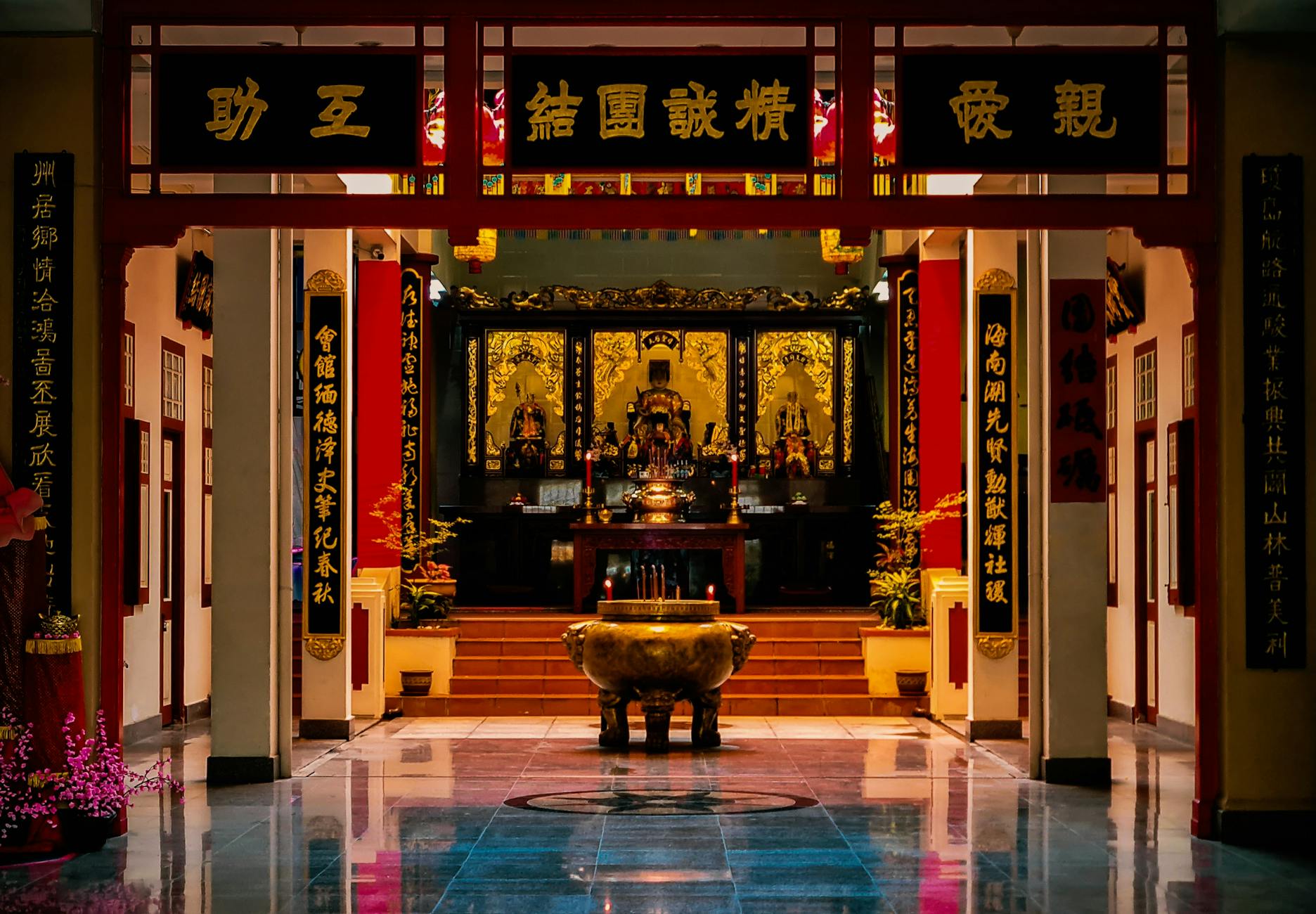
Evening streets, markets, riverfront areas, and cafes can be enjoyable for a solo traveler, but the traveler should know how the evening ends. Crowds, rain, low phone battery, reduced rides, alcohol, and unfamiliar lanes can make a short walk feel less simple after dark.
The traveler should keep valuables controlled, avoid over-sharing hotel details, use well-lit routes, and leave crowded areas before fatigue changes judgment. Solo travel does not require fear; it requires a clean exit plan.
- Decide the return route before the evening becomes crowded or wet.
- Keep valuables, phone battery, payment, and hotel details controlled.
- Use well-lit routes and leave before fatigue weakens judgment.
When to order a short-term travel report
A confident solo traveler with flexible timing may not need a custom Malacca City report. A report becomes useful when the trip is short, arrival timing is uncertain, the traveler is arriving late, hotel choices are unclear, food or medical constraints matter, or onward movement is tight.
The report should test arrival route, lodging, walking loops, weather, food choices, evening movement, transport, medical access, communications, budget, and what to cut. The value is an independent trip with fewer unnecessary decisions.
- Order when arrival, hotel choice, evening movement, food, constraints, or onward travel need testing.
- Provide dates, transfer route, hotel options, walking tolerance, food limits, budget, and priorities.
- Use the report to keep solo travel independent without leaving the hard choices until arrival.