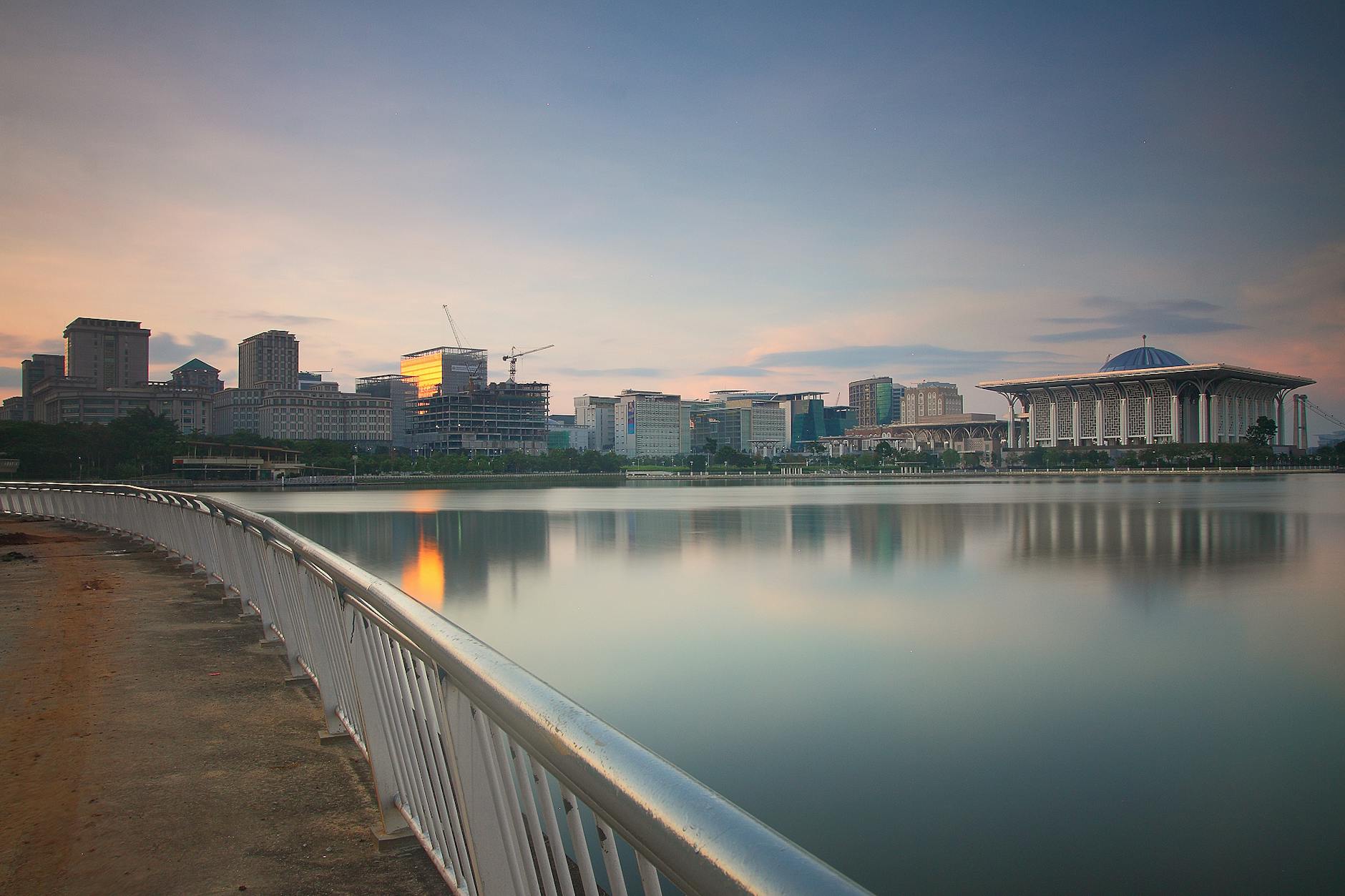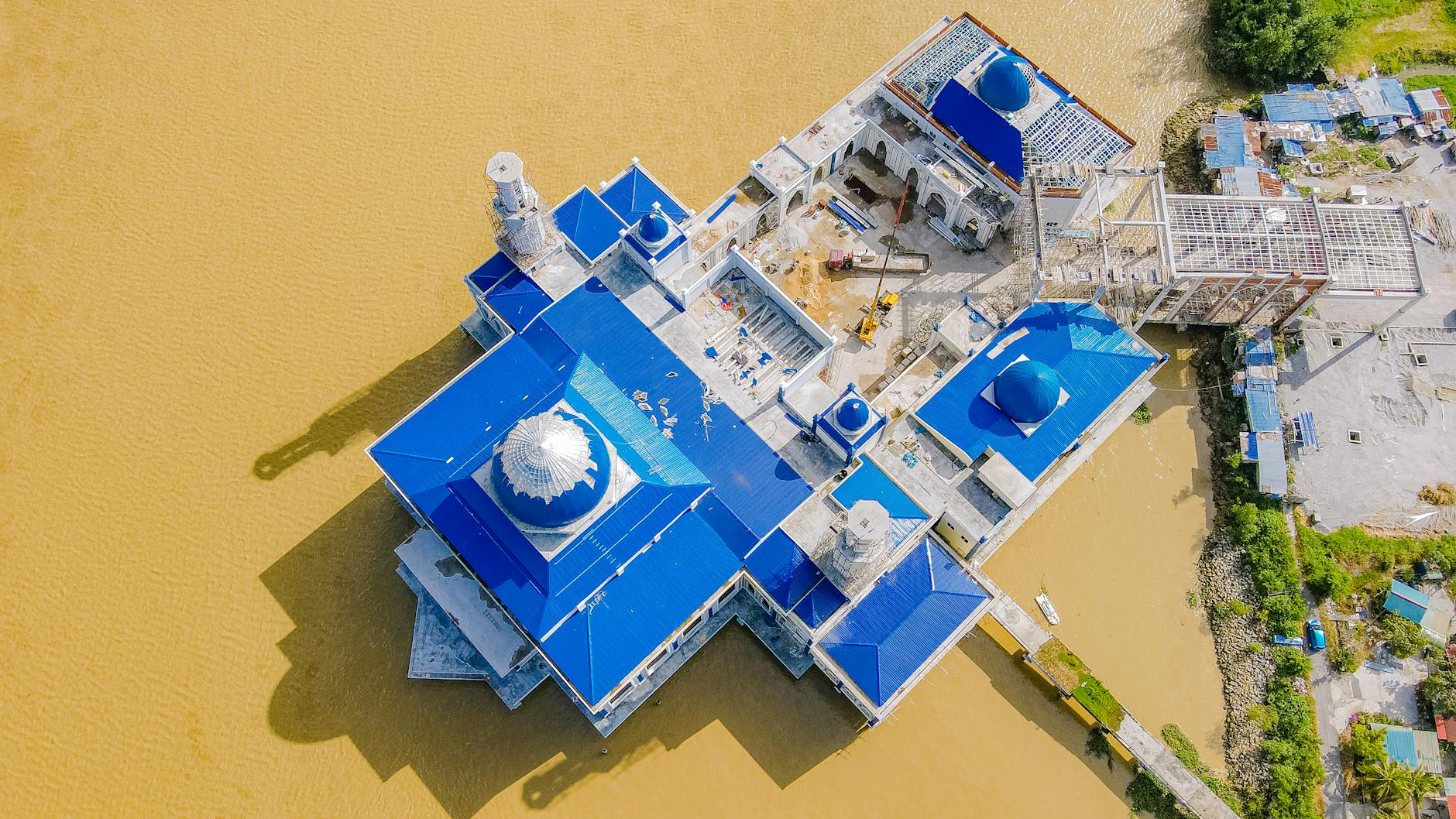
A sales trip to Malacca City is usually shaped by road access, client locations, and the need to arrive composed. The city can look compact from a leisure perspective, but sales movement may involve hotels, factories, offices, dealers, distributors, restaurants, and evening hospitality that sit outside a simple visitor loop. The traveler should plan the trip around buyer value first. Malacca City can support strong relationship-building, but only if arrival timing, sample handling, meeting geography, follow-up time, and transport are controlled before the calendar fills with meals and sightseeing.
Map buyer geography before choosing the base
A sales traveler should start with the buyer map, not the hotel map. Key contacts may be in the heritage core, a hotel, a restaurant, an industrial area, a distributor office, a dealer location, or another town reached by road. A base that is attractive for leisure can be weak if it adds uncertainty before a senior buyer meeting.
The traveler should rank meetings by commercial value and then choose lodging, transport, and meal locations that protect those meetings. If the itinerary includes multiple buyers, the day should be sequenced by geography and importance rather than by whoever replied first.
- Map buyer offices, hotels, restaurants, distributor sites, and road links before booking.
- Rank meetings by revenue value and sequence them by geography and importance.
- Choose lodging that reduces uncertainty before the most important sales conversation.
Build road arrival around the first conversation
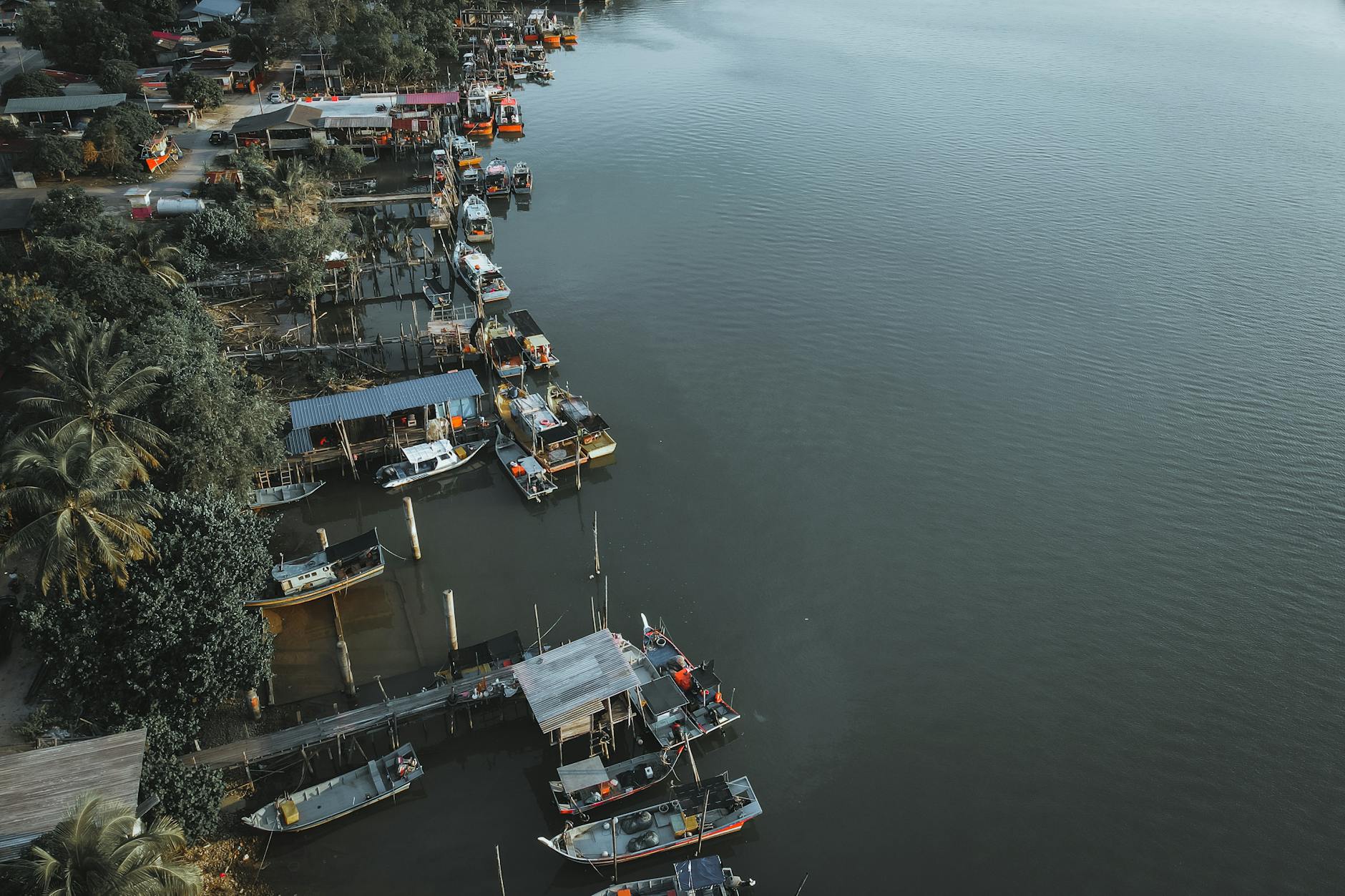
Many sales travelers reach Malacca City by road from Kuala Lumpur, KLIA, Singapore, Johor, or another Malaysian base. That transfer can affect tone, punctuality, and energy. Traffic, rest stops, rain, luggage, sample boxes, border or airport timing, and hotel check-in should all be tested against the first serious meeting.
If the first conversation matters, the traveler should avoid arriving directly from a fragile transfer with no buffer. A short meeting placed too close to arrival can cost more than an extra hotel night or earlier departure.
- Test road timing from Kuala Lumpur, KLIA, Singapore, Johor, or another base.
- Include traffic, rain, rest stops, luggage, samples, check-in, and recovery time.
- Avoid placing the highest-value buyer meeting immediately after a risky arrival.
Handle samples and materials deliberately
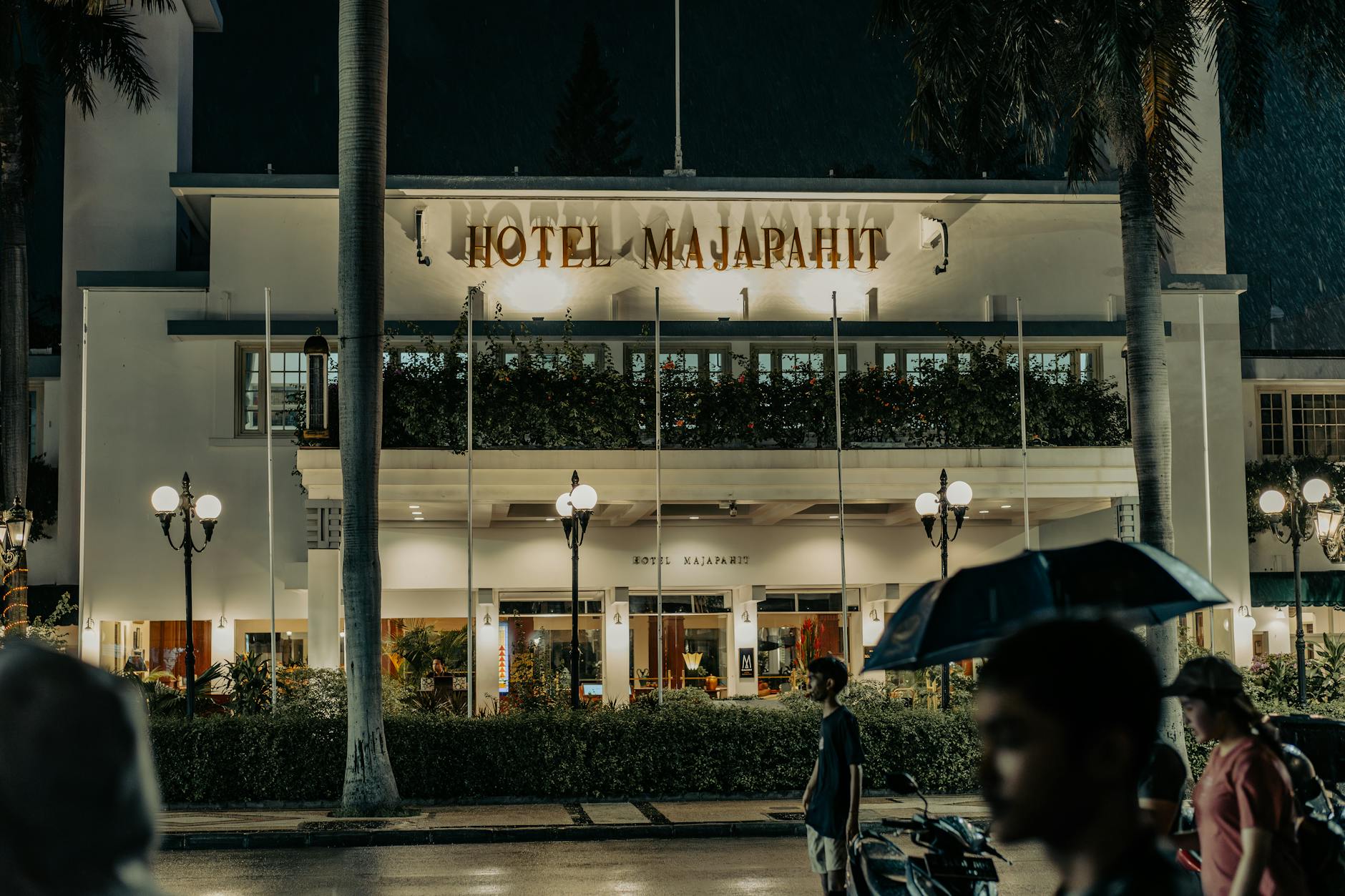
Sales trips often involve more than a laptop. Samples, brochures, demo devices, pricing sheets, product photos, spare chargers, presentation decks, and gifts may need to move from car to hotel to client site to dinner. Malacca City's heat, rain, stairs, parking limits, and heritage-lane access can make material handling more complicated than expected.
The traveler should decide what must be carried, what can be shipped, what can stay at the hotel, and what needs a backup. Showing up prepared should not mean hauling every possible item through every stop.
- List samples, brochures, devices, gifts, chargers, decks, and pricing materials before packing.
- Decide what travels by hand, what stays at the hotel, and what needs a backup.
- Plan for heat, rain, stairs, parking, and vehicle access when carrying materials.
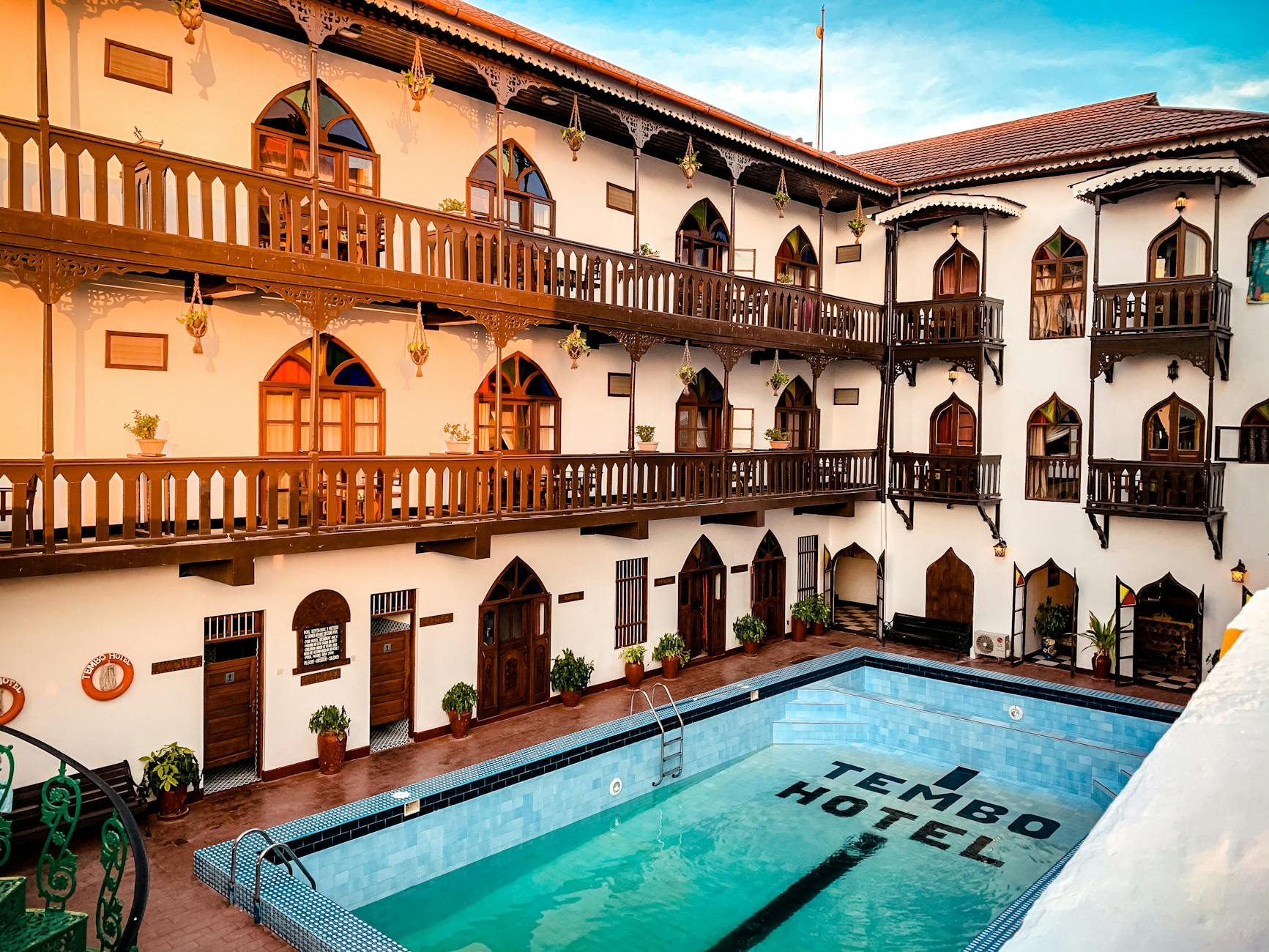
Choose transport by buyer value
Ride-hailing may work for light movement between a hotel and a casual meeting. It may be too weak for a day with senior buyers, multiple sites, samples, rain risk, or a dinner where punctuality matters. The sales traveler should choose transport by commercial consequence, not only by fare.
Pickup points, waiting instructions, return routes, and driver communication should be set before the meeting starts. The traveler should not be solving transport while a buyer is waiting, samples are exposed, or the evening schedule is already compressed.
- Use stronger transport control for senior buyers, samples, rain, or multi-site days.
- Confirm pickup points, waiting instructions, return routes, and driver communication.
- Choose transport by commercial risk rather than by the cheapest available ride.
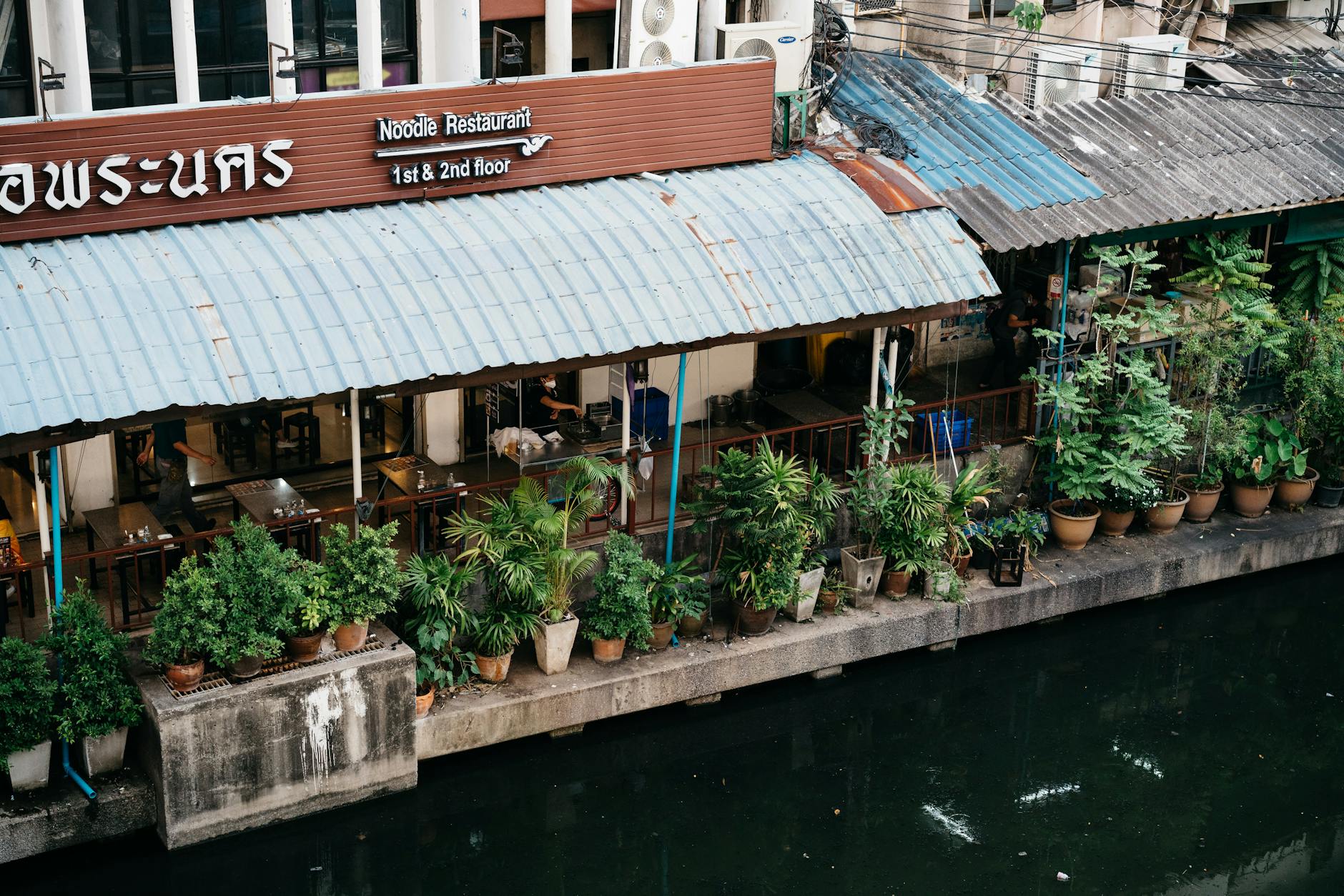
Use meals without losing the sales agenda
Malacca City's food culture can help a sales relationship. Peranakan meals, riverfront restaurants, cafes, hotel dining, and local specialties can create the right setting for trust. They can also introduce noise, spice, dietary issues, slow service, payment ambiguity, and a poor return route if chosen casually.
The traveler should match each meal to the relationship stage. A first negotiation may need quiet and privacy; a warmer relationship may benefit from a more local setting. The meal should move the buyer relationship forward rather than become the entire event.
- Match restaurants, cafes, hotel dining, and local meals to the buyer relationship stage.
- Plan privacy, noise, dietary limits, spice, payment, timing, and return transport.
- Let food support the sales conversation without replacing it.
Protect follow-up before sightseeing
Malacca City makes it easy to add riverfront walks, Dutch Square, Jonker Street, museums, cafes, and evening streets after meetings. That can be valuable, but sales value usually comes from the follow-up: notes, CRM updates, pricing answers, revised proposals, next-step messages, and internal alignment.
The traveler should reserve quiet time after key conversations while details are fresh. Sightseeing can fit around the sales trip, but it should not consume the hour that turns a useful meeting into real progress.
- Reserve time for notes, CRM updates, pricing, proposals, and next-step messages.
- Use quiet hotel workspace or a reliable cafe after key buyer meetings.
- Keep sightseeing compact until the commercial follow-up is complete.
When to order a short-term travel report
A sales traveler with one flexible meeting and a familiar buyer may not need a custom Malacca City report. A report becomes useful when the trip includes senior buyers, road-transfer risk, several sites, samples, new distributors, client meals, medical or dietary constraints, or a tight departure after the final appointment.
The report should test buyer geography, lodging, road arrival, transport buffers, material handling, meal settings, follow-up time, weather, medical access, budget, and what to cut. The value is a sales trip that protects revenue opportunities under real Malacca City conditions.
- Order when senior buyers, samples, multi-site movement, client meals, or tight timing need testing.
- Provide dates, buyer addresses, hotel options, sample needs, meeting schedule, meal plans, constraints, and budget.
- Use the report to protect commercial momentum instead of leaving it to travel luck.