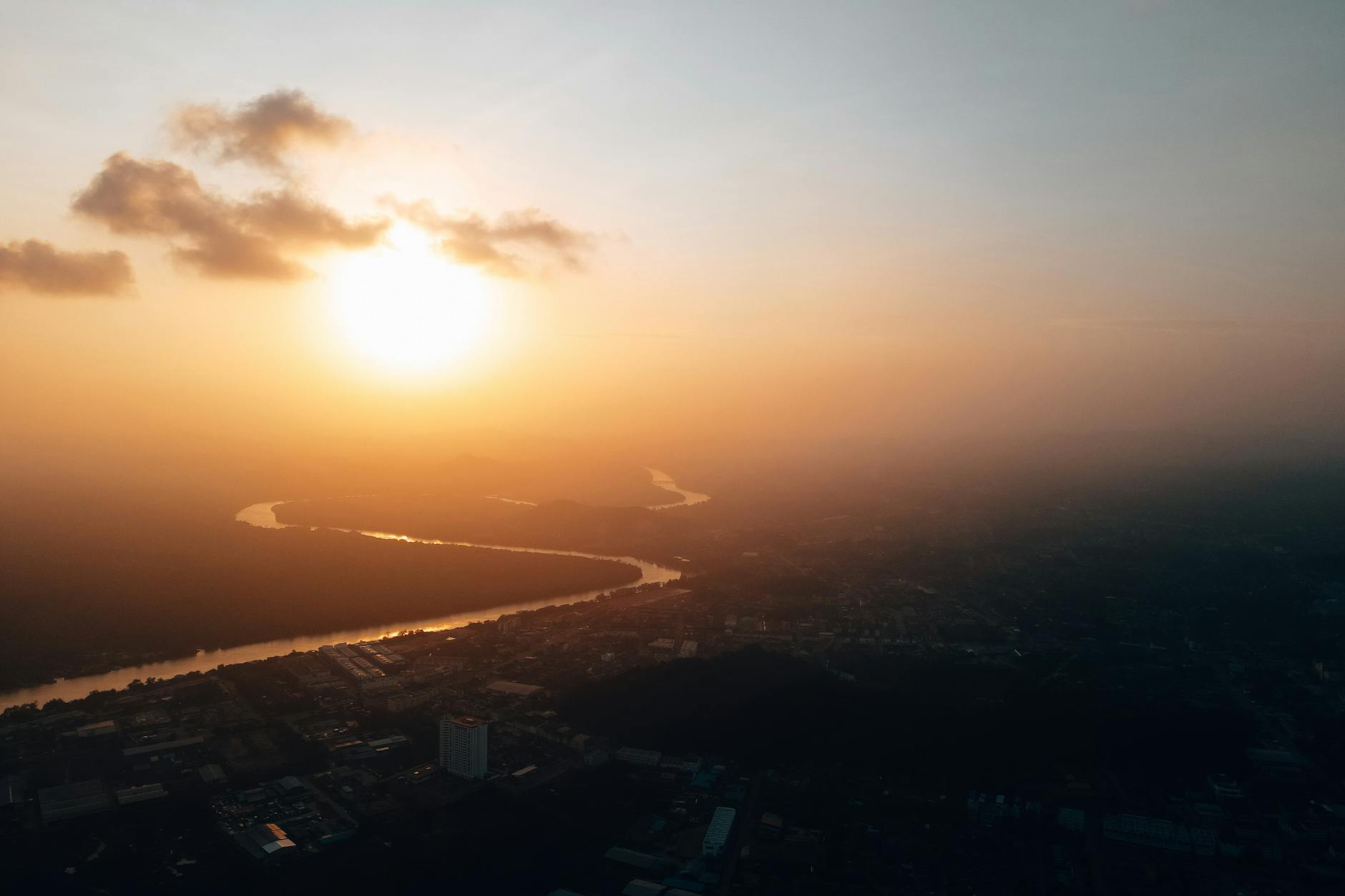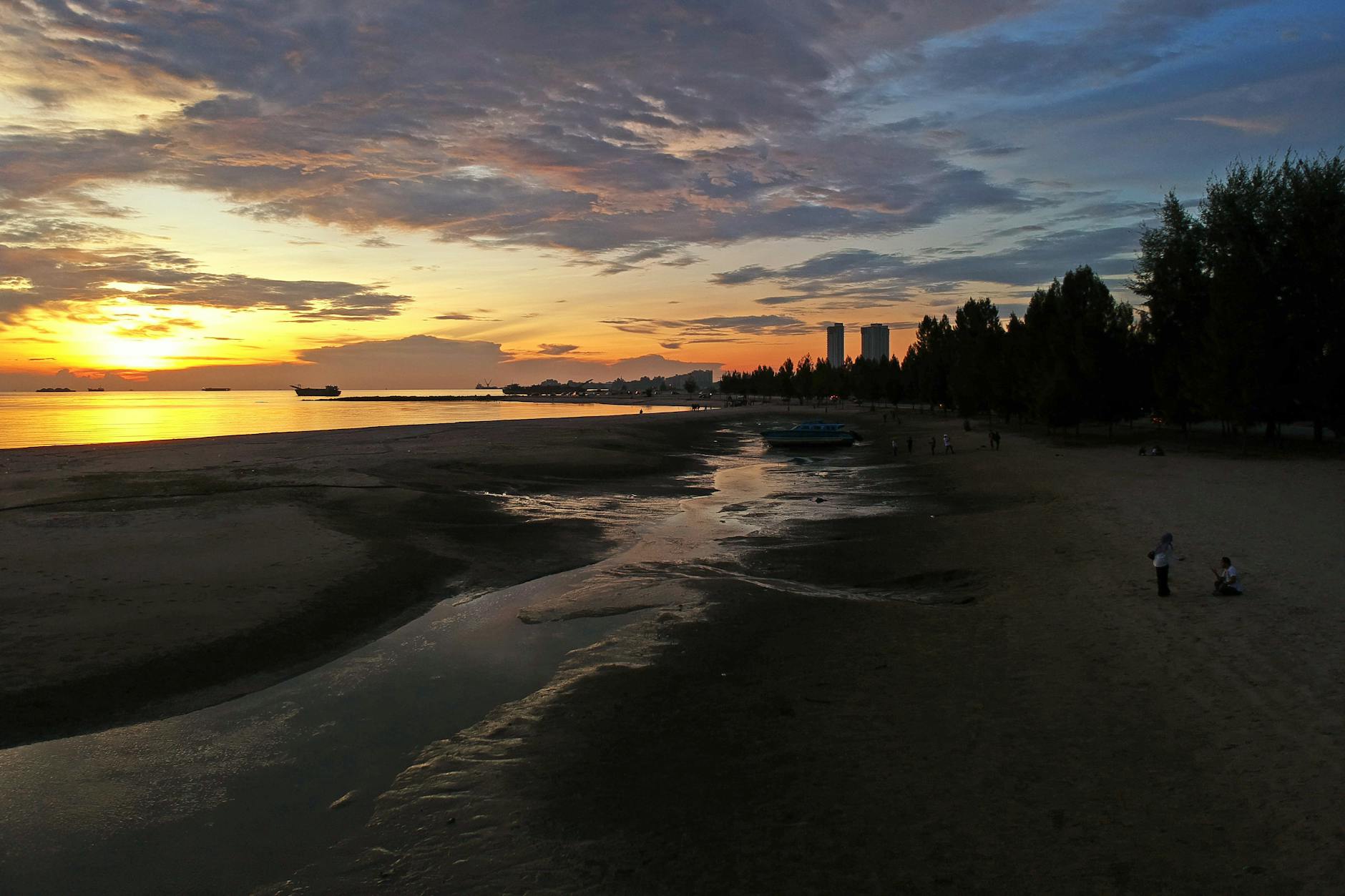
A repeat leisure visit to Malacca City should not simply replay the first itinerary. The traveler may already know the river, Dutch Square, Jonker Street, and the most obvious food stops. The opportunity is to make the next short visit calmer, deeper, and better matched to the traveler's actual tastes. That requires a different planning question: what is worth repeating, what should be skipped, and where can the traveler slow down without losing the shape of the trip? Malacca City can reward return visitors, but only if they stop treating it like a first-time checklist.
Decide what not to repeat
Repeat visitors often lose value by returning to every first-trip highlight automatically. The traveler should decide which places are emotionally worth repeating and which were only useful for orientation. Dutch Square, Jonker Street, riverfront walks, museums, and famous food stops do not all need equal time again.
A second or third visit can be more satisfying when it has a shorter must-do list. The trip should be designed around the current purpose: food, rest, photography, heritage depth, shopping, family time, or simply a slower break.
- Separate places worth repeating from places that only served first-trip orientation.
- Choose the return visit's purpose before building the route.
- Keep the must-do list shorter than the first-time itinerary.
Reconsider the hotel location
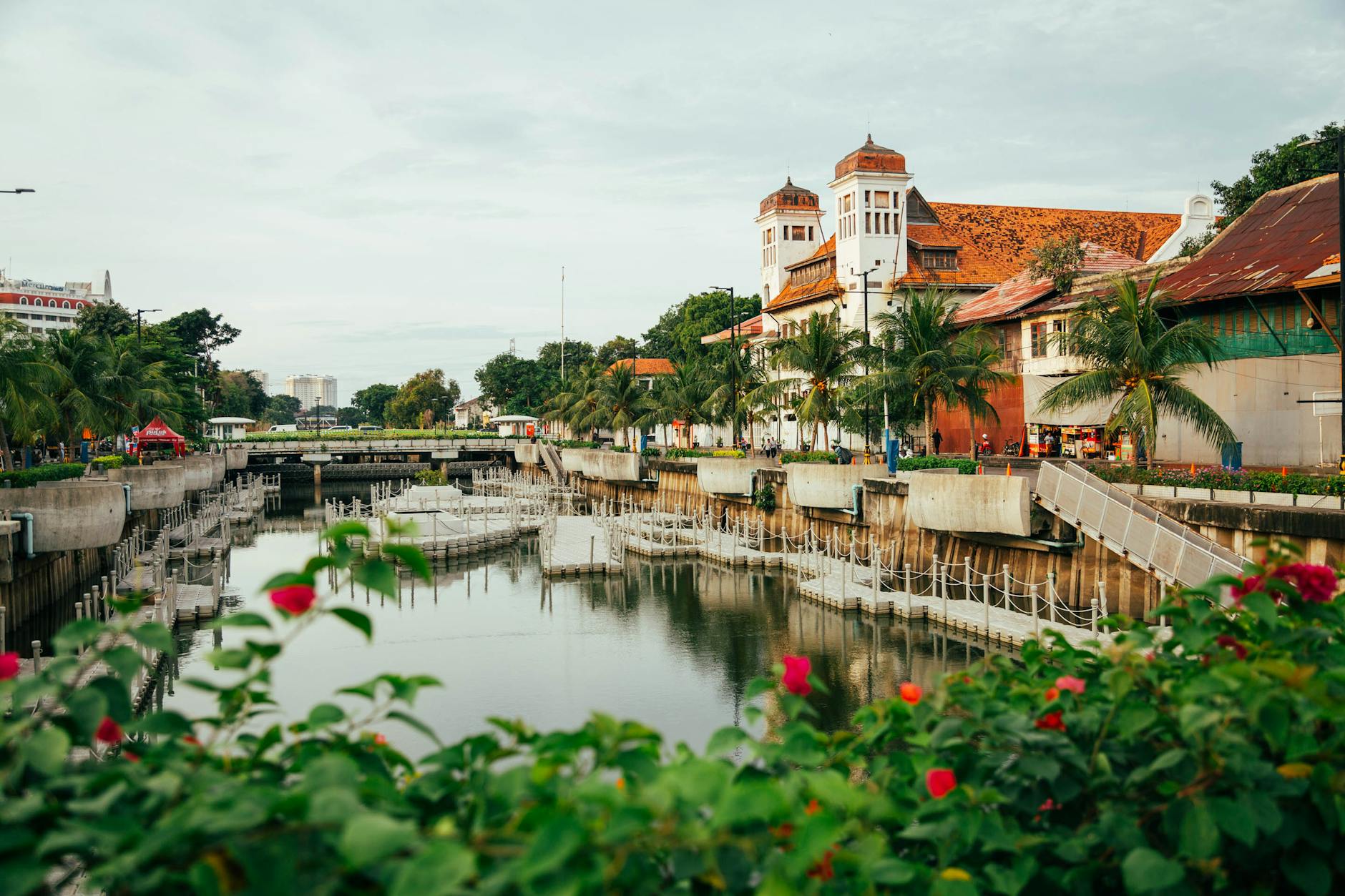
The hotel that worked for a first visit may not be right for a repeat leisure trip. A returning traveler may want a quieter room, better breakfast, easier parking, a pool, stronger design, a river view, or a base away from the busiest heritage streets. The best location depends on how the trip has changed.
If the visitor is no longer chasing every landmark, staying slightly outside the densest area may improve the stay. If the goal is evening wandering, the heritage core may still be worth the tradeoffs.
- Reevaluate lodging by quiet, breakfast, parking, pool, design, river view, and walkability.
- Consider staying outside the densest core if the route is no longer attraction-heavy.
- Choose a base that matches the return purpose, not the first-trip habit.
Use off-peak timing more intelligently
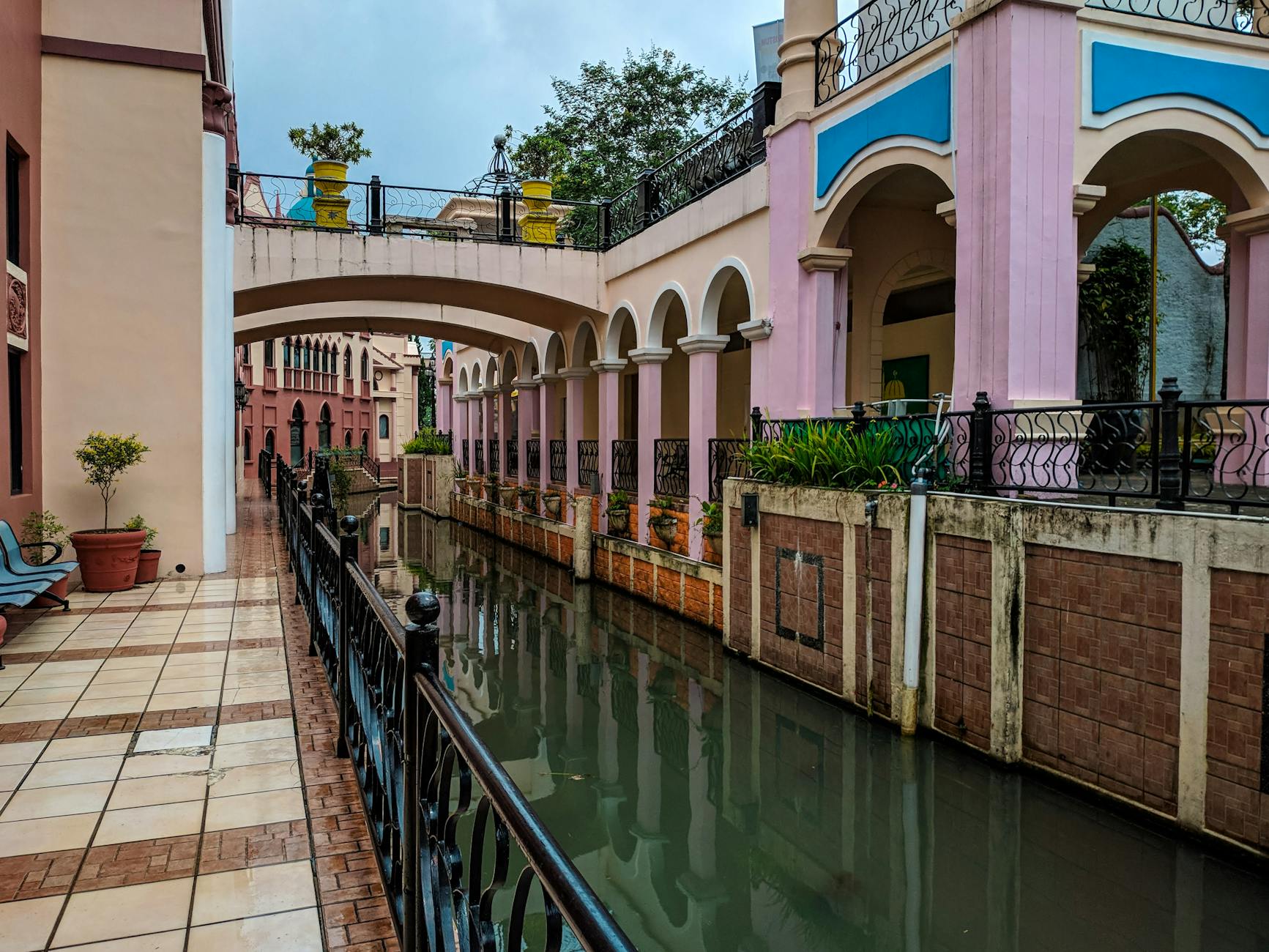
A repeat visitor should know that Malacca City changes by weekday, weekend, holiday, rain pattern, and time of day. The second trip is a chance to avoid the worst crowd windows rather than proving the traveler can endure them again.
Early mornings, late afternoons, quieter weekdays, and strategic indoor breaks can make familiar places feel better. The traveler should treat timing as a leisure upgrade.
- Plan around weekdays, weekends, holidays, rain, and time-of-day crowd patterns.
- Use early mornings and late afternoons for familiar outdoor areas.
- Treat better timing as part of the value of being a repeat visitor.
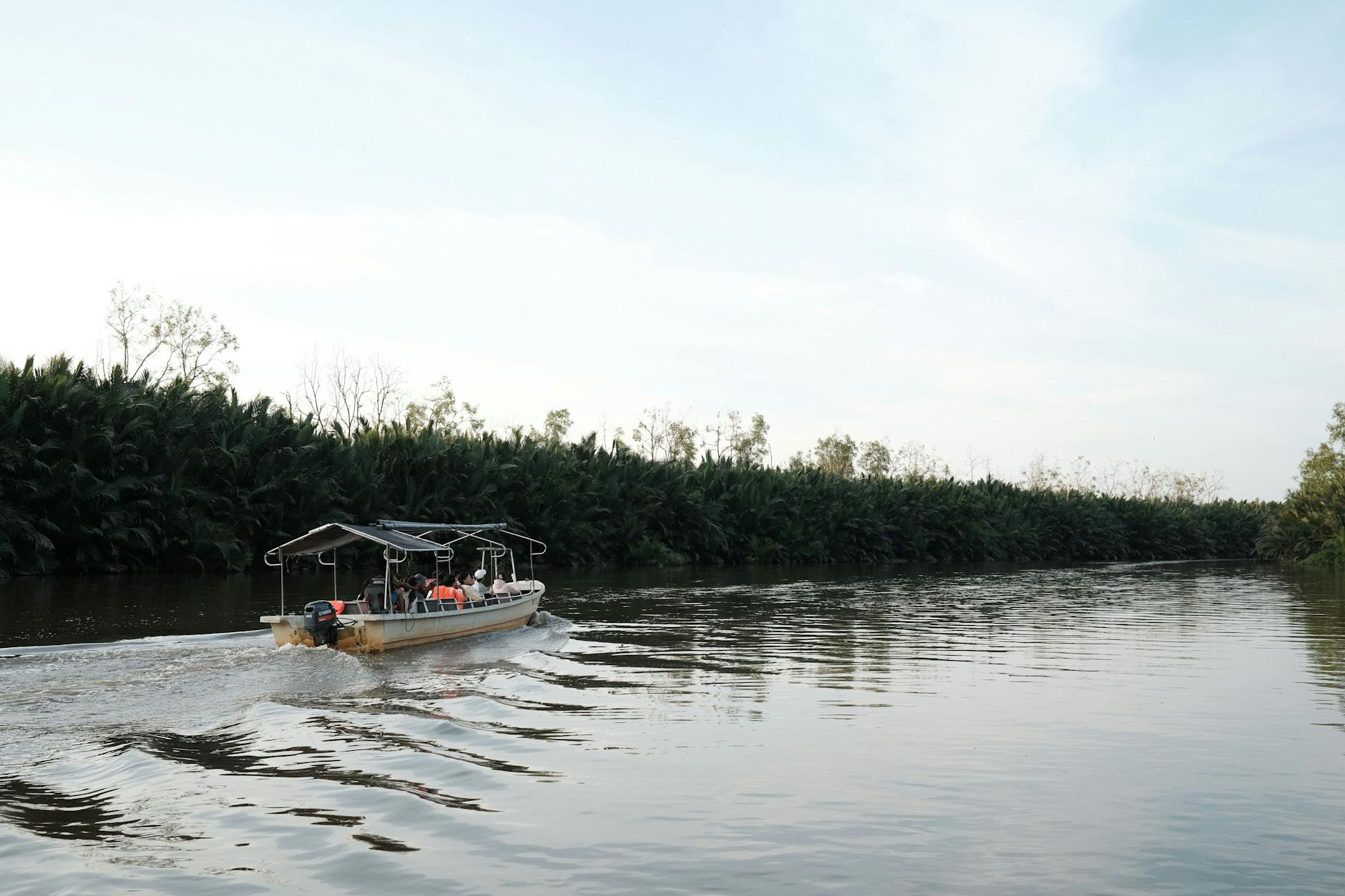
Go deeper on food instead of wider
A first visit often includes the famous food stops. A repeat leisure visit can go deeper: one better Peranakan meal, a quieter cafe, a local breakfast, a dessert stop, a riverfront dinner, or a food area chosen for comfort rather than reputation.
The traveler should avoid turning the trip into another sequence of queues. Food depth means making fewer choices with more intent, not eating everything again.
- Choose fewer food priorities with clearer purpose.
- Balance famous stops against comfort, queues, heat, and appetite.
- Use repeat knowledge to eat better, not just more.
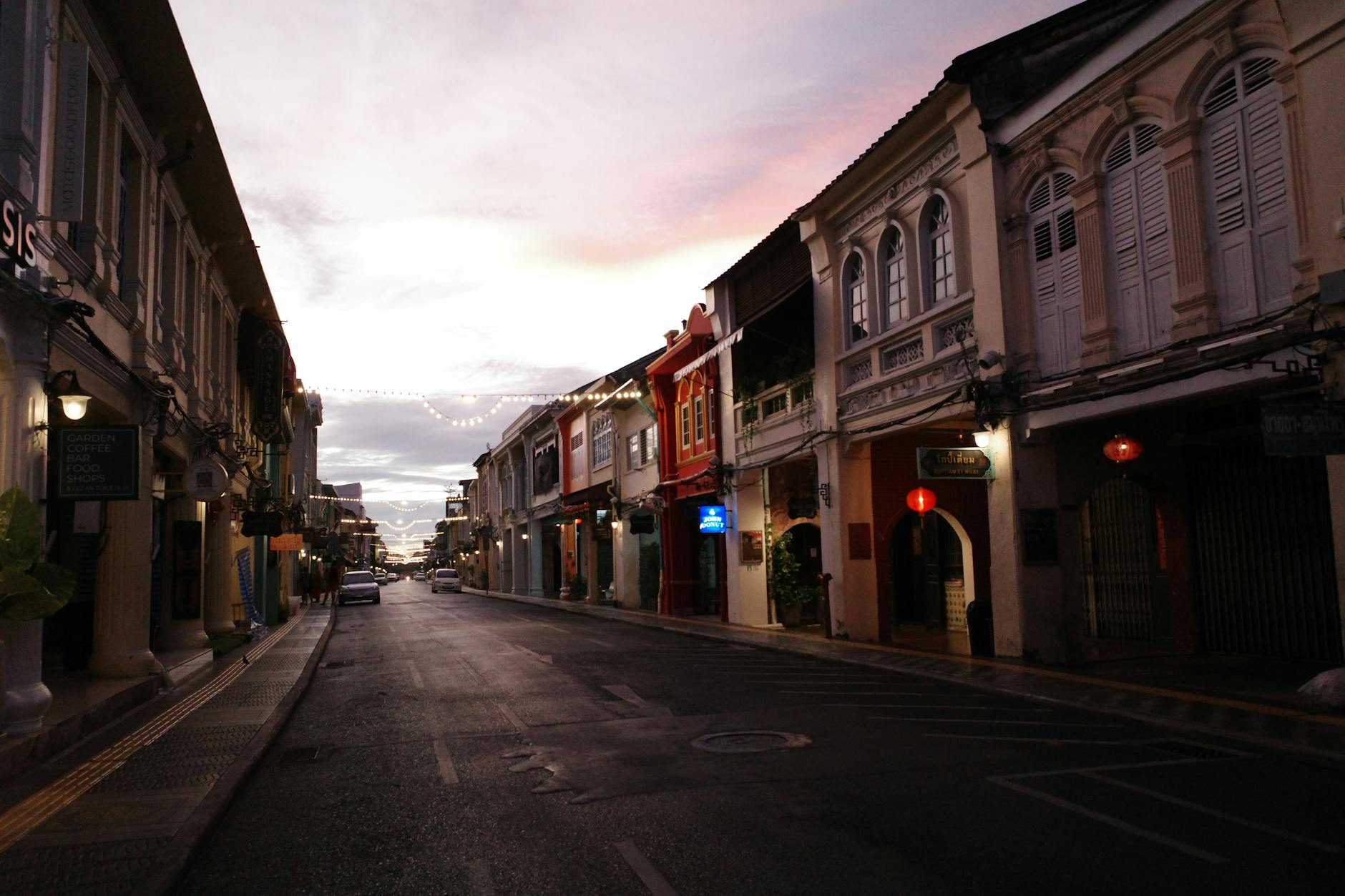
Build quieter heritage and riverfront habits
Repeat visitors can enjoy Malacca City by making familiar areas less performative: a slower river walk, a museum previously skipped, a shaded side street, a quieter cafe, a small shop, or a religious site visited with more attention. The value may be in noticing rather than covering ground.
The traveler should still plan heat, rain, footwear, bathrooms, and return routes. Slower does not mean unplanned; it means the plan leaves room to linger in the right places.
- Use slower riverfront walks, side streets, cafes, museums, and quieter stops deliberately.
- Plan heat, rain, shoes, bathrooms, and return routes even for easy days.
- Make space to linger instead of repeating the first-trip route at half speed.
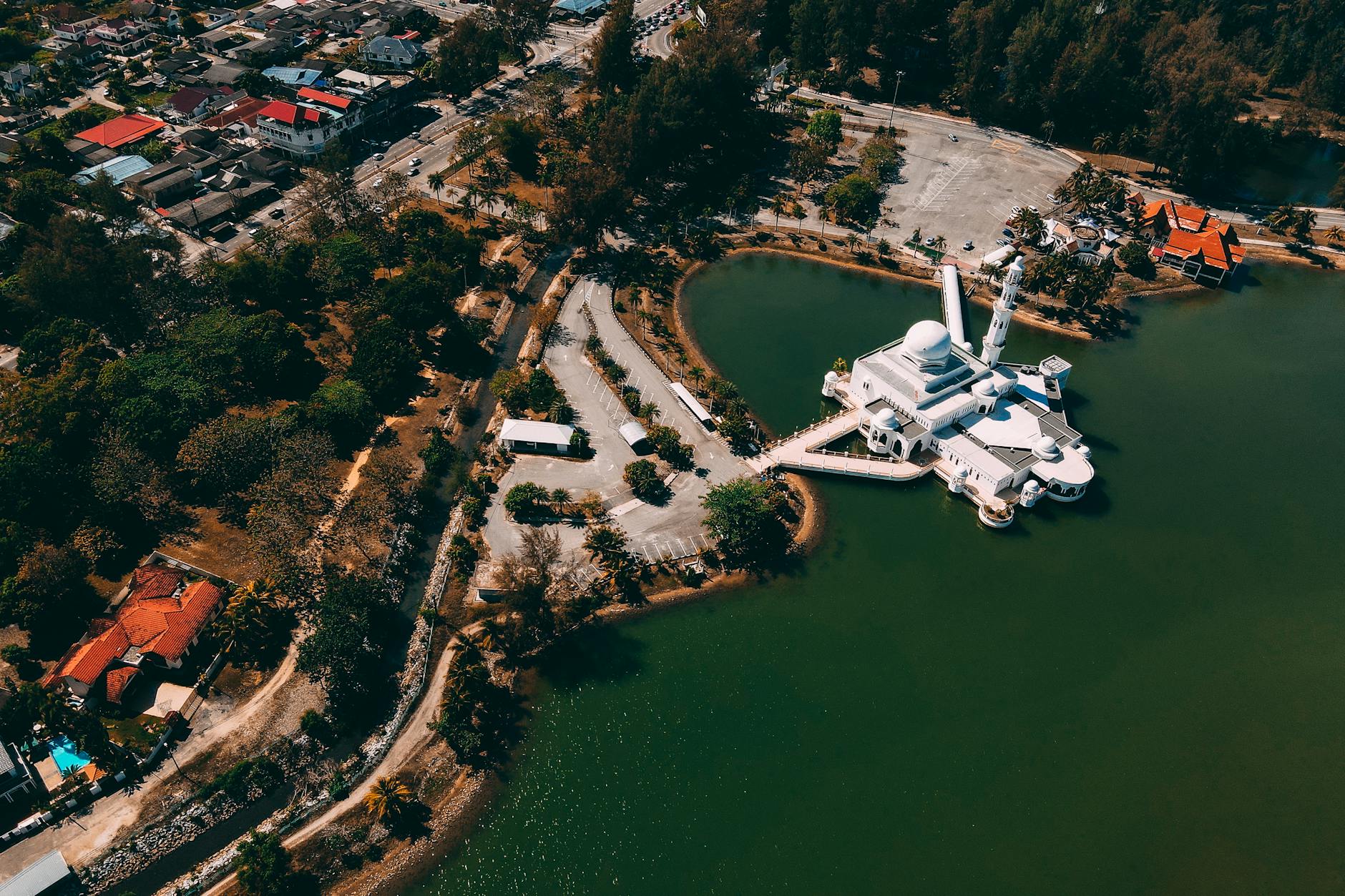
Be careful with side trips and expanded ambitions
A repeat visit can tempt travelers to add beach time, rural stops, outlet shopping, longer food detours, or another Malaysian city. That can work, but it changes the trip from a Malacca City leisure stay into a road itinerary with more timing risk.
The traveler should decide whether a side trip genuinely improves the visit or just fills space. A short return stay may be stronger when it protects rest instead of expanding movement.
- Test side trips against road time, weather, fatigue, and actual value.
- Avoid expanding the trip simply because the main sights are familiar.
- Protect rest when the purpose is leisure rather than coverage.
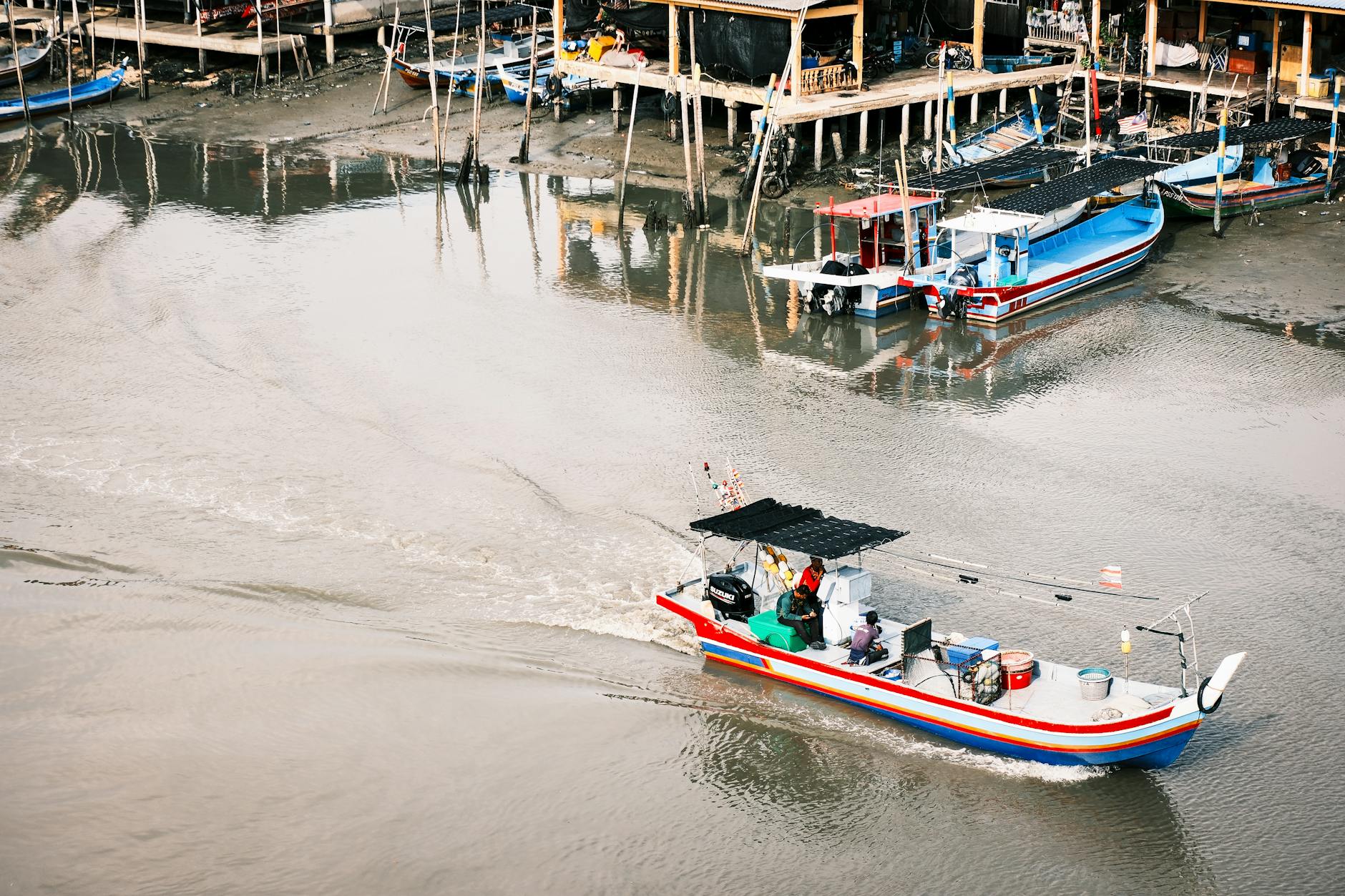
When to order a short-term travel report
A repeat visitor with a simple hotel weekend may not need a custom Malacca City report. A report becomes useful when the traveler wants a different kind of stay, is choosing between hotel areas, has specific food or comfort priorities, is traveling with family or older companions, or wants to avoid weekend crowding and wasted movement.
The report should test timing, hotel placement, food depth, quieter routes, weather, transport, side-trip value, medical or mobility needs, budget, and what to cut. The value is a return visit that feels intentional instead of repetitive.
- Order when the return visit needs a different hotel base, food plan, pace, or crowd strategy.
- Provide dates, prior visit experience, dislikes, desired pace, hotel options, constraints, and budget.
- Use the report to make the repeat trip deeper, calmer, and less repetitive.