Malacca City can be meaningful for a religious or pilgrimage traveler because the city holds mosques, churches, temples, clan associations, cemeteries, processional streets, and layered communities within a compact heritage setting. The same density that makes the city rewarding can also make it easy to rush sacred places as if they were ordinary tourist stops. A short visit should begin with the purpose of the trip: worship, ancestral connection, architecture, heritage learning, interfaith context, family obligation, or a private act of devotion. That purpose should shape dress, timing, lodging, transport, meals, photography, and how much sightseeing belongs in the same day.
Confirm the purpose before building the route
A religious or pilgrimage trip to Malacca City can mean very different things. One traveler may want Mass, mosque prayer, temple offerings, ancestral reflection, cemetery visits, interfaith history, heritage architecture, or quiet time near a site connected to family memory. Another traveler may mainly want to understand the city's Portuguese, Malay, Chinese, Indian, and Peranakan religious layers.
Those purposes should not be treated the same. A worship-centered route needs opening hours, service times, prayer times, dress, shoes, and quiet recovery. A heritage route needs context, guides, museums, and enough time to avoid reducing sacred places to quick photos. A family pilgrimage may require transport to less obvious locations and a more private pace.
- Decide whether the trip is for worship, ancestry, heritage learning, architecture, family duty, or reflection.
- Separate sacred obligations from optional sightseeing before assigning time.
- Map any less obvious cemetery, clan, church, mosque, temple, or family-linked location early.
Plan dress, shoes, photography, and conduct
Sacred places in and around Malacca City may have different expectations for covered shoulders, covered knees, head coverings, footwear removal, silence, separation of worship and visitor areas, donations, photography, incense, offerings, and whether non-worshippers should enter during active services. A traveler should not assume that one site's rules apply to the next.
A respectful plan includes modest backup clothing, easy shoes, socks if floors are hot or uncomfortable, a small bag for footwear, and a willingness to skip photos when people are praying or grieving. The traveler should also check whether a visit is welcome during festivals, funerals, Friday prayers, Mass, temple rituals, or community events.
- Carry modest layers, easy shoes, socks, and a small bag for footwear when needed.
- Confirm rules for worship areas, donations, offerings, head coverings, photography, and active services.
- Avoid photographing worshippers, mourners, children, private rituals, or restricted interiors without permission.
Sequence sites around heat, crowds, and worship timing
Malacca City's heritage core can feel manageable on a map, but heat, humidity, rain, stairs, uneven walking surfaces, weekend crowds, and road traffic can make a sacred itinerary more tiring than expected. Religious travelers often move more slowly because they need time to sit, pray, read inscriptions, speak with clergy or caretakers, or process family history.
The schedule should protect fixed worship times first, then place open-ended heritage stops around them. Early morning, late afternoon, and evening windows may be better for walking, while midday can be used for rest, food, museums, or transport. A short trip should not force meaningful visits into the most punishing part of the day.
- Put fixed prayers, services, Mass, temple hours, and family obligations before optional stops.
- Use cooler hours for walking and leave midday for rest, food, museums, or transport.
- Build pauses for prayer, conversation, inscriptions, offerings, and emotional processing.
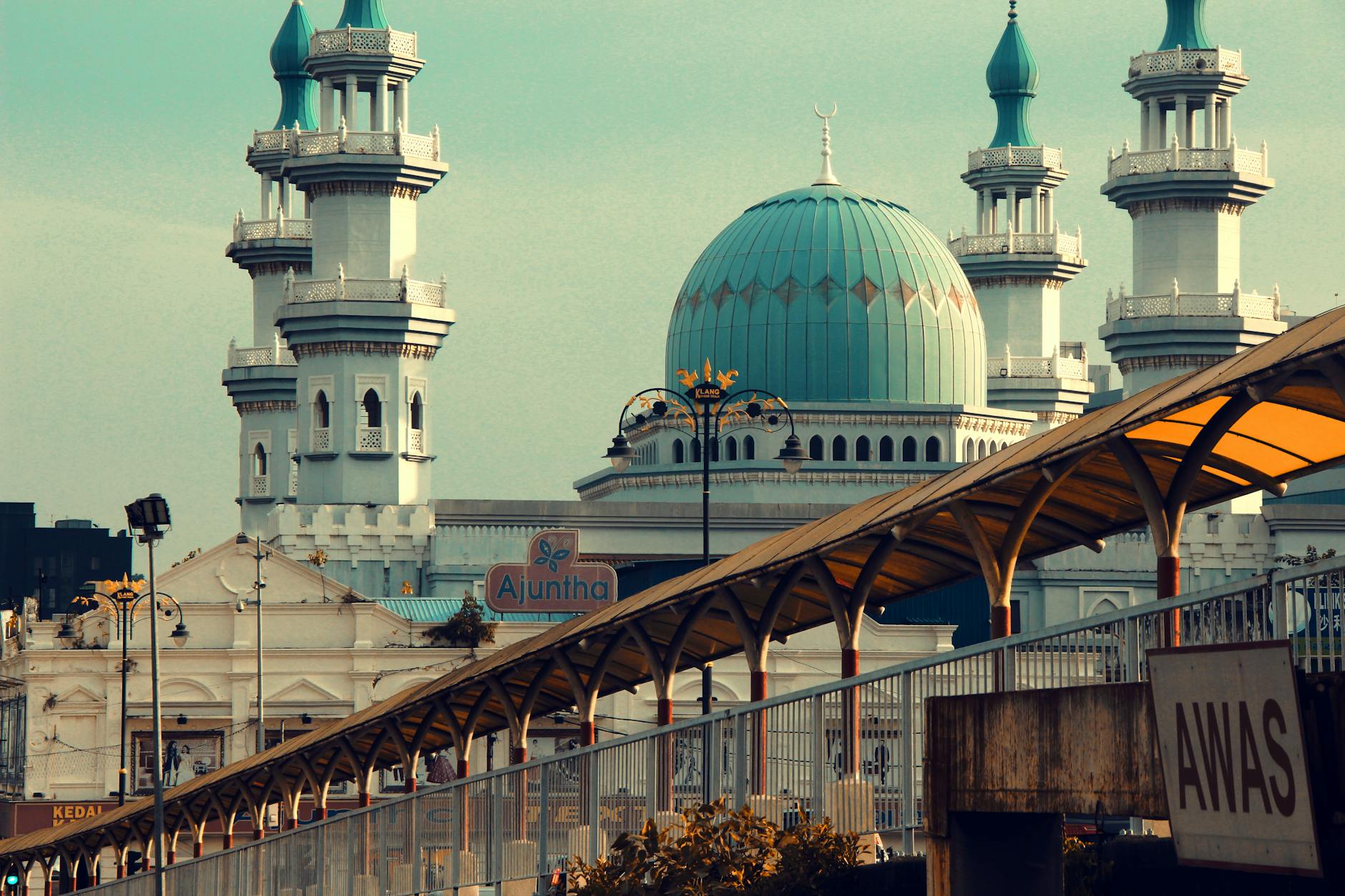
Choose lodging and transport for obligations
The best lodging for a religious traveler may not be the most photogenic hotel. It should support early services, late returns, modest dress changes, food needs, quiet rest, luggage storage, and realistic access to mosques, churches, temples, cemeteries, or meeting points. A riverfront or old-town location may help some travelers, while others may need road access for family-linked sites beyond the visitor core.
Transport should be planned before the day begins. If a traveler needs to arrive clean and composed for worship, handle older relatives, carry offerings, or avoid walking in heavy rain, a ride-hailing or private transfer plan may matter more than saving a small fare.
- Choose lodging by sacred-site access, quiet, food, early starts, late returns, and road pickup needs.
- Plan rides for rain, older relatives, offerings, formal clothing, or sites outside the heritage core.
- Confirm luggage storage and check-in timing if arrival and worship happen on the same day.
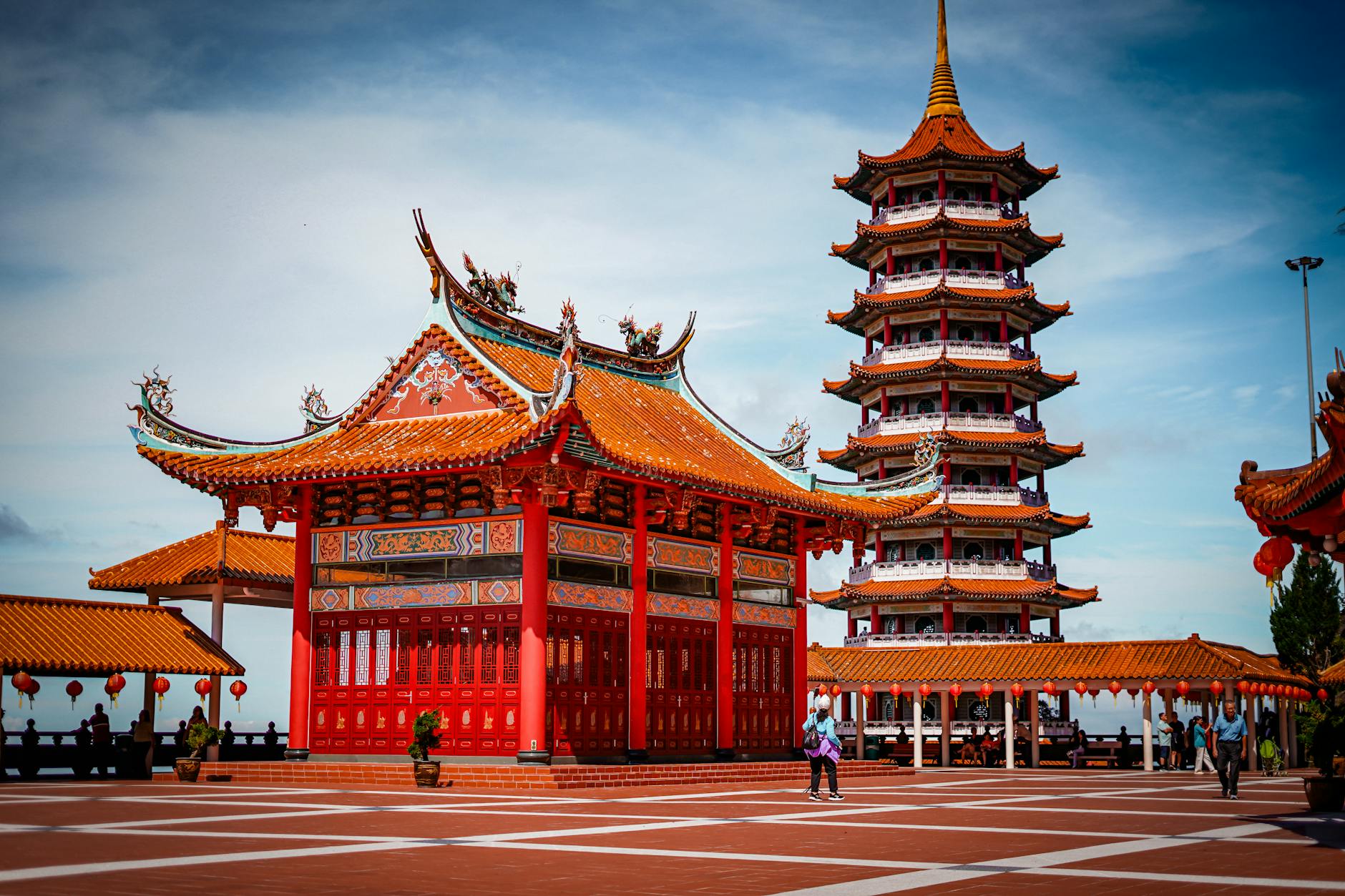
Balance sacred visits with food, rest, and heritage context
Religious travelers still need practical meals, hydration, cooling breaks, medication timing, and enough energy to treat sites with attention. Malacca City's food scene can be part of the trip, but travelers may need halal food, vegetarian options, fasting awareness, no alcohol, allergy caution, or meals that fit around prayer and service times.
Context also matters. A church, mosque, temple, or shrine can be connected to colonial history, migration, trade, local families, language, and neighborhood life. The traveler should decide where a guide, museum stop, reading, or local conversation would deepen the visit and where quiet respect is better than more information.
- Plan halal, vegetarian, allergy, fasting, no-alcohol, hydration, and medication needs around sacred timing.
- Add rest breaks so worship or reflection does not become a heat-stressed checklist.
- Use guides, museums, or reading where context improves the visit without crowding the day.
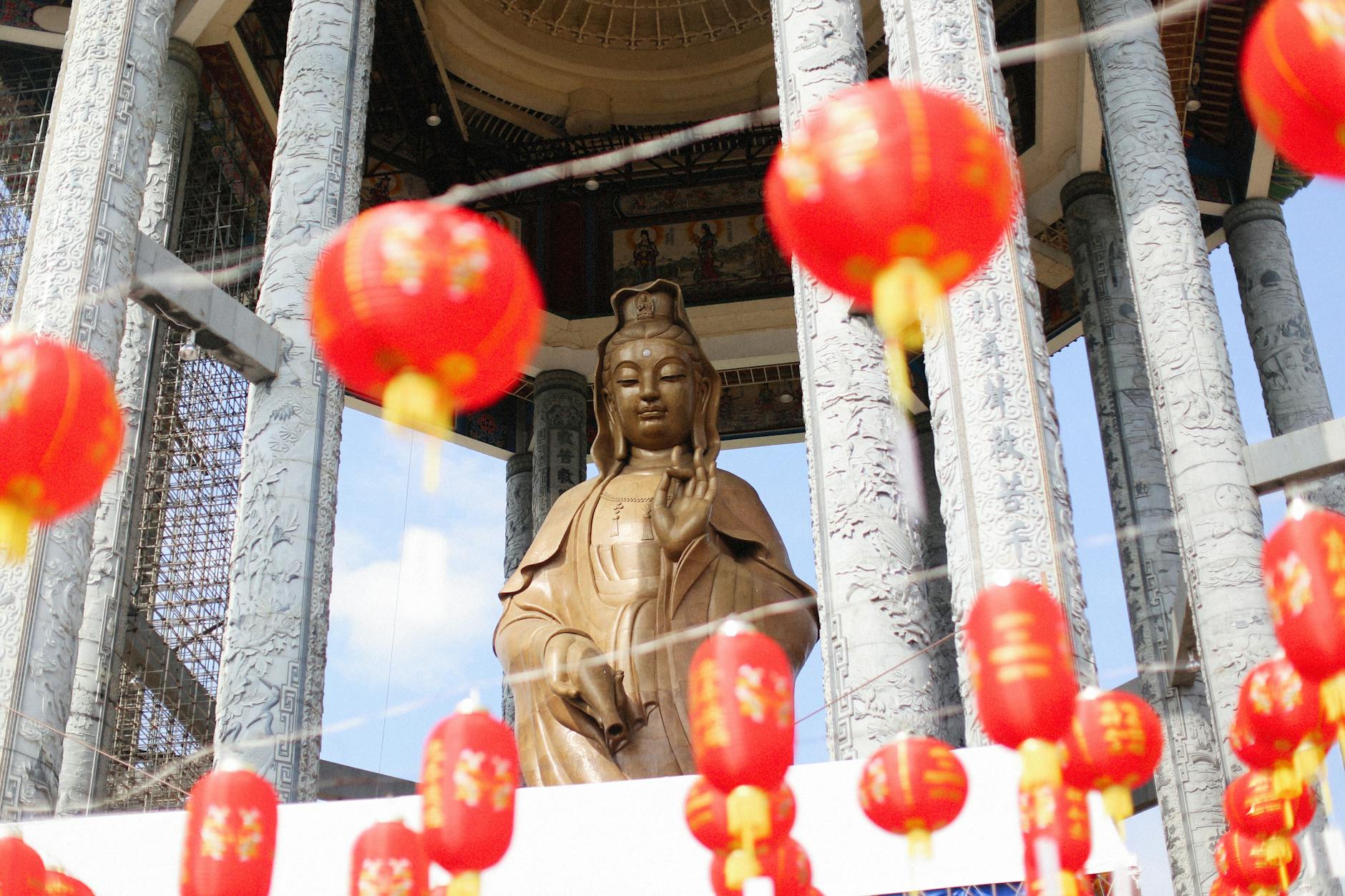
Handle multi-faith spaces with care
Malacca City's appeal includes proximity between different religious communities, but proximity is not the same as interchangeability. A traveler may pass from mosque surroundings to temple streets, church spaces, clan associations, cemeteries, shops, and family homes in one day. Each setting can carry different rules about shoes, speech, clothing, gifts, donations, and photography.
The traveler should avoid comparing communities carelessly, treating worship as performance, blocking entrances, or turning local residents into background. A short religious trip is strongest when it notices the city's layers without demanding that every space explain itself to the visitor.
- Treat each mosque, church, temple, clan space, cemetery, and neighborhood as its own setting.
- Avoid careless comparisons, intrusive photos, loud commentary, or blocking entrances during worship.
- Leave room for private local life, not just visible heritage.
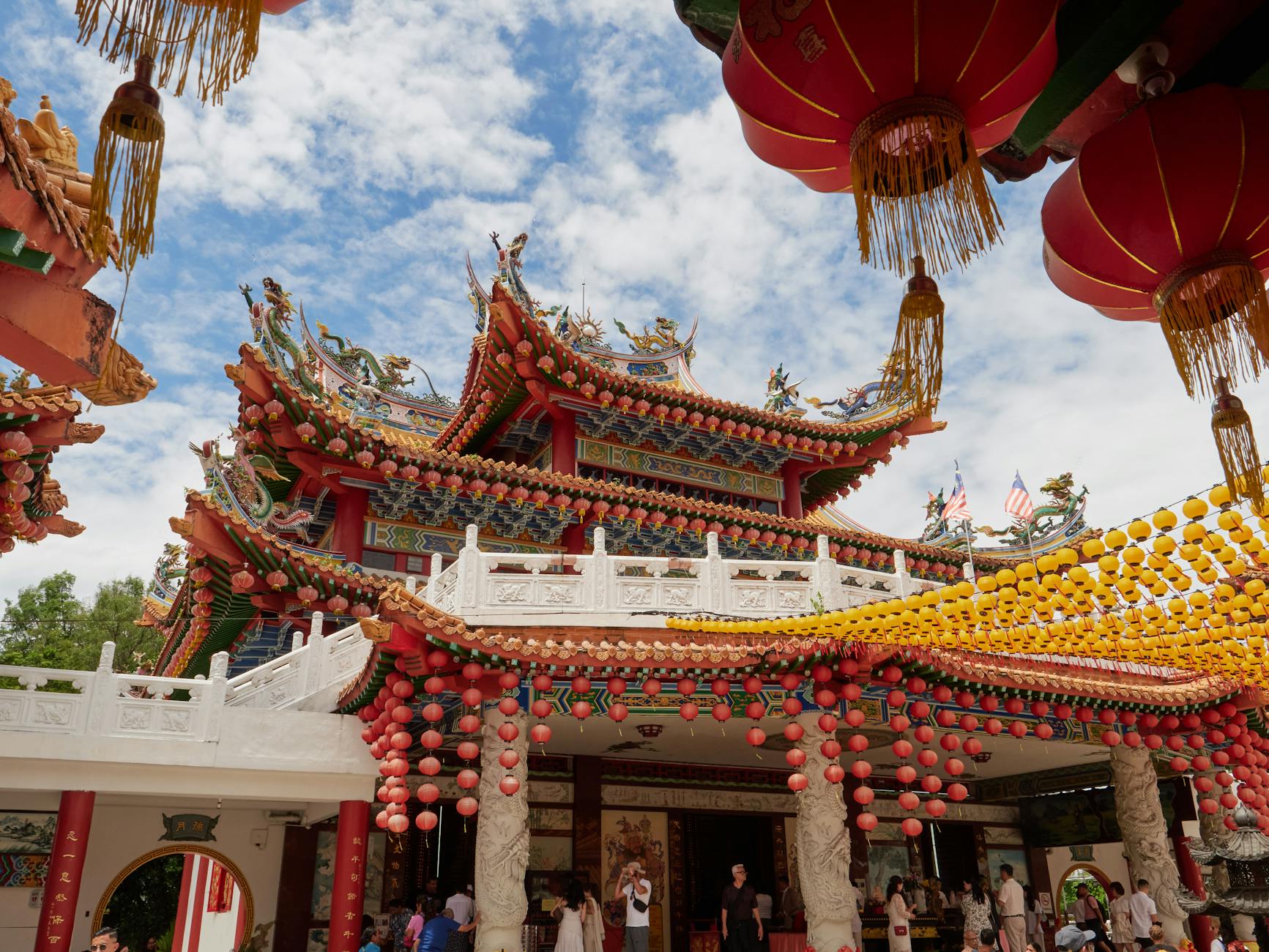
When to order a short-term travel report
A religious traveler with a single confirmed service and flexible sightseeing may not need a custom Malacca City report. A report becomes useful when the trip includes several sacred sites, family history, older relatives, dietary rules, accessibility needs, fixed worship timing, unfamiliar etiquette, road transfers, or a desire to balance devotion with heritage learning.
The report should test sacred-site geography, opening times, service timing, dress, footwear, photography limits, lodging, transport, food, heat, rain, medical access, family pacing, and what to cut. The value is a short visit that treats sacred purpose as the structure of the trip rather than an item squeezed between tourist stops.
- Order when sacred timing, family history, etiquette, accessibility, food, or multiple sites need testing.
- Provide dates, faith or heritage priorities, site list, service times, food needs, mobility needs, and lodging options.
- Use the report to make the short sacred trip respectful, realistic, and coherent.