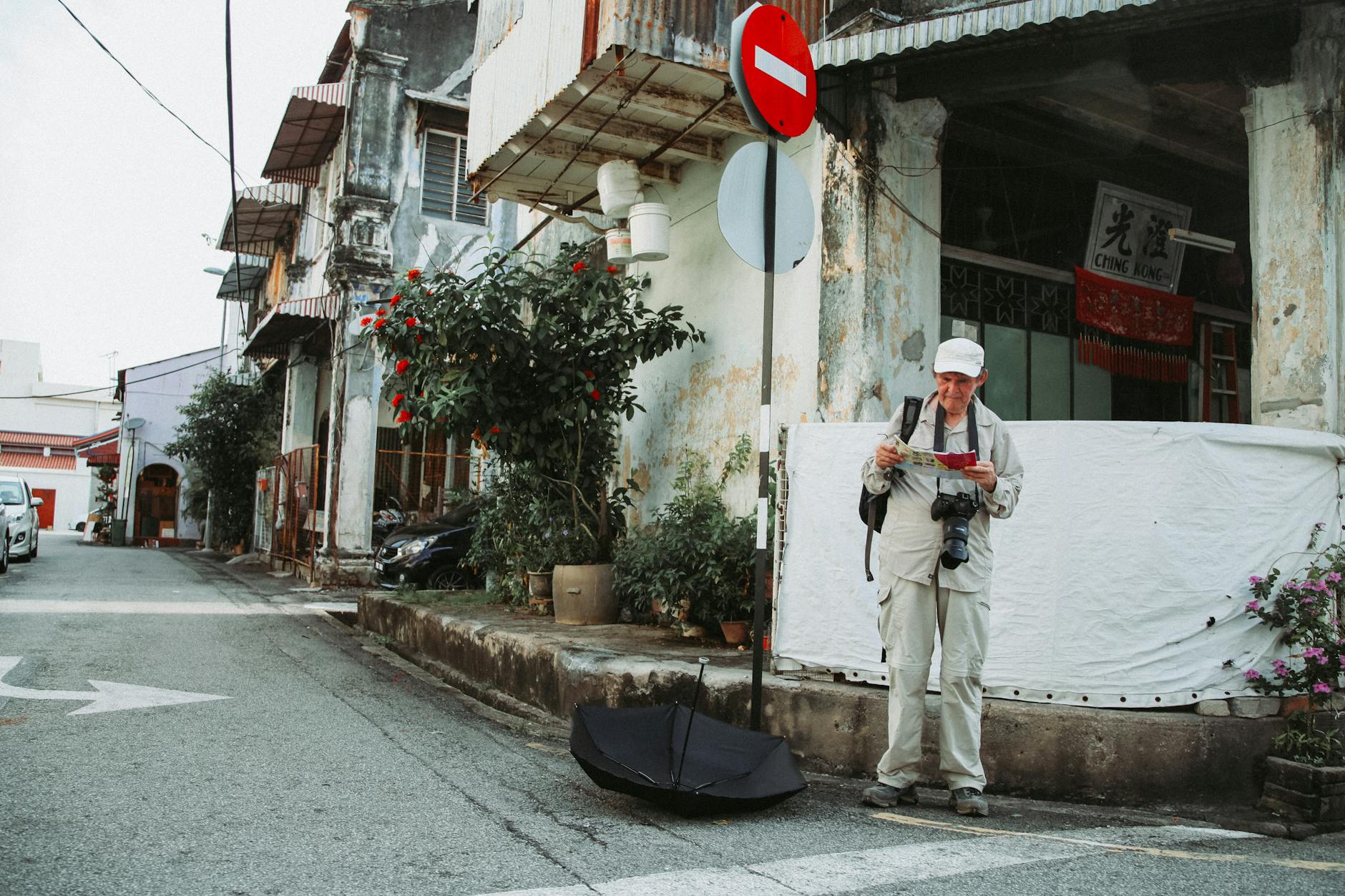
Malacca City can work well for older travelers because many highlights sit in a compact heritage area, with riverfront views, museums, cafes, religious sites, and hotels nearby. That compactness can be misleading. Heat, humidity, stairs, uneven paving, traffic crossings, weekend crowds, and road transfers can make a short visit harder than it looks. An older traveler should plan the trip around comfort and recovery, not just attractions. The right hotel, route timing, transport plan, meal choices, medication schedule, and rest breaks can make the difference between a rewarding visit and a tiring one.
Make the arrival day gentle
Older travelers often reach Malacca City by road, and the transfer can be tiring even when it is not complicated. A drive from Kuala Lumpur, KLIA, Singapore, Johor, or another Malaysian base should include realistic timing, rest stops, bathroom access, medication needs, and a calm check-in plan.
The first day should avoid an ambitious walking route unless arrival is early and the traveler feels well. A short riverfront look, simple meal, and early night may be the better start.
- Plan road transfers with rest stops, bathroom access, medication timing, and realistic arrival buffers.
- Keep the first day gentle after a long drive or flight connection.
- Use a simple meal and short walk before attempting a fuller route.
Choose hotels by access, not only charm
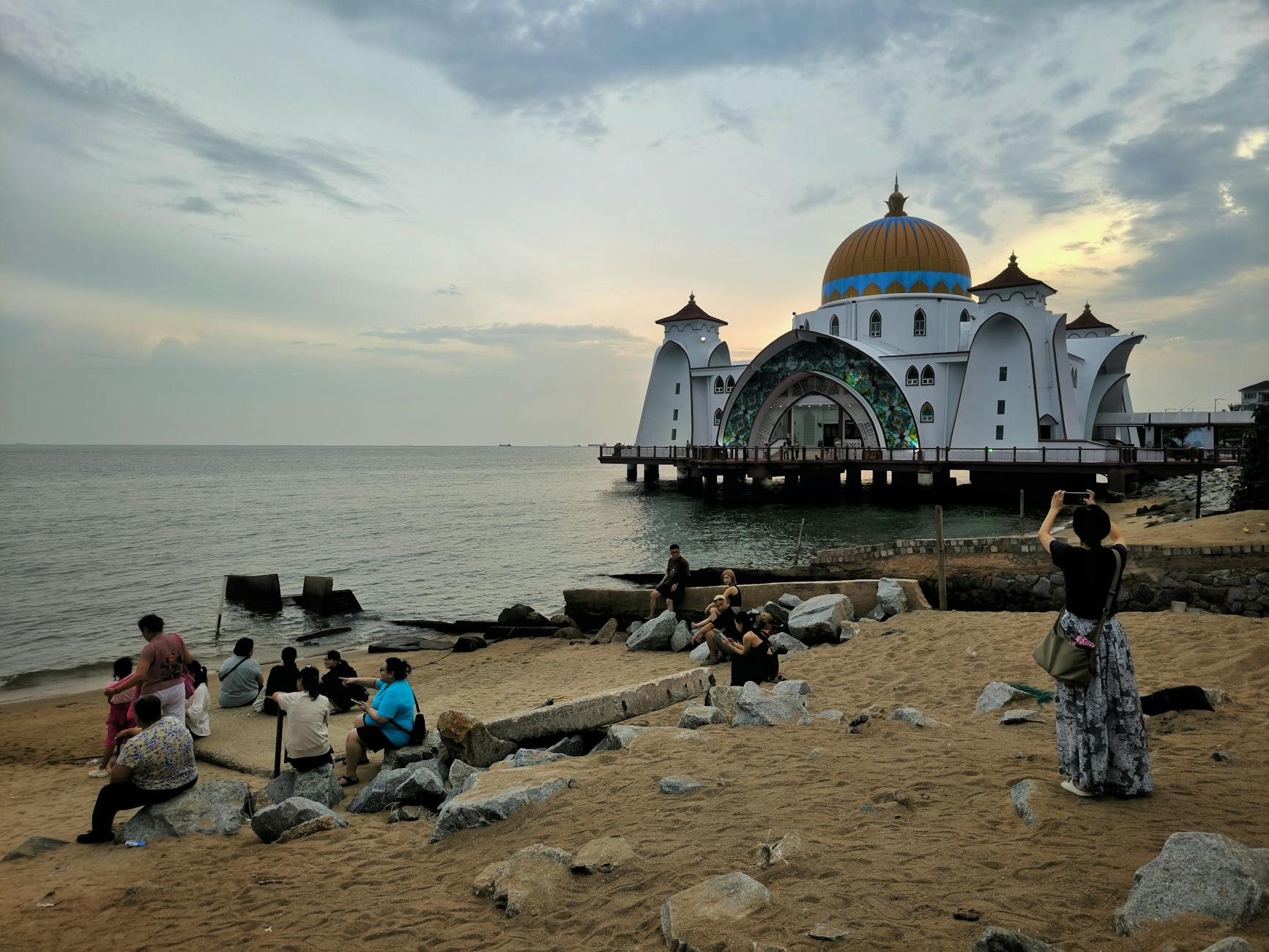
A heritage hotel can be memorable, but older travelers should check lift access, steps, bathroom layout, room distance from reception, vehicle drop-off, noise, breakfast timing, cooling, and whether staff can help with luggage. Charm is not enough if the daily movement is hard.
A slightly less atmospheric hotel with better access may protect the whole trip. If the traveler needs a walker, cane, wheelchair, or frequent rests, the hotel decision becomes central.
- Check lifts, steps, bathrooms, room location, drop-off, cooling, noise, breakfast, and luggage help.
- Prioritize access over heritage charm when mobility or fatigue is a concern.
- Choose a base that makes daily returns easy.
Shrink the walking route around surfaces and shade
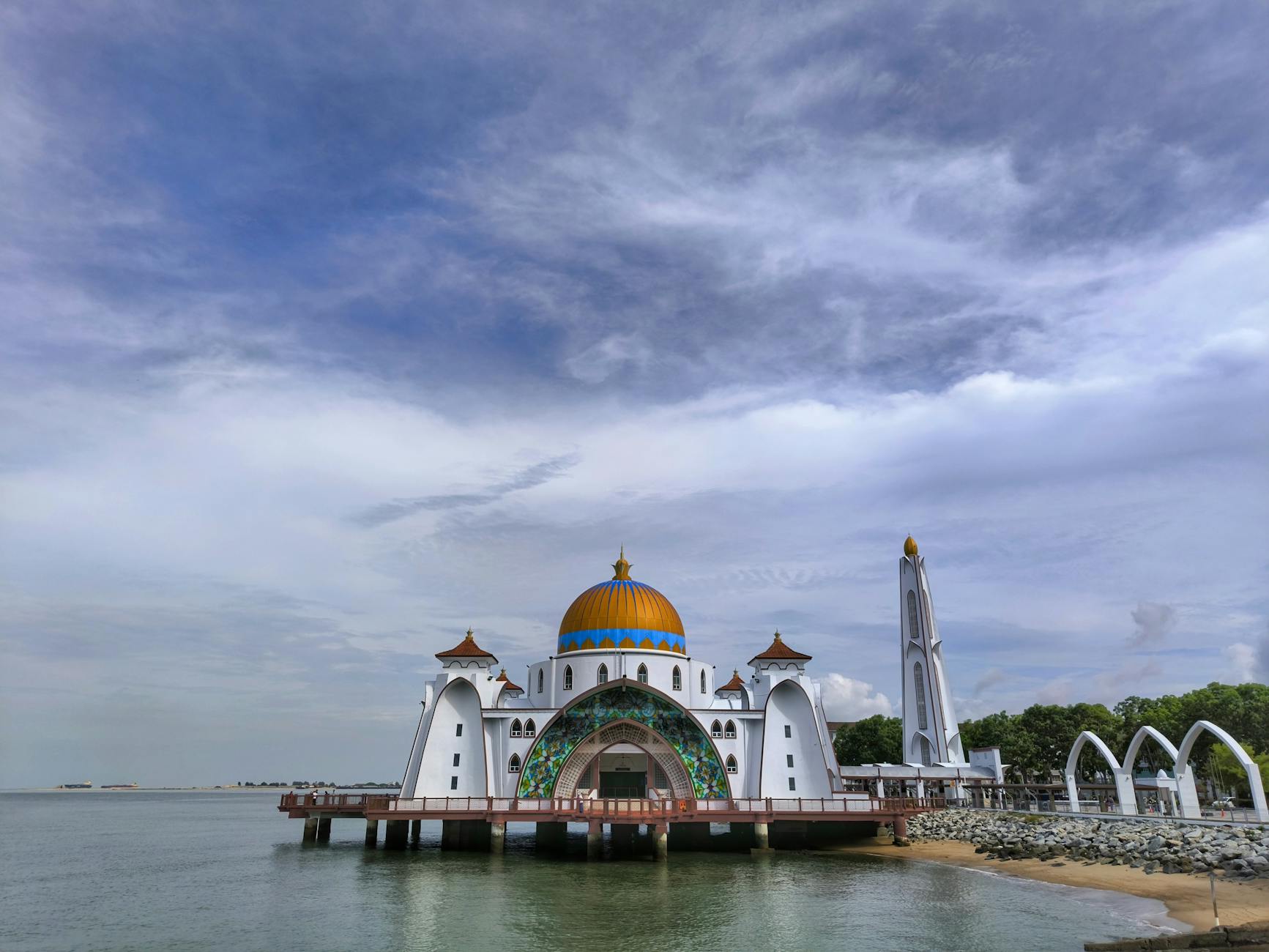
A compact map does not guarantee an easy walk. Older travelers should account for uneven paving, curbs, stairs, traffic crossings, crowds, heat, rain, and limited shade. A route that looks short can feel long when every crossing and surface change requires attention.
The plan should include seated breaks, indoor stops, shaded stretches, and clear points where a ride can replace walking. It is better to enjoy fewer sites well than to force a full circuit.
- Plan around uneven paving, curbs, stairs, crossings, crowds, heat, rain, and shade.
- Build in seated breaks, indoor stops, and ride pickup points.
- Prefer fewer comfortable sites over a full route that becomes exhausting.
Manage heat, rain, and medication timing
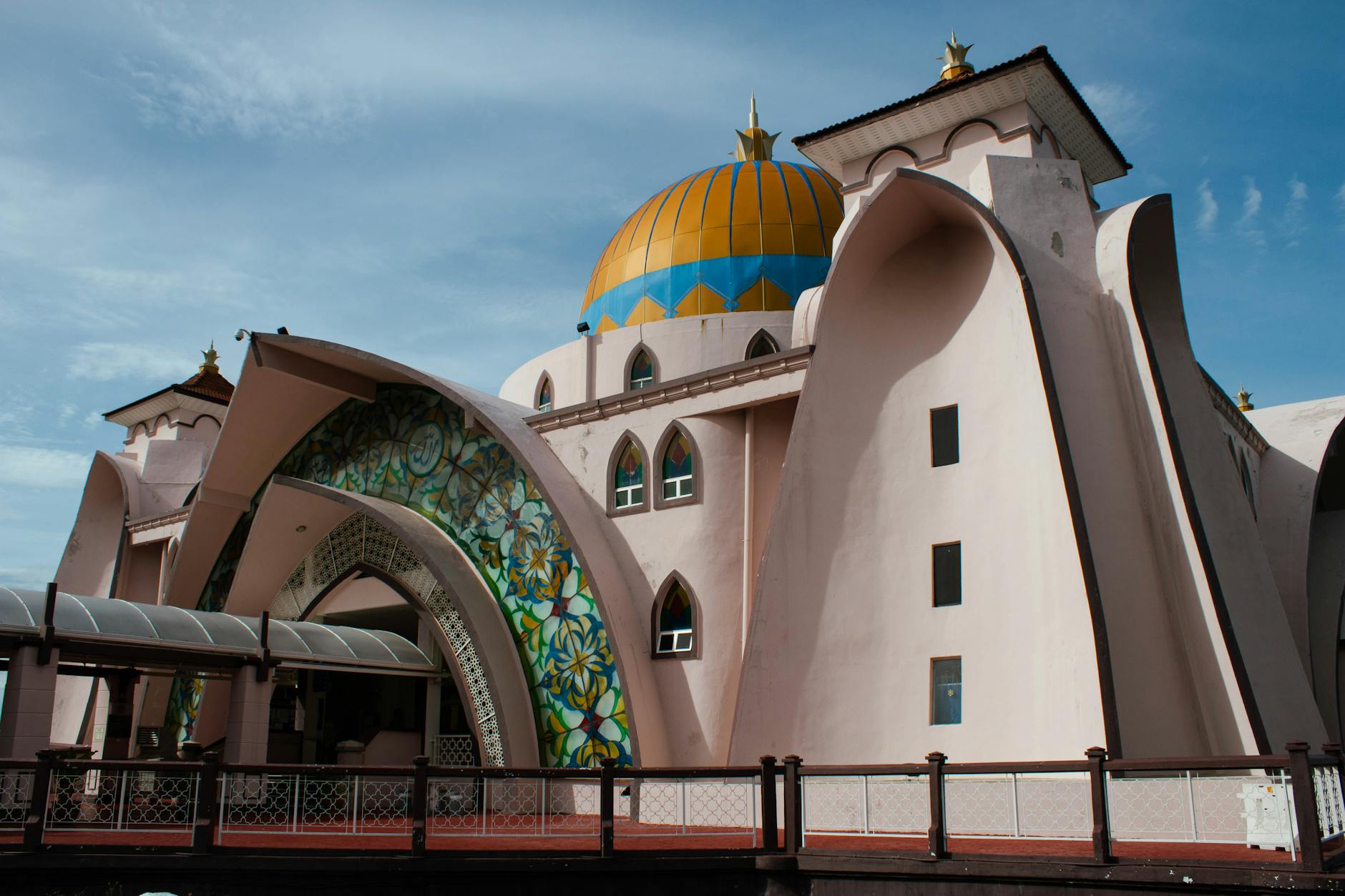
Heat and humidity can affect stamina, blood pressure, hydration, appetite, and medication timing. Rain can make surfaces slippery and increase the value of taxis or hotel returns. Older travelers should not plan the hardest outdoor walking during the hottest part of the day.
Water, sun protection, a light rain layer, medication copies, snack timing, and rest periods should be part of the daily plan. Climate management is not a minor detail in Melaka.
- Avoid the hardest outdoor walking during the hottest or wettest periods.
- Plan water, sun protection, rain gear, snacks, medication copies, and rest.
- Use rides or hotel breaks when heat or rain changes the risk profile.
Use riverfront and heritage sights selectively
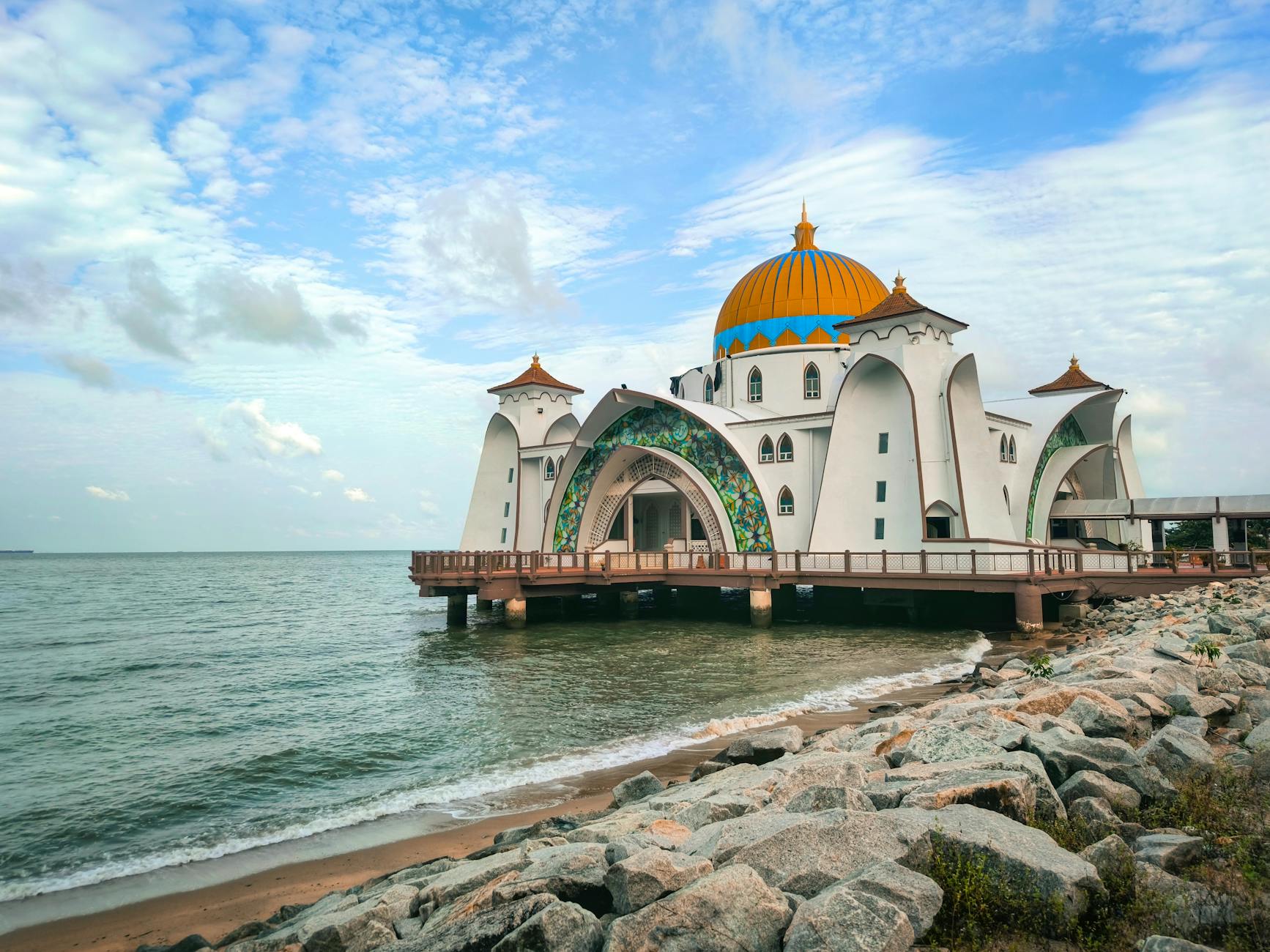
Riverfront areas, museums, historic squares, churches, temples, mosques, cafes, and markets can be excellent for older travelers when sequenced carefully. The traveler should consider benches, bathrooms, shade, indoor recovery, and whether each site requires stairs or prolonged standing.
A river cruise or short vehicle-assisted route may be better than forcing long walks. The best version of Malacca City for an older traveler may be slower and more selective than the standard first-time itinerary.
- Sequence riverfront, museums, historic squares, religious sites, cafes, and markets around comfort.
- Check benches, bathrooms, shade, stairs, and standing time.
- Use river cruises or vehicle-assisted routes when they preserve energy.
Plan food around tolerance and timing
Malacca City food can be a major pleasure, but older travelers may need to plan spice, sugar, salt, shellfish, peanuts, portion size, meal timing, hydration, and medication interactions. Popular restaurants may involve queues, stairs, heat, or noisy rooms.
The traveler should choose meals that support the day rather than overwhelm it. A quieter, easier restaurant can be the right choice even if it is not the most famous stop.
- Plan spice, sugar, salt, shellfish, peanuts, portions, hydration, and medication timing.
- Check queues, stairs, noise, heat, and bathroom access before choosing meals.
- Pick restaurants that support comfort, not only reputation.
When to order a short-term travel report
An older traveler with local family support, flexible timing, and simple plans may not need a custom Malacca City report. A report becomes useful when the trip includes mobility limits, medication needs, dietary constraints, uncertain road transfers, weekend crowds, older companions with different stamina, or a tight onward connection.
The report should test arrival timing, hotel access, walking routes, transport, heat, rain, meals, bathrooms, medical access, rest periods, budget, and what to cut. The value is a Malacca City visit that preserves comfort while still making the trip worthwhile.
- Order when mobility, medication, diet, road transfer, crowds, or mixed stamina require testing.
- Provide dates, arrival route, hotel options, mobility needs, medical details, food constraints, budget, and priorities.
- Use the report to keep the trip comfortable, selective, and realistic.