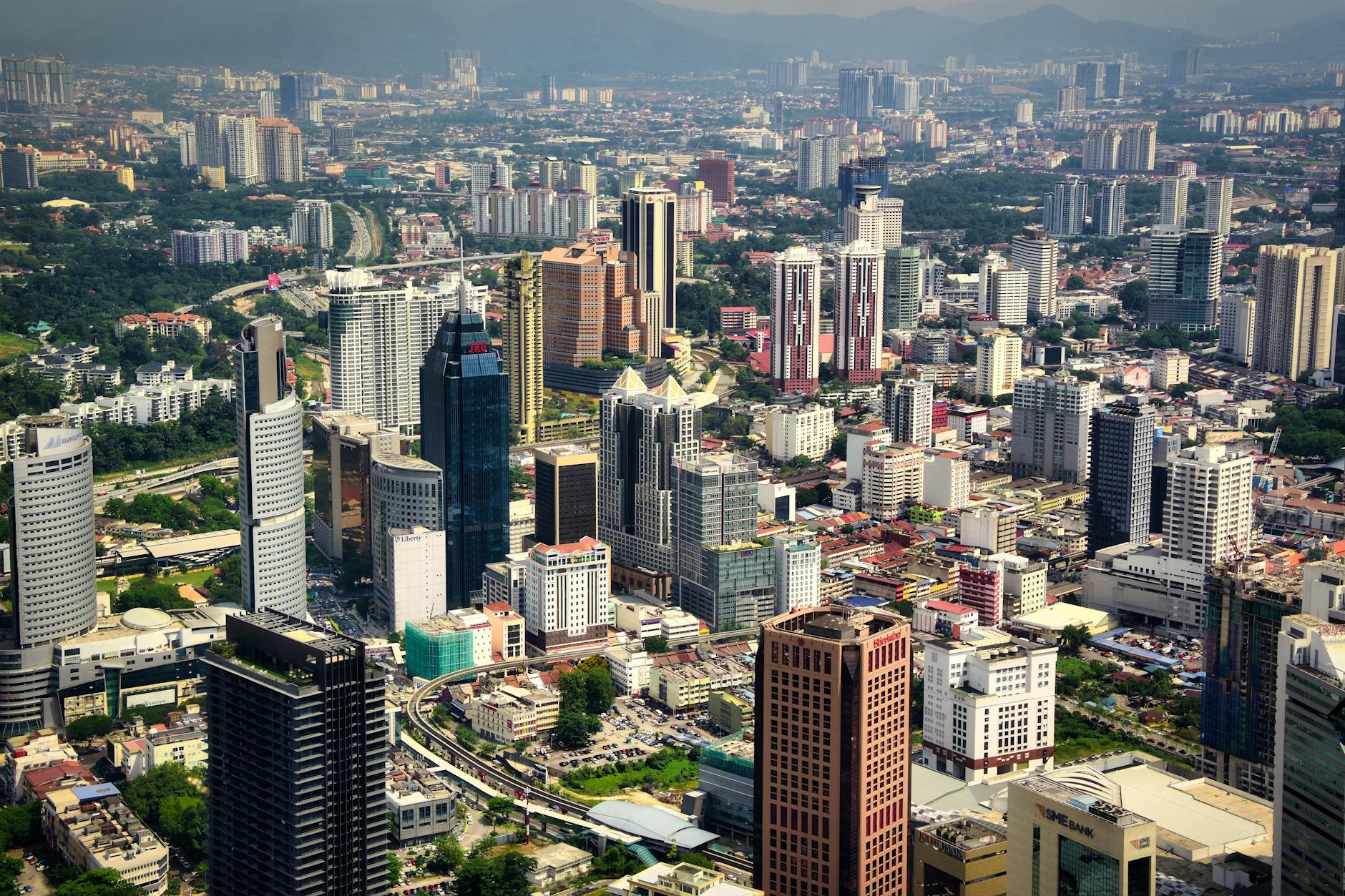
An investor or deal team member traveling to Malacca City is not simply making a business visit. The itinerary may involve management meetings, local advisors, confidential materials, site visits, government or university-linked conversations, family-business dynamics, and a compressed schedule shaped by road access. The trip should be built around judgment quality, discretion, and sequencing. Malacca City's heritage setting can add useful context, but the plan should protect the deal process before it makes room for restaurants, riverfront walks, or side visits.
Map the target geography before choosing a hotel
The most important locations may not be in the visitor core. A deal itinerary can include a target office, production site, warehouse, hotel meeting room, advisor office, government-linked appointment, university contact, bank, restaurant, or road connection to another town. The team should map those points before selecting a base.
A heritage hotel may be excellent for context and poor for the actual deal day. The right base is the one that protects the highest-value meeting sequence, not necessarily the one closest to Dutch Square or the river.
- Map target offices, sites, advisors, banks, hotels, restaurants, and road connections before booking.
- Choose lodging by the highest-value meeting sequence.
- Do not let heritage-core appeal override deal geography.
Choose hotels for privacy and working control
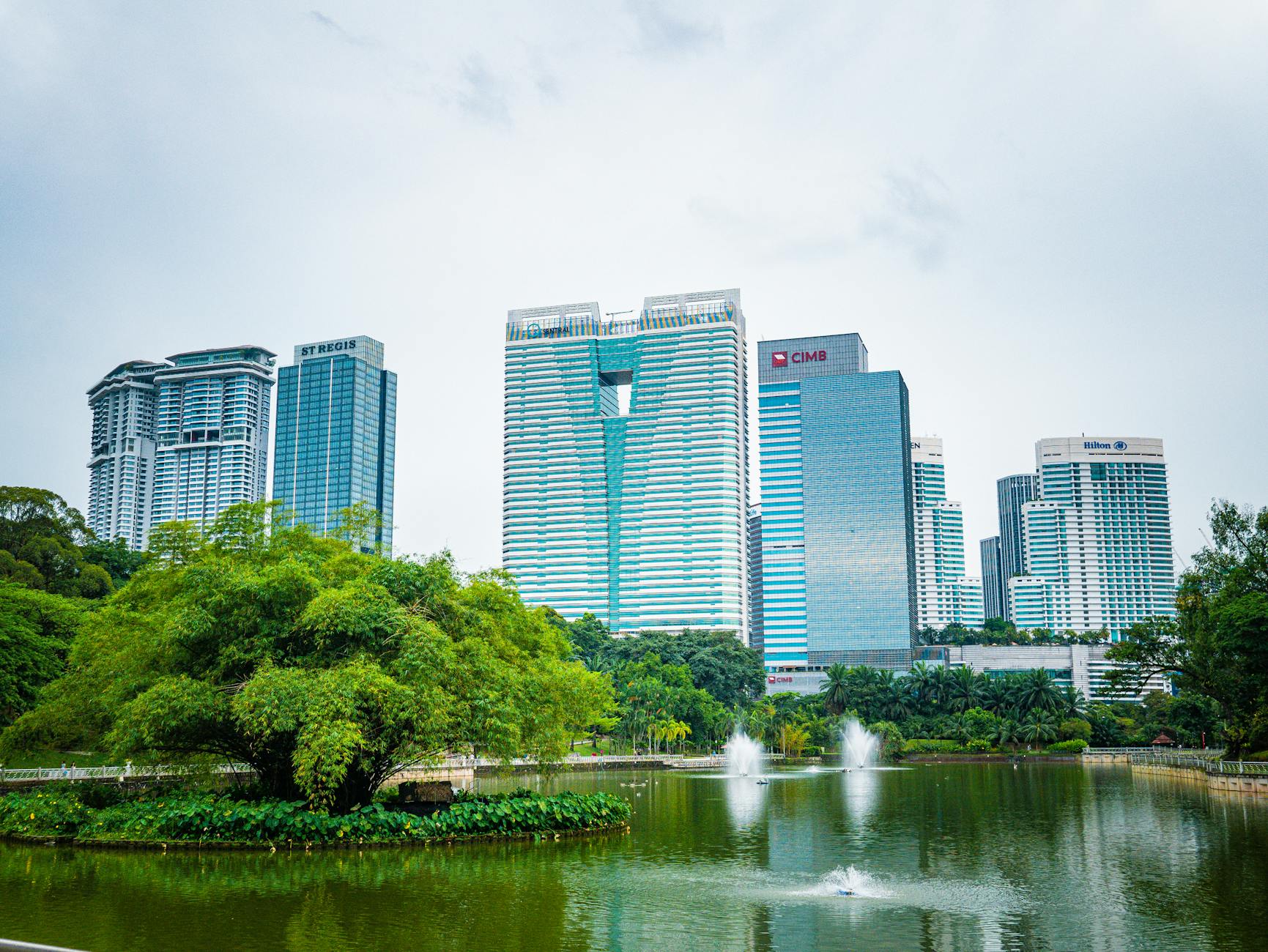
The hotel should support confidential work as well as sleep. Quiet rooms, reliable Wi-Fi, private meeting areas, controlled lobby flow, secure storage, desk space, strong cooling, and easy vehicle pickup matter when the team is reviewing numbers, sensitive documents, or negotiation positions.
The team should decide where debriefs will happen, who can work in public spaces, and how late calls will be handled. A pleasant lobby or cafe should not become the default deal room simply because it is convenient.
- Check private meeting areas, Wi-Fi, secure storage, desk space, cooling, and vehicle pickup.
- Plan debrief locations, late calls, and document review before arrival.
- Treat the hotel as part of the deal infrastructure.
Protect judgment around road timing
Investor travel to Malacca City often depends on road movement from Kuala Lumpur, KLIA, Singapore, Johor, or another Malaysian base. A meeting that requires careful judgment should not be placed immediately after a transfer that depends on perfect traffic, fast immigration, easy luggage, and no rain.
The schedule should include arrival buffers, meal timing, preparation space, and a plan for what moves if the transfer slips. Fatigue is not just a comfort issue on a deal trip; it can change how the team reads people, numbers, and risk.
- Build road-transfer buffers before management meetings or sensitive negotiations.
- Account for traffic, airport or border variables, luggage, rain, meals, and preparation time.
- Avoid forcing major judgment calls immediately after fragile travel.
Plan site visits as diligence, not sightseeing
Site visits can be the most useful part of a Malacca City deal trip, whether the team is visiting a facility, showroom, hotel asset, education site, healthcare facility, logistics point, or customer-facing location. They should be planned as evidence-gathering, not as informal touring.
The team should define what each site visit is meant to prove or disprove, who must attend, what photos or notes are allowed, and what transport or safety requirements apply. A vague side visit can consume time without improving conviction.
- Define what each site visit should prove, disprove, or clarify.
- Confirm attendee list, photo rules, note-taking, access, safety, and transport.
- Cut side visits that do not improve the investment or deal judgment.
Keep documents and devices under control
Deal travel creates ordinary moments where sensitive information can leak: a laptop open in a cafe, a call in a hotel lobby, a deck visible in a ride, a printed document left at a meeting, or a message shown at dinner. The city is not the issue; loose work habits are.
The team should assign responsibility for physical documents, use privacy screens and device locks, prepare offline copies, control cloud access, and choose quiet locations for calls. A compact city still requires disciplined information handling.
- Assign responsibility for printed materials, devices, decks, and meeting notes.
- Use privacy screens, device locks, offline files, secure bags, and controlled call locations.
- Avoid sensitive work in cafes, lobbies, restaurants, vehicles, and crowded public spaces.
Use meals and local context carefully
Malacca City's meals can help with relationship-building and local understanding, especially around founders, sellers, advisors, and family-business contacts. But the team should choose settings by privacy, noise, seating, dietary fit, alcohol expectations, payment norms, and proximity to the next appointment.
Local context is useful when it informs the investment thesis: customer behavior, tourism flows, logistics, labor access, education links, or neighborhood demand. It is less useful when dinner and sightseeing expand until they displace debriefs.
- Choose meal settings by privacy, noise, seating, diet, alcohol expectations, and next-step timing.
- Use local context to test the thesis, not just to fill itinerary space.
- Protect debrief time after relationship meals and site visits.
When to order a short-term travel report
An investor or deal team member with one informal meeting and flexible timing may not need a custom Malacca City report. A report becomes useful when the trip includes management meetings, confidential documents, multiple sites, senior travelers, road-transfer risk, advisor sessions, side diligence, dietary or medical constraints, or a tight onward schedule.
The report should test meeting geography, lodging privacy, road timing, transport, site access, document handling, meal settings, local context, weather, medical access, budget, and what to cut. The value is a deal trip that protects judgment, confidentiality, and schedule control.
- Order when confidentiality, site visits, senior travelers, road timing, or advisor meetings require testing.
- Provide dates, locations, team size, hotel options, confidentiality needs, site visits, constraints, budget, and priorities.
- Use the report to protect the deal process from preventable travel friction.