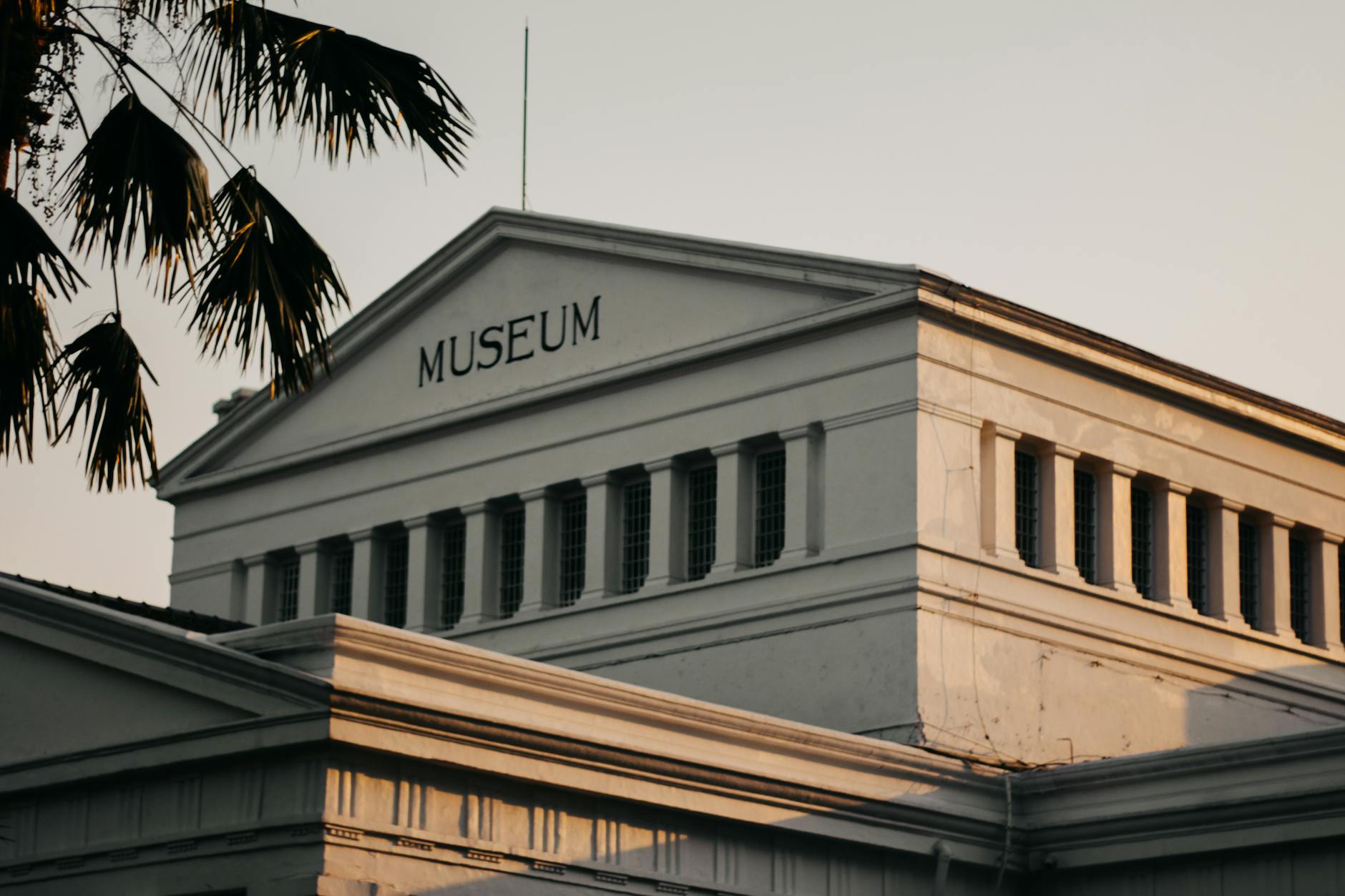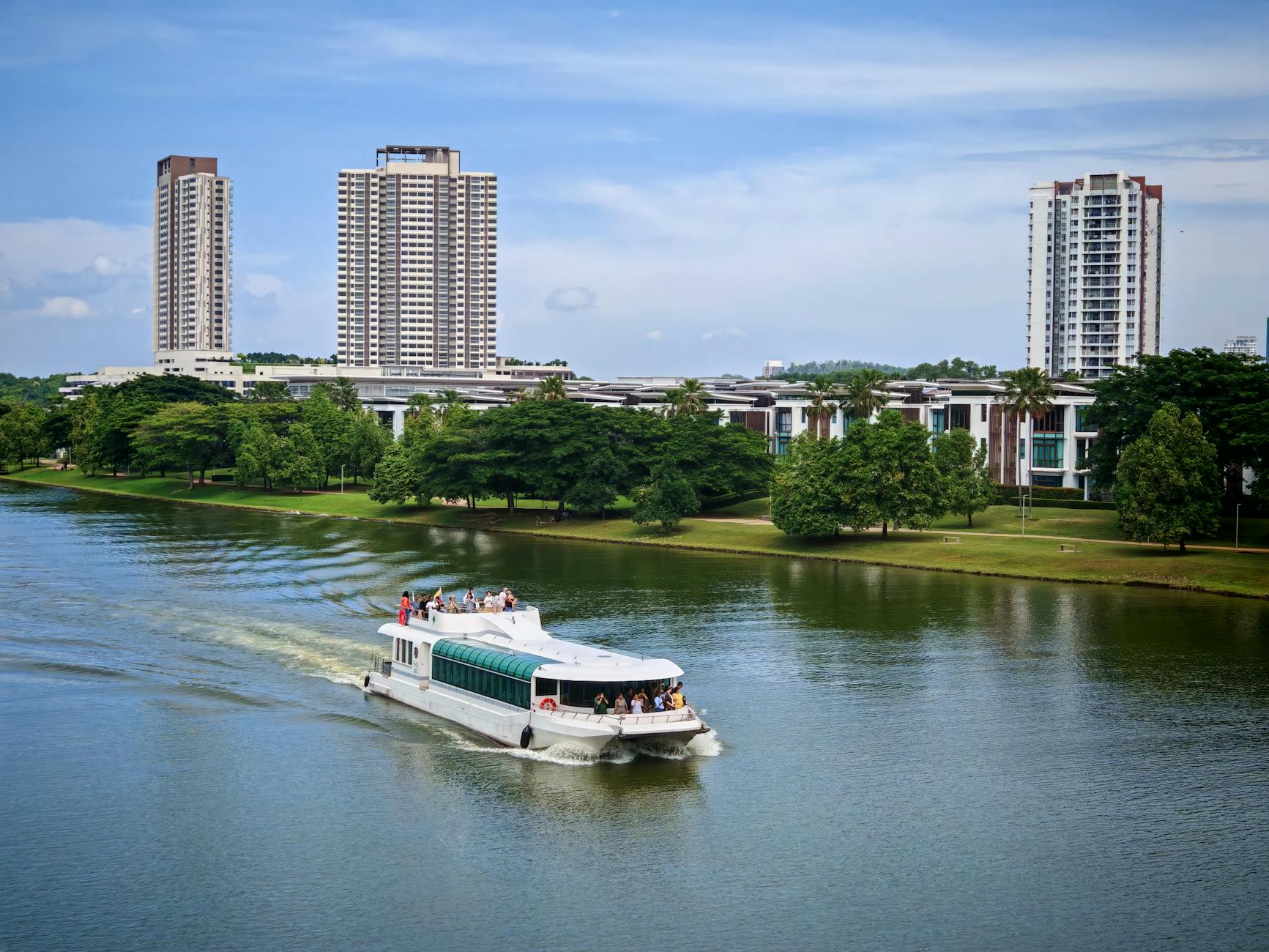
Malacca City can be rewarding for families because the heritage core, riverfront, museums, food streets, cafes, shops, and short river experiences sit close together. That same compactness can tempt families to overpack the day. A family visit should be built around road-transfer fatigue, room setup, stroller or walking limits, heat, rain, meals, bathrooms, nap windows, and which heritage stops children can actually absorb. The strongest plan usually does less and makes the easier parts work well.
Build the trip around the road transfer
Many families reach Malacca City by road from Kuala Lumpur, KLIA, Singapore, Johor, or another Malaysian base. That transfer can determine whether the first day works. Children may need snacks, bathroom stops, motion-sickness planning, entertainment, rest, and an arrival plan that does not begin with a forced march.
The family should decide whether the first evening is for check-in, food, and a short look at the river, or whether there is enough energy for a real outing. A tired arrival can make the city feel harder than it is.
- Plan the road transfer around snacks, bathroom stops, rest, entertainment, and luggage.
- Keep the first evening simple after a long drive or flight connection.
- Avoid scheduling the most important family activity immediately after arrival.
Choose lodging by room setup and access
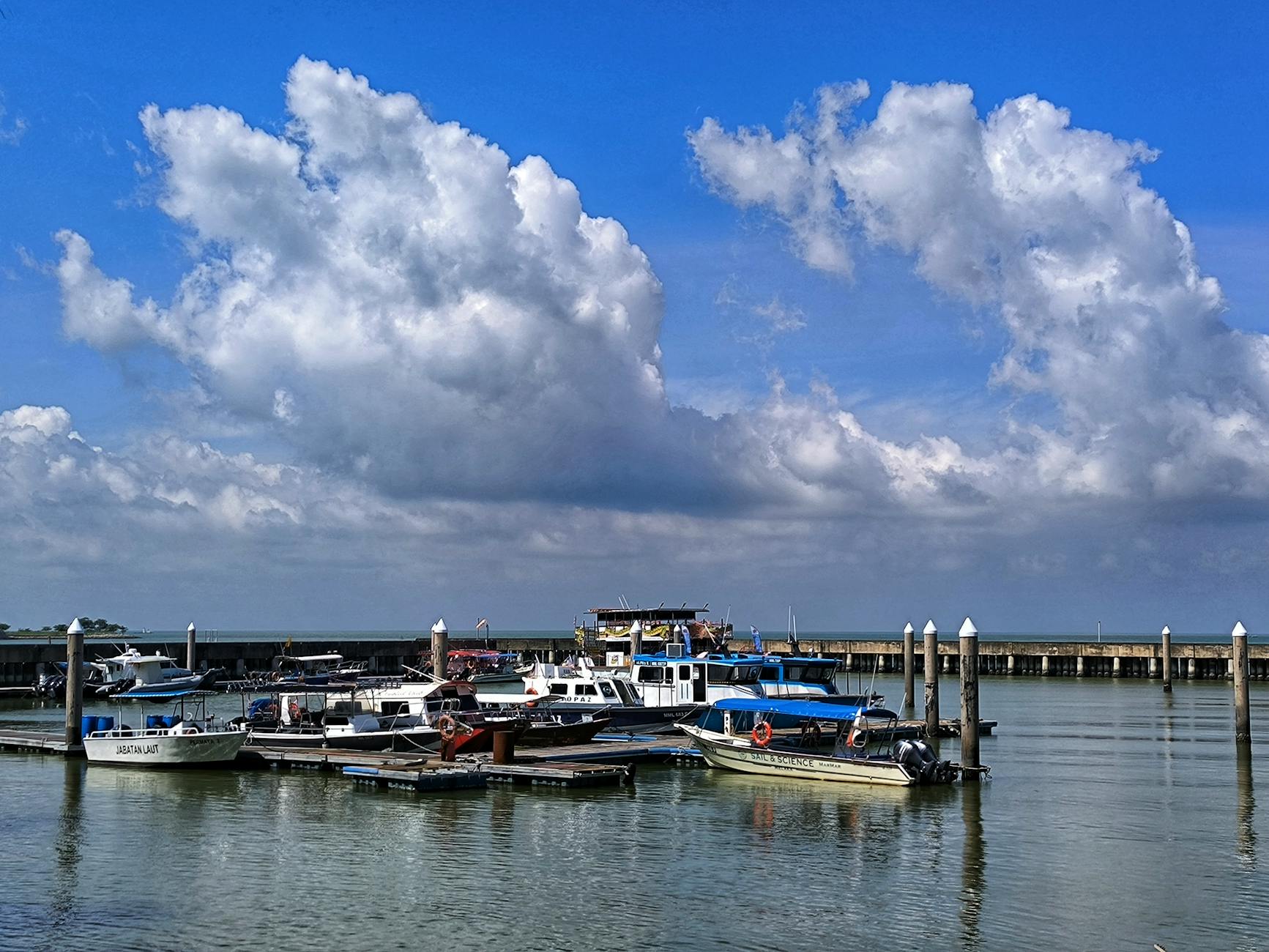
A family hotel decision should start with room configuration, bed setup, connecting rooms, lifts, stairs, bathrooms, breakfast, laundry, cooling, pool access, vehicle drop-off, and how easily everyone can return during the day. A charming heritage base may be less useful if it makes daily resets difficult.
The family should also consider noise, stroller storage, food nearby, and whether the neighborhood works after dark. Location matters, but access and recovery usually matter more.
- Check rooms, beds, lifts, stairs, bathrooms, breakfast, laundry, cooling, and drop-off.
- Prioritize easy returns for naps, pool breaks, laundry, and weather resets.
- Do not choose heritage charm if it creates daily access problems.
Keep the heritage route child-sized
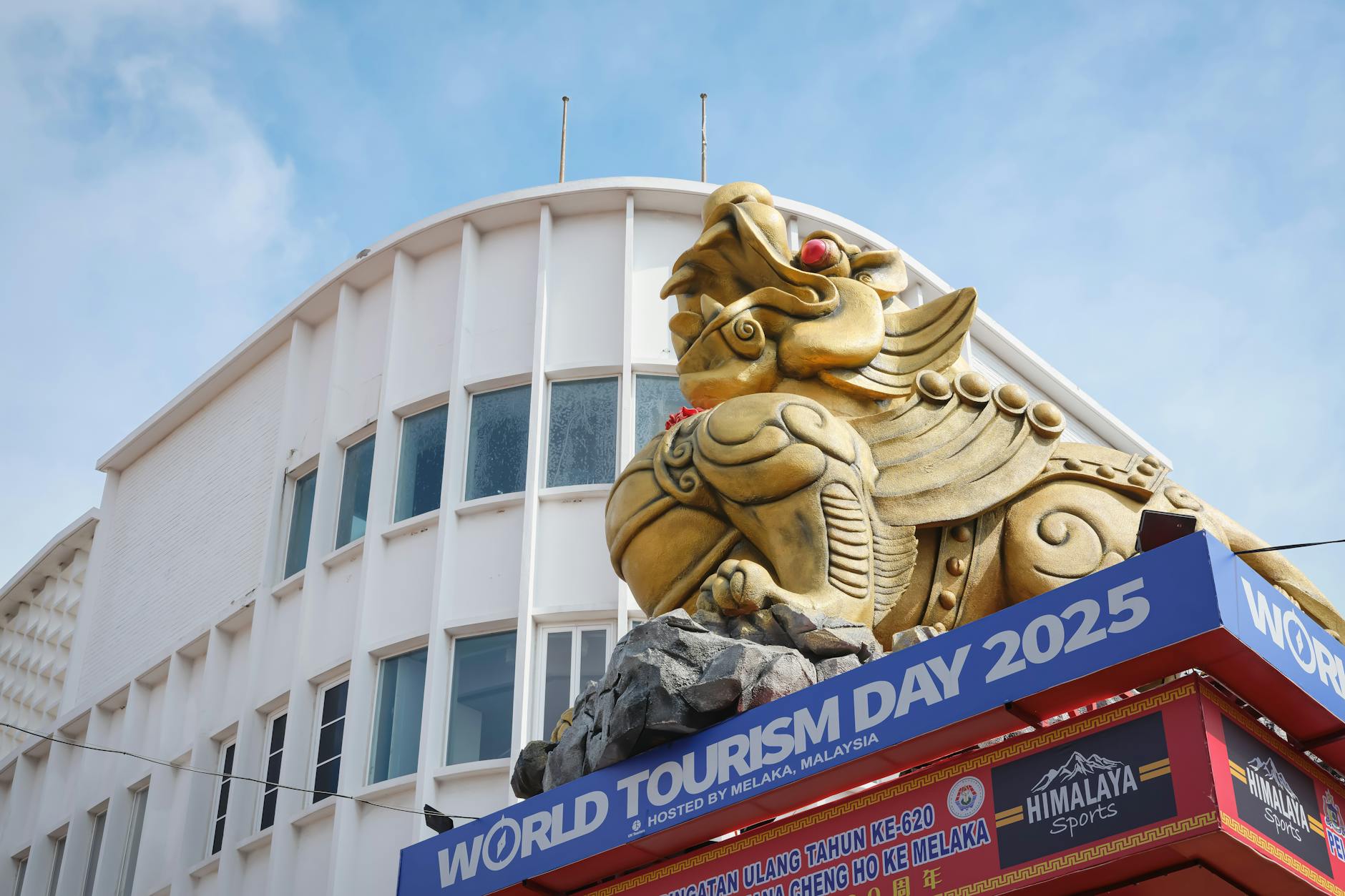
Families may want to cover the river, Dutch Square, museums, churches, temples, shops, cafes, and Jonker Street in one short visit. That can be too much when children are managing heat, boredom, crowds, photos, snacks, and traffic crossings.
The better approach is to choose one main heritage route, one child-friendly stop, one food break, and one flexible backup. Malacca City is easier for families when the itinerary has obvious places to pause.
- Choose one main heritage route instead of trying to cover every famous stop.
- Add a child-friendly museum, cafe, riverfront pause, or short ride as the anchor.
- Leave room for bathrooms, snacks, photos, and tired legs.
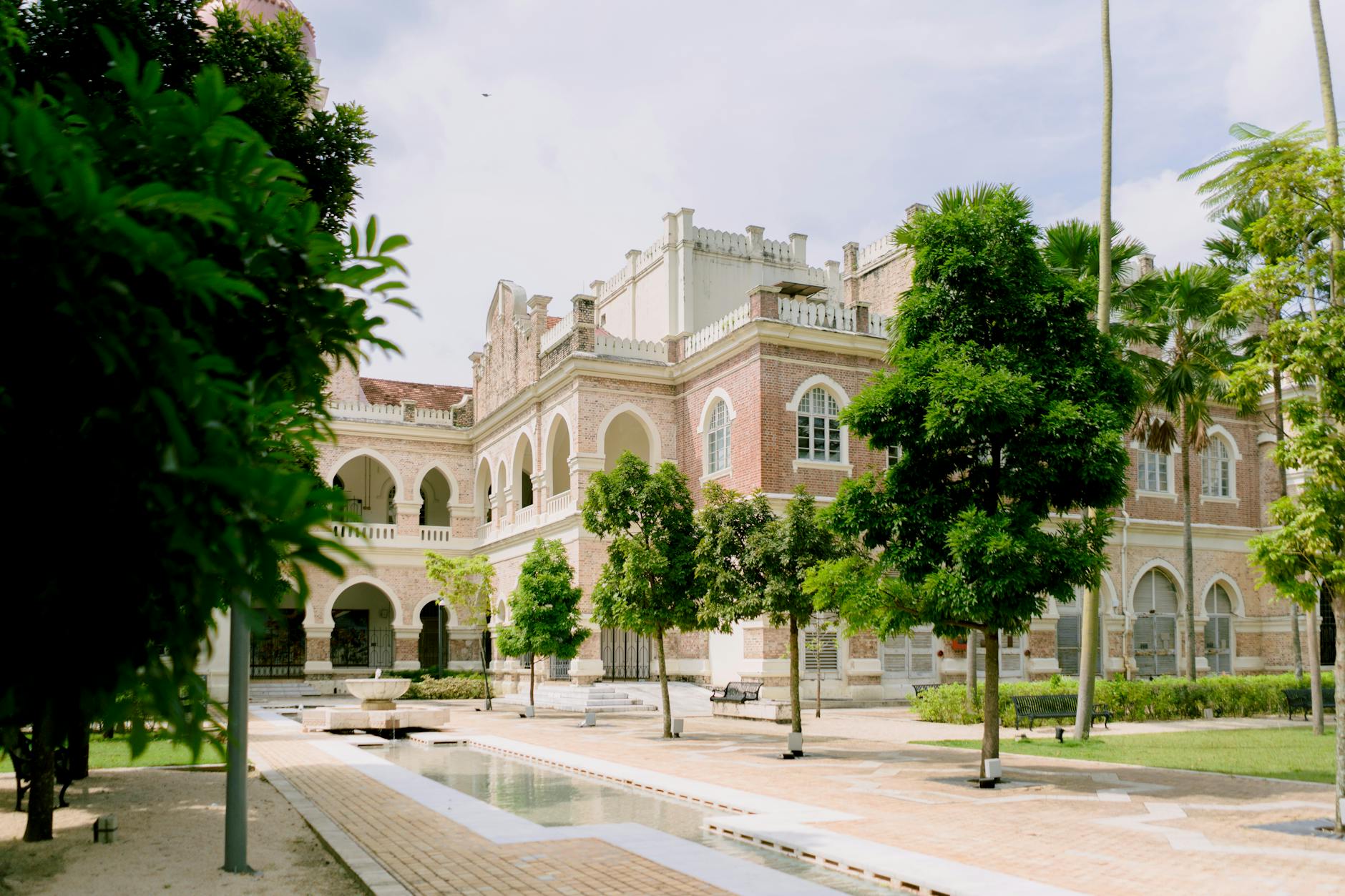
Check stroller, walking, and crossing conditions
A compact destination is not automatically stroller-friendly. Families should account for uneven paving, curbs, steps, traffic crossings, narrow sidewalks, crowd pressure, rain, and limited shade. Younger children may need a carrier or short walking segments rather than a full-day stroller plan.
The route should include ride pickup points and indoor stops. If the family has grandparents, toddlers, or mixed stamina, the plan needs fewer transitions and more deliberate rest.
- Plan around paving, curbs, steps, crossings, crowds, rain, and shade.
- Decide whether a stroller, carrier, or shorter walking segments will work best.
- Use ride pickup points and indoor stops before everyone is exhausted.
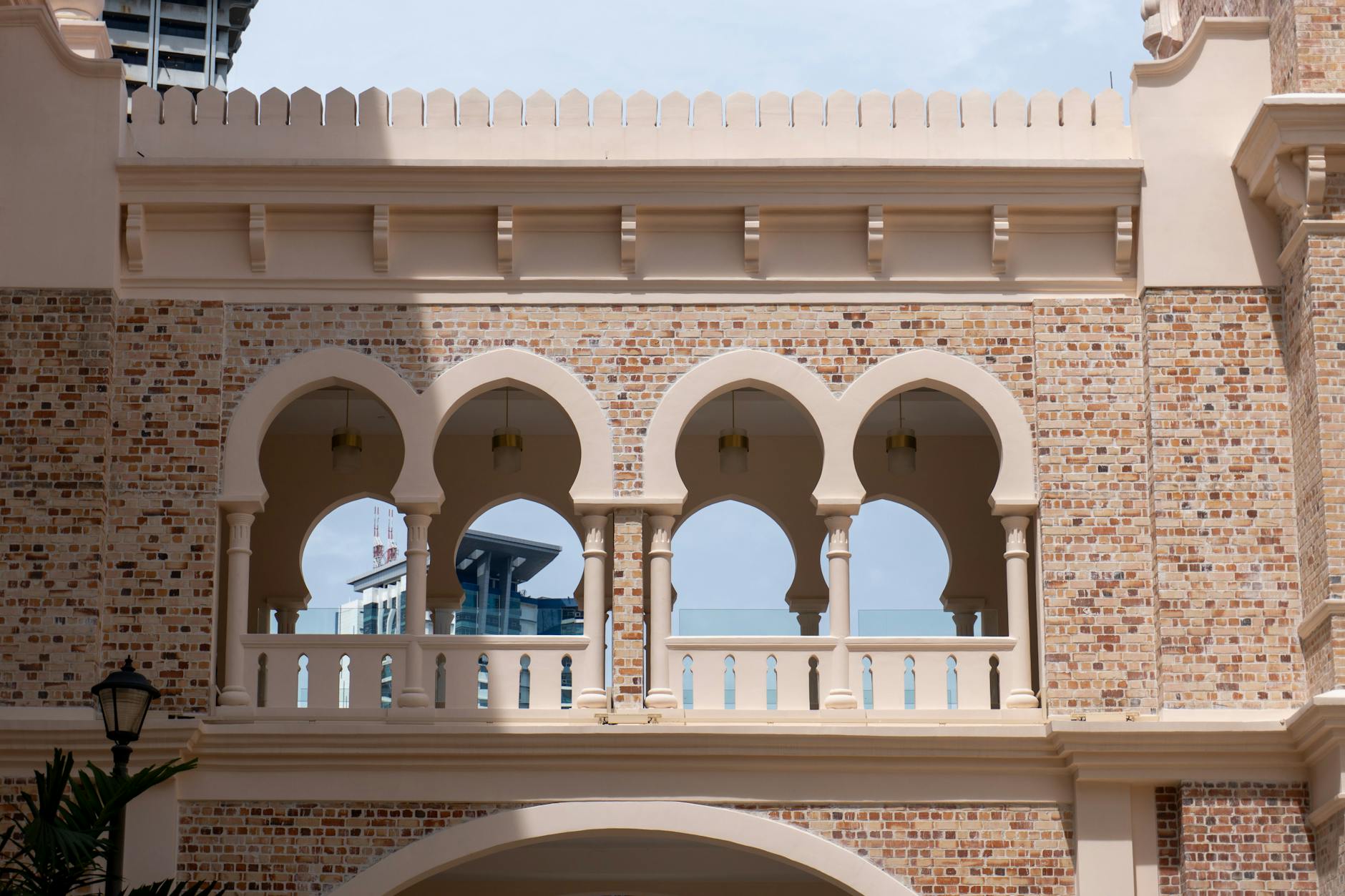
Plan meals before hunger controls the day
Malacca City food can be excellent for families, but the plan should account for spice, sugar, shellfish, peanuts, queues, table availability, high chairs, bathrooms, picky eaters, and meal timing. A famous meal is less useful if everyone is already overheated or hungry.
Families should identify one or two food priorities and a few easy backup options near the hotel or route. The goal is to enjoy local food without turning meals into the hardest part of the day.
- Plan spice, allergies, queues, bathrooms, high chairs, picky eaters, and meal timing.
- Choose one or two food priorities instead of chasing every famous stop.
- Keep simple backups near the hotel or walking route.
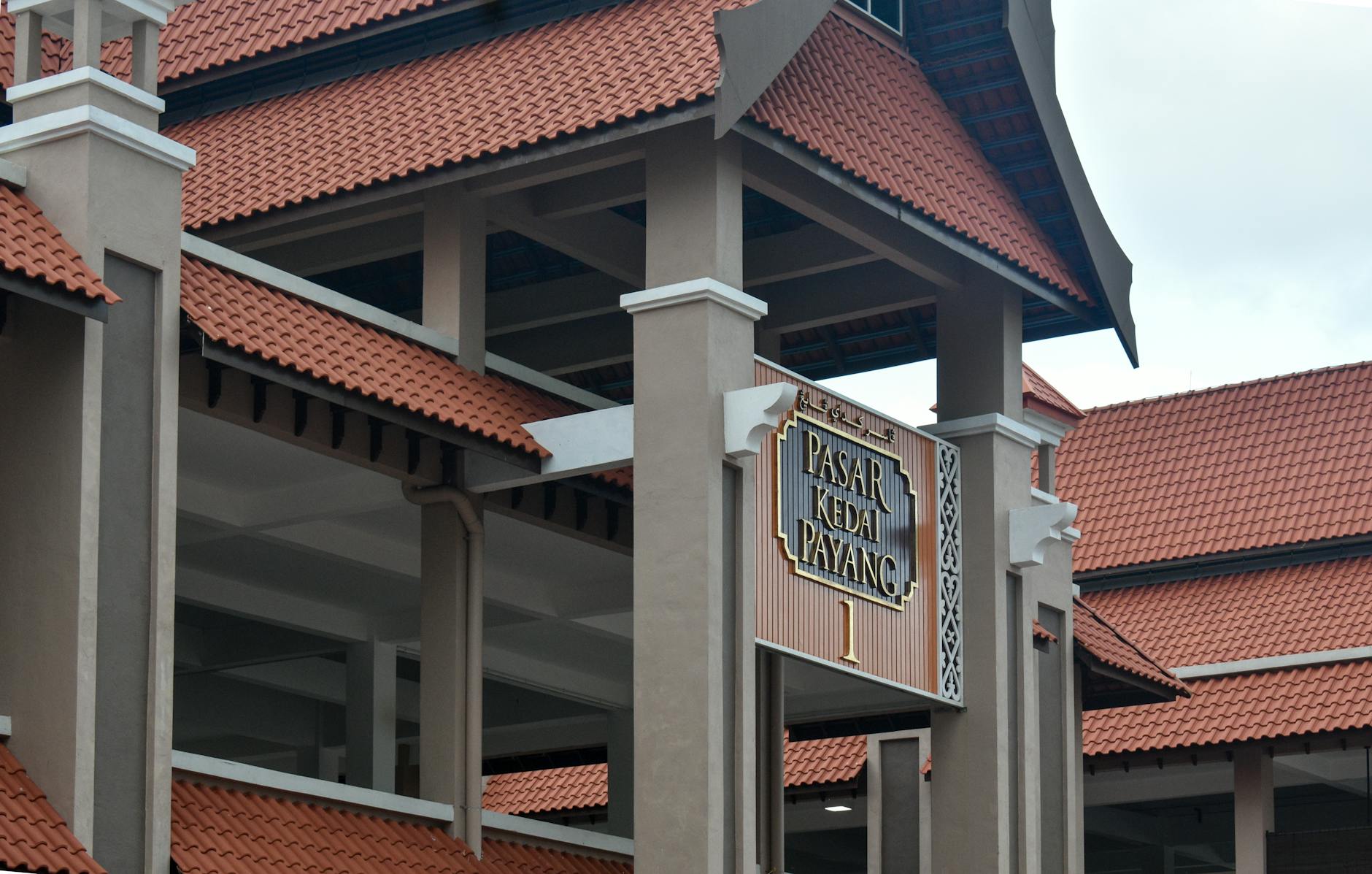
Use riverfront and evening activity carefully
Riverfront walks, short rides, markets, lights, cafes, and evening streets can be family highlights. They can also become crowded, noisy, wet, or tiring. Families should decide the evening endpoint before the outing begins.
A river cruise or short evening walk may be better than a long market push. Parents should know where the return route starts, how they will handle rain, and when to leave before children are past recovery.
- Choose evening activity by crowd level, noise, rain risk, and return route.
- Use short riverfront activity instead of forcing a long market evening.
- Leave before tired children turn the return into the main event.
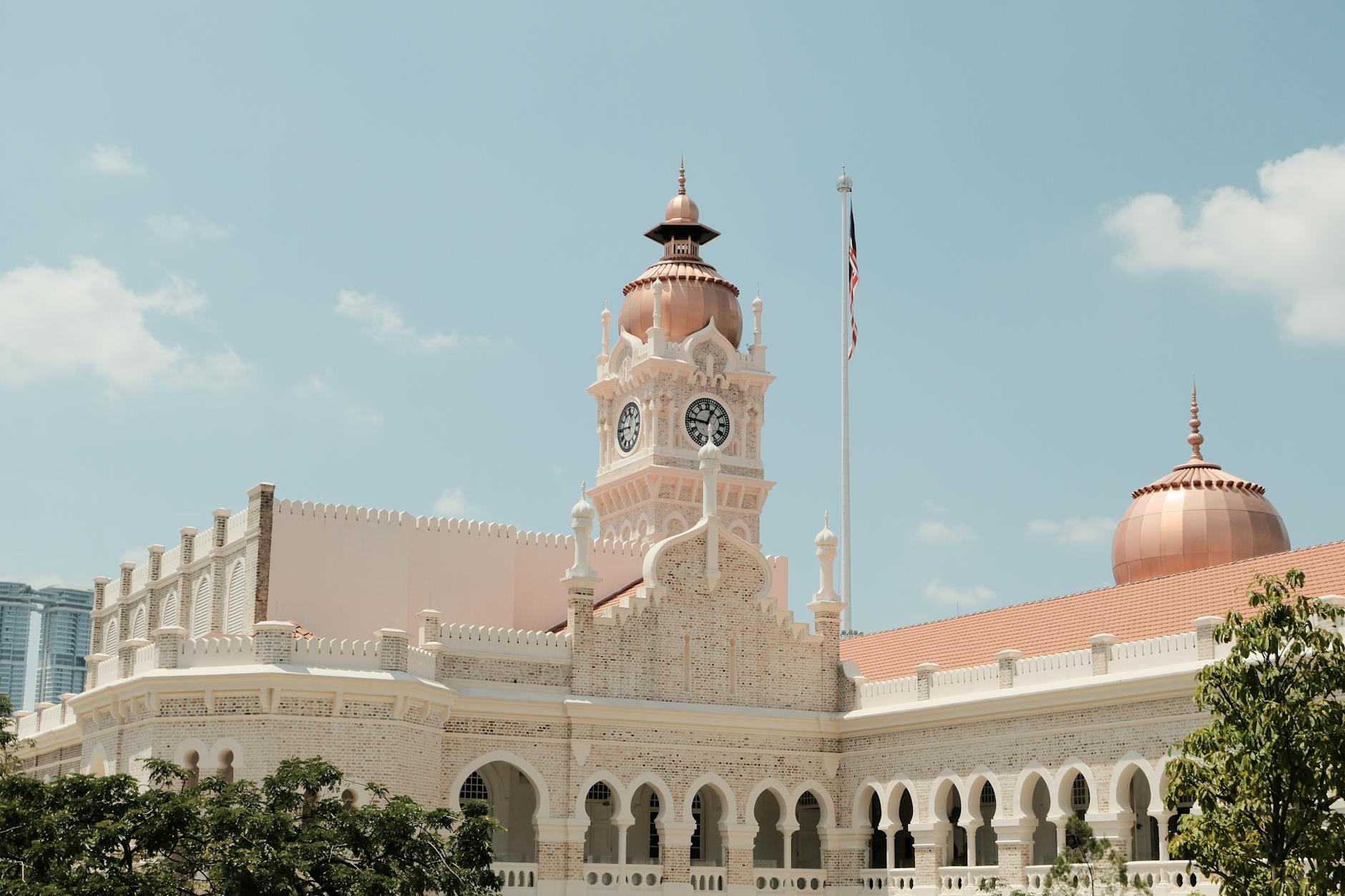
When to order a short-term travel report
A family with flexible timing, older children, and simple plans may not need a custom Malacca City report. A report becomes useful when the trip includes toddlers, grandparents, allergies, mobility limits, uncertain road transfers, weekend crowds, stroller questions, or a tight onward connection.
The report should test transfer timing, hotel setup, room access, walking routes, meals, bathrooms, heat, rain, riverfront activity, medical access, budget, and what to cut. The value is a family trip that is memorable because it works, not because everyone endured it.
- Order when children, grandparents, allergies, mobility, transfers, crowds, or strollers require testing.
- Provide dates, ages, arrival route, hotel options, room needs, food limits, mobility needs, and budget.
- Use the report to build a family trip with fewer rushed decisions and better recovery.