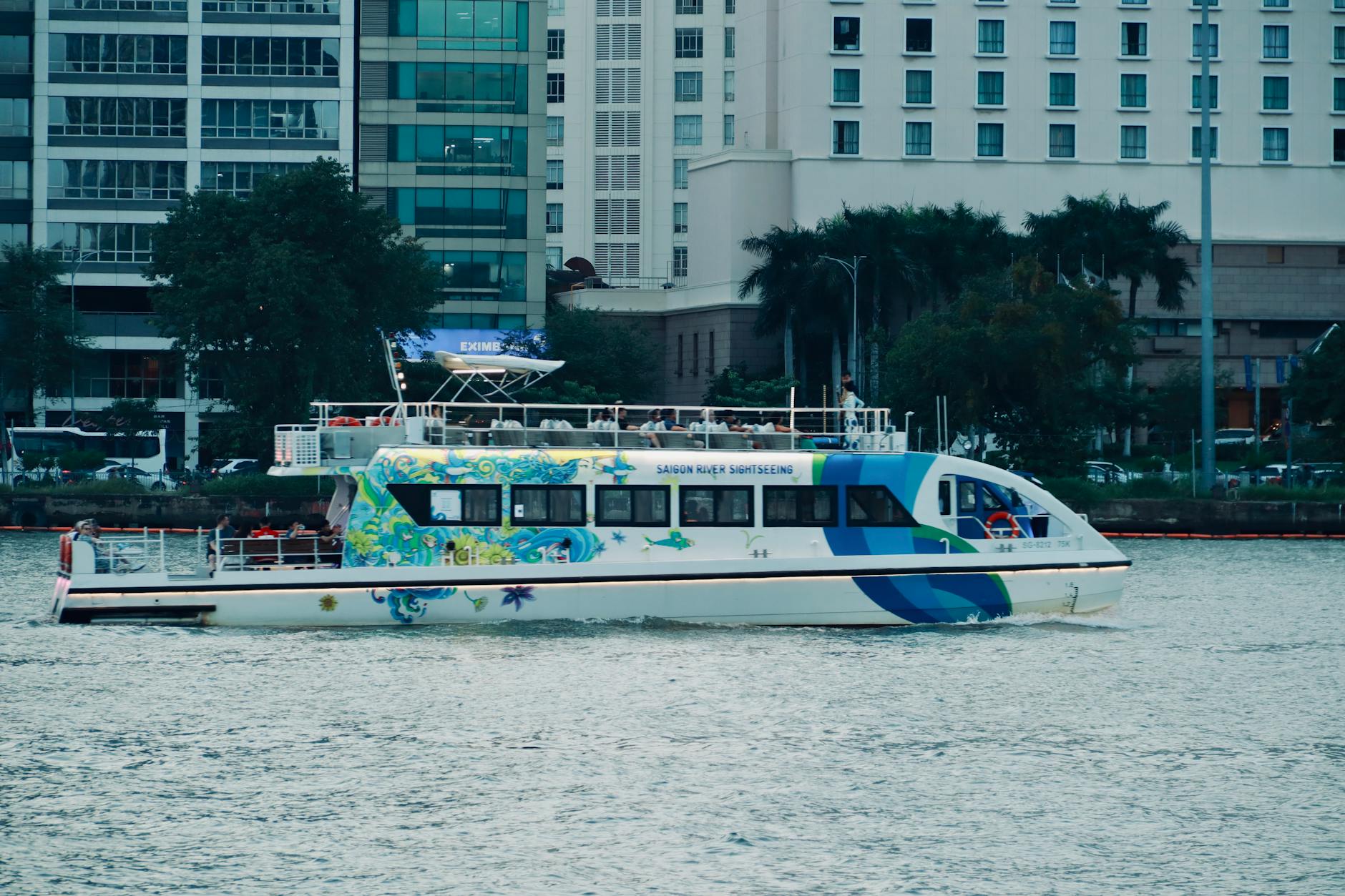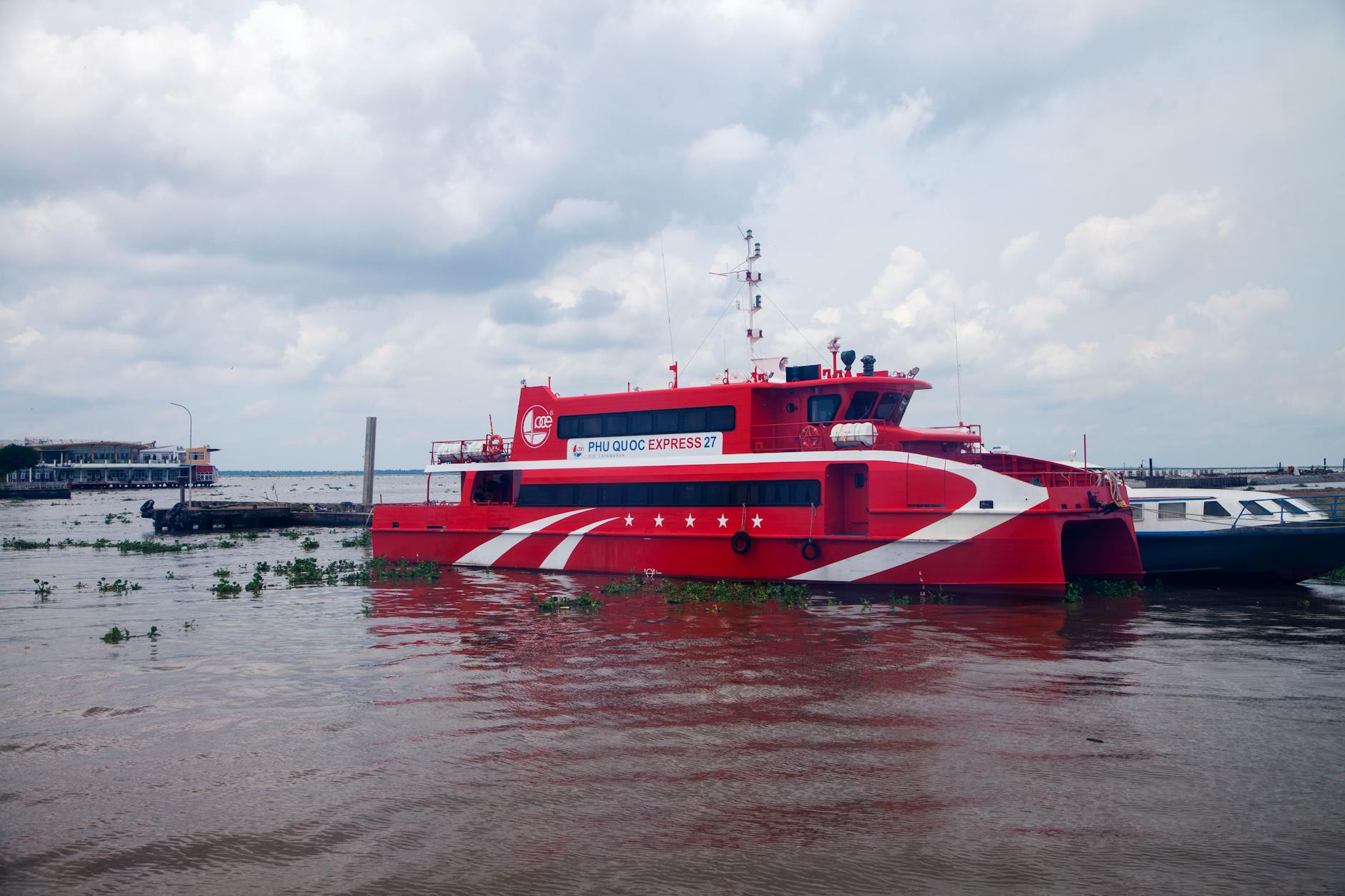
A cruise or port-call visit to Malacca City needs more caution than a normal overnight stay because the traveler may have only one narrow day and may not arrive directly into the heritage core. The practical plan can depend on whether the ship uses a nearby call, a tender arrangement, an organized shore excursion, or a road transfer from another Malaysian port. That makes Malacca City a place where a short shore day should be built backward from the required return time. The traveler needs to understand transfer risk, heat, walking, crowds, food timing, shopping, worship spaces, and what to skip before the day begins.
Confirm how the port call reaches the city
A cruise traveler should not assume that Malacca City works like a simple walk-off port. Some visits may involve a tender, a bus transfer, a tour vehicle, a road leg from another port, or a timed shore excursion controlled by the cruise line. Each version changes how much of the day is actually available on the ground.
The first planning question is where the traveler physically disembarks, who controls the transfer, what happens in bad weather, and how much independent movement is allowed. A shore day that looks generous on paper can become tight once ship procedures, road timing, and pickup windows are included.
- Confirm disembarkation point, tender or road transfer, tour control, and independent-movement rules.
- Ask how bad weather, late clearance, traffic, or missed pickup changes the day.
- Build the itinerary from usable time in Malacca City, not from the ship's headline port hours.
Build the shore day around transfer reality
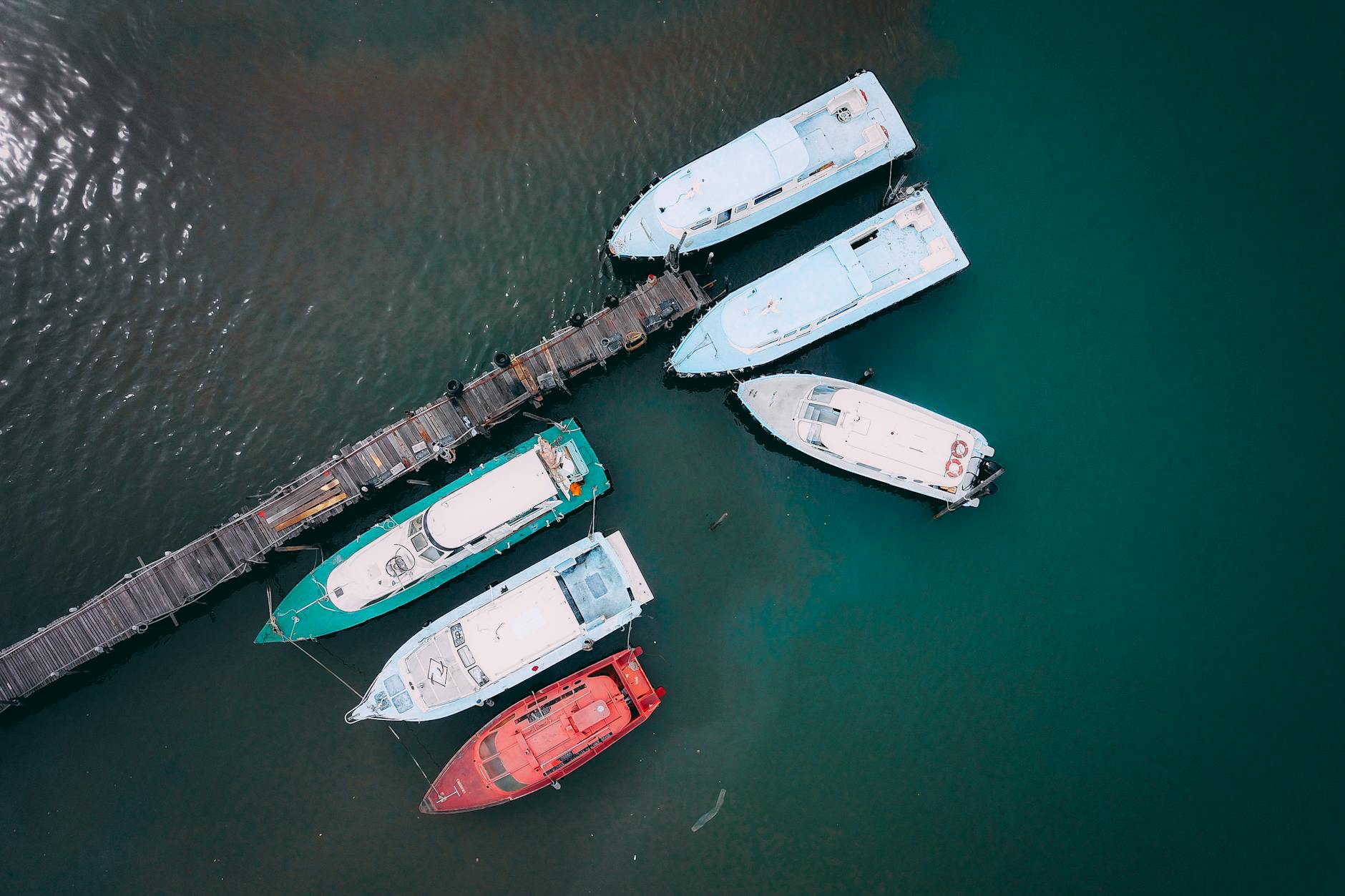
Road or tender timing should shape every choice. A traveler with four useful hours in the city needs a different route from someone with eight. If the traveler is moving with a cruise excursion group, the schedule may include fixed shopping stops, meal stops, guide commentary, restroom breaks, or bus loading time that an independent visitor would not expect.
The plan should identify one primary purpose for the day: heritage overview, food, family history, photography, religious sites, shopping, or a gentle walk. Secondary stops should be treated as optional because the return transfer has priority over ambition.
- Calculate usable city time after tender, clearance, road transfer, group loading, and pickup windows.
- Choose one main purpose for the shore day before adding secondary stops.
- Treat shops, cafes, and photo stops as flexible unless they are the reason for the visit.
Prioritize compact heritage stops
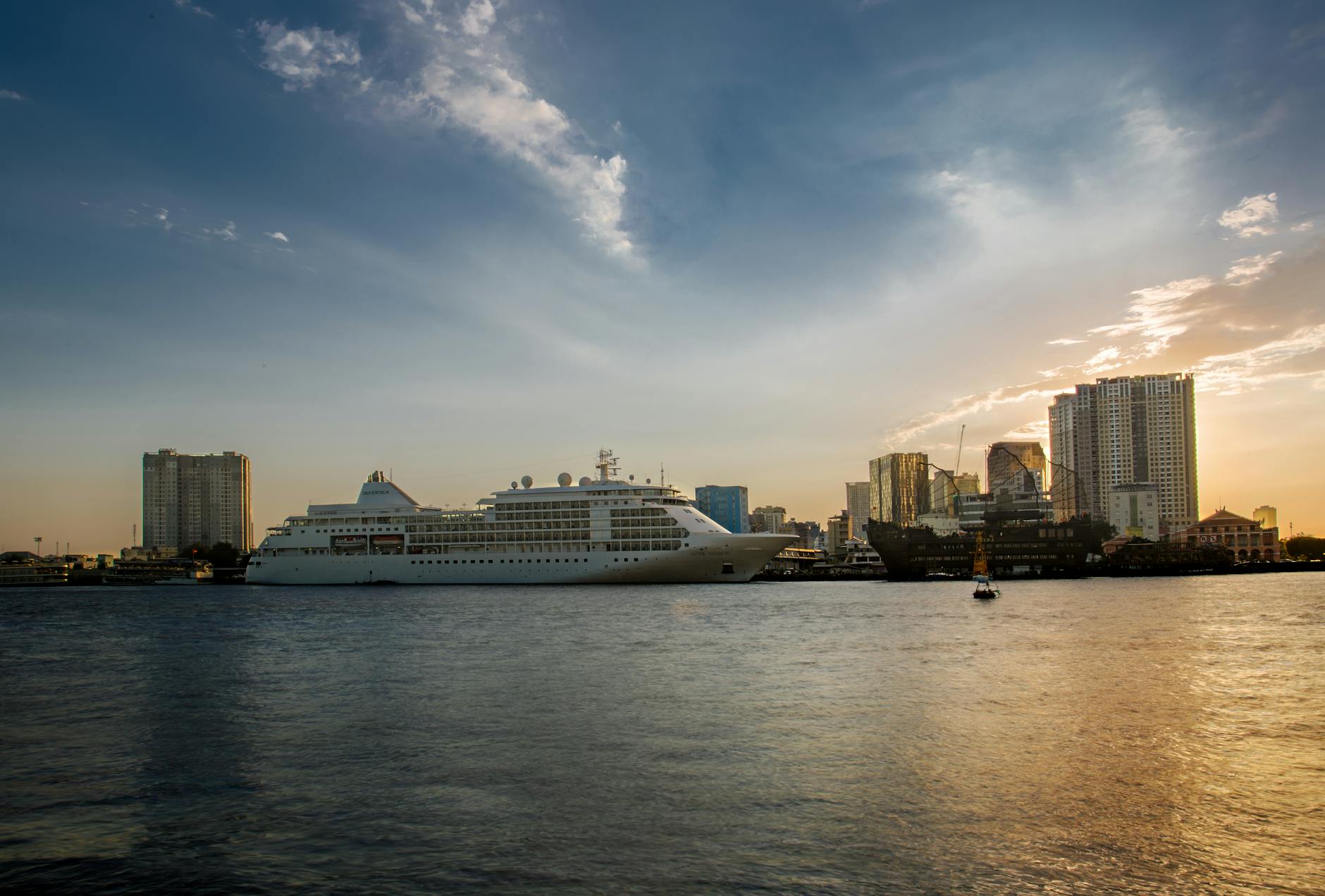
Malacca City's appeal for port-call travelers is its density: riverfront views, Dutch Square, museums, religious sites, colonial-era streets, cafes, markets, and food can sit close together. That does not mean they all fit into one shore day. Heat, crowds, uneven walking surfaces, tour-bus timing, and photo stops slow the route.
A strong cruise plan usually picks a compact loop and gives it enough time to work. The traveler should know which museum, religious site, street, food stop, or viewpoint is the anchor and which nearby stops can be dropped if the transfer runs late.
- Choose a compact loop rather than trying to cover the whole city.
- Name the anchor stop and the optional stops before disembarkation.
- Use nearby heritage density to reduce transport risk and avoid a scattered shore day.
Plan heat, rain, walking, and mobility
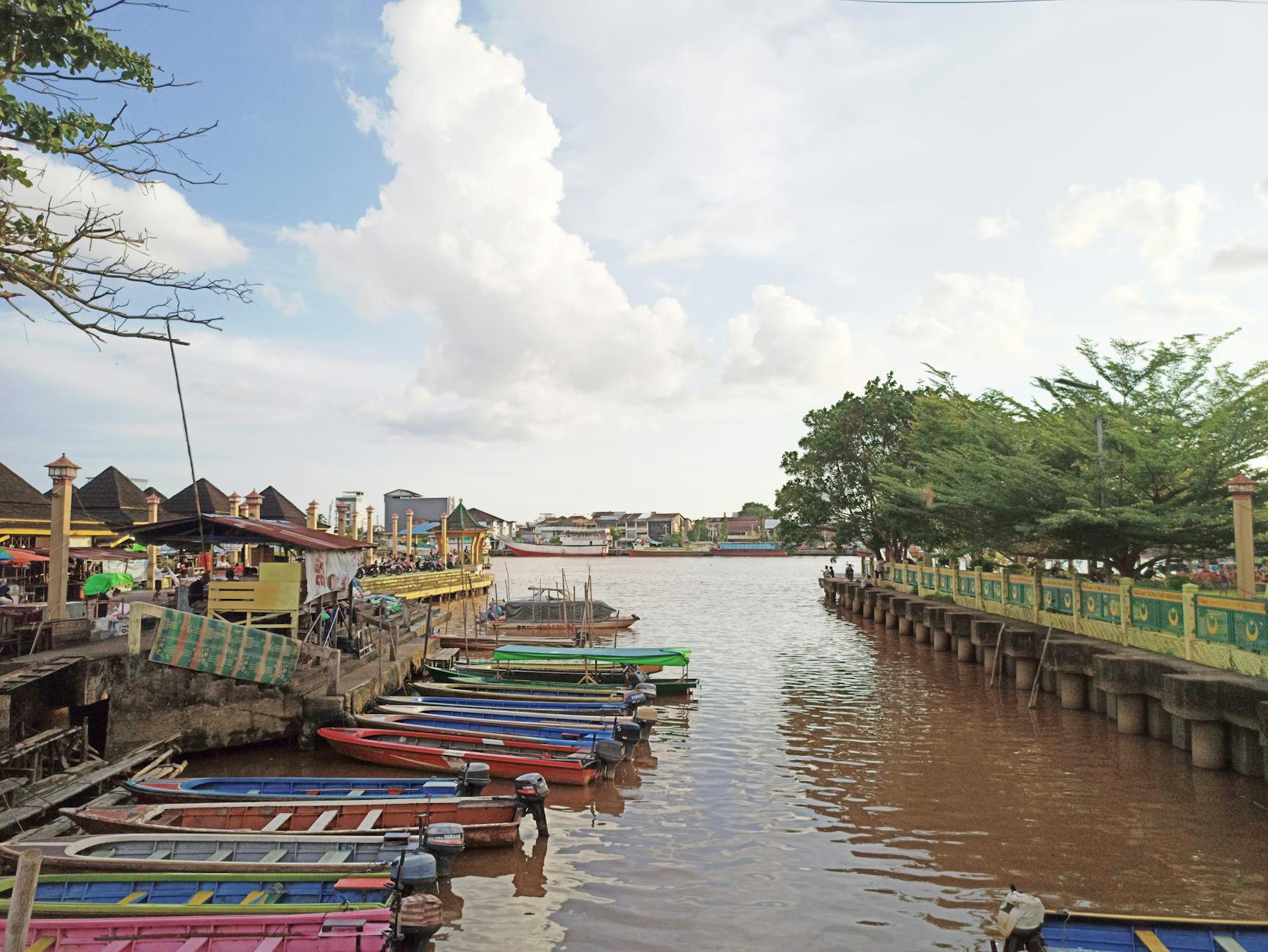
Cruise travelers can underestimate Malacca City's climate because the shore day is short. Heat, humidity, sudden rain, limited shade, stairs, curbs, crowded lanes, and slick surfaces can make even a compact route demanding, especially for older travelers, families, or anyone with mobility limitations.
The traveler should carry water, sun protection, rain cover, practical shoes, medication, and a realistic walking plan. If the ship's excursion uses buses, trishaws, vans, or guided walks, ask exactly where walking begins and ends rather than assuming the vehicle removes the burden.
- Plan water, sun protection, rain cover, medication, and practical shoes for a humid shore day.
- Confirm walking distance, stairs, curbs, restroom access, and shade before choosing a tour.
- Build a slower route for older travelers, families, and travelers with mobility constraints.
Handle food, worship spaces, and shopping carefully
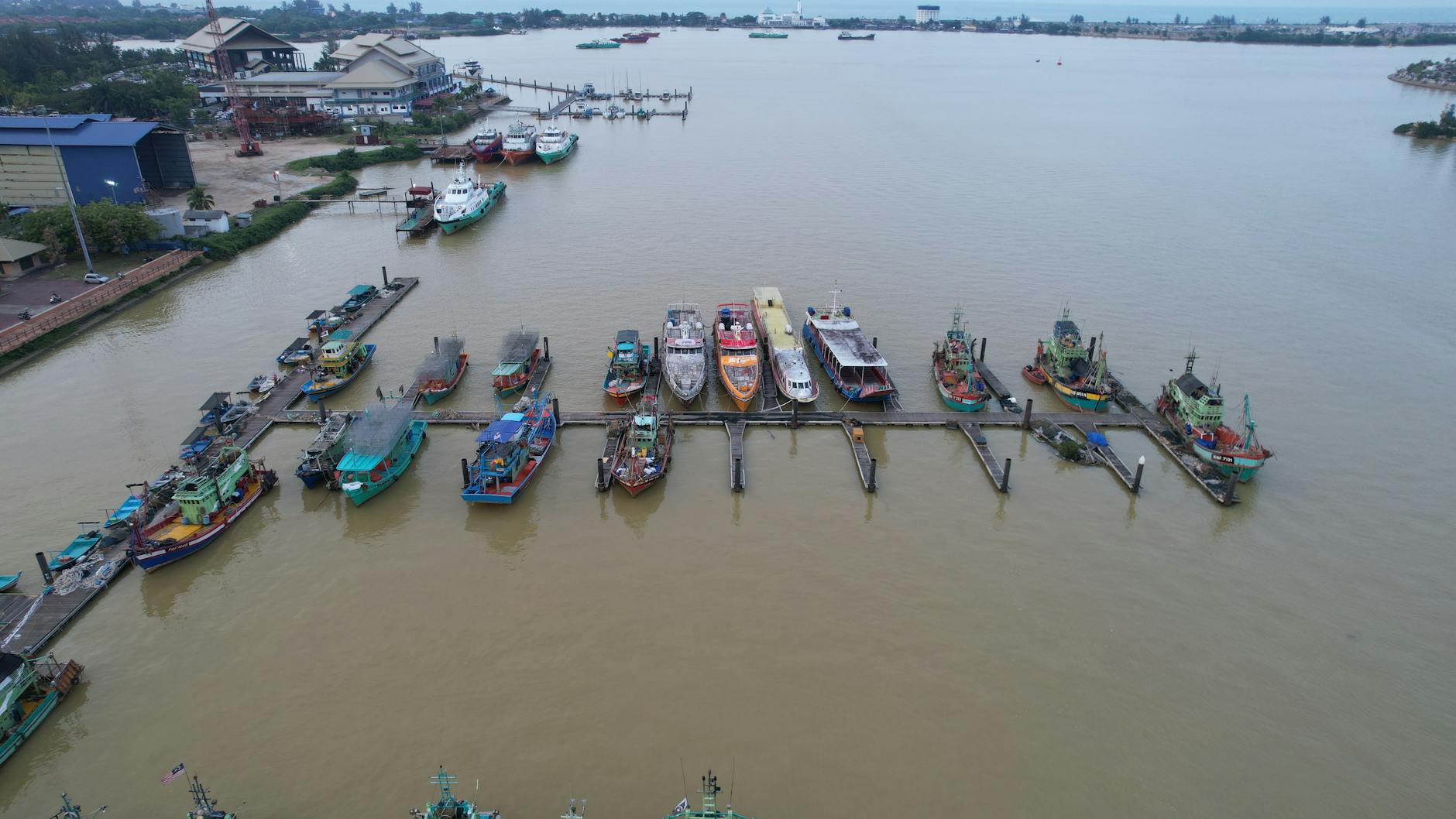
A cruise shore day often compresses lunch, snacks, souvenirs, religious sites, and sightseeing into the same window. The traveler should check whether meals are included, whether there is time for independent food, and how dietary needs such as halal, vegetarian, shellfish allergy, spice tolerance, or no alcohol will be handled.
Religious and heritage spaces also require time and respect. Dress, shoes, photography, worship activity, and community privacy matter even when the traveler is trying to move quickly. Shopping should be planned with luggage rules, ship return timing, and customs practicalities in mind.
- Clarify included meals, independent food time, dietary needs, and snack options before leaving the ship.
- Respect dress, shoes, photography, and active worship rules at sacred or community spaces.
- Keep shopping small enough to handle with ship rules, customs, and return timing.
Protect the return-to-ship margin
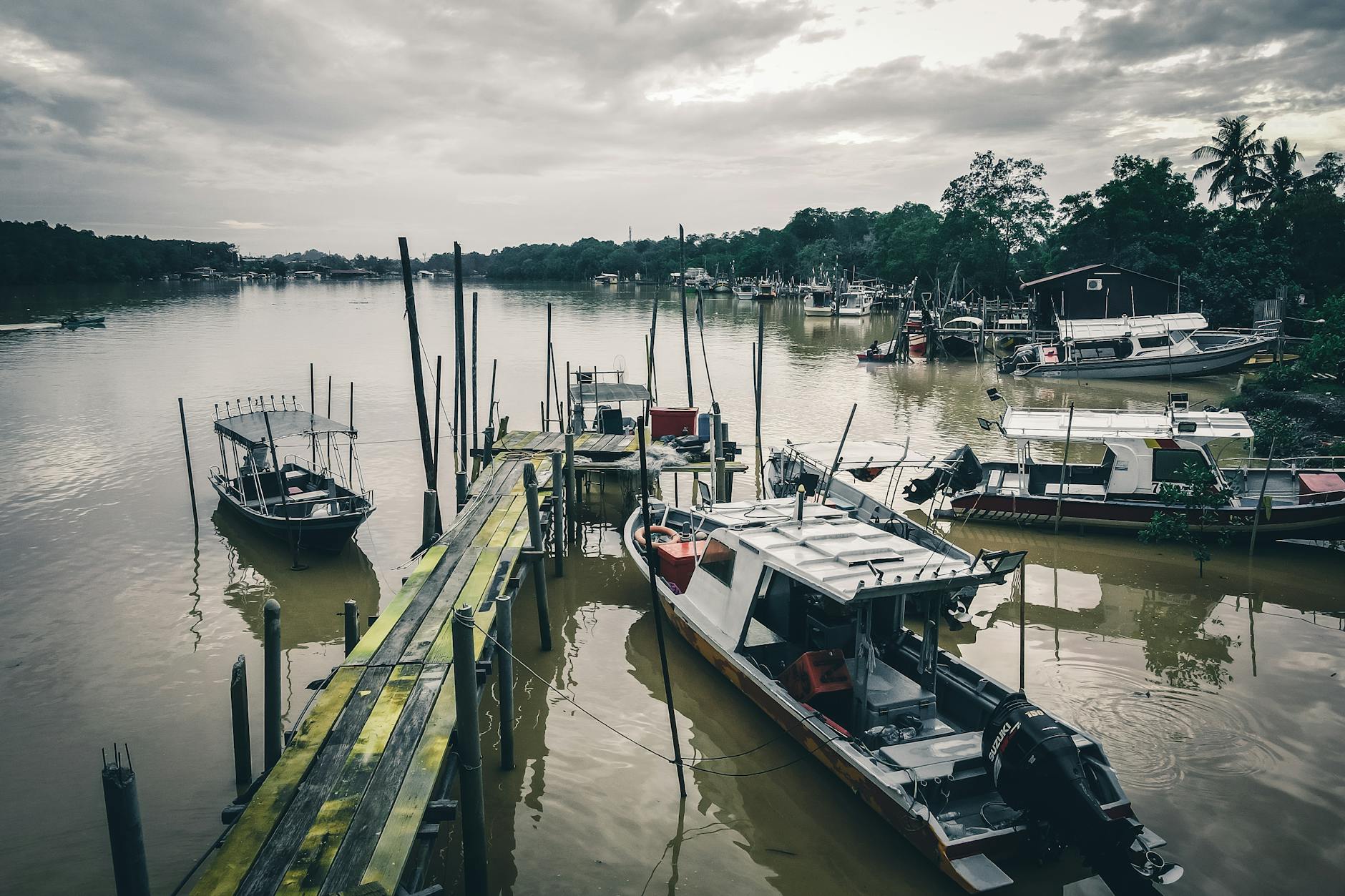
The return margin is the most important part of a port-call itinerary. A beautiful final stop is not worth a missed ship movement or a panicked transfer. The traveler should understand the latest safe departure from the city, the difference between ship time and local time if relevant, the pickup location, and who is responsible if traffic or weather interferes.
Independent travelers need an even stricter buffer than cruise-excursion passengers because the ship may not wait for a privately arranged day. The itinerary should end near the pickup point with a final low-risk stop rather than pushing outward at the end.
- Confirm ship time, local time, pickup point, latest safe departure, and responsibility for delays.
- Use a stricter buffer for privately arranged shore days than for ship-controlled excursions.
- End near the pickup point with a low-risk final stop.
When to order a short-term travel report
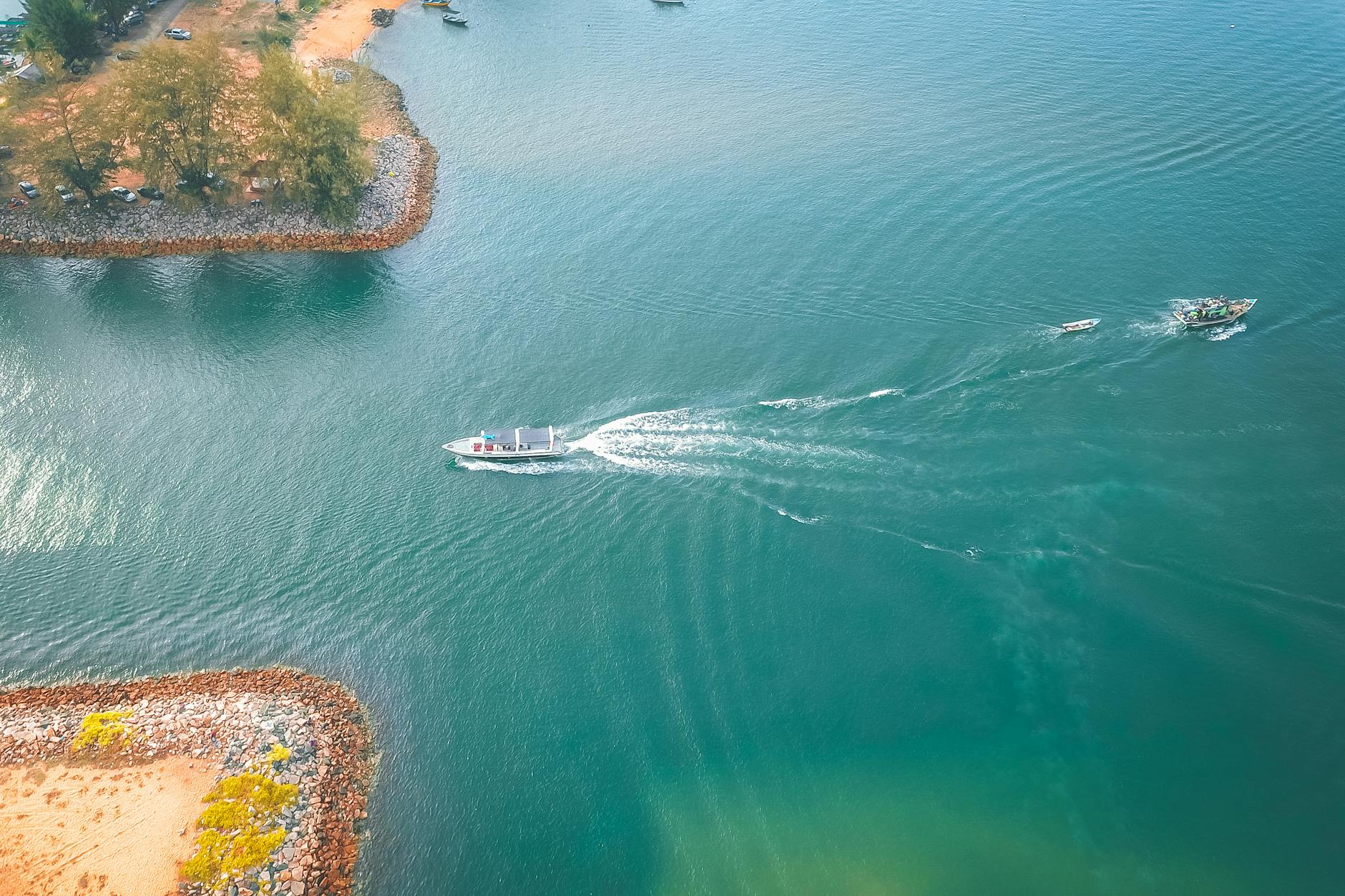
A cruise traveler on a fully managed excursion with modest expectations may not need a custom Malacca City report. A report becomes useful when the traveler is considering an independent shore day, private guide, mobility constraints, family history, dietary needs, religious sites, tight ship timing, or a transfer from a port that is not close to the heritage core.
The report should test disembarkation logistics, road or tender timing, usable city time, route priorities, mobility, heat, rain, food, shopping, worship spaces, pickup points, return margin, budget, and what to cut. The value is a shore day that is interesting without gambling the ship return.
- Order when independent touring, private guides, mobility, food, sacred sites, or ship timing need testing.
- Provide ship schedule, disembarkation point, tour options, mobility needs, food needs, budget, and priorities.
- Use the report to keep the shore day focused, respectful, and return-safe.