A consultant visiting Malacca City has a different planning problem from a leisure traveler. The city may be compact for sightseeing, but the client site, hotel, road transfer, meeting room, meals, and onward route may not line up cleanly. A short engagement can lose value if the consultant arrives tired, underprepared, or in the wrong part of the city. The plan should start with the work outcome: who needs to be met, what must be delivered, what information must remain confidential, and how much recovery time is needed between transport and meetings. The heritage setting matters, but the client day comes first.
Anchor the plan around the client site
Consultants should not assume the best tourist location is the best work location. The client may be near an industrial area, hospital, university, hotel, government office, port-related site, or suburban facility rather than the heritage core. The consultant should map the client site, hotel, meeting venue, dinner location, and onward route before choosing the base.
If the engagement includes multiple stakeholders, the plan should separate where decisions happen from where hospitality happens. A hotel that supports both work and client access may be worth more than a better view.
- Map client site, hotel, meeting venue, dinner location, and onward route before booking.
- Do not assume heritage-core lodging is best for every consulting engagement.
- Separate decision meetings, informal meals, site visits, and recovery time.
Test road timing before protecting a meeting slot
A consultant may arrive by road from Kuala Lumpur, KLIA, Singapore, Johor, or another Malaysian city, sometimes on the same day as the first meeting. That can work only if transfer timing, traffic, rest stops, luggage, border or airport variables, and meeting preparation are treated honestly.
A high-value client session should not depend on a perfect transfer. If arrival is uncertain, the consultant should create a buffer, move the first substantive meeting later, or use the first day for setup and relationship work rather than hard delivery.
- Build road-transfer buffers for traffic, airport or border variables, rest stops, and luggage.
- Avoid putting the first major deliverable immediately after an uncertain arrival.
- Use early time for setup or relationship work when same-day arrival risk is high.
Choose a hotel that supports work between meetings
A consultant's room may need to function as a quiet office, document review point, video-call space, and recovery base. Desk quality, chair comfort, lighting, Wi-Fi, mobile signal, power outlets, printer access, laundry, breakfast hours, and late check-in can matter more than decor.
If the consultant needs confidentiality, the hotel should also support private calls and document control. A noisy heritage property may be charming but weak for revisions, sensitive conversations, or early preparation.
- Check desk, chair, lighting, Wi-Fi, signal, outlets, printer access, laundry, and breakfast hours.
- Assess privacy for calls, document review, and sensitive client material.
- Choose charm only when it does not weaken work readiness.
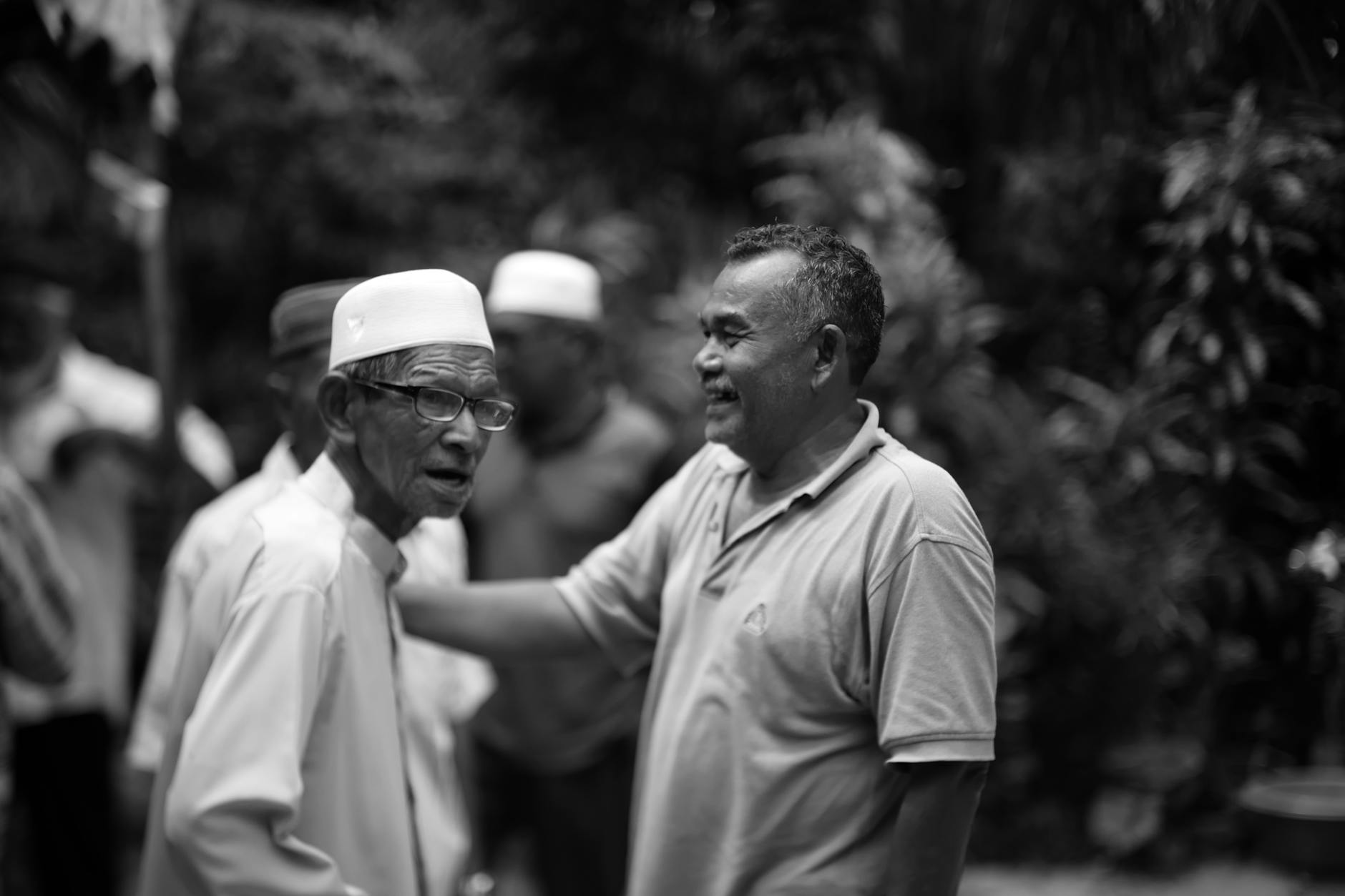
Protect devices, documents, and connectivity
Consultants often travel with laptops, client files, slide decks, adapters, authentication devices, mobile hotspots, payment cards, and backup documents. A short Malacca City trip can still expose the work to ordinary failures: weak Wi-Fi, dead battery, lost charger, wet bag, delayed luggage, or lack of a quiet place to repair a document.
The consultant should create redundancy before arrival. Offline files, backup power, local data, printed essentials, secure cloud access, and a clear device-carry policy can prevent small operational failures from becoming client-facing problems.
- Prepare offline files, backup power, local data, adapters, printed essentials, and secure access.
- Protect laptops and documents from rain, crowding, luggage delays, and lost chargers.
- Set a device-carry and backup policy before moving between hotel, car, meals, and client site.
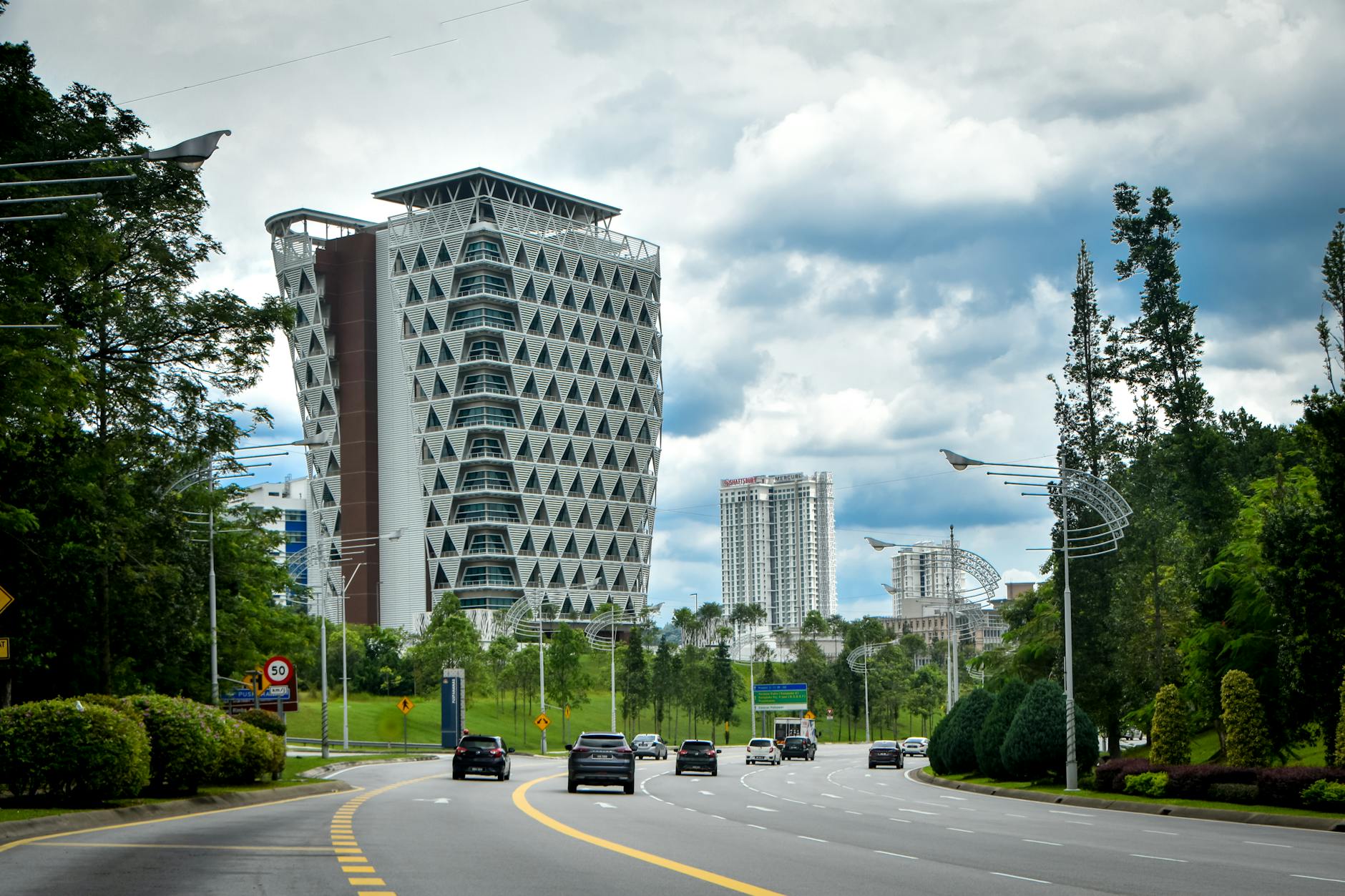
Use client meals without losing control of the day
Client meals in Malacca City can be important for trust, especially when visitors are introduced to Peranakan food, riverfront restaurants, hotel dining, or local cafes. The consultant should still manage timing, dietary limits, alcohol expectations, privacy, payment norms, seating, noise, and how the meal connects to the next meeting.
A meal can deepen the engagement or consume the recovery window. The consultant should decide in advance whether the dinner is relationship-building, decision-making, or purely hospitality, and plan the next day's work accordingly.
- Clarify meal purpose, timing, privacy, seating, payment, alcohol expectations, and dietary limits.
- Avoid late hospitality that damages the next morning's delivery.
- Use food culture thoughtfully without letting it replace the work agenda.
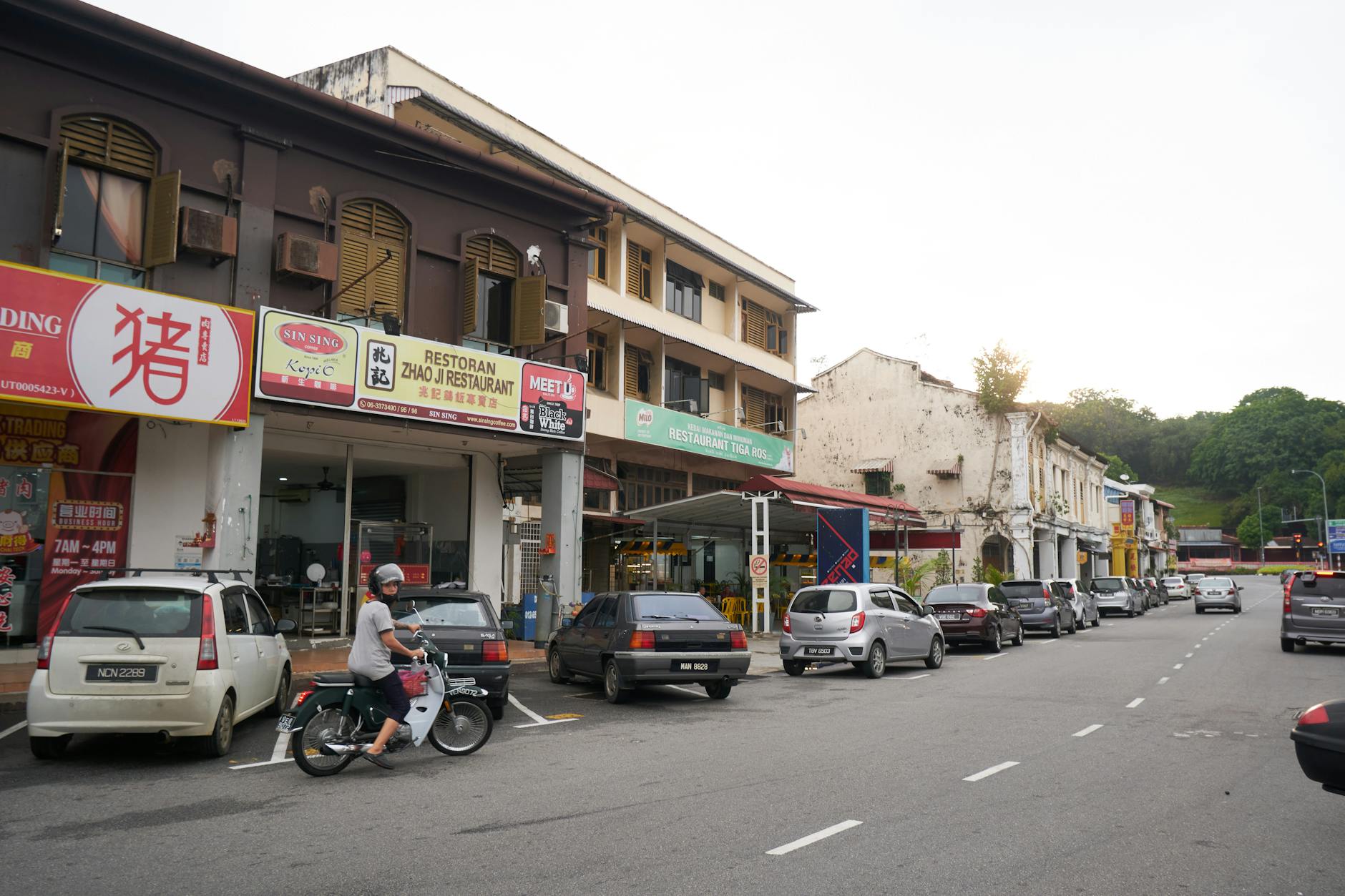
Control scope, sightseeing, and fatigue
A client may want to show the consultant the riverfront, heritage streets, museums, or dinner areas, and the consultant may want some personal time in the city. That can be worthwhile, but the consultant should protect meeting preparation, sleep, follow-up notes, and onward travel.
The plan should include one compact heritage window only if the work schedule can absorb it. A consultant trip succeeds when the traveler leaves with the client's problem advanced, not when every visible landmark has been photographed between meetings.
- Limit sightseeing to a compact window that does not weaken preparation or follow-up.
- Protect sleep, notes, document revisions, and onward travel after client hospitality.
- Keep the engagement's work outcome ahead of the city's leisure appeal.
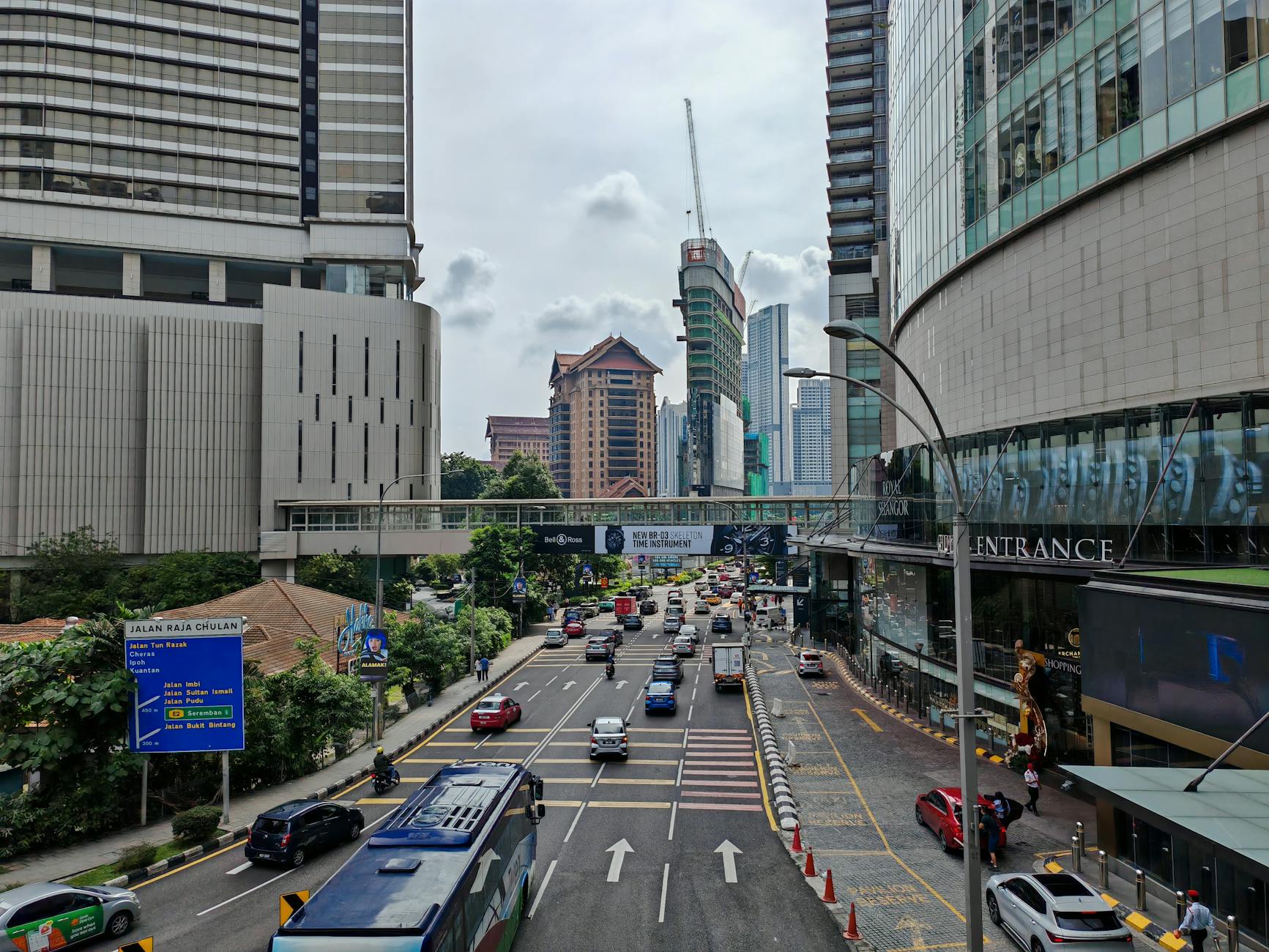
When to order a short-term travel report
A consultant with a single hotel meeting and generous timing may not need a custom Malacca City report. A report becomes useful when the trip includes road-transfer risk, client-site uncertainty, multiple meetings, confidentiality needs, unusual equipment, dietary or medical constraints, tight onward travel, or unclear tradeoffs between work and hospitality.
The report should test arrival timing, client-site geography, hotel work setup, meeting sequence, device backups, meals, weather, transport, medical access, privacy, budget, and what to cut. The value is a consultant trip that protects the client outcome instead of merely reaching the city.
- Order when road timing, client geography, equipment, confidentiality, meals, or onward travel need testing.
- Provide dates, client locations, agenda, hotel options, work needs, constraints, budget, and priorities.
- Use the report to make the short engagement reliable under local conditions.