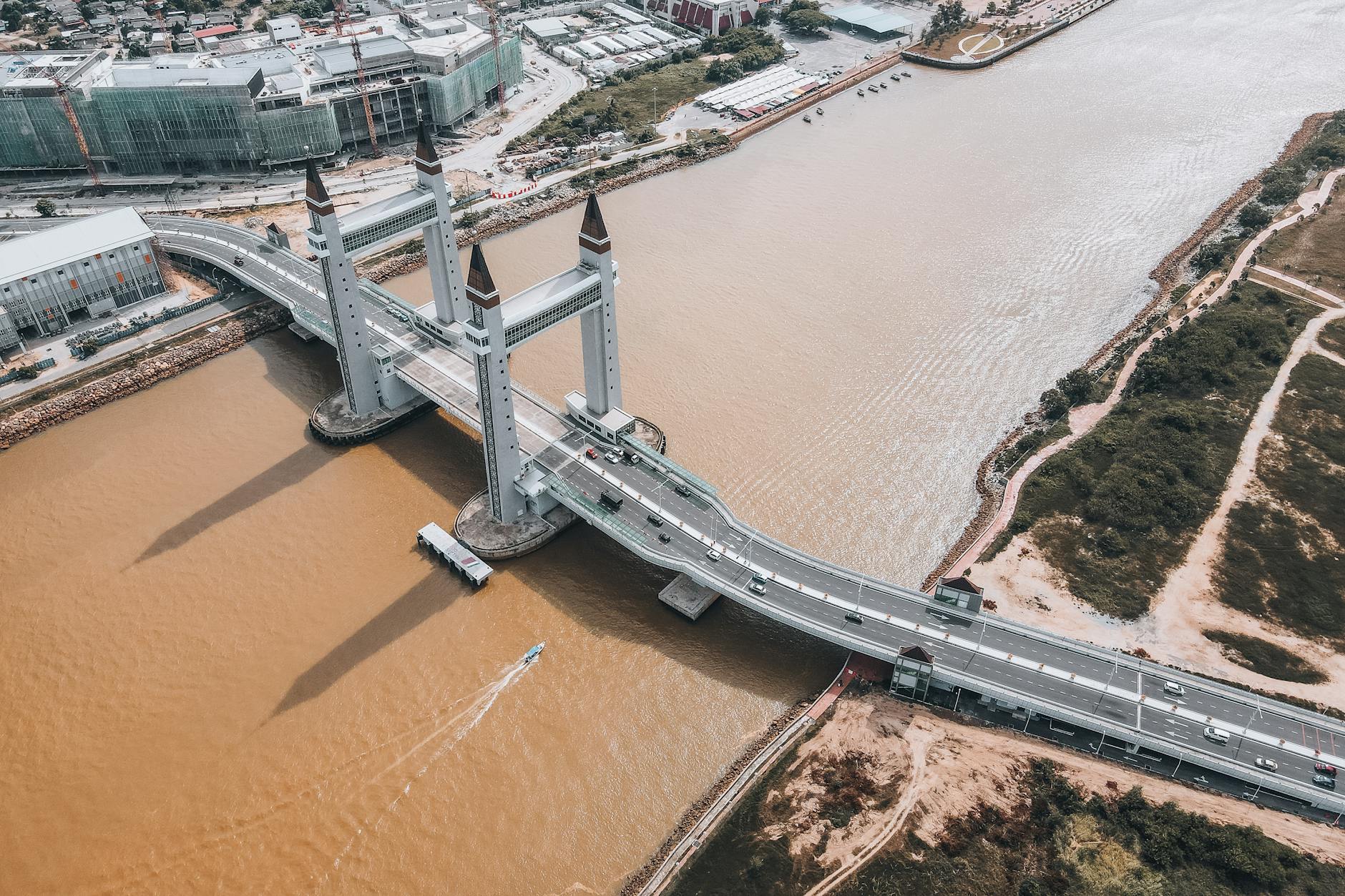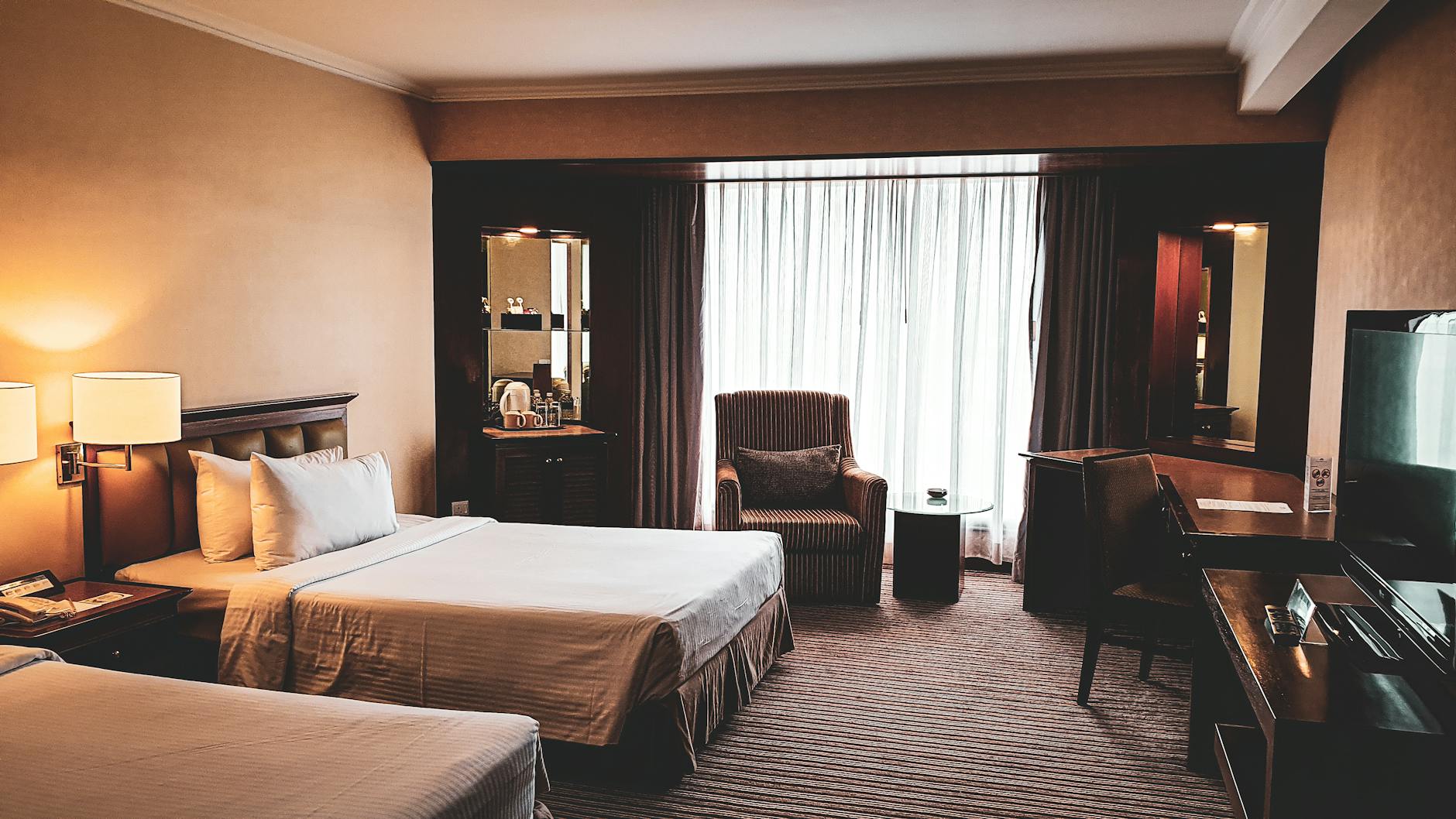
A conference trip to Malacca City is usually shaped by two things that the agenda may not show clearly: the road arrival and the distance between the venue, hotel, receptions, meals, and heritage areas. The traveler may be attending a business, professional, academic-adjacent, government, association, or training event, and each format creates different pressure points. The attendee should treat the trip as an operating plan, not just a registration and hotel booking. Badge pickup, session timing, vehicle access, heat, rain, wardrobe changes, devices, networking meals, and onward movement all need to work in a short window.
Arrive early enough for the event to start cleanly
Many conference attendees reach Malacca City by road from Kuala Lumpur, KLIA, Singapore, Johor, or another Malaysian base. Traffic, rain, rest stops, driver reliability, airport timing, and border or intercity connections can all affect whether the traveler reaches registration calmly.
The attendee should avoid scheduling badge pickup, a welcome reception, a first meeting, or a speaking obligation immediately after a fragile transfer. The event starts before the first session if the arrival is complicated.
- Plan road timing from Kuala Lumpur, KLIA, Singapore, Johor, or another base with buffers.
- Leave time for check-in, badge pickup, food, cooling down, and orientation.
- Avoid placing a speaking role or key meeting immediately after arrival.
Choose the hotel by venue geography
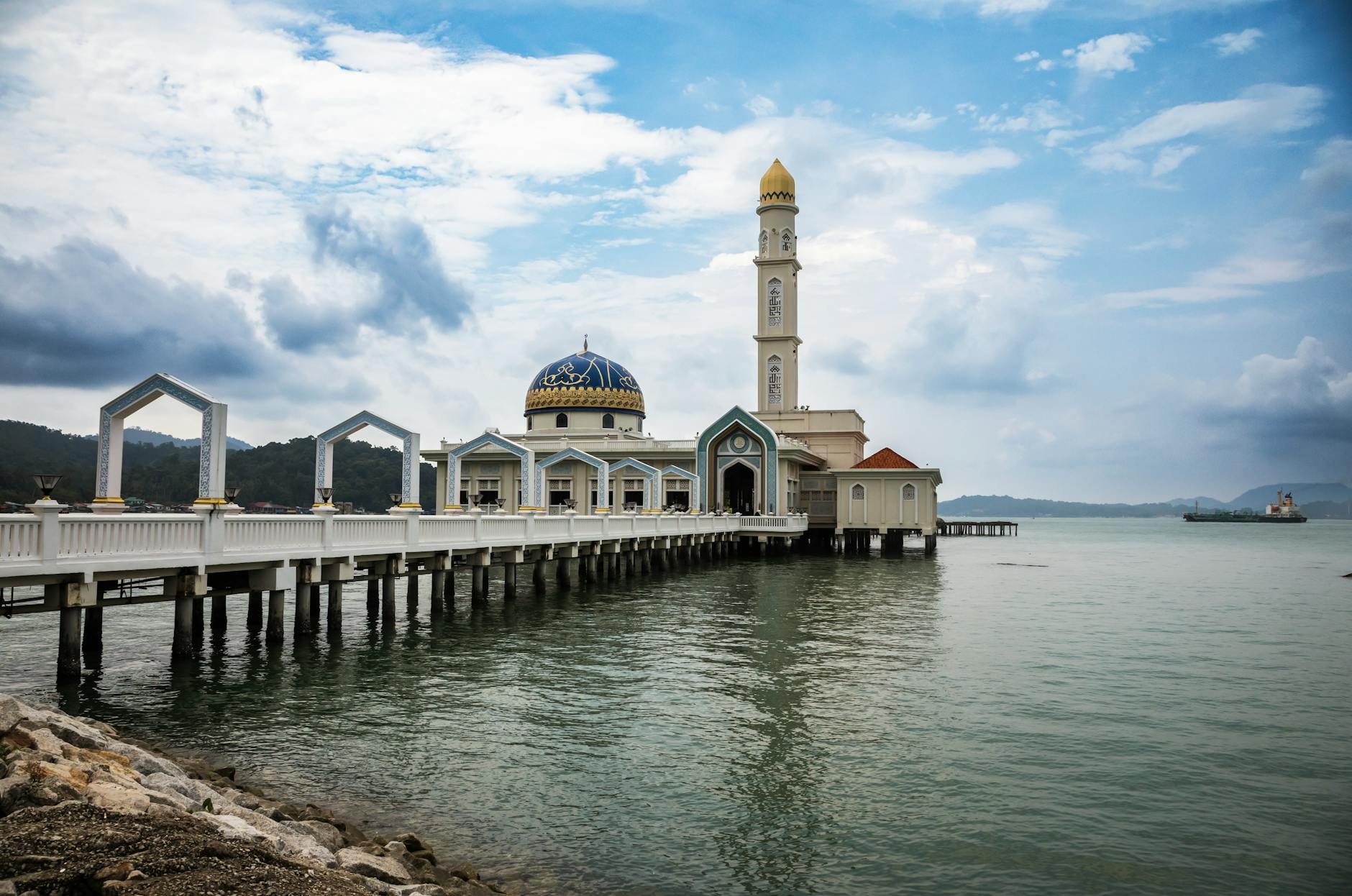
The best hotel depends on where the event actually happens: main session rooms, breakout spaces, exhibition areas, reception venues, shuttle pickup points, client meetings, and sponsor dinners. A heritage-core hotel may be appealing, but a venue-adjacent base can protect punctuality and wardrobe changes.
The traveler should know whether walking is realistic in heat or rain, whether vehicles can reach the entrance, and whether returning to the room between sessions is possible. The wrong hotel can make every conference day feel rushed.
- Map session rooms, breakouts, exhibits, receptions, shuttle points, meetings, and dinners.
- Choose lodging that protects punctuality, rest breaks, and wardrobe changes.
- Check walking, ride access, and return-to-room feasibility before booking.
Prepare wardrobe, devices, and materials
Conference travel can fail on small details: adapters, chargers, backup battery, laptop storage, QR codes, business cards, presentation files, name badge, receipts, comfortable shoes, rain protection, and a change of shirt after humid movement. Malacca City's climate makes wardrobe planning more practical than cosmetic.
If the attendee is speaking, exhibiting, selling, moderating, or meeting prospects, they should have backups for slides, files, handouts, appointment details, and contact capture. The day should not depend on one device behaving perfectly.
- Pack adapters, chargers, backup battery, files, QR codes, business cards, and rain protection.
- Plan clothing and shoes around heat, humidity, and repeated movement.
- Carry backups for presentations, meetings, handouts, and contact capture.
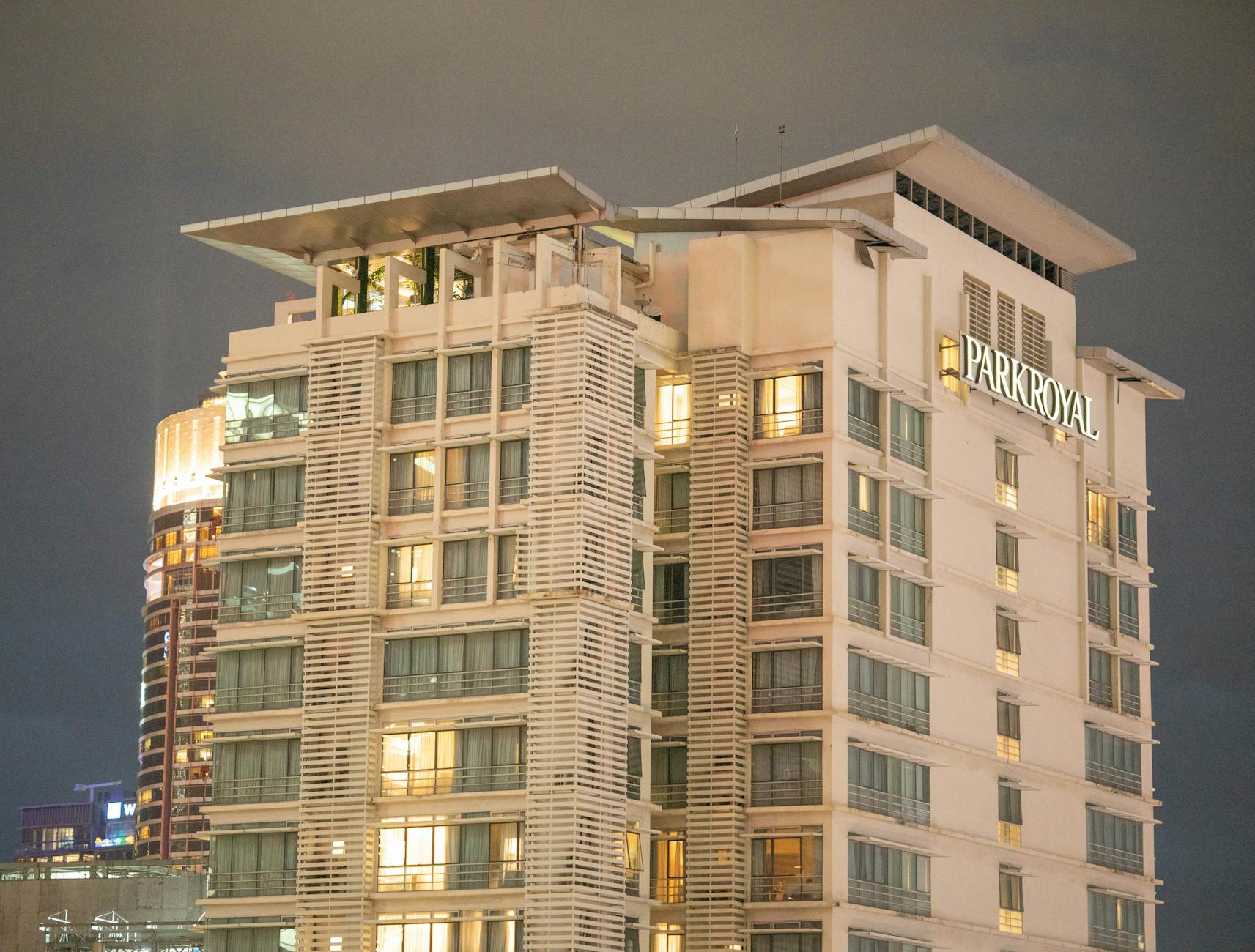
Account for heritage-core traffic around event hours
Malacca City's popular heritage areas can create traffic, parking pressure, slow walking, and crowding, especially on weekends or around evening activity. Conference attendees should not assume a short map distance means a short transfer between venue, hotel, dinner, and sightseeing.
Pickup points, return routes, and dinner timing should be set before the attendee is already late. If a vehicle cannot get close to a heritage-area restaurant, the plan should include the walk from the drop-off point.
- Plan around heritage-core traffic, parking, crowding, weekend pressure, and slow walking.
- Set pickup points and return routes before the day is under time pressure.
- Check whether vehicles can actually reach dinner or reception entrances.
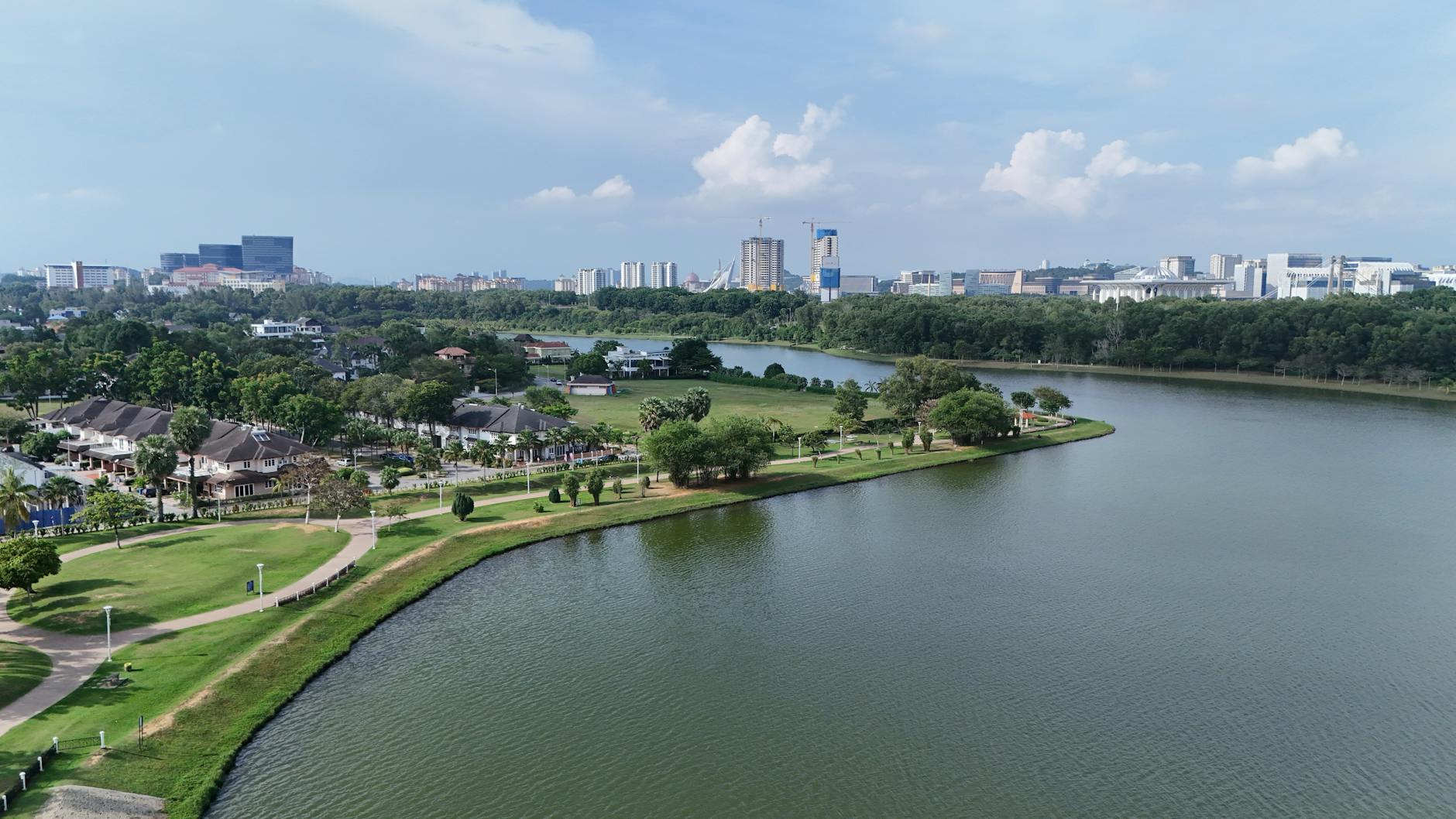
Use networking meals without draining the event
Conference meals may include hotel breakfasts, coffee breaks, sponsored dinners, riverfront restaurants, Peranakan meals, private client meetings, and informal late conversations. These can be valuable, but they can also consume rest, preparation, and follow-up time.
The traveler should decide which meals matter commercially or professionally and which are optional. Dietary restrictions, alcohol expectations, payment norms, noise, privacy, and transport after dinner should be clarified before the meal becomes the entire evening.
- Separate essential networking meals from optional social meals.
- Plan diet, alcohol expectations, payment, privacy, noise, and post-meal transport.
- Protect rest, follow-up, and preparation for the next day.
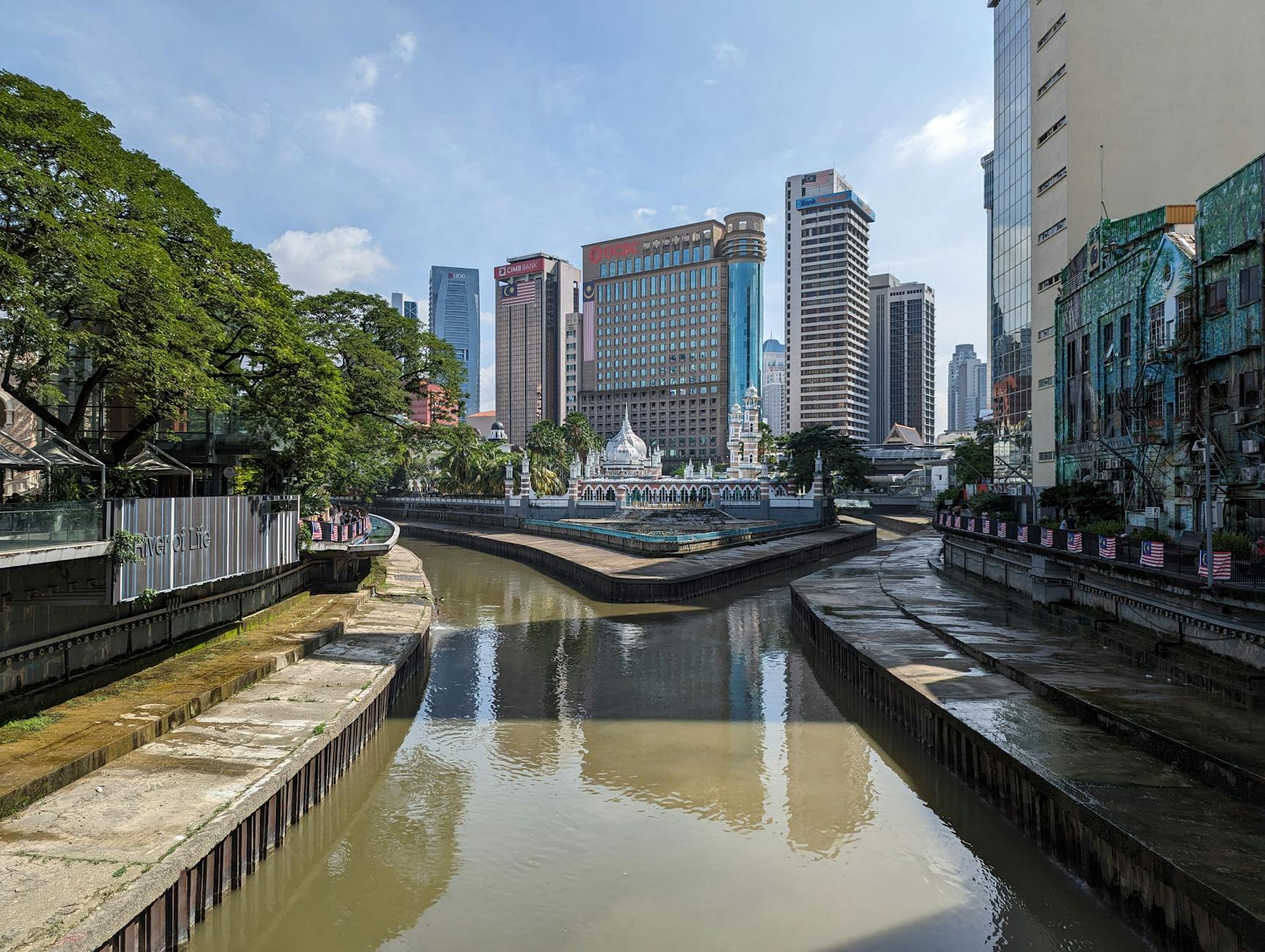
Fit sightseeing around the event, not against it
A conference attendee may want the river, Dutch Square, museums, cafes, night markets, and religious sites, but the event should remain the anchor. Sightseeing that creates heat stress, wet clothes, late returns, or missed follow-up can weaken the reason for the trip.
The better plan is to choose one compact heritage route, one meal, or one riverfront window that fits the conference schedule cleanly. Malacca City can add value to the trip without taking control of it.
- Choose one compact sightseeing window that fits the conference schedule.
- Avoid heat, rain, late returns, or long walks before important sessions.
- Let sightseeing support the trip rather than compete with the event purpose.
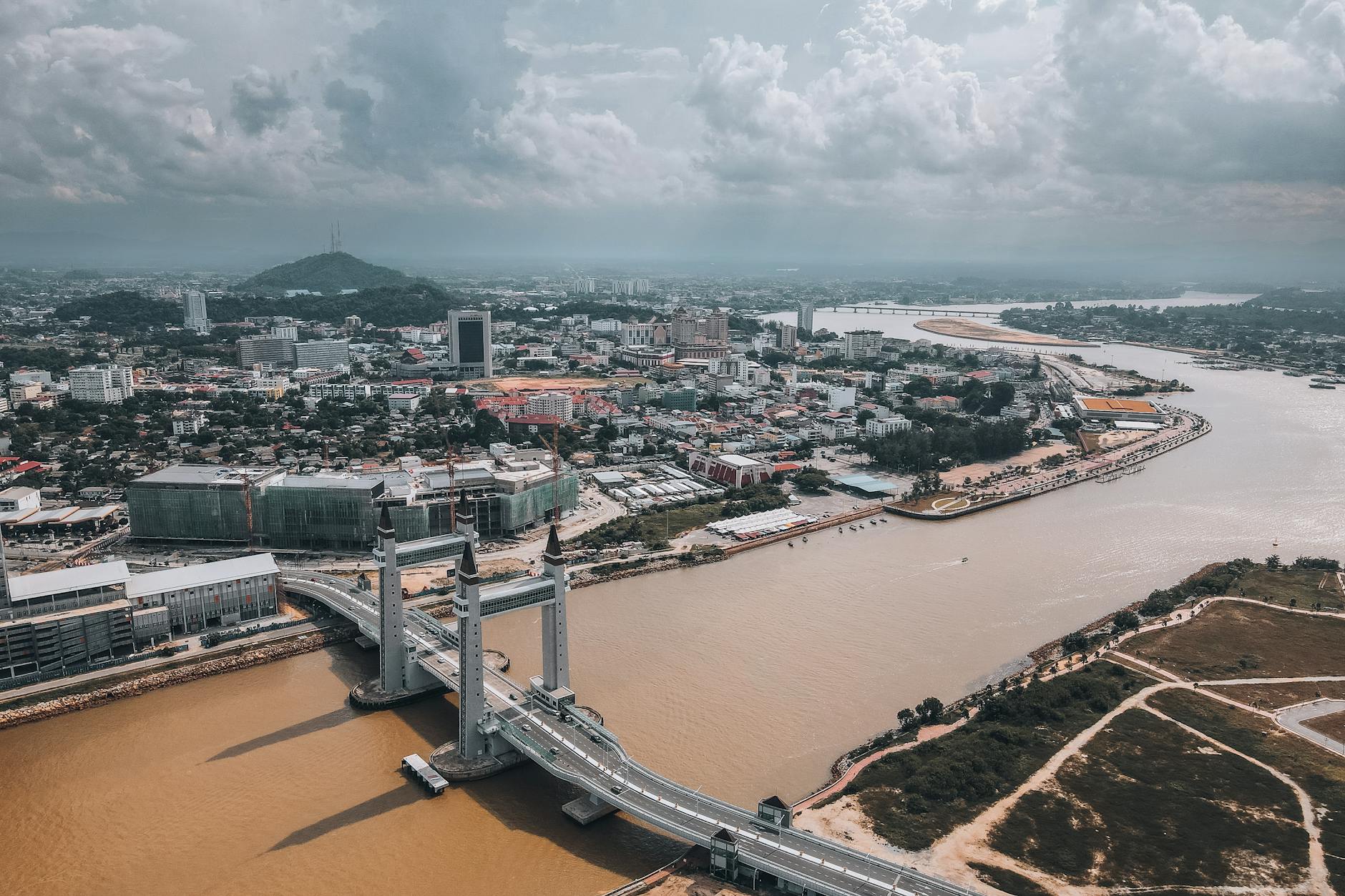
When to order a short-term travel report
A conference attendee staying at the event hotel with a fully managed schedule may not need a custom Malacca City report. A report becomes useful when the trip includes road transfers, off-site sessions, client meetings, speaking duties, multiple dinner obligations, medical or dietary constraints, limited time, or a tight onward connection.
The report should test arrival timing, hotel choice, venue geography, transfer routes, wardrobe needs, device backups, meals, traffic, weather, sightseeing windows, medical access, budget, and what to cut. The value is a conference trip that works outside the ballroom as well as inside it.
- Order when transfers, venues, meetings, speaking duties, meals, constraints, or onward travel require testing.
- Provide dates, venue details, hotel options, agenda, obligations, constraints, budget, and priorities.
- Use the report to keep the event purpose protected under real Malacca City conditions.