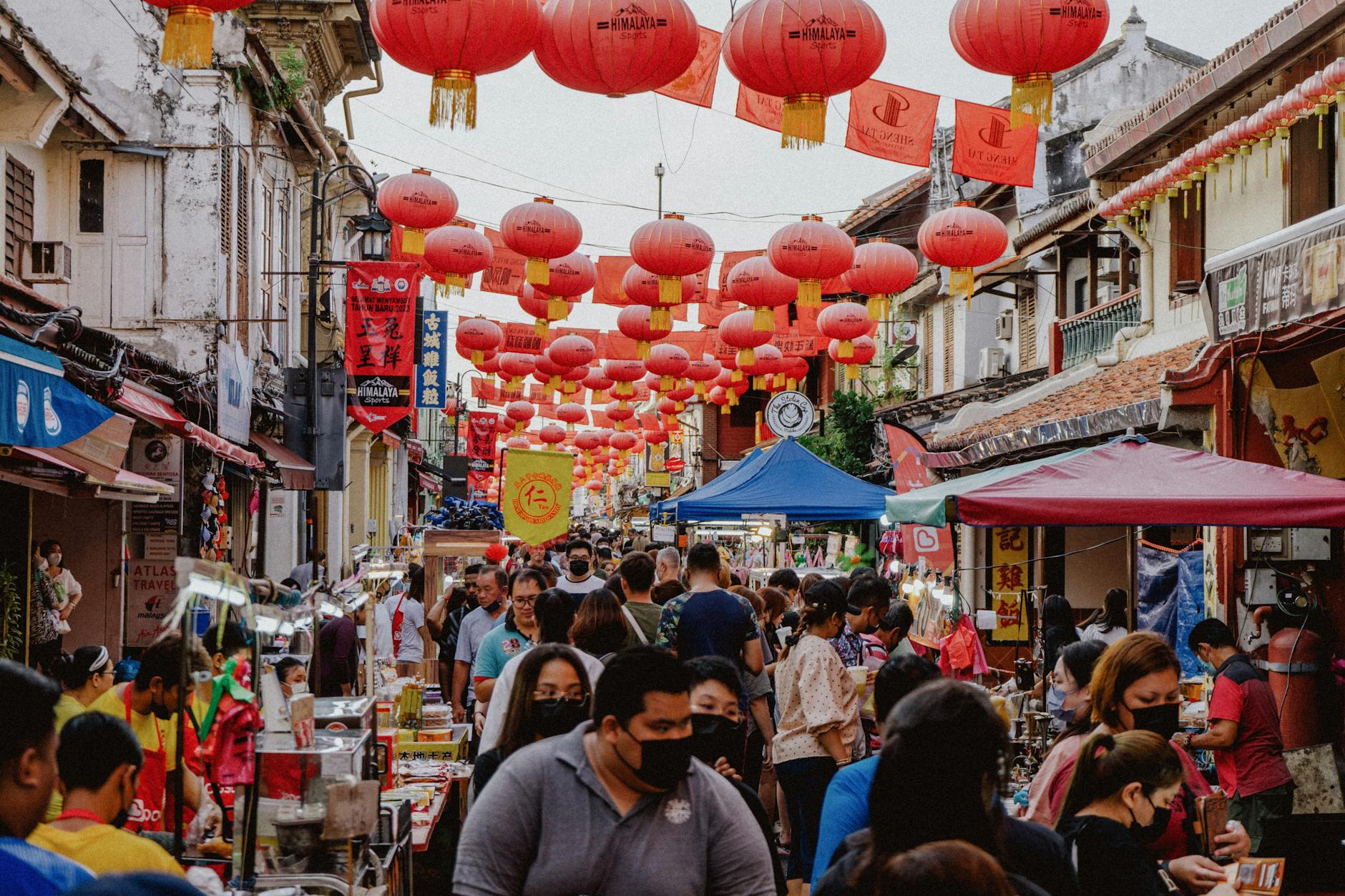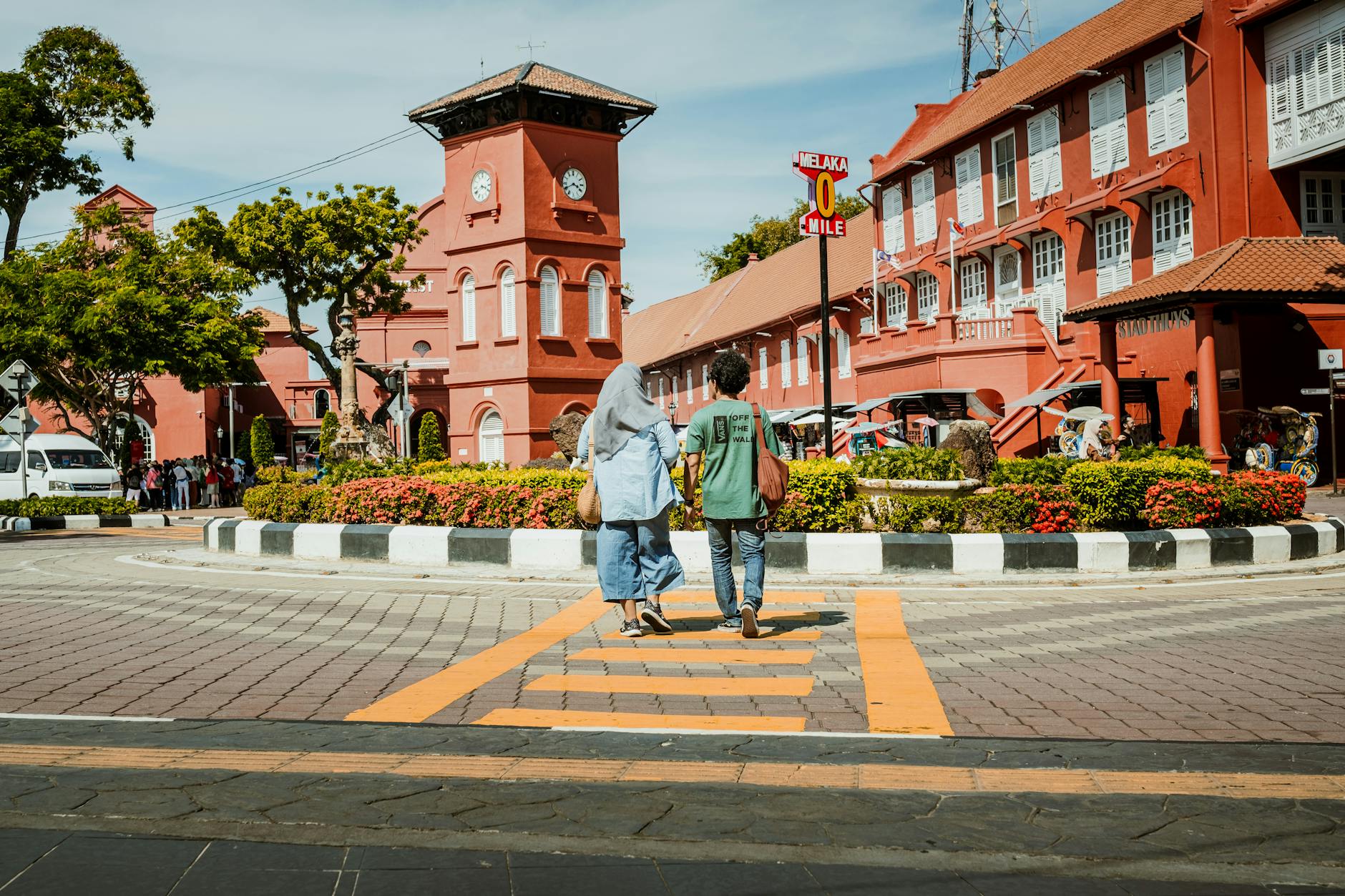
A business visit to Malacca City is often shaped by road timing as much as by the meeting itself. The traveler may be coming from Kuala Lumpur, KLIA, Singapore, Johor, or another Malaysian city, and the route into Melaka can decide whether the first meeting begins calmly or under pressure. Malacca City also blends heritage tourism, riverfront activity, hotels, government or education links, manufacturing and service sites, and client meals. A useful business plan should separate what is charming from what is operationally convenient.
Plan the road arrival before the meeting day
Many Malacca City business trips depend on a road transfer from Kuala Lumpur, KLIA, Singapore, Johor, or another Malaysian base. The traveler should not treat this as a simple city taxi ride. Traffic, driver reliability, rest stops, border or airport timing, and rain can all affect arrival quality.
If the first meeting matters, the traveler should arrive with enough time to check in, cool down, change, eat, and review materials. A same-day road arrival is possible, but it needs honest buffers.
- Plan road timing from Kuala Lumpur, KLIA, Singapore, Johor, or another base with real buffers.
- Account for traffic, driver reliability, rest stops, rain, and arrival fatigue.
- Avoid putting the highest-value meeting immediately after a fragile transfer.
Map meetings outside the heritage core
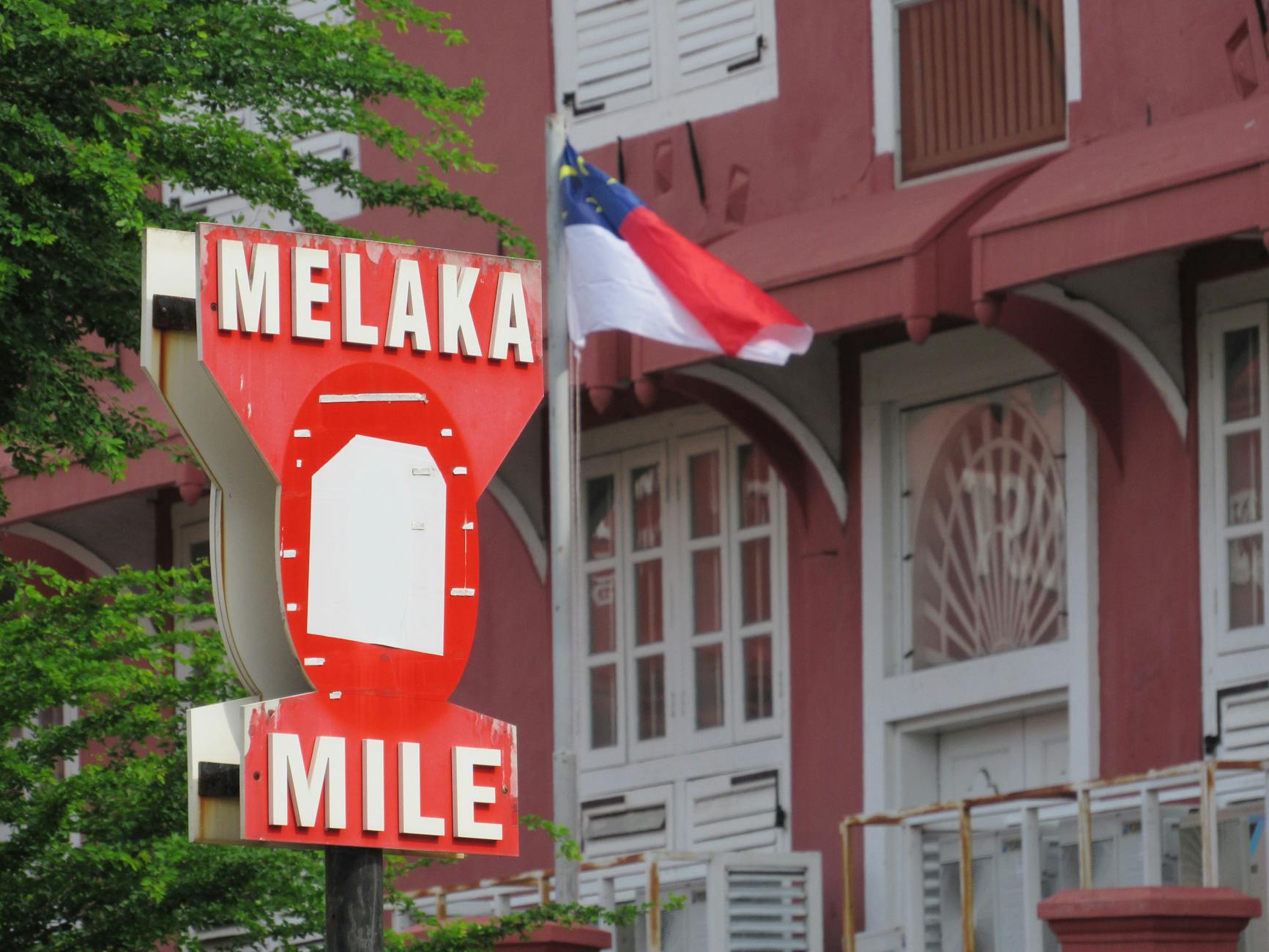
A business visitor should map the real meeting geography before choosing a hotel: offices, client sites, government offices, education partners, factories, warehouses, hotels, restaurants, and any locations outside the tourist center. The most attractive heritage base may not be the most efficient business base.
If meetings are split between the heritage core and wider Melaka, the traveler should decide which appointment deserves proximity. The wrong base can turn a short visit into repeated traffic decisions.
- Map offices, client sites, government offices, campuses, factories, warehouses, hotels, and restaurants.
- Choose the hotel around the highest-value meeting geography.
- Do not assume the heritage core is the correct base for every business trip.
Choose lodging for work control
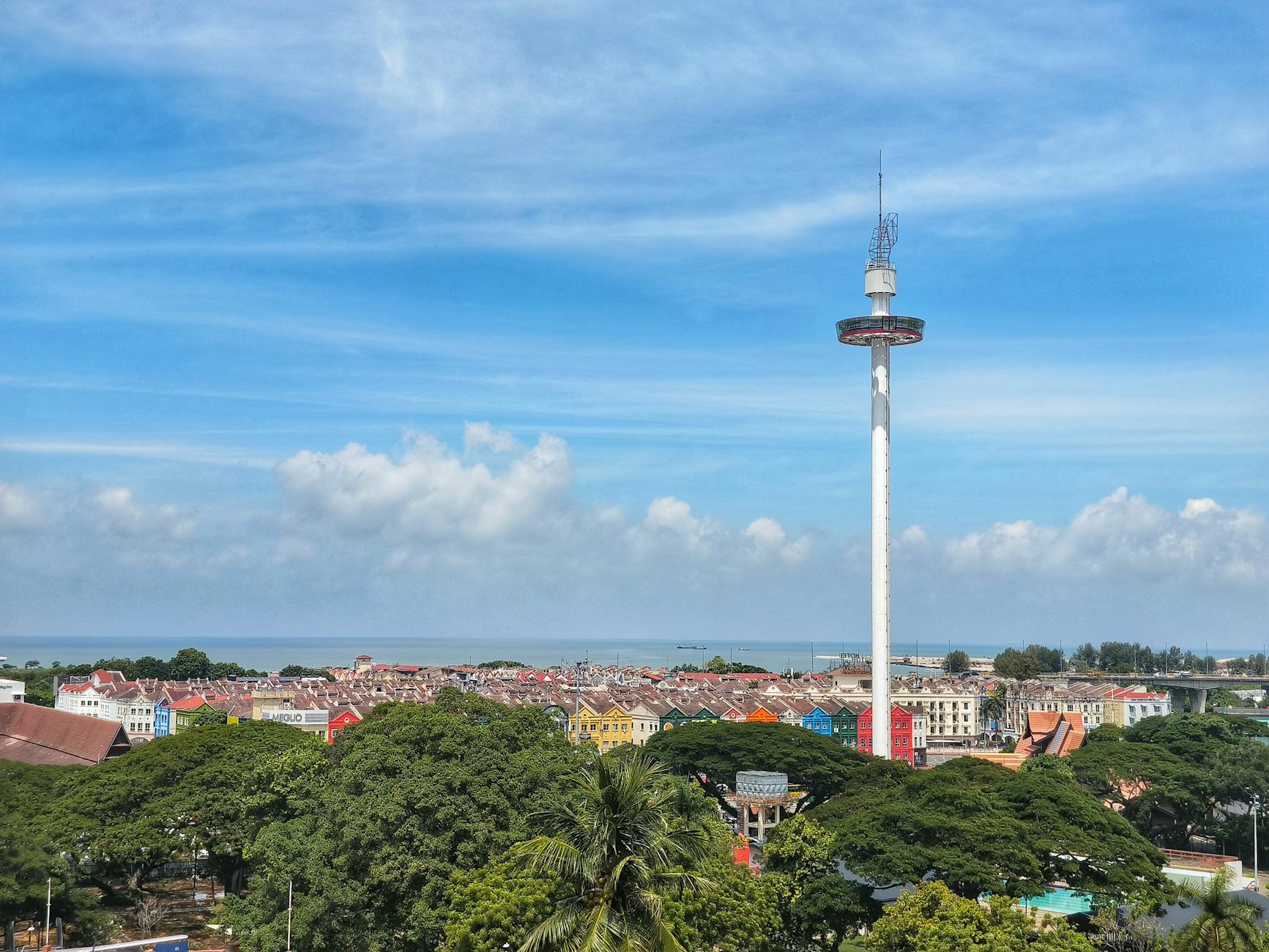
A business hotel should support the workday: quiet sleep, reliable Wi-Fi, cooling, breakfast timing, easy vehicle access, room workspace, laundry or pressing, and enough privacy for calls. Heritage character is useful only if it does not weaken these basics.
If the traveler needs to host a client, prepare slides, handle confidential calls, or leave early for a site visit, the hotel should be treated as operating infrastructure rather than just accommodation.
- Check Wi-Fi, cooling, quiet sleep, breakfast timing, vehicle access, workspace, and laundry.
- Choose charm only when it does not compromise business basics.
- Treat the hotel as infrastructure for calls, preparation, and early movement.
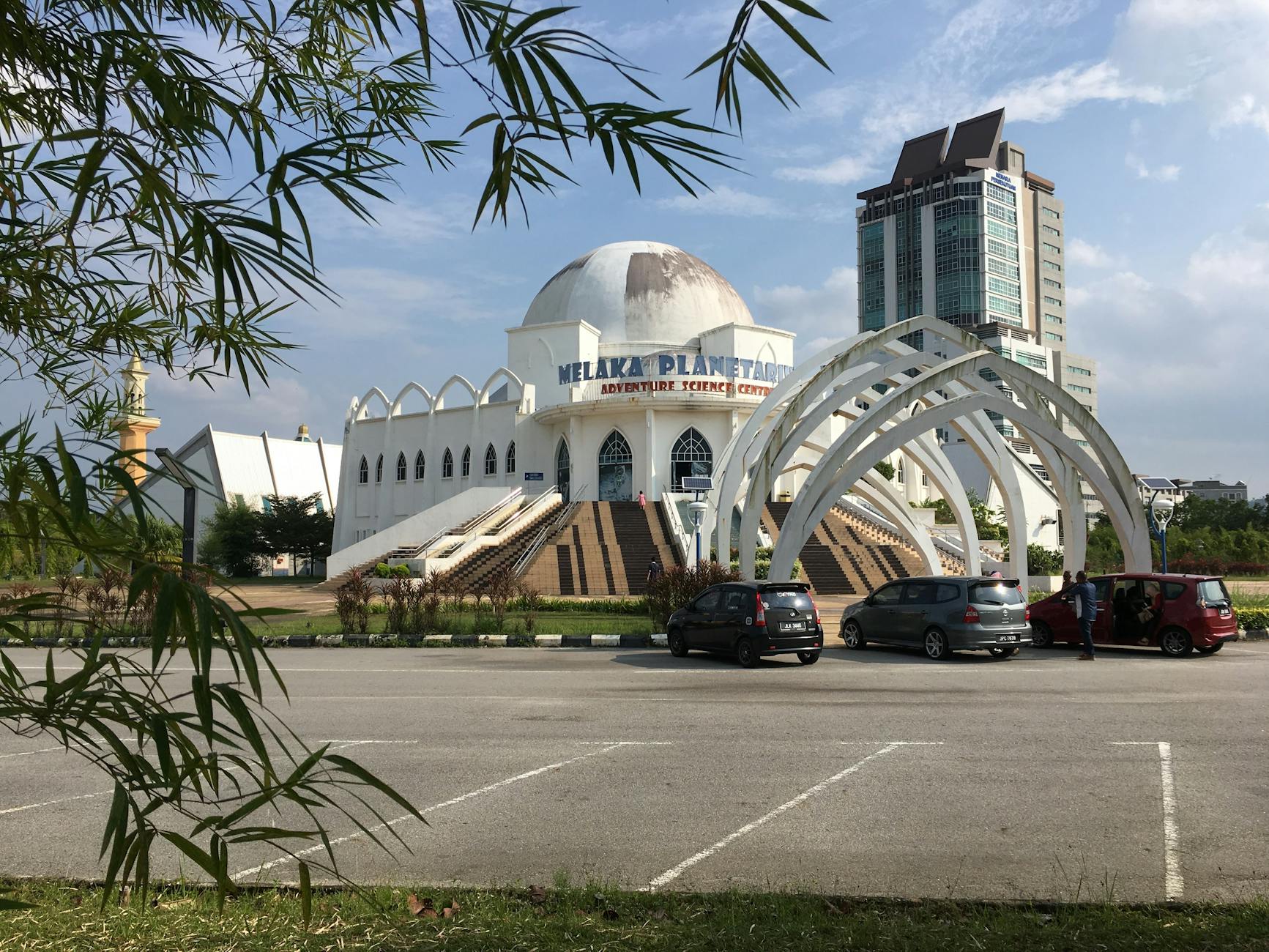
Handle heritage-core traffic and parking deliberately
Malacca City's heritage areas can be valuable for client meals and short walks, but they can also create congestion, parking friction, weekend crowding, and slow movement. A business visitor should know when to walk, when to ride, and when to avoid bringing a vehicle into the busiest area.
Meeting locations, pickup points, and restaurant timing should be set before the traveler is already late. The heritage core rewards patience; business schedules often do not.
- Plan around heritage-core congestion, parking, weekend crowding, and slow movement.
- Set pickup points and restaurant timing before the schedule is under pressure.
- Avoid driving into the busiest areas when walking or a controlled drop-off works better.
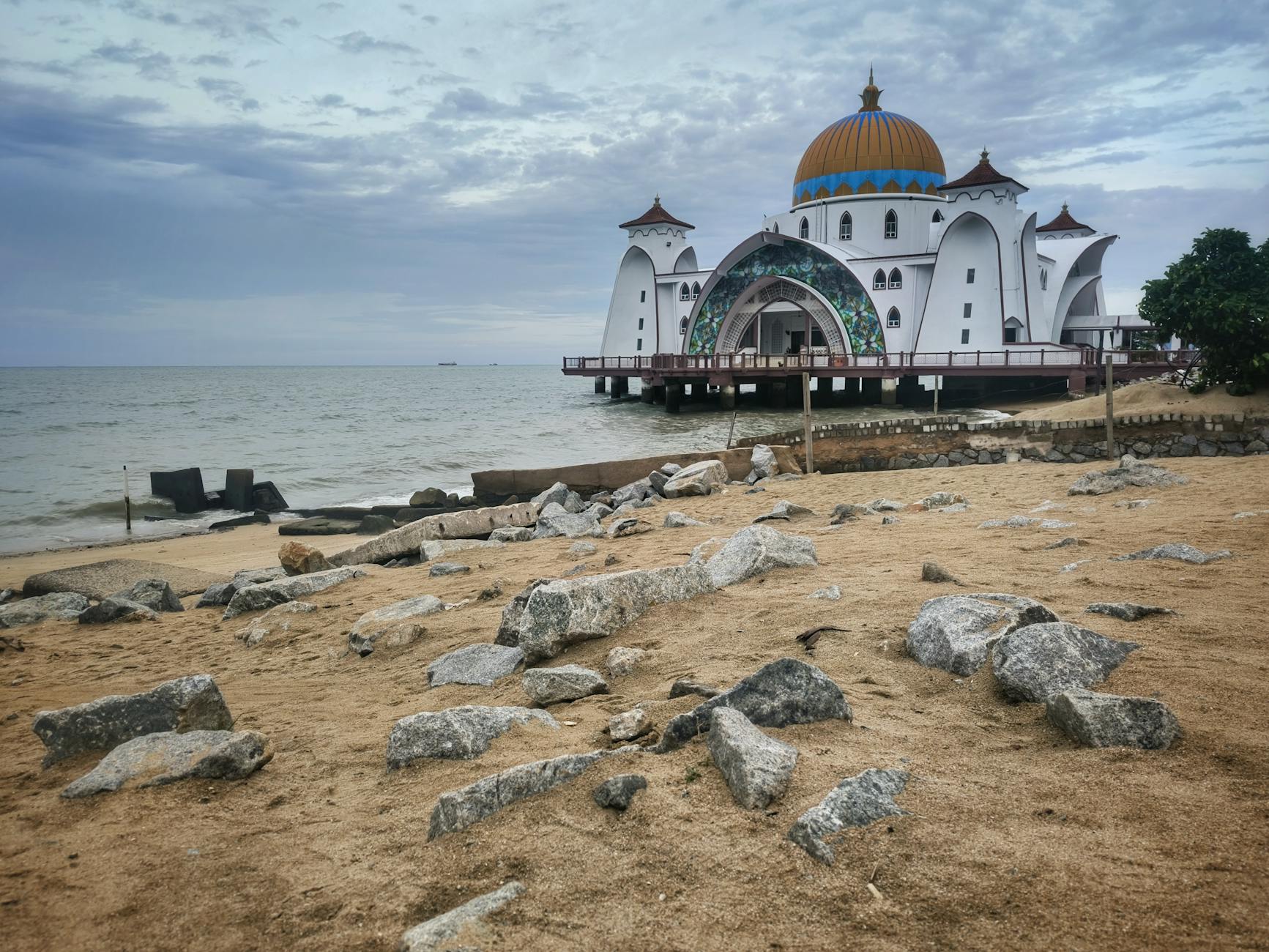
Use client meals without turning them into sightseeing
Malacca City offers strong meal settings for business visitors, from hotel restaurants and riverfront venues to Peranakan food and heritage-area cafes. The right choice depends on privacy, noise, dietary needs, parking, alcohol expectations, and whether the meal is relationship-building or decision-making.
A client meal should not accidentally become a long tourist outing unless that is the agreed purpose. The traveler should know how the meal ends, where the next transfer starts, and whether follow-up work still needs to happen that evening.
- Choose meals by privacy, noise, diet, parking, alcohol expectations, and business purpose.
- Separate relationship-building meals from decision-making meals.
- Plan the post-meal transfer and follow-up window before sitting down.
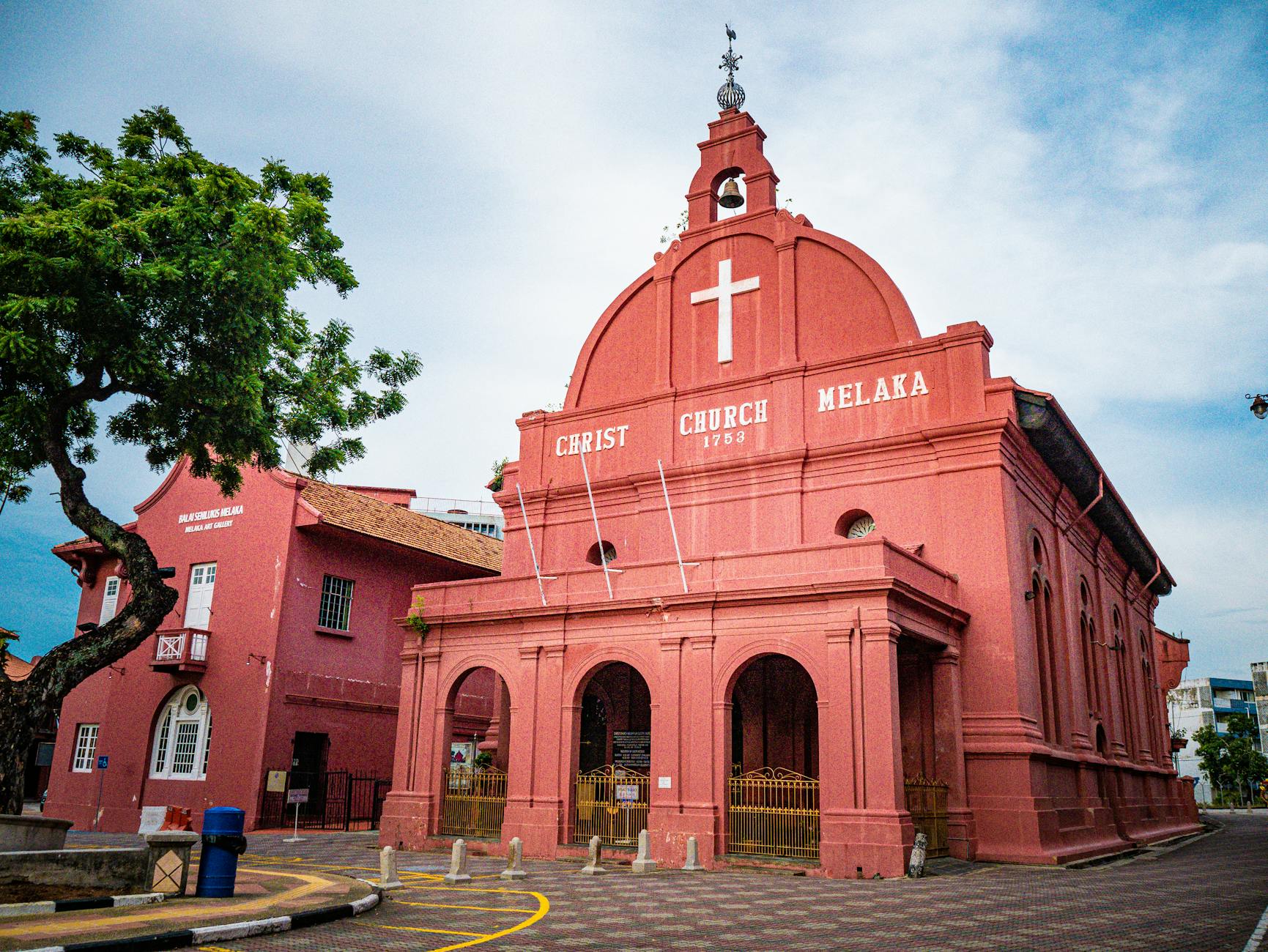
Protect follow-up and onward movement
A short Malacca City business visit can lose value if the traveler leaves no time for notes, revised pricing, stakeholder messages, site-visit photos, receipts, or the next road transfer. The evening after meetings may be tempting, but the commercial value usually sits in the follow-up.
The traveler should reserve a quiet work block before leaving for Kuala Lumpur, the airport, Singapore, or another Malaysian city. If the next transfer is early, the work block should happen before dinner expands.
- Reserve time for notes, pricing, stakeholder messages, receipts, and site-visit documentation.
- Plan the next road transfer before the evening fills with meals or sightseeing.
- Use a quiet work block while meeting details are still fresh.
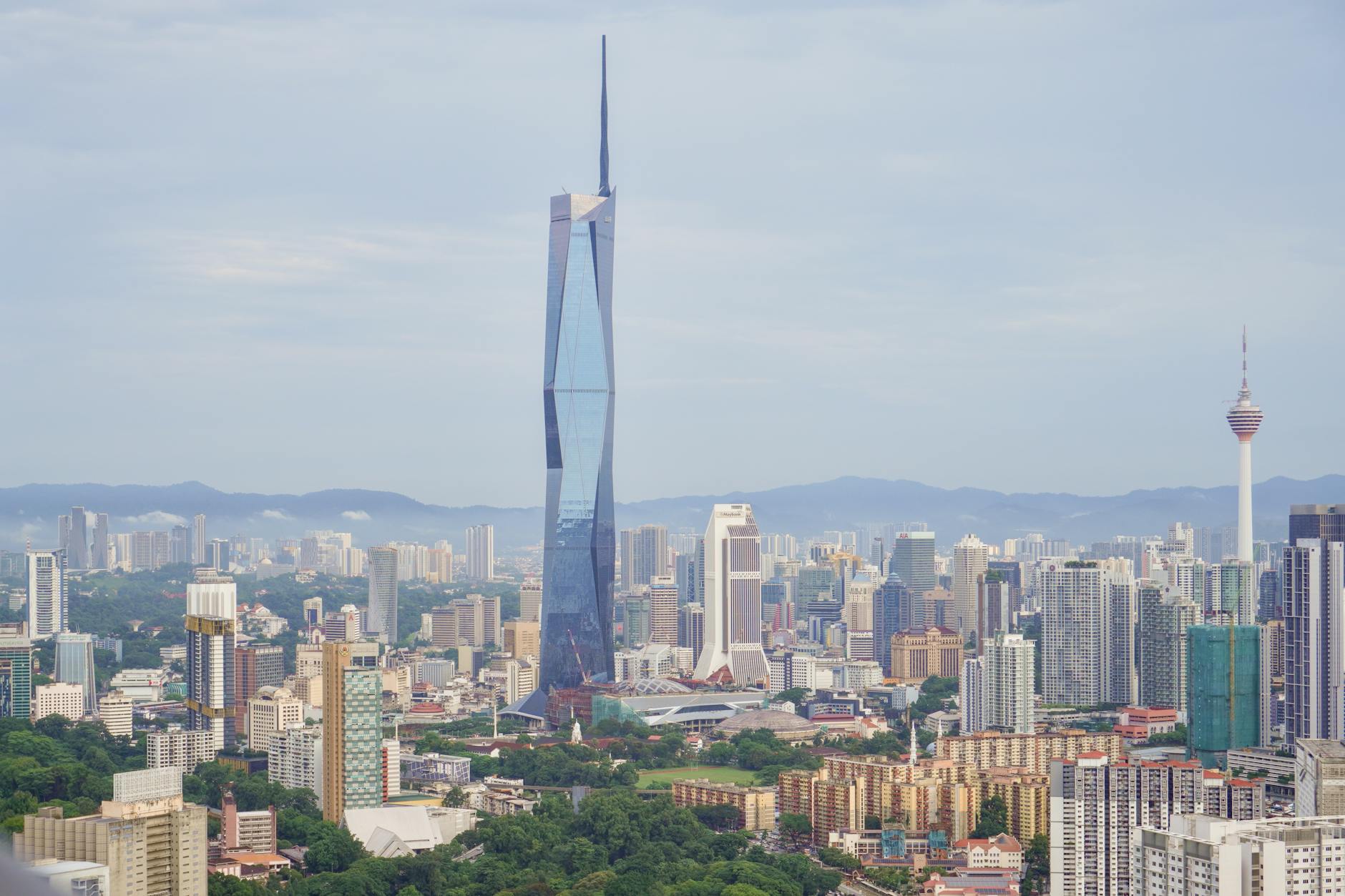
When to order a short-term travel report
A traveler with one flexible meeting and local support may not need a custom Malacca City report. A report becomes useful when the trip includes road transfers, multiple meeting sites, senior travelers, client meals, same-day arrival, industrial or campus visits, medical or dietary constraints, or a tight onward connection.
The report should test arrival timing, hotel choice, meeting geography, traffic, parking, transport, meal settings, weather, follow-up time, medical access, budget, and what to cut. The value is a short commercial visit that works under real Melaka conditions.
- Order when road transfers, multiple sites, client meals, senior travelers, or tight onward movement require testing.
- Provide dates, arrival route, meeting locations, hotel options, meal plans, constraints, budget, and priorities.
- Use the report to protect the business purpose from preventable travel friction.