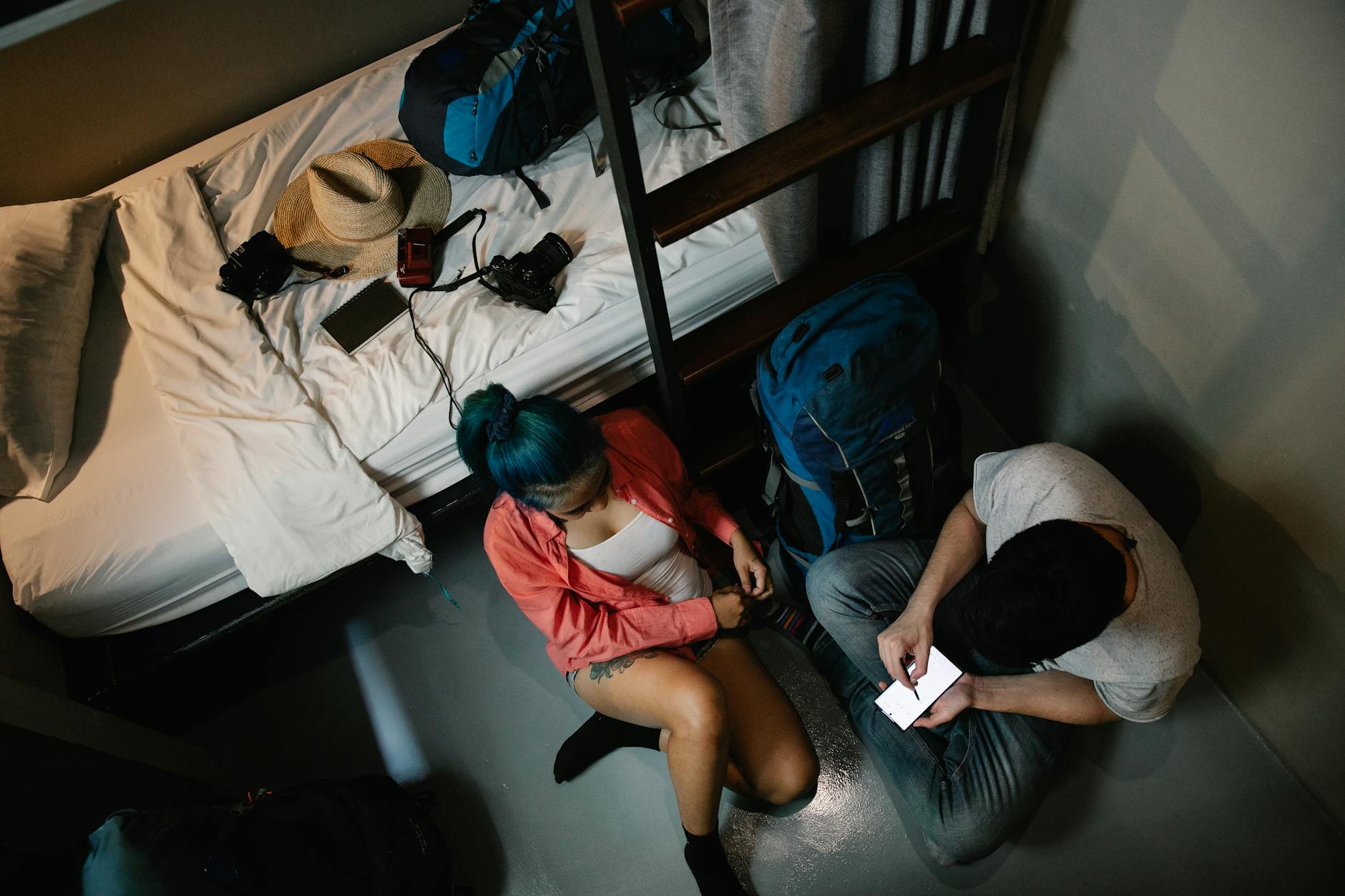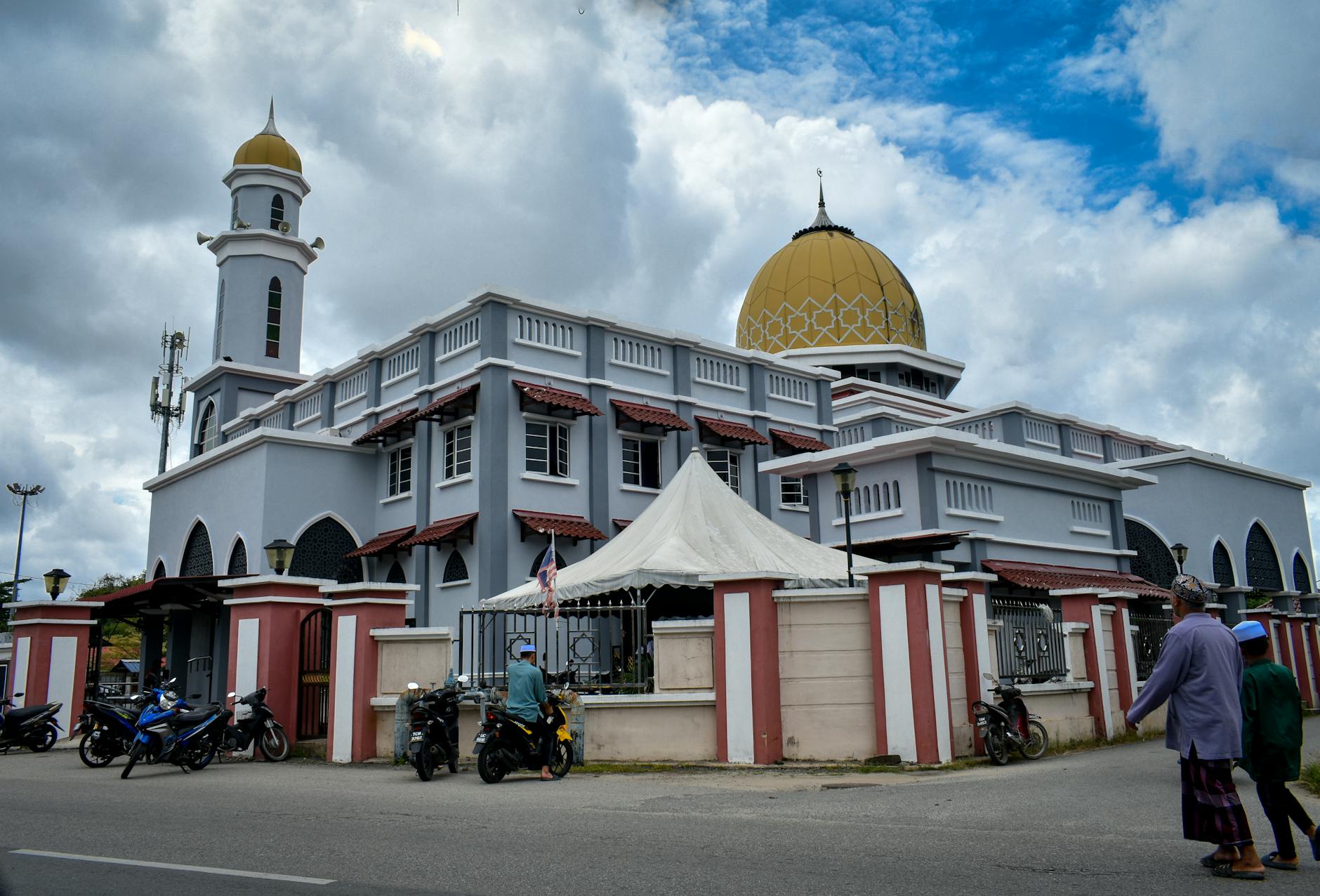
Malacca City can work well for budget travelers because many visitor highlights are compact and walking-friendly. A short trip can include riverfront areas, heritage streets, religious sites, markets, affordable food, cafes, and museums without requiring an expensive daily transport plan. The risk is assuming that a low-cost trip plans itself. Bus timing, lodging location, heat, rain, luggage, food queues, entrance fees, cash needs, and late returns can turn small savings into wasted time. A budget traveler should protect energy as carefully as money.
Budget the full arrival, not just the bus fare
Budget travelers often arrive by intercity bus, shared transfer, or lower-cost road connection from Kuala Lumpur, KLIA, Singapore, Johor, or another Malaysian base. The fare may be low, but the real arrival cost includes terminal location, luggage, local ride needs, delays, food, phone battery, and whether the hotel can receive the traveler at that time.
A cheap arrival that lands far from the hotel in rain or after dark can become expensive in stress and time. The traveler should map the final leg before buying the ticket.
- Plan bus or shared-transfer timing, terminal location, luggage, delays, and final-leg transport.
- Check hotel check-in rules before choosing the cheapest arrival time.
- Include food, water, phone battery, and backup ride costs in the arrival budget.
Choose low-cost lodging by total movement cost
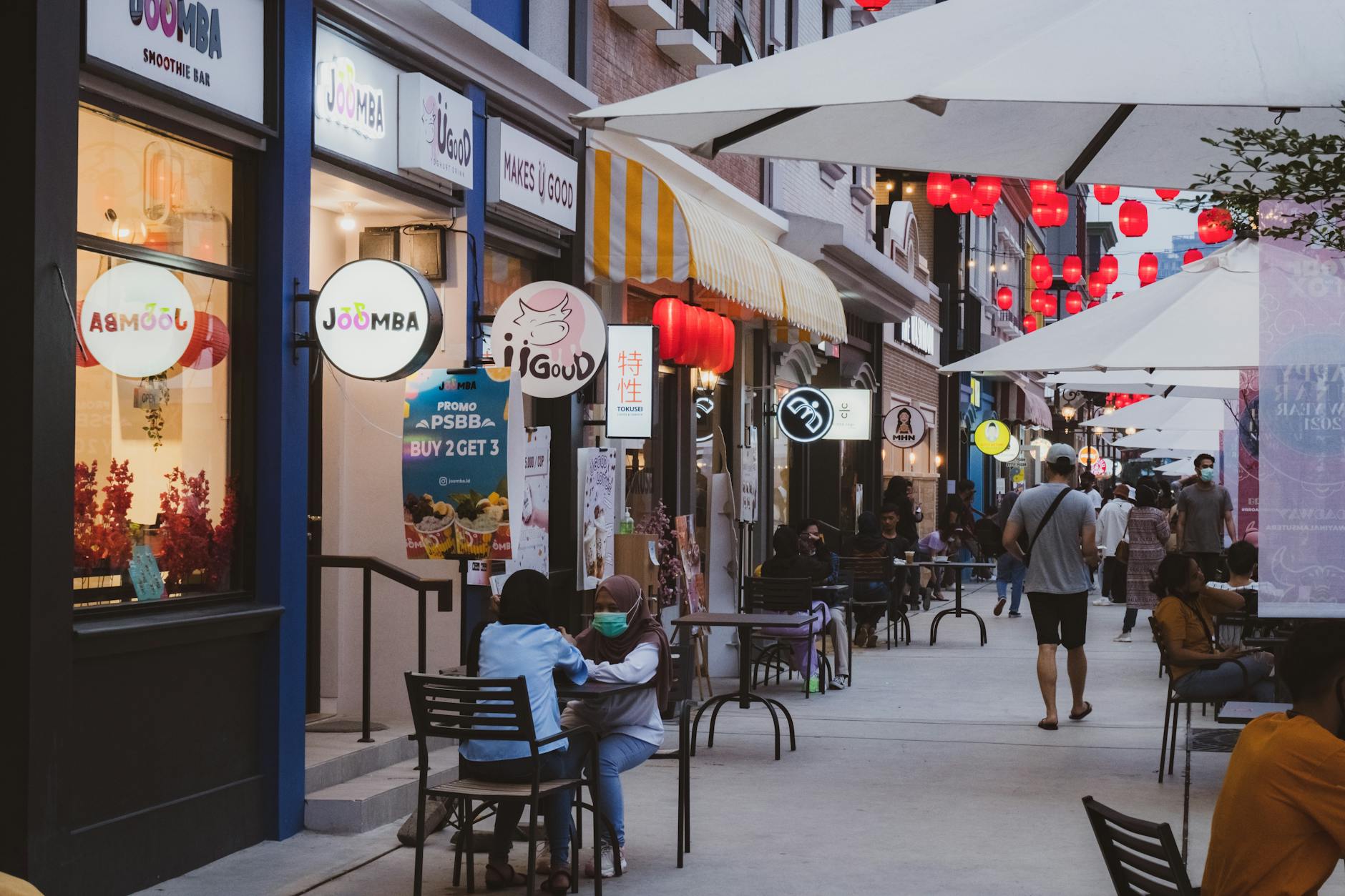
The cheapest room is not always the cheapest stay. Budget travelers should compare hostels, guesthouses, simple hotels, and apartments by walking distance, safety of return routes, noise, stairs, air-conditioning, bathroom quality, lockers, luggage storage, breakfast, and whether paid rides will be needed repeatedly.
A slightly more expensive base near the right walking route may save money and energy over two days. A low rate outside the practical visitor area can create hidden costs.
- Compare room price with walking distance, return safety, noise, stairs, cooling, and bathroom quality.
- Check lockers, luggage storage, breakfast, and paid-ride needs.
- Avoid saving on lodging only to spend more on movement and fatigue.
Make walking efficient, not punishing
Malacca City can be walkable for a budget traveler, but walking still has costs: heat, humidity, rain, traffic crossings, uneven paving, crowding, and time. A traveler trying to save on rides can lose the day by becoming overheated or exhausted.
The plan should use compact loops, indoor breaks, water refills, practical shoes, and occasional rides when the alternative is a long hot walk with luggage or after dark. Spending a little on the right ride can be a budget decision.
- Use compact walking loops with indoor breaks, water, and practical shoes.
- Plan around heat, rain, crossings, uneven paving, crowds, and luggage.
- Pay for short rides when walking would damage the rest of the day.
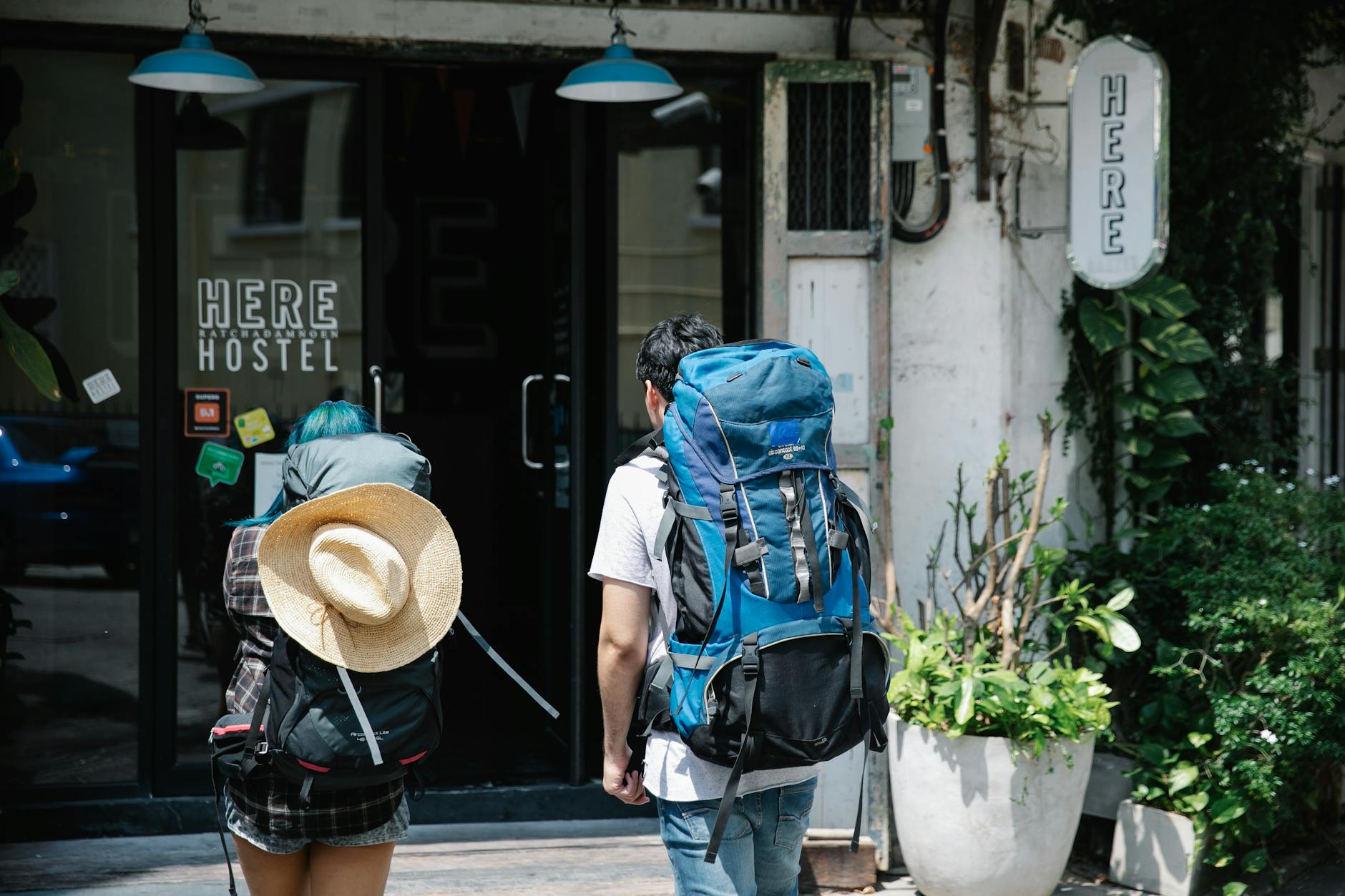
Use food savings without losing the food experience
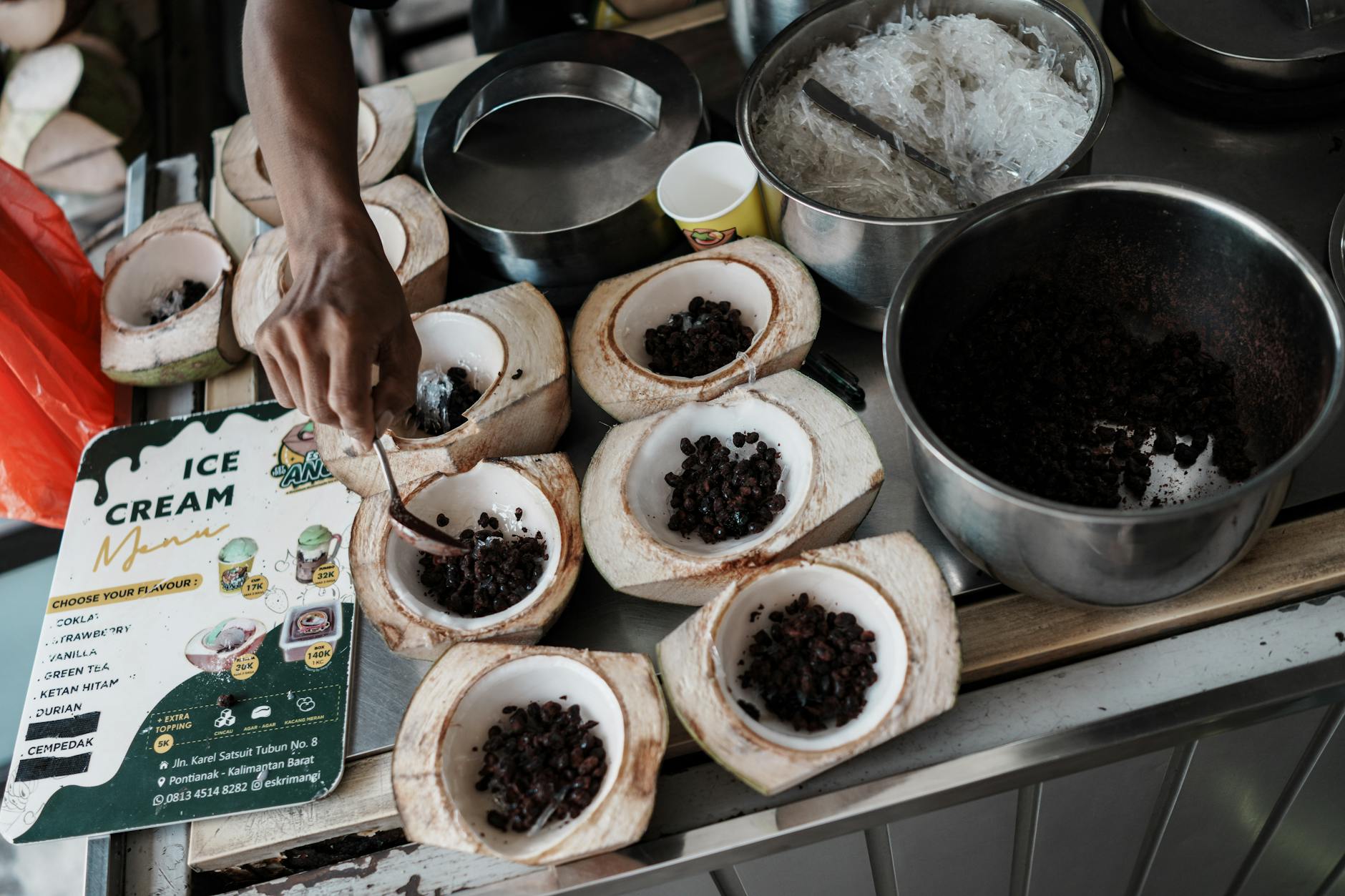
Budget travelers can eat well in Malacca City, but they should plan cash, queues, opening hours, spice, shellfish, peanuts, sugar, hydration, and whether a meal requires a long detour. Cheap food is not automatically efficient if it consumes the best walking window or leaves the traveler overheated.
The strongest budget food plan mixes local staples, one or two destination food stops, snacks, and simple backups near the hotel. It also avoids paying tourist-area prices by accident when a better option is nearby.
- Plan cash, queues, opening hours, spice, shellfish, peanuts, sugar, and hydration.
- Choose one or two destination food stops and practical backups.
- Avoid long detours for small savings when they weaken the whole route.
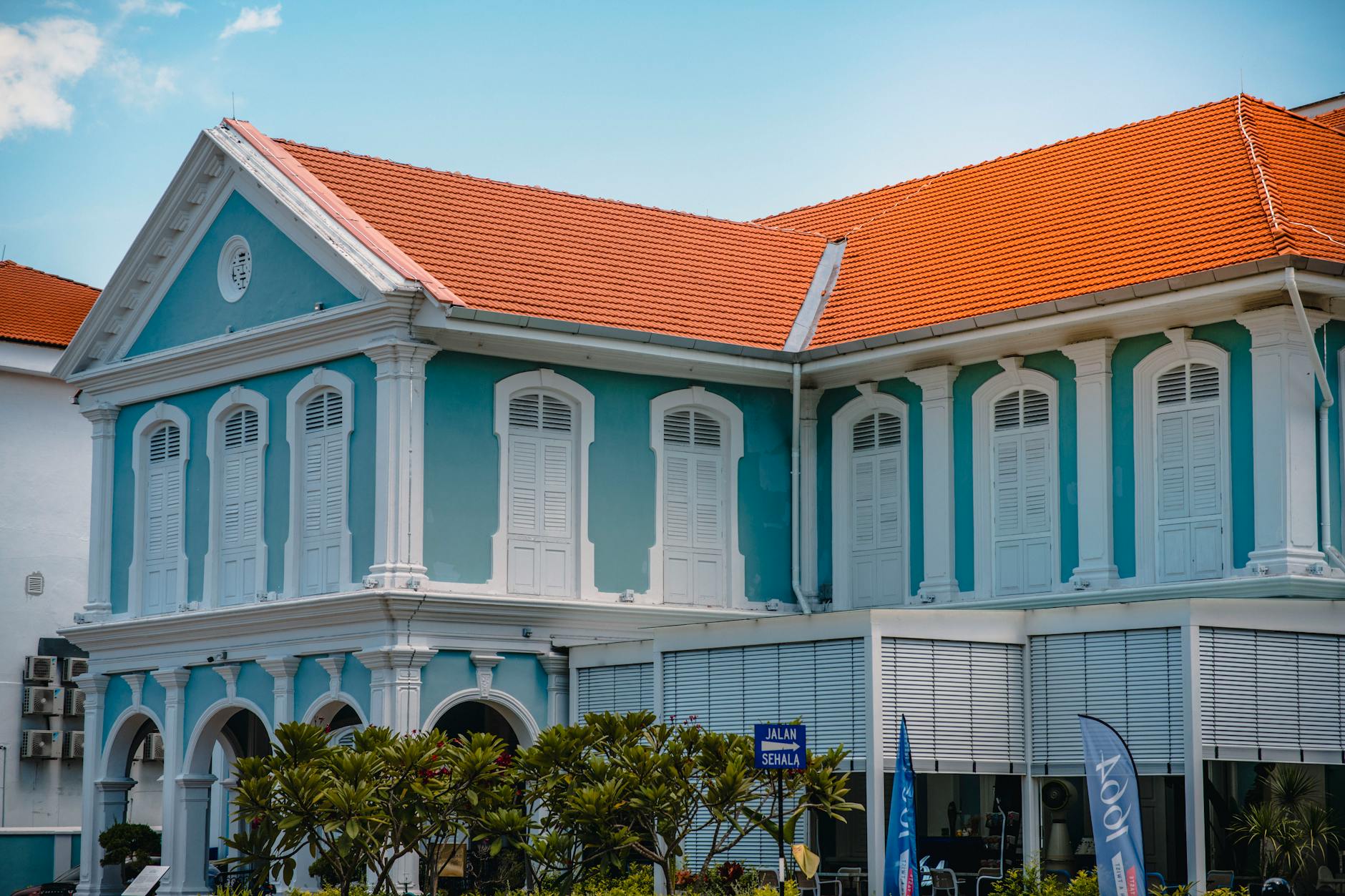
Decide which paid attractions are worth it
A budget traveler should not assume every free stop is better or every paid stop is wasteful. Museums, river cruises, guided walks, viewpoints, and heritage experiences may be worth paying for if they improve understanding, reduce heat exposure, or replace a more tiring route.
The traveler should set an attraction budget before arrival and decide which experiences are anchors. That prevents small impulse fees from accumulating while still allowing the trip to have substance.
- Set an attraction budget before arrival.
- Pay for museums, river activity, or guiding when they add real value or reduce friction.
- Avoid small impulse fees that do not improve the trip.
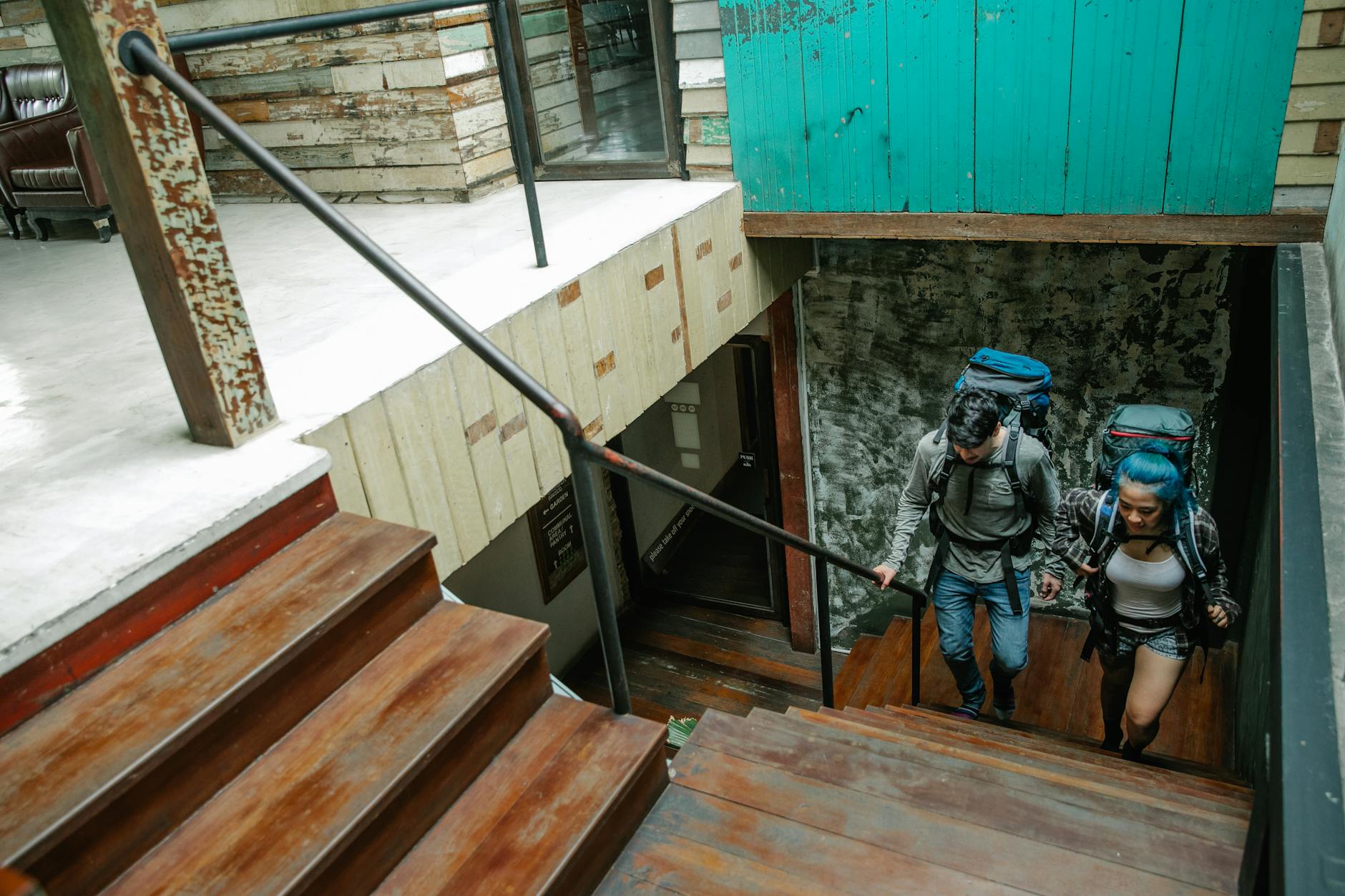
Keep safety basics from becoming false economy
Budget travel should not mean careless late returns, weak phone battery, poor luggage control, or walking through uncomfortable areas to save a small fare. Malacca City is manageable for budget travelers, but ordinary urban discipline still matters around crowds, evening streets, terminals, and shared lodging.
The traveler should keep valuables controlled, use lockers when needed, avoid displaying devices in crowded areas, and spend on transport when the alternative is a poor return route. Saving money should not create avoidable exposure.
- Protect phone battery, valuables, luggage, documents, and payment backups.
- Use lockers or luggage storage when appropriate.
- Spend on transport when walking would create a poor late or rainy return.
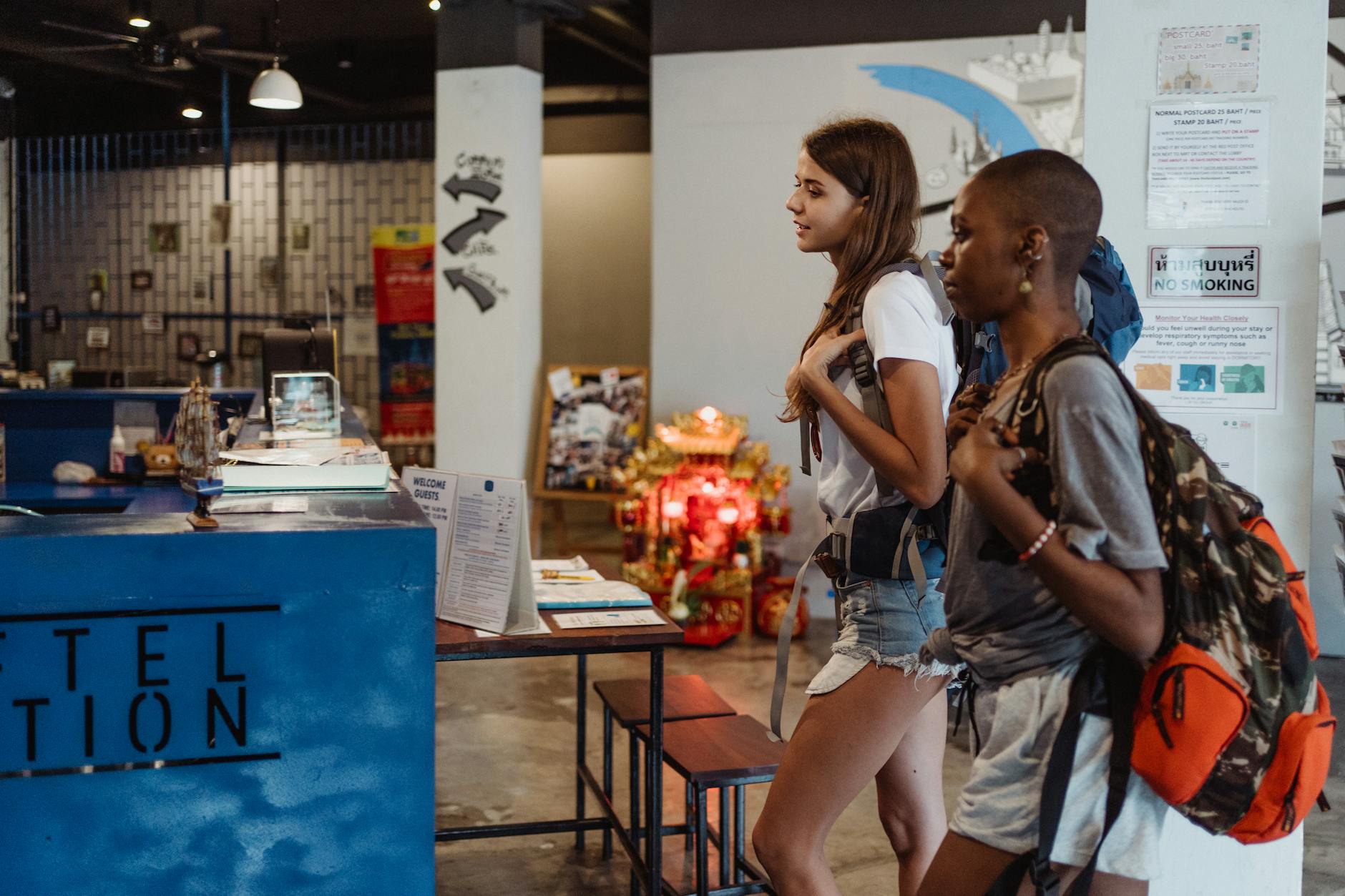
When to order a short-term travel report
A budget traveler with flexible timing and simple plans may not need a custom Malacca City report. A report becomes useful when the traveler is trying to fit the city into a tight road transfer, choosing between low-cost lodging areas, managing medical or dietary constraints, traveling with limited mobility, or deciding which paid experiences are actually worth the money.
The report should test arrival timing, lodging location, walking routes, food costs, attraction value, transport tradeoffs, weather, safety basics, medical access, budget, and what to cut. The value is avoiding false savings that make a short trip harder than it needs to be.
- Order when low-cost transport, lodging, food, attractions, constraints, or timing need testing.
- Provide dates, arrival route, lodging options, budget ceiling, walking tolerance, food limits, and priorities.
- Use the report to protect both money and energy.