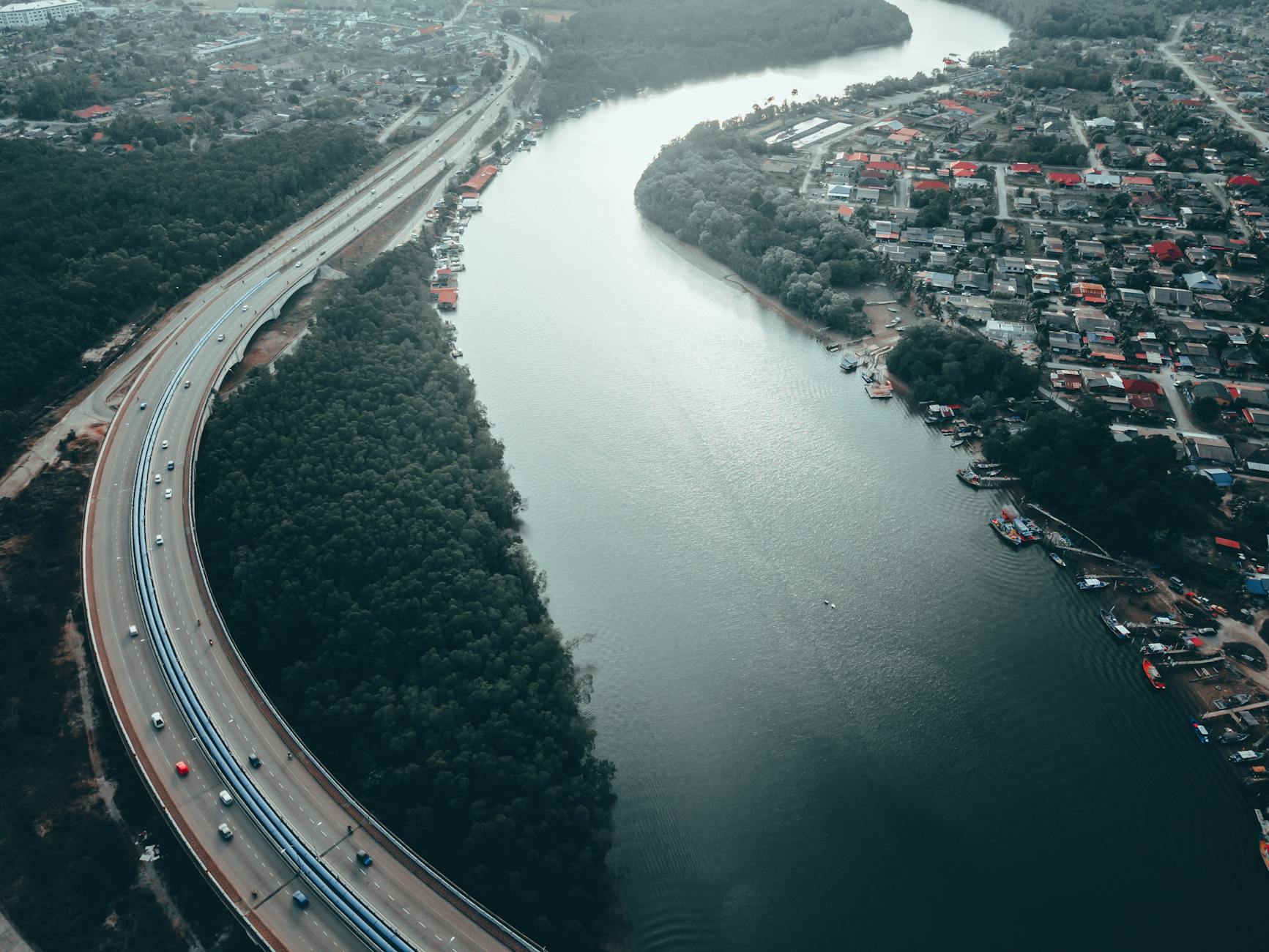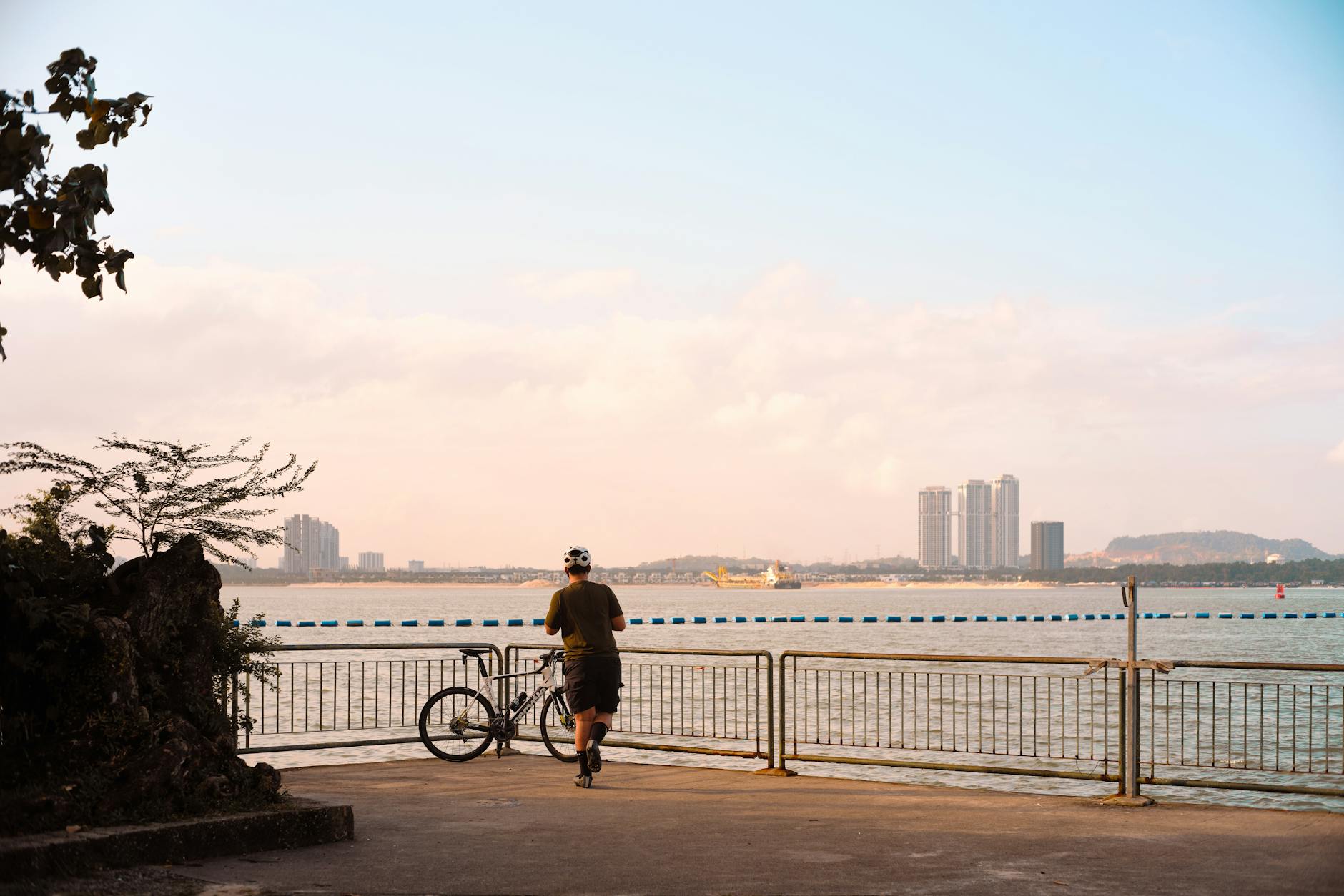
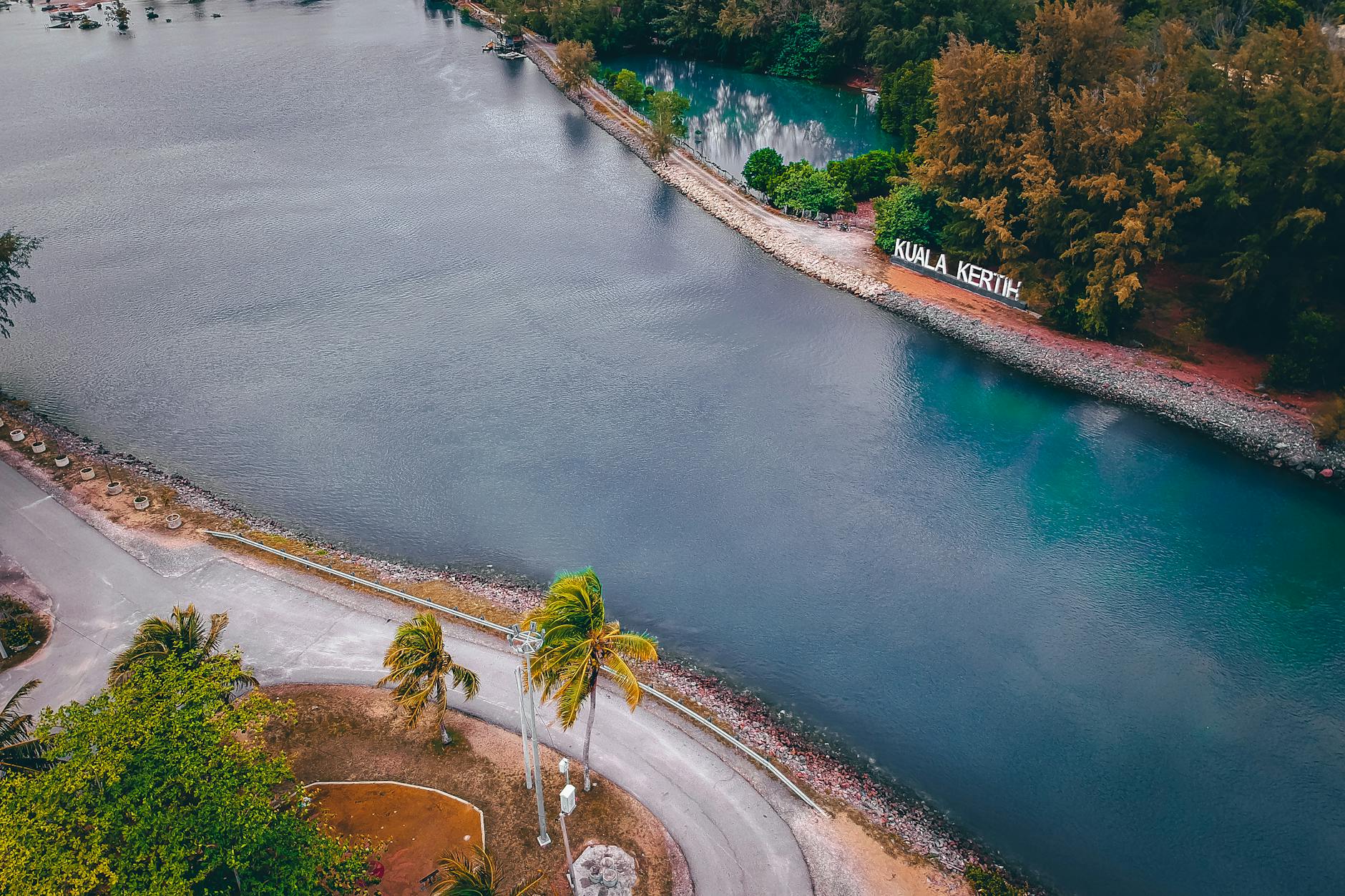
Malacca City is not a wilderness base in the way a mountain or island destination might be. Its outdoor value is more urban and coastal: river walks, cycling routes, heritage streets, day trips, waterfront areas, nearby beaches, boat rides, parks, and active exploration layered around food and culture. That distinction matters. A short adventure or outdoor trip to Malacca City should be designed for heat, humidity, rain, road access, daylight, practical shoes, hydration, and recovery. The best version is usually an active heritage stay, not an overloaded attempt to force extreme adventure into a compact city.
Define what adventure means in Malacca City
An outdoor traveler should decide whether the trip is about long walks, cycling, riverfront movement, photography walks, boat time, nearby beaches, birding, running, heritage exploration, food reached on foot, or day trips beyond the city. Malacca City can support active days, but it rewards realistic framing.
If the traveler expects jungle trekking, technical climbing, serious diving, or remote wilderness, the itinerary may need another Malaysian base. If the goal is to move through a hot, historic, river-linked city with outdoor time built around culture, Malacca City can work well.
- Decide whether the trip is about walking, cycling, riverfront routes, beaches, parks, boat time, or day trips.
- Avoid expecting remote wilderness from a compact heritage city.
- Build active movement around food, history, neighborhoods, water, and weather windows.
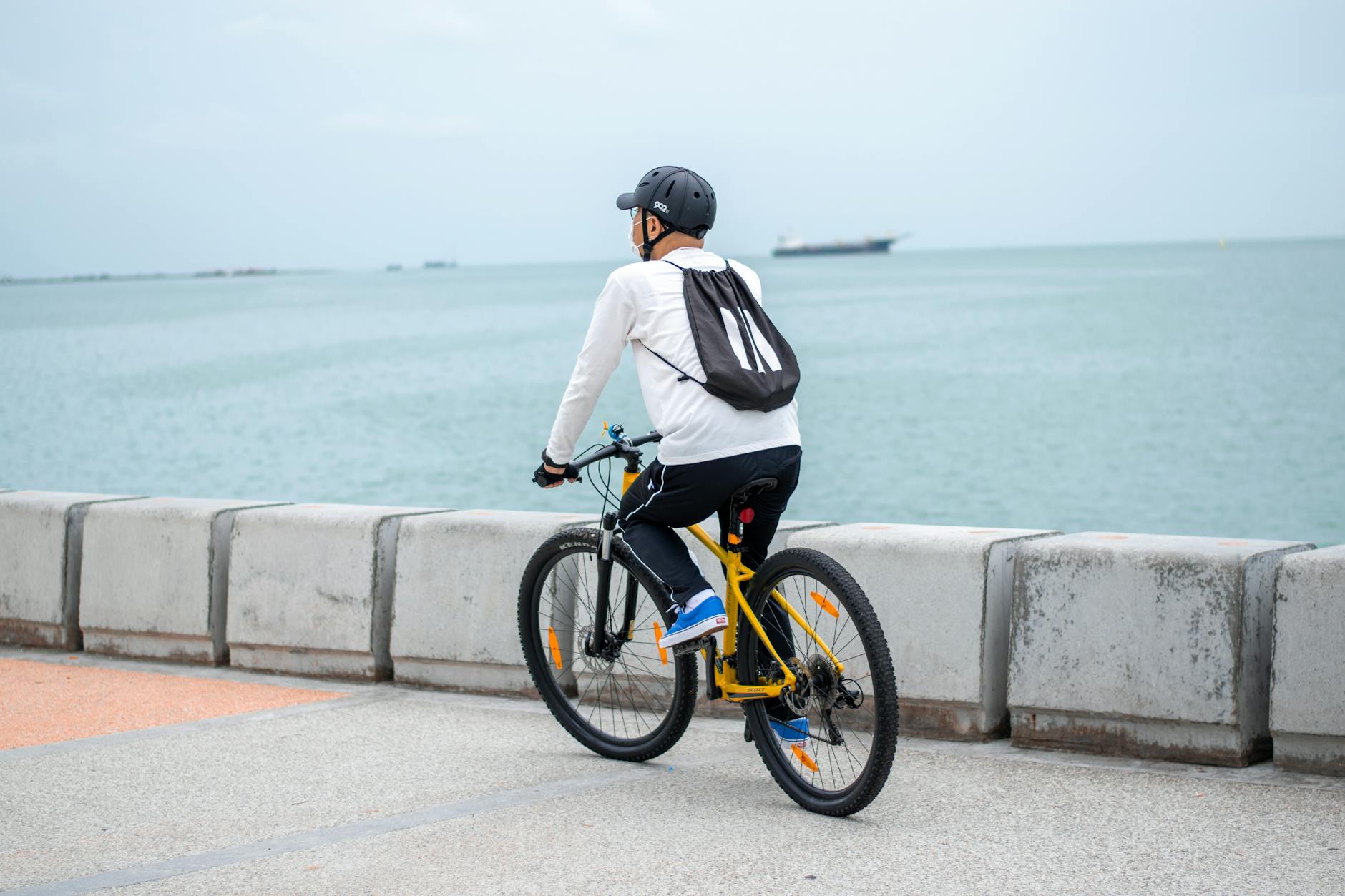
Respect heat, humidity, rain, and recovery
The main outdoor constraint in Malacca City is often not distance but climate. Heat, humidity, sudden rain, hard surfaces, exposed riverfront sections, and crowded lanes can make a modest route feel heavy. Travelers who arrive by road from Kuala Lumpur, KLIA, Singapore, or Johor may also begin the stay more tired than expected.
An active itinerary should assign cooler hours to the most exposed walking or cycling, protect midday for indoor stops or rest, and include water, electrolytes, sun protection, rain cover, and dry clothing. Recovery time is not wasted time when the next day depends on usable legs and clear judgment.
- Use early morning and late afternoon for exposed outdoor movement.
- Plan water, electrolytes, shade, rain cover, dry clothes, and practical shoes.
- Leave recovery time after road arrival, long walks, cycling, or humid outdoor blocks.
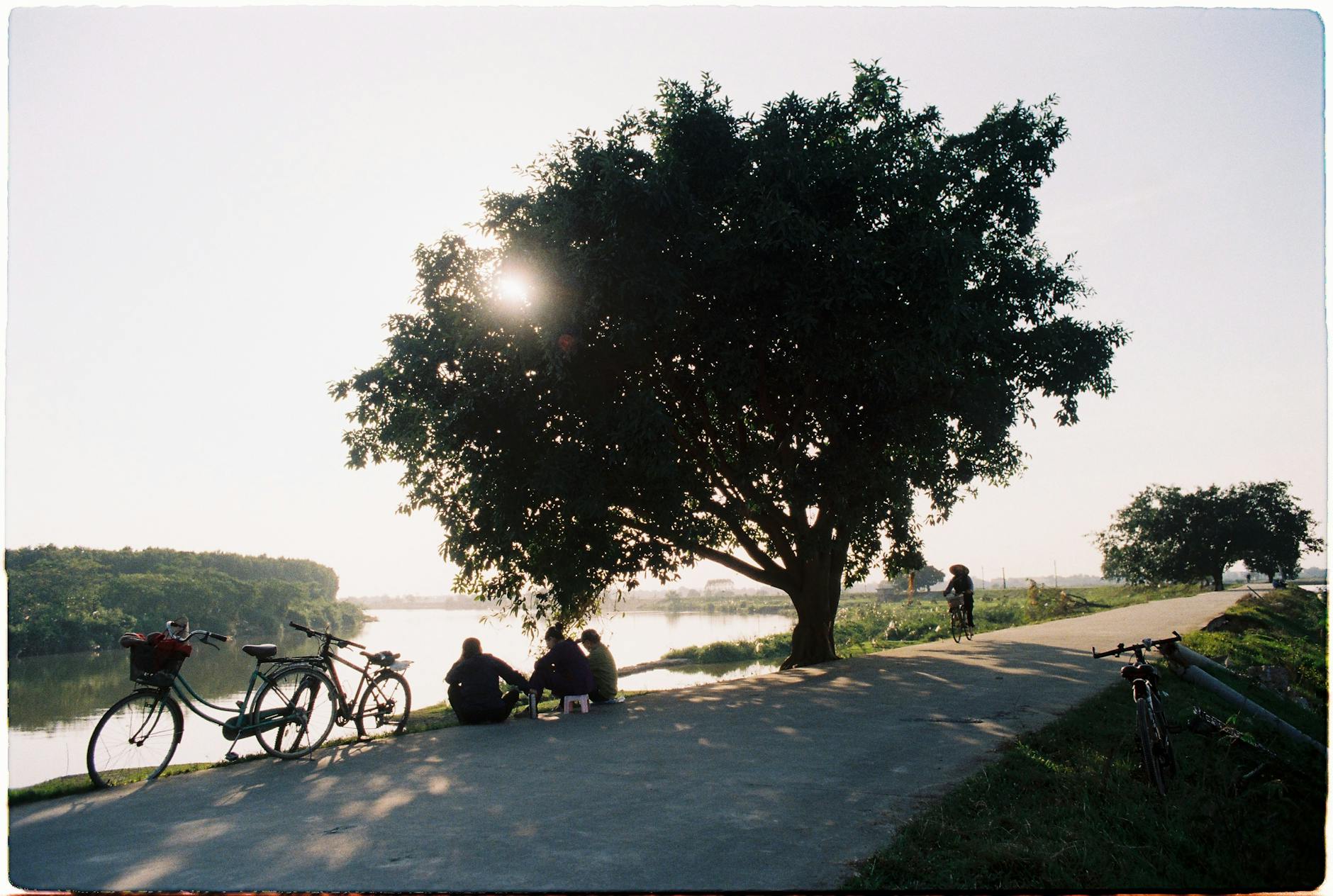
Build river, cycling, walking, and day-trip routes carefully
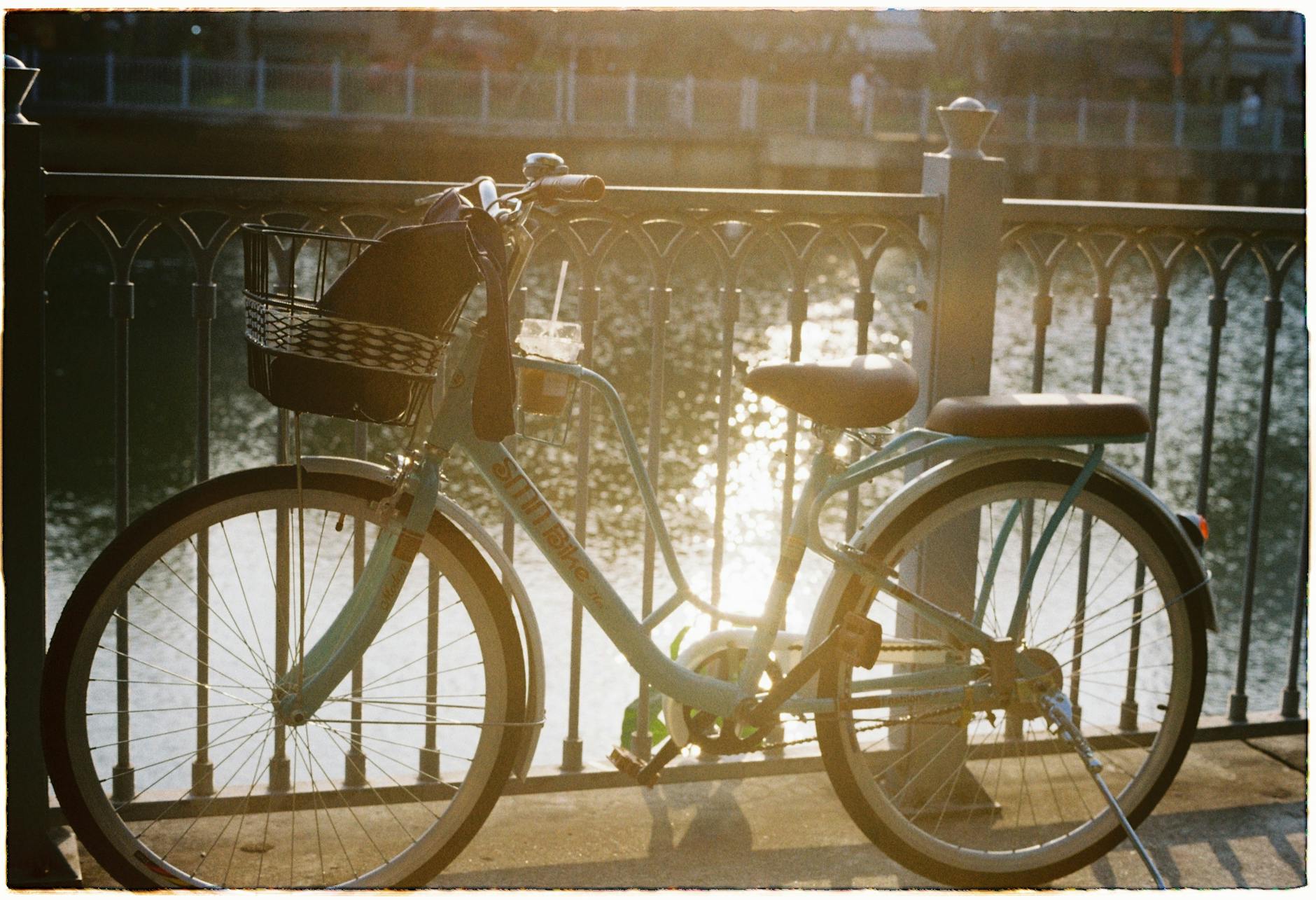
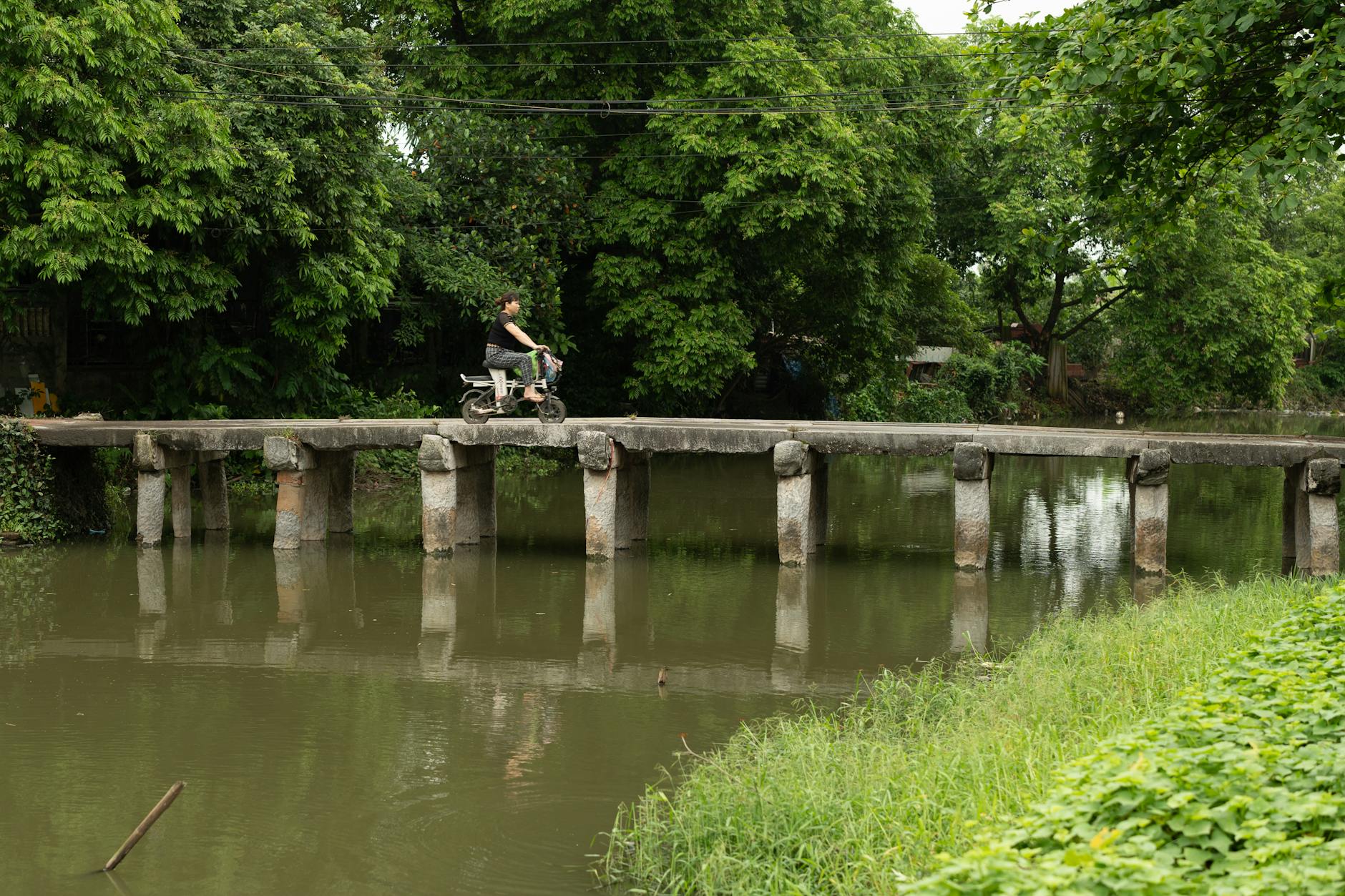
A strong active day in Malacca City may combine the riverfront, heritage streets, bridges, markets, cafes, museums, waterfront edges, and a ride or drive to a nearby beach, park, or viewpoint. The route should be planned by actual walking time, shade, traffic crossings, restroom access, food, and exit options rather than by straight-line distance.
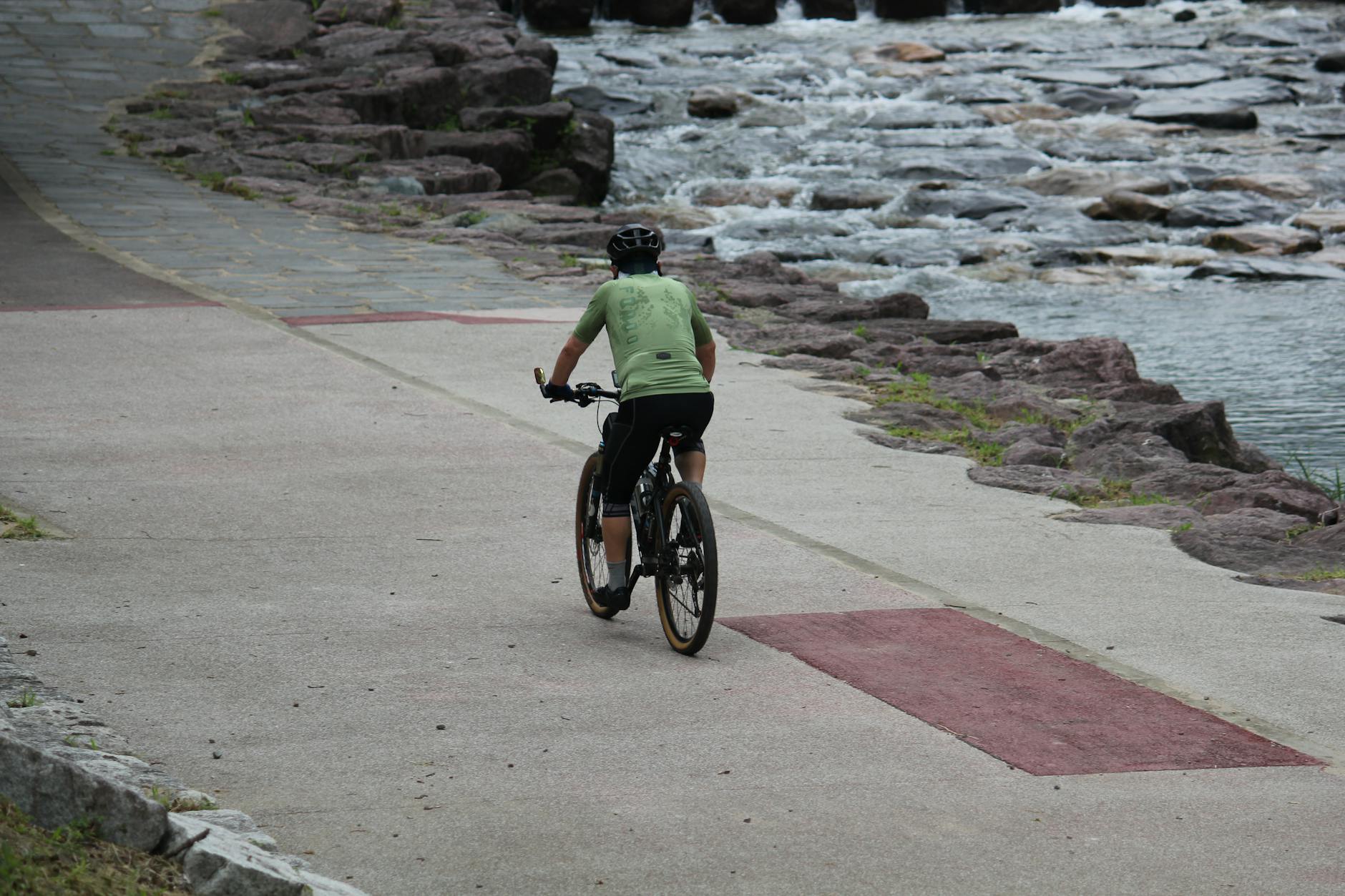
Cycling or guided outdoor activity needs extra care around traffic comfort, rental quality, helmets, route familiarity, storage, and weather. Day trips should include road timing and the cost of getting back, especially if the traveler has an early transfer the next morning.
- Map active routes by shade, traffic crossings, restrooms, food, weather, and exit options.
- Check rental quality, helmets, route familiarity, storage, and traffic comfort before cycling.
- Treat day trips as road logistics, not just attractive map pins.
Choose lodging for outdoor timing
Outdoor travelers often benefit from lodging that makes early starts, quick showers, laundry, gear drying, breakfast timing, ride pickup, and late returns easy. A beautiful heritage property may still be wrong if stairs, weak cooling, no drying space, or awkward vehicle access make active days harder.
The traveler should decide whether to prioritize walking access to the old city, road access for day trips, quiet recovery, or a property that can handle wet shoes and sweaty clothes. Short outdoor trips are improved by lodging that works as a practical base, not only a place to sleep.
- Check cooling, showers, laundry, drying space, breakfast timing, stairs, and vehicle access.
- Choose between old-city walking convenience and easier road access for day trips.
- Make lodging a recovery and gear-management base.
Manage gear, safety, and medical backup
Malacca City outdoor travel may require less gear than wilderness travel, but the essentials still matter: breathable clothing, sun protection, rain layer, blister care, water, phone power, offline maps, medication, insect repellent where appropriate, and a small dry bag for electronics. Travelers should not depend on buying everything after arrival.
Safety planning should include road awareness, lighting after dark, weather decisions, hydration, emergency contacts, clinic access, insurance, and whether a chosen activity is appropriate for the traveler's fitness and medical profile. A short trip gives little room to recover from a preventable injury or heat problem.
- Carry sun protection, rain cover, blister care, phone power, water, medication, and offline maps.
- Check clinic access, insurance, emergency contacts, lighting, and road awareness.
- Match activities to fitness, heat tolerance, medical profile, and available recovery time.
Keep activity from overwhelming food and heritage
The active traveler can miss the city by moving too quickly through it. Malacca City's value often sits in small details: food timing, riverfront pauses, religious sites, shopfronts, museums, shaded streets, conversations, and the difference between weekday and weekend rhythms. A route that is only measured in steps or kilometers can flatten the trip.
The itinerary should place active movement in service of the experience, not as a separate athletic checklist. Planned stops for meals, cooling, local context, and unhurried observation make the outdoor day more useful and more memorable.
- Use walking and cycling to connect food, riverfront, heritage, museums, and neighborhoods.
- Leave space for meals, shade, observation, and context instead of chasing only distance.
- Avoid scheduling outdoor blocks that make the city feel like a route rather than a place.
When to order a short-term travel report
An outdoor traveler with a flexible casual walking plan may not need a custom Malacca City report. A report becomes useful when the trip includes cycling, day trips, heat sensitivity, medical constraints, tight road transfers, family pacing, special gear, early starts, poor weather risk, or a desire to combine active movement with food and heritage without overloading the stay.
The report should test route geography, weather windows, lodging, transport, cycling or guide options, day-trip feasibility, food stops, recovery time, medical access, gear, budget, and what to cut. The value is an active short stay that feels energetic rather than punishing.
- Order when cycling, day trips, heat, medical needs, road timing, gear, or route tradeoffs need testing.
- Provide dates, fitness level, activity goals, lodging options, constraints, budget, and must-see places.
- Use the report to make the short outdoor trip active, realistic, and well-paced.