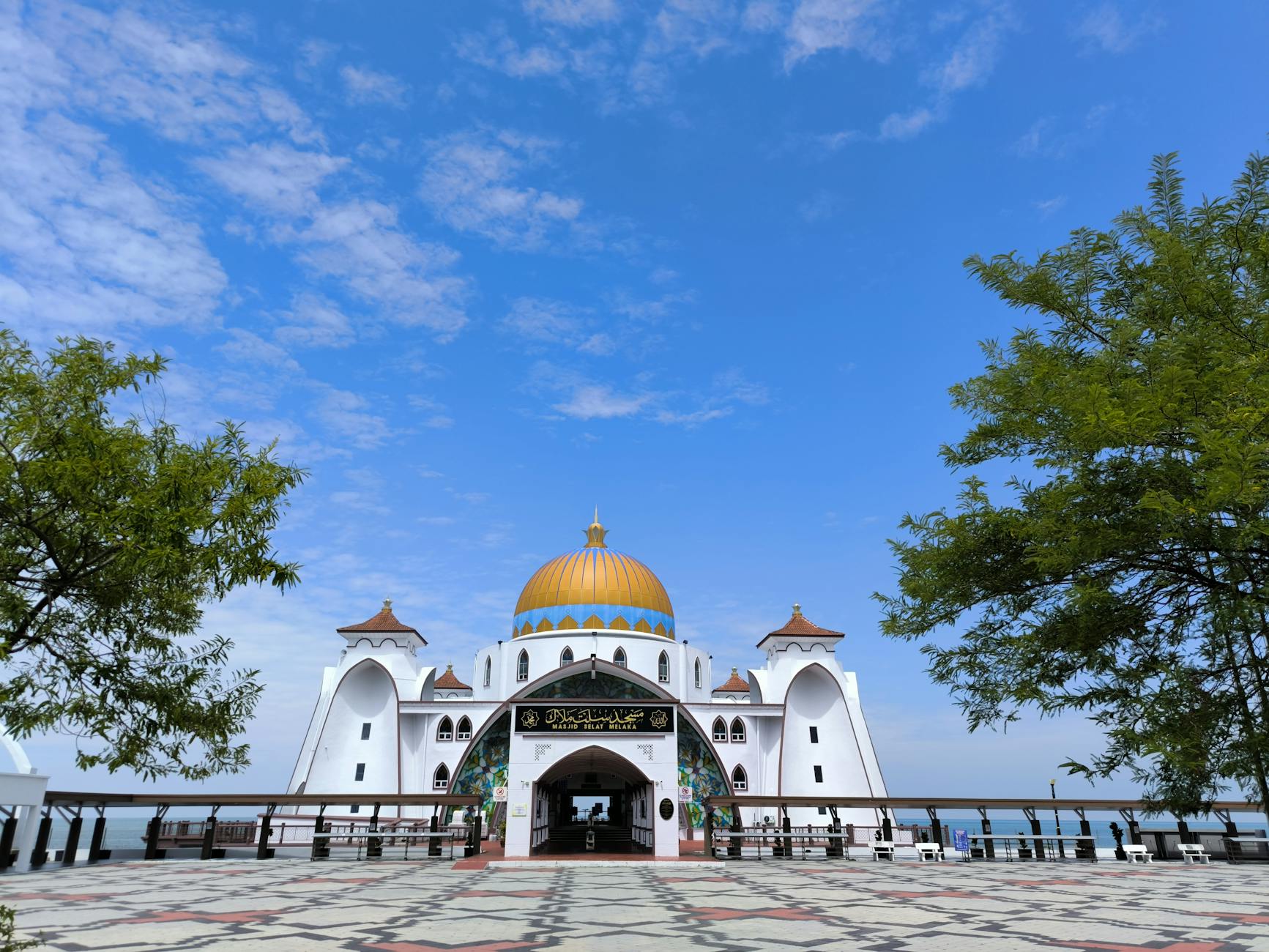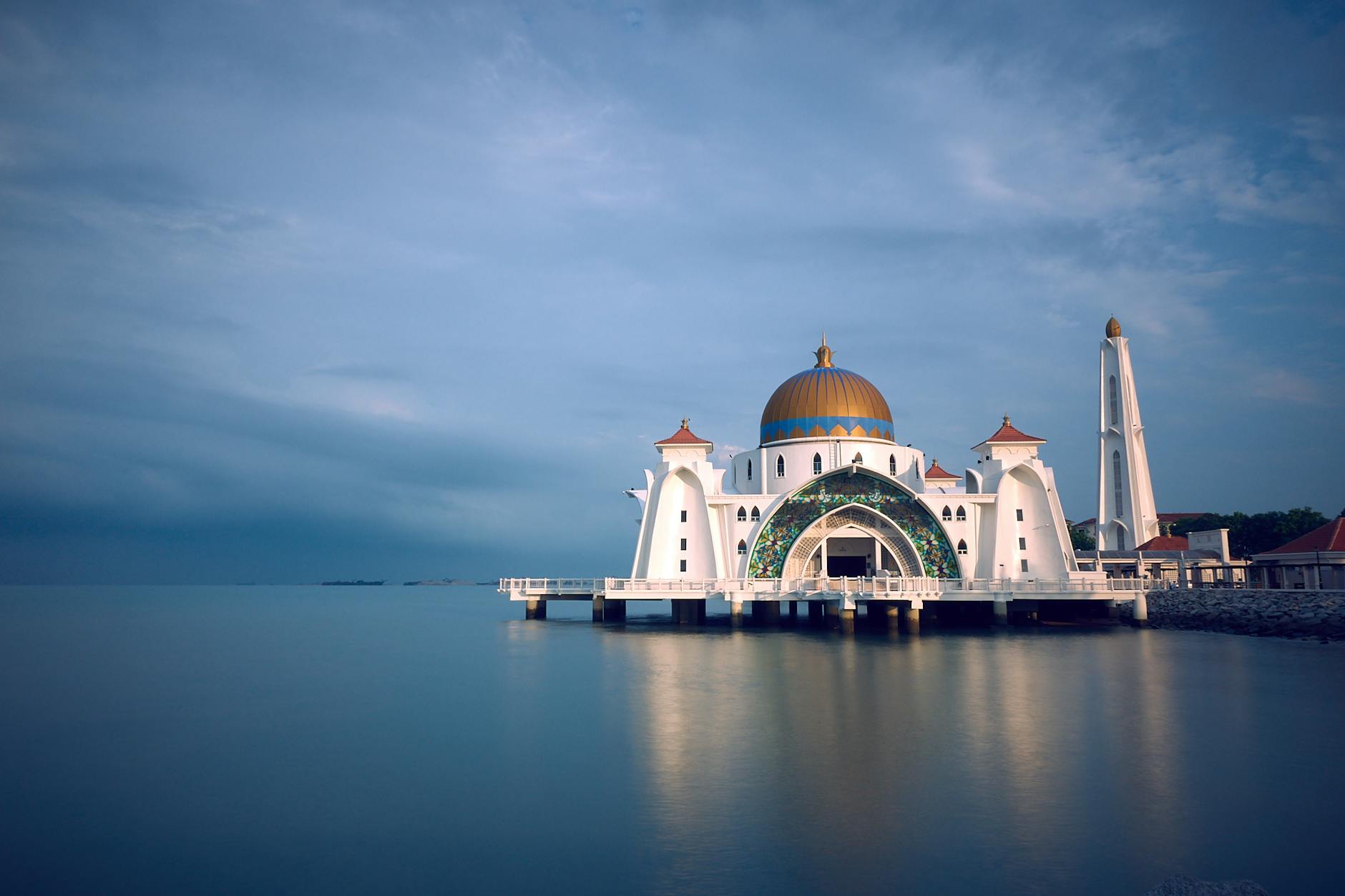
An academic conference trip to Malacca City is often more complicated than the program schedule suggests. The traveler may be arriving by road from Kuala Lumpur, KLIA, Singapore, Johor, or another Malaysian city, then balancing panels, poster sessions, keynote events, networking meals, field visits, and limited time in the heritage center. The city can be a strong conference setting because it combines hotels, universities, heritage sites, riverfront areas, and useful cultural context. The attendee should still plan carefully around transfer timing, venue location, weather, technology, and how much sightseeing fits around the academic day.
Plan the road transfer before the program starts
Many attendees reach Malacca City by road rather than by a direct flight into the city. A transfer from Kuala Lumpur, KLIA, Singapore, Johor, or another Malaysian base can be smooth, but it can also be affected by traffic, rain, rest stops, driver reliability, and border or airport timing.
The traveler should avoid arriving just before a presentation, workshop, or registration deadline. A conference trip needs time for check-in, cooling down, food, slide review, badge collection, and orientation before the first serious academic commitment.
- Plan transfer timing from Kuala Lumpur, KLIA, Singapore, Johor, or another base with real buffers.
- Avoid putting a presentation or workshop immediately after a fragile arrival.
- Leave time for check-in, food, slide review, registration, and orientation.
Choose lodging by venue and evening obligations
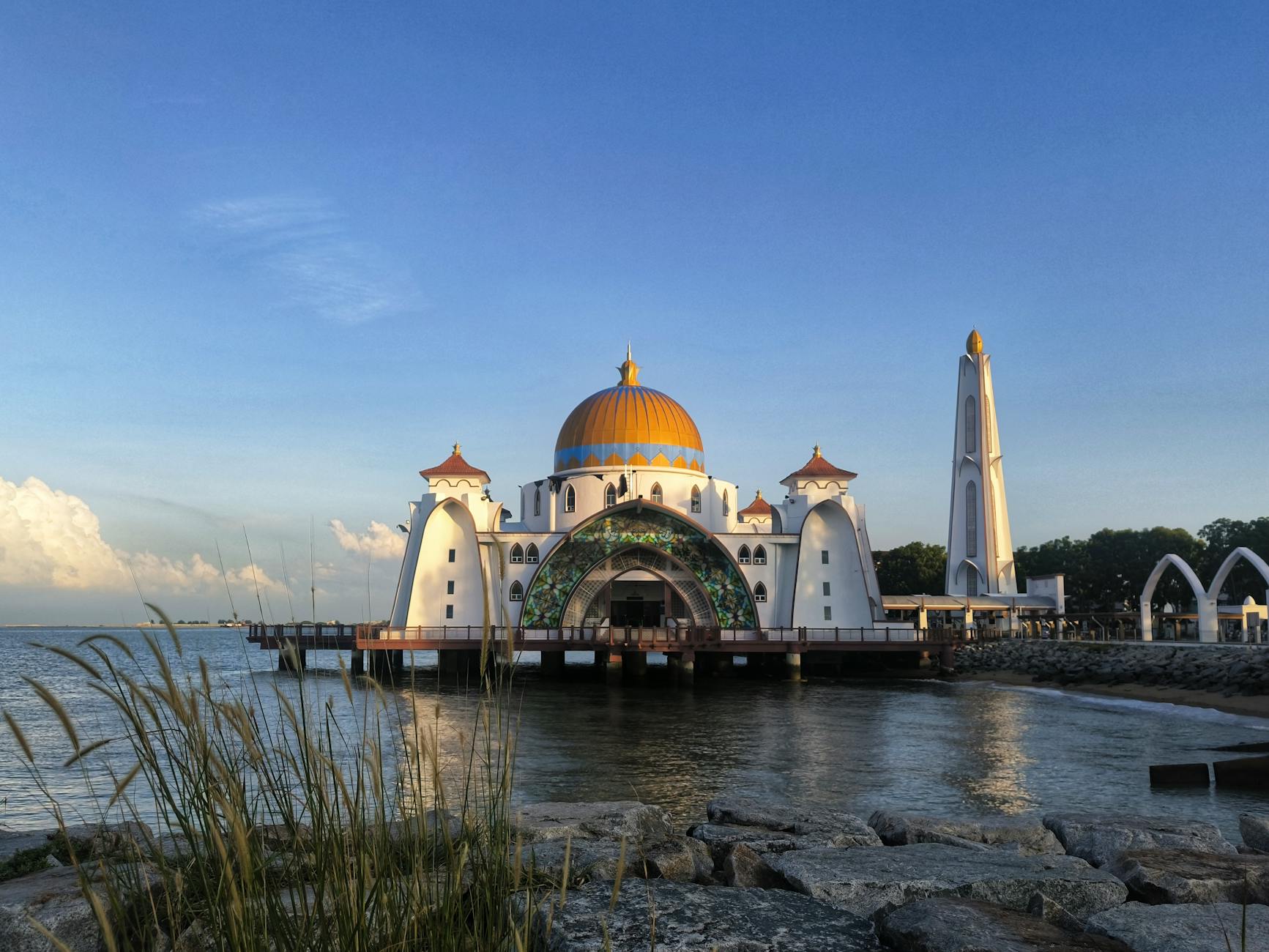
The conference hotel is not always the best hotel for every attendee, but venue geography should lead the decision. The traveler should map the plenary venue, poster area, breakout rooms, sponsor spaces, evening receptions, field-trip pickup points, and any university or partner campus locations.
A heritage-core hotel may be attractive, but a venue-adjacent hotel can protect early sessions, wardrobe changes, laptop charging, and short rest breaks. The right base depends on whether the trip is presentation-heavy, networking-heavy, or fieldwork-heavy.
- Map the venue, poster area, breakout rooms, receptions, field-trip pickups, and campus locations.
- Choose lodging that protects early sessions, rest breaks, laptop charging, and wardrobe changes.
- Do not pick a charming heritage base if it weakens the academic schedule.
Prepare presentation equipment before departure
Academic trips can fail on small technical details: HDMI or USB-C adapters, slide formats, poster tubes, backup drives, charger compatibility, clickers, video files, upload deadlines, QR codes, and a local copy of the presentation. These should be checked before the traveler reaches the venue.
If the attendee is presenting research, teaching a workshop, or moderating a panel, they should know the room setup and whether the venue supplies a laptop, microphone, display, or internet connection. The safe assumption is that at least one technical detail will need a backup.
- Pack adapters, backups, chargers, posters, clickers, files, QR codes, and local slide copies.
- Confirm room setup, house laptop policy, microphone, display, and internet expectations.
- Prepare for at least one technical issue instead of hoping the room is perfect.
Account for heritage-core traffic and heat
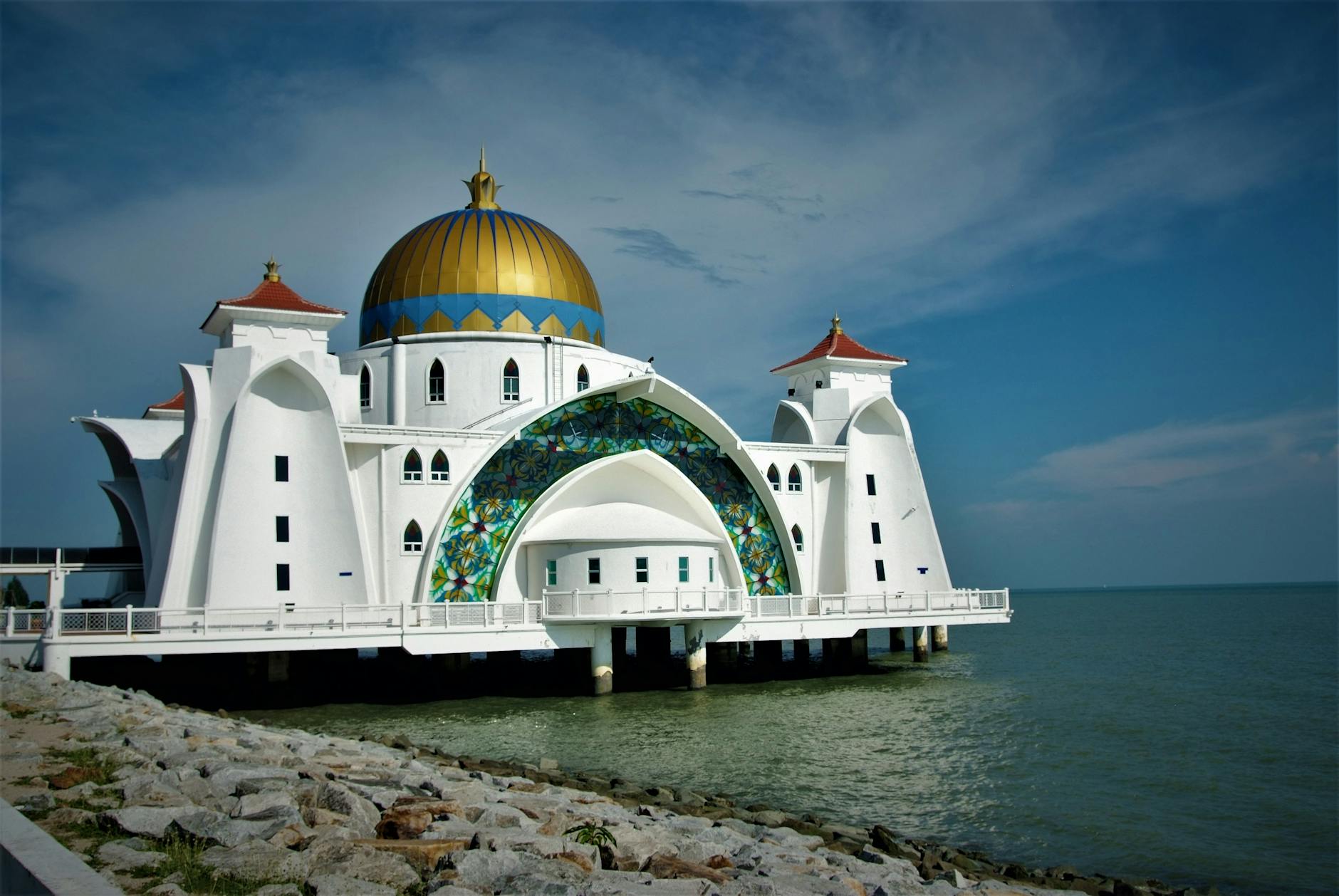
Malacca City's historic areas can add real value to an academic trip, especially for conferences connected to history, culture, planning, tourism, education, or Southeast Asian studies. They can also create congestion, slow walking, parking pressure, and crowding around popular streets.
The attendee should plan heat, humidity, rain, footwear, water, and movement between air-conditioned venues and outdoor heritage areas. A short break can become tiring if it is treated as effortless.
- Plan around congestion, crowding, parking, heat, humidity, rain, and slow walking.
- Use practical footwear, water, and cooling breaks between sessions.
- Keep heritage-area visits short enough that they do not damage the next panel.
Use meals for networking without losing recovery time
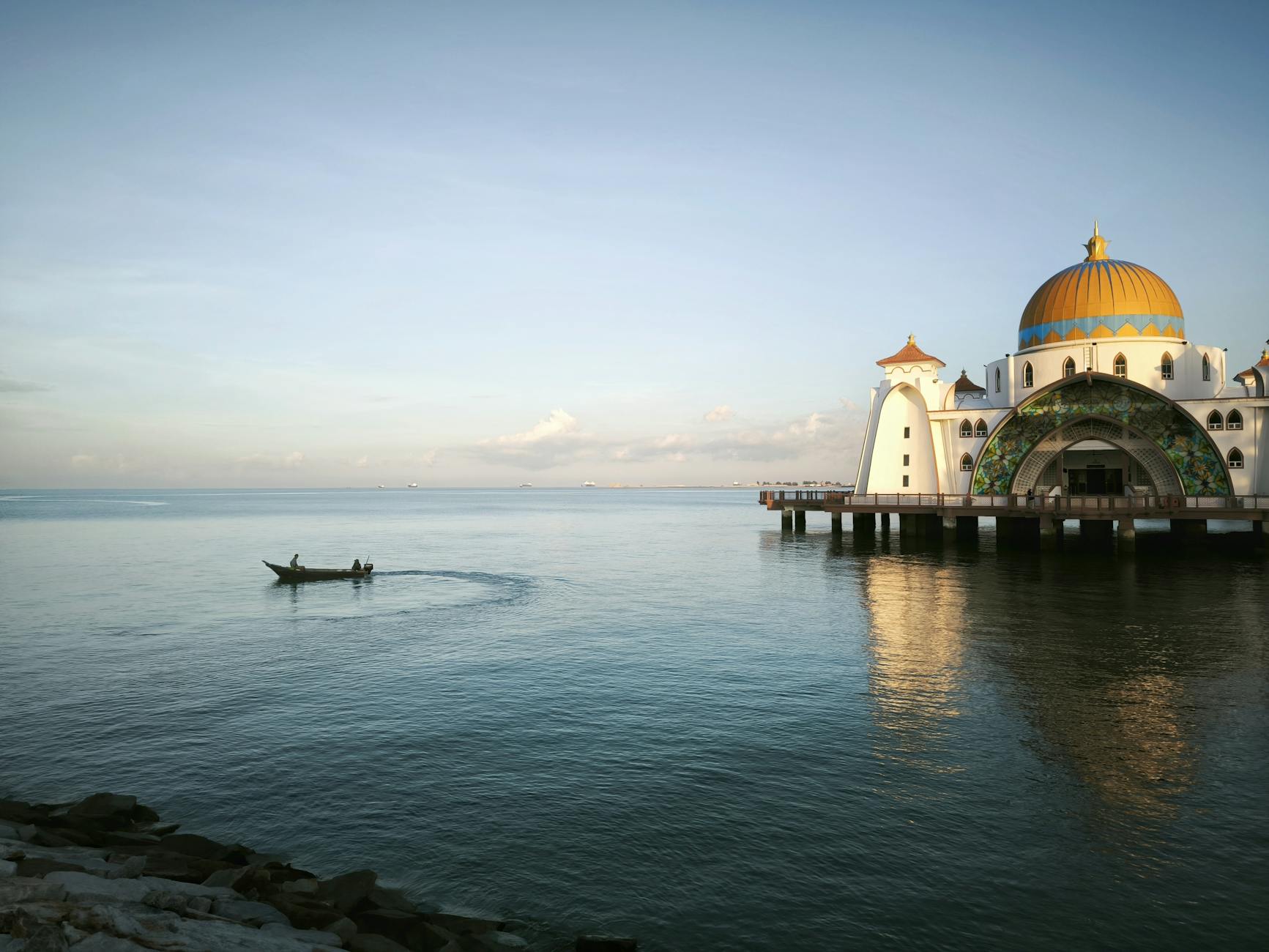
Conference meals in Malacca City may include hotel buffets, hosted dinners, riverfront restaurants, Peranakan food, group coffee, and informal late conversations. These can be useful, but they can also crowd out rest, writing, and preparation for the next day.
The traveler should know which meals are essential for networking and which are optional. Dietary needs, spice tolerance, alcohol expectations, payment norms, and transport after dinner should be settled before the meal becomes the event of the day.
- Separate essential networking meals from optional social meals.
- Plan dietary needs, spice tolerance, alcohol expectations, payment, and return transport.
- Protect rest and preparation time before the next academic day.
Treat field visits as logistics, not extras
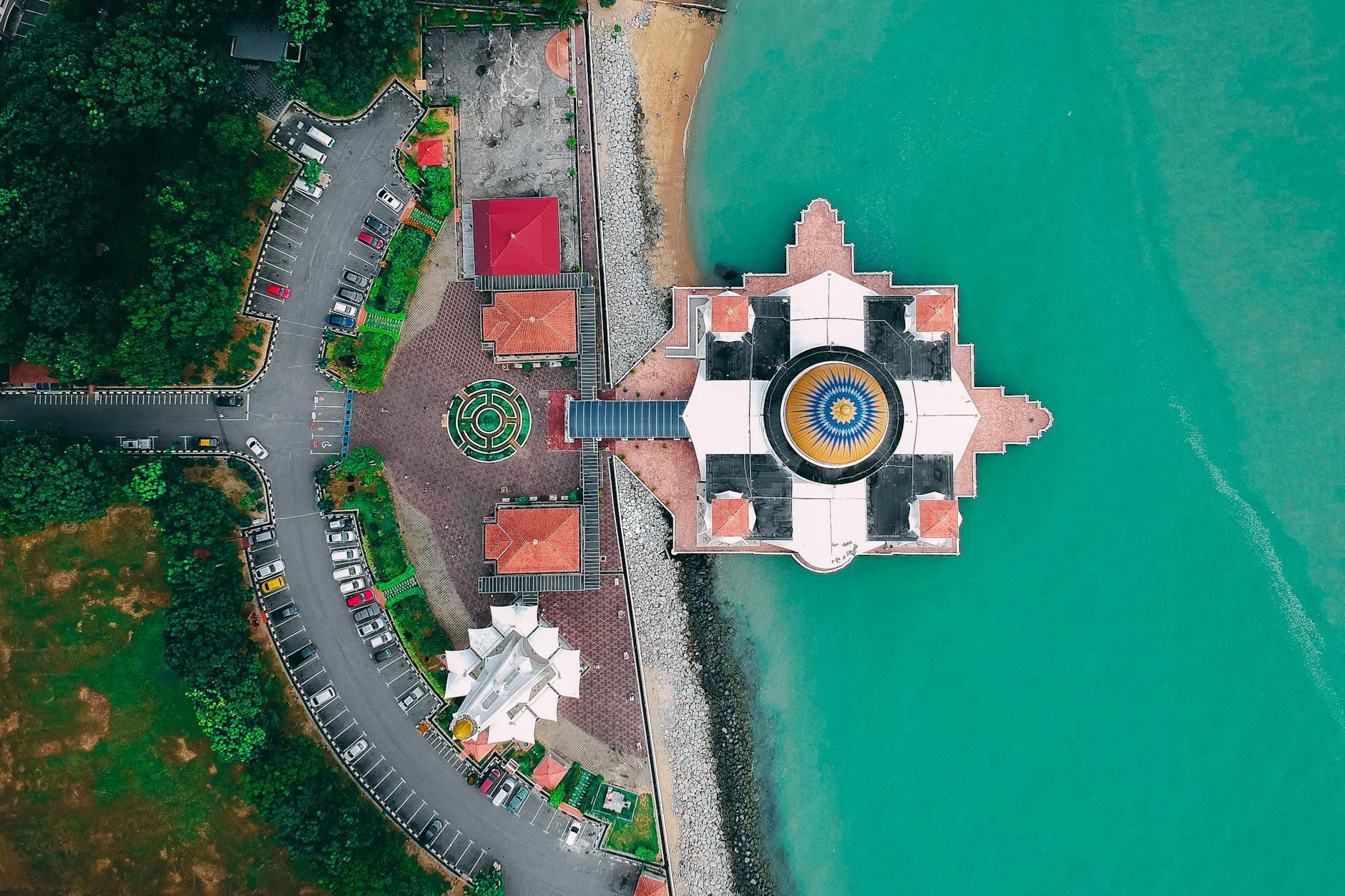
Some conferences add museum visits, heritage walks, site inspections, campus tours, industry visits, or riverfront events. These can be valuable academic components, but they require transport, shoes, water, shade, accessibility planning, and realistic timing.
The attendee should decide whether a field visit supports their work or simply fills the program. If they need to skip something for a meeting, a deadline, or a presentation rehearsal, that decision should be made deliberately.
- Plan field visits around transport, shoes, water, shade, access, and timing.
- Evaluate whether each excursion supports the academic purpose of the trip.
- Cut optional activities when they threaten presentations, deadlines, or meetings.
When to order a short-term travel report
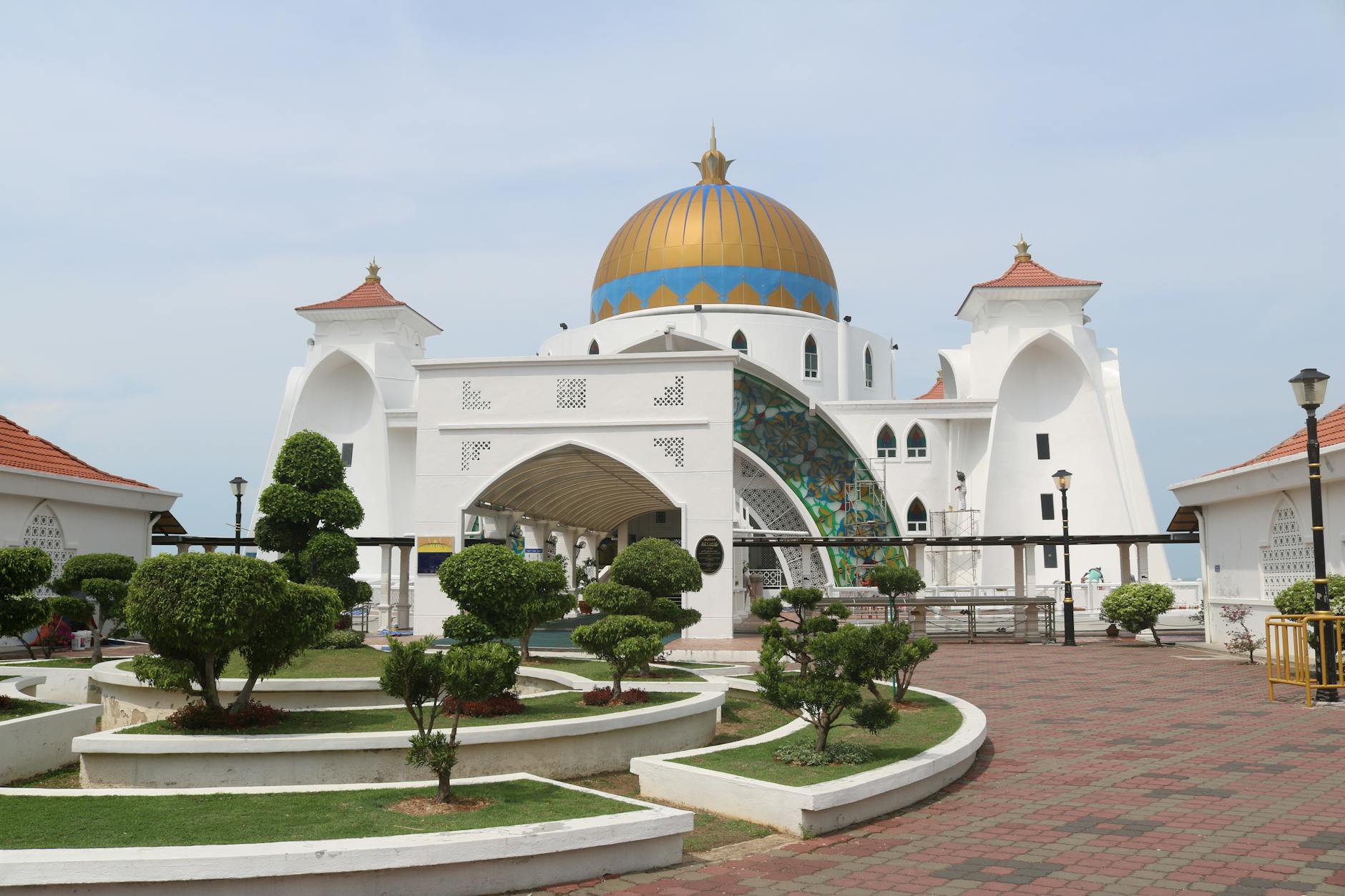
An attendee joining a fully managed conference at one hotel may not need a custom Malacca City report. A report becomes useful when the trip includes a presentation, poster, workshop, road transfer, off-site venue, field visit, dietary or medical needs, older companions, or a tight onward connection.
The report should test transfer timing, venue geography, lodging, presentation logistics, transport, meal settings, field visits, heat, rain, medical access, budget, and what to cut. The value is an academic trip that keeps attention on the work rather than avoidable travel friction.
- Order when road transfers, presentations, off-site events, field visits, or health needs require testing.
- Provide dates, venue details, hotel options, presentation needs, field visits, dietary or medical needs, budget, and priorities.
- Use the report to protect the academic purpose of the trip.