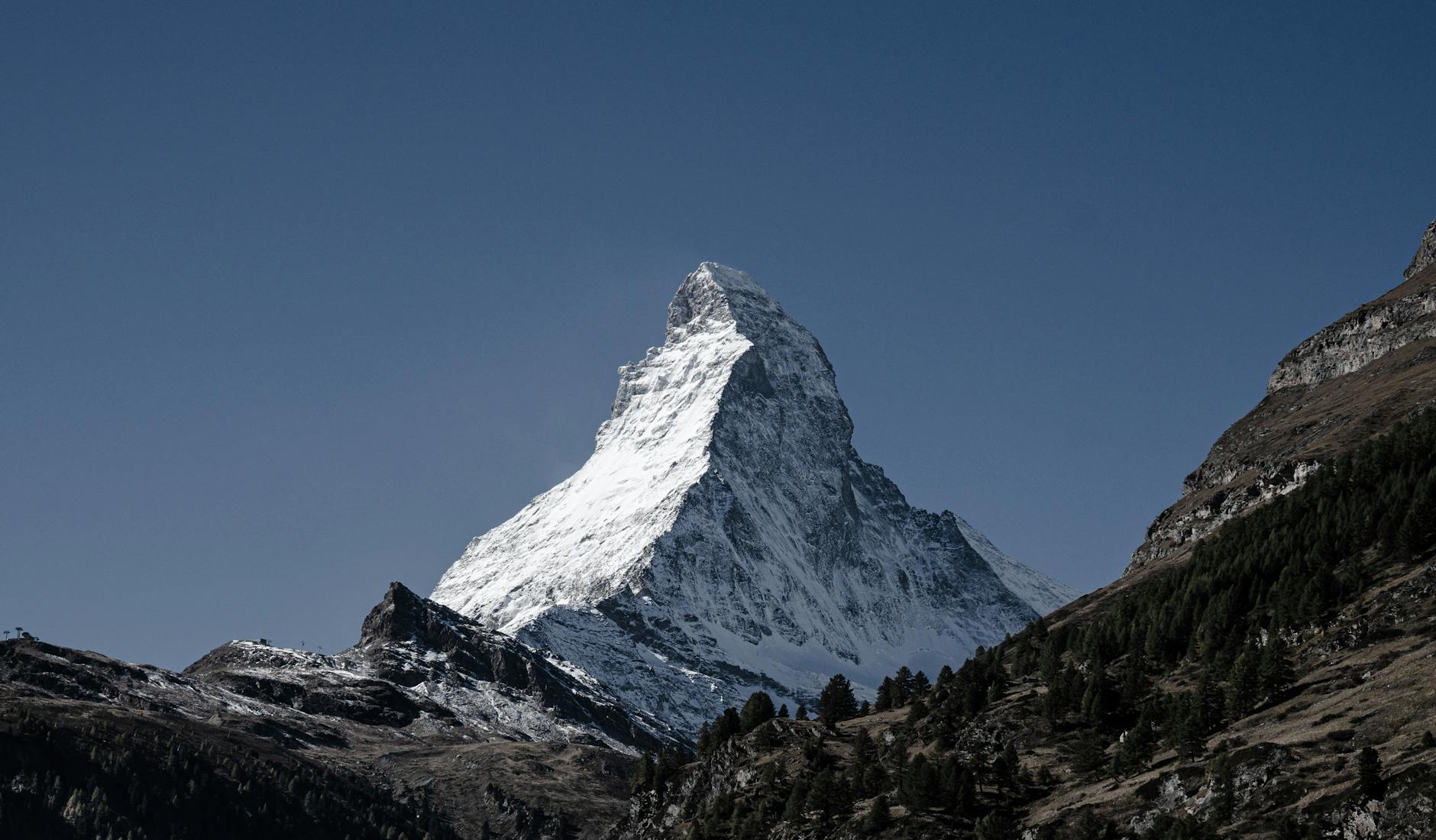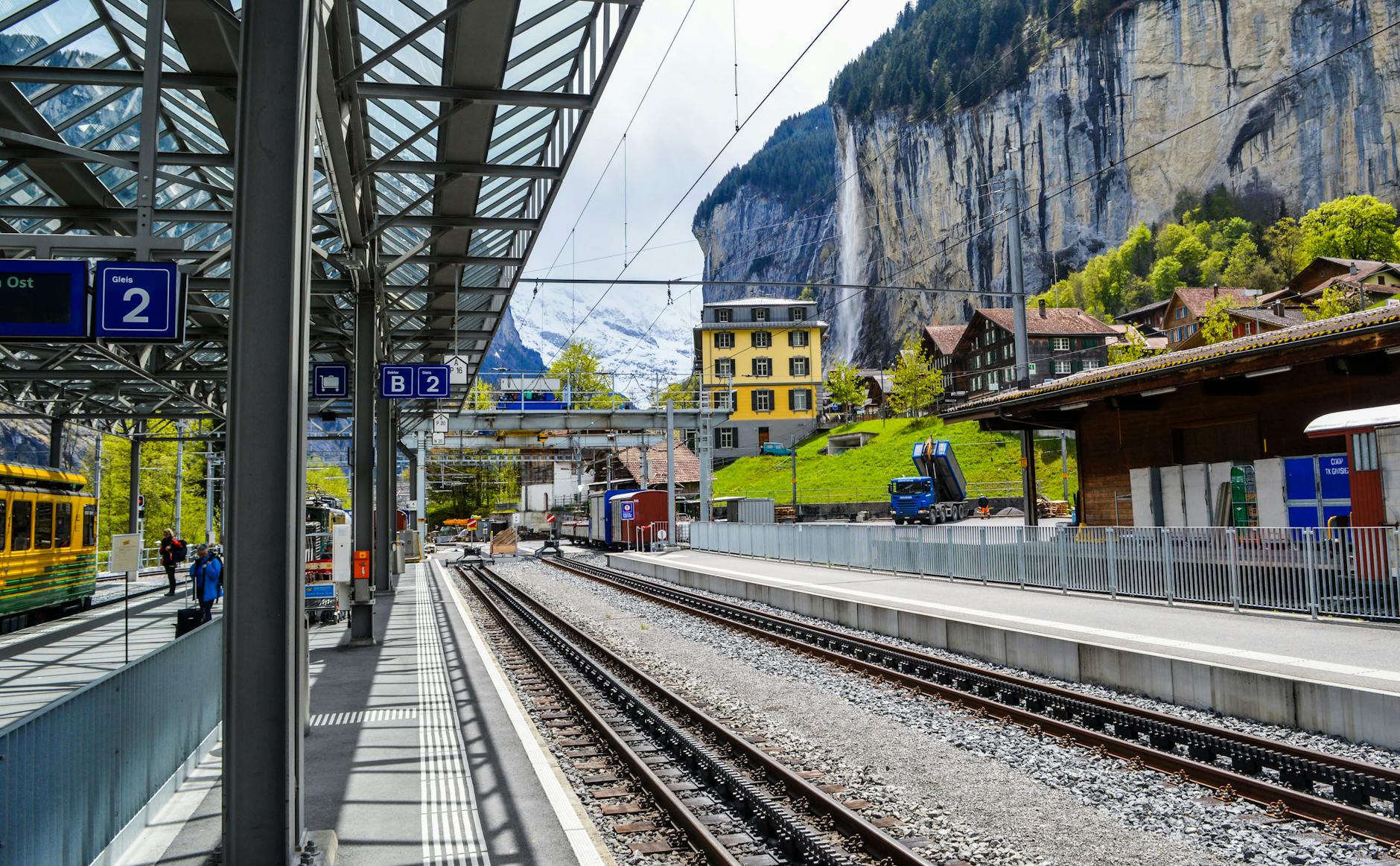
Zermatt can be a strong family destination because trains, mountain views, snow, lifts, and village scenery give children a clear sense of place. It can also become tiring fast if arrival, luggage, hotel location, meals, altitude, weather, and lift timing are not planned around the youngest or least flexible traveler.
Plan arrival around the whole family
A family arriving in Zermatt has to manage rail timing, luggage, snacks, winter layers, tired children, and the car-free final stretch. The village is organized, but the family should not rely on improvisation after a long travel day. Station pickup and luggage handling can be worth more than an extra activity.
The arrival should protect everyone's patience.
- Map the route through Visp or Tasch, including platform changes, shuttle timing, bathroom breaks, and snacks.
- Ask the hotel about station pickup, luggage support, family room access, and early or late arrival rules.
- Keep medicine, warm layers, chargers, documents, and child essentials in a small day bag.
Choose lodging that reduces daily friction
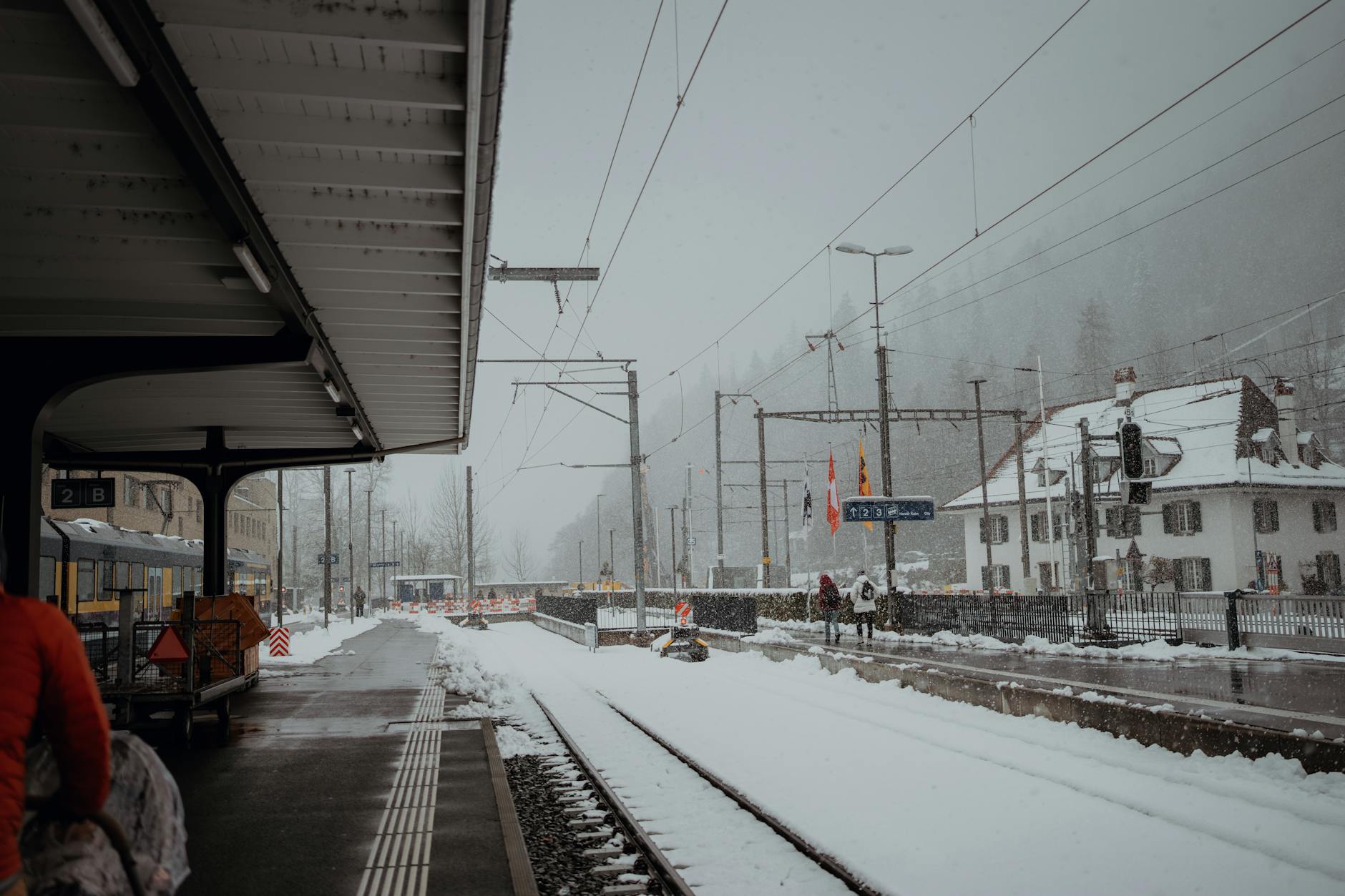
Family lodging in Zermatt should be chosen for access, room configuration, meals, storage, laundry, elevators, ski or boot support, and route simplicity. A dramatic view may not compensate for a steep walk with children, strollers, gear, or tired grandparents. The best base makes ordinary family tasks easier.
Convenience is part of the family experience.
- Check family rooms, connecting rooms, elevators, breakfast hours, laundry, gear storage, and restaurant access.
- Confirm whether the route from station, lifts, and restaurants works with children and luggage.
- Favor properties that can help with bad-weather days, early meals, and rest breaks.
Pick mountain activities by age and energy
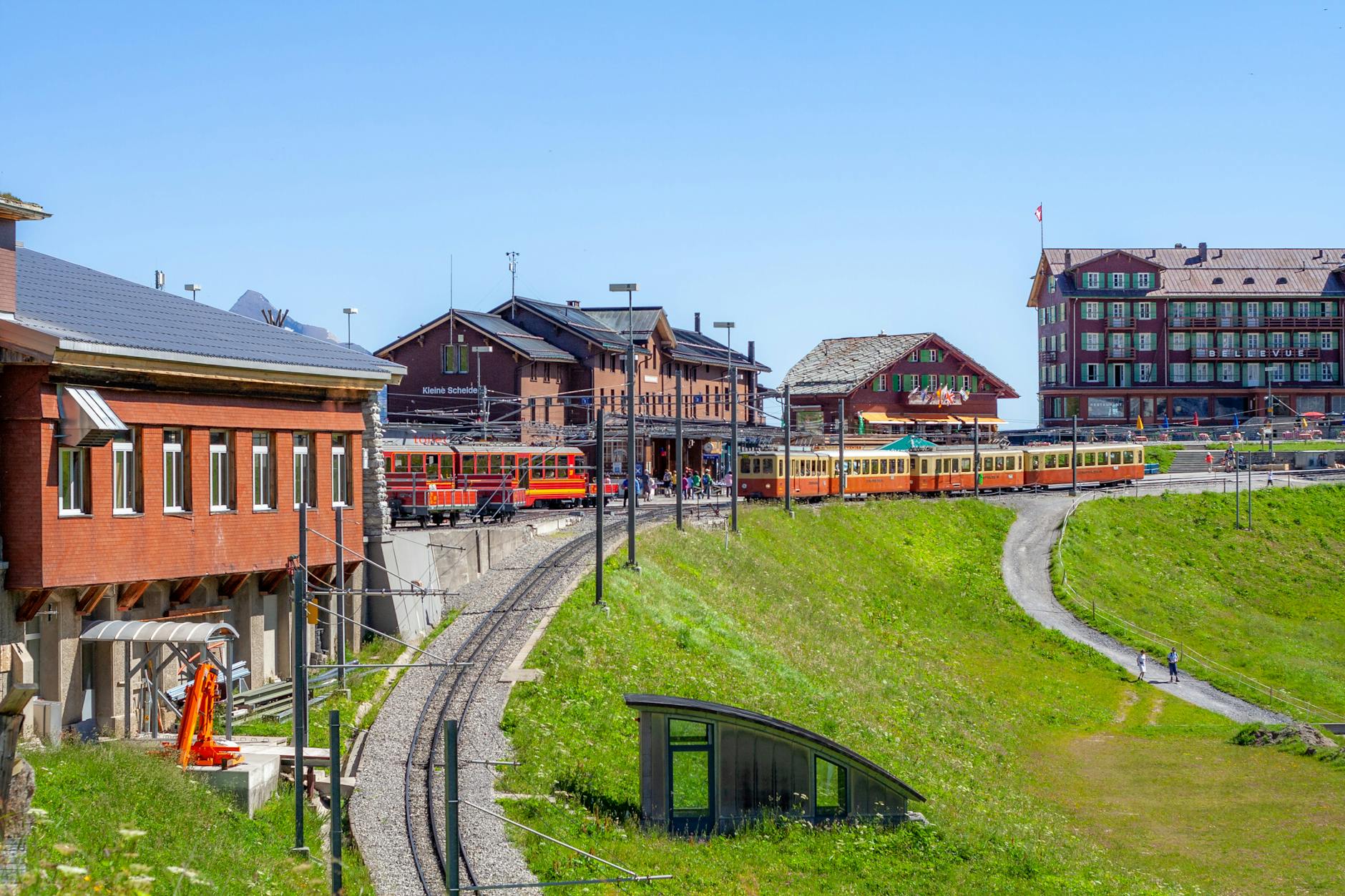
Zermatt's mountain options can be exciting for families, but altitude, cold, lifts, walking distance, ski ability, and attention span matter. A family should choose activities that fit the youngest traveler and the least confident adult. One well-paced mountain outing is usually better than several rushed ones.
The family plan should be sized to the real group.
- Check altitude, weather, walking requirements, lift timing, ski ability, toilets, food options, and return routes.
- Keep one main mountain activity per day when traveling with younger children or mixed ages.
- Avoid high-cost activities when visibility, fatigue, or clothing is not suitable.
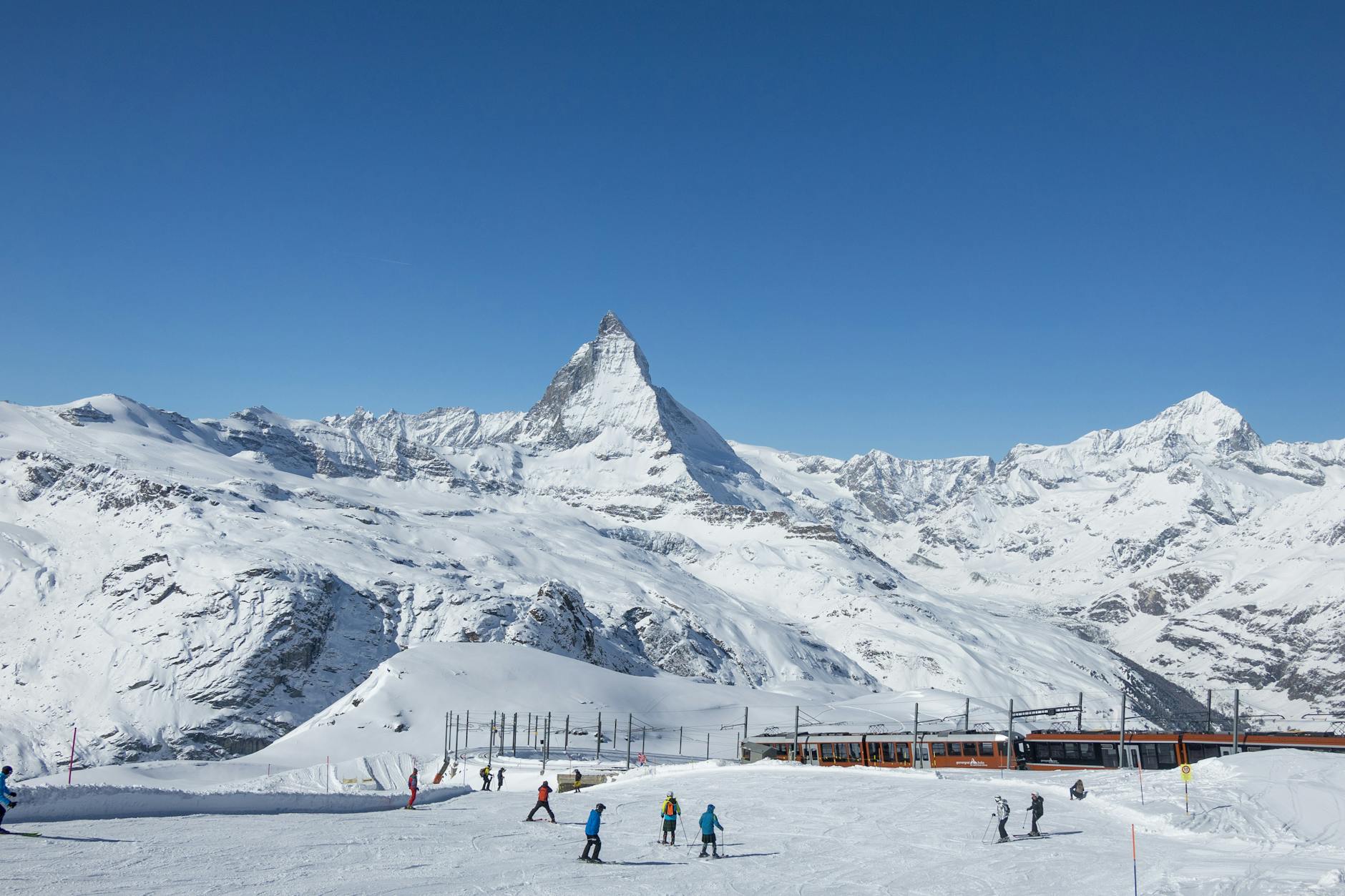
Use weather as the family schedule manager
Children and mixed-age groups respond quickly to cold, wind, wet clothing, low visibility, and long waits. The family itinerary should move outdoor plans into the best weather windows and keep warm alternatives ready. A museum, cafe, hotel pool, spa time, or short village walk can be the right choice when conditions are poor.
Good family pacing follows the weather.
- Check forecasts, webcams, lift status, and trail or ski conditions before leaving the hotel.
- Pack layers, gloves, hats, sunscreen, snacks, and backup clothing for changing mountain conditions.
- Switch to low-effort indoor or village options before tired children become the main event.
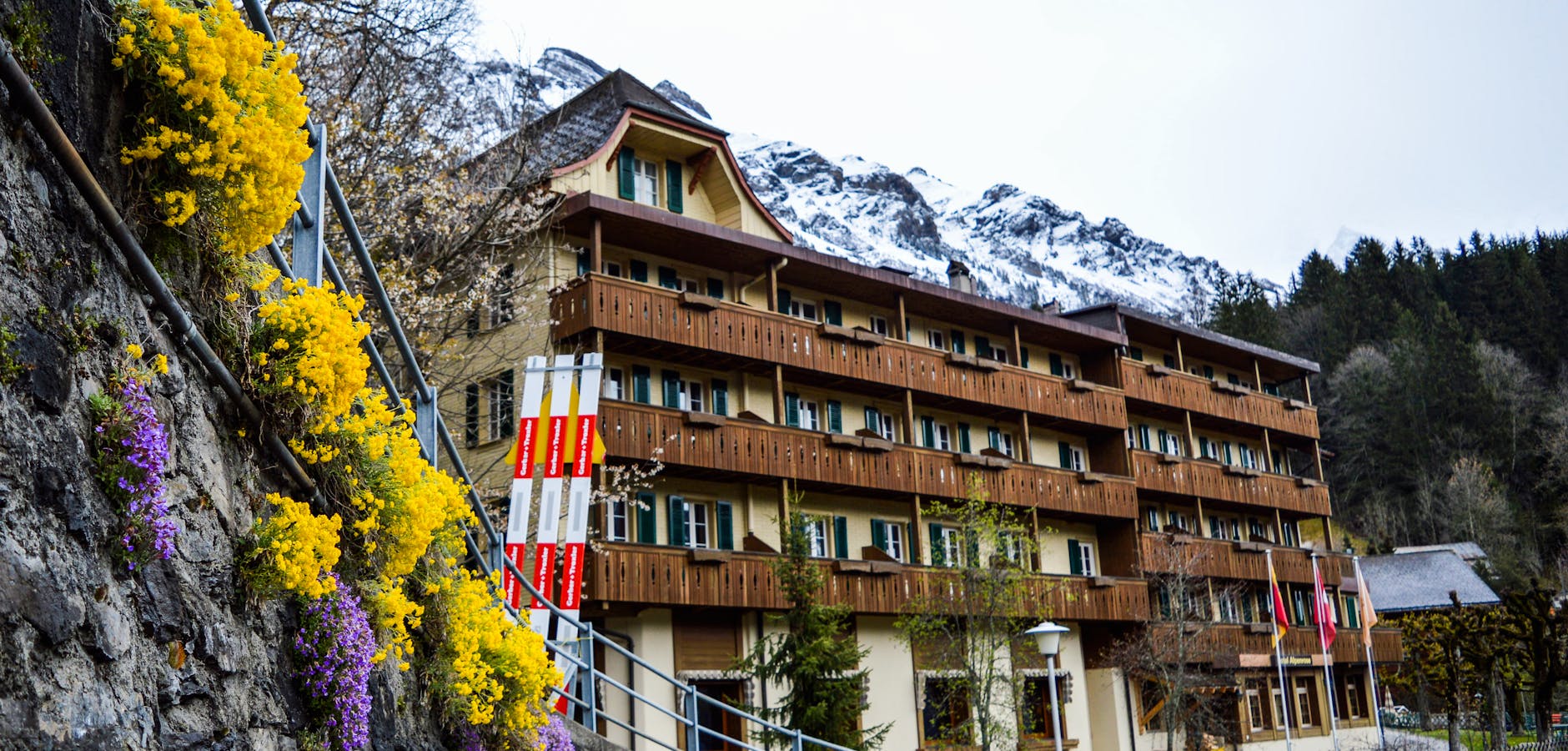
Plan meals before everyone is hungry
Zermatt can be easy for family meals if reservations, timing, and expectations are handled early. Searching for food with cold, tired, or hungry children can turn a pleasant village into a stress test. Families should decide which meals are special, which are simple, and which need to happen close to the hotel.
Meal timing is family logistics.
- Reserve family-friendly restaurants during peak periods and check children's menus, high chairs, and early seating.
- Keep snacks and water available for rail transfers, lift queues, and weather delays.
- Choose at least one easy meal option near the hotel for tired evenings.
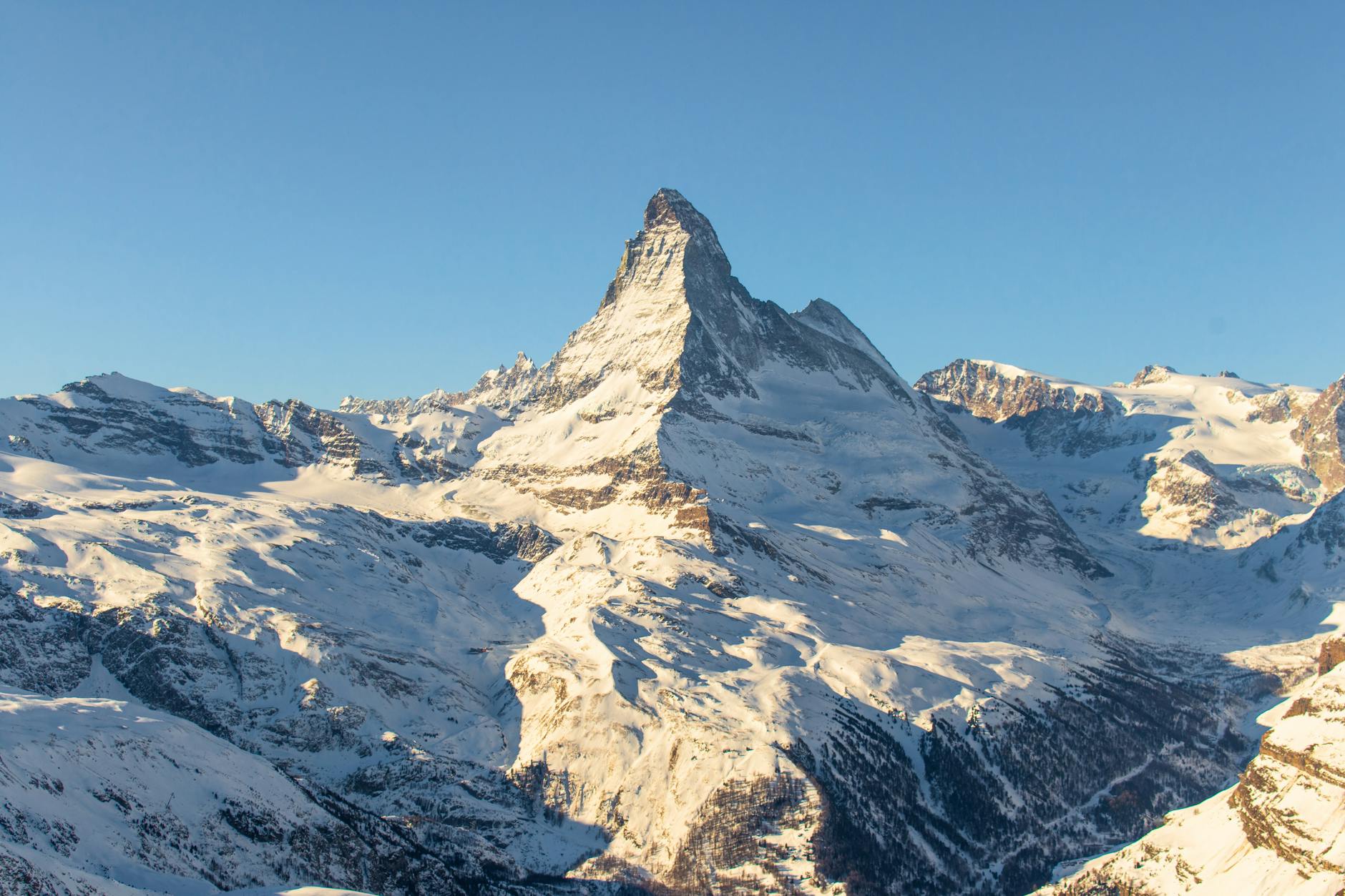
Budget for family-size alpine costs
Zermatt costs multiply quickly for families: rail, rooms, meals, lift tickets, ski gear, lessons, gloves, taxis, luggage help, and weather-driven changes. The family should identify which expenses are essential to comfort and safety, and which are optional scenic extras. A shorter, better-paced trip can be stronger than a crowded expensive one.
The family budget should buy resilience.
- Price family rooms, rail, lifts, lessons, gear, meals, transfers, luggage help, and cancellation rules before arrival.
- Book early for school holidays, ski season, summer hiking periods, and weekends.
- Keep a reserve for weather changes, warmer clothing, simple meals, or extra transport.
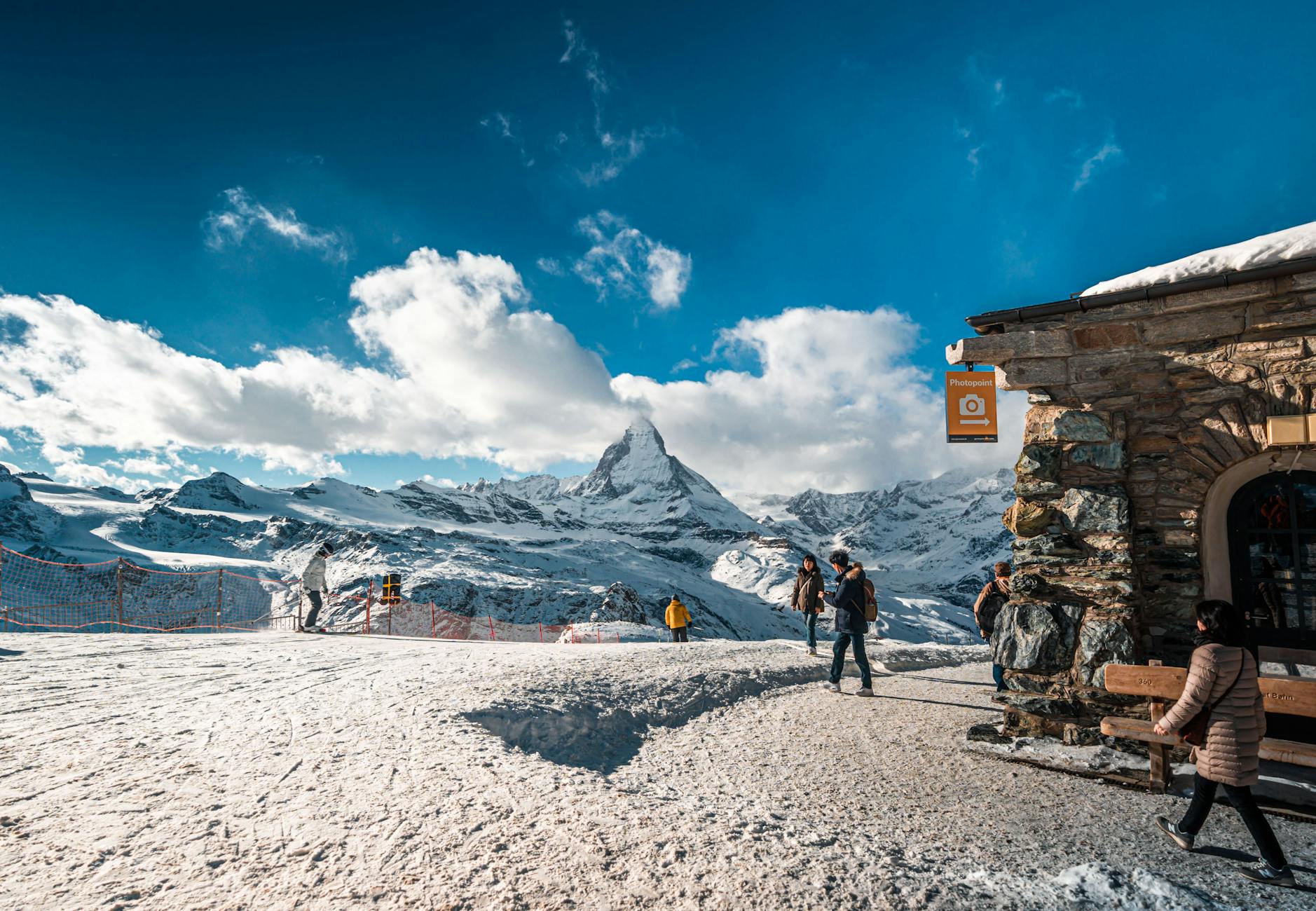
When to order a short-term travel report
A family with a fully arranged package and an easy hotel may not need a custom report. A report becomes useful when the family has mixed ages, winter gear questions, rail transfers, stroller or mobility concerns, ski lessons, expensive hotel choices, uncertain weather, meal needs, or a tight onward connection.
The report should test rail access, luggage, hotel fit, room setup, activity choice, altitude, weather alternatives, meals, costs, and departure buffers. The value is a Zermatt family stay that gives everyone the mountain experience without making each day harder than it needs to be.
- Order when access, luggage, hotel setup, family activities, weather, meals, costs, or onward travel need exact planning.
- Provide dates, ages, rail route, hotel candidates, gear needs, activity interests, meal constraints, and budget limits.
- Use the report to make the trip realistic for the whole family, not just the most ambitious traveler.