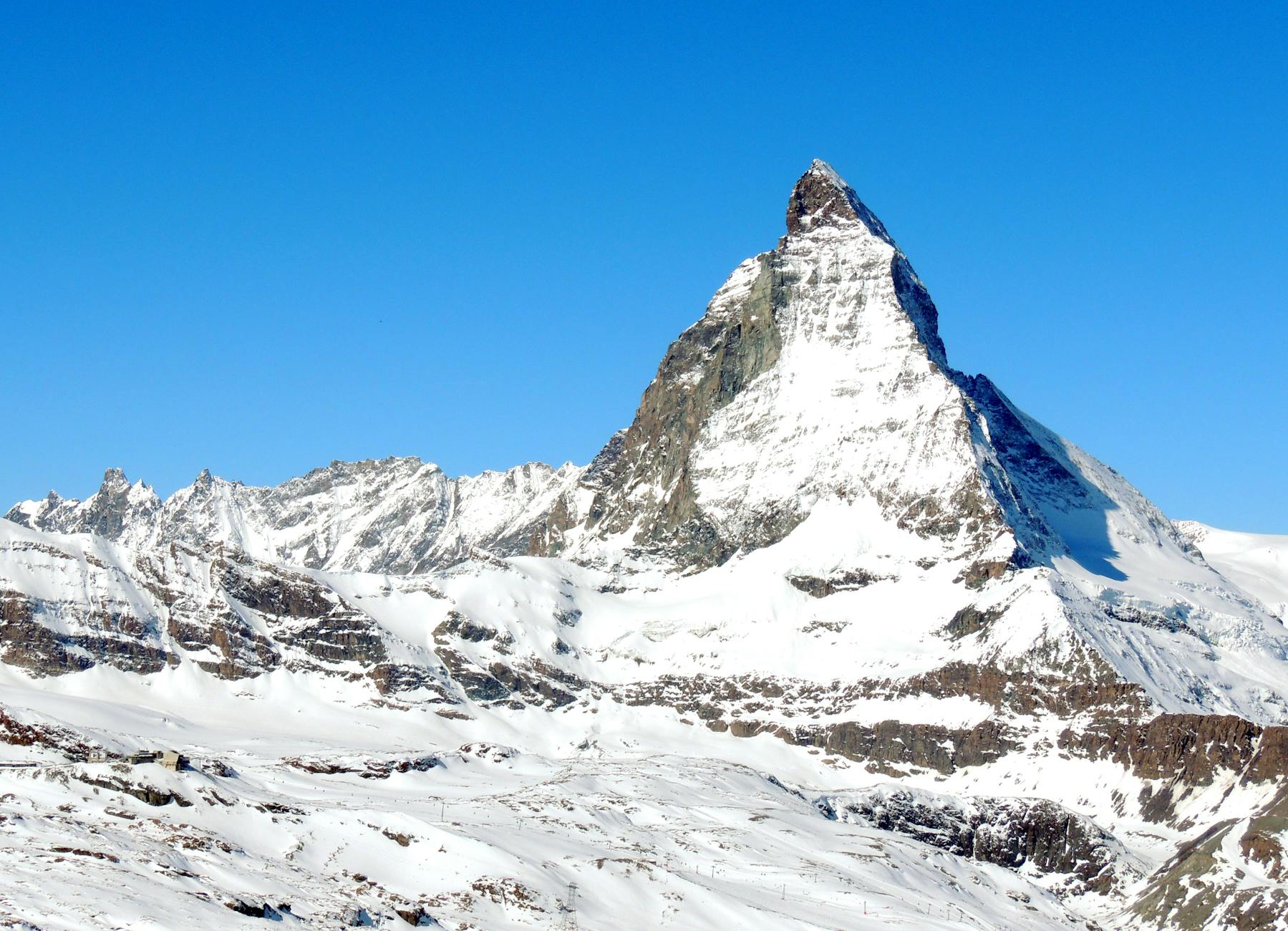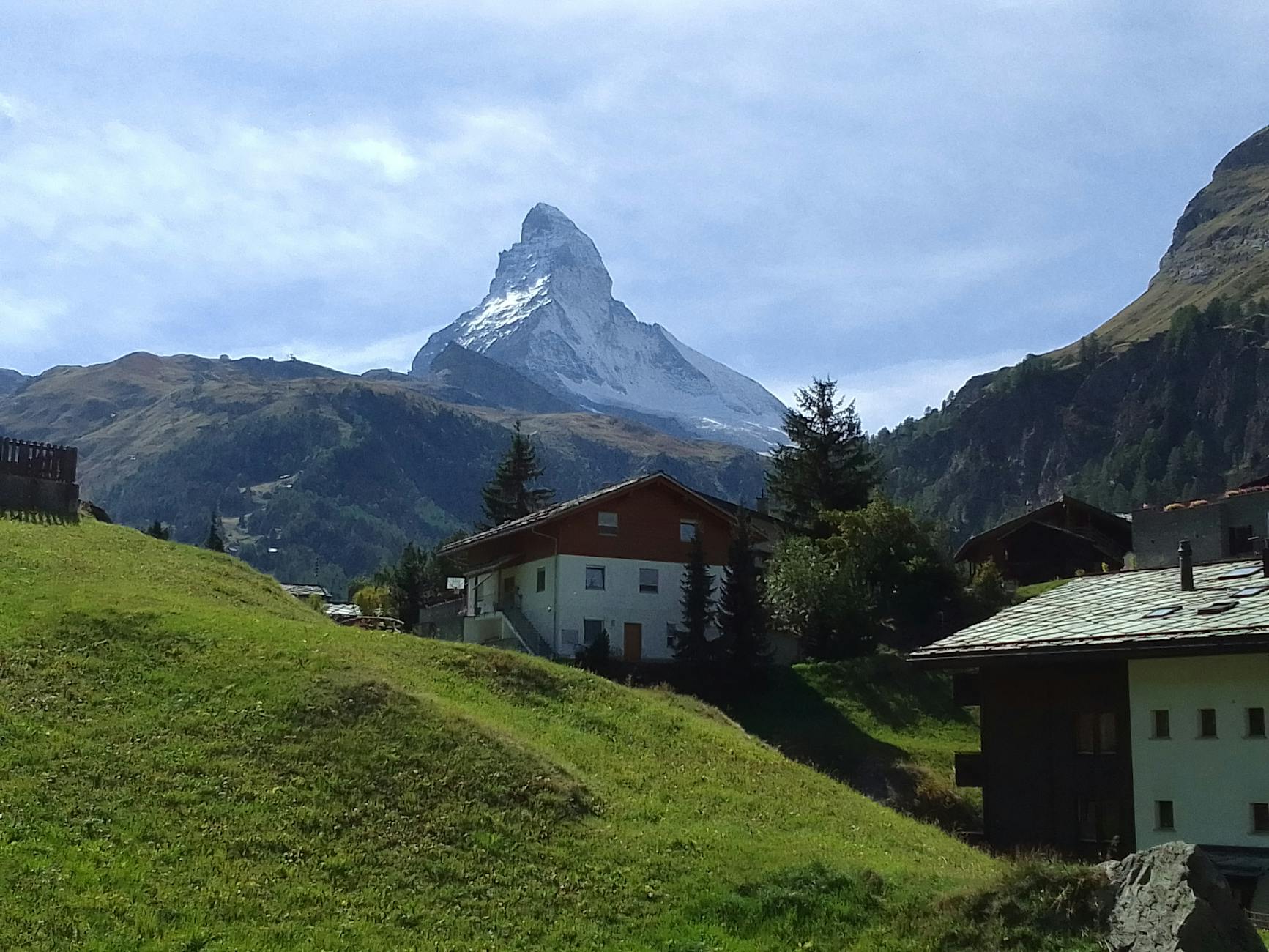
Zermatt can deliver a high-end alpine stay, but luxury here is not only about a Matterhorn view or an expensive hotel. The best version comes from frictionless rail arrival, serious luggage handling, a property that works in bad weather, thoughtful dining, well-timed mountain access, and enough restraint to enjoy the village rather than turning the stay into a sequence of costly transfers.
Define luxury as control, not only scenery
A Zermatt luxury trip should feel calm, not merely expensive. The Matterhorn view matters, but the deeper value is control: clean arrival, responsive service, privacy, good food, weather flexibility, and a hotel that remains satisfying even when outdoor plans change. The traveler should decide what luxury means before the booking process narrows the trip to room category alone.
The best purchase is usually the one that removes friction.
- Clarify whether the priority is view, spa, dining, privacy, ski access, guiding, service, room size, or quiet.
- Avoid paying for a scenic room if the hotel location, service model, or arrival support does not fit the stay.
- Treat weather resilience as part of the luxury product in a mountain village.
Make the car-free arrival feel effortless
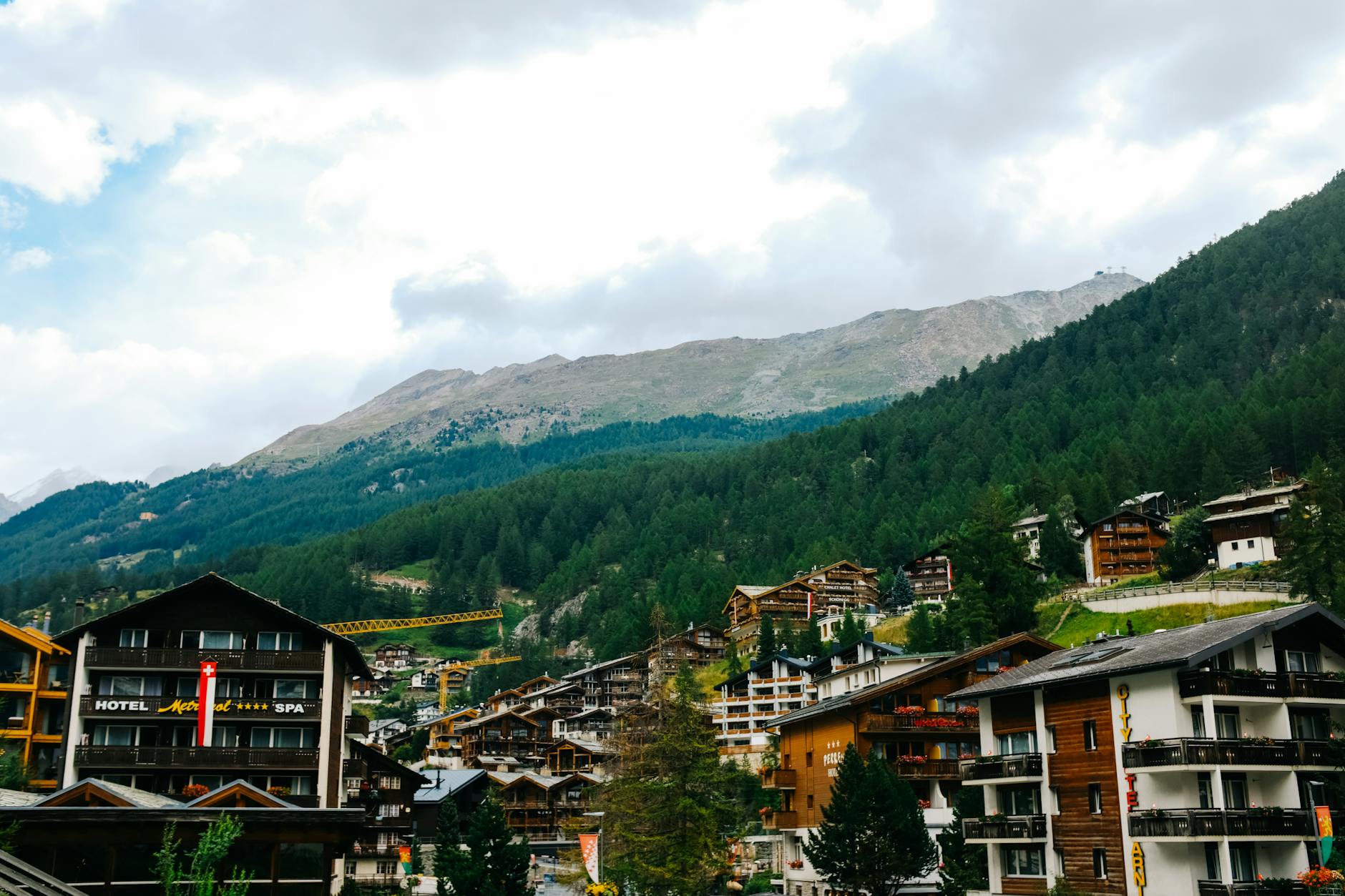
Zermatt's car-free model is elegant only when arrival is planned well. A luxury traveler should coordinate rail timing, Tasch or Visp transfers, luggage handling, hotel pickup, and arrival refreshments before the day begins. The goal is not to eliminate the alpine journey. It is to make the journey feel intentional instead of improvised.
Arrival sets the tone for the whole stay.
- Confirm rail routing, first-class seating, luggage transfer, hotel pickup, and late-arrival procedures before departure.
- Keep valuables, medicine, documents, chargers, and a change of clothes in a personal bag.
- Avoid scheduling a tasting menu, spa treatment, or private activity too close to the inbound rail sequence.
Choose a hotel for service depth
A luxury hotel in Zermatt should be evaluated as an operating base. View quality matters, but so do room quiet, staff responsiveness, spa hours, dining quality, pickup service, ski or boot support, lift access, private terraces, and what the property can arrange when the weather changes. A high tariff without logistics support is not enough.
The hotel should solve problems before they become visible.
- Ask about station pickup, luggage handling, spa access, restaurant reservations, guiding contacts, ski storage, and room privacy.
- Check whether the hotel can support bad-weather days with dining, wellness, lounges, views, and flexible activity advice.
- Choose a property whose location still works after dinner, in snow, or during low visibility.
Use private help where it changes the trip
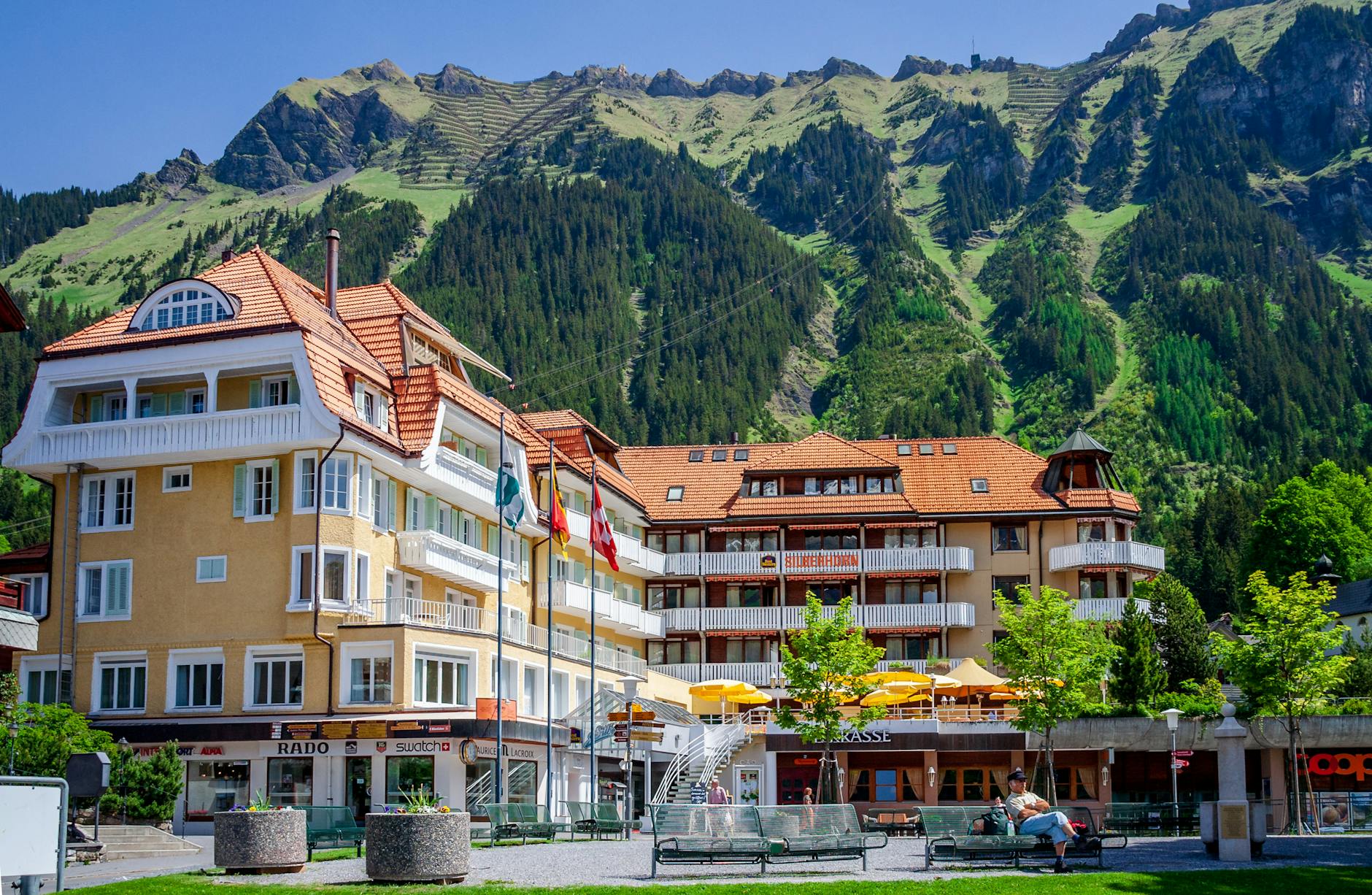
Private guiding, ski instruction, hiking support, photography, transfers, and restaurant help can improve Zermatt when they remove uncertainty or unlock better timing. They are less useful when they simply add obligations to a short stay. A luxury traveler should buy help that protects the pace and the weather window.
Service should create space, not crowd the itinerary.
- Consider private guiding for skiing, hiking, viewpoints, photography, restaurant planning, or first-day orientation.
- Confirm cancellation rules, weather alternatives, equipment needs, and meeting points before booking.
- Leave unscheduled time so premium services do not turn the trip into a sequence of appointments.
Plan the signature mountain moment carefully
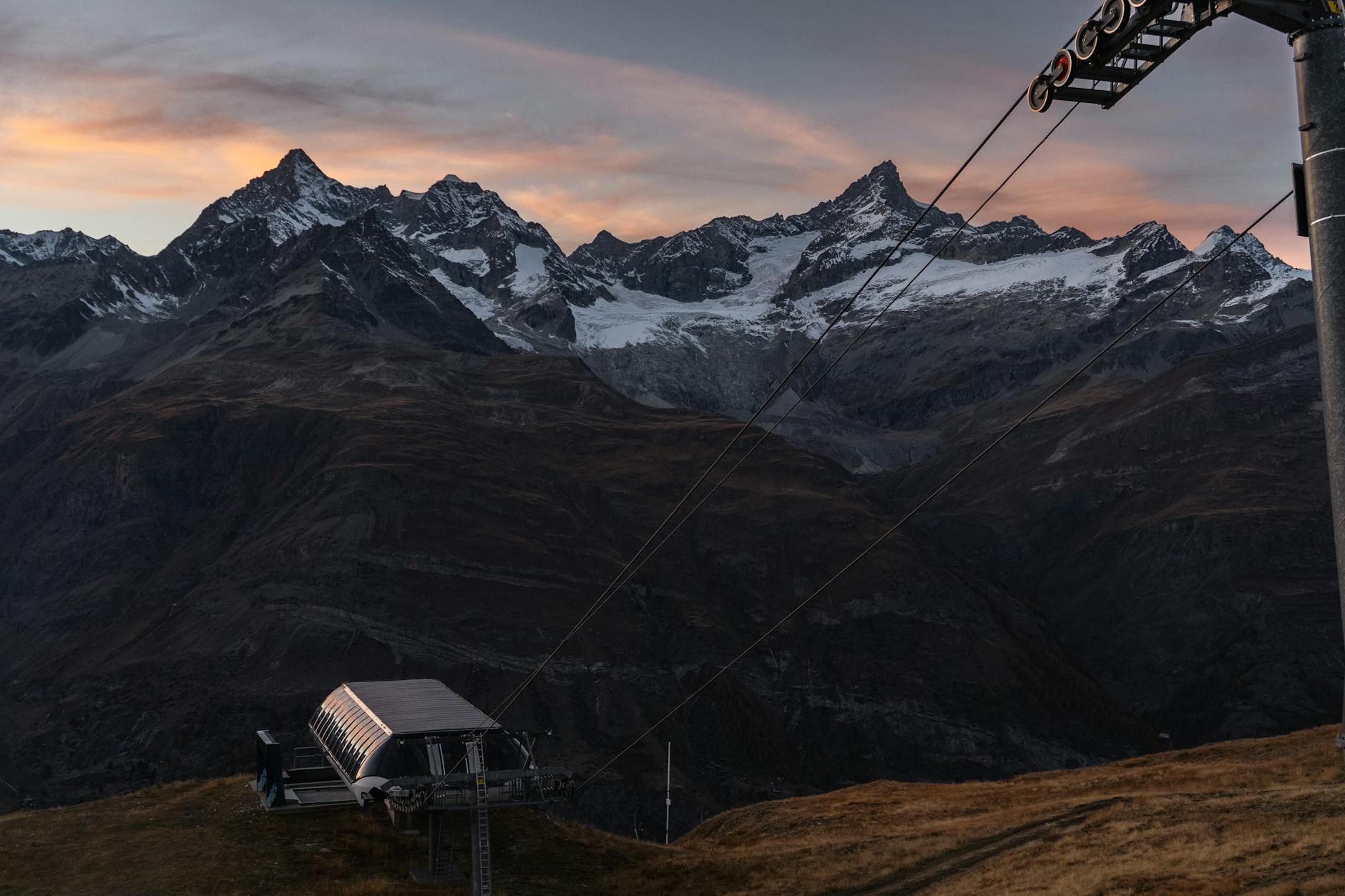
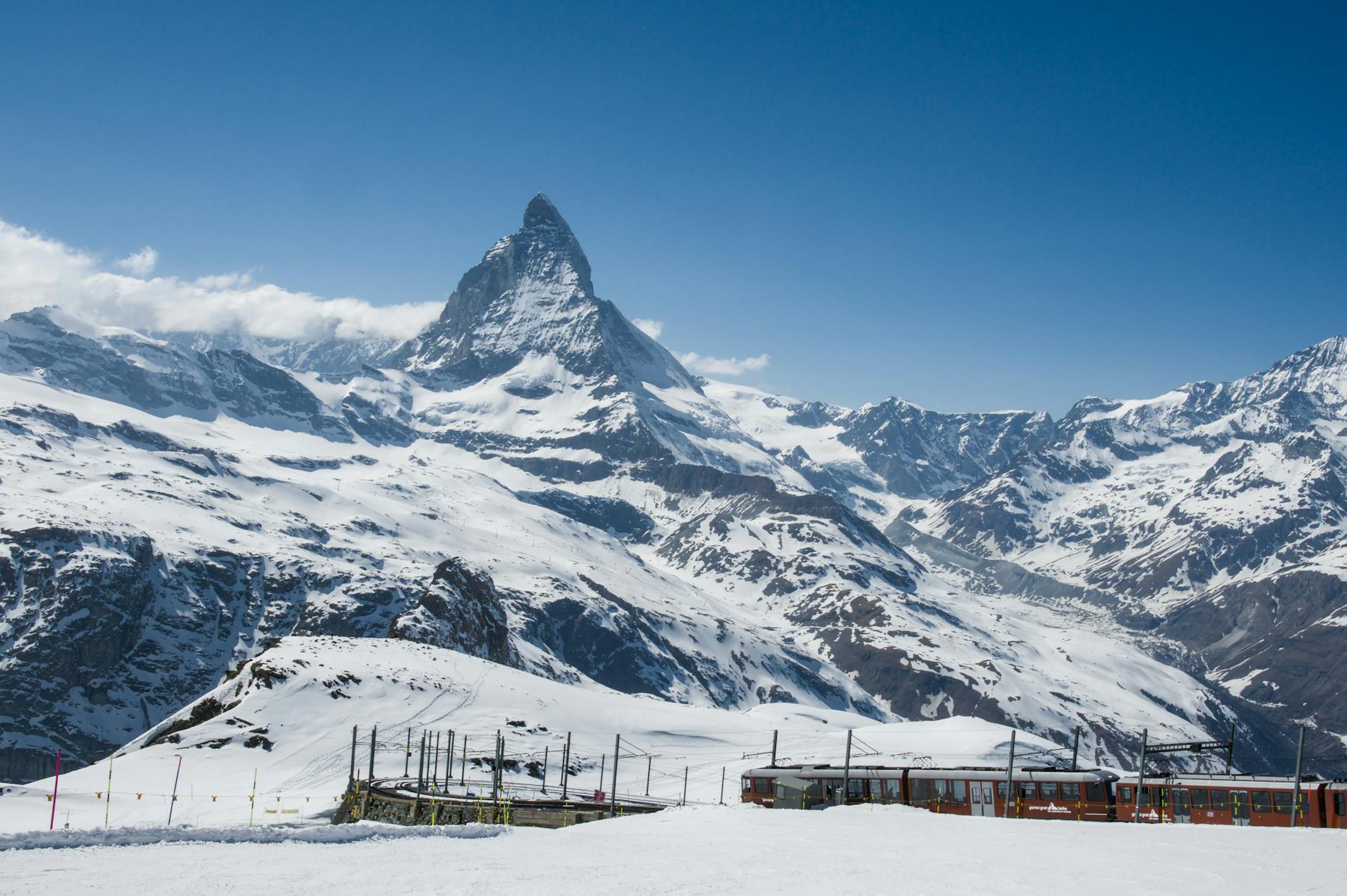
A luxury traveler may want one defining Zermatt moment: Gornergrat, Klein Matterhorn, a private ski day, a scenic lunch, a spa afternoon with the mountain outside, or a special viewpoint. That moment should be placed in the best weather window and supported by realistic transport, altitude, clothing, and reservation planning.
The signature experience should feel composed, not rushed.
- Check webcams, lift status, rail schedules, altitude exposure, clothing needs, and meal reservations before committing.
- Move the main mountain experience earlier if visibility is strong and the forecast may worsen.
- Avoid stacking the premium activity against checkout, tight rail departures, or late restaurant bookings.
Budget for premium alpine friction
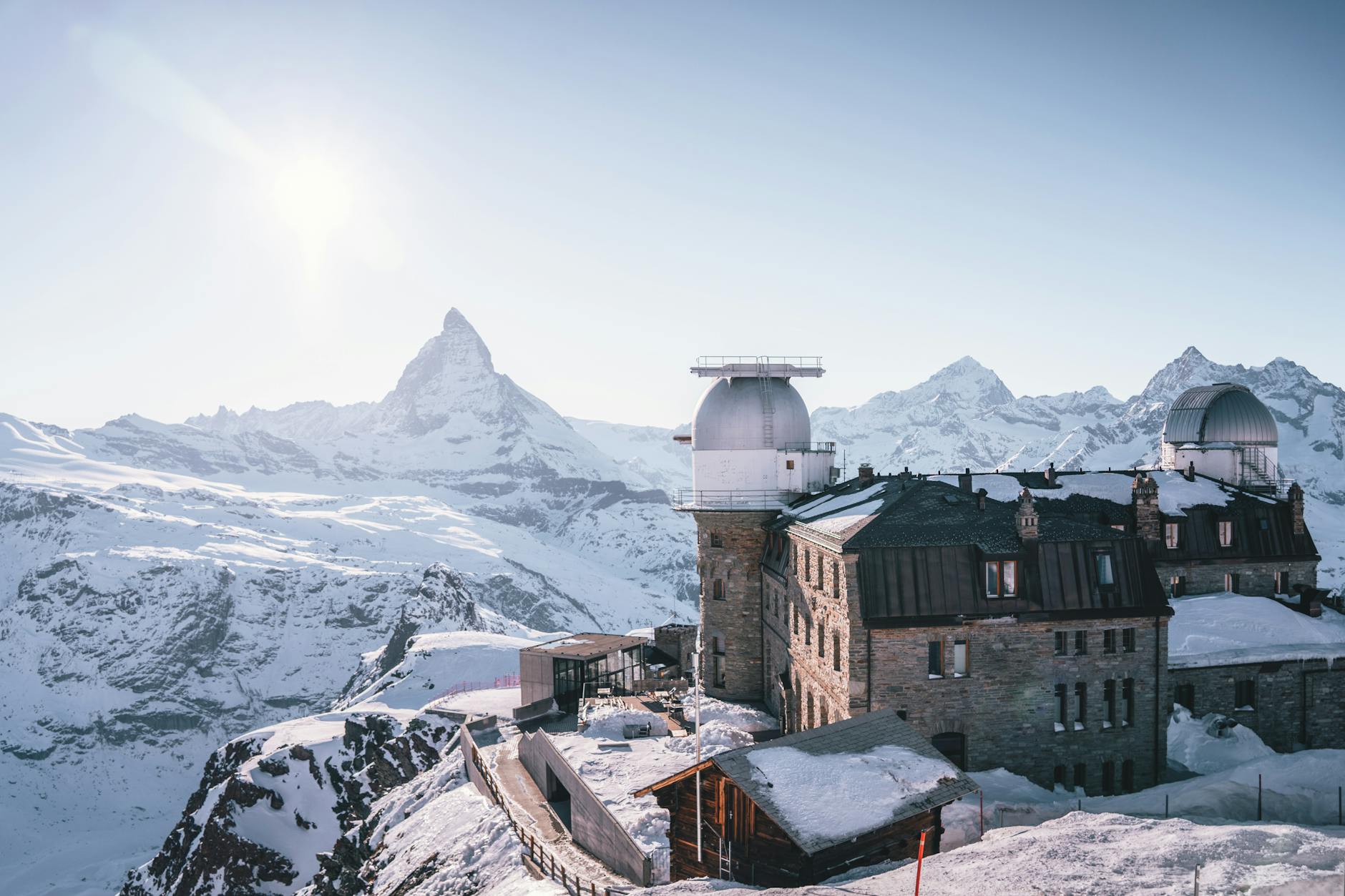
Luxury Zermatt costs can compound through hotels, rail upgrades, luggage transfer, lift tickets, guides, gear, spa access, tasting menus, wine, taxis, and weather-driven changes. The traveler should separate essential comfort from add-ons that only make the stay busier. Expensive does not automatically mean better paced.
The budget should buy clarity and calm.
- Price rail, hotel, transfers, luggage help, lifts, guiding, ski gear, meals, spa services, and cancellation rules together.
- Reserve early for peak winter, summer, holidays, and high-demand clear-weather periods.
- Keep a weather-change budget for alternative meals, spa time, private transport, or rescheduled activities.
When to order a short-term travel report
A luxury traveler with a trusted hotel concierge and flexible dates may not need a custom report. A report becomes useful when the traveler is comparing expensive hotels, controlling rail access, planning private guiding, coordinating dining, managing weather-sensitive mountain goals, or trying to fit Zermatt into a wider Switzerland itinerary.
The report should test hotel location, arrival flow, luggage, view tradeoffs, private services, mountain timing, weather alternatives, dining, costs, and departure buffers. The value is a luxury stay where the money buys ease instead of avoidable complexity.
- Order when hotel choice, arrival logistics, private services, weather windows, dining, or onward travel need exact planning.
- Provide dates, airport or rail gateways, hotel candidates, room priorities, dining interests, activity goals, and budget boundaries.
- Use the report to build a high-end Zermatt stay that stays calm under mountain conditions.