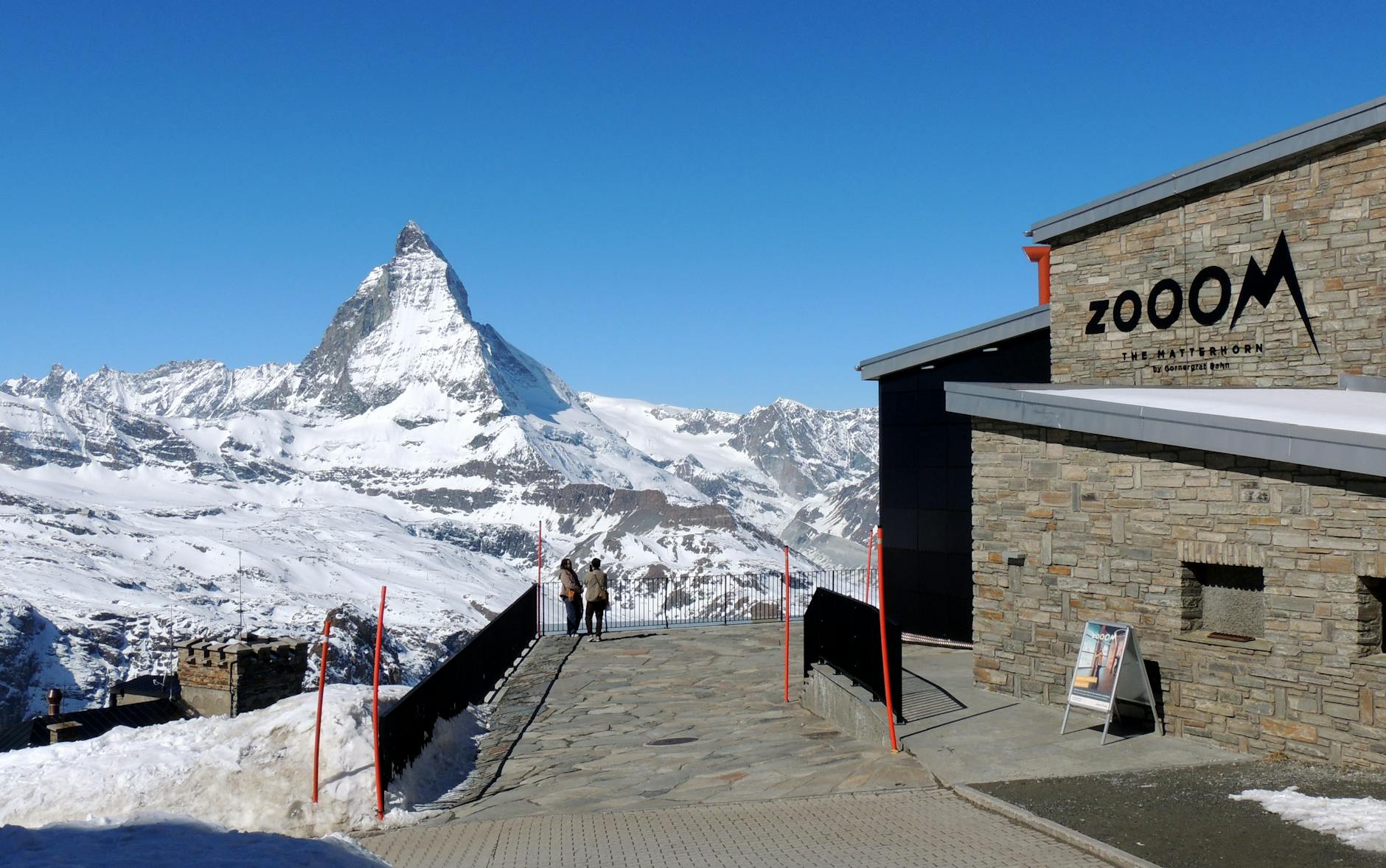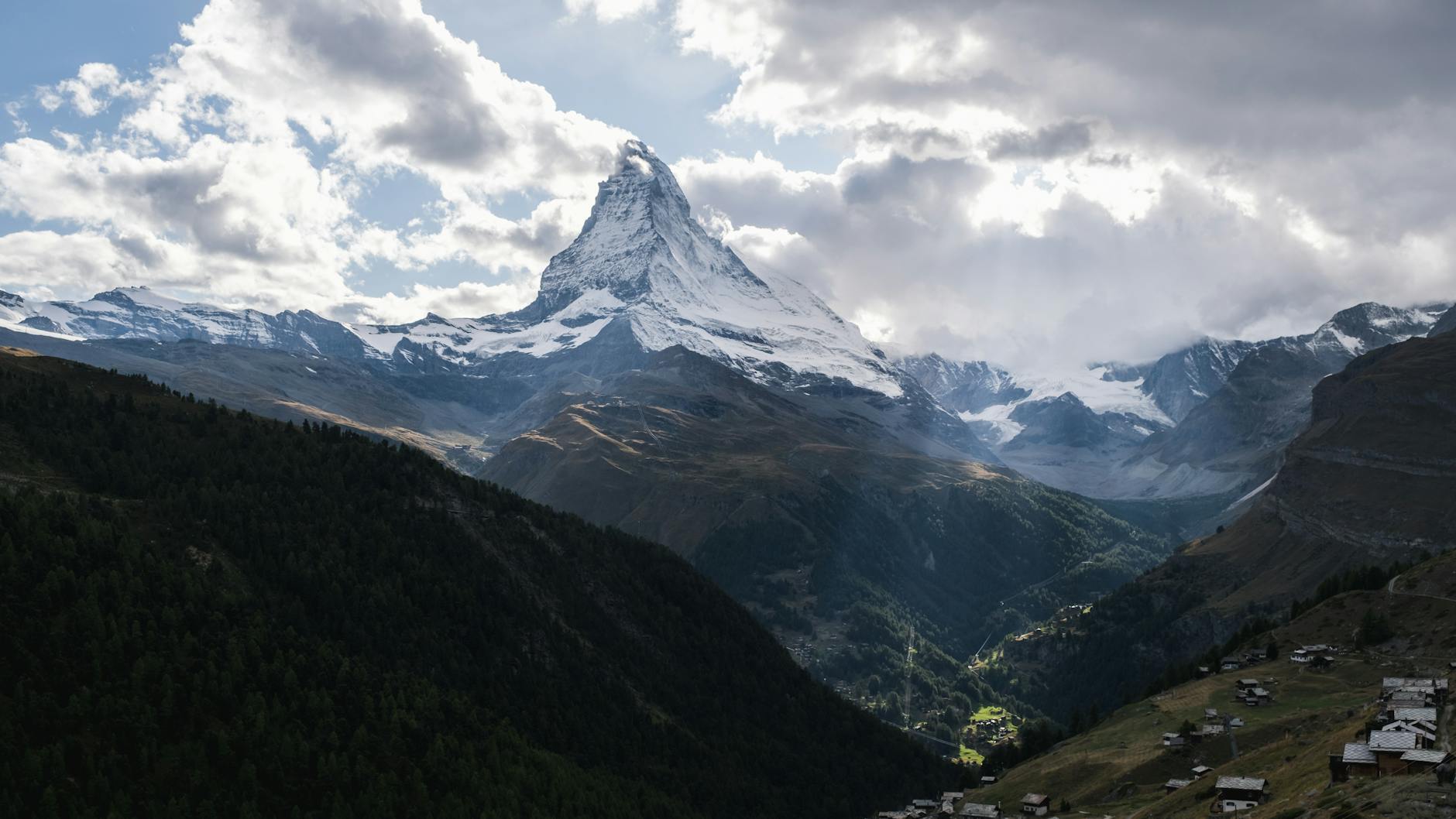
Zermatt can work very well for a solo traveler because the village is compact, scenic, and easy to enjoy without a large group. It still requires discipline. A solo visitor has to manage luggage, rail timing, mountain weather, altitude, evening choices, and safety margins without assuming someone else will notice when the plan has become too ambitious.
Decide what kind of solo trip this is
A solo Zermatt trip can be reflective, active, restorative, photographic, culinary, or skill-focused. The traveler should name that purpose before filling the itinerary. Without a clear intention, it is easy to overbuy mountain tickets, walk too far, or chase every view without enough rest.
Solo travel works best when the pace is chosen deliberately.
- Clarify whether the trip is for quiet, hiking, skiing, photography, wellness, food, or simply seeing the Matterhorn.
- Choose one main activity per day and keep enough village time for weather changes and rest.
- Avoid treating solo flexibility as permission to make every decision at the last minute.
Make arrival and lodging simple
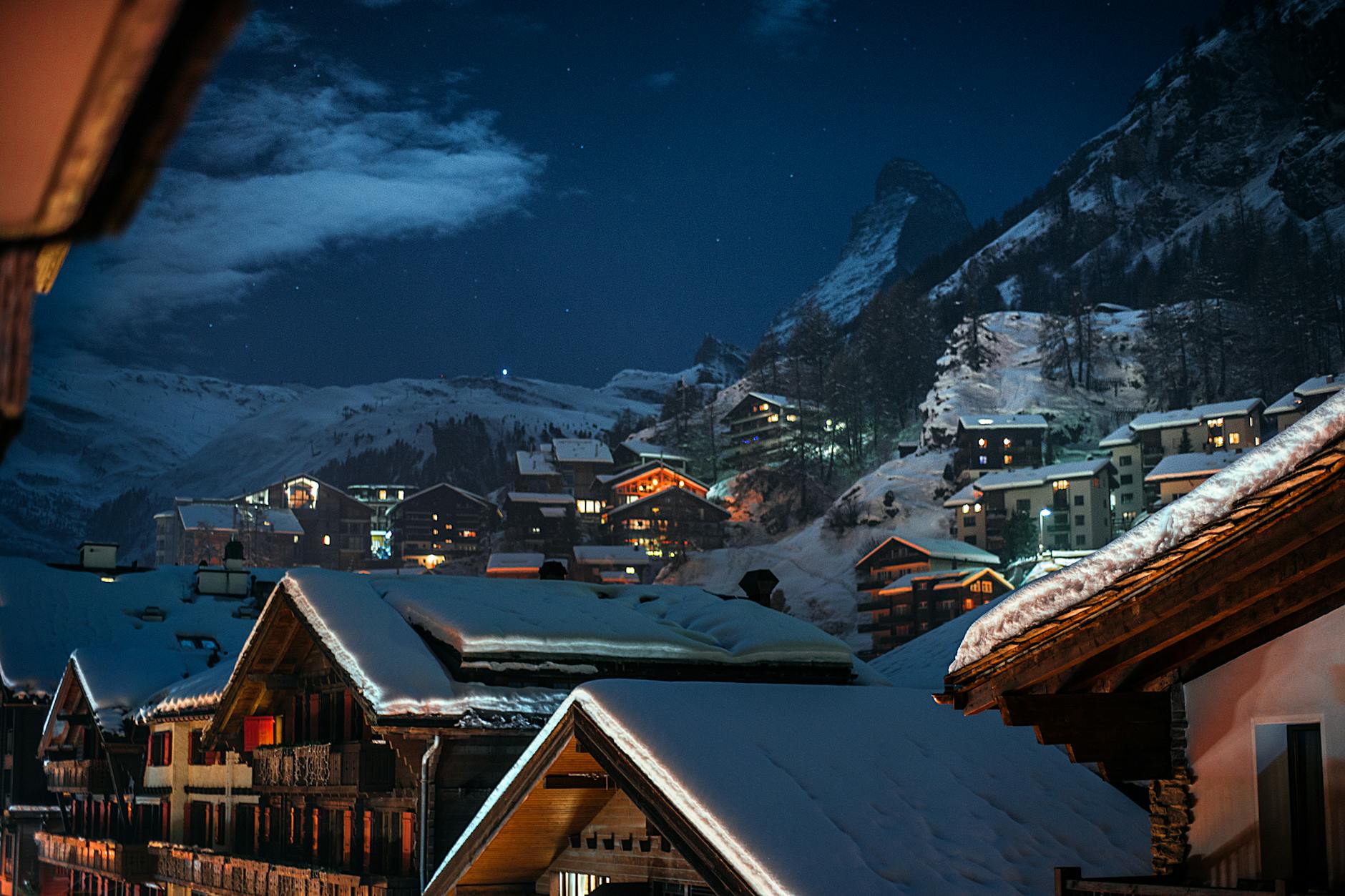
A solo traveler should make the rail arrival, luggage, and hotel route as easy as possible. Zermatt is car-free, and a traveler arriving tired may not want to solve slope, snow, luggage, and hotel pickup alone. A practical base can make the entire stay feel more confident.
The first solo decision is where to make things easy.
- Confirm rail routing through Visp or Tasch, hotel pickup, luggage handling, and walking distance from the station.
- Choose lodging with good reviews for staff support, safe access, quiet rooms, and evening return routes.
- Keep passport, medicine, money, charger, and a warm layer in a small personal bag.
Be conservative with solo mountain plans
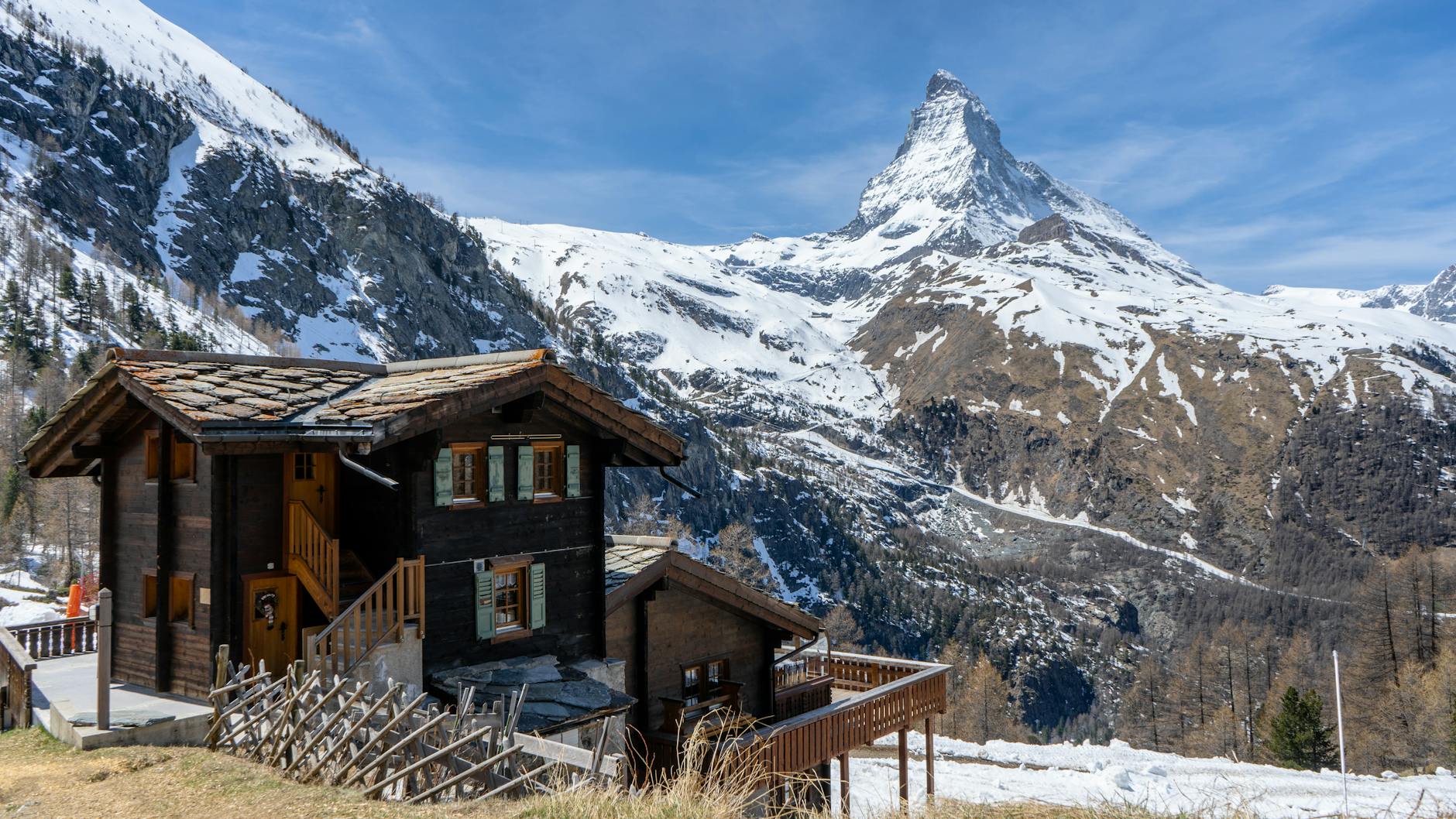
Zermatt's lifts, viewpoints, hiking routes, ski areas, and scenic rail options can tempt a solo traveler into ambitious plans. That can be fine with experience, gear, and weather awareness, but it should not be improvised casually. A solo mountain day needs clear routes, operating times, phone battery, clothing, and a fallback.
Independence should not erase margin.
- Check lift status, weather, trail or ski conditions, route difficulty, altitude, and last return times before leaving.
- Tell the hotel or a trusted contact the general plan when heading into more exposed terrain.
- Turn back early if visibility, fatigue, footwear, or timing becomes worse than expected.
Plan dining and evenings before dark
Solo dining can be one of the pleasures of Zermatt, but peak seasons, weather, and small restaurants can make spontaneous meals harder than expected. Evening plans should also consider snow, slope, lighting, hotel distance, and whether the traveler wants a quiet night or a social setting.
A good evening begins with a practical return.
- Reserve restaurants when traveling during peak season or when a specific meal matters.
- Choose evening venues with a manageable route back to the hotel in snow, cold, or low visibility.
- Keep a simple hotel, lounge, takeaway, or early-dinner option for tired nights.
Protect communication and documents
A solo traveler should not let a dead phone, missing adapter, weak signal, or lost document become a major problem. Zermatt is organized, but mountain weather and rail timing can make small issues feel larger. The basics are simple: charged devices, offline details, backup payment, and a clear emergency plan.
Solo confidence comes from redundancy.
- Save offline maps, hotel details, rail tickets, reservation confirmations, and emergency contacts.
- Carry a power bank, adapter, backup payment card, and copies of key documents.
- Know the nearest pharmacy, clinic, station, and hotel contact method before they are needed.
Control costs without isolating the trip
Solo travelers can face higher per-person costs for rooms, transfers, guides, and meals. Zermatt adds alpine pricing for lifts, gear, rail, restaurants, and weather-driven changes. The traveler should decide where to spend for safety and comfort, and where to simplify without making the trip lonely or inconvenient.
The budget should support independence.
- Price single-room costs, rail, lifts, gear, meals, luggage help, and optional guiding before arrival.
- Spend on location, weather resilience, and safe evening returns before optional extras.
- Use group lessons, guided walks, or small tours when they improve confidence and social contact.
When to order a short-term travel report
A confident solo traveler with flexible timing and a strong hotel base may not need a custom report. A report becomes useful when the traveler has a tight rail connection, unfamiliar mountain routes, winter conditions, expensive hotel choices, dining concerns, health considerations, or a desire to balance solitude with some structured activity.
The report should test rail arrival, hotel location, luggage, solo dining, mountain safety, weather alternatives, communication, costs, and departure buffers. The value is a solo Zermatt trip that feels independent without becoming underplanned.
- Order when arrival, lodging, mountain routes, weather, solo dining, safety, or onward travel need exact planning.
- Provide dates, rail route, hotel candidates, activity interests, fitness level, budget, and comfort with solo evenings.
- Use the report to make the solo trip calm, practical, and still personal.