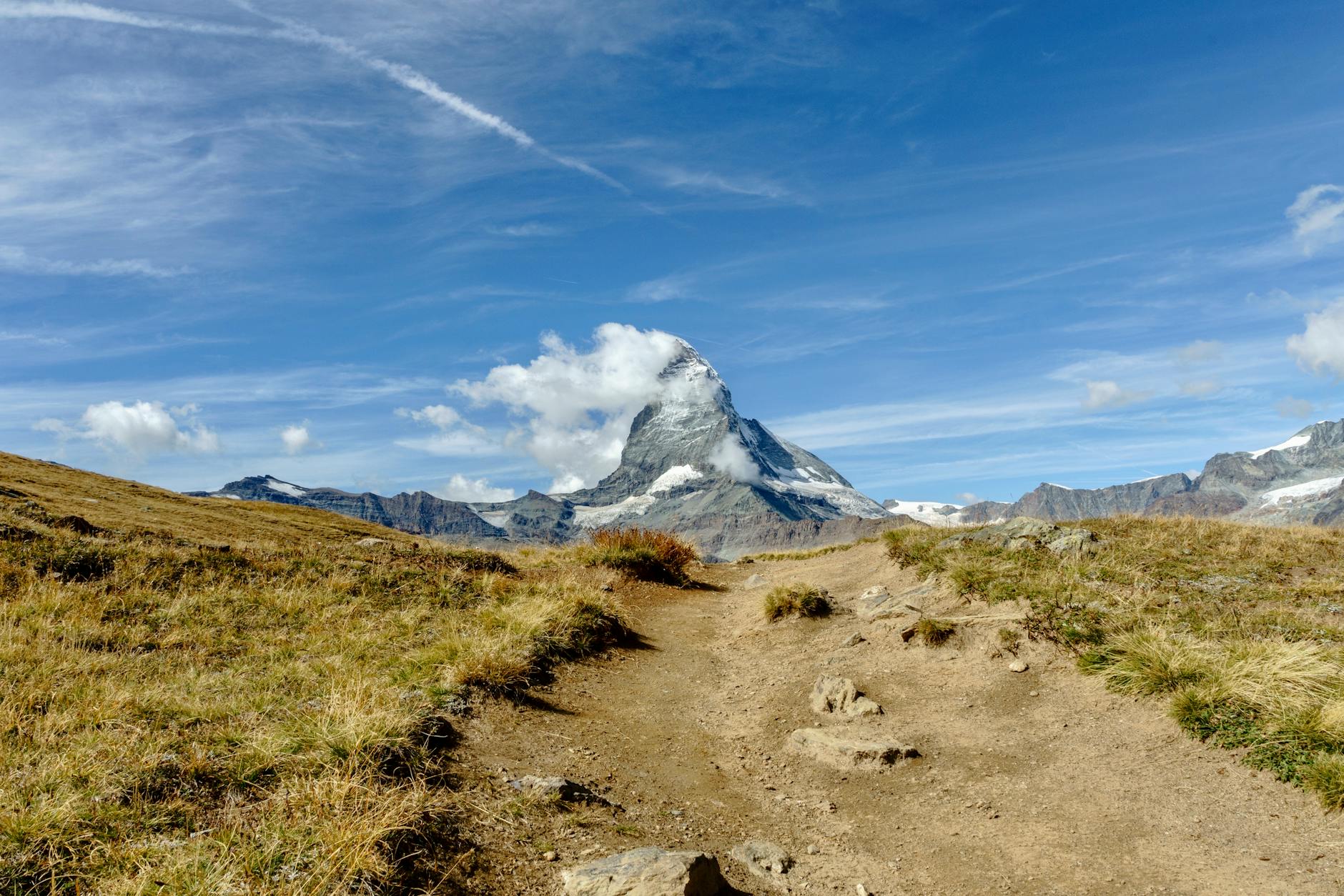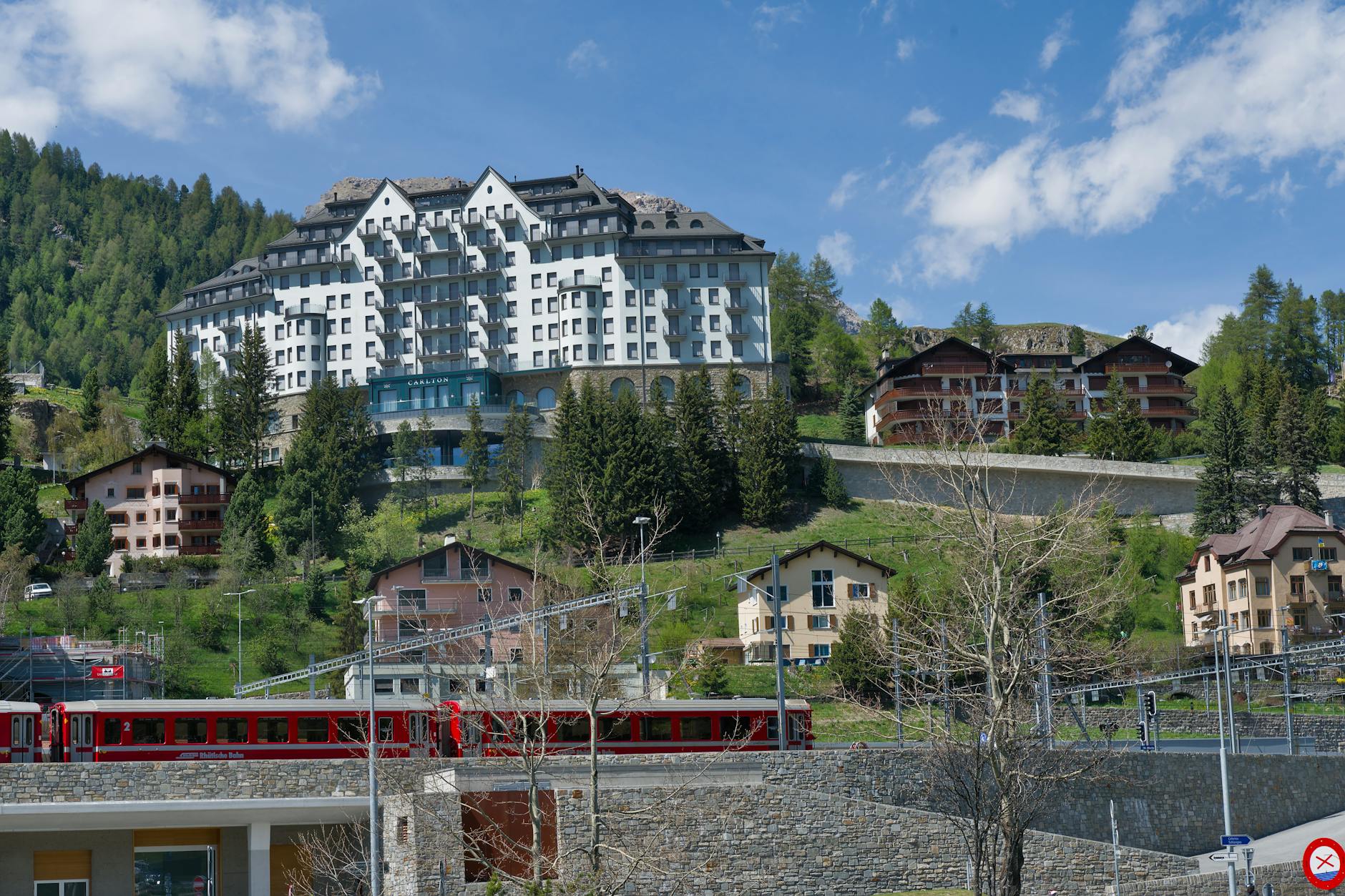
Zermatt can be a distinctive conference setting for retreats, professional meetings, industry forums, incentives, and small specialist events. It is also a mountain village rather than a standard convention district. Conference attendees should plan rail arrival, hotel placement, session routes, weather, luggage, equipment, and return timing before assuming the scenic setting will make everything simple.
Map the event before booking the hotel
A Zermatt conference may use one hotel, several venues, a mountain restaurant, a rail excursion, or a reception in a different part of the village. The attendee should understand the real event geography before choosing lodging. In a car-free setting, small route differences can matter every day.
The venue map should drive the hotel decision.
- Confirm registration, sessions, meals, receptions, offsite events, and any mountain components before booking lodging.
- Ask whether the organizer provides station guidance, luggage help, group transfers, or weather alternatives.
- Choose a hotel that supports the actual event route, not only the strongest view.
Build arrival around fixed sessions
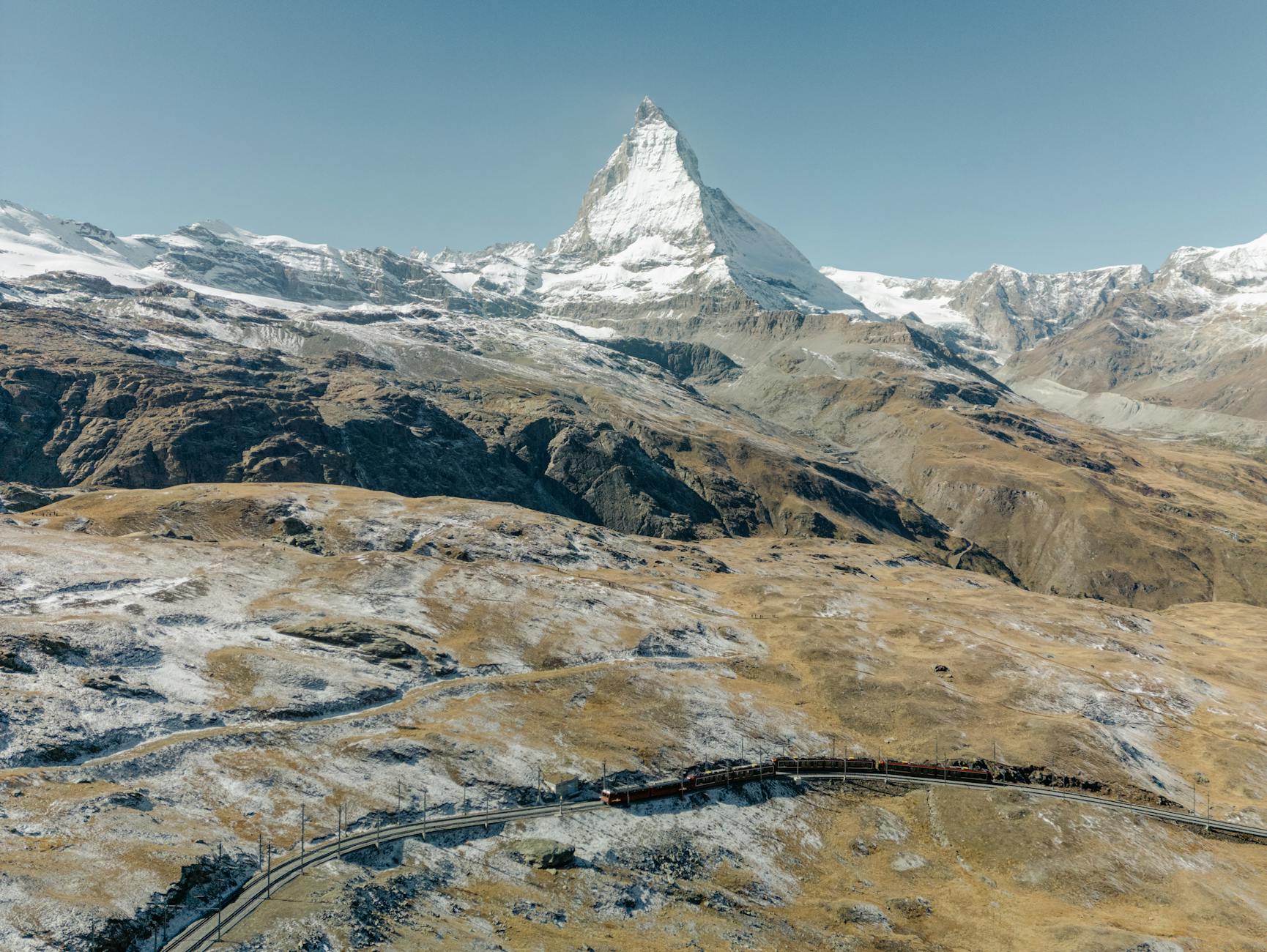
Most attendees arrive by rail through Visp or by shuttle train from Tasch. That access can be efficient, but it should be built around the first fixed session, speaker slot, workshop, or reception that cannot be missed. A late flight or tight transfer can turn a short conference into an anxious arrival.
The first commitment should define the arrival margin.
- Map airport, rail, Visp or Tasch transfer, Zermatt station arrival, luggage, and hotel pickup.
- Arrive the previous day when the first session, client meeting, or presentation is important.
- Keep a written backup if the inbound route is delayed or the weather slows the final transfer.
Choose lodging that supports work
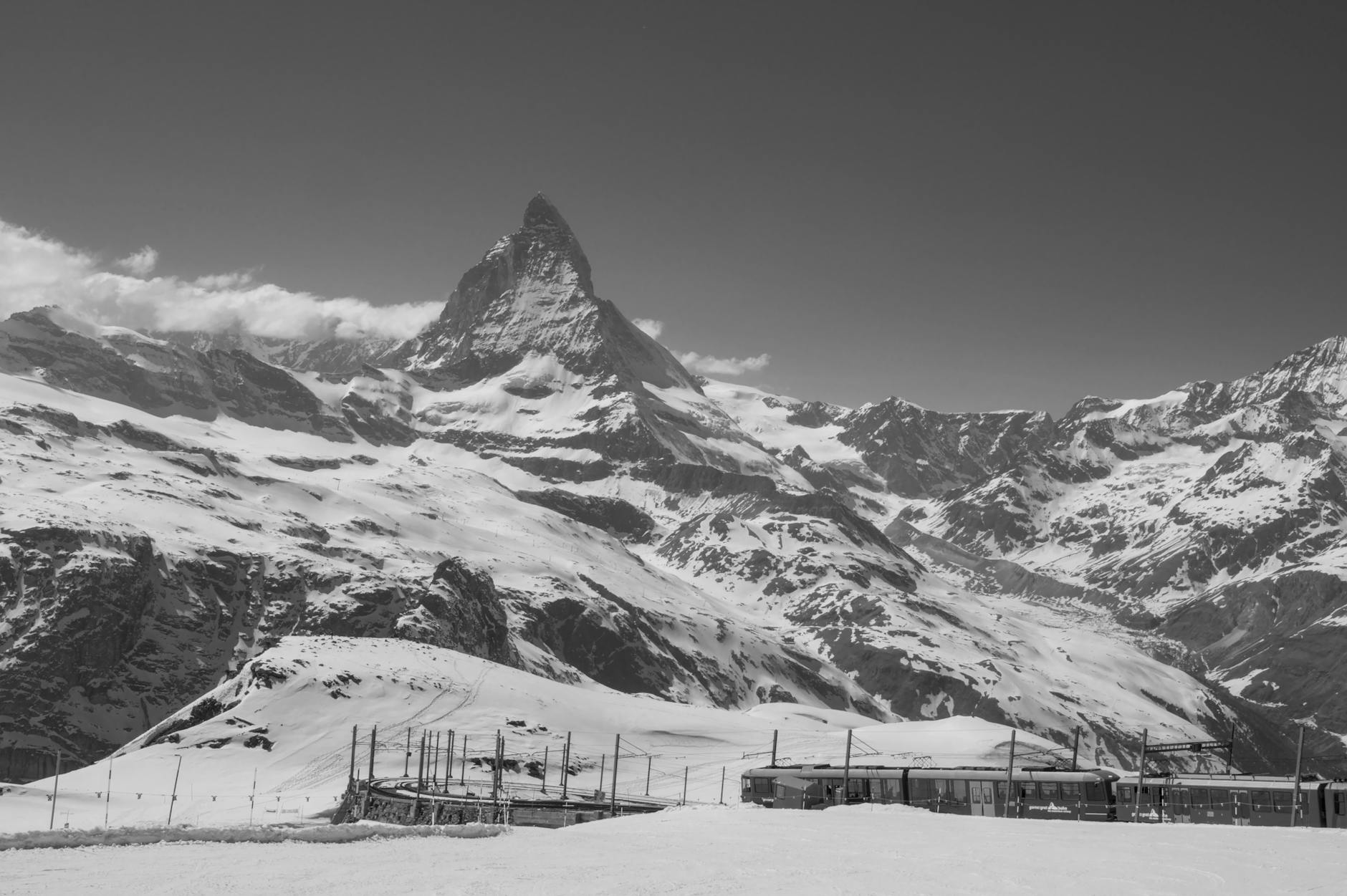
A conference attendee may need quiet calls, laptop work, charging, laundry, early breakfast, quick room returns, and easy movement after evening events. A scenic hotel that complicates the schedule can undercut the purpose of the trip. The room should support the conference, not only the scenery.
Work infrastructure matters in a mountain village.
- Check Wi-Fi, desk space, quiet rooms, breakfast hours, laundry, luggage storage, and station pickup.
- Confirm whether the hotel route is practical after receptions, in snow, or with business clothing and bags.
- Ask whether checkout-day luggage can stay at the hotel if sessions continue.
Protect badges, materials, and devices
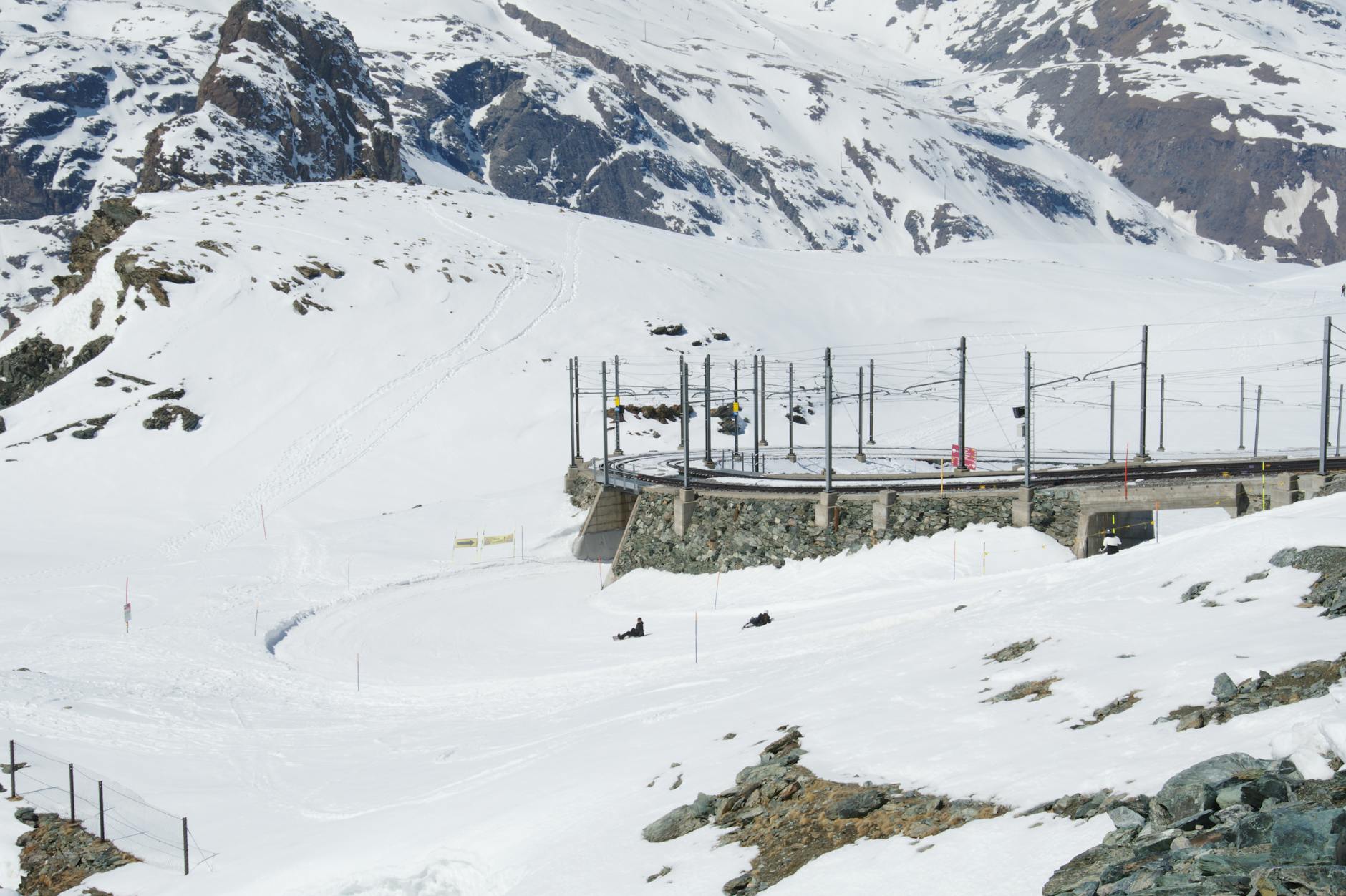
Conference travel often fails on small details: a badge left at the hotel, weak Wi-Fi, a dead laptop, a missing adapter, or printed materials stuck in luggage. Zermatt's compact village helps, but the rail-based arrival and mountain setting make it smarter to keep essentials close.
The attendee should not depend on one fragile copy.
- Carry badge details, agenda, presentation files, chargers, adapters, business cards, and documents in hand luggage.
- Keep offline copies of tickets, session locations, and organizer contacts.
- Confirm printing, AV, and upload rules before assuming help is available locally.
Treat weather as part of the agenda
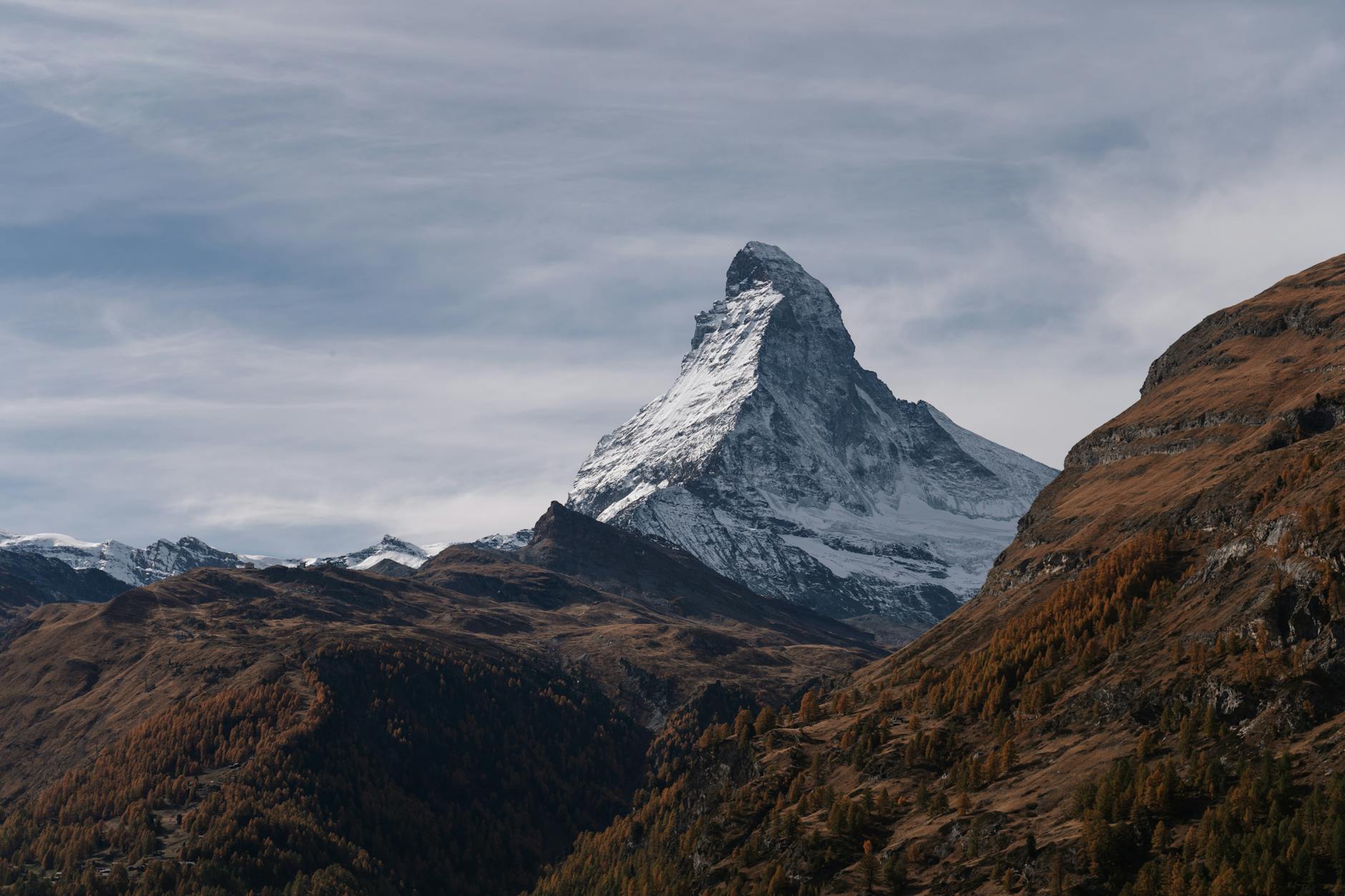
Zermatt conference programs often include scenic breaks, outdoor receptions, rail outings, ski or hiking components, and high-viewpoint hospitality. Weather can change all of that. Attendees should know which activities are essential, which are optional, and what clothing or backup plans are required.
Weather is not a side note in the conference schedule.
- Check forecasts, webcams, lift status, and mountain rail conditions before optional outdoor events.
- Pack layers, footwear, and weather protection that work with conference clothing.
- Do not make important networking depend on a single outdoor viewpoint or reception.
Use networking time intentionally
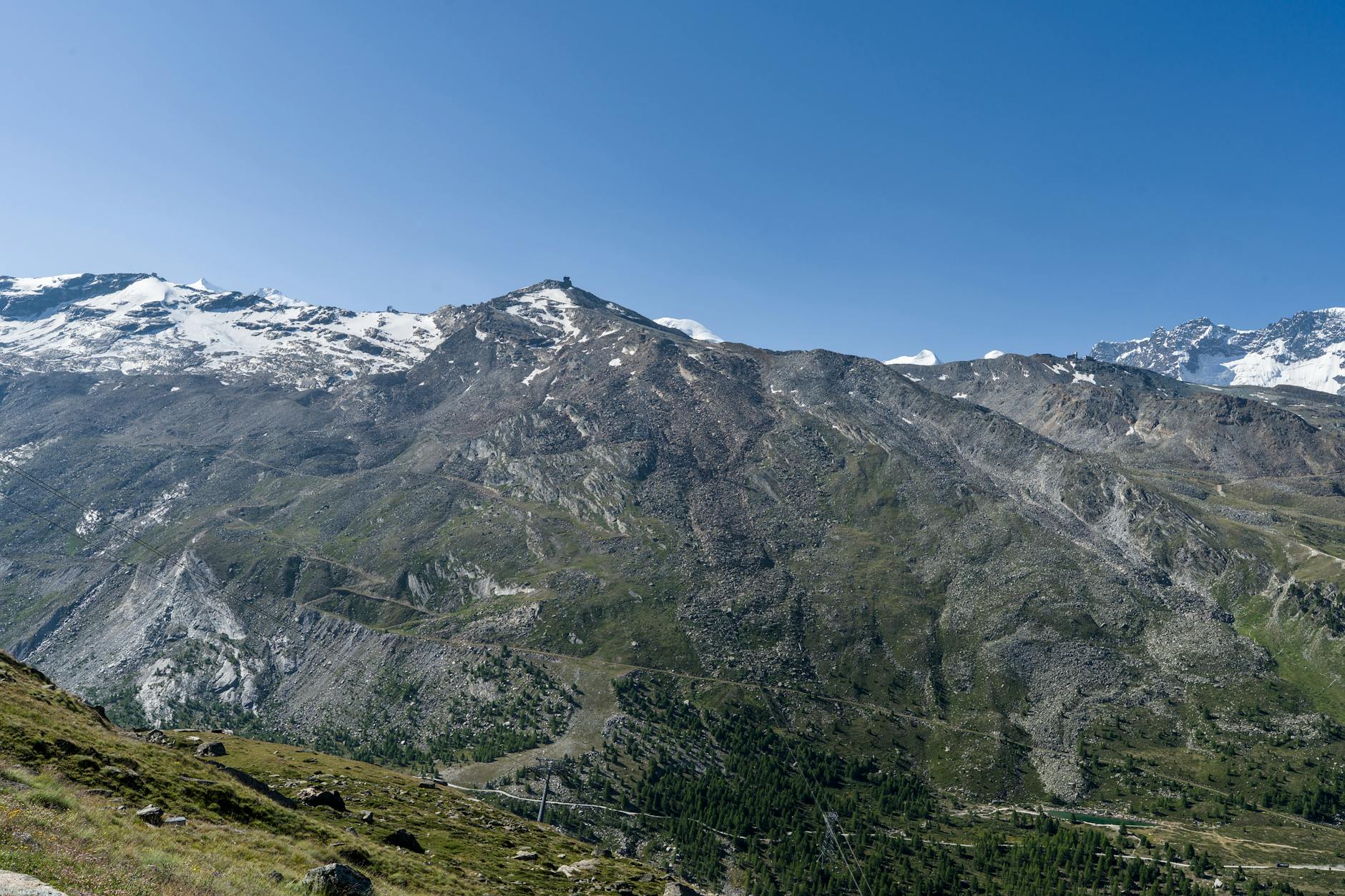
Zermatt can make informal conversations easier because attendees share trains, meals, lounges, lifts, and scenic breaks. That can be valuable, but only if the traveler protects energy and knows which conversations matter. Overfilling every break with mountain plans can reduce the professional value of the event.
The setting should support the relationships, not distract from them.
- Identify key meetings, receptions, meals, and informal windows before arrival.
- Leave room for unplanned conversations instead of filling every gap with sightseeing.
- Keep confidential discussions in private settings rather than crowded lounges, trains, or terraces.
When to order a short-term travel report
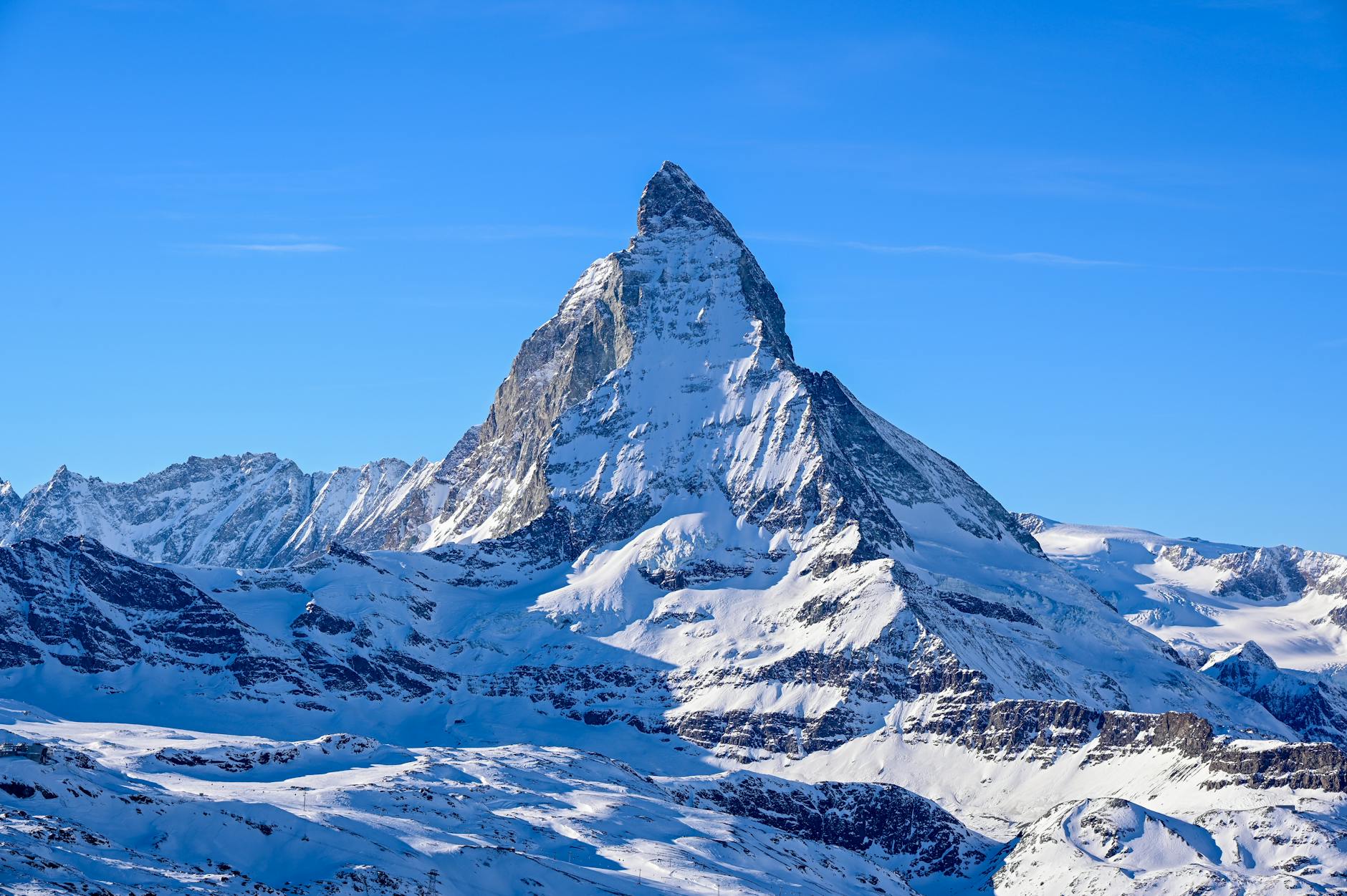
A conference attendee with organizer-managed lodging, transfers, and a flexible agenda may not need a custom report. A report becomes useful when the attendee controls flights, rail, hotel choice, presentation materials, offsite meetings, weather-sensitive activities, reimbursement, or a tight onward connection.
The report should test rail access, car-free arrival, venue geography, hotel fit, materials, weather, networking windows, costs, and departure buffers. The value is a Zermatt conference trip where the professional purpose stays clear inside the alpine setting.
- Order when arrival timing, venue routes, hotel choice, materials, weather, networking, or onward travel need exact planning.
- Provide event agenda, venue addresses, hotel candidates, rail route, session commitments, equipment needs, and budget rules.
- Use the report to keep the conference productive, realistic, and resilient.