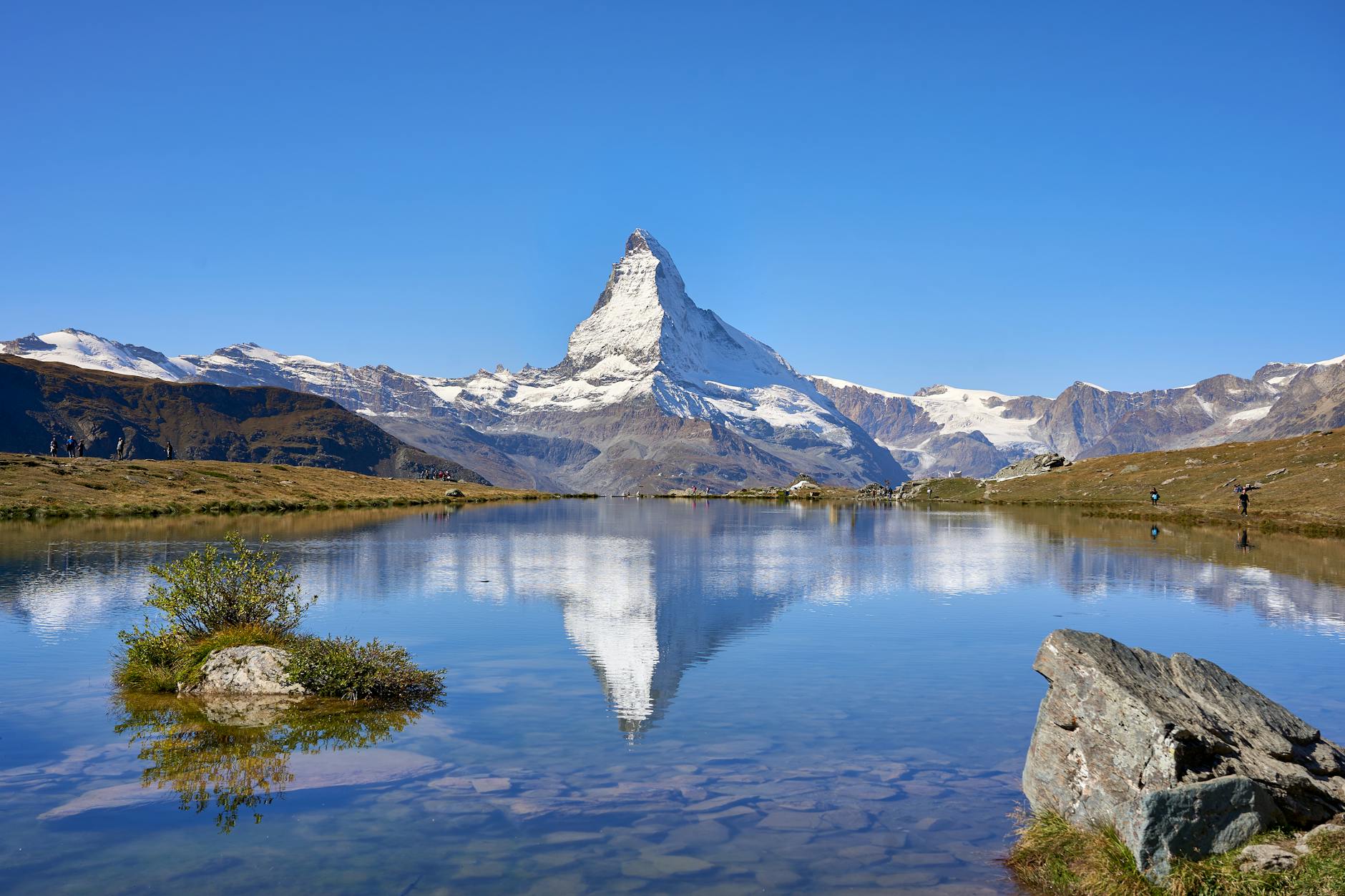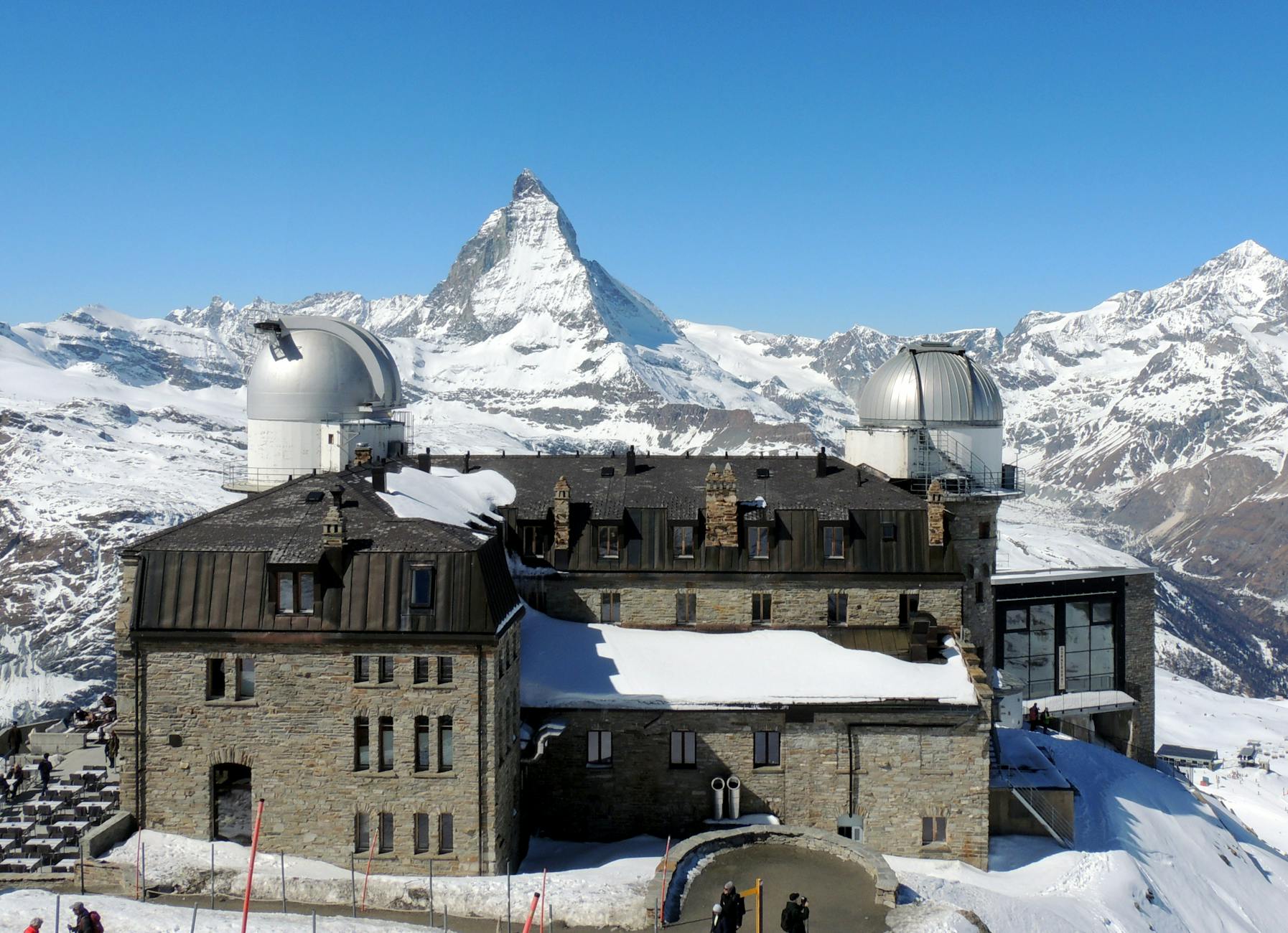
Zermatt can still be possible for travelers with medical constraints, but it should be treated as a mountain trip, not a simple city break. Altitude, cold, snow, walking grade, car-free arrival, rail transfers, hotel access, and weather can all affect comfort and safety. The traveler should align the plan with medical guidance before relying on scenery to carry the stay.
Treat altitude as a planning variable
Zermatt's altitude and mountain setting can matter for travelers with respiratory, cardiac, fatigue, mobility, balance, pregnancy-related, or medication-sensitive concerns. This is not a reason to assume the trip is impossible, but it is a reason to check medical advice, avoid overambitious first-day plans, and understand how higher viewpoints may change the risk profile.
The plan should respect the body that is actually traveling.
- Discuss altitude, exertion, cold, and high-mountain outings with a clinician when the condition makes those factors relevant.
- Keep the first day lighter after long flights, rail transfers, or time-zone changes.
- Avoid high-altitude lifts or strenuous routes if symptoms, weather, or medical guidance make the risk unclear.
Make rail arrival and luggage manageable
The car-free arrival can be comfortable when rail timing, transfers, luggage, hotel pickup, and rest breaks are planned. It can be hard when the traveler has heavy bags, limited stamina, device needs, or difficulty with platforms and weather. The final leg through Visp or Tasch should be designed around the medical constraint, not only the timetable.
Arrival should conserve energy.
- Build rail transfer buffers and confirm platform changes, lifts, seating, luggage help, and hotel pickup.
- Keep medication, documents, device chargers, snacks, and medical essentials in a personal bag.
- Consider luggage transfer or hotel collection if carrying bags would worsen symptoms or mobility limits.
Choose the hotel as care infrastructure
A Zermatt hotel may need to support rest, medication storage, elevator access, dietary needs, device charging, quiet rooms, easy dining, and quick help from staff. A dramatic view or remote setting should not outweigh practical support. The best hotel is the one that makes normal routines easy under mountain conditions.
The room and route are part of the health plan.
- Confirm elevators, step-free routes, heating, bathroom setup, mini-fridge access, quiet rooms, and staff availability.
- Ask about station pickup, luggage assistance, nearby dining, pharmacy access, and help arranging local medical support.
- Choose a location that still works in snow, low visibility, fatigue, or symptom flare-ups.
Protect medication and medical documents
Medication access should be boring, redundant, and easy to explain. Travelers should carry extra medication, prescriptions, device supplies, insurance details, and any relevant medical letters. Mountain weather and rail logistics can make replacement slower than in a large city, so essentials should not sit in checked luggage or a distant bag.
The simplest medical plan is the one that does not need rescue.
- Carry medication, prescriptions, medical letters, insurance details, and device supplies in hand luggage.
- Check storage needs for temperature-sensitive medicine and whether the hotel can support them.
- Know the nearest pharmacy, clinic, emergency number, and route back to the hotel before the trip becomes urgent.
Use weather and symptoms to set the day
A medical constraint may make cold, heat, wind, altitude, wet clothing, or long waits more consequential. Zermatt's best plan is often flexible: use clear weather for a manageable outing, then switch to rest, dining, spa, museum, or village options when conditions or symptoms change. Pushing through can damage the rest of a short trip.
The itinerary should respond early, not late.
- Check forecasts, webcams, lift status, and route conditions before leaving the hotel.
- Plan indoor or low-effort alternatives for cloud, snow, wind, fatigue, pain, nausea, breathlessness, or dizziness.
- Keep meals, hydration, rest, and medication timing visible in the daily schedule.
Keep mountain outings modest and reversible
High viewpoints, hikes, ski days, and scenic rail routes should be selected for reversibility, not only spectacle. A traveler with medical constraints should know the altitude, walking distance, seating options, toilets, food, shade, warmth, and return route before committing. A smaller outing that ends well is better than a famous one that overreaches.
The exit plan matters as much as the destination.
- Check altitude, walking surface, lift or rail timing, toilets, seating, food, and return options before starting.
- Avoid routes that require sustained exertion or have limited exit options when symptoms are unpredictable.
- Use guides or organized support when the condition makes independent mountain decisions less reliable.
When to order a short-term travel report
A traveler with stable needs, strong hotel support, and a fully arranged stay may not need a custom report. A report becomes useful when altitude, medication, mobility, oxygen or device needs, dietary restrictions, rail transfers, winter weather, high-cost hotels, or a tight onward connection could affect the trip.
The report should test medical-adjacent logistics, not replace medical advice: rail access, hotel support, medication storage, clinic and pharmacy access, walking grade, weather alternatives, activity limits, meals, costs, and departure buffers. The value is a Zermatt plan that makes constraints visible before arrival.
- Order when altitude, rail access, hotel support, medication, mobility, device needs, weather, or onward travel need exact planning.
- Provide dates, medical logistics needs, mobility notes, hotel candidates, rail route, activity limits, meal constraints, and emergency preferences.
- Use the report to align the mountain trip with practical support and realistic pacing.